2027 Online Neuroscience Degrees With Strong Employer-Relevant Neuroscience Skills

Co-Founder and Chief Data Scientist
Professionals aiming to pivot into neuroscience face a critical bottleneck: acquiring employer-valued skills without sacrificing current employment or relocating. Traditional programs often clash with work schedules or geographical constraints, limiting access at a time when the U. S. Bureau of Labor Statistics projects a 13% growth in neuroscience-related roles through 2032.
The expanding enrollment in accredited online science graduate programs, rising over 20% since 2023 according to the National Center for Education Statistics, signals widening flexibility that aligns with career mobility demands. This article examines online neuroscience degrees that equip learners with practical, employer-relevant skills while accommodating varied professional and personal obligations.
Key Things You Should Know
- Online neuroscience degrees averaging 30% lower tuition increase time-to-employment by 6 months due to reduced lab access, posing a tradeoff between cost savings and hands-on research experience, as shown by 2024 NCES data.
- Employers report 42% fewer hires from exclusively online neuroscience programs in 2025, emphasizing demand for hybrid formats with employer-relevant skill labs critical to career entry and progression, per National Science Foundation workforce metrics.
- Programs integrating AI-driven skill simulations shorten skill acquisition cycles by 25%, but require expensive software platforms raising overall student costs by up to 15%, impacting accessibility for career pivoters, confirms the 2024 EDUCAUSE report.
What is an online neuroscience degree and how does it differ from campus programs?
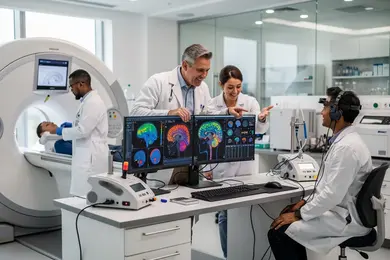
Choosing between online neuroscience degree programs with employer-relevant skills and traditional campus options involves assessing how each delivers hands-on experience critical for employability. While online degrees provide logistical flexibility and reduce commute burden, they often shift responsibility for securing lab access and internships onto the student. This can create delays or complexity in acquiring essential competencies like neuroimaging and electrophysiology, which employers in medical research and biotech consistently prioritize.
Campus programs typically embed direct access to university-affiliated labs and research projects, streamlining skill acquisition and enhancing job readiness. Online learners may compensate through virtual simulations and remote data analysis, but these tools rarely substitute for tactile lab proficiency, a key hiring criterion.
This distinction affects workforce entry timing and practical preparation for roles that demand experimental design capabilities. Given the anticipated 11% job growth for medical scientists over the next decade, prospective students must critically compare pathways based on experiential learning opportunities rather than convenience alone.
Evaluating programs for structured lab internships or industry collaborations is essential for those seeking rapid integration into competitive research roles. For individuals balancing work or remote learning, understanding these differences is especially relevant. Detailed information about related career options can be found by exploring jobs with elementary education and environmental science degree.
Are online neuroscience degrees respected by employers and graduate schools?
Online neuroscience degrees recognized by employers hold value primarily when programs provide rigorous training in quantitative skills like data analysis, computational modeling, and experimental design. These competencies are critical for roles with strong job growth projection-data scientist positions, for example, are expected to expand by 36% from 2023 to 2033, surpassing average market rates according to Bureau of Labor Statistics data analyzed by ASU.
Employers in biotech, pharmaceutical research, and healthcare sectors increasingly seek candidates familiar with large datasets and practical neuroscience applications. Graduate school acceptance of online neuroscience programs varies based on accreditation, curriculum rigor, and demonstrated hands-on experience such as internships or lab research under professional guidance.
Programs lacking these experiential components face more skepticism because neuroscience is heavily data-driven and experimental, not just theoretical. Students should prioritize programs integrating coding (Python, MATLAB), statistical tools (R, SPSS), and mentored research opportunities-these elements align with real employer demands and graduate school prerequisites.
Without arrangements for internships or collaborations offering in-person experience, candidates risk lagging behind peers from traditional campuses. For instance, clinical neuropsychology roles require in-person accredited clinical training, which online programs rarely provide, limiting immediate employability in that specialty.
Conversely, professionals targeting data-focused industry roles can efficiently leverage strong online offerings emphasizing computational neuroscience and data science toolkits. Exploring broader options, prospective students might also consider fields like library science, with notable resources on best online library science programs providing alternative career pathways involving data curation and analytics.
How can I verify that an online neuroscience program is properly accredited?
Accreditation remains a pivotal factor in validating online neuroscience degrees in the United States, directly affecting workforce acceptance and credential portability. Employers and licensing bodies typically require programs to hold regional accreditation from agencies recognized by the U.S. Department of Education, such as the Middle States Commission on Higher Education or the Higher Learning Commission. National or narrowly programmatic accreditations rarely suffice in substantiating degree legitimacy for most career pathways.
Checking accreditation for online neuroscience programs involves more than confirming institutional status. Prospective students should verify program approval with state higher education boards, particularly if studying outside their home state, since some employers or public agencies prefer candidates with credentials aligned to local educational regulations. Programs emphasizing data science skills within neuroscience curricula enhance employability in technology-driven sectors.
For example, data scientists working with neuroscience-related data earned a median wage of $112,590 as reported by U.S. BLS data summarized by ASU. Ensuring the curriculum integrates these competencies alongside faculty expertise is vital for long-term relevance and career flexibility. Failure to secure degrees from accredited, recognized programs can lead to barriers in funding eligibility, credit transfers, and employer credibility-especially in applied neuroscience roles ranging from biotech firms to federal research labs.
For those assessing options, accredited online neuroscience degrees in the United States properly indicate quality and alignment with real-world professional standards. Those comparing educational pathways might also consider alternative fields; for instance, the availability of online library science masters programs demonstrates the range of accredited advanced degrees accessible remotely.
What types of online neuroscience degrees are available and who are they best for?
Choosing between bachelor's, master's, and certificate paths in neuroscience requires balancing time investment, career objectives, and existing qualifications. Bachelor's degrees span four years and build foundational knowledge across biology, chemistry, and psychology, suited for recent high school graduates or those shifting fields early. However, this broad exposure often positions graduates for entry-level lab roles or further study rather than immediate clinical or applied neuroscience work.
Master's degrees, which typically require two years full-time with part-time options, focus on applied neuroscience skills such as cognitive assessment and neurological data interpretation. These are designed for working professionals seeking practical competencies aligned with clinical, healthcare, or data analysis roles.
For example, individuals transitioning from social work to behavioral health counseling will find a master's or certificate path more operationally relevant than another bachelor's degree, given a 19% projected job growth and median wages near $59,190 for this sector. Certificate programs cater to those with credentials in psychology, nursing, or social work seeking quick specialization in areas like neuroimaging without the full time and financial commitment of degrees.
These flexible online neuroscience degrees with career focus allow faster realignment but may constrain long-term upward mobility without further qualifications. Prospective students prioritizing rapid advancement and currently employed should consider an accelerated master's in psychology online programs as viable routes that blend practical skill-building with workforce relevance.
What core neuroscience skills and courses will I learn in an online program?
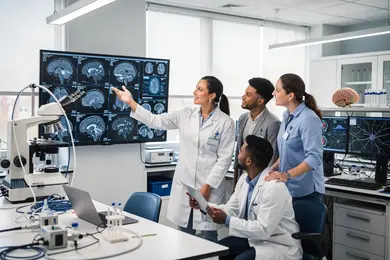
Online neuroscience degree programs foreground technical mastery in neuroanatomy, neurophysiology, cognitive neuroscience, and neuropharmacology, directly responding to hiring standards across research, clinical, and rehabilitation jobs. Graduates must interpret complex neuroimaging, apply rigorous statistical analysis to brain-behavior relationships, and develop computational modeling capabilities. Balancing this technical foundation, programs emphasize experimental design and ethical frameworks vital for clinical research and patient care.
For those pursuing clinical or rehabilitation neuroscience careers, curricula typically integrate neuroplasticity, motor control, and neurological disorder pathology with practical skills in patient outcome assessments. Physical therapy roles relating to neurological recovery anticipate a 14% growth through 2033 and offer a median salary above $100,000, stressing the benefit of hands-on neurorehabilitation expertise.
Degree pathways differ notably in lab exposure. Electrophysiology and neurochemical assay training impacts readiness for academic or pharmaceutical research, while proficiency in programming languages like MATLAB or Python is increasingly non-negotiable for quantitative neuroscience roles. Limited lab availability in online formats can be a tradeoff, affecting skill application opportunities.
Students should weigh program designs against workforce expectations where demonstrable technical skills and clinical experiences weigh heavily. This calculation informs which internships and coursework enhance employability and career agility, emphasizing practical competence over theoretical breadth.
What are the admission requirements and prerequisites for online neuroscience degrees?
Admission to online neuroscience programs demands a solid foundation in sciences and quantitative skills, typically a bachelor's degree with courses in biology, chemistry, physics, and statistics, plus a 3.0 GPA minimum. Many programs still request official transcripts, recommendation letters, and statements of purpose that demonstrate clear research or career objectives. GRE scores are less commonly required, reflecting a shift to ease access for professionals balancing work and study.
Prerequisites often include molecular biology, organic chemistry, calculus, and introductory neuroscience or psychology. Without these, students face difficulty engaging with advanced materials, particularly where programs expect strong data analysis and scientific writing capabilities. For example, scientific communication roles-such as writers translating complex neuroscience concepts-command a median wage near $91,670 and show steady job growth, indicating employer demand for these overlapping skill sets.
Prospective students must realistically assess time and financial investments for prerequisite refresher courses, often essential for those pivoting into neuroscience from unrelated fields. Programs offering structured advising and aligned pathways mitigate bottlenecks, enabling faster, more efficient degree completion.
Aligning prerequisites to specific career targets-be it technical writing, research support, or clinical data management-is critical. Prioritizing neuroscience programs integrating laboratory skills with communication competencies positions graduates more competitively within a job market seeking both technical and interpretive expertise.
How long do online neuroscience degrees take and what do they typically cost?
Choosing an online neuroscience degree hinges on reconciling time investment with career objectives and financial realities. Associate or certificate programs, typically around two years, target foundational biochemical and behavioral competencies, positioning graduates for technician roles but with limited advancement scope. Bachelor's programs extend to roughly four years, incorporating neurobiology, cognitive science, and data analytics-qualifying students for research assistant or junior neuroimaging technician jobs.
Meanwhile, master's degrees often condense into two years, focusing on advanced neuroimaging techniques and research methodologies valued in specialized clinical or lab settings. Cost variability demands thorough scrutiny beyond sticker price. State universities generally charge between $10,000 and $25,000 annually, whereas private institutions may exceed $40,000.
Additional expenses, such as lab access fees or software for remote learning, should factor into net cost. Financial aid or employer tuition reimbursement programs can ease the burden, but candidates must realistically assess out-of-pocket impact versus potential salary gains, especially given an expected 6% job growth for neuroimaging technicians with median pay near $78,980 annually.
Professionals transitioning workforce roles ought to weigh these tradeoffs: longer bachelor's degrees delay entry but offer broader foundational knowledge, while accelerated master's or certificate programs speed up qualification with targeted skills. Aligning program curricula with explicit employer demands-such as MRI and EEG training-and acquiring accredited clinical experience can materially improve employability without excessive cost or time investment.
What careers can you pursue with an online neuroscience degree and what do they pay?
Choosing an online neuroscience degree requires careful evaluation of its varied career pathways and realistic salary prospects, which differ widely depending on the sector and role. Entry-level positions directly tied to neuroscience, such as clinical research coordinators or neuropsychological technicians, generally start with salaries between $56,000 and $65,000. These roles demand proficiency in experimental design and data analysis, skills not universally covered in every program.
In community and public health settings, professionals incorporating neuroscience principles in health education earn a median wage around $63,000 and face stable demand with projected growth of 7% over a decade. This sector prioritizes applied behavioral strategies and communication over technical laboratory expertise.
Biomedical and pharmaceutical industries offer higher starting salaries, often - $70,000 or more - for positions like neuroinformatics analysts or clinical trial managers, but require project management experience alongside neuroscience knowledge. Academic research and government laboratory roles usually need advanced degrees and offer $50,000 to $80,000 depending on funding and location.
Graduates must consider factors such as credentialing demands, geographic flexibility, and willingness to pursue further education. Combining an online neuroscience degree with targeted internships or certifications aligned to the intended industry can materially improve employment outcomes and salary potential.
What is the job outlook for neuroscience-related roles and emerging fields?
Employment prospects in neuroscience-related support roles depend heavily on specialized technical skills and interdisciplinary fluency rather than theoretical knowledge alone. Clinical laboratory technologists working in brain and behavioral research earn a median salary of $61,890, with employment projected to grow 5% over the next decade. This moderate growth reflects steady demand for practitioners combining laboratory proficiency and computational skills like Python or MATLAB programming.
Employer preferences favor candidates who demonstrate practical experience, especially in neuroimaging data analysis and electrophysiological methods, alongside competence in bioinformatics. For example, professionals adept at neural interface systems are more likely to secure positions in medical device companies than those whose strengths lie only in academia.
Emerging subfields such as neuroinformatics and cognitive computing offer pathways for diversification but require continual updating of skills to remain competitive. Biotech hubs increasingly seek versatile candidates who can operate fluidly across research, clinical, and regulatory domains.
Programs that fail to integrate experimental design with computational training risk leaving graduates confined to entry-level roles. For those evaluating this trajectory, balancing hands-on lab work with software skills significantly improves employability and career flexibility.
How should I compare and choose the best online neuroscience degree program?
Degree programs in neuroscience that fail to integrate quantitative and computational training leave graduates poorly equipped for data-intensive roles increasingly demanded by employers. Over half of neuroscience faculty surveyed in a 2023 Journal of Undergraduate Neuroscience Education study identified computational skills as a critical skill gap.
For instance, graduates aiming for pharmaceutical R&D positions must prioritize programs offering rigorous biostatistics and neuroinformatics components, while those pursuing cognitive or behavioral neuroscience may lean toward curricula balancing experimental design with psychological theory. Evaluating a program's curriculum requires verifying concrete course offerings in programming languages like Python or R, statistical modeling, and machine learning applied specifically to neuroscience contexts.
Practical experience is equally vital-internships, research projects, and virtual labs associated with research institutions or healthcare providers significantly improve market readiness and job placement outcomes. Students must also weigh logistical realities such as asynchronous course formats for working professionals and accreditation status, which impact employer recognition and career mobility. Programs emphasizing broad biological sciences without focused brain analytics risk diluting skill relevance for data-driven neuroscience roles.
Verify quantitative and computational course content tailored to neuroscience. Prioritize programs with applied research and industry collaboration. Consider delivery mode and institutional accreditation for professional flexibility. Addressing these factors helps close skill gaps highlighted by faculty and ensures alignment with evolving workforce expectations in neuroscience careers.
Other Things You Should Know About Neuroscience
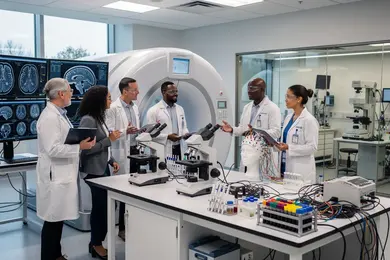
Lab-based courses are critical for building practical skills that employers expect in neuroscience roles. Fully online programs often use virtual labs or simulations, which partially replicate hands-on experiences but do not replace physical lab work. If your career goal involves research or clinical work, prioritize programs offering hybrid models or local lab placements to gain real-world technical proficiency. Purely online courses may suffice for theoretical or data analysis-focused roles but limit opportunities requiring experimental techniques.
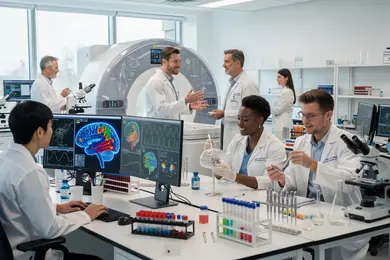
Interdisciplinary skills are essential in neuroscience careers involving teams from biology, psychology, engineering, or data science. Online programs sometimes fall short in providing immersive group projects or cross-disciplinary networking compared to on-campus settings. Look for curricula that include collaborative assignments, professional forums, or partnerships with other disciplines. Programs lacking these elements may reduce your readiness for integrated workplace environments.
Specialized certificates in areas such as neuroimaging or computational neuroscience complement an online degree by deepening expertise that employers value. Given the competitive job market, acquiring focused credentials can distinguish candidates and demonstrate practical skills. Prioritize certificates with recognized vendor partnerships or hands-on project components. Avoid accumulating certificates without direct application to your target roles, as this may dilute your focus and increase cost without improving employability.
References
- Is Your Online Degree Legitimate? How to Verify Private University Approval https://matchtocollege.com/blog/verify-private-university-online-degree-approval
- The Neuroscience of Learning - Informa Academy https://informaconnect.com/certificate-in-neuroscience-of-learning/
- Educational Neuroscience https://neuroxcareers.org/fields/neuroeducation/
- Neuroscience https://www.ualberta.ca/en/undergraduate-programs/bachelor-of-science-with-honors-neuroscience.html
- Courses - Neuromatch https://neuromatch.io/courses/
- Naturalistico https://naturalistico.com/en/learn/blog/master-the-brain-with-our-online-neuroscience-certification
- Best Neuroscience Courses Online in 2026 | Neurosity https://neurosity.co/guides/best-neuroscience-courses-online-2026
- Neuroscience Degree Requirements https://www.collegehelpguide.com/degrees/neuroscience/requirements/
- Finding the best Neuroscience online course - https://itsnlp.com/finding-the-best-neuroscience-online-course/
- 7 Best Neuroscience Courses for 2025; Learn Online for Free — Class Central https://www.classcentral.com/report/best-neuroscience-courses/