2027 Neuroscience Roles Growing Fastest in Research and Clinical Innovation

Co-Founder and Chief Data Scientist
Balancing immediate workforce demands with long-term specialization presents a pressing challenge for those pursuing roles in neuroscience research and clinical innovation. The Bureau of Labor Statistics projects a 13% growth for related professions over the next decade, driven largely by advances in neurotechnology and personalized medicine. Yet, constraints like limited program flexibility and evolving credential expectations complicate strategic enrollment decisions.
With nearly 30% of graduate neuroscience students now opting for part-time or online study formats according to recent Council of Graduate Schools data, accessibility shifts are influencing timing and mobility in career transitions. This article identifies which neuroscience roles are expanding fastest and offers targeted guidance to navigate training pathways aligned with these emerging opportunities.
Key Things You Should Know
- The 15% projected employment growth in neuroscience research roles through 2031, per the U.S. Bureau of Labor Statistics, focuses demand on candidates with dual expertise in AI-driven analysis and experimental design, intensifying credential inflation and limiting entry without advanced interdisciplinary training.
- Pharmaceutical and clinical employers increasingly require competitive postdoctoral experience integrating neurogenetics and neuroimaging, shifting workforce composition toward fewer but highly specialized researchers, raising opportunity costs for early-career pivots.
- Graduate neuroscience education's average costs exceeding $75,000, with program durations from 5 to 7 years, force strategic timing choices between debt burden versus accelerating industry reentry, especially as federal funding volatility constrains academic lab positions.
What neuroscience roles are growing fastest in research and clinical innovation today?
Fastest growing neuroscience positions in medical research increasingly require combined expertise in AI, data science, and brain science. Data scientist roles linked to computational neuroscience are projected to grow 36% from 2023 to 2033. Employers seek candidates skilled in programming, statistics, and managing large neural datasets, reflecting a shift away from traditional bench science toward hybrid profiles with higher job security and pay.
For example, pharmaceutical firms developing neurotherapeutics need data scientists who can merge clinical neural imaging with genomic data to identify biomarkers-work beyond the scope of typical laboratory scientists. Clinical innovation roles also favor neuroinformatics specialists who deploy AI tools for individualized patient assessments, though these positions demand steep learning curves and interdisciplinary training in both computer science and neuroscience.
Decision-making for students or mid-career professionals must weigh this educational investment against employability outcomes. Pipeline constraints in computational neuroscience programs can prolong time-to-employment but tend to result in stronger long-term prospects, while purely experimental tracks generally funnel graduates into more limited technician roles.
Those pursuing neuroscience research roles driving clinical innovation should also evaluate affordability and program quality. Access to rigorous data science programs can be critical in acquiring relevant computational skills essential for the evolving demand landscape.
What education and skills do you need to launch a neuroscience career in these roles?
Entry into neuroimaging technician roles primarily demands a bachelor's degree in neuroscience, biology, psychology, or a related field, combined with technical certification in MRI or EEG operation. This baseline credential set-common in neuroscience career education requirements in North America-serves as a filter by employers emphasizing practical readiness. Candidates without hands-on experience from internships or clinical rotations face diminished prospects, as competency in image acquisition and signal processing software is non-negotiable.
For many, this surfaces a pragmatic choice: pursue certifications for faster workforce entry or invest years in advanced education to access supervisory roles. Advanced positions often require a master's degree or targeted training in neurotechnology, integrating knowledge of biomedical engineering, statistics, and data programming languages such as Python or MATLAB. These skills are essential for roles focused on MRI and EEG interpretation in both research and clinical environments, a sector anticipating 6% growth through 2033.
Employers look for adaptability to evolving imaging modalities and regulatory variations impacting credential maintenance, which influence geographic and institutional mobility. Given the interdisciplinary nature of clinical neuroscience roles in research, professionals must navigate collaboration with both clinical teams and scientists, with strong communication skills a necessity.
Candidates evaluating their options should weigh the immediate benefits of certifications against the delayed but expanded opportunities of advanced degrees, factoring in costs, time, and long-term career pathways. Those exploring related educational pathways might also consider programs like a nutrition degree online to complement their technical expertise.

Which neuroscience jobs offer the strongest salary potential and long-term job outlook?
High-paying positions in neuroscience clinical research demand a blend of advanced scientific expertise and regulatory acumen, with roles such as clinical research directors and neuropharmacologists leading salary scales. Clinical research directors managing complex neuroscience trials can earn upwards of $150,000 annually, reflecting the intricacies of trial design and regulatory compliance. Neuropharmacologists typically command between $120,000 and $140,000 due to their specialized knowledge in drug development targeting neurological conditions.
Long-term job outlook for neuroscience professionals in innovation benefits from a projected 5-6% annual growth rate in global clinical trials during the mid-2020s. This trend primarily fuels demand in contract research organizations (CROs) and pharmaceutical firms, elevating mid-career trial managers' salaries to around $100,000-$120,000 with strong hiring prospects.
Entry to these roles is limited by the necessity of doctoral-level credentials (PhD or MD) paired with hands-on clinical trial experience and regulatory fluency. Without neuroscience-specific certifications or trial involvement, professionals often encounter stagnant salary growth and constrained advancement. For instance, a clinical researcher without neuroscience specialization may need to secure domain-specific experience or certifications similar to a masters in library science to pivot effectively.
Key employer considerations include competence in multi-site protocol management, evolving FDA standards adherence, and geographic placement near biotech hubs that often offer premium compensation. Those navigating these factors with targeted education and continuous skill upgrades are better positioned for enduring career stability amid expanding neuroscience clinical research demands.
How do research-focused and clinically focused neuroscience career paths differ?
Distinct career paths exist within research and clinical neuroscience, each with unique operational demands and implications for job stability. Research-oriented roles in neuroscience emphasize generating new knowledge through experimental design and data analysis, requiring advanced lab skills, programming expertise, and often a PhD followed by postdoctoral experience.
These positions are heavily dependent on grant funding cycles, leading to employment uncertainty and longer timelines for professional recognition largely predicated on peer-reviewed publications. Conversely, clinically focused neuroscience careers center on direct patient care, diagnostic evaluation, and treatment, usually mandating medical degrees or board certifications in neurology or neuropsychology, with more consistent demand yet complex regulatory and insurance hurdles.
The differences between research and clinical neuroscience careers extend into how emerging technology is integrated. For example, a neurotechnology R&D scientist at a biomedical firm develops and validates neurostimulation devices, whereas clinicians must navigate FDA approval pathways and insurance coverage to apply these tools in therapy. This illustrates a practical tradeoff: research immerses professionals in innovation with volatile funding, while clinical roles require ongoing credentialing but offer more immediate patient application and relatively stable employment.
Decision-making in career paths in neuroscience research versus clinical practice also involves consideration of time investment and credentialing. While researchers may pursue a prolonged academic track, some professionals explore options such as a fast track psychology degree to pivot efficiently toward clinical roles. Understanding these operational realities and workforce expectations helps clarify the alignment between individual goals and the structural demands of neuroscience professions.
What degrees and specializations best prepare you for emerging neuroscience positions?
Bachelor's degrees in neuroscience, biology, psychology, or biomedical engineering provide a foundational baseline but rarely suffice for competitive roles in clinical innovation or advanced research. Employers increasingly expect specialized master's or doctoral training, particularly in fields like neuroinformatics, neurodegenerative disease biology, and neuroengineering.
For example, a master's with a focus on computational neuroscience is often required for AI-driven diagnostic roles, a sector aligned with a global market jumping from USD 41.21 billion in 2026 to an estimated USD 55.18 billion by 2031, according to Mordor Intelligence. Practical skills in neuroimaging, electrophysiology, and biomarker analytics distinguish candidates aiming for pharmaceutical or clinical device sectors.
Dual expertise in regulatory affairs and neuroscience is especially valuable for navigating compliance in therapeutic development. Conversely, clinical research roles, especially those interfacing with patient data, demand hybrid degrees combining neuroscience with clinical psychology or neurology.
When assessing advanced programs, prospective students must weigh program rigor, including hands-on lab rotations and opportunities for interdisciplinary collaboration, which significantly impact hiring potential. Certificate options in data science or machine learning can boost immediate skills but limit access to senior research positions or broader career paths.
Emphasizing programs connected to research consortia or industry partnerships maximizes mentorship and job placement. As neurodegenerative disease therapeutics grow more complex, candidates benefit from advanced quantitative training combined with biological expertise rather than broad, less focused curricula.
How do online neuroscience and neuro-related programs compare with campus-based options?
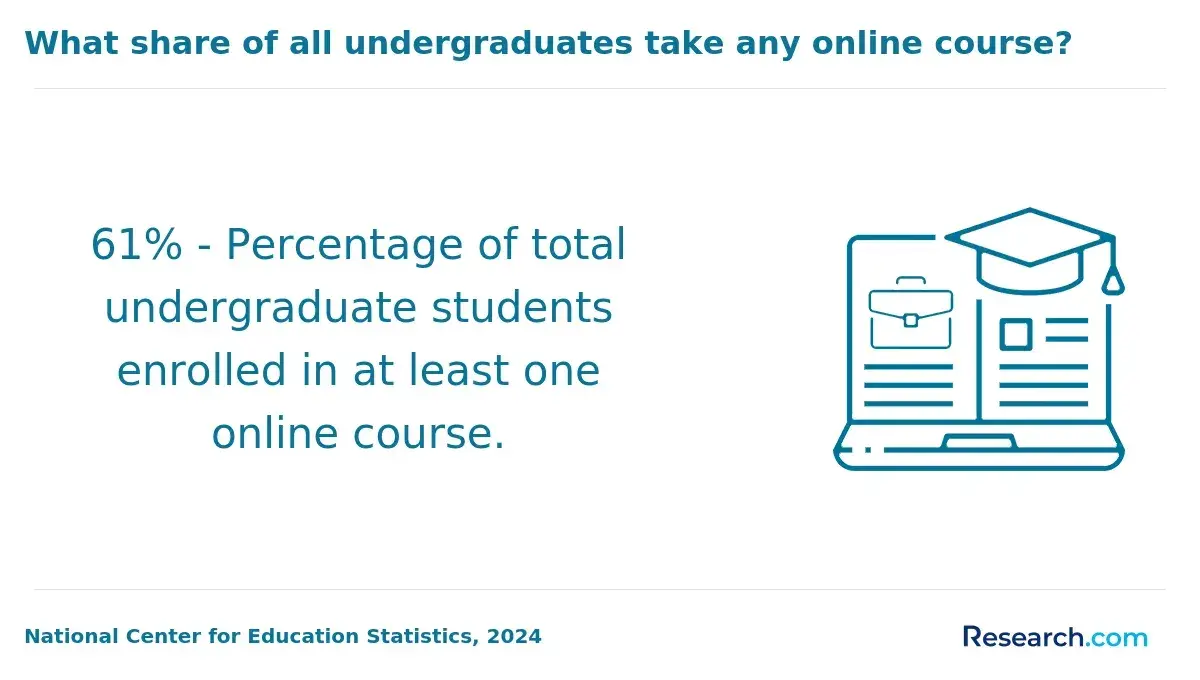
Choosing between online and campus neuroscience programs requires balancing the need for hands-on experience with flexibility. Campus-based options remain irreplaceable for roles demanding practical skills-such as neuropsychological testing or clinical research-because they provide access to specialized equipment, supervised rotations, and direct faculty mentorship. For example, a neuropsychology technician pathway typically mandates campus practicum experience to meet employer expectations and state licensure requirements.
Online programs offer accelerated credentialing and convenience, especially for working professionals, through asynchronous lectures and remote coursework. However, they often require supplemental local internships or clinical placements to fulfill in-person training mandates, which vary by state. This patchwork can delay employment outcomes if not carefully planned.
Real-world employer priorities center on demonstrable skills such as neurobehavioral assessment, ethical data collection, and verified clinical hours. These competencies are rarely captured fully through online coursework alone and are critical in applied neuroscience roles linked to behavioral and mental health counseling-which is projected to grow 19% over the next decade with a median wage around USD 59,190, per U.S. Bureau of Labor Statistics data summarized by ASU Online.
Prospective students must map career goals against licensing board stipulations and the availability of clinical immersion opportunities. Campus education offers embedded networking with clinical sites and research projects, whereas online tracks fit best for theory-intensive or hybrid models needing in-person practicum supplementation.
What accreditation and program quality standards matter for neuroscience-related degrees?
Employers in clinical research and biopharma increasingly expect neuroscience graduates to demonstrate competencies in data analytics, computational modeling, and biostatistics, driven by a projected 4.2% CAGR growth in the neuroscience market through 2026. Graduates from unaccredited or poorly aligned programs risk being underprepared for specialized roles such as neuroscience bioinformatics, where both wet-lab experience and software proficiency (e.g., R or Python) are often prerequisites.
Credential recognition hinges on accreditation by agencies authorized by the U.S. Department of Education or the Council for Higher Education Accreditation, with added distinction from bodies like the Accreditation Council for Graduate Medical Education signaling advanced training rigor. Prospective students should verify whether a program offers practical exposure through partnerships with research hospitals or industry and maintains low student-to-faculty ratios (ideally under 20:1) to ensure robust mentorship in advanced techniques like electrophysiology or neuroimaging.
Programs aligned with National Institutes of Health guidelines or audited for ethical research practices provide measurable advantages for federal positions or clinical trial coordination. Additionally, integrating interdisciplinary elements such as AI, machine learning, and big data management enhances readiness for leadership roles in data-intensive neuroscience fields.
- Accreditation status and curriculum relevance directly impact employability and eligibility for federally funded jobs.
- Hands-on training and mentorship are essential for mastery of niche, technical skills valued by employers.
- Interdisciplinary frameworks position graduates for evolving market demands reflecting technological integration.
What does the typical neuroscience curriculum include for future research and clinical roles?
Choosing a neuroscience curriculum requires weighing distinct professional trajectories: research-intensive programs emphasize molecular methods, computational modeling, and experimental design, which align with lab-based roles but involve significant time investment in data analysis skills. Clinical tracks prioritize neuropsychology, neuropharmacology, and hands-on internships to develop practical competence in patient assessment and neurobehavioral testing, meeting employer demands in healthcare settings.
The growing need for neurorehabilitation specialists-with projected employment growth of 14% for neurological physical therapists between 2023 and 2033-illustrates the tangible labor market advantage of programs incorporating rehabilitation sciences and clinical neurology. Graduates equipped for stroke or Parkinson's care address critical workforce shortages and command median wages above $100,000.
Tradeoffs extend beyond coursework intensity. Students must consider that programs heavily weighted toward research may limit clinical exposure, potentially narrowing employment options, whereas clinical-heavy curricula might lack depth in advanced analytics valued in investigative careers. An interdisciplinary approach offers flexibility but requires scrutiny of program depth and alignment with licensing or certification requirements specific to regional job markets.
Prospective students should prioritize curricula matching their career focus with explicit training in applicable skills and realistic practical experiences. For an independent view of employment outcomes and detailed workforce trends, review publicly available data from reputable sources such as the U.S. Bureau of Labor Statistics and analyses by ASU Online.
How can students gain research, lab, and clinical experience while in neuroscience programs?
Securing experiential learning in neuroscience demands strategic navigation of limited local options and varying institutional flexibility. Positions in federally funded or NIH-supported labs provide superior access to neuroimaging, electrophysiology, and molecular assay methods, essential for students targeting research-intensive roles. Conversely, industry-focused candidates must prioritize internships that expose them to translational neuroscience and drug development pipelines, reflecting the sector's projected growth from USD 41.21 billion in 2026 to USD 55.18 billion by 2031.
This growth signals a competitive advantage for students who can demonstrate applied skills aligned with biopharmaceutical innovation. The choice between academic and clinical experience carries operational tradeoffs. Academic research fellowships often offer stipends and publication opportunities but may lack immediate patient interaction, which clinical placements in neurology departments provide under strict scheduling and clearance requirements.
Students balancing coursework must coordinate closely with advisors and career services to manage these constraints effectively. Employers increasingly expect a blend of laboratory proficiency, clinical exposure, and verifiable outputs such as peer-reviewed publications or validated protocols. In scenarios where formal placements are scarce, virtual labs or volunteering at neurology clinics can partially fulfill experiential requirements, though may not substitute fully for hands-on patient assessment experience critical in healthcare settings.
How should you evaluate and choose a reputable U.S. neuroscience program or school?
Evaluating a U.S. neuroscience program requires prioritizing measurable outcomes over marketing claims. Programs with steady publication records in respected journals and reliable funding sources signal strong academic rigor and access to advanced resources. Accreditation by recognized organizations ensures curriculum integrity and employer-recognized credentials.
Alumni employment data and concrete partnerships with clinical or biotech entities directly affect internship and job placement opportunities. For working professionals aiming to pivot into scientific writing within neuroscience, median wages are about USD 91,670, with a projected 4% job growth through 2033, according to data compiled by ASU Online from the U.S. Bureau of Labor Statistics. Programs that embed technical writing tracks within neuroscience equip students with essential skills to translate complex findings for diverse audiences, a capability in growing demand.
Flexibility in delivery-part-time, hybrid, or online options-must align with individual life demands. Additionally, faculty actively engaged in current clinical innovation or industry projects offer relevant mentorship and networking advantages. Conversely, programs lacking translational research or commercialization exposure risk leaving graduates ill-prepared for evolving job markets.
State licensure or certification requirements should be confirmed when pursuing clinical roles since many neuroscience careers necessitate credentials beyond degrees. Balancing these factors mitigates the risk of costly, time-consuming education that fails to yield tangible career returns.
Other Things You Should Know About Neuroscience
A PhD is essential for most leading research roles in neuroscience, especially those focused on independent lab leadership, grant acquisition, and high-impact publications. Without a doctoral degree, advancement beyond technician or research coordinator positions is limited. Practical implication: if your goal is to shape experimental design or develop innovative methodologies, prioritize programs with strong PhD placement records rather than terminal master's degrees, which rarely lead to principal investigator roles.
In 2027, leading neuroscience roles with notable growth are neurodata analysts, clinical neuroscientists focusing on neurodegenerative diseases, neuromodulation specialists, and professionals in neuroinformatics. These roles leverage advances in technology and data science to drive research and improve clinical outcomes.
Specializing early in a neuroscience subfield can increase employability in focused roles but reduces flexibility if career goals shift. Conversely, a broad neuroscience education provides adaptable skills applicable across research and clinical settings but may require further specialization later to qualify for competitive positions. For those uncertain about exact career paths, starting with broader programs followed by targeted certifications or advanced degrees is strategically advantageous.
Industry employers prioritize applied skills such as data analytics, regulatory knowledge, and project management, expecting faster deliverables and commercial impact. Academic roles demand deeper theoretical knowledge and consistent publication output but offer more research autonomy. Candidates should tailor their education and networking efforts accordingly, focusing on hands-on technical competencies for industry and on grant writing and peer collaboration for academia.
References
- The Neurology Trial Boom: Trends, Challenges, and the CRO Advantage https://www.linical.com/articles-research/the-neurology-trial-boom-trends-challenges
- Emerging Roles in Clinical Research | ICON news and blogs https://careers.iconplc.com/blogs/2025-1/emerging-roles-in-clinical-research
- Neuroscience Degree Salary https://www.collegehelpguide.com/degrees/neuroscience/salary/
- 8 Innovative Neuroscience Startups to Watch In 2026 https://wewillcure.com/insights/company-profiles/innovative-neuroscience-startups-to-watch-in-2026
- Bls https://www.bls.gov
- BNA Learning Outcomes Approved by Royal Society of Biology https://www.bna.org.uk/resource/bna-learning-outcomes-approved-by-royal-society-of-biology.html
- Neuroscience Jobs (with Salaries) - SEEK https://au.seek.com/neuroscience-jobs
- Explore Parexel Careers in Neuroscience https://jobs.parexel.com/en/neuroscience
- Looking for research experience – Transition Year students — Neuroscience Ireland https://neuroscienceireland.com/looking-for-research-experience-transition-year-students
- Potential Careers https://neuroscience.uoguelph.ca/potential-careers/