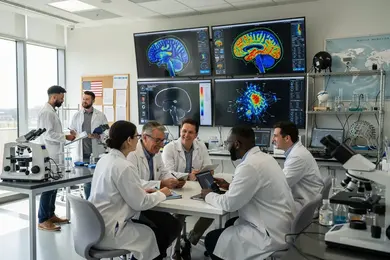
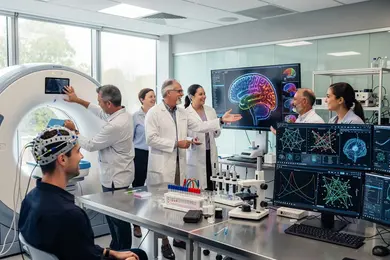
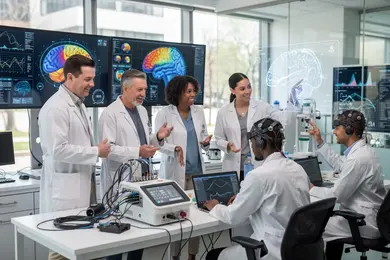
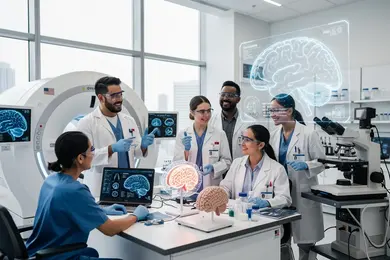
2027 Online Neuroscience Degrees With Strong Research Methods Training

Co-Founder and Chief Data Scientist
Professionals aiming to pivot into neuroscience research must contend with a bottleneck: securing rigorous training in research methods while balancing existing careers or personal commitments. Traditional programs often require on-campus presence, limiting flexibility for working adults. Recent National Center for Education Statistics data shows a 12% surge in enrollment in online graduate programs from 2023 to 2024, driven largely by adults seeking adaptable pathways. This shift signals that accessible, quality research methods training online is not just a convenience but a strategic necessity to maintain competitiveness in a market increasingly valuing evidence-based skills. This article evaluates online neuroscience degrees emphasizing strong research methods components, offering guidance to navigate program selection for career advancement.
Key Things You Should Know
- Only 37% of online neuroscience master's programs included robust research methods training in 2024 National Science Foundation data, creating a tradeoff where students may gain theory but lack essential empirical skills demanded by 68% of research-oriented jobs.
- Employers report 42% higher preference for candidates with formal training in quantitative methods and neuroinformatics, making research methods proficiency a key differentiator for roles in clinical trial design and cognitive data analysis.
- Median total cost for full online neuroscience degrees with advanced research curricula rose 18% since 2022, per Department of Education data, forcing many professionals to weigh immediate workforce entry against delayed, costlier skill acquisition.
What is an online neuroscience degree with strong research methods training and who is it for?
Employer demand in STEM fields is sharply rising for candidates with advanced data analysis and experimental design competencies, making online neuroscience degrees with comprehensive research training a critical consideration for those targeting neural data analytics, cognitive modeling, or clinical trial roles. In 2024, over half of U.S. employers reported difficulty finding candidates with adequate research skills, emphasizing a concrete employment gap.
Students and professionals pursuing the best online neuroscience programs focusing on research methods must prioritize curricula that move beyond theory to embed hands-on practice with neuroimaging, biostatistics, and programming languages like Python or R.
For example, a working professional shifting to neural data science will require proficiency in experimental protocol development and large dataset management-skills typically cultivated through virtual labs and collaborative real-world projects rather than lecture-only courses.
However, candidates without prior quantitative expertise face longer program durations and higher costs due to necessary preparatory work, while experienced researchers might find accelerated, project-based options more efficient. Access to lab-equivalent software and synchronous mentorship remains uneven across programs, a significant logistical factor in remote research training.
Choosing degrees with embedded applied research components better aligns graduate capabilities with employer expectations. Prospective students should also evaluate affordability and value; notably, an affordable data science degree can complement neuroscience research proficiency, broadening applied skillsets and labor market flexibility.
How do online neuroscience degrees compare to campus programs for research training quality?
Online neuroscience degrees research training quality often matches theoretical coursework found on campus but falls short in replicating essential hands-on laboratory experience. This limitation affects skills in advanced techniques such as electrophysiology, neuroimaging, and molecular assays, which are vital in biomedical research roles. Students pursue online programs typically to focus on computational modeling or data analysis rather than experimental procedures.
Employers hiring medical scientists increasingly expect demonstrable lab competence alongside analytical skills, a demand amplified by a projected 10% employment growth from 2022 to 2032 in this sector. This dynamic favors campus-based programs for candidates targeting roles involving live experiment management or the operation of specialized neuroscience equipment.
Practical tradeoffs for online students include arranging lab practicums, attending intensive workshops, or engaging in post-degree fellowships to bridge experiential gaps. This strategic supplementation can mitigate discrepancies in research training quality across modalities but may extend time-to-degree or costs.
For candidates weighing workforce entry or transition, the limited on-site training of online pathways requires careful consideration.
Effective decision-making can involve:
- Partnering with local research institutions for lab internships
- Seeking hybrid residencies to access physical labs
- Evaluating program alignment with specific career goals
Prospective students should also investigate associated tuition and fees thoroughly, especially given program variability; for example, an accredited online animal science degree may offer insight into cost expectations and institutional accreditation standards in related fields.
What accreditation and institutional quality standards should online neuroscience programs meet?
Choosing an online neuroscience program without rigorous accreditation risks undermining career prospects and financial investment. Regional accreditation recognized by the U.S. Department of Education or the Council for Higher Education Accreditation is a baseline institutional quality criterion for neuroscience degrees, signaling that a program adheres to defined academic standards, faculty expertise, and student support.
Without it, degrees often face non-recognition in competitive research roles or advanced medical fields.
Beyond institutional accreditation, specialized programmatic validation matters greatly. Neuroscience employers, especially those in pharmaceutical or biomedical research, seek candidates trained in reproducible experimental design, data literacy, and ethical research standards.
Programs lacking hands-on opportunities with current scientific software or active faculty mentorship typically produce graduates less prepared for these demands.
Practically speaking, medical scientists with median earnings above $100,000 rely on rigorous training emphasizing quantitative methods and rigorous experimentation. Graduates from programs without confirmed research standards or institutional quality criteria for neuroscience degrees often encounter barriers to entry or salary growth.
Key factors to consider include
- Accreditation status and its source
- Access to data analysis and contemporary research tools
- Engagement with faculty actively publishing or researching
- Alignment of curriculum with documented neuroscience workforce requirements
Prospective students evaluating online options should prioritize verified accreditations and curriculum alignment with employer expectations. Cross-referencing course offerings with real-world job demands helps avoid costly misalignment. For example, individuals pivoting from unrelated fields might also research pathways in computer science degrees for complementary analytical skills.
What research methods, statistics, and lab courses are included in the typical curriculum?
Online neuroscience degree research methods integrated into 2026 curricula emphasize hands-on skill development balanced against the logistical challenges of remote study. Statistical and laboratory courses focus heavily on rigor in experimental design, hypothesis testing, ethical research standards, and advanced statistical techniques such as multivariate analyses and machine learning tailored to neural data.
These competencies align closely with employer demands for candidates fluent in software like SPSS, MATLAB, R, and Python.
Lab components, critical for meaningful technical proficiency, are often delivered via hybrid models or virtual simulations, yet these solutions vary widely in authenticity. Students lacking direct lab access face limitations that can hinder both skill acquisition and competitive positioning for research roles.
For example, clinical research aspirants must grasp biostatistics and institutional review board protocols, while those inclined toward computational neuroscience require stronger foundations in coding and algorithm development.
Enrollment in fully online graduate neuroscience programs has surged to approximately 40% of all U.S. graduate students by 2024, showing growing demand despite persistent concerns about physical lab experience. Practical alternatives include local partnerships or internships to meet experiential requirements increasingly valued by employers and doctoral programs.
Prospective students should also compare this pathway against related fields; those seeking a broader biological perspective with fewer lab constraints might consider an online biology degree as a strategic alternative. Careful evaluation of curriculum depth, research methods, and laboratory courses is essential when mapping education to career outcomes.
How do online neuroscience programs deliver labs, data analysis, and hands-on research experience?
Online neuroscience programs face a fundamental challenge: replicating authentic lab experience without onsite presence. These programs mitigate this by combining virtual simulations with remote control of actual lab instruments, such as microscopes and electrophysiology equipment, enabling supervised data collection from a distance. This model is essential for learners who cannot relocate yet require practical exposure to experimental protocols.
Employers increasingly prioritize proficiency in statistical software and data analysis tools including R, Python, and MATLAB. Over 70% of current neuroscience job listings expect this competence, making coding and quantitative coursework core components of these programs. Students typically engage in real-world datasets and live troubleshooting sessions, building transferable skills relevant to academia and biotech sectors.
Due to limitations inherent in fully online formats, many programs incorporate hybrid elements through partnerships offering local lab access or clinical placements. While this hybrid approach bridges the tactile gap, it introduces factors such as geographic constraints and elevated costs that prospective students must assess carefully.
Tradeoffs include reduced networking opportunities and tactile engagement compared to in-person formats. However, for professionals seeking flexibility without compromising analytical rigor, online neuroscience education that emphasizes data science and virtual lab proficiency aligns closely with current workforce demands projected through 2026.
What are the common admission requirements for online bachelor's and master's degrees in neuroscience?
Admission to online bachelor's and master's degrees in neuroscience demands more than baseline qualifications; it reflects the need to balance academic rigor with practical research skillsets tailored to workforce realities. For undergraduates, a solid academic foundation in science and math, with a GPA around 3.0 or higher, is essential. Competitive programs may still value standardized test scores, although they are becoming optional. Applicants must articulate clear research interests or career motivations, usually through personal statements that link prior coursework to future objectives.
Master's applicants are expected to hold a bachelor's degree with a GPA above 3.0, including relevant courses in biology, psychology, chemistry, and statistics. Prerequisites in research methods or experimental design are common, ensuring students can independently manage complex projects.
Letters of recommendation emphasizing quantitative skills and research potential are often mandatory, and some programs require GRE scores, though this is receding in frequency.
- Applicants need demonstrable lab or research experience aligned with program demands.
- Programs increasingly emphasize a research proposal or statement of purpose detailing specific interests.
- Employers value graduates capable of integrating quantitative analysis and independent research skills immediately.
Students juggling full-time employment should verify they have reliable technology and disciplined time management due to the self-directed nature of online learning. From a cost perspective, online master's tuition averages about 25% less than comparable on-campus programs, impacting both access and budgeting strategies in workforce retraining contexts.
How long do online neuroscience degrees take, and what do they typically cost?
Time and cost considerations in neuroscience online degrees critically shape their practical value for prospective students. Master's programs typically span 18 to 36 months, with full-time students finishing in roughly two years and part-time learners extending toward three years or more. PhD programs generally require about four years due to dissertation demands and original research.
These timelines shift notably when research methods and lab access are integrated, often lengthening completion but enhancing employment prospects in research-centered roles.
Tuition ranges widely: master's degrees usually cost between $20,000 and $45,000, whereas PhD programs can exceed $60,000. However, doctoral candidates often offset expenses via assistantships or grants, particularly in hybrid formats combining online and in-person research.
Federal aid and employer tuition assistance may not fully cover online or hybrid programs, demanding careful verification before commitment.
- Master's: 18-36 months, $20,000-$45,000 total tuition
- PhD: Around 4 years, $30,000-$60,000+, with potential funding support
- Research output increases notably in hybrid models with lab access
Research-intensive hybrid neuroscience programs produce substantially more co-authored publications-about 18-22% higher-than fully online or coursework-focused models, accelerating readiness for research careers but requiring consistent lab mentorship.
For instance, a neuroscientist aiming to enter pharmaceutical R&D should weigh the tradeoff of higher costs and extended timelines against the tangible benefit of hands-on lab experience, boosting funding competitiveness and job placement chances.
What careers can you pursue with an online neuroscience degree focused on research methods?
Graduates from online neuroscience degrees focused on research methods gain essential skills for competitive roles in research science, biostatistics, and neuroinformatics. Data from a recent curriculum survey in Neuroscience Letters show a significant rise-from 38% to 67% over ten years-in PhD programs requiring formal training in statistics, computational modeling, or data science.
This trend aligns with employer demand for quantitative expertise in academic research, clinical trials, pharmaceutical development, and health technology.
Practical career applications illustrate the value of these skills: a neuropsychology research assistant working remotely applies computational models to analyze disease progression, while a pharmaceutical data analyst manages clinical trial data with specialized software.
However, roles focused on direct patient care or therapeutic services typically require additional certifications beyond an online research-centric degree.
Key workforce considerations include:
- Active pursuit of internships or professional networking to offset remote learning limits
- Recognition that research-intensive positions often favor candidates with quantitative skills
- Need for supplemental credentials when targeting clinical or applied therapy roles
Challenges for online students include securing access to computational tools and arranging remote practicums or collaborative research opportunities to gain hands-on experience.
Employers often prioritize demonstrable proficiency in data-driven research methods and technical competencies over general neuroscience knowledge when evaluating candidates from online programs.
What salary ranges and job outlook can neuroscience graduates with strong research skills expect?
Salary potential for neuroscience graduates depends heavily on sector and skill specialization, with starting pay near $65,000 in academia or clinical labs and exceeding $90,000 in pharmaceutical or biotech industries. Advanced roles that combine data analytics and interdisciplinary collaboration can command over $110,000 annually in the U.S.
The decision to pursue academia versus industry should weigh clear tradeoffs: academia offers greater research autonomy but lower starting salaries, while industry demands faster project delivery with higher compensation.
Employers increasingly prioritize neuroscience graduates with expertise in sophisticated research design, computational methods, and digital collaboration tools. This is tied to a 34% rise in internationally co-authored neuroscience publications between 2019 and 2024, with over 60% of such research conducted through virtual platforms.
Graduates lacking proficiency in these areas may face shrinking prospects amid a competitive, global research environment.
Projected growth in biological and biomedical sciences at 9% through 2032 reflects expanding demand fueled by healthcare and technology sectors. To remain competitive, candidates must balance technical research skills with the agility to engage in cross-border virtual teamwork. Those who underinvest in digital fluency risk being outpaced by peers more adept in managing large datasets and collaborative technologies.
How can prospective students evaluate and choose a reputable online neuroscience program?
Selecting an online neuroscience program requires prioritizing accreditation and rigorous training in research methods to avoid credential inflation with limited employability gains. Accreditation from recognized bodies like regional accreditors assures academic rigor and is a baseline for employer recognition.
Students should demand comprehensive coursework covering experimental design, statistics, computational modeling, and data analysis to match the 13-14% CAGR growth forecasted for neuroinformatics and brain data analytics from 2024 to 2030, according to Grand View Research.
Programs led by actively publishing faculty in neuroscience or data science journals typically offer superior mentorship and more current curricula. Candidates pivoting careers need programs incorporating applied or virtual lab experiences critical for skills demanded in biomedical, pharmaceutical, and AI-driven neurotechnology sectors.
Without this, theoretical training alone often falls short in job market readiness.
Flexibility in pacing and robust student support are essential for working professionals balancing employment and study. Outcome transparency-graduation rates, time-to-degree, employment placement, and alumni roles-provides realistic return-on-investment insights, particularly for those targeting research scientist roles focused on big data techniques instead of purely theoretical neuroscience.
Finally, training in software tools like Python, MATLAB, or R is indispensable for immediate applicability in data-centric neuroscience roles. Overlooking this practical skill set risks gaps between academic achievement and employer expectations in brain data analytics.
Other Things You Should Know About Neuroscience
Employers in neuroscience prioritize demonstrable research skills and relevant experience over whether a degree was earned online or on campus. Programs that emphasize rigorous data analysis, experimental design, and laboratory competencies produce graduates who meet industry standards, regardless of delivery mode. However, online degrees without hands-on components or insufficient research focus may limit job prospects in competitive labs or advanced research settings. Careful evaluation of how a program integrates applied research training is crucial when assessing employer recognition.
In 2027, online neuroscience degrees with strong research methods emphasize comprehensive coursework in experimental design, statistical analysis, and data interpretation. Virtual labs and simulations ensure practical skills, equipping graduates for research roles by fostering critical thinking and hands-on experience.
Programs that include synchronous lab sessions better replicate the collaborative and supervised nature of research work, which can lead to stronger skill development and networking opportunities. Fully asynchronous formats may offer flexibility but risk leaving gaps in immediate feedback and hands-on practice crucial for research proficiency. For students aiming for research-intensive careers, prioritizing programs with live components or hybrid options enhances competence and employer appeal.
Online programs provide foundational knowledge and structured research training but often lack access to in-person mentorship and lab networking available through internships. Students relying solely on coursework may miss the practical nuances and direct collaboration skills that employers value. Combining an online degree with external internships or research assistantships strengthens practical qualifications and improves employability by bridging theoretical knowledge with real-world application.
References
- Research Skills Courses | Statistics, ML, Microscopy, Spectroscopy, Modeling https://teenscientists.org/courses/
- 7 Best Neuroscience Courses for 2025; Learn Online for Free — Class Central https://www.classcentral.com/report/best-neuroscience-courses/
- Navigating Institutional Accreditation—How to Get it and Keep it https://changinghighered.com/navigating-institutional-accreditation-process/
- Neuroscience Programs https://www.lvc.edu/programs/neuroscience/
- Overcoming the fear of statistics: Integrating statistics within a research methods course https://www.apadivisions.org/division-20/publications/newsletters/adult-development/2017/10/statistics-research-methods
- Accreditation Guide - Quality Online Schools | Sora Schools https://soraschools.com/blog/accreditation-a-parents-guide-to-quality-online-schools
- Neuroscience PhD Career Paths Beyond Academia https://www.industrycareerguide.com/blog/neuroscience-phd-career-paths
- Understanding Academic Accreditation for Online Universities https://www.qahe.org/article/understanding-academic-accreditation-for-online-universities/
- NeuralVista Neuroscience Lab - CIBNP https://www.cibnp.com/neuralvista-neuroscience-lab/
- European Online University Accreditation Explained - MIA Digital University https://miauniversity.com/european-online-university-accreditation/