2027 Neuroscience Specializations That Best Match Lab-Based Careers

Co-Founder and Chief Data Scientist
Laboratory-based neuroscience careers demand specialized expertise that often conflicts with the constraints many professionals face in balancing rigorous hands-on training and flexible learning options. The National Center for Education Statistics reports a 35% rise in adult enrollment in STEM-related graduate programs since 2023, signaling increased demand for adaptable pathways that still equip learners with essential lab skills. However, many programs prioritize theoretical coursework over practical experience, leaving candidates unprepared for roles requiring advanced experimental competencies. This article examines neuroscience specializations most aligned with lab-focused careers, providing clarity on program features, skill acquisition, and employment outcomes crucial for strategic educational decisions.
Key Things You Should Know
- Neuroscience specializations like neurophysiology demand 2-3 additional years of lab-intensive research training, raising total education costs by 25%, limiting access for candidates balancing financial constraints and time.
- Employers prioritize candidates with advanced technical skills in neuroimaging, correlating with 34% higher starting salaries, pushing professionals toward specialized microcredentialing beyond traditional degrees.
- Tradeoffs between molecular and cognitive neuroscience tracks affect long-term employability: molecular expertise suits industrial R&D, while cognitive skills align with limited academic roles, creating sector-specific workforce bottlenecks.
Which neuroscience specializations lead most directly to lab-based research and clinical careers?
Specializations like neurobiology, neuropharmacology, and cognitive neuroscience with experimental methods directly cultivate competencies needed for lab-based roles, but each routes to employment carries distinct practical tradeoffs. Neurobiology involves cellular work critical to drug development, while neuropharmacology's chemical assays within living systems align tightly with therapeutic testing.
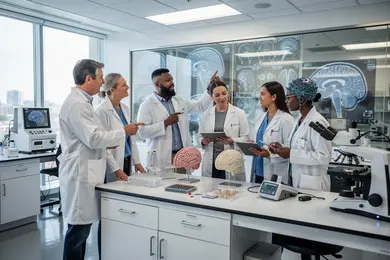
Cognitive neuroscience combined with neuroimaging, a key clinical neuroscience field leading to lab-based roles, differs by emphasizing brain diagnostics more than pure bench science.
Employers expect candidates to demonstrate rigorous skills in experimental design, data management, and protocol adherence. The U.S. Bureau of Labor Statistics projects a robust 11% growth for medical scientists by 2033, adding 16,800 new jobs and a median 2024 salary of $100,590. These figures underscore the demand for neuroscience specializations for lab research careers that deliver hands-on, translational expertise.
Students often face a decision between deeper bench training versus patient-centric clinical trials experience. Programs offering formal research internships and advanced lab access better enable transitions into full-time lab roles, whereas insufficient practical exposure risks diminishing employability despite theoretical mastery. Early alignment with career aims and available lab resources is vital.
Tradeoffs include longer postdoctoral stints for neurobiology and neuropharmacology to compete in research leadership versus choosing cognitive neuroscience pathways with clinical lab rotations for neurodiagnostics. Navigating this effectively requires awareness of qualifications demanded in the scientific labor market.
For those planning a pivot or advancement in the field, comparing program costs and outcomes through resources like data science programs rankings can inform financially sustainable decisions.
What degree levels in neuroscience best prepare you for full-time lab work?
Securing full-time lab roles in neuroscience demands more than a bachelor's degree, as employers prioritize independent experimental design and complex data analysis skills typically cultivated through graduate education. While the neuroscience degree requirements for lab careers allow bachelor's holders entry as lab technicians, these positions generally provide limited autonomy and upward mobility.
Most biomedical and pharmaceutical research employers require at least a master's degree to manage experiments and interpret data independently.
Master's programs emphasize specialized laboratory techniques and data analytics directly applicable to full-time research lab work, positioning graduates for roles such as research associates or clinical lab scientists. These positions often offer median salaries between $60,000 and $90,000 but may plateau without further credentials.
Pursuing a PhD remains essential for lab professionals aiming to lead research, secure grants, and publish independently; these roles, including medical scientists or principal investigators, command salaries frequently above $80,000 and into the six-figure range.
For those switching fields or enhancing credentials, selecting graduate programs with integrated lab rotations or leadership opportunities accelerates practical skill development critical for career sustainability.
Candidates must weigh the time and financial investments against expected gains in salary and responsibility, recognizing that bachelor's education alone rarely fulfills full-time research lab expectations. Prospective students might also consider exploring the best exercise science degree online options to inform comparative degree decisions within life sciences.

How do core neuroscience specializations compare in coursework, lab intensity, and research skills?
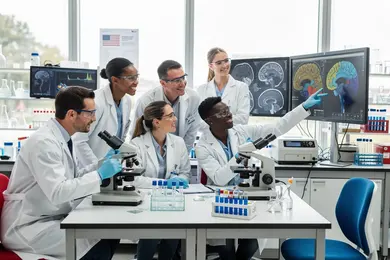
Core neuroscience specializations vary widely in their lab coursework requirements, directly impacting readiness for lab-centered roles. Neurobiology and cellular neuroscience demand 15-20 weekly hours in hands-on techniques like electrophysiology and molecular assays, aligning with technical roles requiring practical proficiency.
Cognitive neuroscience, which prioritizes programming and statistical analysis over bench work, suits research environments focused on computational or human-subject studies but often leaves graduates needing additional lab skill development, creating a potential barrier for biotech lab technician jobs.
Systems neuroscience adds complexity with multi-level recordings and collaborative experiments, increasing time commitments that can limit involvement in multiple projects, unlike neuropharmacology's more biochemistry-focused assays. Such intensity differentials in core neuroscience specializations lab coursework comparison influence how seamlessly students transition into employed research roles.
Students aiming for positions like neuroscience research associates or lab technicians benefit from programs emphasizing extensive wet lab practice, reflecting employer expectations for troubleshooting and operational competence.
Emory University's 2024 data reports bachelor's-level technicians earning about $49,152 to $50,000 annually, suggesting market parity but highlighting the importance of mastering core lab skills to meet job demands efficiently.
Choosing a specialization without considering lab research skill intensity risks delayed workforce entry or the need for supplemental credentials. Practical evaluation should weigh specialization interests against these requirements rather than rely solely on academic appeal.
Professionals considering advanced credentials might explore options such as a masters of library science for complementary expertise in data management within neuroscience research contexts.
What prerequisites and admission requirements do lab-focused neuroscience programs typically have?
Lab-focused neuroscience programs demand more than theoretical knowledge; they require practical laboratory readiness demonstrated by strong foundations in biology, chemistry, and statistics, along with hands-on research experience.
Admission committees prioritize applicants who have completed prerequisite courses such as molecular biology and organic chemistry and who provide detailed transcripts and letters of recommendation underscoring their analytical skills and lab discipline. Meeting a cumulative GPA threshold around 3.0 to 3.5 is common due to the technical precision expected in these programs.
Admission requirements for neuroscience research careers also often include personal statements focused on bench work relevant to specific roles, such as lab animal care technicians needing strict compliance with ethical standards and regulatory knowledge. Although GRE scores have become optional in many programs, quantitative skills remain crucial for many lab roles.
A significant workforce implication is that graduates entering technical lab positions typically start with salaries between $30,000 and $50,000, highlighting that employers value verified lab competence over purely academic credentials. Candidates lacking this experience may face employability challenges or require costly certifications, especially in clinical or pharmaceutical research environments where compliance training is mandatory.
Successful candidates often choose programs with integrated practicum components or partnerships with research institutions to facilitate smoother transitions into employment. Planning coursework to include bioinformatics and safety protocols lessens onboarding time and reduces turnover in demanding lab positions.
Prospective students evaluating prerequisites for lab-focused neuroscience graduate programs may also consider pursuing an accelerated online bachelor's degree in psychology as a strategic foundation that balances coursework with practical preparation.
How do online, hybrid, and campus-based neuroscience programs differ for lab training?
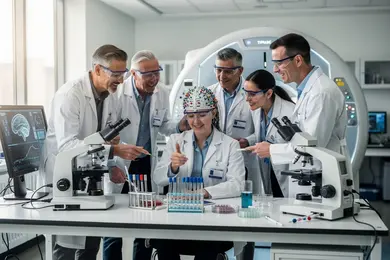
Employers in neuroimaging prioritize candidates with verified hands-on experience in MRI or EEG, creating a distinct advantage for campus-based neuroscience programs. These programs provide rigorous laboratory training with access to specialized equipment and direct mentorship, aligning closely with the technical demands of neuroimaging roles that project 6% employment growth and offer a median wage near $78,980, according to Penn State's systems neuroscience career data.
Hybrid programs blend online theory with limited on-site labs, offering flexibility for working professionals but often fall short on immersive, spontaneous experimental practice. This format can impede readiness for complex troubleshooting expected in clinical and research environments, frequently necessitating supplemental experiential learning to meet employer standards.
Fully online programs concentrate on conceptual knowledge and data analysis but lack essential physical lab exposure, requiring graduates to independently secure externships or additional certifications. This gap often delays entry into neuroimaging technician roles and may prolong time to income stability.
For instance, a professional switching careers must consider that online formats demand proactive external lab engagement to validate technical competencies valued by hiring managers.
Decision-makers must navigate these tradeoffs thoughtfully, balancing personal circumstances against the imperative for credible hands-on training. This focus on practical lab experience underpins successful transitions into technically demanding roles and supports sustainable career momentum in a steadily growing neuroimaging labor market.

Which accredited U.S. institutions are known for strong lab-based neuroscience training?
Strong practical neuroscience training hinges on programs that balance hands-on lab experience with theoretical coursework, directly impacting graduate employability in clinical laboratory roles. Institutions such as Johns Hopkins University and Massachusetts Institute of Technology offer integrated lab rotations and research-based curricula that align closely with employer expectations for technical proficiency and adherence to protocols.
In contrast, larger universities like the University of California-San Diego provide broad interdisciplinary opportunities but often require students to independently secure bench experience, a significant hurdle for those aiming for roles demanding immediate lab competency.
Students prioritizing clinical laboratory technologist or technician careers should consider how program structure influences workforce readiness. For example, Arizona State University's median wage data of $61,890 and a 5% job growth projection from 2023 to 2033 reflect steady demand, yet graduates lacking practical lab skills may face intense competition for these positions.
Key factors when evaluating neuroscience programs include program accreditation, faculty research activity, and partnerships with hospitals or biotech labs that facilitate specialized neurodiagnostic training and certification pathways.
These elements contribute more to employability than institutional prestige alone, especially in a field where operational knowledge and procedural exactness dictate hiring decisions.
What lab techniques, tools, and methods will you learn in each neuroscience track?
Choosing a specialized lab track in neuroscience distinctly shapes career trajectories by aligning technical skills with industry demands and salary potential. Cellular and molecular neuroscience focuses on electrophysiology, immunohistochemistry, and microscopy techniques vital for drug development and receptor pharmacology roles, where precision in analyzing ion channels and protein expression is paramount.
In contrast, behavioral neuroscience trains students in in vivo methods like stereotaxic surgery and optogenetics, supporting research on neural mechanisms behind cognition and disorders, yet often with lower salary ceilings.
Neuroengineering offers a more equipment-intensive path emphasizing microfabrication, neural signal processing, and electrophysiological hardware skills. This track typically leads to higher compensation, with data from Emory University noting an average annual salary of $97,410 for master's-level neural engineers.
Employers in this area expect proficiency in MATLAB, Python, and CAD software to develop and implement brain-machine interface devices effectively.
Career considerations include:
- Behavioral and cellular neuroscience provide broader experimental design versatility but relatively modest employer pay scales.
- Neuroengineering offers top-tier salaries but demands ongoing technology skill development and costly lab resources.
- Neuroimaging balances technical data science skills with diagnostic and research applications but may require navigating complex software ecosystems.
Meanwhile, neuroimaging and systems neuroscience demand competence in MRI, fMRI, PET, and EEG operation, as well as advanced data preprocessing and statistical modeling using software like SPM and FSL. Deciding among these tracks requires weighing access to specialized equipment, technical skill requirements, and long-term career flexibility.
What lab-based job roles can neuroscience graduates pursue, and what do they involve daily?
The career paths following a neuroscience degree vary significantly in daily responsibilities and skill demands, requiring careful consideration of one's technical strengths and professional goals. Research scientists, often holding advanced degrees, commit to experimental design, data collection, and complex analyses using electrophysiology or molecular assays. These roles involve high competition and fluctuating work dynamics tied to experimental outcomes.
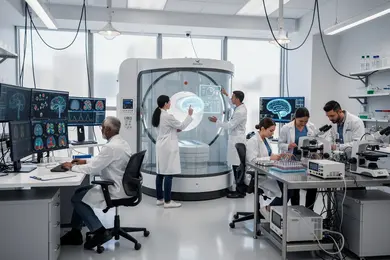
Neurotechnologists focus on operating and maintaining imaging equipment like MRI and PET scanners, requiring technical precision and adaptability to equipment issues. Their schedules can be less predictable due to equipment emergencies or urgent experimental needs.
Biostatisticians, whose averaged incomes reach about $93,290 annually according to Emory University, illustrate the growing demand for quantitative expertise in neuroscience laboratories. Their work is centered on statistical modeling, rigorous data interpretation, and programming with tools such as R or Python, offering more consistent workflows and stronger job security compared to lab-based roles.
Clinical laboratory specialists handle diagnostic testing, managing specimen processing under strict regulatory frameworks. Their roles blend routine quality control with occasional troubleshooting in clinical or research settings.
Choosing among these roles hinges on readiness to navigate the balance between unpredictable hands-on lab work and structured analytical tasks. Gaining interdisciplinary skills and practical laboratory experience remains essential to enhance employability within this evolving field.
What are the typical salary ranges and job outlook for lab-focused neuroscience careers?
The salary landscape for lab-based neuroscience careers varies widely depending on experience and sector. Senior research scientists in biotechnology commonly earn between $100,000 and $150,000 annually, reflecting the value placed on leadership in neurological disease research and drug development.
Entry-level technicians and junior scientists typically see salaries from $45,000 to $70,000, driven by the need for hands-on experimental skills and strong analytical capability. Mid-career scientists with master's degrees or early-stage PhDs generally earn between $70,000 and $100,000.
This range illustrates a clear advantage for professionals who align their expertise with biotechnology or pharmaceutical research, where leadership roles and specialized skills command higher pay. Employers increasingly expect candidates to combine laboratory finesse with bioinformatics and regulatory compliance knowledge, creating pressure on early-career professionals to diversify their skill sets quickly.
Common workforce challenges include securing competitive postdoctoral funding and evolving skill requirements, such as proficiency in neural data analysis tools. Academic positions add further demands like grant-writing and publication records, directly affecting salary progression. Navigating these requirements often determines the feasibility of long-term career growth in the field.
For those seeking a strategic pivot or advancement, understanding these salary tiers alongside practical expectations like continuous learning and adaptability is crucial for informed decision-making about educational investments and career planning.
How can students evaluate program quality, accreditation, and research opportunities before enrolling?
Program accreditation verified by U.S. Department of Education or Council for Higher Education Accreditation agencies remains the most reliable indicator of legitimate quality in neuroscience education. Without it, students face obstacles to federal aid and professional licensure. However, accreditation alone doesn't capture the nuances of program effectiveness.
Faculty research output-measured through publications in leading neuroscience journals and grant acquisitions-is a more operative proxy for a program's capacity to provide hands-on, cutting-edge laboratory experiences.
Employment metrics should be dissected beyond raw placement rates. For example, Florida State University's data indicate entry salaries between $80,000 and $180,000+ for lab-based roles like research scientist or neurologist, but these figures vary widely with specialization and level of experience.
Students targeting specialized lab careers should prioritize programs with longitudinal projects and interdisciplinary collaborations that mirror real research environments.
Practical evaluation involves assessing workload balance: programs heavily weighted toward coursework often underprepare students for supervised lab settings, which are more valued by employers than purely theoretical knowledge.
Furthermore, the scale of the institution matters-larger research universities offer diverse funding and project opportunities but may distribute mentorship thinly; smaller schools tend to provide personalized guidance but limited research variety.
In summary, informed choices require weighing accreditation, faculty research strength, verified graduate outcomes, and hands-on opportunities against tangible career goals and employer expectations to optimize long-term success in neuroscience fields.
Other Things You Should Know About Neuroscience
The choice of specialization directly shapes the depth and frequency of lab work encountered. For example, molecular or cellular neuroscience tracks prioritize wet-lab techniques and bench experiments, while cognitive neuroscience programs often emphasize data analysis over traditional hands-on lab hours. Prioritizing specializations focused on experimental methods ensures consistent lab immersion, which correlates strongly with employer expectations for technical proficiency in research roles.
Intensive neuroscience programs demand a heavy time commitment to maintain both laboratory responsibilities and rigorous coursework. Students often face scheduling conflicts between required lab rotations and lectures or seminars, reducing flexibility and increasing stress. Successful candidates plan ahead to integrate lab shifts with study requirements, or choose programs known for structured schedules that prevent overload and promote steady skill development without burnout.
Choosing a specialization depends on long-term career priorities: broad tracks like neurobiology increase adaptability across industries but may delay mastery of intricate lab methods. In contrast, niche specializations provide targeted skills in high-demand techniques but limit flexibility if market demands shift. Prospective students should evaluate local employer needs, projected growth sectors, and personal willingness to retrain when selecting a focus.
References
- International | Paris Brain Institute https://parisbraininstitute.org/international
- Potential Careers https://neuroscience.uoguelph.ca/potential-careers/
- Know the Difference Between In-Person, Online, Virtual & Hybrid Classes https://www.pima.edu/news/announcements/general-announcements/types-of-classes.html
- Careers in Neuroscience - Thiel College https://www.thiel.edu/academics/departments/neuroscience/neuroscience-alumni-careers
- Online vs Hybrid vs Campus Learning in Healthcare: Which Is Right for You? https://www.edumed.org/articles/online-vs-hybrid-vs-campus/
- Why should my program seek accreditation? - CACREP https://www.cacrep.org/accreditation/why-should-my-program-seek-accreditation/
- Training https://ibro.org/training/
- Research training in the MIND Lab https://themindlab.uk/training/
- The ultimate list of neuroscience lab software tools https://noldus.com/blog/ultimate-list-neuroscience-lab-software-tools
- Neuroscience - Tracks - Ph.D. Program in Biomedical Science - Mayo Clinic College of Medicine & Science https://college.mayo.edu/academics/biomedical-research-training/phd-program/tracks/neuroscience/