2027 Best Online Neuroscience Programs for Professionals Seeking Pre-Med Preparation

Co-Founder and Chief Data Scientist
Professionals balancing demanding careers and pre-med prerequisites face a narrowing window to build competitive neuroscience foundations crucial for medical school admission. The challenge intensifies as 68% of adult learners enrolled in online programs in 2024, according to the National Center for Education Statistics, reflecting growing demand for flexible, accredited options that accommodate irregular schedules without sacrificing rigor. This trend signals shifting employer expectations around academic versatility and time management, favoring candidates who can demonstrate both foundational neuroscience knowledge and adaptability. This article evaluates top online neuroscience programs designed for working adults, aiming to optimize pre-med preparation within these practical constraints and evolving admission landscapes.
Key Things You Should Know
- Pre-med focused neuroscience programs incur 15-25% higher costs due to extended lab work and clinical affiliations, limiting access for working professionals balancing tuition and opportunity expenses, according to 2024 NCES data.
- Employers in biotech and neurology report a 40% preference for candidates with interdisciplinary neuroscience backgrounds that combine cognitive sciences and molecular biology, intensifying pressure to select programs with robust cross-departmental integration.
- Accelerated online neuroscience tracks reduce completion time by up to 30% but often sacrifice depth in neuropharmacology training, creating a critical tradeoff between speed and specialty readiness, per 2024 workforce outcome analyses.
What are the best online neuroscience degree options for students planning to apply to medical school?
Online neuroscience degree programs tailored for pre-med students must balance rigorous science coursework with practical considerations tied to medical school admissions. The best online neuroscience degree programs for pre-med students incorporate essential biology, chemistry, and physics topics while embedding structured lab experiences-either through virtual simulations or affiliated in-person labs-to prevent critical gaps in experiential learning. Without these components, graduates risk delays or additional coursework that can complicate medical school timelines.
Employment data reveals divergent growth trajectories within healthcare: a modest 4% increase for physicians contrasted with a rapid 27% rise for physician assistants through 2034. This dynamic places strategic value on neuroscience online courses for medical school preparation that not only meet academic prerequisites but also provide practical advisement and clinical exposure opportunities. Programs affiliated with comprehensive universities generally offer better support for MCAT readiness and application navigation, a pivotal advantage for competitive admissions.
Students should critically evaluate programs on:
- Accreditation status and curriculum alignment with medical school requirements
- Inclusion and logistics of lab components essential for pre-med preparation
- Availability of pre-med advising and MCAT support resources that fit online formats
Considering these factors in the context of one's career goals is crucial. For those exploring interdisciplinary shifts or aiming for research roles, combining such neuroscience degrees with related fields may be beneficial; for example, exploring a PhD data science online program can complement neuroscience expertise in emerging biomedical analytics.
How do online neuroscience programs prepare students for MCAT success and medical school prerequisites?
The practical value of online neuroscience programs for MCAT preparation lies in their targeted coverage of medical school prerequisites, integrating anatomy, physiology, biochemistry, and cognitive science to align with the MCAT's biological and biochemical foundations. These programs replace traditional labs with virtual simulations and remote lab kits, balancing hands-on experiential learning against the constraints of remote education.
Key tradeoffs include the absence of live lab mentorship and diminished in-person networking, which students must offset through internships or additional practical exposure to remain competitive. Programs that incorporate problem-based learning simulating medical case scenarios sharpen critical thinking tied to the MCAT's critical analysis section while embedding psychology and behavioral sciences to address the psychological, social, and biological foundations of behavior, broadening pre-med preparation.
Given projected 8% growth in medical scientist roles, including neuroscientists, through 2032-with roughly 8,400 annual openings-those who complete rigorous neuroscience courses covering medical school prerequisites covered in neuroscience courses are better positioned in a competitive labor market that values interdisciplinary scientific fluency.
Prospective students must weigh program accreditation and MCAT prep quality since not all options adhere fully to AAMC standards or provide structured test preparation. Selecting reputable programs contributes directly to MCAT performance and medical school admission prospects. For those exploring related health sciences, comparing offerings alongside a sports science degree online may offer additional insight into complementary pathways.
What accreditation and institutional quality standards should pre-med students require in an online neuroscience program?
Pre-med students pursuing an online neuroscience program must prioritize regional accreditation by agencies recognized by the U.S. Department of Education or the Council for Higher Education Accreditation to ensure credits transfer seamlessly and align with medical school standards. Institutional quality standards in online neuroscience programs for pre-med preparation demand rigorous curriculum alignment with medical prerequisites, sustained faculty expertise in both neuroscience and pre-medical sciences, and transparent reporting of graduation and MCAT success rates. Programs lacking these benchmarks often delay clinical readiness, risking protracted medical school entry.
Verification of lab components is essential; clinical skills and MCAT preparation rely heavily on practical, in-person lab experiences. Online programs that substitute virtual simulations without verified physical lab alternatives typically fail to prepare students adequately for medical school expectations or the nuances of patient care and research methods.
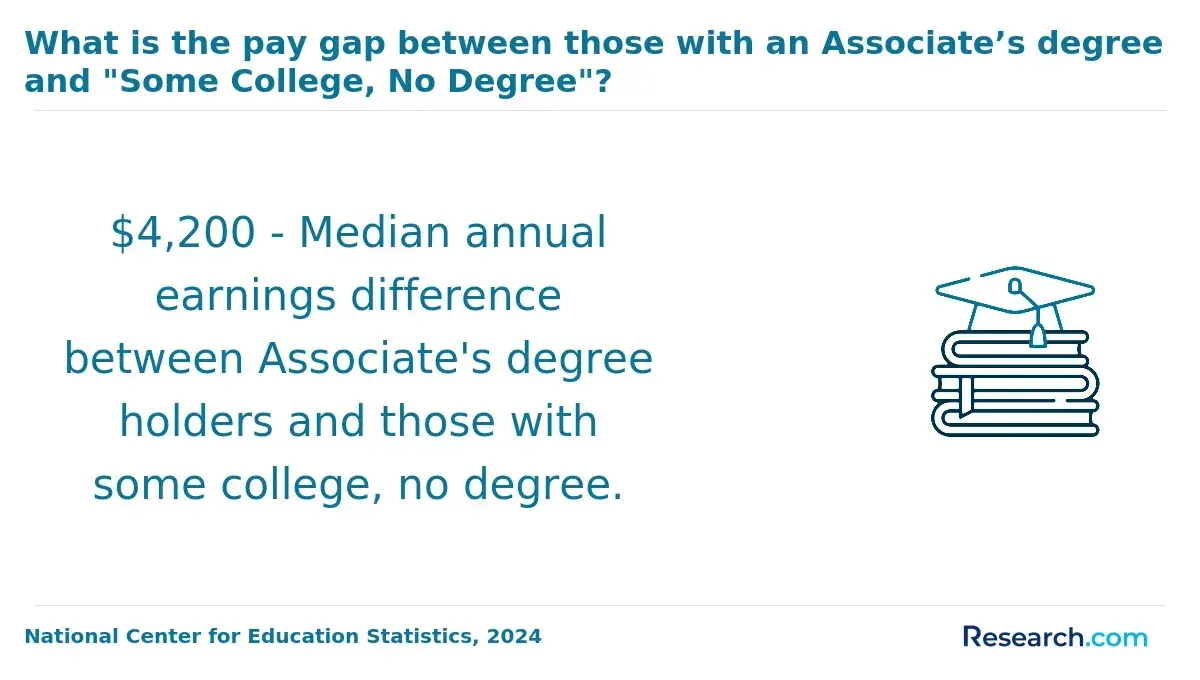
Financially, accredited fully online neuroscience programs offer cost advantages over traditional degrees, especially relevant as in-state public tuition averages approach $11,560, and private nonprofit institutions exceed $46,000. Still, prospective students must weigh cost savings against program recognition and application success metrics to avoid extended timelines to acceptance. Exploring fields like a computer science online degree might offer comparative insight into affordable, accredited online options.
Ultimately, students should seek programs that combine strict accreditation, demonstrable learning outcomes, validated experiential learning, and transparent cost-benefit data. This approach aligns with workforce demands and medical school rigor, providing a realistic path forward.
How do online neuroscience degrees compare with on-campus programs for pre-med preparation and competitiveness?
Online neuroscience degrees offer a viable academic foundation but fall short in matching the hands-on laboratory experience vital for pre-med competitiveness. Analysis of the Association of American Medical Colleges (AAMC) Medical School Admissions Requirements reveals that over 90% of medical schools require coursework in biology, chemistry (general and organic), physics, and biochemistry, while more than 70% recommend behavioral or social science/neuroscience-related courses. The comparative competitiveness of online and campus-based neuroscience pre-med preparation largely hinges on practical lab access, which online programs often lack.
For working professionals aiming to pivot toward medical school, online degrees necessitate strategic supplementation through in-person labs or verified equivalency to satisfy admissions expectations. Employers and admissions committees weigh lab experience heavily, viewing it as an indicator of scientific competence and critical thinking. Completing laboratory work at community colleges or affiliated institutions addresses this gap effectively.
Purely online formats can also limit opportunities for collaborative research and mentoring, critical elements that enhance CV strength and letters of recommendation. In competitive specialties, diminished face-to-face interaction weakens networking prospects. Some programs attempt hybrid models with local lab partnerships, providing partial remedies.
Ultimately, an online neuroscience degree serves as a foundation only when paired with appropriate lab work and clinical exposure; otherwise, it narrows professional profiles and risks reducing medical school admission chances. Students evaluating accelerated pathways should consider the balance of core theory with practical training, and resources such as this accelerated bachelor's degree in psychology provide comparative insights for strategic decisions.
Which types of online neuroscience credentials-bachelor's, post-bacc, or master's-work best for different pre-med profiles?
Bachelor's degrees in neuroscience primarily suit students aligned with traditional pre-med trajectories, providing a comprehensive foundation in biology and key prerequisites essential for medical school. This route matches the profile of 59% of U.S. medical school applicants who come from biological sciences, according to AAMC's 2024 data. For those transitioning from unrelated fields, post-baccalaureate neuroscience credentials present a streamlined alternative, allowing efficient completion of pre-med requirements without repeating general education, balancing time and cost considerations.
Master's-level neuroscience programs target professionals aiming for research-intensive roles or MD/PhD pathways, offering advanced lab experience and specialized coursework. Yet, these programs entail longer completion periods and higher tuition, with many medical schools prioritizing GPA and MCAT scores over graduate degrees when evaluating candidates.
Decision-making around these paths must weigh workforce timing and career goals: a bachelor's allows direct medical school application after four years; post-baccs typically range from 1 to 2 years, fitting working individuals needing quick credentialing; master's programs commonly require 2+ years, better suited to academic medicine or research. Employers and admissions committees emphasize strong science metrics and clinical exposure more than credential type, so each choice corresponds to distinct candidate profiles shaped by prior education, timing, and professional objectives.
What core neuroscience, biology, chemistry, and lab courses do medical schools expect from online students?
Online pre-med students aiming for an MD must navigate coursework and lab requirements that closely parallel traditional paths; missing verified lab experience often disqualifies candidates from medical school admission. Core courses in biology, encompassing cell biology, genetics, and human anatomy and physiology, establish essential biological frameworks. Chemistry is equally demanding, requiring general chemistry with lab, organic chemistry with lab, and biochemistry, necessary to grasp molecular processes underlying brain function.
For those emphasizing neuroscience, the curriculum expands to systems neuroscience, neuroanatomy, and cognitive or behavioral neuroscience. The critical challenge for online learners lies in accessing hands-on lab components, often facilitated through partnerships with local institutions or condensed in-person sessions. Without this, medical schools view applicants as lacking scientific rigor.
Employment data reflects the economic payoff for meeting these standards: medical scientists earn a median wage of $103,410 annually, more than double the U.S. median wage of $48,060. This wage gap signals that fulfilling stringent course and lab requirements translates into higher earnings and job opportunities. Prospective students must assess online programs' ability to deliver verifiable lab experience and rigorous coursework to avoid sunk costs and maximize workforce readiness.
What admission requirements, prerequisite background, and application materials do competitive online neuroscience programs expect?
Applicants to online neuroscience programs face a critical hurdle: demonstrating proficiency in foundational sciences and quantitative reasoning equivalent to traditional pre-med tracks. This means completing rigorous prerequisite courses in biology, chemistry (including organic chemistry), physics, and calculus before enrollment-a necessity often underestimated by career changers or those without direct science backgrounds.
For example, postbaccalaureate students representing roughly 15-20% of first-time U.S. medical school matriculants depend heavily on flexible online offerings to fulfill these prerequisites without disrupting existing professional obligations. However, balancing synchronous and asynchronous coursework alongside employment demands sharp time management and disciplined scheduling.
Admission decisions hinge not only on coursework completion but also on detailed application packets: official transcripts, standardized test scores (where required), personal statements clarifying neuroscience and medical ambitions, and strong letters of recommendation from credible science or healthcare professionals. Deficiencies in any of these areas can significantly reduce competitiveness, especially for selective programs prioritizing proven academic readiness.
Prospective students must carefully scrutinize program curricula for sufficient rigor and clear prerequisite documentation to avoid repeating ineffective coursework. Failure to meet these standards can delay entry into medical school or impede access to top-tier neuroscience tracks. Strategic planning around application timelines and prerequisites ensures alignment with workforce demands and optimizes long-term career trajectories in this specialized sector.
How long do online neuroscience programs typically take, and what tuition, fees, and funding options should students anticipate?
Selecting an online neuroscience program requires a rigorous evaluation of time commitment, cost, and practical relevance, especially for pre-med students balancing work or family responsibilities. Programs spanning 18 to 36 months offer more manageable pacing, whereas accelerated formats condense coursework into 12 to 18 months but require extensive weekly effort, often impractical for employed professionals.
Financially, tuition ranges from $10,000 to $25,000 annually, with additional fees for technology and lab simulation that can add $500 to $1,200 yearly, often overlooked in budgeting. Unlike on-campus students, online students may face restricted access to grants, emphasizing the need to apply early for federal aid or employer tuition reimbursement. Discipline-specific scholarships represent another, though competitive, funding avenue.
For aspirants targeting medical school, the academic rigor of neuroscience programs should be gauged by their impact on MCAT scores and GPAs. Data from FACTS: Acceptance Rates 2024 reveal that applicants with GPAs above 3.8 and MCATs between 515 and 528 have acceptance rates exceeding 80%, whereas lower stats yield under 20%. This gap illustrates how robust neuroscience coursework can materially affect medical admission outcomes.
Post-graduation employment considerations must factor in the program's hybrid lab availability and faculty engagement, critical for hands-on clinical or research roles. Programs lacking these may impair the acquisition of necessary practical skills, delaying workforce entry or further education.
What clinical, research, and shadowing experiences can online neuroscience students pursue to strengthen medical school applications?
Securing meaningful clinical and research experiences is a decisive factor for online neuroscience students aiming for medical school admission, but the challenge lies in aligning these opportunities with rigorous expectations. Clinical hours must extend beyond passive observation-structured volunteer roles or internships in neurology or rehab settings, providing 100-150 patient interaction hours to satisfy medical schools' demand for practical, patient-facing exposure. Shadowing neurologists or neurosurgeons for 40-60 hours across varied settings reveals real workflow complexities, a crucial contrast for remote learners who must proactively establish local or virtual partnerships.
Research projects need a clear neuroscience focus, emphasizing contributions to peer-reviewed outputs or federally funded initiatives such as those supported by the NIH or NSF. Participation in clinical trials or longitudinal studies enhances familiarity with scientific rigor and regulatory processes-competencies often overlooked yet vital for succeeding in medical education. Students who rely solely on coursework without these tangible experiences risk falling short of admission criteria emphasizing multidisciplinary integration.
The neuroscience market's expansion-valued near $36-38 billion with consistent growth forecasts-reflects increasing demand for professionals who combine clinical insight with technical research skills. However, balancing remote didactics and these demanding experiential requirements often necessitates strategic use of networking resources and occasionally pursuing paid local roles to ensure substantial clinical exposure rather than superficial observation.
What career and salary paths can neuroscience graduates pursue if they pivot away from medical school?
Pivoting from neuroscience to data science or related fields demands targeted upskilling and a clear understanding of labor market variances. For instance, transitioning into data scientist roles focusing on neuroimaging or brain-computer interfaces requires proficiency in Python, R, machine learning, and statistical analysis, typically beyond standard neuroscience curricula. These positions are forecasted to grow by 35% between 2022 and 2032, signaling increasing demand but also heightened competition and expectations for quantitative expertise.
Alternatively, entering pharmaceutical or biotech roles involves engaging with drug development or regulatory affairs sectors, where neuroscience knowledge informs clinical trial strategy and data interpretation. Here, familiarity with Good Clinical Practice (GCP) and FDA standards is mandatory, often extending onboarding and training periods. Salary ranges differ accordingly, with biotech roles generally offering $70,000 to $100,000 initially compared to data science roles pegged around $85,000 to $130,000, reflecting varied technical prerequisites and market dynamics.
Neurotechnology careers, spanning R&D, product management, and user experience, require interdisciplinary fluency that blends neuroscience with engineering and behavioral science. Professionals must balance rapid technological innovation with a nuanced understanding of cognitive tools, a niche where generalized neuroscience training may fall short without supplementary skill development.
Ultimately, decision-makers must weigh market entry speed, salary trajectories, and skill acquisition overhead realistically. Those prioritizing swift immersion into AI-driven computation may find data science suitable, but must commit to intensive learning. Conversely, pharma or neurotech paths, though potentially slower to penetrate, offer specialized roles demanding regulatory or cross-disciplinary competence.
Other Things You Should Know About Neuroscience
Online neuroscience programs often demand significant time for complex topics and lab work, which can conflict with full-time jobs or other commitments. Prospective students must realistically assess program pacing, expecting a workload comparable to on-campus studies, including group projects and research assignments. Prioritizing programs offering flexible scheduling or asynchronous classes helps maintain balance without compromising depth of learning.
Choosing a program with specialized electives can enhance knowledge in areas like cognitive neuroscience or neuropharmacology, which benefits applicants targeting specific medical specialties or research. In contrast, a broad foundational curriculum better supports holistic pre-med preparation and satisfies generalized prerequisites. Applicants should align their choice with long-term goals-specialization may limit flexibility, while broad programs maintain broader medical school compatibility.
Employers in biotech, pharma, and health tech generally value neuroscience credentials with research experience and practical skills, but pre-med focused programs without direct lab or clinical experience may limit immediate job prospects. For those considering a pivot to industry rather than medical school, selecting programs with internships or applied projects strengthens employability. Decision-making should factor in whether the program supports both pre-med aims and alternative career routes.
References
- Getting Into Med School When You Aren’t Pre-Med https://www.medschoolcoach.com/going-to-med-school-without-pre-med-degree/
- Virtual Clinical Education for Pre-Med and Medical Students - Virtual Pre-Med Education by MedSchoolCoach https://shadowing.medschoolcoach.com/
- So, You Want to Go to Med School? Spotlight on Post-Baccalaureate Pre-Med Programs https://toptieradmissions.com/post-baccalaureate-pre-med-programs/
- Strict Accreditation Standards May Be Challenging to Medical Laboratory Programs - National Accrediting Agency for Clinical Laboratory Sciences (NAACLS) https://naacls.org/strict-accreditation-standards-may-be-challenging-to-medical-laboratory-programs/
- How to Apply | Department of Neurobiology and Behavior https://www.aldacenter.org/commcms/neurobiology/graduate-program/ms-program/msapply
- Best Online Pre-Med Programs: Flexible Pathways to Medical School https://www.scuhs.edu/msms-article/best-online-pre-med-programs-flexible-pathways-to-medical-school/
- MCAT Prerequisites – What, Who, When? | Lecturio Medical https://www.lecturio.com/blog/mcat-prerequisites-what-how-when/
- Post-Baccalaureate and Specialized Masters Programs https://www.utmb.edu/som/admissions-information/outreach-pathway-programs/Post-Bac-and-Spec_Master-Program
- After Medicine: 19 Career Options for Med Students, Residents, and Doctors (with salaries and hours) https://zhighley.com/article/after-medicine-19-career-options-for-med-students-residents-and-doctors-with-salaries-and-hours/
- Navigating Institutional Accreditation—How to Get it and Keep it https://changinghighered.com/navigating-institutional-accreditation-process/