2027 Neuroscience Specializations With the Broadest Career Mobility

Co-Founder and Chief Data Scientist
Choosing a neuroscience specialization today demands more than intellectual curiosity; it requires strategic foresight amid shifting labor markets. As workforce data from the U. S. Department of Education reveals, programs offering flexible online components have seen a 35% rise in adult learner enrollment since 2023, signaling that accessibility increasingly shapes career pathways. This shift complicates decisions for professionals balancing time constraints and the diverse demands of neuroscience subfields-each with distinct mobility and credential recognition. Navigating these variables becomes essential to avoid pathways that limit cross-sector opportunities or long-term advancement. This article identifies neuroscience specializations that maximize career flexibility, enabling informed choices aligned with evolving employment landscapes.
Key Things You Should Know
- Neuroscience specializations in computational modeling yield 22% higher mid-career salary growth but require steep technical upskilling, delaying immediate workforce entry by an average 18 months per U.S. Department of Labor 2024 data.
- Employers increasingly prioritize translational neuroscience expertise, with 63% of biotech firms seeking candidates who combine lab research with clinical trial design, shaping cross-sector career pathways and internal mobility.
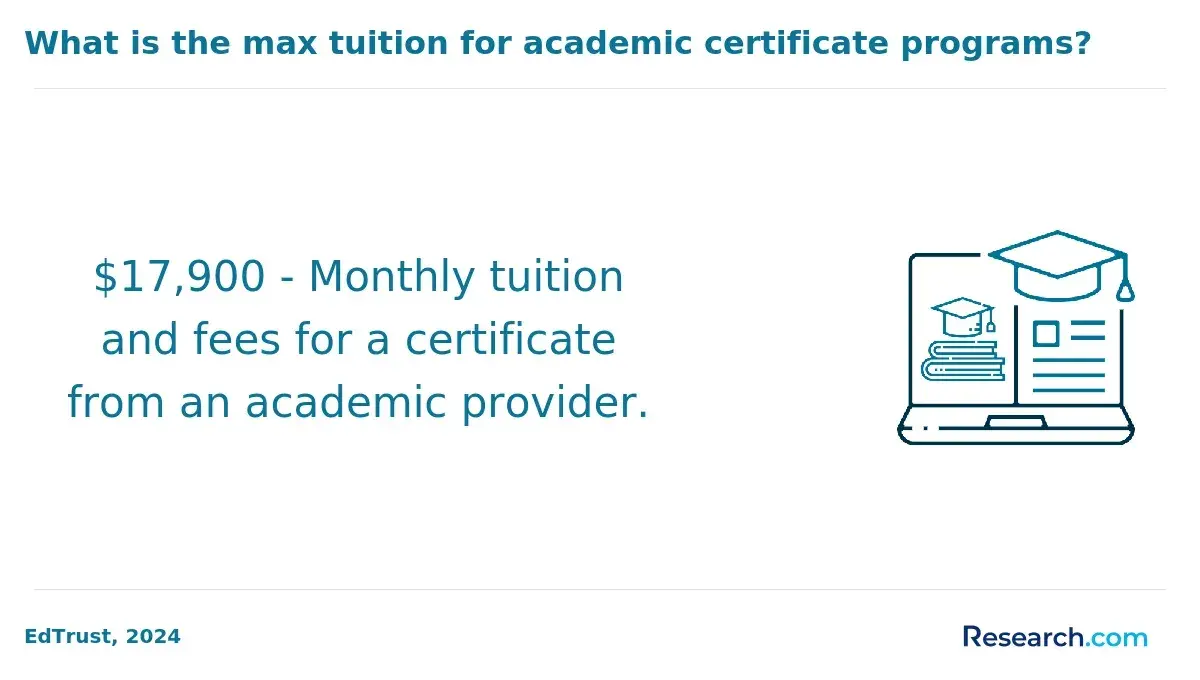
- Access barriers intensify as high-cost neuroengineering certifications, averaging $35,000 regionally, limit diversification in career pivots; public university STEM programs show 15% higher placement rates, indicating cost-sensitive tradeoffs.
Which neuroscience specializations offer the broadest career mobility across research, healthcare, and industry?
Computational neuroscience and neuroinformatics offer unmatched career flexibility among neuroscience specializations with high career flexibility, owing to their direct relevance in data-driven roles across research, healthcare, and industry. Professionals proficient in coding, machine learning, and statistical analysis can transition into fields like data science, bioinformatics, and clinical research without extensive retraining. For example, expertise in neural data modeling enables contributions both to academic research and to designing AI algorithms for diagnostics or drug development. Labor market data confirm this versatility; the U.S. Bureau of Labor Statistics projects data scientist roles-a common trajectory for those with computation-focused neuroscience training-to grow 36% from 2023 to 2033, nearly quintuple the average across occupations, with a median wage of $112,590 in 2024.
By contrast, fields such as cognitive or behavioral neuroscience, while integral in clinical or academic contexts, frequently require additional certifications or experience to enter practitioner roles or product development in biotech and pharma. Neurophysiology supports clinical neurodiagnostics or rehabilitation careers but offers less adaptability to tech-driven industry positions without further skill acquisition. Navigating these tradeoffs involves carefully assessing employer demands for programming and data management capabilities.
Students evaluating the top neuroscience fields for careers in research healthcare and industry should prioritize programs balancing quantitative training with real-world application, mindful of the learning curve associated with diverse software and the need for ongoing upskilling amid rapid AI advances. For a broader perspective on cross-disciplinary options, consider exploring what can you do with an environmental science major.
How do core neuroscience pathways differ (cognitive, computational, clinical, neuroengineering) in career options?
Core neuroscience career pathways and job prospects reveal sharp contrasts shaped by employer demands and technical skill sets. Cognitive neuroscience is research-centric, targeting brain-behavior relationships within academic or clinical psychology environments. These roles require advanced degrees and excel in experimental design and statistical analysis, steering graduates toward cognitive rehabilitation or behavioral health careers that prioritize clinical experience and patient interactions.
Computational neuroscience diverges by focusing on algorithm development and AI applications, with strong emphasis on programming and statistical computing. Biotechnology, pharmaceutical R&D, and tech firms leading brain-machine interface innovations seek professionals with ongoing upskilling in software frameworks and large-scale data management. This technical intensity narrows options for those without solid coding capabilities.
Clinical neuroscience careers-neurologists, neuropsychologists, clinical neurophysiologists-demand medical training, board certification, and lengthy residencies. The extended educational timeline and licensing requirements limit mobility but offer higher earnings and stability, especially for those addressing neurodegenerative and psychiatric conditions.
Neuroengineering, merging electrical engineering and computer science, supports careers designing neural prosthetics and brain-computer interfaces across academia, medical devices, and defense. Work in neuroimaging benefits from a projected 6% job growth and a median annual wage near $79,000, reflecting demand for skills operating MRI and EEG equipment. Professionals with technical backgrounds can find practical transition paths here.
Depending on career objectives, evaluating interdisciplinary fit, expected time to employment, and skill development requirements is essential when weighing differences in cognitive computational clinical neuroengineering careers. Those exploring an advanced degree might also consider an online exercise science degree as a comparative option in health-related fields.
What degrees and training do you need to enter high-mobility neuroscience careers?
Choosing the right degrees and training for high-mobility neuroscience careers in the US hinges on aligning educational paths with employer expectations and technical demands. Biomedical engineering or neuroengineering bachelor's degrees remain essential for neural device roles, where median pay reaches $104,430 and job growth is forecast at 5% over the next decade. Yet, candidates must couple these degrees with hands-on expertise in signal processing, biomaterials, and computational methods to reduce entry friction into industry positions.
Advanced research roles require a master's or PhD in neuroscience, cognitive science, or comparable biological sciences, reflecting the specialized skillsets needed for pharmaceuticals, neurotechnology, or academic posts. These degrees demand prolonged commitment and proficiency in grant writing and publishing, creating barriers for those balancing career pivots or immediate workforce entry.
Clinical neuroscience careers-such as neuropsychology or neurologic rehabilitation-mandate professional degrees like PsyD or MD, restricting flexibility when shifting to technical or engineering-focused roles. Employers increasingly value applied experience through internships or certifications, emphasizing the interface with data science and programming skills, particularly in brain-computer interface firms.
For students assessing training options, practical considerations include balancing specialization depth with workforce accessibility. Reviewing affordable pathway options, such as those listed in a library degree resource, can offer comparative insight into education cost versus employability trajectories relevant to essential qualifications for neuroscience career advancement.
How do neuroscience bachelor's, master's, and PhD programs shape long-term career flexibility?
A bachelor's degree in neuroscience offers broad access to entry-level roles such as research assistantships or neurotechnology sales, yet it often limits long-term career mobility with neuroscience degrees due to insufficient specialization for upward advancement. Employers for technical or independent research positions commonly require a master's or PhD qualification.
Master's programs balance technical specialization and adaptability, expanding applied skills in data analysis and neuroinformatics, suitable for roles across biotech firms, healthcare analytics, and government research labs. This level aligns with growing demand for professionals with nuanced expertise without the extended commitment of doctoral study.
PhD programs maximize long-term career flexibility in neuroscience education but demand significant time investment, often a decade, delaying workforce entry. Graduates aiming for senior research roles, tenure-track positions, or leadership in pharmaceuticals and academia rely on a doctorate to meet employer expectations for cutting-edge expertise and funding acquisition. For example, medical scientists-with a median pay of $100,590 and an 11% projected employment increase through 2033-exemplify this robust career trajectory.
Tradeoffs arise between immediate employability and securing niche roles. Those focused on clinical trials or regulatory affairs might prioritize a master's pathway with internships to bypass the PhD bottleneck, while prospective principal investigators require doctoral credentials to maintain sustained funding and cross-sector pivoting.
Prospective students evaluating a strategic career pivot should consider fastest psychology degree options for accelerated entry and updated skillsets tailored to evolving workforce expectations.
What should you look for in an accredited neuroscience program to maximize career mobility?
Prioritizing accredited neuroscience programs with rigorous applied components is essential to convert academic study into tangible career mobility. Theoretical grounding alone is insufficient; students must engage in clinical internships, research practicums, or community partnerships to build skills directly relevant to healthcare, research, or industry roles.
Aligning curricula with workforce demand is critical. For instance, behavioral and mental health counseling-which increasingly leverages cognitive and behavioral neuroscience-shows a 19% job growth projection from 2023-2033 and offers median wages near $59,190 (U.S. Bureau of Labor Statistics). Programs emphasizing evidence-based behavioral interventions and neuropsychological assessment improve employability in this expanding sector.
Credentialing and certification pathways must not be overlooked. Without these, even strong neuroscience knowledge may not translate into roles requiring licensed clinical or counseling expertise. Affiliations with research hospitals or federal agencies provide practical networking and increase chances of post-graduate employment.
Professionals transitioning from unrelated fields benefit from accelerated or bridge programs with flexible delivery formats and credit for prior experience, reducing time-to-employment. Specialized faculty expertise in neurodegenerative diseases, psychiatric disorders, or neurotechnology commercialization can distinguish candidates amidst intense competition.
Finally, scrutinize the program's job placement rates and alumni trajectories through third-party or institutional transparency reports. Many neuroscience degrees lack guaranteed employment pathways without explicit practical exposure and support, making outcome data a crucial part of program evaluation.
How do online neuroscience and related programs compare to campus options for labs and research?
Online neuroscience programs often fail to provide the hands-on lab experience critical for roles demanding specialized research skills. Virtual simulations or data analysis projects cannot replace direct interaction with living tissues, electrophysiology instruments, or neuroimaging technology. This gap especially affects career paths such as experimental neuroscience or clinical neuropsychology, where practical lab proficiency is non-negotiable.
Campus-based programs offer embedded access to active research environments and faculty mentors engaged in federally funded studies, facilitating network building and real-world experience highly valued by employers. For example, neuropsychologist positions-forecasted to grow 6% through 2033 with a 2024 median salary of $92,740 per the U.S. Bureau of Labor Statistics-rely on clinical assessment skills honed primarily via on-site practicum and lab work not replicable in fully online formats.
Hybrid models that combine online coursework with mandatory residencies or local internships can alleviate practical shortcomings but introduce scheduling constraints and may limit access for geographically distant students. Graduates of entirely online programs often must seek volunteer or technician roles post-graduation to build competent lab portfolios, delaying advancement and potentially impacting starting salaries.
Prospective students should carefully evaluate neuroscience pathways against employer expectations and real-world skill demands, recognizing that theoretical knowledge alone rarely suffices for research-intensive or clinical roles.
Which neuroscience specializations align best with tech, AI, and data science careers?
Specializations within neuroscience shape career outcomes differently when pivoting toward tech, AI, and data science roles. Computational neuroscience equips students with algorithm development and neural network modeling skills directly applicable to AI and machine learning, but this transition requires deliberate mastery of programming languages like Python or R and familiarity with machine learning libraries. Decision neuroscience stands out for those targeting marketing analytics or consumer insights roles, where proficiency in behavioral data and predictive models provides a pathway into business analytics and data analysis positions. Cognitive neuroscience's focus on neuroimaging and cognitive process modeling aligns best with user experience research and human-computer interaction domains, though practical technical skills remain essential.
Employers prioritize candidates who integrate hands-on coding experience with strong statistical knowledge. Neuroscience graduates lacking these practical skills face challenges adapting to the rapid pace and interdisciplinary demands of tech-driven fields. For example, data science certificates and real-world coding projects can bridge this gap, as can internships merging neuro-data with software deployment workflows.
U.S. Bureau of Labor Statistics forecasts a 23% employment growth for operations and research analysts over the next decade, with median pay near $103,850, solidifying decision neuroscience's value beyond academia. The career tradeoff is clear: success depends less on neuroscience theory alone and more on how well graduates apply computational tools and data analytics to solve real-world problems in technology and AI.
What are typical job roles, employers, and work settings for versatile neuroscience graduates?
Graduates in neuroscience frequently pursue roles such as data scientists, bioinformaticians, clinical research coordinators, pharmaceutical scientists, and medical science liaisons. These occupations span diverse employers-from biotech companies and pharmaceutical firms to academic research centers and government agencies like the National Institutes of Health. Notably, data scientist positions correlate with a 36% projected growth through 2033, offering median salaries near $112,590 in 2024, driven by demand for expertise in managing complex neurological data using statistical and machine learning approaches.
Work environments range from lab research and clinical settings to remote corporate offices. For instance, a bioinformatician in pharma collaborates with experimental scientists to convert genomic data into drug targets, whereas clinical research coordinators often oversee protocol execution in hospitals or universities. Securing government research roles requires competitive hiring processes and proficiency in regulatory frameworks and data privacy considerations.
Practical career mobility hinges on acquiring programming skills (Python, R), familiarity with neuroimaging software, and relevant internships that embed graduates within multidisciplinary teams. Employers prioritize candidates combining domain knowledge and applied data analysis; without these competencies, many neuroscience graduates face underemployment or detours into less aligned fields.
Choosing between deep laboratory specialization and broader computational or data science tracks involves weighing tradeoffs: the former offers focused expertise, while the latter delivers stronger job market resilience and higher salary potential outside clinical environments.
What salary ranges and job outlook can you expect in flexible neuroscience career paths?
Career outcomes in neuroscience require weighing specialization against sector demands, with median salaries ranging approximately from $70,000 to $120,000 annually. Postsecondary biological science teaching roles offer stable employment and a median salary near $79,000, but job growth is modest at 4.8%, requiring tradeoffs such as slower income progression and emphasis on certification or tenure timelines.
In contrast, applied research and clinical positions-common in biotech and pharmaceutical industries-demand advanced degrees and reward with salaries above $130,000 for senior roles but involve continuous skill development and navigating competitive clusters like Boston and San Francisco. Candidates pursuing these paths must also manage geographic mobility and evolving regulatory landscapes.
Professionals aiming for career flexibility benefit from supplementing neuroscience expertise with data analysis, grant writing, or educational technology skills. Practical decision factors include:
- Balancing salary aspirations with work-life flexibility, especially between academia and industry
- Navigating entry barriers, where education roles may accept bachelor's degrees plus certification, while industry generally mandates master's or doctoral credentials
- Targeting geographic regions that offer both higher pay and intense competition
This nuanced approach assists in realistic workforce planning and strategic educational investments, calibrating expectations to individual circumstances rather than generic career advice.
How can certifications, clinical licenses, or dual degrees expand a neuroscience career?
Licenses and dual degrees substantially reshape career trajectories in neuroscience, often creating a divide between clinical specialists and interdisciplinary professionals. Clinical licenses in neuropsychology or speech-language pathology typically mandate extended supervised hours and rigorous board exams. This investment correlates with direct patient care roles that tend to offer salaries exceeding $100,000 but limit career flexibility due to regulatory constraints and sector-specific demands.
In contrast, dual degrees link neuroscience with fields like public health or data science to access roles at the intersection of brain science, policy, and technology. For instance, combining neuroscience with a Master of Public Health (MPH) aligns graduates with positions in health education and policy-making, fields that the U.S. Bureau of Labor Statistics anticipates will grow by 7% over a decade with median pay around $63,000. This pathway favors adaptability and broader employability but requires proactive networking and skill expansion.
Supplementary certifications in scientific communication or policy provide valuable but non-replacing credentials that enhance competitiveness in research-focused or advocacy roles. Professionals must carefully weigh the longer timelines and financial costs of clinical licensing against the relatively fluid but uncertain returns of interdisciplinary qualifications.
- Clinical licenses prioritize healthcare stability and higher immediate earning potential at the cost of sector mobility.
- Interdisciplinary dual degrees promote access to emerging sectors but demand ongoing skill diversification.
- Certifications complement but do not substitute formal degrees, often aiding in competitive differentiation.
Other Things You Should Know About Neuroscience
Intensive research commitments during graduate programs can cultivate deep technical skills but may reduce exposure to interdisciplinary or applied knowledge valued in industry. Programs with a balanced workload that includes internships or cross-functional projects better prepare students for versatile roles beyond academia. Real-world employers expect neuroscience graduates to handle complex data and collaborate across fields, which strict research-only programs might not fully develop.
Applied skills such as data analysis, programming, and experimental techniques directly translate to diverse roles in biotech and technology sectors. Theoretical knowledge supports understanding but without practical skills, graduates face limited job prospects outside research-heavy positions. Prioritize programs integrating hands-on training and interdisciplinary applications to maximize employment options in evolving neuroscience fields.
Networking and engagement with neuroscience associations critically influence access to job openings, mentorship, and collaborations. Relying solely on academic credentials neglects employer expectations for professional involvement and updated field knowledge. Early and consistent participation in conferences or societies increases visibility and can differentiate candidates in competitive, flexible career markets.
References
- Best Neuroscience Courses Online in 2026 | Neurosity https://neurosity.co/guides/best-neuroscience-courses-online-2026
- Best Neuroscience Research Programs for International Students https://riseglobaleducation.com/blogs/best-neuroscience-research-programs-for-international-students
- 30+ OT Certifications and Specialties • OT Potential https://otpotential.com/blog/where-to-go-ot-degree
- What Can You Do with a Neuroscience Degree? | Tiffin University https://www.tiffin.edu/news/what-can-you-do-with-a-neuroscience-degree/
- M2 Computational Neurosciences and Neuroengineering http://www.universite-paris-saclay.fr/en/education/masters-degree/neurosciences/m2-computational-neurosciences-and-neuroengineering
- Neuroscience Degree Salary https://www.collegehelpguide.com/degrees/neuroscience/salary/
- Neuroscience Jobs (with Salaries) - SEEK https://au.seek.com/neuroscience-jobs
- 16 Artificial Intelligence Career Paths https://www.calmu.edu/news/artificial-intelligence-career-paths
- Moving Beyond Traditional Pathways in Cognitive Neuroscience https://www.cogneurosociety.org/moving-beyond-traditional-pathways-in-cognitive-neuroscience/
- Careers in Neuroscience - Thiel College https://www.thiel.edu/academics/departments/neuroscience/neuroscience-alumni-careers