2027 Neuroscience Career Paths With the Best Advancement Potential

Co-Founder and Chief Data Scientist
Facing a saturated job market and rapid technological shifts, many neuroscience professionals struggle to identify which career paths offer sustainable advancement. Despite a projected 15% growth in neuroscience-related roles by 2030 from the U. S. Bureau of Labor Statistics, the reality is that credential inflation and specialized skill demands narrow pathways significantly.
Adult learners, representing over 40% of graduate enrollments according to the National Center for Education Statistics, must weigh program flexibility and employer recognition carefully while managing career transitions. This article analyzes neuroscience career trajectories with the strongest advancement potential, clarifying which educational and professional choices optimize long-term growth and mobility.
Key Things You Should Know
- The 35% projected growth in neurotechnology R&D funding through 2030 pressures candidates toward interdisciplinary skill sets, prioritizing computational neuroscience over traditional wet-lab roles, reshaping hiring criteria.
- Data from the Bureau of Labor Statistics shows employers increasingly favor PhD holders with industry internships, making purely academic trajectories less competitive for biotech and pharma leadership.
- The median doctoral program duration exceeding 6.5 years imposes significant opportunity costs, while accelerated master's tracks reduce entry barriers but limit top-tier research roles, creating a critical credential-timing tradeoff.
What are the most promising neuroscience career paths for long-term advancement and leadership?
Clinical neuroscientist roles anchored by neurologists with MD or MD/PhD credentials remain the most direct path to leadership in neuroscience, underscoring the tradeoff between intensive clinical training and long-term growth. U.S. neurologists command a median annual wage of $220,109, with employment projected to rise 3.86%, reflecting ongoing demand driven by aging demographics and chronic neurological conditions. This data highlights key neuroscience career advancement opportunities in the US, particularly for those willing to navigate multi-year board certification processes.
Leadership often emerges through administrative positions in hospitals or specialized centers, where clinicians must supplement medical expertise with operational and strategic skills rarely taught in standard curricula. For instance, neurologists involved in stroke networks or neuro-oncology can become directors by driving innovation or securing research grants, illustrating how early measurable impact shapes career trajectories.
Alternatively, top neuroscience leadership roles for long-term growth also exist outside clinical tracks, such as academic research or pharmaceutical development. These routes emphasize grant acquisition and group management but usually involve slower advancement due to competitive funding environments. Growth in neurotechnology sectors-brain-computer interfaces or neuroinformatics-offers additional pathways, favoring those with engineering knowledge but complicating clinical credibility.
Prospective candidates must carefully weigh extended clinical training against diverse opportunities in research or industry. For example, those interested in a strategic pivot might explore a geology online degree to complement interdisciplinary expertise, enhancing marketability in emergent neurotechnology fields.
Which neuroscience degrees and specializations best position graduates for career growth?
Neuroscience degrees with highest career advancement potential increasingly hinge on computational expertise, particularly in AI, machine learning, and neuroengineering disciplines. Graduates skilled in these areas command salaries from $150,000 to $250,000 due to a 35-42% annual growth in demand for roles related to brain-computer interfaces and neural systems integration.
Specializing in neurotechnology equips candidates with applied abilities in signal processing and systems programming, creating direct employability in startups or research divisions working on neural prosthetics or cognitive computing. For professionals pursuing top neuroscience specializations for professional growth, supplementing neuroscience credentials with computer science or data science skills substantially elevates market competitiveness.
For instance, holders of a master's degree in neuroscience combined with fluency in Python, MATLAB, and statistical modeling can rapidly access neuroinformatics roles in biotech or AI sectors without pursuing lengthy traditional academic tracks. This pathway bypasses the slower salary curves typical of pure experimental neuroscience paths focused on academia or clinical research.
Strategic specialization aligns with distinct sector demands: neuroengineering addresses hardware and device innovation, computational neuroscience supports AI-driven modeling, while cognitive neuroscience informs user-experience design in neurotech. Candidates who integrate such specializations with AI/ML fluency often enter elite hubs like Silicon Valley or Boston, benefiting from elevated compensation and leadership potential.
Prospective students aiming to pivot or advance in neuroscience should weigh interdisciplinary rigor and lab access carefully, as programs lacking these qualities may restrict practical skill development. Exploring options for an online computer science degree may be a pragmatic complement to neuroscience study, enhancing algorithmic and analytical competencies critical for neurodata-driven roles.
What is the job outlook and salary potential for in-demand neuroscience careers?
Careers combining neuroscience with quantitative data skills offer some of the most compelling job outlooks in the US, driven by employer demand for expertise that bridges brain science and advanced analytics. Specifically, computational neuroscientists and neuroscience data scientists command median annual salaries around $112,590, with employment projections growing 36% from 2023 to 2033-substantially faster than the average for all occupations. This growth reflects the expanding use of predictive modeling and machine learning in healthcare, pharmaceuticals, and technology sectors.
Employers prioritize candidates who can handle large datasets and develop algorithms to advance drug discovery or neurological research, narrowing the talent pool to those with both domain knowledge and coding proficiency. For example, a pharmaceutical company might hire a computational neuroscientist to innovate drug target identification, which requires continuous upskilling in programming and AI tools.
However, the in-demand neuroscience careers salary outlook involves significant tradeoffs. Advanced degrees-master's or more often doctoral-are usually essential, and lack of programming skills can limit entry. Entry-level roles typically pay less and demand immediate technical certification or experience in data science tools. Those targeting academic or clinical tracks should expect slower job growth and lower median pay compared to data scientist roles.
Evaluating the job outlook for neuroscience professionals in the US must also include considerations about interdisciplinary training commitment and career flexibility. For professionals assessing whether is a masters in library science worth it or neuroscience is a better pivot, the decision hinges on skill development, market demand, and payoff timelines.
What education and training are required to start and advance in neuroscience roles?
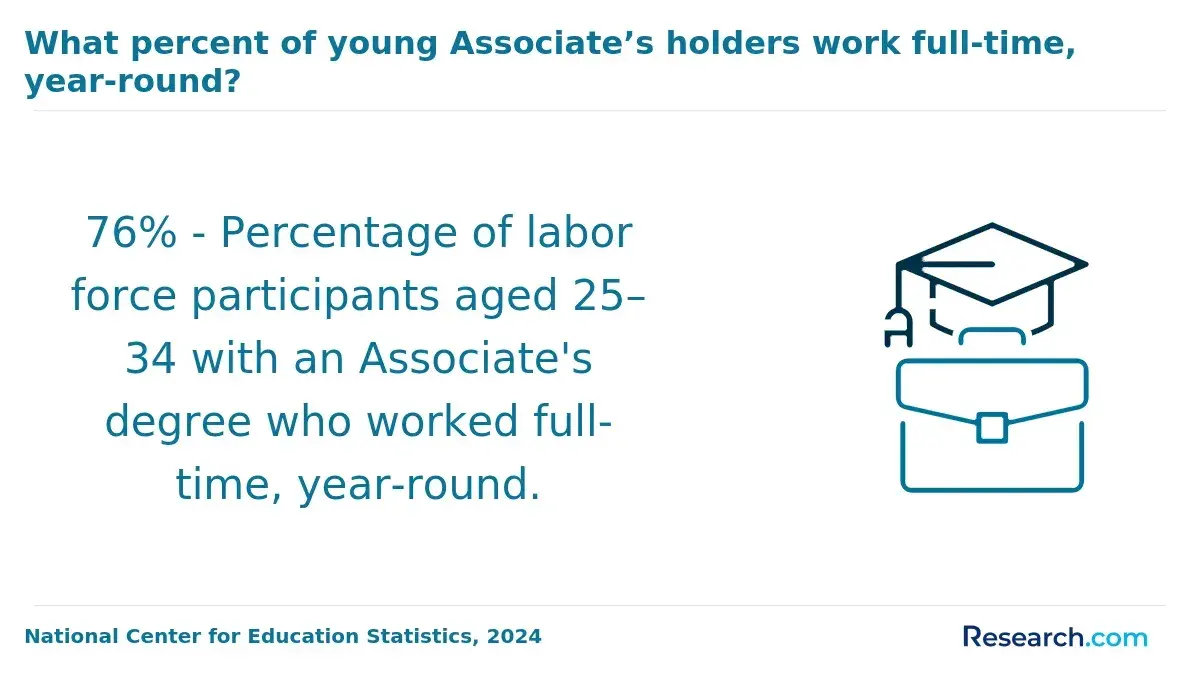
Entry into neuroscience careers hinges on clear tradeoffs between speed, cost, and long-term mobility. Technical certifications supporting roles such as neuroimaging technicians typically require an associate degree or radiologic technology certification plus focused training in modalities like MRI and EEG. This pathway enables earlier labor market entry but constrains upward movement into research or clinical leadership.
By contrast, roles such as research scientists or clinical neurologists demand a bachelor's degree in neuroscience or a related biomedical field, followed by graduate-level education-master's, PhD, or medical degrees. These advanced credentials require significant time and financial investment but substantially broaden career scope and salary potential.
Professionals pivoting into neuroscience should expect a minimum of two years of postsecondary education plus clinical internships or residencies, with employers emphasizing both theoretical mastery and technical proficiency. Hands-on experience with neuroimaging software and programming languages such as MATLAB or Python increasingly differentiates candidates. For example, neuroimaging specialists earned a median salary of $78,980 as of May 2024 with projected 6% job growth through 2033 (U.S. Bureau of Labor Statistics, ASU Online).
Balancing immediate workforce entry against long-term trajectory means carefully evaluating accredited neuroscience degrees and certifications for career growth. Online and hybrid advanced training programs in neuroscience careers can offer flexibility, but verifying experiential components is crucial. Those interested may explore a fast track masters in psychology as one pathway to accelerate advanced education demands.
How do neuroscience bachelor's, master's, and PhD pathways differ in career outcomes?
Degree level in neuroscience directly influences role complexity, salary ranges, and leadership potential within research and industry settings. A bachelor's degree typically limits professionals to entry-level lab support or clinical roles, with salaries around $50,000 to $70,000. These positions prioritize technical skill execution and operational tasks but rarely involve directing research design or interpretation.
Holding a master's degree opens access to mid-tier roles such as specialized research technicians or protocol managers. Salary improves to approximately $70,000-$95,000, commonly in pharmaceutical or medical device companies. However, upward mobility remains constrained without a PhD, as leadership and independent investigator positions usually require doctoral-level expertise.
For example, a master's-holding neuroscientist may manage data analysis teams yet defer strategic innovation decisions to PhD-level colleagues. PhD graduates occupy leadership roles-lead scientist, principal investigator, or director-with salaries ranging broadly from $115,000 to $200,000, reflecting added expectations for securing funding, publication records, and original research.
This tier demands demonstrated autonomy in experimental design and high-level data mastery, essential for sustainable career elevation. The tradeoff involves balancing immediate employability against the long-term prospects of independent research leadership. Students prioritizing hands-on technical roles may advance with bachelor's or master's degrees, while those desiring strategic roles must invest time in PhD training despite opportunity costs.
How do online neuroscience and related programs compare with campus options for advancement?
The choice between online and campus-based neuroscience programs hinges on practical skill acquisition and employer perceptions rather than mere knowledge delivery. Campus programs provide direct access to labs, clinical practicums, and mentoring that build hands-on expertise valued in clinical or research roles such as neuropsychology and behavioral health counseling. Online programs often substitute with virtual simulations or decentralized internships, which may restrict the depth of experiential learning and limit immediate networking opportunities, impacting readiness for specialized positions.
For working professionals constrained by schedules or geography, online neuroscience degrees paired with carefully selected, accredited local practicum placements can offer a viable path forward. Yet the variability in internship quality and employer skepticism remains a significant consideration.
Behavioral and mental health counselors exemplify this dynamic: the median annual wage stands at $59,190, with a projected 19% industry growth from 2023 to 2033. Candidates demonstrating applied experience-particularly through immersive campus exposure or supplemented local internships-more readily secure advancement.
Deciding between online and campus modalities requires assessing the tradeoffs between convenience and the tangible benefits of immersive, hands-on training. Aligning educational choices with target roles ensures the acquisition of rigorous skills and credentials that directly support employability and career progression in neuroscience fields.
How can students evaluate accreditation and program quality in neuroscience and related fields?
Choosing an accredited program recognized by the U.S. Department of Education or the Council for Higher Education Accreditation directly influences eligibility for licensure, certification, and federal aid, especially in neuroscience-related fields. For instance, speech-language pathology graduates from programs endorsed by the Council on Academic Accreditation in Audiology and Speech-Language Pathology have a distinct advantage securing clinical roles related to brain and nervous system disorders-positions often inaccessible without such accreditation.
Practical evaluation of programs should weigh measurable outcomes like graduation rates, licensure pass percentages, and employment within six months of completion. Programs achieving over 80% job placement reflect strong employer networks and relevant skill preparation, critical in disciplines such as rehabilitation neuroscience where job growth is robust.
According to Bureau of Labor Statistics data summarized by ASU Online, speech-language pathologists focusing on neurological communication disorders earned a median wage of $95,410 in May, with projected employment growth of 18% from 2023 to 2033. Assess the faculty's expertise and availability of research aligned with your target subspecialties, as active research involvement correlates with enhanced readiness for advanced roles.
Consider clinical practicum rigor and partnerships with hospitals or research centers, which translate to tangible experience valued by employers. For those transitioning careers, confirming credit transfers and evaluating part-time or online formats against employer expectations help mitigate advancement delays.
Beware unaccredited or for-profit options promising speed or lower costs; these often lack industry credibility, negatively impacting employment prospects and wage potential despite market growth. Solid accreditation combined with transparent program outcomes forms a necessary foundation for strategic planning within a neuroscience career.
What skills, research experiences, and internships help accelerate neuroscience career progression?
Proficiency in programming languages like Python, R, and MATLAB is increasingly decisive for those targeting roles in neuroscience sectors specializing in AI, machine learning, and neuroinformatics. Candidates lacking hands-on experience with large-scale datasets and predictive modeling often struggle to meet employer expectations, where applying statistical techniques to complex brain data is routine.
For instance, a neuroinformatics researcher utilizing machine learning to aid diagnostics for brain diseases must work fluently across clinical datasets and interdisciplinary teams, blending coding skills with domain knowledge. Internships within tech-oriented or research-focused environments provide critical exposure beyond academic theory, offering experience with real-world AI algorithm development, brain-computer interfaces, or cognitive computing platforms.
These opportunities accelerate competency in commercial tools and foster valuable professional networks-resources that purely lab-based projects rarely supply. The labor market reflects this premium: computational neuroscience experts command salaries between $140,000 and $220,000 annually, aligned with a 35% annual growth in related jobs. Prioritizing computational and neuroinformatics experience, therefore, can substantially improve employability and income relative to traditional bench research.
To leverage these trends effectively, candidates should:
- Invest early in interdisciplinary and data-heavy projects.
- Develop fluency in AI/ML frameworks tailored to neural data.
- Pursue internships positioned at the intersection of neuroscience and applied machine learning.
This blend of deep neuroscience insight with advanced computational skills addresses the evolving demands employers place on candidates while mitigating risks of stagnation in narrowly theoretical roles.
What certifications, licenses, or fellowships support advancement in clinical and applied neuroscience?
A decisive credential strategy in clinical and applied neuroscience hinges on aligning certifications with specific career demands rather than accumulating generic qualifications. Board certification from the American Board of Psychiatry and Neurology (ABPN) is often indispensable for neurologists and neuropsychiatrists, as it affects hospital privileges and insurance reimbursement-even experienced clinicians without it face significant employment barriers.
Applied neuroscience practitioners, particularly those in neurorehabilitation or cognitive disorders, must secure state licensure as clinical neuropsychologists through the American Board of Clinical Neuropsychology. This legal requirement not only authorizes independent practice but also underpins salary negotiations and supervisory authority.
Fellowships affiliated with NIH or major academic centers offer focused skill development in areas such as neuroimaging or translational research, which enhances competitiveness in academia, government, and biotech roles. However, these fellowships demand considerable time investment without guaranteed immediate financial return.
Those targeting neuroscience education or scientific communication should consider credentials from accredited programs and policy fellowships to meet distinct labor market needs. For example, scientific writers earn a median annual wage of $91,670 with steady growth, revealing niche opportunities outside direct clinical or research tracks.
Prospective neuroscientists must therefore weigh practical tradeoffs: prioritizing board certification and licensure when clinical roles are the goal versus investing in specialized fellowships and policy credentials for applied or communication-focused careers.
How can career changers or working adults transition into neuroscience with strong growth potential?
Shifting into neuroscience without an advanced degree demands strategic role selection and targeted skill-building to avoid prolonged underemployment. Entry-level roles like research associate, lab technician, data analyst, or science writer generally offer starting salaries from $45,000-$65,000. These positions require foundational lab techniques, data management, and domain-specific communication-skills accessible to those with prior experience in biology, psychology, or computer science.
Consider the case of a mid-career IT professional transitioning to a data analyst role in neuroscience. Leveraging existing programming and statistical knowledge while adding focused coursework in neuroinformatics or cognitive neuroscience provides a faster path to relevance than a full bachelor's degree. Similarly, aspiring lab technicians often benefit more from accelerated certificate programs combined with internship experience than traditional academic routes.
Effective transition plans balance practical credentials with employability by:
- Evaluating transferable skills related to data handling and scientific communication.
- Selecting educational programs recognized by employers with proven job placement rates.
- Gaining hands-on experience through internships or project-based work that aligns with neuroscience applications.
- Networking within neuroscience professional groups to access mentorship and job leads.
Ignoring these workforce realities risks stagnation, especially as employers increasingly demand both technical expertise and adaptable soft skills. Continuous learning in neurotechnology and bioinformatics is essential to maintain marketability amid a growing sector fueled by government funding and industry innovation.
Other Things You Should Know About Neuroscience
Clinical research leadership roles often value certification from the Association of Clinical Research Professionals, especially the Certified Clinical Research Coordinator (CCRC) and Certified Clinical Research Associate (CCRA). Employers also look for GCP training, IRB experience, and 3 to 5 years of trial oversight or protocol management.
Choosing postdoctoral research versus industry experience depends on career goals. Postdoctoral positions deepen specialized expertise and are critical for academic and certain government roles but can delay entry into higher-paying jobs. Conversely, direct industry experience accelerates practical skills application and network building for product development and biotech leadership. Evaluate the target sector carefully, as prioritizing the wrong path reduces competitiveness and slows career momentum.
Early-stage neuroscience roles often demand long hours beyond standard workweeks, especially in research-intensive labs or clinical fellowships. Managing this workload without burnout requires effective time allocation and realistic goal setting. Candidates should assess program or employer culture upfront, since excessive workload without structured support reduces retention and limits sustainable career advancement.
References
- Global Recognition | Carrick Institute https://www.carrickinstitute.com/the-institute/global-recognition
- Applying - Klingenstein Philanthropies https://klingenstein.org/esther-a-joseph-klingenstein-fund/neuroscience/applying/
- Neuroscience Jobs (with Salaries) - SEEK https://au.seek.com/neuroscience-jobs
- Accreditation: A Process That Works - Cognia - The Source https://source.cognia.org/issue-article/accreditation-a-process-that-works/
- The Neuroscience Academy - Dr Sarah McKay https://drsarahmckay.com/theneuroscienceacademy/
- Evaluation of the quality of scientific activity - Ministry of Science and Higher Education - Gov.pl website https://www.gov.pl/web/science/evaluation-of-the-quality-of-scientific-activity
- Applied Neuroscience: The New Frontier of Future Professions https://www.bescgraduate.eu/applied-neuroscience
- Graduate Certificate in Mental Health and Neuroscience https://www.unisc.edu.au/study/courses-and-programs/postgraduate-degrees/graduate-certificate-in-mental-health-and-neuroscience
- Educational Neuroscience https://neuroxcareers.org/fields/neuroeducation/
- Beyond evaluation: Improving quality and impact through programme accreditation https://ojs.acad-pub.com/index.php/FES/article/view/522