2027 Neuroscience Job Market Outlook Through 2030

Co-Founder and Chief Data Scientist
Graduates and working professionals eager to enter or advance in neuroscience face a tightening job market exacerbated by shifting employer expectations and evolving credential requirements. Although the sector is projected to grow by just 5% through 2030 according to the U. S. Bureau of Labor Statistics, the oversupply of advanced degree holders demands strategic program selection and timing. Meanwhile, recent data from the National Center for Education Statistics reveals a 25% increase in enrollment in flexible and online graduate science programs since 2022, signaling an adaptation to adult learner needs but raising questions about program quality and employer recognition. This article examines these market dynamics and educational pathways to guide neuroscience candidates toward optimal decisions for career resilience and advancement.
Key Things You Should Know
- Despite a projected 12% growth in neuroscience-related roles by 2030 (U.S. Bureau of Labor Statistics), the median PhD duration of 6+ years risks opportunity costs that deter mid-career pivots, requiring strategic timing to maximize employability.
- Employers increasingly prioritize interdisciplinary expertise combining neuroscience with AI or data science, creating a workforce premium that marginalizes candidates lacking cross-domain training, as shown by 2025 industry hiring data from NeuroTech Analytics.
- Federal funding fluctuations-down 8% in real terms since 2023 for neuroscience research-tighten early-career research opportunities, forcing graduates to seek private sector roles where compensation is more variable but mission impact may decline.
What is the neuroscience job market outlook?
The neuroscience employment growth prospects in the US reveal a focused expansion primarily within medical science roles, especially for medical scientists engaged in neurological research and clinical applications. The U.S. Bureau of Labor Statistics projects a 9% increase in employment for medical scientists from 2024 to 2034, representing about 9,600 new openings annually. The median annual wage was $100,590 in May 2024, reflecting competitive compensation relative to other scientific careers.
Advanced degrees such as a PhD or MD remain essential, given that employers seek candidates with deep expertise in experimental design, data analysis, and interdisciplinary knowledge spanning biology, chemistry, and technology. The long-term demand for neuroscience professionals in the United States centers on those able to contribute to translational research within pharmaceutical companies, government labs, and academia. However, candidates lacking practical experience in neurotechnologies or clinical trials often face fierce competition despite strong academic records.
Prospective career changers should weigh the 9% job growth against the substantial time and financial investment required for specialized neuroscience education. Supplementing formal qualifications with internships or postdoctoral fellowships in neuropharmacology or neuroimaging considerably enhances employability and practical readiness.
For individuals considering pivoting into data-intensive roles within neuroscience or adjacent fields, exploring online doctorate data science programs can offer critical skills complementary to neuroscience expertise, addressing evolving analytical demands in research and industry.
Which neuroscience jobs are in highest demand?
Neuroscience jobs in highest demand in the United States increasingly require candidates who blend advanced data analysis with domain expertise. Positions such as neuroinformatics specialists and computational neuroscientists are growing rapidly within pharmaceutical and medical device sectors, particularly those focused on brain-computer interfaces. Clinical neuroscientists skilled in neuroimaging and diagnostics remain vital across hospital systems targeting neurodegenerative conditions. According to Zippia's data, the average neuroscientist salary increased to $76,267 in 2025 from $74,000 the previous year, reflecting employers' focus on technical and clinical integration.
For top neuroscience career opportunities in North America, proficiency with machine learning applied to neural data, neuroimaging software, and statistical programming is often a baseline expectation. For instance, data scientists involved in Alzheimer's research can earn 10-15% above average salaries due to their specialized insight. However, rapid technology shifts require continuous skill development.
Pharmaceutical R&D roles designing neurotherapeutics often demand deep knowledge of synaptic physiology, regulatory pathways, and advanced academic qualifications, while entry-level positions favor electrophysiology and animal modeling expertise. This divide presents a barrier for graduates lacking hands-on experience.
Workforce planning should target a balanced skill set combining data science with neuroscience domain knowledge to navigate this competitive job market. Overreliance on theory without practical application limits opportunities; interdisciplinary collaboration and credential updates are essential to remain relevant.
Prospective students might also explore related fields through avenues such as a best online nutrition degree, which can complement interests in neuro-metabolic research within neuroscience.
What salary can neuroscience graduates expect?
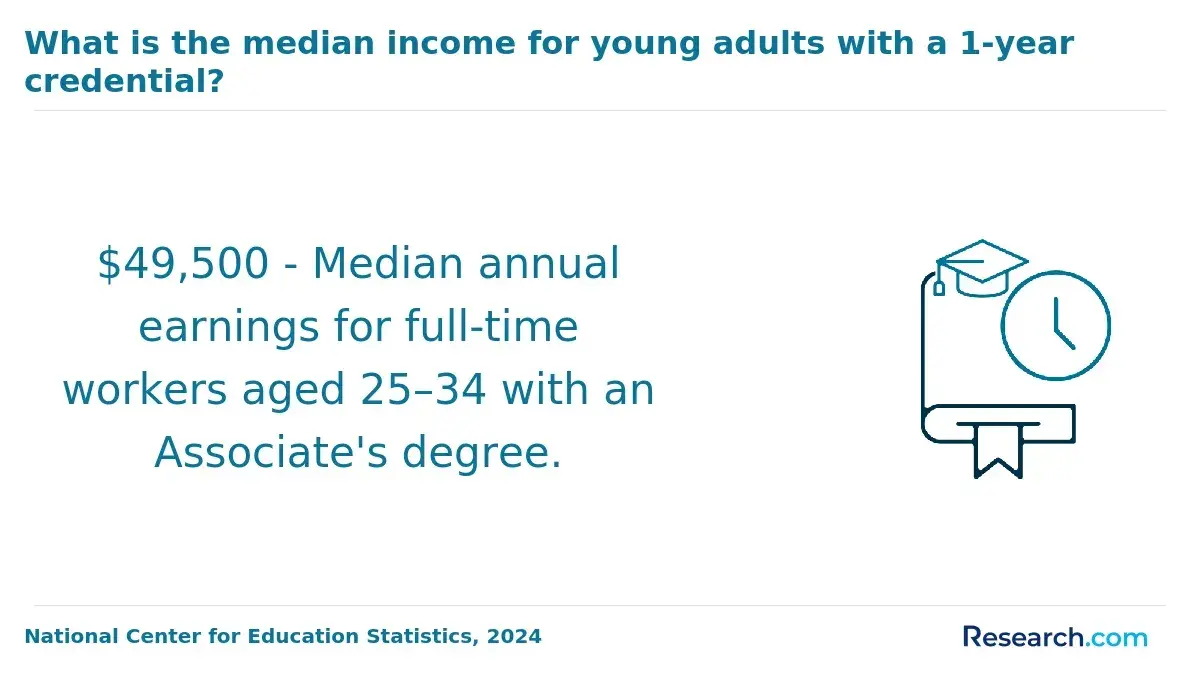
Neuroscience graduate salary ranges in the US reflect significant variation shaped by educational background, role specificity, and employer sector. Entry-level positions in research or clinical support start around $65,000 but tend to advance into six figures within five years for those with advanced degrees or specialized credentials. Clinical neurologists, who require extensive medical training, command top salaries between $220,000 and $300,000, a consequence of workforce shortages predicting 43,400 neurologist jobs to fill in the next decade. This tradeoff involves delayed earnings due to longer training but ultimately yields substantially higher compensation.
For graduates targeting roles in academic research or biotech, average earnings for neuroscience degree holders initially range from $75,000 to $110,000. Geographic location and institutional funding heavily influence these figures. Technical roles in neurotechnology firms often start around $80,000, with potential rapid growth tied to project management and product development skills. Successful transitions into healthcare or pharmaceuticals usually require additional credentialing or clinical experience.
Employment outcomes emphasize hands-on lab skills, interdisciplinary collaboration, and data analysis expertise. Graduates lacking these practical abilities may encounter stagnant salaries or underemployment. Urban centers with major research facilities offer more opportunities and higher pay, reinforcing geographic wage disparities. Targeted internships and clinical placements during study measurably improve salary negotiation leverage, while credentialing in emerging subfields like neuroinformatics can further elevate prospects. For a wider context on educational pathways, consider exploring the library science degree domains as comparison points for affordability and workforce demand.
What degrees lead to neuroscience careers?
A bachelor's degree in neuroscience, biology, psychology, or a related life science remains the minimal requirement for most entry-level roles in neuroscience but rarely suffices beyond technician or research assistant positions. Advanced roles, including neuropsychologists or neural engineers, demand specialized master's or doctoral degrees that emphasize technical proficiency and research experience. Employers seek candidates who combine foundational knowledge with hands-on laboratory skills and data analysis capabilities, making degrees structured around rigorous research training more competitive. This tradeoff illustrates a critical decision point for students considering the best undergraduate degrees for neuroscience careers: depth through a pure neuroscience track versus broader interdisciplinary approaches.
Integrating data science credentials into neuroscience education enhances employability in fields like pharmaceutical development or brain-computer interface technology. For instance, workers who meld neurobiology expertise with computational tools such as Python or machine learning frameworks tend to align better with the 36% projected job growth and higher median pay data scientists enjoy, as reported by ASU Online referencing BLS data. Students transitioning into neuroscience might explore post-baccalaureate certificates or master's programs to build these skills. Evaluating 1 year master's in psychology online offerings could offer accelerated opportunities to pivot effectively.
Prospective students navigating neuroscience degree requirements in North America must also balance program cost, availability, and accreditation status. Many competitive programs are research-intensive and costly, requiring scrutiny of curriculum rigor relative to return on investment. Choosing accredited programs or certificates endorsed by recognized professional bodies ensures credibility and better alignment with current workforce expectations.
Is an online neuroscience degree respected by employers?
Online neuroscience degrees carry value only when paired with rigorous curricula, accreditation, and verifiable practical skills. Employers prioritize candidates who demonstrate hands-on lab experience and technical proficiency, attributes often difficult to achieve through purely remote study. For instance, neuroimaging technicians-earning a median $78,980 annually with a 6% growth outlook through 2033-depend on certifications and applied skills rather than just degree format, as noted by Bureau of Labor Statistics data referenced by ASU Online.
Graduates entering clinical diagnostics or research assistant roles face employer scrutiny focused on demonstrated practical competence. Online programs incorporating hybrid labs, internships, or partnerships with healthcare providers significantly enhance employability. In contrast, fully online degrees lacking experiential training raise concerns about readiness for frontline technical positions.
Those pursuing research roles in academia or tech sectors must supplement online learning with in-person lab work or post-degree fellowships to align with employer expectations for collaboration and technical mastery. Institutional reputation and faculty expertise also influence hiring decisions, favoring programs affiliated with established research universities.
Working professionals should seek external clinical or research experience and obtain certifications that validate competencies absent from online curricula. Ignoring these workforce requirements risks limiting opportunities for entry-level employment and career progression in a competitive neuroscience job market.

What accreditation should neuroscience programs have?
Neuroscience program accreditation is a decisive factor for workforce readiness and regulatory compliance in 2026. Regional accreditation recognized by the U.S. Department of Education or the Council for Higher Education Accreditation secures federal aid eligibility and degree legitimacy. However, specialized endorsements, such as those from the Society for Neuroscience or alignment with National Institutes of Health (NIH) training standards, critically influence program quality and graduate market credibility.
Employers expect verifiable lab experience and interdisciplinary skills. For instance, candidates targeting pharmaceutical research or medical device firms significantly improve their employability through programs offering rigorous laboratory rotations and bioinformatics coursework. By contrast, those pursuing science communication roles benefit from programs with established partnerships delivering writing-intensive curricula, acknowledging a median annual wage of $91,670 and 4% job growth through 2033, per ASU Online citing BLS data.
Prospective students should assess curriculum depth in experimental design, statistical methods, and contemporary neuroscience technologies-core competencies demanded across biotech startups and clinical research settings. Absence of specialized accreditation often signals outdated curricula, leading to diminished licensing or fellowship eligibility. Key evaluation criteria include faculty expertise and post-graduate placement metrics, which also affect work authorization in multi-institutional research contexts.
Periodic accreditation reviews, typically every 5 to 7 years, serve as essential mechanisms for curriculum modernization aligned with evolving labor market demands. Diligence in this area mitigates risks of program obsolescence and safeguards access to competitive employment pathways.
What courses are in a neuroscience degree?
Choosing a neuroscience degree requires balancing the depth of quantitative rigor with practical job market outcomes. Core courses cover neurobiology, cognitive neuroscience, and neurophysiology, grounding students in essential brain functions and neural signaling. Strong emphasis on statistics and research methods equips graduates to design and assess complex experiments, a critical skill in biotech or academic research settings.
Electives like neuropharmacology and behavioral neuroscience expand specialization options but typically demand laboratory proficiency with techniques such as electrophysiology or brain imaging-skills essential for roles focused on neural mechanisms or medical devices. Conversely, clinical-oriented tracks emphasize communication disorders, speech systems anatomy, and rehabilitation, aligning with professions like speech-language pathology, where a median wage of $95,410 and robust 18% job growth highlight tangible labor market demand.
Students should consider these tradeoffs: research-heavy paths improve competitiveness for advanced scientific roles but increase workload and technical complexity. Clinical pathways offer direct patient engagement and clearer employment trajectories yet may limit research flexibility. Additionally, limited availability of interdisciplinary courses connecting neuroscience with AI or data science could hinder adaptability to evolving technology-driven fields.
Ultimately, those seeking a neuroscience degree must clearly define career goals and evaluate how course focus, skill acquisition, and labor market realities converge to influence long-term employability and role suitability.
How do neuroscience internships improve job prospects?
Neuroscience internships serve as a critical proving ground that directly aligns candidate capabilities with employer expectations, rather than functioning as a simple credential. Employers in research-intensive fields prioritize applicants with demonstrated practical skills-such as proficiency operating advanced lab equipment or managing complex data-because these reduce onboarding time and enhance early productivity. The Bureau of Labor Statistics projects about 9,600 annual openings for medical scientists up to 2030, reflecting a persistent need to replace experienced researchers. Internship programs bridge this gap by offering exposure to regulatory compliance, such as IRB approval processes, and by instilling familiarity with human subject protections in federally funded settings.
A typical scenario involves a student completing an internship in a neurodegenerative disease lab, where compliance literacy accelerates their integration into stringent research teams. This experiential knowledge also strengthens professional networks, which often serve as conduits for obtaining job referrals or recommendations in academic and biotech sectors. However, logistical challenges like early application deadlines, geographic constraints, and unpaid positions create barriers for working professionals or those with financial limitations.
- Internship experience reduces employer training costs while enhancing candidate competitiveness.
- Candidates with documented mentorship or contributions to published work differentiate themselves.
- Evaluating internships based on mentorship quality and research relevance improves return on investment.
Such practical immersion is essential for those navigating growing labor market demands and specialized technical requirements within neuroscience careers.
What certifications help neuroscience professionals advance?
Certifications in neuroscience intersect tightly with employer demand for specialized, verifiable skills rather than broad credentials. Notably, credentials like Certified Clinical Research Professional (CCRP) and Registered Clinical Neurophysiologist (RCN) serve as targeted validations essential for roles emphasizing clinical trials, neurodiagnostics, and regulatory compliance. Given the projected neuroscience market growth to $50.69 billion by 2029 at a 7.8% CAGR, such certifications become practical differentiators where adherence to FDA or EMA protocols and data fidelity are non-negotiable.
Technical certifications in biomedical signal processing and neuroimaging software are especially valuable for professionals in neurotechnology development. For instance, a neuroengineer certified in advanced neuroimaging platforms improves efficiency in brain-computer interface projects by accelerating data analysis and compliance documentation-factors that often influence hiring decisions and project timelines.
The rising emphasis on project management certifications, including PMP or Agile Scrum, reflects organizational needs for neuroscience managers capable of juggling complex, interdisciplinary research initiatives while controlling budgets and mitigating risks.
However, prospective candidates must weigh significant time investments and periodic recertifications against tangible benefits. These certifications rarely replace advanced degrees required for deeply theoretical roles. Employers involved with FDA-regulated clinical trials or government research value credentials that concretely assure operational integrity and regulatory alignment.
How do you choose a reputable neuroscience program?
Choosing a neuroscience program requires evaluating outcomes tied directly to career objectives rather than institutional reputation alone. Accreditation by recognized U.S. bodies is a baseline; beyond that, scrutinize graduate placement rates-programs with 70%+ employment in relevant roles within six months post-graduation signal stronger market fit. Employers seek hands-on expertise in areas like neuroimaging, computational neuroscience, or electrophysiology, making curriculum and skill development critical decision factors.
Faculty engagement with funded research and publications in top-tier journals offers access to advanced projects and professional networks. For those targeting biotech or pharmaceutical sectors, programs with formal industry partnerships or internships often provide clearer pathways to employment. In contrast, academic-focused students should prioritize doctoral completion percentages and postdoctoral fellowship availability to navigate competitive research careers.
Geographic employment patterns reveal significant labor market nuances. Data from organizations such as the Federation of European Neuroscience Societies and U.S. agencies like NIH and Bureau of Labor Statistics demonstrate evolving sector demands, making program responsiveness to these shifts essential. Candidates must consider whether local or regional job markets align with their program choices.
Cost-benefit analysis is imperative-starting salaries in private sector neuroscience research range between $75,000 and $90,000, which influences tuition ROI calculations. Mid-career professionals benefit from programs offering flexible specialization options without full retraining, preserving time and career momentum.
Other Things You Should Know About Neuroscience
While a PhD opens doors to advanced research roles and leadership positions in neuroscience, it comes with significant time and opportunity costs, often requiring 5-7 years of focused study with uncertain immediate financial returns. For careers centered on applied neuroscience, clinical roles, or translational research, a master's degree combined with relevant experience can suffice and offer faster entry into the workforce. Choose a PhD if your goal is tenure-track academia or independent research, but prioritize terminal master's programs if you need a quicker, employment-focused trajectory.
The intense workload of neuroscience graduate programs fosters in-depth knowledge and resilience, qualities highly valued in the job market. This rigorous training prepares graduates for complex problem-solving and multitasking, making them well-suited for the evolving demands in neuroscience jobs through 2030.
Technical expertise in neuroimaging, computational modeling, or molecular techniques is foundational but increasingly insufficient without complementary soft skills like communication, project management, and cross-disciplinary collaboration. Employers value neuroscience professionals who can translate complex findings to non-specialist audiences and drive team-based projects efficiently. Focus your training on developing both skill sets, but prioritize soft skills training if your career goal involves leadership, consulting, or roles bridging research and clinical application.
Early specialization in subfields like neuropharmacology or cognitive neuroscience aligns well with academic research and niche industry roles but restricts flexibility if market demands shift or funding priorities change. Maintaining a broader neuroscience skill set during early career stages improves adaptability and enhances opportunities in diverse sectors such as biotech, healthcare technology, and data science. For long-term career resilience, delay hyper-specialization until you have clear confirmation of sector stability and personal fit.
References
- Naturalistico https://naturalistico.com/en/learn/blog/master-the-brain-with-our-online-neuroscience-certification
- How important is it that a Neuroscience degree is accredited? https://www.thestudentroom.co.uk/showthread.php
- Certificate in the Foundations of NeuroLeadership | https://individuals.neuroleadership.com/certificate-in-the-foundations-of-neuroleadership-asia-pacific-20
- Job Market - Federation of European Neuroscience Societies https://www.fens.org/careers/job-market
- Neuroscience for Change Certification https://apmg-international.com/product/neuroscience-change-certification
- Subspecialty Certifications for Advanced Practice Providers Gain Ground in Neurology | Neurology Today https://neurologytoday.aan.com/doi/10.1097/01.wnt.0001194344.94359.05
- Neuro-APP Certificate Program https://aann.org/career-development/neuro-app-certificate-program
- BNA Learning Outcomes Approved by Royal Society of Biology https://www.bna.org.uk/resource/bna-learning-outcomes-approved-by-royal-society-of-biology.html
- ‘These are not alternative careers’: More neuroscience Ph.D. programs start to facilitate industry internships https://www.thetransmitter.org/craft-and-careers/these-are-not-alternative-careers-more-neuroscience-ph-d-programs-start-to-facilitate-industry-internships/
- Applied Neuroscience Certification https://www.brainfirstinstitute.com/certificate-applied-neuroscience