2027 Online Neuroscience Degrees With Behavioral Neuroscience Career Alignment

Co-Founder and Chief Data Scientist
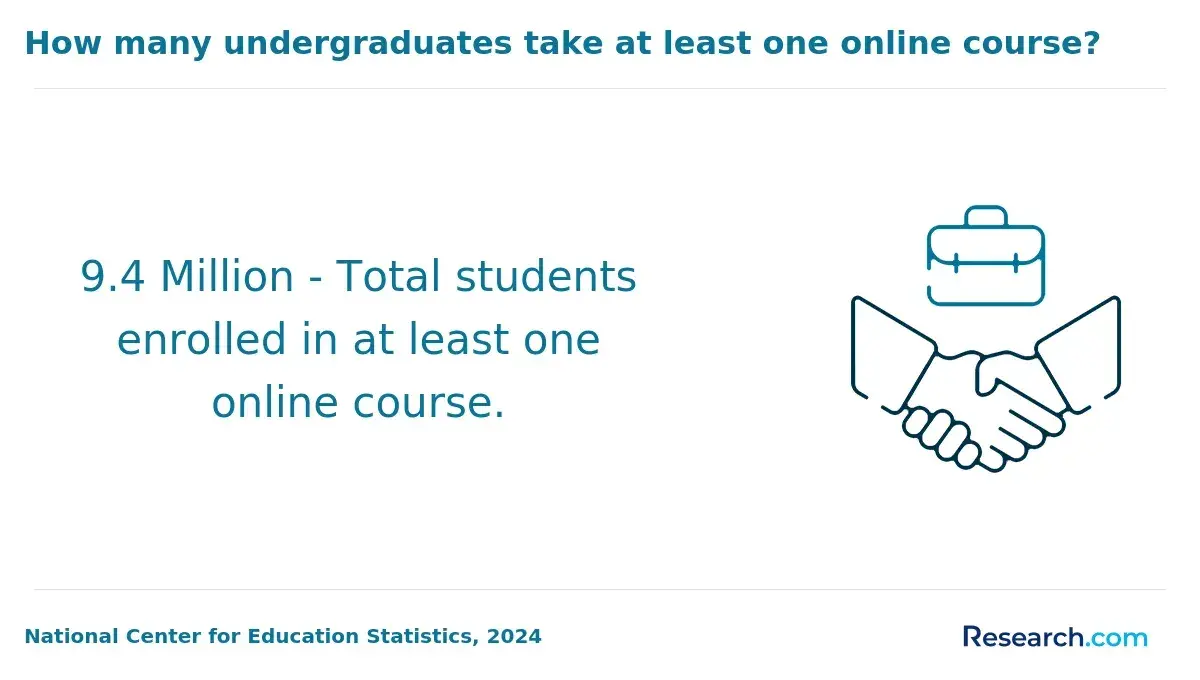
Professionals seeking to pivot into behavioral neuroscience face a collision of timing, credentialing, and accessibility barriers, particularly when balancing work and advancing specialized expertise. The steady rise in adult enrollment for accredited online graduate programs-up 15% since 2023 according to the National Center for Education Statistics-reveals a determined shift toward flexible, skill-targeted education. This trend underlines a growing demand for programs that reconcile rigorous neuroscience training with career-relevant outcomes, but not all offerings align equally with workforce needs or provide practical immersion in behavioral applications. This article evaluates online neuroscience degrees structured for behavioral neuroscience career trajectories to guide strategic, outcome-focused decisions.
Key Things You Should Know
- Online neuroscience degrees in 2026 frequently lack hands-on electrophysiology labs, reducing readiness for experimental behavioral neuroscience roles where 65% of employers prioritize in-person technical training, per NSF workforce data.
- The US Bureau of Labor Statistics notes a 12% growth in neuroscience-related jobs requiring advanced behavioral research skills by 2030, emphasizing demand for programs aligning curricula with applied cognitive and behavioral analysis tools.
- Tuition and extended program durations for online neuroscience degrees average 15-25% higher than comparable in-person options due to technology licensing fees, often delaying critical workforce entry by 6-12 months.
What is an online neuroscience degree and how does it prepare you for behavioral neuroscience careers?
Online neuroscience degree programs for behavioral neuroscience careers face a critical tradeoff between theoretical rigor and practical skill development. While these programs deliver interdisciplinary training in brain function, cognitive processes, and data-driven research methodology, they often lack sufficient hands-on lab experience-a key requirement for experimental roles in clinical labs and cognitive research institutes.
Graduates must frequently pursue local internships or research collaborations to fill this gap, ensuring their skills translate effectively in neuropsychological assessment and behavioral data interpretation.
Employers in pharmaceutical companies and addiction science emphasize candidates' ability to convert neural data into actionable behavioral insights, a demand that programs focusing solely on theory struggle to meet. The most pragmatic pathway blends core biology, psychology, and neuroscience coursework with accredited hybrid components or lab partnerships to maximize applied value.
How an online neuroscience degree prepares you for behavioral neuroscience roles hinges largely on this balance. For instance, professionals pivoting into neuropsychology research benefit from hybrid formats providing experimental design experience, enhancing quality and employability.
Economic outcomes reinforce this approach: among U.S. neuroscience majors, lifetime earnings exceed those with only a high school diploma by $450,000, with a typical ROI payback period near six years, according to DegreeCalc's 2026 Neuroscience Major ROI analysis.
For those considering advanced interdisciplinary study, evaluating routes such as an online PhD data science program can complement neuroscience expertise to meet evolving market demands efficiently.
How do online neuroscience programs compare with campus programs for behavioral neuroscience training?
Online neuroscience degrees generally match campus programs in theoretical depth but fall short in delivering essential hands-on laboratory and research experience, a critical factor for many medical science employers. Employers routinely seek candidates with practical skills in neuroimaging, electrophysiology, or clinical trial procedures-capabilities campus-based training naturally supports through lab rotations and direct mentorship.
This divide shapes distinct career trajectories:
- Online paths tend to fit roles centered on data analysis, behavioral modeling, or computational neuroscience, which are increasingly remote-accessible.
- Conversely, positions involving bench research or academic appointments usually require immersive, on-site lab exposure.
Employment growth for medical scientists is projected at 10% from 2022 to 2032, adding roughly 7,500 new jobs annually, so practical training alignment with workforce demands is critical. Some online programs attempt hybrid models with local lab partnerships or residencies, but these can impose added complexity and cost, affecting accessibility for working professionals.
For professionals actively weighing how online neuroscience degrees compare to campus programs, it is vital to assess employer expectations against program delivery modalities. Those seeking experimental neuroscience roles often must supplement online learning with internships or practical certifications to bridge skill gaps.
Behavioral neuroscience training in online versus traditional settings involves tradeoffs between flexibility and experiential learning, making an informed choice essential.
Prospective students should also consider cross-disciplinary strategies, such as pairing neuroscience study with a computer science degree online, to enhance computational competencies increasingly valued in the field.
Which accreditations should online neuroscience degrees have for credible behavioral neuroscience pathways?
Regional accreditation by one of the six U.S. regional accrediting bodies recognized by the Department of Education remains the essential standard for online neuroscience degrees targeting behavioral neuroscience career paths. Without it, graduates face steep barriers including employment disqualification, limited graduate school access, and ineligibility for federal aid.
Programs that integrate additional credentials, such as accreditation from the Commission on Accreditation of Allied Health Education Programs (CAAHEP) or recognition by the Association of Psychology Postdoctoral and Internship Centers (APPIC), often better align with expectations for clinical or research roles.
For professionals seeking strategic pivots into applied neuroscience or data science, program accreditation affects not only immediate credential validity but also access to graduate pathways and certifications in behavioral analysis. Employers, particularly in pharmaceutical research, clinical data analysis, and cognitive psychology sectors, prioritize degrees demonstrating rigorous coursework in statistics, neuroimaging, and computational methods.
This emphasis reflects workforce needs where behavioral neuroscience intersects heavily with quantitative skills, supporting roles like data scientists who earned a median wage of $112,590 in May 2024 with significant job growth projected.
Practical considerations extend to the stability of a program's accreditation during enrollment. Degrees lacking consistent accreditation often lead to costly, time-consuming certification requirements post-graduation. Professionals balancing full-time work benefit from accredited online programs offering asynchronous formats and applied content, minimizing credential gaps and remedial training.
Prospective students evaluating accreditation standards for online neuroscience degrees in the United States should also review affordability options, for example, by comparing against alternatives like the cheapest MLIS degree online.
What levels of online neuroscience degrees are available and which best fit behavioral neuroscience goals?
Online neuroscience degree options for behavioral neuroscience careers must be evaluated with an emphasis on real-world applicability rather than mere credentialing. Bachelor's degrees provide broad foundational knowledge in neurobiology, psychology, and cognitive science but often lack the lab exposure employers demand. As a result, candidates frequently need to secure local internships or hands-on roles to bridge this gap. This level suits entry-level technician jobs or allied health roles but rarely supports independent research positions.
Master's programs offer targeted training in behavioral research methods, neural mechanisms, and data analysis, aligning well with clinical trial coordination or cognitive assessment jobs. These programs often cater to working professionals seeking to enhance their qualifications without pursuing a Ph.D.
Yet, the career ceiling remains limited below those requiring leading research autonomy or clinical credentials. Among the best online neuroscience programs aligned with behavioral neuroscience goals, flexibility is balanced against practical constraints on lab access.
Doctoral degrees represent the threshold for independent research and clinical specialization in the field. Due to intensive mentorship and lab requirements, online Ph.D. options are scarce and usually hybrid. Data from the University of Pennsylvania survey show that five years after graduation, 38% of neuroscience grads pursued M.D. routes and 28% advanced to Ph.D. study, reflecting dominant pipelines for behavioral neuroscience research and clinical careers.
Making informed choices means recognizing tradeoffs: bachelor's paths offer accessibility and breadth; master's pathways improve applied expertise and coordination skills; doctoral pursuits enable autonomous investigation but demand substantial time and resources.
For professionals navigating this landscape, consulting accelerated psychology programs can illuminate options, especially when prioritizing program structure and career alignment.
What core courses and specializations in online neuroscience programs support behavioral neuroscience careers?
Online neuroscience programs orienting toward behavioral neuroscience demand more than foundational knowledge; they require aligning coursework with precise career trajectories in biotech, clinical research, or behavioral health technology. Core classes typically cover neurobiology, neuroanatomy, and neurophysiology, but the ultimate differentiator lies in specialized subjects like neuropharmacology and experimental design, which are vital for roles in drug development and applied research.
Graduate employment patterns reveal a tilt toward industry instead of academia: for instance, at Tufts University, nearly 29% of neuroscience Ph.D. graduates entered biotech or pharma sectors, including research and business development, while fewer shifted into traditional academic research.
This suggests that emphasizing computational neuroscience, data analytics, and machine learning becomes a practical necessity for those targeting translational positions.
- Core areas: Neurobiology, cognitive neuroscience, neuroanatomy, neurophysiology
- Specializations: Neuropharmacology, behavioral genetics, neuroethics, neuroimaging
- Industry-relevant skills: Statistical modeling, machine learning, neural data analytics
- Graduate outcomes emphasize industry over academia
- Hands-on lab work and cross-disciplinary compliance training critical
Pragmatically, prospective candidates should favor programs offering robust lab experiences-even virtual ones-and combined training in regulatory or business competencies. When pivoting careers toward pharmaceuticals or product management, an experimental design focus with neural data interpretation is non-negotiable.
Conversely, those targeting clinical or applied behavioral roles benefit more from neuropsychological assessment and behavioral research methodologies.
What are typical admission requirements and prerequisite classes for online neuroscience degrees?
Meeting admission prerequisites for online neuroscience degrees imposes clear practical constraints that shape candidates' eligibility and career trajectories. A minimum GPA of 3.0 paired with prior coursework in biology, chemistry, psychology, and often calculus and statistics is a baseline reflecting industry demands for quantitative and scientific rigor.
For instance, a registered nurse seeking to enter behavioral neuroscience research cannot bypass foundational chemistry requirements, which function as gatekeepers preventing misalignment between candidate skills and workforce expectations.
Admission policies that permit transfer credits and recognize certifications mitigate redundant effort, providing a tactical advantage for professionals balancing employment and study. This flexibility shortens time to program entry yet requires careful navigation of credit acceptance policies among programs.
Employers in pharmaceuticals, clinical research, and neurotechnology emphasize mastery of laboratory and analytical methods. This perspective aligns with admissions' insistence on statements of purpose and recommendation letters that attest to relevant academic or professional experience, particularly for applicants without conventional science backgrounds.
A real-world implication is the tangible connection between meeting these criteria and improved employability. Columbia University data indicates that 75.6% of neuroscience & behavior graduates secure jobs or graduate studies within six months post-completion, demonstrating how prerequisites and admission rigor translate into labor market payoff.
How long do online neuroscience degrees take and what do they typically cost?
Online neuroscience degrees offer a pragmatic balance between cost, duration, and employability, especially for working adults targeting roles in clinical research or pharmaceutical sectors. A typical full-time program spans four years, but part-time options extend to five or six years, accommodating professionals managing work and study. The net four-year tuition averages around $20,250, significantly lower than many on-campus counterparts, which often triple this figure.
Post-degree, the return on investment can be swift-with an estimated one-year break-even point based on lifetime earnings near $429,750-highlighting rapid salary gains particularly valued by employers focused on measurable skills rather than institutional prestige.
However, part-time students face challenges including logistical complexity around course sequencing and prerequisite retention, plus potential technology constraints for lab-intensive work that may require occasional in-person residencies.
Employer preferences vary widely by neuroscience subfield, often favoring master's-level credentials or specialized certificates beyond the bachelor's degree for applied behavioral neuroscience roles.
Key operational tradeoffs include:
- Cost-efficiency of online formats versus possible limits on hands-on lab experience
- Additional certification or graduate education frequently necessary to meet employer standards
- Extended timelines for part-time study balancing professional commitments
Prospective students must scrutinize program structure and sector-specific credential expectations to ensure alignment with their targeted career pathways.
What behavioral neuroscience jobs can you get with an online neuroscience degree?
Behavioral neuroscience degree holders rarely land traditional tenure-track faculty roles, with fewer than 25% of Ph.D. graduates doing so. Most find employment across diverse nonacademic sectors, such as industry R&D, government agencies, and science communication. This distribution equally affects bachelor's and master's graduates, indicating a need for strategic preparation beyond the core curriculum.
Roles in pharmaceutical and biotech companies often include research technician, clinical trial coordinator, or data analyst positions focusing on brain disorders and drug development.
Government opportunities frequently involve program analysis or policy advising, where understanding neural mechanisms informs public health initiatives. Science communication demands skills in translating complex findings into accessible formats, a capability seldom stressed in typical neuroscience programs.
To meet employer expectations, candidates must supplement their education with quantitative skills like statistics and computational modeling, alongside practical experience usually gained through internships or hands-on projects. These experiential components can be difficult to secure remotely but are crucial in competitive job markets.
Behavioral neuroscience professionals face a notable tradeoff between deep research expertise and applied skills. Certification in specialized methodologies or project management often improves prospects in contract research or private sector roles.
Ultimately, the degree itself functions as a foundational credential that must be strategically combined with targeted skills, internships, and interdisciplinary collaboration to align with labor market demands.
What is the salary outlook and job demand for behavioral neuroscience and related roles?
Behavioral neuroscience-related roles, particularly behavioral and mental health counselors, face a robust job market with median wages around $59,190 as of May 2024 and projected 19% growth through 2033, according to U.S. Bureau of Labor Statistics data cited by ASU Online. This pace notably exceeds average occupational growth, driven by increased mental health awareness and demand across healthcare, education, and community services.
However, salary and career trajectories differ markedly depending on employment contexts. Clinical roles typically require licensure and supervised practical experience beyond an academic degree, meaning candidates must invest in applied training for higher earnings.
Conversely, research-focused jobs in private labs or pharmaceutical companies prioritize technical neuroscience skills over counseling experience, influencing compensation and responsibilities differently.
Individuals targeting public health or rehabilitation agencies can expect median starting incomes with upward mobility linked to certifications and client caseload management. Academic research careers often involve longer paths to salary growth, relying on grant success and scholarly publications to advance.
Key considerations for program selection include:
- Programs with clinical internships or industry partnerships offer practical experience that employers value.
- Aligning education with specific role requirements balances immediate employability with long-term advancement.
Careful matching of educational pathways to occupational expectations mitigates risks of stagnant earnings and skill mismatches in behavioral neuroscience careers.
How can prospective students evaluate and choose a reputable online neuroscience program?
Choosing an online neuroscience program requires discerning program quality beyond surface-level offerings, especially when planning a transition or advancement in behavioral neuroscience careers. Accreditation from recognized agencies is non-negotiable, as it influences credit transferability and employer acceptance, impacting professional mobility and graduate education opportunities.
Programs that lack behavioral neuroscience-specific coursework-such as neurobiology, cognitive neuroscience, and rigorous research methods-risk producing graduates with generic biomedical knowledge insufficient for specialized roles.
A real-world hiring perspective shows that degree relevance ties directly to salary trajectories and employability. DegreeCalc's 2026 data displays median neuroscience salaries rising from $50,000 at entry-level to $110,000 in late career.
Candidates from programs with documented placement in behavioral neuroscience-related positions are more competitive, signaling the importance of aligned graduate outcomes over generic employment statistics.
Faculty expertise and integration of hands-on learning via research, labs, or simulations also shape workforce readiness. Programs lacking these applied elements may limit graduates' ability to adapt to clinical, pharmaceutical, or cognitive assessment sectors where methodological fluency is expected.
For working adults, asynchronous course design and robust tech support minimize disruptions and shorten time to credential completion.
- Evaluate core curriculum alignment with specific behavioral neuroscience competencies.
- Prioritize programs providing transparent placement and salary data tied to neuroscience roles.
- Assess flexibility in course delivery and availability of experiential learning.
- Confirm program accreditation and professional recognition relevant to target career paths.
Lastly, ensure the credential's recognition by certification bodies and professional networks within behavioral neuroscience, as this validation often correlates with better access to research roles and healthcare industry jobs.
Other Things You Should Know About Neuroscience
Most online neuroscience programs face inherent challenges in offering hands-on lab work or in-person research exposure, which are essential for many behavioral neuroscience careers. Prospective students should verify if their chosen program includes partnerships with local labs, virtual lab simulations, or hybrid components to meet this requirement. Without practical research experience, graduates may struggle to compete for roles that demand proficiency in experimental techniques and data collection methodologies.
Some employers in behavioral neuroscience, especially research institutions and clinical settings, remain skeptical of fully online degrees due to perceived limitations in training rigor and practical skills. Graduates from online programs often need to supplement their education with internships or lab work to demonstrate competency. Prioritizing programs with strong faculty involvement, research opportunities, and recognized accreditation improves employer acceptance and reduces barriers in hiring.
Online neuroscience curricula often demand consistent engagement with complex scientific material, including data analysis and writing-intensive assignments. Balancing this with full-time employment requires strong time management, as slacking on coursework risks falling behind in sequential classes critical for advanced study. Students should prioritize programs with flexible pacing or asynchronous options but remain mindful that reduced structure can increase the risk of delayed graduation or superficial mastery.
References
- Neuroscience Programs https://www.lvc.edu/programs/neuroscience/
- Naturalistico https://naturalistico.com/en/learn/blog/master-the-brain-with-our-online-neuroscience-certification
- Learn neuroscience | edX https://www.edx.org/learn/neuroscience
- Behavioral Neuroscience Degree | Houghton University https://www.houghton.edu/social-sciences/behavioral-neuroscience-major/
- Best Neuroscience Courses Online in 2026 | Neurosity https://neurosity.co/guides/best-neuroscience-courses-online-2026
- 7 Best Neuroscience Courses for 2025; Learn Online for Free — Class Central https://www.classcentral.com/report/best-neuroscience-courses/
- Neuroscience Majors https://www.hamline.edu/academics/undergraduate/neuroscience-major-ba-bs
- Neuroscience Degree Requirements https://www.collegehelpguide.com/degrees/neuroscience/requirements/