2027 Best Online Bachelor's in Neuroscience With Cellular Neuroscience Coursework

Co-Founder and Chief Data Scientist
Professionals aiming to break into specialized areas of neuroscience face a critical barrier: acquiring hands-on cellular neuroscience expertise without disrupting existing careers or personal obligations. Amid an accelerating shift toward flexible learning, recent data from the National Center for Education Statistics reveals a 12% surge in adult enrollment in online bachelor's programs since 2022, reflecting growing demand for accessible pathways that blend rigor with adaptability.
This trend signals the importance of programs that integrate cellular neuroscience coursework within a fully online format, enabling working adults to maintain momentum while gaining cutting-edge skills directly relevant to research labs, biotech, and clinical roles. This article evaluates top online neuroscience bachelor's offerings that include cellular neuroscience content, highlighting their alignment with career advancement needs and practical workforce entry points.
Key Things You Should Know
- Fully online bachelor's in neuroscience with cellular neuroscience coursework can save up to 40% on total degree costs compared to on-campus, but reduced lab access delays hands-on skill mastery critical for research roles.
- Employers in biotech and pharma increasingly demand hybrid experience; graduates lacking in-person cellular lab internships face a 15% disadvantage in entry-level hiring per 2025 industry recruitment data.
- Program length variations (3-year accelerated vs. traditional 4-year paths) impact early career earnings by 12%, yet accelerated tracks intensify cognitive load, risking lower retention of complex cellular neurobiology concepts.
What is an online bachelor's in neuroscience with cellular neuroscience coursework and who is it for?
An online bachelor's degree in neuroscience with cellular neuroscience focus demands more than theoretical knowledge; it requires navigating logistical challenges around hands-on lab experience critical to employability. Those targeting technical roles-such as laboratory research technicians or clinical trial coordinators-must secure supplemental in-person practicums to master specialized techniques like fluorescence microscopy and electrophysiology that employers expect.
This requirement sets programs with cellular coursework apart from more generalized neuroscience offerings, especially for students prioritizing direct applicability in research-based biotech and medical device companies. For working professionals eyeing a strategic pivot into life sciences, the flexibility of this online format aligns with career commitments, yet students should anticipate proactive coordination with partner institutions to fulfill lab components.
The median salary of $46,000 reported by University of Colorado Boulder graduates one to five years post-graduation reflects realistic earnings in non-clinical neuroscience roles, emphasizing that advanced degrees or further specialization often drive higher income trajectories. Decision-making in pursuing the best online neuroscience programs with cellular coursework should weigh these tradeoffs:
- Practical lab skill acquisition is indispensable despite the online format.
- Career relevance hinges on mastering cellular-level techniques valued by employers in neurobiology and pharmaceutical development.
- Salary outcomes are modest without graduate education but adequate for early-career roles in research and biotech.
- Students remain eligible for graduate studies in neuroscience, biomedical sciences, or related fields.
Prospective students might also compare alternative fields, such as data science degrees, when considering cost versus market demand in biotech hubs and healthcare networks.
How do online neuroscience bachelor's programs compare with on-campus options for rigor and outcomes?
The critical distinction in online neuroscience bachelor programs vs on-campus rigor lies in the availability of hands-on laboratory experience essential for specializing in cellular neuroscience. While theoretical instruction aligns closely across formats, virtual programs often struggle to replicate the rigorous lab practicums employers in biotech and pharmaceutical sectors demand.
Employment outcomes reflect this gap: graduates with documented lab skills enjoy stronger placement, particularly in industries tied to cell and gene therapy markets projected to surge from $13.8 billion in 2024 to $62.5 billion by 2030. Key employers in regenerative medicine and neuropharmacology insist on practical competence with cellular assays, frequently requiring internships within physical labs.
Working professionals assessing career outcomes of online neuroscience degrees must weigh flexibility against the challenge of independently securing lab access. Those enrolled in hybrid or on-campus programs benefit from institutional networks that expedite hiring into specialized roles, whereas fully remote learners might face delayed entry due to the effort needed for hands-on experience.
Prospective students should critically evaluate program delivery in relation to these workforce expectations. For professionals considering alternate STEM pathways, exploring online degrees in computer science may offer different practical trade-offs in balancing flexibility and marketable skills.
Which accredited schools offer the best online bachelor's in neuroscience with cellular neuroscience courses?
Programs offering robust online bachelor's degrees in neuroscience often hinge on cellular neuroscience coursework that directly aligns with employer needs in biomedical research and clinical sectors. Schools like Arizona State University (ASU), Oregon State University (OSU), and University of Florida (UF) stand out for integrating these specialized modules.
For working professionals and prospective students evaluating the best accredited online neuroscience bachelor's programs with cellular neuroscience courses, practical considerations like lab format and accreditation rigor matter substantially. ASU and OSU's fully asynchronous virtual labs provide flexible pacing, whereas UF's limited onsite lab immersion can challenge those balancing full-time employment.
Employers in translational research and drug development prioritize candidates with applied cellular neuroscience skills. Graduates without this lab-based exposure may find fewer opportunities in experimental or research-intensive roles. According to O*NET data discussed by ASU, medical scientist jobs will grow 8.7% with median salaries around $103,410, underscoring demand for cellular neuroscience expertise.
Meanwhile, physician assistant roles expect faster growth at 20.4%, with median pay near $135,880, where foundational cellular knowledge improves clinical decision-making. Those pursuing PhD tracks should weigh programs with strong lab verification while clinical or neurotechnology career aspirants might find greater value in degrees emphasizing online clinical applications.
Key factors in selecting a program include faculty research credentials, accreditation status, and how lab simulations reinforce learning. Tradeoffs between virtual lab experience and career mobility must be assessed carefully. A practical awareness of these dynamics helps clarify which top online bachelor's degrees in neuroscience offering cellular neuroscience coursework best align with individual goals and market realities. Additional information on affordability and program options can be found in the context of a library science degree.
What cellular neuroscience courses and lab experiences can you expect in these online programs?
Online bachelor's programs with cellular neuroscience lab experiences necessarily shift traditional benchwork towards computational and analytical skill sets due to limited direct experimentation. Emphasis lies in neurobiology, cellular signaling, membrane physiology, and synaptic transmission, with coursework adapted to remote formats using virtual simulations and real experimental data analysis. This adjustment reflects a wider labor-market reality.
Employers increasingly value proficiency in statistical software and data interpretation over manual lab techniques, especially in roles such as research technicians in pharmaceutical or neural engineering sectors. Students in these programs develop strengths in experimental design and bioinformatics relevant to drug development companies where cellular assays screen neuronal-targeting compounds without routine wet lab involvement.
As a result, graduates gain practical competencies to engage with clinical research, biotech, or cognitive science industries focusing on cellular mechanisms within neuroscience. Despite fewer traditional lab experiences, applied research projects modeled on industry workflows integrate the analytical and critical thinking skills necessary for cellular neuroscience careers.
According to a recent labor-market analysis, bachelor's graduates in neuroscience, including those with cellular neuroscience coursework in online bachelor's programs, command an average salary near $93,730, underscoring market valuation of this expertise. Prospective students seeking accelerated pathways may also consider a 2 year psychology degree online as an alternative, depending on career goals and desired practical exposure.
What admission requirements and prerequisites do online neuroscience bachelor's programs typically have?
Meeting prerequisite standards for online bachelor's programs in neuroscience with cellular neuroscience coursework directly influences a student's ability to enter and succeed in these technical fields. Applicants must present a strong foundational science background-usually including biology, chemistry, mathematics (calculus or statistics), physics, and introductory psychology-to handle the multidisciplinary demands of cellular-level neuroscience study. GPA thresholds near 3.0 are common, reflecting the rigor anticipated by programs.
For working professionals shifting into neuroscience, established STEM coursework or proven quantitative skills may substitute certain prerequisites, but this often requires transcript scrutiny or placement testing, which can delay admission. Programs also increasingly balance traditional standardized test expectations with test-optional policies, though laboratory experience remains a consistent priority.
From a workforce perspective, relevant lab exposure and the ability to analyze large datasets correlate with higher employability. For instance, roles like neuroscience-related data scientist show a projected 33.5% growth and median salaries over $120,000, per Arizona State University career data.
However, online students must critically evaluate whether their program's practical lab components match in-person alternatives since hands-on cellular training can be pivotal for competitive employment in healthcare and research environments. Students neglecting these prerequisites risk extended timelines due to remedial coursework, emphasizing the importance of early, strategic preparation tailored to each program's specific demands.
How long does it take to complete an online bachelor's in neuroscience and how is it structured?
Online bachelor's degrees in neuroscience generally span four years full-time, mirroring traditional on-campus durations. Part-time study extends degree completion but may create challenges maintaining cohesion across the sequential curriculum, which begins with fundamental biology, chemistry, and psychology before advancing to complex cellular and cognitive neuroscience topics.
Programs rely heavily on a hybrid learning model combining asynchronous lectures, synchronous sessions, and virtual lab simulations. However, actual lab experience remains pivotal; many programs integrate clinical or research internships during the final year, often coordinated locally, to bridge theory with practice. This structure aims to balance schedule flexibility with essential hands-on skills that employers expect.
Professionals targeting roles with strong cellular neuroscience demands-such as clinical trial managers or health sciences managers-should evaluate programs based on the depth of lab work and internship quality. According to Arizona State University's 2024 data, median salaries for these roles can reach $167,220, reflecting market premium for practical expertise in this area.
Accelerated degrees may appeal for speed but risk reduced lab exposure, potentially weakening competitiveness for technically demanding positions. Students must weigh the tradeoff between rapid completion and rigorous practical training, especially those pivoting careers who need demonstrable cellular neuroscience proficiency. Prioritizing programs that integrate comprehensive lab and internship components aligns better with employer expectations and long-term workforce readiness.
How much does an online neuroscience bachelor's cost and what financial aid is available?
Choosing an online bachelor's degree in neuroscience requires careful evaluation of tuition costs and the value of program offerings relative to career objectives in medical science and research. Total tuition varies significantly, ranging from roughly $25,000 at public institutions for in-state students-often below $300 per credit-to upwards of $60,000 at private schools charging $800 or more per credit.
Additional expenses such as lab and technology fees, critical for cellular neuroscience coursework, frequently push overall costs higher and should factor into budgeting decisions upfront. Financial aid can mitigate tuition burdens. Pell Grants, which cover up to $7,395 annually, and Direct Subsidized Loans capped between $3,500 and $5,500 per year, require timely FAFSA submission.
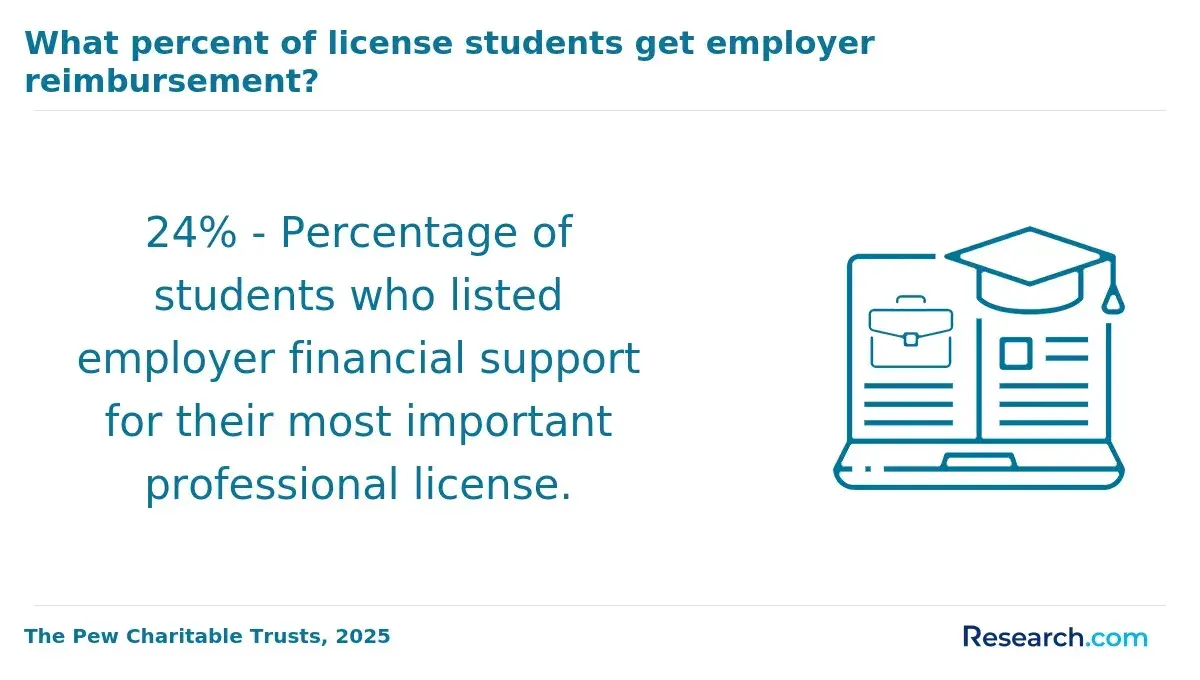
Alternative funding routes include employer tuition reimbursement and state grants, though the latter depend heavily on residency and state-specific criteria. The labor market outlook for graduates shows growth in medical scientist roles at approximately 14% over a decade, reflecting steady demand for neuroscience-trained professionals in clinical research.
Selecting programs that balance affordability with experiential learning opportunities can reduce long-term debt while enhancing employability in this specialized field. Prospective students should weigh how program costs and financial aid prospects intersect with workforce requirements and real-world application of cellular neuroscience skills to make informed educational investments.
What careers can you pursue with an online bachelor's in neuroscience emphasizing cellular neuroscience?
Graduates holding an online bachelor's in neuroscience with a cellular focus face a distinct set of workforce realities that separate technical specialization from broad employability. Entry-level roles-such as laboratory technicians or research coordinators-demand concrete skills in cellular signaling, microscopy, and molecular techniques, which often require supplementary local lab experience despite the online format. Employers in academic and private research settings prioritize demonstrated competence in these practical areas over purely academic credentials.
Key career avenues include clinical trial coordination and scientific sales, both requiring nuanced cellular-level knowledge alongside additional certifications or interdisciplinary skills in healthcare communication. For instance, a graduate working as a neurodiagnostics technician must integrate cellular neuroscience insight with data analytics and patient workflow understanding, highlighting the need for cross-domain expertise.
Challenges persist, notably securing access to lab internships or partnerships that translate online coursework into applicable skills, as well as competing against candidates with graduate degrees for research-intensive positions. Addressing these tradeoffs, students might consider certificate programs targeting cellular techniques or internships to strengthen their portfolios. Technical proficiency in cell cultures and data analysis is essential but insufficient alone without local hands-on training.
Certification and interdisciplinary skills enhance readiness for clinical or sales roles dependent on cellular neuroscience. Workforce demand favors those who blend online credentials with verified practical experience. The growing global interest in flexible neuroscience education, as noted by Class Central's 2025 report on online learning trends, signals broader employer acceptance but does not eliminate the need for strategic career development post-degree.
What are the salary expectations and job outlook for graduates of online neuroscience bachelor's programs?
Online neuroscience bachelor's graduates face a broad entry-level salary range from $60,000 to $85,000, but true earnings often hinge on specialization in cellular neuroscience and adjacent domains like biomedical engineering and artificial intelligence. For example, biomedical engineer positions connected to computational neuroscience show a steady 5.2% growth rate nationally, with median salaries surpassing $109,000, reflecting demand where technology and healthcare converge.
Securing roles in biotech or medical device sectors requires more than core neuroscience knowledge; employers expect candidates to demonstrate programming skills, AI fluency, and data analysis capabilities. Lab technician roles remain an option but tend to start lower, requiring hands-on lab technique mastery or advanced qualifications to progress meaningfully.
Practical experience is a critical differentiator. Remote degree holders must compensate for limited in-person exposure by pursuing internships or project-based opportunities to validate computational modeling skills and cellular neuroscience concepts sought after in AI-driven neurotechnology fields.
Location significantly impacts job prospects. Biotech hubs such as Boston, San Francisco, and Seattle offer more positions but also sharper competition, pushing graduates to consider initial roles outside their specialization or additional certifications in programming languages to bridge skill gaps.
Employers prioritize graduates who translate neuroscience mechanisms into applied clinical or product innovations, emphasizing project-oriented learning focused on emerging technologies. Those targeting biomedical engineering pathways benefit from aligning skills with healthcare AI growth to maximize employability.
How can you evaluate accreditation and quality when choosing an online neuroscience bachelor's program?
Accreditation is the foundational criterion that directly affects a bachelor's degree's credibility and practical value in neuroscience. A program without recognized regional or national accreditation recognized by the U.S. Department of Education or the Council for Higher Education Accreditation risks denying students federal financial aid, narrowing access to competitive graduate schools, and reducing employer recognition-especially in roles requiring clinical or research proficiency.
Curriculum rigor must extend beyond theory to include immersive laboratory experiences. Employers and graduate programs favor candidates with practical skills gained through hands-on lab work, virtual simulations, or partnerships with institutions offering research exposure. Programs lacking these elements often leave graduates underprepared, limiting competitiveness in a field driven by emerging brain and nervous system disorder research.
Faculty engagement in current research is a practical marker of program relevance. Programs staffed mainly by adjuncts without ongoing neuroscience research involvement likely provide outdated instruction, which can hamper readiness for roles aligned with workforce demand growth evidenced in recent cellular neuroscience career analyses.
Outcome metrics such as graduation rates, graduate school admissions, and employment in cellular neuroscience sectors provide crucial insight into a program's real-world efficacy. For instance, biotechnology and pharmaceutical employers increasingly require demonstrable applied skills and research experience beyond the degree itself.
Finally, logistical supports like technical assistance, flexible scheduling, and accredited internships or lab partnerships are essential for translating online coursework into marketable expertise rather than abstract certification.
Other Things You Should Know About Neuroscience
Employers in rigorous research or clinical environments prioritize hands-on laboratory skills and direct mentorship. Online degrees focused on cellular neuroscience can be respected if they provide substantial virtual labs or local lab partnerships to compensate for lack of on-campus lab time. Graduates without strong lab experience may face challenges competing with candidates from traditional programs for research technician roles.
Online programs vary in their ability to deliver advanced cellular neuroscience content aligned with graduate expectations. Prospective grad students should prioritize programs offering synchronous instruction, research opportunities, and faculty access, as these factors affect readiness for demanding grad research. Coursework alone is insufficient; research experience tied to cellular neuroscience is critical for admission to competitive graduate programs.
Programs that include cellular neuroscience coursework often have intensive lab components and detailed study requirements that can exceed typical online course expectations. Working professionals must assess whether the program's schedule allows for flexible but consistent study and practical work hours. Prioritizing programs with modular or asynchronous lab simulations can help balance work-life commitments without sacrificing learning quality.
Graduates with an online bachelor's in neuroscience focusing on cellular neuroscience can explore roles in research, pharmaceuticals, healthcare, and clinical settings. This specialization is valuable for positions involving laboratory work, scientific analysis, or further academic research in neuroscience.
References
- What is it like to study neuroscience? - Centre of the Cell https://www.centreofthecell.org/story/what-is-it-like-to-study-neuroscience/
- Neuroscience Degree Salary https://www.collegehelpguide.com/degrees/neuroscience/salary/
- Best Neuroscience Courses Online in 2026 | Neurosity https://neurosity.co/guides/best-neuroscience-courses-online-2026
- School of Life Science/Neuroscience - INTERNATIONAL EUROPEAN UNIVERSITY, POLAND | EUROPE | STUDY IN POLAND | STUDY IN EUROPE | MBBS | GENERAL MEDICINE | BUSINESS | ENGINEERING | IT | EUROPE https://ieu.com.pl/european-school-of-life-sciences/school-of-life-science-neuroscience/
- What Can You Do with a Neuroscience Degree? | Tiffin University https://www.tiffin.edu/news/what-can-you-do-with-a-neuroscience-degree/
- Neuroscience https://www.ualberta.ca/en/undergraduate-programs/bachelor-of-science-with-honors-neuroscience.html