2027 Best Online Bachelor's in Neuroscience for First-Time Research Professionals

Co-Founder and Chief Data Scientist
Facing intense competition for limited lab positions, many emerging neuroscience professionals must navigate the challenge of gaining recognized credentials without sacrificing ongoing employment or relocating. The National Center for Education Statistics reports a 35% increase in adult enrollment in online bachelor's programs since 2023, signaling a shift toward more flexible pathways that accommodate working learners. This trend directly influences neuroscience candidates seeking affordable, accessible programs that balance rigorous scientific training with real-world constraints. Selecting an online bachelor's program requires assessing curriculum depth, research opportunities, and employer recognition to ensure meaningful career progression. This article identifies the best online bachelor's in neuroscience programs designed to help first-time research professionals overcome these barriers and secure competitive roles.
Key Things You Should Know
- Graduates of online bachelor's in neuroscience face credential skepticism; 42% of life science employers prefer candidates with hybrid or in-person lab experience due to hands-on skill gaps, complicating early career entry.
- The median entry-level salary for neuroscience roles grew only 3% since 2022, per BLS, signaling a competitive market that pressures graduates to pursue advanced degrees or specialized certifications for differentiation.
- Online programs typically extend time to degree by 6-12 months versus on-campus, increasing opportunity cost; affordability gains must be balanced against delayed labor market entry amid evolving research funding cycles.
What is an online bachelor's in neuroscience and how does it prepare first-time research professionals?
Online bachelor's in neuroscience degree programs for research careers equip students with a foundational grasp of brain function and experimental methods essential for entry-level positions in medical, academic, or technological fields. However, the largely virtual nature of practical training limits hands-on laboratory exposure, often necessitating supplemental internships or external lab partnerships to meet employer expectations in research environments.
Employers seek graduates proficient in neurobiology combined with computational skills to handle complex data sets typical in neuroimaging or genomic analyses. For instance, professionals in pharmaceutical R&D rely on these competencies to contribute remotely to early clinical trials or drug mechanism studies where onsite presence is minimal.
Graduates must also navigate ethical standards and regulatory compliance critical in federally funded or clinical research settings. Yet, these regulatory frameworks require more than theoretical insight, underscoring the importance of applied experience that some fully online programs struggle to provide.
Medical scientists, including neuroscientists, face a 9% job growth projected by the U.S. Bureau of Labor Statistics from 2024 to 2034, with a median wage of $111,430. This data highlights why a neuroscience degree can be a strategic pivot, especially when paired with interdisciplinary skills. Those evaluating this pathway may also consider its comparative value against a data science degree, which offers alternative market opportunities informed by data analysis expertise.
Ultimately, how online neuroscience degrees prepare first-time research professionals depends on their ability to balance theoretical knowledge with practical, externally sourced laboratory experience.
How do online neuroscience bachelor's programs compare with campus programs for research-focused students?
Online neuroscience bachelor's degree programs diverge significantly from campus programs when evaluated through the lens of employability for first-time research professionals. While theoretical knowledge is largely equivalent, employers prioritize candidates with direct experience handling lab equipment and contributing to real-time data collection-skills that campus programs develop through mandatory in-person lab rotations and collaborative research projects. Graduates from online programs often lack this practical exposure, which complicates their immediate readiness for biological technician roles, a typical entry point in neuroscience research.
Employers seeking new neuroscience graduates emphasize demonstrated lab proficiency and teamwork in authentic research environments. Virtual simulations used by online programs fall short in replicating tactile troubleshooting encountered in physical labs, often necessitating extended internships or training post-graduation. This lengthens the timeline to independent research and can hinder competitive positioning within a market where the median annual wage for biological technicians is $57,510, accompanied by a moderate job growth rate of 3.5% through 2034.
Students pursuing online bachelors in animal science or related fields similarly confront experiential gaps; however, they may offset these through proactive local internships. Hybrid formats blending online coursework with onsite lab residencies offer a more pragmatic strategy for bridging skill gaps while maintaining scheduling flexibility.
Prospective students should critically assess neuroscience bachelor's degree vs campus programs for research students by evaluating available in-person lab opportunities and research integration. Without this, practical barriers to employment persist, underscoring campus programs' advantage for those prioritizing rapid entry into lab-based research careers.
For practical insights on costs and tuition related to online bachelors in animal science, review detailed resources addressing program expenses and value.
Which accredited schools offer the best online bachelor's in neuroscience for research careers?
Programs offering the best accredited online bachelor's in neuroscience for research careers must integrate practical research components with foundational theory to align with employer expectations. Candidates lacking experience in lab work or data analysis struggle in competitive markets where hands-on skills and familiarity with current methodologies are non-negotiable. Schools such as Oregon State University, University of Florida, and Pennsylvania State University exemplify this balance, providing rigorous coursework alongside federally funded research involvement and lab partnerships. Median salaries surpassing $239,200, supported by 2025 Bureau of Labor Statistics data, affirm that well-chosen programs materially impact long-term earning potential and employability.
Students evaluating top online bachelor's degrees in neuroscience for first-time research professionals should prioritize programs offering:
- Faculty actively engaged in federally funded projects to access current research trends
- Virtual lab experiences or institutional partnerships ensuring practical exposure despite remote study
- Undergraduate research assistant opportunities to build a demonstrable skill set valued by employers
For example, trainees focused on pharmaceutical R&D must secure programs with neuropharmacology coursework integrated with virtual simulation labs, while those targeting academic research require networks linked to NIH-affiliated internships. Absent such features, students risk insufficient preparation that can hinder employability and salary growth. When assessing educational pathways, consider the practical demands of neuroscience roles and complement them with credentials like an MLIS degree if career pivoting towards research data management.
What accreditation and institutional quality standards should online neuroscience programs meet?
Accreditation remains a pivotal filter in evaluating online neuroscience program accreditation standards, directly impacting employability and academic credibility. Regional recognition by the U.S. Department of Education or the Council for Higher Education Accreditation (CHEA) is more than a formality; absence of accreditation from bodies like the Higher Learning Commission often results in professional rejection and severely limited career mobility.
Employers in biotech, healthcare, and neurotechnology insist on candidates who have completed rigorously accredited programs, reflecting verified scientific training and vetted curriculum. For example, a research technician position at a pharmaceutical firm depends heavily on whether the online degree includes validated lab experience and research methods endorsed by recognized bodies. Without this, applicants face skepticism about practical readiness and theoretical depth.
Cost considerations correlate closely with accreditation quality. Arizona State University's online BS in Neuroscience charges $654 per credit, amounting to roughly $78,480 for 120 credits, representing a significant investment that demands reliable educational outcomes. Prospective students must examine regional quality criteria for neuroscience degrees and look for transparent quality controls such as faculty credentials, student assessment protocols, and clear credit transfer policies. These factors mitigate the risk of wasting time and resources during a career pivot.
Those exploring cross-disciplinary transitions might also consult resources on accelerated psychology programs online to complement neuroscience expertise with quicker pathways where appropriate.
What courses and research training are typically included in an online neuroscience curriculum?
Online neuroscience programs must balance foundational coursework and practical research training to meet real-world employer requirements. Core classes-covering cellular neuroscience, cognition, neuroanatomy, and systems neuroscience-provide essential biochemical and anatomical context. However, graduates lacking applied research experience often face barriers to entry in competitive roles, especially in multidisciplinary environments addressing neural engineering or neurodegenerative conditions.
Hands-on training components vary significantly: pharmaceutical-focused students typically gain skills in psychopharmacology and computational modeling, while those targeting clinical neuroscience roles require direct exposure to neuroimaging and patient data analysis protocols. Without synchronous labs or faculty-guided research projects, learners risk missing critical technical competencies desired by employers.
Key considerations when selecting an online pathway include:
- Availability of virtual lab simulations and remote data collection exercises
- Opportunities for collaboration on real-world datasets
- Access to mentorship and capstone projects that showcase independent inquiry
Rapid program growth-from 2 bachelor's programs in 2025 to 26 by 2026-intensifies variability in program quality and practical relevance. Prospective students must evaluate flexibility against authenticity, ensuring their portfolio reflects both theoretical mastery and verifiable research execution to remain competitive in the evolving neuroscience labor market.
What are the admission requirements and prerequisites for online neuroscience bachelor's programs?
Online bachelor's programs in neuroscience demand a baseline academic readiness that many prospective students underestimate, particularly those shifting careers without recent science coursework. Admissions typically require a high school diploma with a minimum GPA around 2.5 to 3.0 and often standardized test scores-though some schools waive these. More critically, applicants must have completed foundational classes in biology, chemistry, and mathematics (commonly algebra II or precalculus), reflecting the quantitative rigor of subsequent neuroscience study.
Those lacking prerequisite courses may encounter conditional acceptance, which delays progress until required subjects are completed, often at community colleges or through non-degree coursework. This stepping stone is especially relevant for working adults transitioning into neuroscience research or related fields, where gaps in foundational knowledge impair success in upper-level courses.
Program applications usually ask for transcripts demonstrating proficiency in science and math alongside essays outlining research interests and career objectives. Letters of recommendation are less frequent but can strengthen an application.
Employment data emphasize the economic stakes: clinical psychologists-common graduate-level roles for neuroscience graduates-earn median salaries near $99,550, with top earners exceeding $139,000 annually. This wage variance illustrates how rigorous preparation influences access to competitive graduate programs and, subsequently, higher earning potential.
- Admission emphasizes academic foundation and quantitative skill.
- Conditional acceptance can delay degree progression.
- Career pivots require bridging coursework before advanced neuroscience studies.
- Graduate outcomes vary significantly by preparation and program rigor.
How long do online neuroscience degrees take and what do they cost to complete?
Choosing an online neuroscience bachelor's degree involves balancing time, cost, and the practical value of hands-on experience. Typically requiring four years full-time, these programs may extend up to six years or more for part-time students, introducing delays in workforce entry and income generation. Accelerated tracks and credit for prior learning can shorten timelines but demand rigorous pacing.
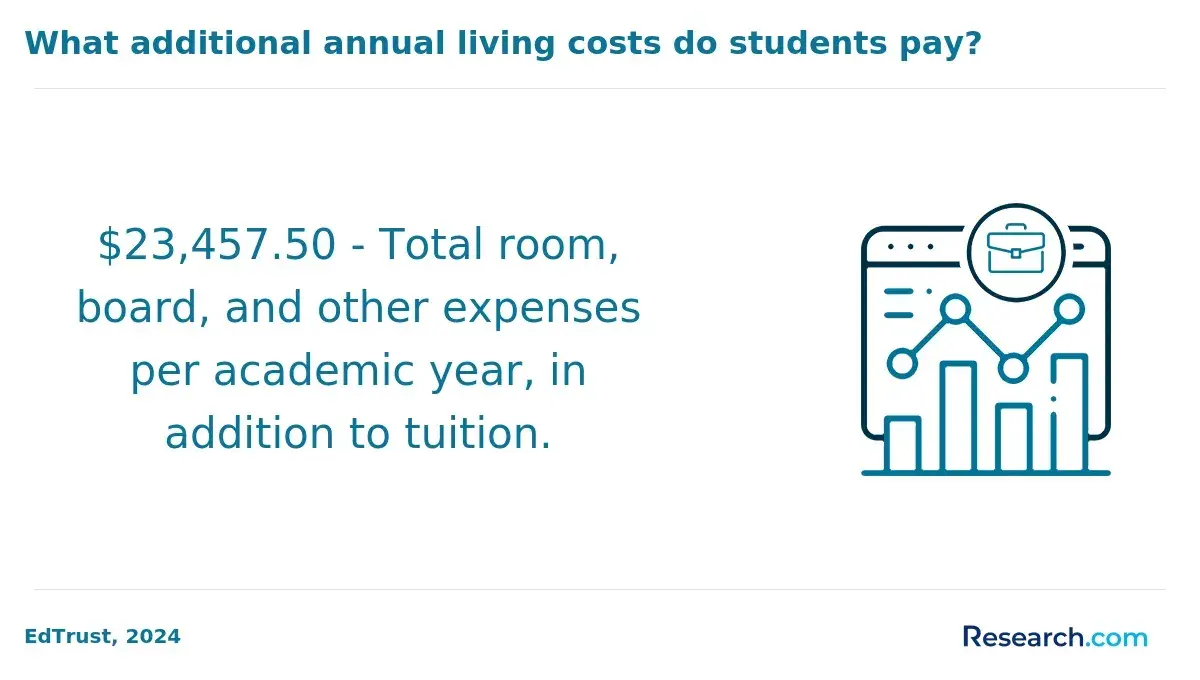
Tuition differs widely-public universities generally charge $40,000 to $70,000 for in-state students, whereas private institutions can surpass $100,000 with added fees for labs and technology. Ancillary costs like textbooks and software add another 10-15%, increasing the overall investment.
Employment prospects for graduates often center on roles such as medical and clinical laboratory technologists, with a median annual wage around $63,720 and a forecasted job growth of 5% through 2034. The presence of real lab components, whether virtual or regional partnerships, significantly affects readiness for these positions and employer preferences.
- Extended part-time study provides flexibility but delays earnings.
- Accelerated options improve time-to-degree but increase workload intensity.
- Lab experience is a crucial differentiator in hiring decisions.
Prospective students must evaluate programs not only on tuition and duration but on how well they integrate research skills with practical lab training to meet specific job market demands and hiring standards in neuroscience-related fields.
What entry-level research roles and career paths can this degree lead to?
Graduates with an online bachelor's in neuroscience commonly enter roles such as laboratory technician, research assistant, or data analyst across academic, clinical, and pharmaceutical sectors. These positions require hands-on involvement with experimental procedures and data interpretation, often demanding familiarity with statistical software, neuroimaging, or electrophysiological techniques. For instance, a graduate working in a university lab might oversee rodent behavioral studies, while pharmaceutical sector roles focus more on cognitive drug trial support, illustrating distinct skill sets tied to each environment.
Progression beyond entry-level positions often hinges on obtaining specialized certifications or pursuing graduate studies, especially for autonomous research or clinical roles. Career paths may extend into neuropsychology support, clinical trial coordination, or regulatory affairs, where deeper understanding of neural mechanisms facilitates patient assessment and protocol adherence.
While a 2024 Arizona State University report confirms online biological science graduates achieve comparable completion rates and workforce readiness to on-campus peers, competitive research job markets still emphasize candidates with documented research experience or internships. Since online neuroscience programs typically lack integrated lab access, students must actively pursue external internships or volunteer roles during their studies to remain viable against campus-based applicants.
Key preparatory steps involve developing practical laboratory skills, acquiring relevant certifications, and focusing on employment sectors such as biotechnology, healthcare, or academic research facilities that reliably recruit bachelor's-level neuroscience graduates.
What salary ranges and job outlook can neuroscience research graduates expect?
Salary trajectories for neuroscience research graduates diverge sharply depending on career specialization and geographic location. Entry-level roles, such as clinical research coordinators, often start between $50,000 and $70,000 annually, whereas experienced professionals advancing into management or administrative positions can exceed $125,000, with medical and health services managers averaging a median wage of $125,930 according to U.S. Bureau of Labor Statistics data cited by ASU Online.
The job market increasingly favors candidates who pair neuroscience expertise with skills in data analytics or clinical trial coordination, reflecting employer demands shaped by biomedical and biotech sectors concentrated in metropolitan hubs. Geographic variability means that graduates in biotech centers typically encounter higher salaries than peers in less concentrated regions.
Strategic career pivots frequently require targeted internships or certifications in healthcare administration or clinical research to offset market competition. Advancing into regulatory affairs or project management roles enhances earning potential and job stability but often demands graduate-level education or specialized training.
Practical tradeoffs include choosing between technical research roles with slower salary growth and administrative positions rewarding leadership and experience. Understanding these distinctions allows graduates to map clearer career paths aligned with their long-term objectives and regional job realities.
How can students evaluate and choose a reputable online neuroscience program for research careers?
Choosing an online neuroscience program requires scrutinizing how well it prepares students for the sector's evolving demands rather than relying on surface credentials. Accreditation from recognized bodies, such as the Higher Learning Commission, remains foundational to ensure rigor and employer recognition, but deeper evaluation centers on curriculum that integrates AI, neuroinformatics, and applied statistics-areas driving a 28% projected growth in roles like medical and health services managers.
Programs lacking hands-on research opportunities or faculty actively engaged in neuroscience investigations often fail to build skills necessary for leadership in data-driven brain research projects. Access to mentorship and career services directly impacts post-graduate placement and the ability to navigate interdisciplinary teams. Candidates equipped with applied AI tools and practical experience typically secure management roles faster within institutions overseeing brain discovery.
Relevant logistical considerations include flexible scheduling and technology platforms that accommodate full-time professionals, alongside transparent career outcome data. A lower tuition cost paired with weak industry connections can hinder return on investment. Verification of explicit career pathways-such as certifications or graduate research transitions recognized by employers-is critical for avoiding stalled progress.
- Look for programs offering neuroinformatics or computational neuroscience coursework.
- Prioritize faculty with active research projects aligned to emerging market needs.
- Demand measurable outcomes like graduate placement rates tied to neuroscience leadership roles.
Ultimately, practical alignment with workforce trends and direct experiential learning underpin the difference between nominal credentials and career-impacting expertise in neuroscience-focused research careers.
Other Things You Should Know About Neuroscience
Yes, limited or no physical lab access in online neuroscience programs restricts hands-on skill development essential for research roles. Students must prioritize programs offering virtual labs, simulation tools, or local lab partnerships to gain practical experience. Without adequate lab exposure, graduates may face challenges meeting employer expectations for technical proficiency in experimental methods.
First-time research professionals should evaluate their career goals and learning preferences. For broader scientific applications, an interdisciplinary program is ideal. For specialized research, a focused curriculum targets specific neuroscience domains, providing a strong foundation in one's chosen expertise.
Online programs often rely on remote mentorship, project-based assignments, and virtual collaboration to simulate research supervision. However, this model can limit spontaneous guidance and immediate troubleshooting, which are critical during experimental phases. Prospective students should assess how programs structure mentorship and whether they facilitate internships or local research placements to supplement remote learning.
Workload expectations tend to be similar, but online programs may demand higher self-discipline due to less structured schedules. The flexibility of online study can tempt some students to underestimate the time needed for complex neuroscience topics and lab simulations. For research readiness, programs that enforce rigorous timelines and active participation produce graduates better equipped to handle the demands of laboratory environments.
References
- Quality Standards and Accreditation of Distance Education Programs in a Pandemic - OJDLA https://ojdla.com/articles/quality-standards-and-accreditation-of-distance-education-programs-in-a-pandemic
- Navigating Institutional Accreditation—How to Get it and Keep it https://changinghighered.com/navigating-institutional-accreditation-process/
- Neuroscience Degree Requirements https://www.collegehelpguide.com/degrees/neuroscience/requirements/
- Bridge Research Consulting | Research Jobs: Career Paths for Researchers https://bridgeresearchconsulting.com/blog/post/career-paths-for-researchers-from-academia-to-industry
- European Online University Accreditation Explained - MIA Digital University https://miauniversity.com/european-online-university-accreditation/
- How to land entry level clinical research jobs without experience https://pharmaeducenter.com/blog/how-to-land-entry-level-clinical-research-jobs/
- Understanding Academic Accreditation for Online Universities https://www.qahe.org/article/understanding-academic-accreditation-for-online-universities/
- Entry-Level Careers in Research Aren’t Dead, They’re Different https://researchworld.com/articles/entry-level-careers-in-research-aren-t-dead-they-re-different
- So You Want to Do Research? Here’s How to Land an Entry-Level Role (and Why You Absolutely Can) http://blogs.lawrence.edu/careercenter/2025/04/%F0%9F%A7%AA-so-you-want-to-do-research-heres-how-to-land-an-entry-level-role-and-why-you-absolutely-can.html
- Neuroscience https://www.ualberta.ca/en/undergraduate-programs/bachelor-of-science-with-honors-neuroscience.html