2027 Online Neuroscience Degrees With Strong Lab Documentation and Reporting Training

Co-Founder and Chief Data Scientist
Neuroscience professionals often encounter a critical gap between theoretical knowledge and practical skills in rigorous lab documentation and reporting. This deficiency complicates compliance with research protocols and hinders collaboration across multidisciplinary teams, directly impacting funding opportunities and publication credibility.
Recent data from the National Center for Education Statistics reveals a 45% increase in enrollment for flexible online science programs among working adults since 2023, signaling a shift toward education models that accommodate complex schedules without sacrificing technical training. This article examines online neuroscience degrees that effectively integrate lab documentation and reporting competencies, guiding prospective students to select programs that meet evolving workforce standards.
Key Things You Should Know
- Only 37% of online neuroscience programs in 2024 incorporate extensive lab documentation training, limiting graduates' readiness for data-intensive roles, requiring students to weigh program depth against time-to-completion pressures reported by NCES.
- Employers in biotech and pharma prioritize candidates with verifiable digital lab reporting experience, influencing hiring rates by up to 23% as per a 2025 industry workforce survey, pressuring students to select programs with robust practical components.
- Programs offering synchronous lab reporting modules increase tuition by 15-20%, potentially restricting access for working professionals, according to 2024 Bureau of Labor Statistics data on continuing education affordability impacts.
What is an online neuroscience degree with strong lab documentation and reporting training?
Programs offering in-depth lab reporting skills in online neuroscience degrees are critical for preparing students to meet strict data integrity and regulatory demands. Graduates must generate comprehensive, timestamped records of experimental procedures and results that comply with FDA or NIH standards to maintain data reproducibility and support clinical or pharmaceutical research. For example, a biotech employee involved in neural therapy development will need to produce auditable documentation to validate treatments and avoid regulatory delays.
The emphasis on lab documentation addresses a key employer priority: candidates who balance practical neuroscience techniques with rigorous reporting avoid pitfalls that can derail projects or invalidate findings. Medical scientists, a closely related occupation, have a median annual wage of $95,000 and enjoy a 9% projected job growth rate.
This illustrates the labor market's reward for such documented expertise. Still, fully remote learners face tradeoffs, as hands-on experience remains vital despite advances in virtual lab simulations. An online neuroscience degree with comprehensive lab documentation training integrates synchronous virtual labs, electronic lab notebooks, and structured data reporting formats aligned with industry standards.
These programs equip students to navigate both academic rigor and workplace expectations, though potential students should weigh the balance between convenience and practical exposure. Prospective students seeking to combine technical skills with rigorous scientific recordkeeping might also consider related fields; for example, those interested in data-heavy roles could explore a data science master online as a complementary pathway.
How do online neuroscience degrees handle virtual, simulated, and in-person lab requirements?
Online neuroscience degrees that claim to offer virtual lab training face inherent limitations, as few fully replicate the full spectrum of hands-on skills demanded by employers. Most programs address this by integrating virtual simulations with mandatory in-person lab intensives or consortium partnerships, creating a hybrid format essential for mastering core competencies like equipment handling and lab report accuracy.
For example, a candidate pursuing pharmaceutical R&D must gain real-world experience with precise pipetting techniques alongside rigorous documentation aligned with industry and regulatory standards. Purely remote formats struggle to develop such tactile dexterity and compliance knowledge required for FDA-regulated or Good Laboratory Practice (GLP) environments.
The scarcity of fully online, lab-intensive neuroscience degrees-exemplified by Morgan State's unique M.S. in Applied Neuroscience offering-reflects persistent tradeoffs between accessibility and practical training. Prospective students should assess program structures against employer expectations especially in clinical neuroscience or biotech sectors where functional expertise is non-negotiable.
Pragmatic considerations include:
- Balancing virtual and in-person neuroscience lab requirements to ensure competency.
- Prioritizing programs with supervised physical lab time for critical instrumentation skills.
- Recognizing the implications for employability where lab documentation and hands-on proficiency are prerequisites.
Those exploring allied fields should also compare pathways, such as an online sports science degree, to understand how virtual lab components vary by discipline and employer demand.
What should students look for in accreditation and program quality for online neuroscience?
Regional accreditation recognized by the U.S. Department of Education or the Council for Higher Education Accreditation is a non-negotiable baseline when assessing online neuroscience degree accreditation standards. Without this, credits risk being nontransferable and degrees undervalued by employers. Beyond general accreditation, specialized endorsements from scientific or health education bodies matter significantly for roles requiring strict regulatory compliance or research integrity, especially when curricula include hands-on lab documentation.
High-quality neuroscience programs demonstrate thorough training in experimental design, data acquisition, and ethical reporting. Practical exposure through virtual labs or local partnerships is essential, as purely theoretical coursework limits graduate competitiveness. For example, in pharmaceutical research or clinical neuropsychology, employers favor candidates proficient in lab documentation software and protocols, which correlate strongly with workforce readiness.
Career changers must critically appraise whether programs align with current standards from authorities like NIH or the Society for Neuroscience to avoid skill gaps. Workforce data reveal that graduates who master compliant, transparent lab reports secure better employment outcomes, indicating accreditation alone does not guarantee preparedness. Evaluating quality indicators for neuroscience programs should center on these applied competencies over institutional reputation.
Morgan State data puts median starting salaries for applied neuroscience graduates between $60,000 and $90,000+, emphasizing the need to assess ROI carefully. Prospective students should also consider career services and employer networks that facilitate real-world lab skill development. Those comparing pathways might also explore whether a is a masters in library science worth it in relation to their career objectives.
How do online neuroscience programs teach lab documentation, data reporting, and research ethics?
Online neuroscience training in lab documentation and data reporting requires mastering digital tools that ensure verifiable experiment tracking and reproducibility, which employers now mandate as core competencies. Traditional in-person lab hours are replaced by virtual simulations, electronic lab notebooks, and cloud-based platforms that enforce strict timestamping, version control, and metadata tagging.
These mechanisms prepare students to produce rigorous records, exemplified by cognitive neuroscience projects requiring detailed stimulus-response logs compliant with institutional review board (IRB) standards, relevant for regulatory audits or clinical trial submissions. Research ethics instruction in online neuroscience degrees integrates federal guidance like the Office for Human Research Protections (OHRP).
Scenario-based modules present authentic dilemmas around data fabrication, authorship conflicts, and informed consent. This builds the critical judgment necessary for graduates to anticipate compliance challenges and maintain integrity in academic and biotech research environments where digital recordkeeping dominates.
Because online neuroscience degrees often serve working professionals, programs emphasize asynchronous peer reviews and iterative feedback to accommodate diverse schedules while preserving documentation rigor. This approach includes audit trails and compliance checklists that parallel traditional lab reporting standards, essential for roles in research institutions, biotech firms, or regulatory agencies.
The University of Arizona's rate of $525 per credit illustrates accessible pricing for programs embedding these intensive competencies, balancing cost against industry demand for digital and ethical proficiency. Students considering advanced psychology pathways might also explore the fastest online psychology degree as a comparative option.
What core courses and lab-focused classes are included in online neuroscience curricula?
The practical value of online neuroscience curricula hinges on equipping students with applied skills in data handling and experimental documentation that meet employer standards in research settings. Rather than purely theoretical mastery, programs emphasizing quantitative methods-such as neuroimaging and electrophysiological data analysis using MATLAB or Python-better prepare graduates for biotech and clinical research roles.
For instance, a pharmacological firm prioritizes documented, validated lab experience over general academic knowledge, highlighting the importance of clear methodology and controlled data workflows. However, remote learning introduces obstacles in mastering hands-on techniques.
Programs offset this through virtual labs, remote data modules, and collaborative projects that simulate real experiments, but students may still face gaps in practical execution without synchronous mentorship or live peer interaction. This mentorship component proves essential when integrating precise lab protocols with reproducible analyses demanded by multidisciplinary teams.
The University of Florida's M.S. in Biomedical Neuroscience exemplifies a focused 30-credit pathway blending specialized courses-neuroinformatics, computational neuroscience, neuroimaging-with a research capstone aligned to industry needs. This balance facilitates skill acquisition without excessive credit hours, addressing workforce demands for both technical expertise and project experience.
- Emphasize skill sets that translate directly into job requirements, such as managing large datasets and documenting experimental outcomes.
- Account for potential learning friction due to limited in-person lab exposure and seek programs offering real-time mentorship.
- Recognize that credit requirements impact time-to-employment and depth of practical training.
Choosing an online neuroscience program involves weighing these operational tradeoffs against career goals, especially in sectors where precision and methodological rigor dictate employability.

How do online and on-campus neuroscience degrees compare for labs, costs, and flexibility?
Choosing between online and on-campus neuroscience degrees significantly affects practical skill development and employability in clinical and research roles. On-campus programs provide direct access to supervised lab work, essential for mastering technical competencies that reduce employer training burdens and meet strict procedural standards.
In contrast, online degrees offer greater scheduling flexibility and reduce costs related to housing and campus fees by 20-40%, but frequently require students to secure external lab access, such as regional partnerships or intensive summer residencies, adding complexity and potentially hidden expenses.
For working professionals pivoting careers, online programs enable continued employment but can limit hands-on training critical for high-wage positions. Neurologists, for example, earn a median annual wage of $286,310, highlighting the premium placed on demonstrable clinical proficiency. Without in-person lab experience, graduates may face narrower job prospects and longer onboarding periods.
Decision-makers must weigh:
- The inherent value of on-campus lab exposure for roles demanding precise documentation and physical manipulation of experimental protocols.
- The logistical and financial tradeoffs of supplementing online coursework with external lab arrangements.
- Employer preferences that prioritize candidates with proven, supervised lab training to ensure compliance and reduce operational risk.
Careful evaluation of program-specific lab opportunities and labor market expectations is essential to align educational choices with realistic career outcomes and financial considerations.
What are the typical admission requirements for online bachelor's and master's degrees in neuroscience?
Admission into online neuroscience degrees often requires more than just formal credentials; it demands evidence of practical skills aligned with actual workforce needs. For bachelor's programs, a high school diploma with strong foundations in biology, chemistry, physics, and math remains standard, alongside a GPA near 3.0. While standardized tests are increasingly optional, solid lab experience and early documentation skills become decisive differentiators amid a competitive applicant pool.
This directly links to employer expectations since medical scientist roles, projected to grow by 9% over the coming decade, prioritize reliable data handling and methodical reporting. Master's programs add layers of complexity by insisting on a completed STEM bachelor's, often neuroscience or a closely related field, with minimum GPA requirements and regularly GRE scores-unless waived.
Importantly, submission of a research portfolio or a statement detailing hands-on lab techniques and neurodata management capacity distinguishes candidates from theory-only backgrounds. Letters of recommendation verifying analytical competencies and fluency in statistics or programming also influence admissions, underscoring the demand for candidates already versed in real-world neurodata workflows.
Career changers face the task of filling research gaps with relevant certifications or work experience. Programs with integrated lab simulations, whether synchronous or asynchronous, impose logistical challenges requiring disciplined time management and stable technology access. Choosing a program without these experiential components risks underpreparing graduates for neuroresearch jobs demanding precision in data documentation and interdisciplinary coordination.
How long do online neuroscience programs take, and what do they cost to complete?
Choosing an online neuroscience program requires weighing the tradeoff between credential speed and technical rigor, particularly the depth of lab training essential for research-oriented roles. While certificate and MicroBachelors pathways can be completed within a year, they often lack robust virtual lab components, diminishing their value for positions demanding strong data reporting and hands-on documentation skills, such as cognitive neuroscience research or neuroengineering.
Bachelor's and master's degrees usually take 3 to 4 years online and integrate comprehensive lab practicums or hybrid sessions through local partners, extending beyond coursework and demanding significant time and financial investment. These longer programs better prepare candidates for sectors like biotech or clinical trials, where employers expect well-documented experimental proficiency.
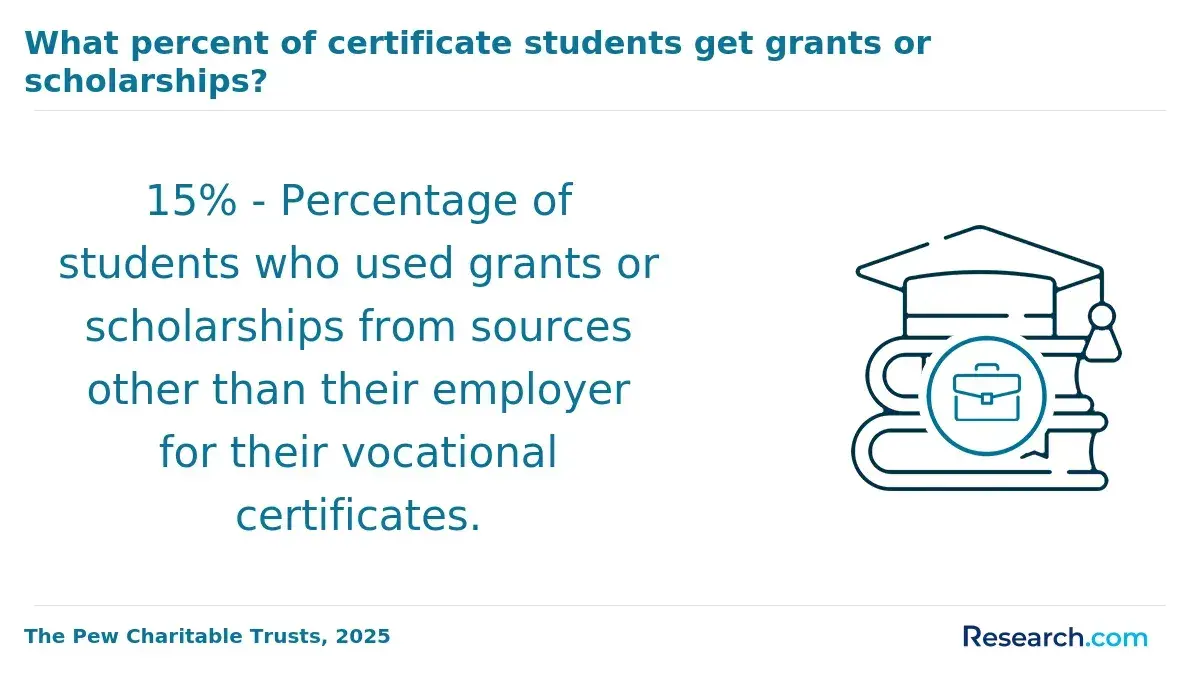
Cost is another differentiator: certificates range from $1,000 to $4,500, offering an accessible but limited credential, whereas full degrees can exceed $50,000 depending on institution type and residency, with graduate degrees often surpassing $30,000. Additional expenses for technology, software, and lab materials must also be accounted for.
Students balancing full-time employment and study might prioritize accelerated options for foundational knowledge, while those targeting specialized roles should opt for degrees with rigorous lab training despite longer timelines and higher costs.
- Certificate programs enable quicker entry but may restrict access to research-intensive jobs.
- Full degrees require sustained commitment but enhance employability in data-intensive neuroscience fields.
- Lab practicums arranged through partner institutions often prolong program duration beyond stated credits.
What careers use neuroscience lab documentation and reporting skills, and what do they pay?
The ability to produce precise and audit-ready neuroscience lab documentation directly impacts regulatory approval timelines and research credibility. Inaccurate or incomplete reporting can lead to costly resubmissions and delay clinical trials by months or even years. For example, clinical trial managers lacking detailed documentation skills risk submission rejections that may translate into multimillion-dollar losses for organizations.
Occupational roles requiring robust lab reporting skills include research coordinators, clinical research associates, lab technicians, and data managers. Salaries vary significantly according to responsibility and setting: research coordinators typically earn $60,000 to $85,000 annually, clinical research associates $70,000 to $95,000, lab technicians $45,000 to $60,000, and data managers $75,000 to $110,000.
These roles are distributed across academic, pharmaceutical, and biotech sectors, each with distinct documentation demands. Research coordinators focus heavily on compliance records that affect funding and publications, while clinical research associates oversee multi-site trial data crucial for FDA approvals. Data managers handle large datasets requiring strong governance protocols to maintain integrity.
Professionals without formal training in integrated neuroscience documentation tools often encounter bottlenecks in trial approvals or publication processes. Employers increasingly seek candidates who can leverage evolving software and regulatory standards to ensure transparency and reproducibility. Navigating this landscape requires balancing technical expertise with practical documentation workflows.
How can students evaluate and choose a reputable online neuroscience program in the U.S.?
Choosing accredited programs with verified expertise in lab documentation and data reporting significantly shapes employability in research and industry roles. Accreditation validates that curricula align with scientific standards and practical skillsets employers demand, such as proficiency in electronic lab notebooks and statistical software like SPSS or MATLAB. Programs affiliated with active research institutions or offering access to current datasets concretely enhance compliance and reproducibility skills.
Employers prioritize graduates who can efficiently convert lab data into insights compliant with regulatory frameworks, a capability leading to workforce roles where median salaries exceed $90,000 annually in subfields like computational neuroscience or neuroinformatics, as shown by Morgan State career data. This real-world outcome highlights the economic weight of advanced training in these niches.
Working professionals seeking a pivot benefit most from online programs delivering synchronous simulations paired with asynchronous documentation projects, building communication skills under realistic constraints. Entry-level applicants should target offerings with mentorship and direct research collaboration, which fosters immediate applied experience.
Key considerations include:
- Program transparency about lab tools, software training, and reporting protocols.
- Verification of employment support services focusing on neuroscience-related roles.
- Documented graduate placement rates in research-focused positions.
Selecting programs without these rigorous, outcome-based features risks weak returns on investment and limited long-term career trajectory clarity.
Other Things You Should Know About Neuroscience
Online neuroscience degrees that include strong lab documentation and reporting training can prepare students for many aspects of professional lab work, but they cannot fully replicate the tactile skills gained through repeated in-person experiments. Employers often expect graduates to demonstrate proficiency with physical lab equipment and troubleshooting, which virtual labs cannot entirely provide. For careers heavily dependent on manual techniques, supplementary in-person training or internships are recommended to bridge this gap.
Programs with intensive lab documentation components often require substantial time commitment beyond standard coursework, including detailed data management and continuous report revisions. This workload can affect students' ability to balance other responsibilities, particularly in accelerated or part-time online formats. Prioritizing programs with clear integration of documentation training within course credits, rather than as optional or additional tasks, ensures comprehensive skill development without excessive strain.
Yes, emphasis on research ethics is essential because accurate lab documentation is meaningless if it overlooks compliance, reproducibility, and data integrity principles. Programs that dedicate significant coursework to ethics equip students to navigate real-world dilemmas like data manipulation and reporting transparency, which are critical in neuroscience research and publication. Graduates from programs integrating these areas are more competitive for research roles requiring strict adherence to ethical standards.
References
- 10 best neuroscience research programs for US high school students (2026) https://riseglobaleducation.com/blogs/best-neuroscience-research-programs-us-high-school-2026
- Master of Science in Clinical Neuroscience - Parker University https://www.parker.edu/academics/neuroscience-and-clinical-neuroscience/
- Learn neuroscience | edX https://www.edx.org/learn/neuroscience
- School of Life Science/Neuroscience - INTERNATIONAL EUROPEAN UNIVERSITY, POLAND | EUROPE | STUDY IN POLAND | STUDY IN EUROPE | MBBS | GENERAL MEDICINE | BUSINESS | ENGINEERING | IT | EUROPE https://ieu.com.pl/european-school-of-life-sciences/school-of-life-science-neuroscience/
- How to choose between Online and On-Campus Study https://www.falmouth.ac.uk/study/choose-between-online-campus-study
- Virtual Labs vs Hands-on Labs: How to Know Which is Right for Your Online Science Lab https://www.scienceinteractive.com/blog/2023/virtual-labs-vs-hands-on-labs-how-to-know-which-is-right-for-your-online-science-lab/
- Virtual Labs – How They Work, Why They Matter, and Who They Serve - Apporto https://www.apporto.com/virtual-labs-explained
- How to Apply | Department of Neurobiology and Behavior https://www.aldacenter.org/commcms/neurobiology/graduate-program/ms-program/msapply
- Industry Jobs for those with Training in Neuroscience, Cognition, or Psychology https://tanyajonker.com/essays/industry-jobs
- Can Online Biology Courses Replace In-Person Labs? https://www.straighterline.com/blog/can-online-biology-courses-replace-in-person-labs