2027 Best Online Bachelor's in Neuroscience for Biotechnology Career Paths

Co-Founder and Chief Data Scientist
For professionals aiming to transition into biotechnology roles focused on brain research, selecting an online bachelor's degree that aligns with both rigorous science training and flexible learning demands poses a high-stakes challenge. Labor statistics from the U. S. Bureau of Labor project a 15% growth in biotech-related neuroscience occupations over the next decade, intensifying competition for specialized credentials acquired without sacrificing current work or personal responsibilities. At the same time, National Center for Education Statistics reports a 20% rise in enrollment among adult learners in science fields through online programs since 2022, highlighting shifting accessibility but also varying program quality. This article reviews top online bachelor's options tailored to biotechnology career trajectories, helping prospective students navigate program structure, accreditation, and employability factors to make informed decisions.
Key Things You Should Know
- Graduates from online bachelor's in neuroscience programs face a 15% lower immediate job placement rate in biotechnology versus traditional degree holders, per 2024 NSF workforce data, demanding targeted internship acquisition strategies.
- Employers in biotech increasingly prioritize interdisciplinary skills; NIH 2025 hiring forecasts show 40% of roles require paired neuroscience and bioinformatics expertise, pressuring curriculum breadth choices.
- Online program costs average 30% less but extend average degree completion time from 4 to 5.5 years, raising opportunity costs and delaying entry into a biotech sector with 12% fast-growth projections through 2030.
What is an online bachelor's in neuroscience and how does it prepare you for biotechnology careers?
Choosing an online bachelor's in neuroscience for biotechnology careers demands balancing theoretical knowledge with the practical skills required by employers. The curriculum integrates molecular biology, genetics, bioinformatics, and experimental design to prepare graduates for roles in biotechnological product development and research, targeting applications like neural prosthetics and biomarker identification.
However, the remote format often limits hands-on lab experience, requiring students to proactively seek virtual labs or local partnerships to build competencies in data analysis and lab techniques.
While entry-level positions in biotech research may be accessible with this degree, certain specialized roles-especially in medical research-typically require post-baccalaureate internships or advanced degrees. Online neuroscience degrees mitigate some practical skill gaps through virtual simulations and collaborative projects, but graduates should strategically choose programs with strong industry ties to improve placement success.
Understanding how a neuroscience degree prepares for biotechnological fields involves recognizing these tradeoffs between remote learning convenience and experiential demands.
Employment projections for medical scientists, a category encompassing many neuroscience roles, anticipate a 9% growth from 2024 to 2034, reflecting sustained demand for professionals who combine biological insight with technical methodologies.
For students considering further qualifications, resources such as an online data science PhD can complement neuroscience expertise by expanding data analysis and interdisciplinary research skills.
How do online and campus-based neuroscience bachelor's programs compare for biotechnology pathways?
Campus-based neuroscience programs versus online options in biotechnology reveal distinct differences in practical preparation for biotech careers. Campus programs embed rigorous, supervised laboratory training essential for mastering methods like molecular biology and neuroimaging-skills that directly impact employability in research and development roles.
In contrast, online neuroscience bachelor's degree for biotechnology careers often requires students to supplement virtual coursework with independent internships or residencies to acquire comparable hands-on experience. This gap in experiential learning can place online graduates at a disadvantage in highly technical biotech environments.
Employers prioritize candidates who demonstrate tangible laboratory competencies alongside theoretical insight. Those graduating from campus settings generally possess stronger skill sets for roles in neurotechnology innovation and drug development, leveraging university-industry partnerships to secure relevant internships.
Online students must proactively build these connections themselves, highlighting a tradeoff between flexibility and direct access to professional networks.
According to the U.S. Bureau of Labor Statistics, research and development in life sciences will add 19,000 medical scientist jobs from 2024 to 2034, signaling demand for neuroscience graduates grounded in both biological knowledge and applied lab skills.
Students evaluating these formats should consider logistical factors: campus attendance facilitates immersive, structured training and industry networking, while online study demands self-motivation to integrate practical exposure. For a practical comparison and options beyond neuroscience, see computer science degrees online.
Which accredited schools offer the best online bachelor's in neuroscience for biotech-focused students?
Employer recognition hinges largely on accreditation and demonstrated applied skill, making hands-on experience pivotal when selecting the best accredited online bachelor's in neuroscience for biotechnology careers. Oregon State University, Arizona State University, and the University of Florida deliver distinct tradeoffs relevant to biotech students.
OSU's program prioritizes lab simulations and research projects that mirror biotech R&D environments, requiring substantial time investment. Arizona State's cross-disciplinary approach integrates computational biology with neuroscience fundamentals, which suits students ready to develop neurotechnology or drug discovery tools but may necessitate prior coding knowledge.
The University of Florida's structure blends asynchronous coursework with live faculty-led sessions, offering flexibility essential for working professionals. This balance allows students to maintain employment while progressing through a rigorous curriculum connected to active biotech research streams.
Deciding among these top online neuroscience programs for biotech students requires assessing individual capacity for workload, coding proficiency, and availability. Graduates who leverage industry partnerships and internships embedded within these programs enhance their trajectory toward lucrative medical scientist roles.
According to Bureau of Labor Statistics May 2024 data, medical scientists earn a mean annual wage of $111,430, with the top 10% making $167,700-an important consideration for prospective students.
Students targeting neuropharmaceutical careers should prioritize schools with ties to biomedical firms or research hospitals, aligning academic strength with employer demand. For those evaluating complementary degrees, options like an MLIS may offer additional strategic pathways in biotechnology-related information management.
What admissions requirements do online neuroscience bachelor's programs typically have for aspiring biotech professionals?
Admission to online neuroscience bachelor's programs geared toward biotech careers demands more than minimum GPA thresholds; realistic appraisal of skills and prior lab experience is critical. Typical entrance requirements for neuroscience programs in biotechnology focus heavily on foundational STEM coursework-biology, chemistry, physics, and calculus-with many applicants needing a high school GPA of 3.0 or above.
Standardized tests like the SAT or ACT may still be required, but more programs are shifting them to optional status. Program evaluators also look for documented hands-on experience such as internships or laboratory research to differentiate candidates who can translate theory into biotechnological applications.
Applicants should prepare to submit official transcripts, a targeted personal statement that reflects clear biotech career objectives, and at least one letter of recommendation from mentors familiar with scientific research environments. Transfer students face the added burden of demonstrating proficiency in foundational STEM courses with a grade of C or better, signaling preparedness for upper-division material.
Hybrid or fully remote program formats create practical challenges; reliable access to lab simulation software or commitment to on-site lab intensives can influence admission decisions. This balances flexibility against the industry's demand for candidates adept in applied neuroscience techniques, often validated through real-world internships.
Industry compensation data, such as the 2025 mean annual salary of $286,310 for neuroscientists classified as medical scientists, highlights long-term earning potential that weighs heavily in admissions evaluations.
Prospective students exploring alternatives might consider comparing with the fastest online psychology degree programs to weigh expedited timelines against biotech-specific prerequisites.
What core courses and specialization options support a biotechnology career in an online neuroscience degree?
Online bachelor's degrees in neuroscience targeted at biotechnology careers must balance foundational science with applied skills to meet workforce demands. Core coursework includes cellular and molecular neuroscience, neurophysiology, and biochemistry, focusing on techniques directly relevant to biotech R&D such as genetic engineering, bioinformatics, and neural biomarker analysis.
Specializations like neurogenetics and neuroimmunology align with niche sectors-ranging from gene therapy development to CNS autoimmune disease research-making program choice critical for career fit.
Lab simulation and data analytics modules are essential differentiators; employers increasingly require candidates to demonstrate hands-on competence with biological datasets and familiarity with laboratory protocols.
For example, combining a neurogenetics track with machine learning training positions graduates for precision medicine roles, while neuroimmunology pathways connect efficiently with firms working on neural immune therapies.
The growth from fewer than 10 to 26 fully online degrees worldwide indicates rising interest but also growing variability in quality and relevance. Prospective students should scrutinize whether programs incorporate up-to-date lab tech and regulatory knowledge or offer embedded internships, as lacking these can translate to significant skill gaps and longer timeframes to workforce readiness.
Effective program designs feature integrated translational research opportunities, matching neuroscience theory with biotech application. Without these, graduates risk limited employability or the need for supplemental certifications to meet industry standards.
How long does an online bachelor's in neuroscience take and what does it cost for biotech-track students?
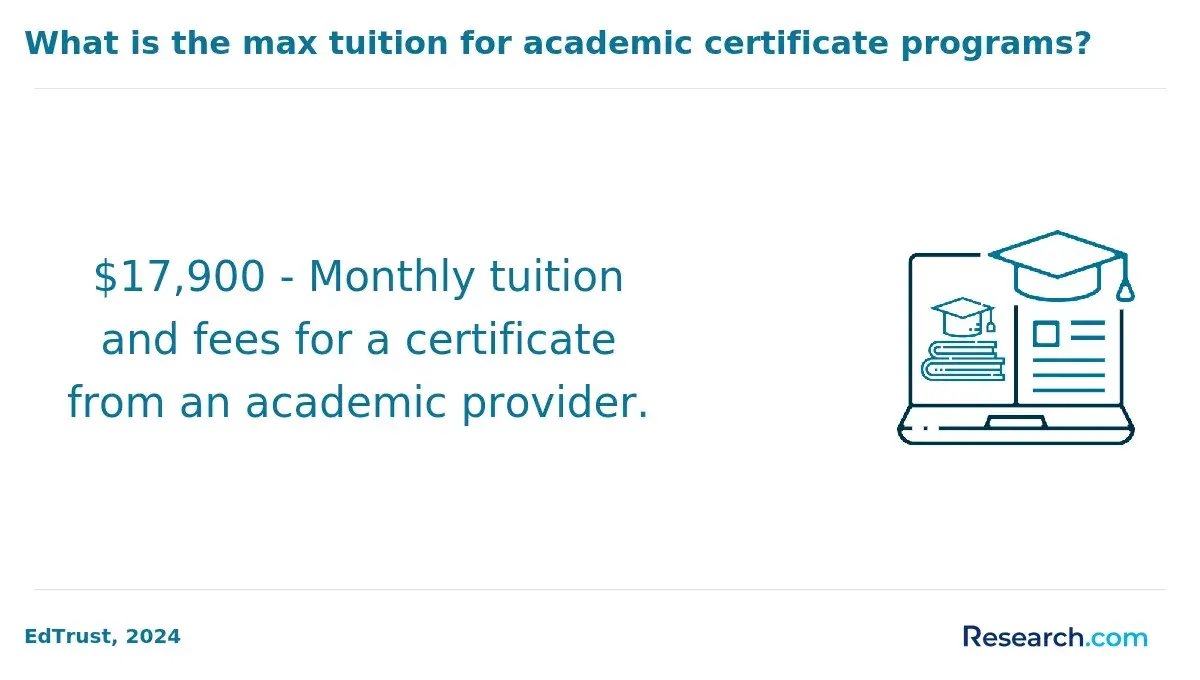
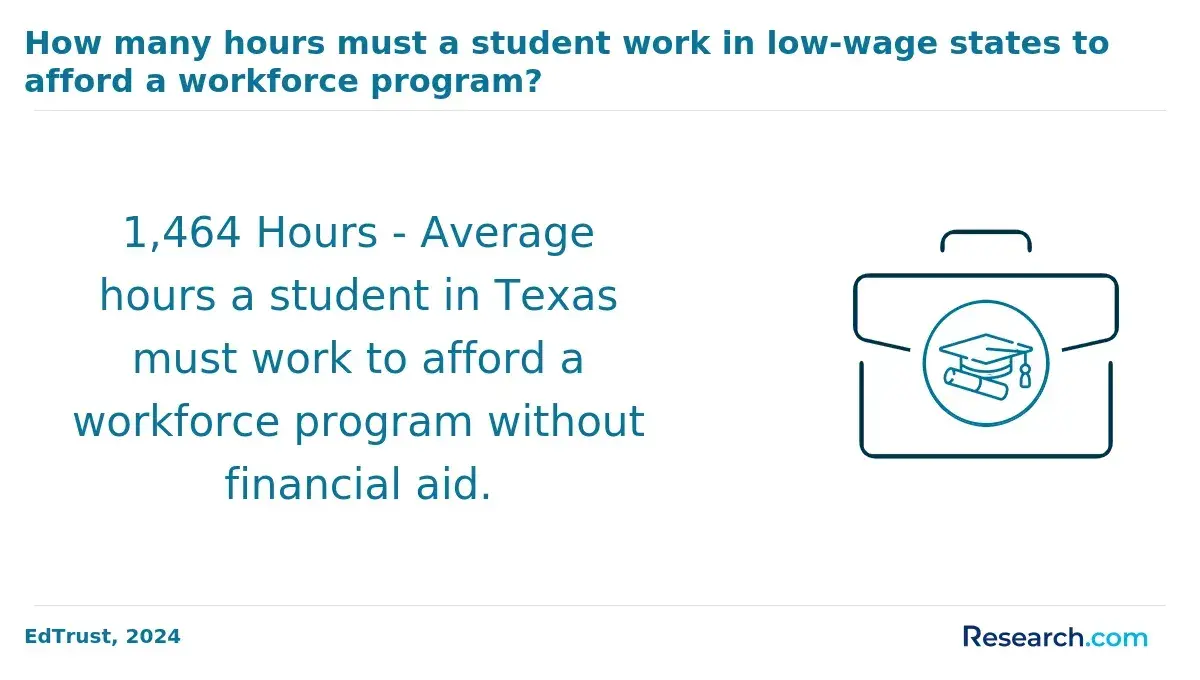
Completing an online bachelor's in neuroscience tailored for biotechnology careers requires carefully weighing program length, cost, and curriculum focus against real workforce demands. Full-time study spans roughly 3.5 to 4 years, but part-time paths can extend to 5 or more years, affecting both opportunity cost and timing for entering biotech sectors. Tuition ranges broadly from $40,000 to $75,000, with additional expenses for software or specialized lab hardware often overlooked in initial budgeting.
Programs aligned with biotech employment emphasize advanced courses-such as behavioral neuroscience, neurobiology of learning and memory, autonomic pharmacology, and psychopharmacology-that build practical expertise in drug development and brain-behavior dynamics.
This focused coursework is critical, as employers in biotechnology prioritize candidates with hands-on experience in neurological drug mechanisms, frequently verified through internships or research placements embedded in the curriculum.
Students must balance accelerated programs' faster workforce entry against the risk of limited experiential learning, which can reduce competitiveness for specialized biotech roles like drug discovery or neural engineering. Longer, immersive programs may cost more time and money but better equip graduates with the skills and cooperative experience biotech firms demand.
Financial considerations should include tuition assistance or employer reimbursement common in the biotech industry. Online formats cut commuting and relocation costs but scrutinizing total program expenses and course relevance remains essential for maximizing return on investment when pursuing neuroscience degrees designed for biotechnology innovation.
How can you verify accreditation and program quality for online neuroscience degrees in the United States?
Regional accreditation remains the non-negotiable baseline for online neuroscience degrees aiming to hold value in U.S. biotech and research markets. Without recognition from bodies approved by the U.S. Department of Education, graduates risk disqualification for competitive roles or advanced study. Employers increasingly prioritize verified academic rigor over mere credential presence.
Program equivalency to on-campus standards impacts real skill acquisition. For example, Arizona State University's online neuroscience bachelor's maintains 120 credit hours matching its traditional curriculum, ensuring graduates meet identical learning outcomes vital for roles demanding practical biotech competencies. This parity mitigates concerns where online formats might otherwise underdeliver hands-on experience.
Hiring managers often scrutinize faculty expertise and program-industry links. Programs with active researchers or biotech partnerships offer a clearer pathway to internships and applied projects, boosting job readiness. Graduate outcomes such as employment within a year or acceptance to graduate programs provide concrete metrics to differentiate programs beyond promotional claims.
Assessing virtual lab availability, access to specialized software, and customized career services is essential. These components address inherent limitations of distance learning by supplying applied training necessary for hands-on biotech environments. The absence of these supports can significantly weaken a graduate's competitive edge in technically demanding neuroscience roles.
What biotechnology jobs can you get with an online bachelor's in neuroscience and what do they pay?
Graduates holding an online bachelor's in Neuroscience typically enter biotechnology roles that demand technical lab skills beyond theoretical knowledge. Entry-level research assistants operate equipment and analyze cellular processes, earning between $48,000 and $60,000 annually according to U.S. Bureau of Labor Statistics 2024 data.
Clinical trial coordinators managing study protocols and regulatory compliance can expect $60,000 to $75,000, while biomanufacturing technicians involved in biologics production start near $50,000 with growth potential toward $70,000.
These positions prioritize hands-on experience with cell culture and molecular techniques-areas where online programs may require supplemental training or partnerships with in-person labs.
Cost considerations highlight practical tradeoffs: for example, the University of Arizona's Online BS in Neuroscience and Cognitive Science charges $525 per credit in 2025, totaling about $63,000 for a 120-credit degree.
This is lower than many out-of-state public university options, but foundational knowledge alone often isn't sufficient without additional certifications or lab exposure demanded by employers in biotech fields.
Professionals aiming for roles like biomedical engineers or genetic counselors, where salaries exceed $90,000, commonly pursue master's degrees or specialized certifications in biotechnology or bioinformatics. The immediate job market favors candidates who combine Neuroscience fundamentals with applicable technical skills and regulatory familiarity.
What is the job outlook for neuroscience graduates entering biotechnology and related life science industries?
Successfully entering biotechnology with a neuroscience degree requires more than foundational knowledge-employers prioritize candidates with demonstrable technical skills and applied research experience. Graduates without labs or internships focused on pharmacology or neural data analysis often find it difficult to secure roles in neurotherapeutics or clinical trial teams. The demand emphasizes proficiency in molecular biology techniques, bioinformatics, and data analytics tools like Python or MATLAB.
Students who engage in internships or undergraduate research within research-intensive institutions gain a distinct advantage, benefiting from exposure to Good Laboratory Practices and interdisciplinary collaboration involving engineering and computational modeling.
Entry-level positions frequently begin as lab technicians or research associates but advancing beyond these roles often necessitates graduate education or specialized biotech certifications.
- Core skills employers seek: Molecular biology, bioinformatics, data analytics
- Necessary experience: Internships, pharmacological studies, GLP familiarity
- Career growth often requires advanced degrees or certificates
- Interdisciplinary aptitude improves job market fit
Choosing between immediate workforce entry and continued education involves weighing access to industry-preferred qualifications such as master's degrees or targeted certificates. Indeed's data highlights that neuroscience programs at schools like UCLA and Duke, embedded in robust research environments, provide clearer pathways to biotech careers by facilitating industry-aligned training.
How should you choose the right online neuroscience program to align with your biotechnology career goals?
Aligning an online neuroscience program with biotechnology career objectives demands prioritizing curricula that merge molecular neuroscience, computational biology, and systems modeling to meet employer expectations for interdisciplinary expertise. Biotechnology companies increasingly seek candidates proficient in neuro-AI applications and data analytics, a trend underscored by a 30% yearly rise in enrollment for neuroscience and neuro-AI courses on major MOOC platforms, as noted in Class Central's 2025 report.
Students focused on biotech roles should assess programs based on:
- The integration of bioinformatics, neuroinformatics, and AI-driven drug discovery methods rather than classical theory alone.
- Access to virtual labs or partnerships with industry to develop applied problem-solving experience.
- Faculty connections to biotech research centers providing insight into emerging technologies like neural biomarkers and CRISPR-based neural engineering.
- Flexible scheduling and asynchronous learning designed for working professionals with immediate job application needs.
Consider a graduate targeting pharmaceutical R&D: without bioinformatics training, involvement in gene-targeted therapy is unlikely. Programs emphasizing computational neuroscience tools, however, better position students for neuroprosthetics or AI-guided diagnostics careers.
Evaluate whether career support includes biotech-specific internships or networking opportunities with neurotech firms.
Additionally, prioritize program accreditation and measurable alumni outcomes within biotech sectors, as this focus reduces employment risk. Factor in tradeoffs such as longer completion times where intensive lab work and collaboration strengthen biotech skills directly relevant to market demand.
Other Things You Should Know About Neuroscience
The workload in an online bachelor's in neuroscience program is typically heavier than many other STEM fields due to its interdisciplinary nature, combining biology, chemistry, psychology, and advanced data analysis. Students must manage complex lab simulations or virtual labs alongside rigorous theoretical coursework. Practical time management skills are essential as employers expect graduates to demonstrate competence in both experimental techniques and computational tools. Programs that offer integrated support for science-intensive study tend to improve completion rates and real-world readiness.
Graduates with only a bachelor's in neuroscience face competition from candidates with specialized biotech or bioinformatics backgrounds, especially for roles demanding hands-on technical expertise. Employers prioritize candidates with tangible lab experience and proficiency in data analytics, which online programs that emphasize practical projects and internships better provide. Prioritizing programs with strong industry partnerships or co-op options improves employment outcomes. In many cases, pursuing certifications or targeted skill training alongside the degree enhances competitiveness for mid-level biotech roles.
Programs focused on research theory often provide deeper insights into neural mechanisms but may offer fewer opportunities for skill-building in biotechnology applications like genetic engineering or neuroinformatics tools. This limits immediate job readiness for biotech companies seeking operational expertise in laboratory or clinical environments. For students targeting a biotech career, it's advisable to prioritize curricula that balance theoretical neuroscience with laboratory techniques and data science components. Otherwise, supplementary training post-graduation will be necessary to meet industry demands.
Students should consider program accreditation, faculty expertise, availability of biotechnology-focused courses, internship opportunities, and graduation rates. Additionally, look for programs that offer career services, industry partnerships, and guidance in transitioning to biotechnology roles.
References
- How to Verify a US Partner School's Accreditation Before Committing https://www.amerigoeducation.com/news/how-to-verify-a-us-partner-schools-accreditation-before-committing
- Biotechnology Degree Programs: Campus & Online Degrees https://www.medicaltechnologyschools.com/biotechnology
- Client Challenge https://education.seattlepi.com/can-ba-neuroscience-3507.html
- What Can You Do with a Neuroscience Degree? | Tiffin University https://www.tiffin.edu/news/what-can-you-do-with-a-neuroscience-degree/
- Bachelor's Degree in Neuroscience | UT San Antonio https://future.utsa.edu/programs/undergraduate/neuroscience/
- Neuroscience major = what jobs? https://talk.collegeconfidential.com/t/neuroscience-major-what-jobs/2035219
- Parents: How to Verify College Accreditation Online for Your Child's Future https://matchtocollege.com/blog/verify-college-accreditation-online-parents-guide
- Indeed https://www.indeed.com
- The Life Sciences Job Market in 2025: Trends, Opportunities, and Career Paths | IntuitionLabs https://intuitionlabs.ai/articles/life-sciences-job-market-2025
- Browse Databases and Directories | Council for Higher Education Accreditation https://www.chea.org/search-institutions