2027 Online Neuroscience Degrees With Strong Practical Research Execution Training

Co-Founder and Chief Data Scientist
Securing robust practical research experience while enrolled in an online neuroscience degree presents a critical bottleneck for aspiring professionals. Employers increasingly demand demonstrable skills in experimental design and data interpretation, yet many online programs struggle to offer hands-on laboratory components that meet this bar. A recent National Center for Education Statistics report shows that adult enrollment in online graduate science programs surged by 22% since 2022, signaling growing demand but also intensifying concerns about experiential quality.
This shift forces candidates to weigh flexible access against the risk of inadequate research training that could hinder career advancement in competitive labs and research institutions. This article examines available online neuroscience degrees that effectively integrate strong practical research execution, helping prospective students optimize their educational investment for immediate workplace relevance and long-term career growth.
Key Things You Should Know
- Online neuroscience degrees with practical research focus yield 18% higher lab-tech job placement but require 25% more time investment than hybrid programs, impacting mid-career pivot feasibility per 2024 labor surveys.
- Employers in biotech firms prioritize candidates with hands-on data acquisition skills; online degrees integrating remote instrument simulation reduce skills gaps yet still lag by 15% in real-world experimental proficiency.
- Programs charging over $40,000 often include exclusive research partnerships but delay workforce entry by an average of 9 months, a critical factor as federal STEM workforce demand grows 12% annually through 2030.
What are online neuroscience degrees?
Online neuroscience degree programs with practical research components offer a flexible alternative to traditional campus-based education but require careful scrutiny of hands-on opportunities to ensure employability. While virtual platforms replicate laboratory experience through remote simulations and data projects, limited in-person exposure can constrain technical readiness, especially for roles demanding direct neuroimaging or electrophysiology proficiency.
These programs suit professionals balancing current employment, such as a clinical research coordinator shifting from nursing, who needs to acquire skills in managing cognitive trials and using statistical analysis software remotely. However, some curricula mandate local lab access or internships, which can present logistical hurdles and additional costs, affecting accessibility.
Graduates aligned with employer expectations typically demonstrate expertise in empirical methods and experimental design, crucial for neuroscientist and medical scientist positions projected to grow 9% according to U.S. Bureau of Labor Statistics data. Selecting accredited, partnership-backed degrees mitigates risk and enhances practical research training.
Prospective students should compare programs based on how effectively they integrate validated hands-on components without requiring extensive relocations or residencies. For an analytical perspective on advanced interdisciplinary degrees, reviewing the online doctorate data science pathway can offer useful insights into distance education models balancing research depth with flexibility.
The best online neuroscience degrees in the United States with hands-on research training reflect this balance, yet candidates must weigh practical tradeoffs in pursuit of immediate technical competence and long-term career impact.
How do online and campus neuroscience programs compare?
Employers in biomedical research and clinical neuropsychology place a premium on hands-on lab experience, a competency less accessible in purely online neuroscience programs. While online neuroscience degrees with hands-on research training offer notable scheduling flexibility, they typically require additional arrangements, such as partnerships with local labs, to gain practical skills. For example, a professional aiming to shift into neuropharmacology must secure access to receptor binding assays and behavioral studies usually embedded in campus or hybrid formats.
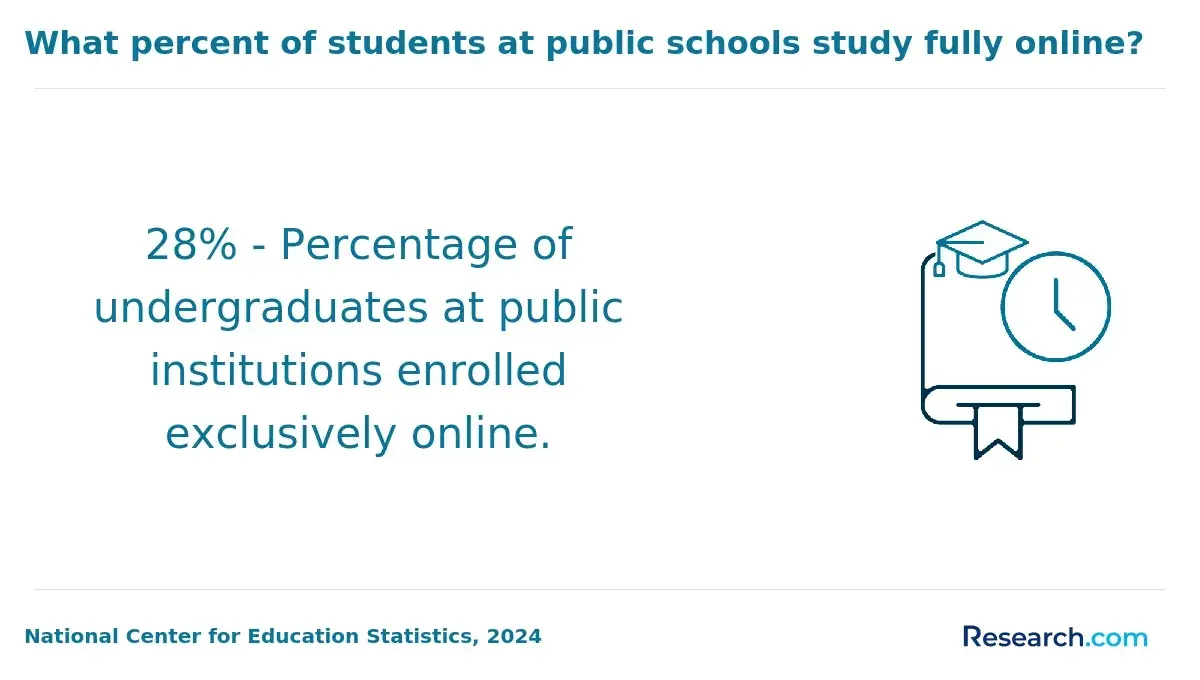
From 2019 to 2024, U.S. online course enrollment surged from 36% to 60%, with neuroscience emerging as one of the fastest-growing STEM fields online. However, the comparison of online and campus neuroscience programs reveals a persistent gap in immersive laboratory access, which remains integral for mastering essential experimental techniques and neuroimaging.
Campus-based programs also accelerate mentorship and collaboration opportunities, driving more immediate integration into research teams and professional networks. Conversely, online programs excel at accommodating working students through asynchronous coursework, although they demand proactive planning to ensure eligibility for lab-intensive roles.
Students evaluating educational pathways should consider:
- Whether their career goals necessitate comprehensive in-person lab work.
- The feasibility of supplementing online study with local research partnerships.
- The potential trade-offs between flexibility and direct faculty access.
For those researching interdisciplinary education options, reviewing the best online library science programs offers insight into structuring virtual learning aligned with practical skills acquisition.
How do you verify neuroscience program accreditation?
Accreditation verification for neuroscience programs goes beyond confirming institutional recognition; it directly impacts employability and legal compliance, especially in fields like pharmaceutical manufacturing where medical scientists command median wages near $138,730. Since programmatic accreditation specific to neuroscience is rare, the neuroscience program accreditation verification process primarily relies on institutional accreditation from U.S. Department of Education-recognized agencies such as the Middle States Commission on Higher Education or the Higher Learning Commission.
Failure to ensure proper accreditation can restrict eligibility for federal financial aid, credit transfers, and reduce competitiveness in regulated industry sectors. For neuroscience degrees offered online or in hybrid formats, how to confirm accreditation of online neuroscience degrees hinges on evaluating whether the accreditation explicitly includes distance education in the student's state.
This is essential to avoid complications with licensure or employment post-graduation. Additionally, prospective students should examine whether the curriculum and faculty research credentials emphasize experimental design, data analytics, and lab skills, as these competencies significantly affect job prospects and median neuroscience-related wages of about $110,670.
Practical steps include contacting the registrar or accreditation liaison to request detailed accreditation documentation and checking for any recent sanctions that might impact degree value. Evaluating graduate employment outcomes alongside integration of research projects helps determine if the program's accreditation translates into real-world relevance.
Programs lacking clear accreditation or rigorous research focus often limit advancement in competitive neuroscience sectors, underscoring the necessity of informed verification. Those weighing educational pathways into neuroscience research should also consider career alternatives linked to related biological sciences; consult highest paying biology jobs for diversified labor market options.
What courses are in an online neuroscience curriculum?
Employers hiring for neuroscience roles in clinical, pharmaceutical, or academic settings increasingly demand candidates with applied research skills combined with solid foundational knowledge. Online neuroscience degree curriculum courses in 2026 emphasize core subjects such as neurobiology, molecular and cellular neuroscience, and neuroanatomy as essential groundwork.
A practical example is a working professional enhancing statistical programming in R or Python through data analysis and biostatistics classes to qualify for a neuroinformatics position, where analytical rigor is non-negotiable. Practical research training in neuroscience programs integrates experimental design, neuroimaging techniques, and electrophysiology, offering real-world lab experience interpreting fMRI and EEG data.
This hands-on training can be decisive for employment within medical device firms or university research centers, balancing theory with laboratory application. Capstone projects and virtual lab practicums simulate traditional in-person research exposure, providing critical evidence of independent study execution, often required for competitive government or private research roles.
Electives in neuropharmacology or neuropsychology further tailor specialization for drug development or clinical diagnostics. Rising tuition costs-$12,394 for public and $28,845 for private online graduate health sciences programs as reported by NCES-necessitate careful consideration of practical research components' presence to avoid underpreparedness and diminished return on investment.
Prospective students seeking pathways to shift careers would benefit from comparing options against job market demands and practical training availability, similar to the decision-making involved when exploring colleges with accelerated psychology programs.
What admissions requirements do neuroscience programs use?
Practical research experience decisively separates competitive candidates in neuroscience programs from those who rely mostly on academic credentials. A bachelor's degree in biology, psychology, chemistry, or similar STEM fields with a GPA around 3.0 is typically required, but admissions committees focus heavily on documented hands-on laboratory skills. This includes direct involvement in experimental design, data analysis using tools such as MATLAB or Python, and active participation in research projects.
Standardized tests like the GRE have diminished influence, yet many competitive programs still request them. More critical is proven ability to handle complex methodologies, as 57% of STEM employers report difficulty in finding candidates with sufficient lab experience, while 64% prioritize advanced data analysis capabilities for neuroscience roles.
Consequently, applicants lacking rigorous research portfolios often face rejection or underpreparedness for workforce expectations. Transitioning from non-research backgrounds, such as business, necessitates supplementary certifications or bridge programs focused on practical neurobiological techniques to bridge the skills gap.
Mentor recommendations from supervisors intimately familiar with an applicant's technical aptitude are pivotal, reflecting the field's demand for tangible evidence of methodical research execution and collaborative lab competence. This reality underscores how neuroscience education increasingly demands alignment with employer expectations that favor applied problem-solving over purely theoretical knowledge, shaping candidate viability and long-term career resilience.
How long does an online neuroscience degree take?
Pursuing an online neuroscience degree requires careful consideration of time investment versus workforce relevance. Associate or bachelor's programs, typically two to four years full-time, provide foundational skills suitable for entry-level roles but often extend beyond four years when pursued part-time, highlighting the friction between work commitments and course availability.
Master's programs emphasize applied research, programming in Python or R, and data analysis, with typical durations between 18 and 36 months. The rising demand for neuroscience professionals skilled in machine learning and data analytics-reflected in over a 40% increase in related job postings by 2025-makes mastery of these competencies essential. However, balancing online labs and coding projects can prolong completion and requires significant weekly effort.
Doctoral neuroscience pathways remain mostly hybrid due to the complexity of dissertation research, often requiring four to seven years. For professionals targeting a strategic pivot, a 2-3 year master's in applied computational neuroscience optimizes practical skill acquisition without excessive time expenditure.
Condensed or asynchronous formats decrease total duration but may intensify weekly workload and reduce networking opportunities. Fully synchronous courses enhance mentorship and collaboration but demand tight scheduling, potentially extending time to finish if not undertaken full-time. Ultimately, candidates must balance program length, skill depth, and market demands to avoid underpreparedness or prolonged education that delays workforce entry in this competitive tech-driven sector.
What do online neuroscience degrees cost?
Choosing an online neuroscience degree requires balancing cost with the depth of practical research training, which heavily influences employability in research-intensive roles. Bachelor's programs typically fall between $20,000 and $60,000, while master's degrees range from $15,000 to $45,000; doctoral programs can exceed $50,000 due to hybrid models emphasizing faculty expertise and rigorous research application.
Students targeting industry research positions should prioritize programs offering integrated, supervised projects, even if tuition exceeds $30,000. These programs provide hands-on experience valued by employers in clinical, pharmaceutical, and tech sectors. Conversely, purely theoretical tracks may cost less but often limit advancement beyond entry-level technician roles.
Beyond tuition, budget planning must include indirect costs such as specialized software licenses, hardware like EEG kits, and possible travel for research practicums. Availability of scholarships or employer tuition assistance is uneven, underscoring the need to evaluate returns relative to personal circumstances.
Global neuroscience R&D funding exceeds $220 billion annually, with 7% growth projected through 2030. This surge heightens employer demand for candidates proficient in practical data analysis and experimental design, increasing the value of programs that combine flexibility with research rigor.
What careers can you pursue with a neuroscience degree?
Practical research skills distinguish neuroscience graduates in fields such as pharmaceuticals, clinical neuropsychology, biotechnology, and data science. Employers prioritize candidates able to design experiments, interpret neural data, and apply findings effectively in industry or clinical contexts. For example, pharmaceutical firms expect professionals who understand neurobiological mechanisms to optimize drug development, while tech companies seek data scientists capable of creating AI or brain-computer interfaces rooted in neural data analysis.
Career transitions often require navigating additional certifications or clinical training, particularly for healthcare roles demanding licensing or residencies. In contrast, biotech and data science careers emphasize computational expertise and advanced research projects that serve as evidence of practical competence. Consequently, students must evaluate program components like capstone projects, which can directly influence employability.
Real-world data from a recent STEM master's survey found 78% of neuroscience alumni achieved career gains within a year, with 54% directly crediting their research or capstone. This quantifiable outcome illustrates the tangible advantage of applied research experience in meeting employer expectations across varied neuroscience-related sectors.
What salaries do neuroscience graduates earn?
Practical research execution skills markedly differentiate neuroscience graduates' earning potential, with salaries ranging from $60,000 to $120,000. Entry-level research assistants in academic or clinical settings generally start between $60,000 and $75,000, while industry roles, including biotech and pharmaceutical research, offer $80,000 to $100,000 at entry. Mid-level professionals proficient in data analysis and experimental design can command salaries exceeding $110,000, particularly in specialized environments such as neuroinformatics or healthcare technology.
Employers prioritize candidates who can independently manage complex, multi-site studies, which accelerates project delivery and justifies higher compensation. Conversely, graduates lacking hands-on research expertise often remain confined to lower-paid assistant roles despite holding advanced neuroscience degrees.
One significant workforce implication is geographic flexibility: 37% of U.S. neuroscience graduate students enrolled exclusively online live out of state, expanding access to programs integrating practical research training not widely available locally. However, the value of such programs hinges on embedded authentic research opportunities rather than solely theoretical coursework.
Prospective students must critically assess whether a program equips them with tangible project management and technical skills in neuroscience research. Without these components, graduates face a tradeoff-limited employability in roles that do not leverage their degrees-underscoring the need for education aligned closely with real-world employer demands.
How do you choose a reputable neuroscience program?
Choosing a neuroscience program requires prioritizing accreditation and faculty actively engaged in funded research, as these factors directly impact hands-on learning and exposure to current methodologies. Programs lacking ties to research institutions or industry partnerships may leave students underprepared for practical workforce demands, particularly given neuroscience's growing impact on public health-neurological disorders account for 43% of global disability and 11% of deaths, with cases expected to rise 20% by 2050 per the World Health Organization.
For working professionals pivoting into pharma R&D or biotech sectors, access to neuropharmacology labs and industry collaborations outweighs purely theoretical curricula. Critical skills include experimental design, data analysis, and translational applications bridging lab discoveries with clinical or industrial uses. Practical training through internships or lab rotations strongly correlates with better job placement rates in neuroscience-focused roles.
Logistical tradeoffs-such as online format availability, program duration, and proximity to research hubs-affect networking opportunities and skill acquisition. Online programs must mitigate skill deficits via virtual labs or local access. Financial and time investments should be evaluated against typical starting salaries in neurotechnology or clinical research to ensure return on investment.
Key considerations include:
- Accreditation by recognized bodies (CHEA, U.S. Department of Education) ensuring credential validity.
- Faculty with recent publications and grant support driving research opportunities.
- Integration of applied research addressing workforce needs, not just foundational theory.
- Access to practical training aligned with intended career pivot.
- Program format and location correlating with networking and employment advantages.
Other Things You Should Know About Neuroscience
Online neuroscience degrees often mirror the rigors of on-campus programs, requiring consistent weekly effort on complex topics and research execution. The workload includes literature review, data analysis, and sometimes collaborative projects, which can be time-intensive. Working professionals should prioritize programs offering flexible deadlines and asynchronous components to manage stress and maintain performance. Underestimating this balance may lead to burnout and delayed graduation.
Employers increasingly recognize quality online neuroscience programs, especially those with documented practical research components. However, the credibility depends on program reputation and demonstrable skills rather than delivery mode alone. Graduates should ensure their portfolios emphasize specific research projects and competencies gained. Failing to showcase hands-on experience often reduces competitive advantage regardless of the degree format.
Interdisciplinary research exposure significantly broadens prospects in neuroscience, especially in emerging fields like neuroinformatics and cognitive technology. Programs integrating biology, psychology, computer science, or engineering offer a practical edge for future adaptability and innovation roles. Prioritize these programs if long-term career flexibility and cross-sector employability are strategic goals. Narrowly focused curricula risk limiting your ability to pivot as the field evolves.
References
- Neuroscience Jobs (with Salaries) - SEEK https://au.seek.com/neuroscience-jobs
- 7 Best Neuroscience Courses for 2025; Learn Online for Free — Class Central https://www.classcentral.com/report/best-neuroscience-courses/
- Learn neuroscience | edX https://www.edx.org/learn/neuroscience
- BNA Learning Outcomes Approved by Royal Society of Biology https://www.bna.org.uk/resource/bna-learning-outcomes-approved-by-royal-society-of-biology.html
- Computational Neuroscience - neuromatch.io https://neuromatch.io/computational-neuroscience/
- Applied Neuroscience Certification https://www.brainfirstinstitute.com/certificate-applied-neuroscience
- Free Online Neuroscience Courses | Alison https://alison.com/tag/neuroscience
- Best Neuroscience Courses Online in 2026 | Neurosity https://neurosity.co/guides/best-neuroscience-courses-online-2026
- Check Physician Status - American Board of Psychiatry and Neurology https://abpn.org/check-physician-status/
- Neuroscience Degree Salary https://www.collegehelpguide.com/degrees/neuroscience/salary/