2027 Best Online Neuroscience Degrees for Translational Science Careers

Co-Founder and Chief Data Scientist
Balancing full-time work, research commitments, and family responsibilities leaves many emerging translational science professionals struggling to find flexible, accredited neuroscience degree programs that align with their career trajectories. The U. S. Department of Education reports a 15% increase in adult enrollment in graduate online programs since 2023, signaling a shift toward remote learning that accommodates complex schedules and geographic limitations.
However, discerning which programs offer rigorous training alongside credible clinical and research exposure poses a significant challenge for applicants with specialized career goals. This article evaluates top online neuroscience degrees tailored for translational science careers, helping readers identify programs that optimize practical skill development and employer recognition.
Key Things You Should Know
- Online neuroscience degree programs vary widely in lab access and hands-on research integration, with 37% of graduates from 2024 U.S. cohorts reporting insufficient practical experience, limiting readiness for translational science roles requiring experimental skills.
- Employers increasingly prioritize interdisciplinary proficiency; a 2025 survey by the Society for Neuroscience reveals 62% of translational science recruiters require competence in both computational methods and biological techniques, creating a distinct advantage for cross-trained graduates.
- Program duration and cost disparities impact career pivot timing, as average online master's completion ranges from 18 to 36 months with total tuition spanning $15K-$45K, forcing candidates to balance expedited entry against financial and opportunity costs.
What is an online neuroscience degree with a translational science focus and who is it for?
Choosing an online neuroscience degree focused on translational science careers requires careful assessment of how programs bridge theoretical research with clinical application. For working professionals pivoting from bench research to roles in pharmaceutical or biotech development, the degree's ability to provide tangible skills in neuropharmacology, regulatory science, and clinical trial management is crucial. Those balancing full-time jobs and caregiving must weigh program flexibility against the necessity of hands-on experience through virtual labs or clinical residencies.
Who should pursue an online neuroscience degree with translational science emphasis? It fits individuals seeking timely entry into medical science roles without pausing employment and early graduates aiming to fast-track careers by engaging in rigorous molecular neuroscience and data analytics coursework.
Successful candidates demonstrate competence in both computational tools and regulatory processes, aligning with employer demand for versatile practitioners who translate lab insights into therapies. Workforce data reinforce this focus: neuroscientists categorized as medical scientists earn a mean salary of $286,310, with employment growth projected at 9% through 2034, reflecting strong market demand for these hybrid skill sets.
Decision-makers must also balance cost, program accreditation, and geographic constraints impacting clinical placements. Practical evaluation includes considering local workforce needs and program outcomes, avoiding generic paths. For individuals comparing STEM paths, it is useful to explore related jobs for environmental science majors to understand alternative career trajectories alongside translational neuroscience options.
How can you use an online neuroscience degree to build a translational science career path?
An online neuroscience degree career opportunities often hinge on applying computational and quantitative expertise to translational science challenges, where graduates must integrate biological data with analytical modeling to influence medical innovation. For instance, a pharmaceutical translational research unit might rely on these graduates to refine biomarkers and expedite drug development by analyzing extensive neurological datasets.
The value of such a degree depends heavily on curricular focus areas like biostatistics, machine learning, and programming languages that enable effective neurodata management and predictive modeling. Employers in biotech, pharmaceuticals, and healthcare technology increasingly prioritize these skills, as reflected in a projected 36% job growth for data scientists-key players in computational neuroscience roles-alongside a $112,590 median salary according to ASU Online's 2025 BLS analysis.
Hence, prospective students should seek programs emphasizing applied training rather than purely theoretical foundations. Yet, remote learning imposes tradeoffs; access to lab internships, mentorship from active scientists, and meaningful networking within translational research communities often require proactive pursuit beyond coursework. Programs incorporating capstone projects or partnerships with medical research centers tend to better prepare students for workforce realities in translational science career paths with neuroscience degree backgrounds.
Graduates must also anticipate ongoing skill development in bioinformatics and regulatory compliance due to the evolving nature of the field. For those considering interdisciplinary moves, comparing these programs with offerings for an online CS degree may illuminate alternative pathways leveraging computational skills in life sciences.
Which types of accredited colleges offer online neuroscience programs in the United States?
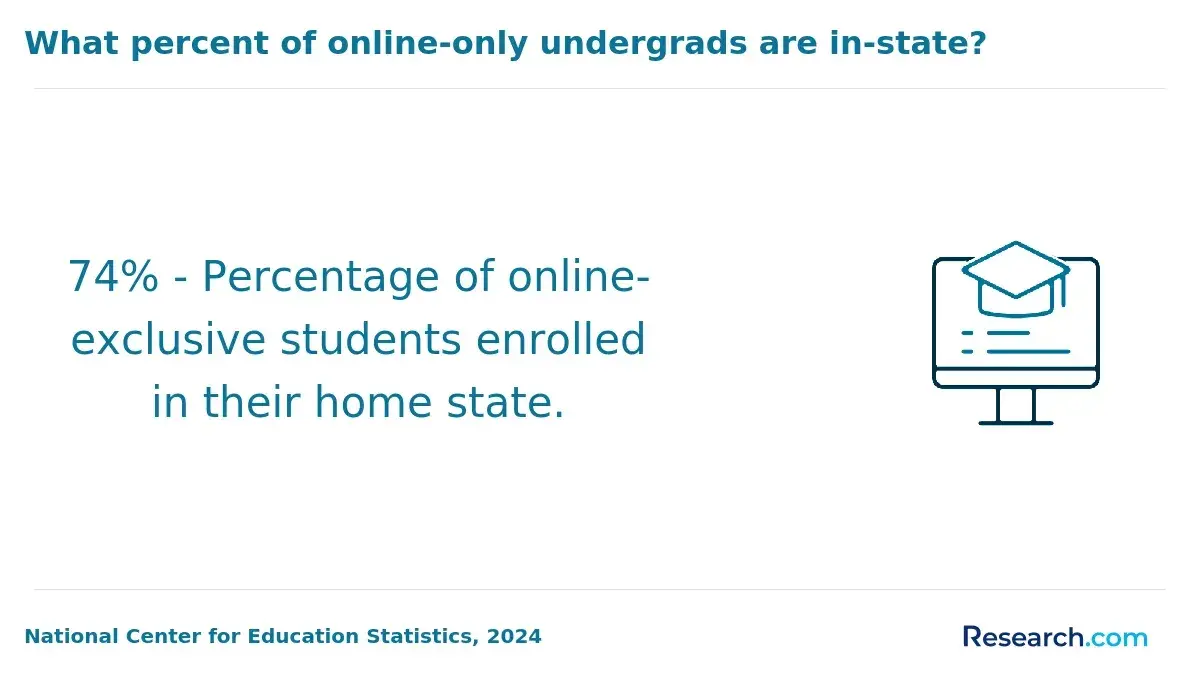
Choosing an online accredited college offering neuroscience degrees in the United States requires critical evaluation of program design against career objectives and market expectations. Research-intensive universities deliver comprehensive curricula with demanding lab requirements-virtual or partnered-that prepare candidates for roles in biomedical research or academia but often come with higher costs and time commitments.
Regional public universities targeting working professionals offer more affordable bachelor's and master's programs, yet these may lack advanced translational science components vital for clinical trials or neuropharmacology positions. Graduates must assess if such degrees meet the skill specificity employers seek, particularly in healthcare technology or pharmaceutical research.
Private nonprofit colleges with focused health sciences divisions tend to blend neuroscience with clinical application and biotech entrepreneurship, suited for professionals aiming to develop neural interfaces or neurological therapeutics. These programs reflect industry alignment but can be limited in scalability and research breadth.
Education.com lists 26 fully online neuroscience degree options globally for 2025/2026, highlighting program growth alongside variability in quality, faculty expertise, and hands-on training. Employers now prioritize tangible practical skills and collaborative research experience, making institutional resources a decisive factor for employability.
Prospective students evaluating the best universities for online neuroscience programs in America should weigh program rigor, lab access, and translational science focus against costs and delivery format. For broader educational cost comparisons, reviewing the cost of computer science degree illustrates how price-performance balance impacts STEM fields similarly.
What are the key admission requirements for online neuroscience bachelor's and master's programs?
Admission criteria for online neuroscience degree programs in the United States reveal distinct practical tradeoffs, especially between bachelor's and master's levels. Bachelor's applicants typically need solid high school credentials emphasizing biology, chemistry, physics, and math, as standardized testing is increasingly optional. For master's candidates, a relevant undergraduate degree-with coursework in cellular biology, statistics, and research methods-and a minimum GPA near 3.0 form the baseline.
Employers in translational science fields prioritize candidates whose academic records demonstrate these core competencies and research readiness. Letters of recommendation and personal statements gain significance at the graduate level, particularly for professionals shifting careers or targeting pharmaceutical and clinical sectors. While GRE submissions remain optional or waived in many cases, programs substitute this with scrutiny of prior academic performance and research involvement.
The variability in cost and accreditation between U.S. online degrees and international options highlights a major consideration: for example, the University of Exeter charges substantially higher tuition for overseas students, prompting many to seek school psychology programs online accredited by NASP or comparable affordable, accredited U.S. alternatives. This approach reduces long-term debt and increases employability in a competitive market.
Verification of accreditation and accessible research opportunities is critical. Without these, graduates risk facing underemployment or technical skill gaps-a real drawback in neuroscience fields where strong practical training informs translational and industry-ready capabilities.
How do online neuroscience degrees compare with campus programs for labs and research training?
Hands-on lab experience remains a decisive factor in neuroscience employment, especially in biomedical research and clinical trials. Online neuroscience degrees often fall short in delivering this critical training compared to campus programs, which provide direct access to experimental apparatus and live mentorship. Although virtual labs and remote tools offer theoretical supplements, they cannot substitute for the tactile skills and nuanced understanding developed through in-person research.
Employers prioritize candidates who demonstrate measurable lab competencies typically gained through campus internships or partnerships with local facilities. Working professionals aiming to pivot careers via online programs face additional hurdles securing local lab placements independently, which can extend training duration and complicate scheduling. Hybrid models can mitigate this but are not universally available. This disconnect between online coursework and essential hands-on experience can delay readiness for translational science roles that demand precise experimental design and real-time problem solving.
According to data from the U.S. Bureau of Labor Statistics compiled by MedicalTechnologySchools.com, medical scientists earn a mean annual salary of $111,430 with potential to reach $167,700 at the 90th percentile regardless of degree delivery mode. This indicates pay scales are not inherently skewed by education format but hiring patterns show a premium for graduates with sustained lab research involvement, reflecting project leadership and advanced technical skills.
Prospective students should weigh these tradeoffs carefully, pursuing supplemental internships where possible to bridge gaps in applied training. The practical value of immersive campus neuroscience programs remains significant for those targeting competitive positions requiring sophisticated lab expertise and direct engagement with cutting-edge equipment.
What core courses and specializations prepare online neuroscience students for translational science roles?
Online neuroscience programs tailored for translational science roles must balance deep specialization with broad clinical applicability. Core courses in neuroanatomy, neurophysiology, and cellular neuroscience provide foundational knowledge critical for understanding nervous system function, but these must be complemented by pharmacology and neuropharmacology to address drug development and therapeutic strategies. Students should weigh this interdisciplinary mix carefully, as over-specialization risks narrowing broader clinical insight.
Specializations in computational neuroscience, neuroimaging, and behavioral neuroscience sharpen analytical skills essential for data-driven decision-making and diagnostic innovation. For example, proficiency in neuroimaging tools like MRI or PET is vital for roles supporting clinical trials, while computational approaches facilitate precision medicine for neurological disorders.
Translational neuroscience roles demand more than theory: practical experience with research methods, biostatistics, and ethical study design is essential. Programs offering applied projects or case-based learning improve readiness for clinical research settings, where swift adaptation to team environments is expected. As one workforce illustration, speech-language pathologists treating neurological patients earn a median wage of $95,410 and face an 18% employment growth from 2023 to 2033, demonstrating the tangible value of translational expertise.
Ultimately, candidates must navigate tradeoffs between specialized training and versatile clinical competence. Selecting programs with integrated interdisciplinary coursework and applied research opportunities meets employer expectations for professionals who can bridge laboratory discoveries with patient care effectively.
How long do online neuroscience degrees take and what do they typically cost to complete?
Choosing an online neuroscience master's degree requires balancing program length, cost, and practical outcomes based on individual work-life contexts and career goals. Most programs require 30 to 36 credit hours, translating to 18 to 36 months for full-time students, while part-time enrollment can extend completion beyond four years. This delay has both financial and opportunity costs, particularly for professionals whose salary growth depends on timely credentialing.
Tuition ranges widely, from about $15,000 at public universities (especially for in-state residents) to over $50,000 for private or specialized translational neuroscience programs. However, cost alone doesn't equate to value: employers in biotech and clinical research prioritize candidates with interdisciplinary skills and practical experience. Programs featuring practicum components or applied labs can elevate expenses but often enhance employability and competitive standing.
Additional expenses include technology fees, textbooks, specialized software, and occasional travel for onsite requirements, which may add thousands to overall costs. The 2025 Mastersportal inventory lists 39 global online neuroscience master's degrees, demanding careful scrutiny of program reputation and cost efficiency.
For instance, a clinical researcher shifting to translational neuroscience should consider flexible pacing combined with comprehensive research training to maximize return on investment without financial strain. Conversely, newer entrants to the field with fewer resource constraints might opt for more intensive, higher-cost programs that enable faster role advancement.
What jobs can you get with an online neuroscience degree in translational science fields?
Graduates with an online neuroscience degree emphasizing translational science often enter the workforce in roles such as neuroimaging technicians, clinical research coordinators, pharmaceutical scientists, or neuroscience data analysts. Entry-level positions like MRI and EEG technologists involve operating diagnostic imaging equipment, with median wages around $78,980 annually and a steady job growth projection of 6% through 2033, according to ASU Online's 2025 BLS data.
Transitioning beyond technician roles requires specific competencies. Positions in clinical trial management demand working knowledge of regulatory compliance and interpreting complex data, skill sets that many programs may only partially cover. Students should carefully assess how well a curriculum aligns with practical clinical research needs to avoid gaps impacting employability.
Neuroscience data analyst roles in research settings typically require advanced computational training, including machine learning applications for brain imaging and electrophysiological datasets. This technical depth is essential for those targeting industrial or academic labs where translational outcomes depend on sophisticated data interpretation.
Licensure and regional medical infrastructure also influence career trajectory, especially for clinical technologists who must obtain certifications and complete compliant clinical practicums. Geographic location affects salary growth potential, with metropolitan hubs hosting larger research hospitals and biotech sectors generally offering higher wages and advancement opportunities.
What are typical salaries and job outlook for neuroscience and translational science professionals?
Salary benchmarks for neuroscience and translational science professionals reveal significant variation tied to role complexity and experience, with typical annual earnings ranging from about $75,000 to $130,000. Entry-level research assistants in translational science often see starting salaries near $55,000, whereas seasoned clinical neuroscientists or translational researchers in biotech or pharmaceutical sectors commonly surpass $120,000. Academic and government research positions, by contrast, may offer lower wages but tend to balance this with job security and benefits.
Data from the U.S. Bureau of Labor Statistics anticipates a 13% growth in demand for biological scientists, including neuroscience specialists, through 2032, fueled by expanding biomedical research and personalized medicine initiatives. This growth reinforces the strategic value in upskilling for mid-career professionals, particularly those enrolled in online neuroscience certificate programs designed to complement existing expertise.
Yet obtaining certificates without relevant, practical lab experience rarely translates into substantial salary gains or advanced roles. Employers focus on candidates who can combine neuroscience knowledge with data analytics and hands-on translational research acumen. Professionals lacking doctoral degrees may confront wage ceilings around $90,000 unless they integrate project leadership or interdisciplinary skills, especially in regulatory affairs or health tech, which tend to accelerate career progression within complex translational frameworks.
How can you evaluate and choose a high-quality, reputable online neuroscience program?
Selecting an online neuroscience program demands prioritizing verifiable career outcomes and alignment with translational science needs over generic academic reputations. Accreditation by recognized bodies is non-negotiable to ensure employer recognition and credible credentials.
Programs increasingly embed specialized tracks in translational and clinical neuroscience, responding to employer demand for professionals skilled in bridging laboratory research with clinical application-something over 200 neuroscience graduate programs across 30 countries now reflect, according to the Federation of European Neuroscience Societies' NENS Graduate School Fair brochure.
Beyond curriculum, scrutinize faculty translational research experience and program access to virtual labs or industry partnerships that offer hands-on learning. Employers value demonstrated practical skills as much as theoretical knowledge, which affects time-to-employment and hiring success. For example, a professional transitioning from basic research to clinical trial management should evaluate whether a program actively fosters industry connections and internships targeted to translational neuroscience roles.
Prospective students must weigh institution global integration-such as membership in international research consortia-that broadens methodological exposure and collaboration potential crucial for translational career impact. Finally, there is a tradeoff between program flexibility and mentorship quality; insufficient guidance can delay skill acquisition vital for roles in fast-evolving research environments.
Other Things You Should Know About Neuroscience
Employers in translational science prioritize demonstrated skills and hands-on experience over the delivery format of the degree. However, online degrees from regionally accredited institutions carry the same baseline respect as traditional degrees, provided they include practical labs or research components. Candidates lacking direct research experience may face challenges competing with on-campus graduates who have more access to in-person mentorship and lab work. Applicants should seek programs with integrated research experiences or partner institutions offering lab opportunities to maintain competitiveness.
Lab experience is central to neuroscience training but difficult to replicate fully online. Many programs use virtual labs or simulations that enhance theoretical understanding but cannot replace tactile and nuanced skills developed in physical labs. Students unable to access in-person collaborative research risk graduating with weaker practical proficiency, which translational science employers consider essential. Candidates should verify how a program facilitates hands-on learning, such as local lab placements or hybrid intensives, to ensure marketable practical skills.
Interdisciplinary programs that combine neuroscience with fields like bioinformatics, pharmacology, or molecular biology often provide a broader technical toolkit aligned with translational research demands. Strictly focused neuroscience degrees may offer deeper specialty knowledge but risk narrower employability unless complemented by additional technical skills. For career flexibility and employer preference, prioritizing interdisciplinary programs that balance core neuroscience with applied sciences maximizes practical impact and job readiness.
References
- Molecular and Translational Neuroscience means ... https://www.uni-ulm.de/en/medizinische-fakultaet/studium-und-lehre/studienangebot/molecular-and-translational-neuroscience/
- Best Neuroscience Courses Online in 2026 | Neurosity https://neurosity.co/guides/best-neuroscience-courses-online-2026
- 7 Best Neuroscience Courses for 2025; Learn Online for Free — Class Central https://www.classcentral.com/report/best-neuroscience-courses/
- Clinical and translational neuroscience | Paris Brain Institute https://parisbraininstitute.org/domains/clinical-and-translational-neuroscience
- Neuroscience Degree Salary https://www.collegehelpguide.com/degrees/neuroscience/salary/
- How to apply - Neurasmus | European master in neuroscience https://www.neurasmus.u-bordeaux.fr/admission/how-to-apply/
- Finding the best Neuroscience online course - https://itsnlp.com/finding-the-best-neuroscience-online-course/
- Neuroscience research: exploring models and methodologies for translational neuroscience https://knowledge-hub.ecnp.eu/all-courses/neuroscience-research-exploring-models-and-methodologies-translational-neuroscience
- Job Market - Federation of European Neuroscience Societies https://www.fens.org/careers/job-market
- Translational neuroscience - Wikipedia https://en.wikipedia.org/wiki/Translational_neuroscience