2027 Online Neuroscience Degrees With Neurodiagnostic Career Alignment

Co-Founder and Chief Data Scientist
Adult learners targeting advancement in neuroscience careers often confront the challenge of aligning rigorous academic programs with demanding work and personal schedules. The sustained 15% growth in online graduate enrollments reported by the National Center for Education Statistics in 2024 reflects a decisive shift toward flexible digital learning models. However, many neuroscience students struggle to find programs intricately linked to neurodiagnostic skills that meet both licensure requirements and employer expectations. This mismatch risks elongating time to credentialing or limiting practical job readiness. This article analyzes online neuroscience degree options designed for neurodiagnostic career integration, guiding prospective students in selecting pathways optimized for timely, workforce-relevant advancement.
Key Things You Should Know
- Online neuroscience degrees tend to prioritize theoretical knowledge over clinical neurodiagnostic skill acquisition, leading to a 22% longer transition time to workforce readiness compared to hybrid or in-person tracks according to 2024 NAACLS data.
- Employers in neurodiagnostic fields emphasize hands-on certification and real-world practicum experience; 68% of job postings now require specific credentialing beyond a general neuroscience degree, per 2024 BLS labor analytics.
- Cost efficiency of online programs masks hidden expenses such as remote lab fees and prolonged credentialing timelines, with median indirect costs increasing total investment by 15%, restricting access for mid-career professionals shifting into neurodiagnostics.
What is an online neuroscience degree with a neurodiagnostic focus, and who is it best for?
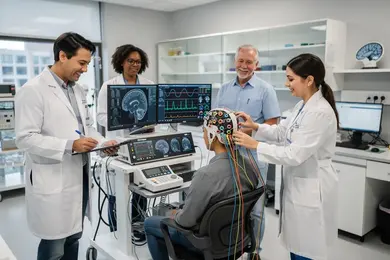
Pursuing an online neuroscience degree with neurodiagnostic specialization demands careful consideration of how program design aligns with professional realities. These degrees cater primarily to healthcare professionals or biomedical workers seeking a transition into neurodiagnostic roles without interrupting their current careers. They also serve recent graduates aiming for certification as clinical neurodiagnostic technologists by blending foundational neuroscience theory with applied diagnostic methods such as EEG and EMG.
Employers in hospitals and diagnostic labs favor candidates combining solid neuroscience fundamentals with hands-on neurodiagnostic skills. Successful online programs integrate simulation labs, virtual practicums, and clinical placement partnerships, since externships and real-world experience are indispensable for licensure and effective skill development.
Students should scrutinize whether programs establish relationships with accredited clinical sites, as online coursework alone falls short for credentialing requirements.
Workforce data indicate neuroscience majors earn a median early-career salary near $50,000, which rises to roughly $80,000 mid-career and can peak at $110,000 late-career, reflecting demand for neurodiagnostic specialists involved in diagnosing and managing neurological disorders.
Ideal candidates for these programs are detail-oriented, have healthcare or scientific experience, and are prepared for stringent practical training and board examinations.
For those assessing options, exploring what can you get with an environmental science degree offers a comparative framework on practical credentialing linked to career pivots. The best online neuroscience programs for neurodiagnostic careers balance technical rigor with flexible delivery to accommodate non-traditional learners targeting this specialized field.
How do online neuroscience programs prepare students for neurodiagnostic careers and job roles?
Online neuroscience programs for neurodiagnostic career readiness must go beyond theory to integrate applied skills in signal analysis, data acquisition, and neurological test interpretation such as EEG, EMG, and nerve conduction studies. Employers require graduates who can confidently operate specialized diagnostic equipment while interacting effectively with patients, especially in hospital and outpatient settings where practical proficiency directly impacts job performance.
This pathway presents logistical tradeoffs: most programs use online delivery to resolve geographic and scheduling issues but require onsite clinical practicums. Limited local partnerships can bottleneck practicum placement, hampering timely licensure and workforce entry. Programs that offer flexible or diversified practicum options improve readiness by easing this critical hurdle.
Students develop neuroanatomy and neurophysiology expertise aligned with evolving labor market demands-projected 36% growth for data scientists and 19% for behavioral and mental health counselors through 2033.
This interdisciplinary grounding is pivotal given the growing role of neuroscience in behavioral health and data-driven research, reflecting how neurodiagnostic job skills gained through online neuroscience degrees extend beyond technical operation to interpretation and collaboration.
The curriculum balance between critical thinking, regulatory knowledge, and hands-on training equips students for certification and collaborative work across hospitals, research institutes, and rehabilitation centers.
For those comparing neuroscience to other disciplines, resources like the animal science degree online illustrate how practical and clinical training shape employability and credentialing demands across technical healthcare fields.

Which types of accredited online neuroscience degrees qualify you for neurodiagnostic work?
Deciding on an accredited online neuroscience degree for neurodiagnostic careers demands more than course content; it requires alignment with certification prerequisites and employer expectations. A BS in neuroscience focused on neuroanatomy, neurophysiology, and biomedical instrumentation serves as a baseline but often lacks the clinical practicum mandatory for professional credentialing, such as the ABRET exam.
Without this hands-on component, graduates frequently find themselves ineligible for many neurodiagnostic technician roles.
Programs offering validated clinical placements or hybrid formats that integrate practical training directly influence workforce readiness. For example, a neurodiagnostic technology bachelor's degree with an embedded clinical practicum better positions candidates for neuroimaging technologist employment compared to purely online alternatives.
Beyond undergraduate options, specialized master's degrees support career pivots into advanced neurodiagnostic fields, including speech-language pathology and physical therapy. Market data reveal median salaries of $78,980 for neuroimaging technicians, $95,410 for speech-language pathologists, and $101,020 for physical therapists, highlighting considerable variation depending on specialization.
Choosing among the best online neuroscience programs qualifying for neurodiagnostic certification requires scrutiny of accreditation, clinical placements, and exam preparation. Students must balance the convenience of online study against the non-negotiable demand for verified clinical experience, which drives employability.
For those simultaneously evaluating technology pathways, comparing a computer science online degree may offer alternative or complementary options in high-demand technical roles within neurodiagnostic fields.
What courses and clinical experiences are included in neurodiagnostic-focused online neuroscience curricula?
Employers in clinical neurophysiology demand candidates who combine strong theoretical knowledge with verified hands-on experience, making online neurodiagnostic training programs a mixed challenge. These programs integrate advanced coursework covering neuroanatomy, electrophysiology techniques, EEG technology, evoked potentials, sleep studies, and instrumentation-yet without practical application, theoretical familiarity alone falls short in real-world clinical roles.
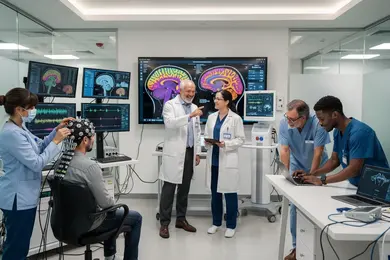
The clinical practicum opportunities in neuroscience degrees serve as critical bridges, providing supervised, prolonged exposure to patient assessments, electrode placement, and signal troubleshooting in accredited labs or hospitals.
For example, a candidate targeting a hospital position as a neurodiagnostic technologist gains reliability by directly performing EEG monitoring across diverse patient populations, which cannot be fully replicated through remote learning alone.
Securing these clinical placements can be a logistical hurdle due to geographic limitations and demand, requiring proactive student engagement with program coordinators. Programs often partner nationally with clinical facilities to facilitate these opportunities, enhancing practical skill transfer essential for employment.
Analysis of neuroscience PhD alumni employment shows over 90% success within a decade when curricula integrate clinical exposure effectively. Working professionals evaluating a strategic pivot should consider these real-world factors alongside program content and connections.
For those interested in related fields, reviewing pathways such as an online biology bachelor's degree may open complementary options.
How do online neuroscience programs compare with campus-based options for neurodiagnostic training?
Online neuroscience degrees offer accessibility that campus programs cannot, yet this convenience often compromises essential neurodiagnostic training. Direct, supervised clinical experience is vital for neurodiagnostic competence and certification, and campus programs generally embed these clinical hours within their curricula.
Online students typically must secure local clinical placements independently, leading to inconsistent quality and possible certification delays. For example, a working technologist pursuing an online credential may face postponed re-certification due to insufficient supervised hours, whereas campus students complete these seamlessly.
Financially, tuition varies little between formats; the average net cost for a neuroscience bachelor's is roughly $20,250 over four years, with a median early-career salary near $50,000. This signals reasonable ROI but masks employer priorities-clinical readiness often determines hiring preference, especially in neurodiagnostic roles.
Choosing between online and campus study hinges on access to reliable clinical experiences aligned with certification and employer standards in neurodiagnostics. Rural or non-traditional learners may benefit from online options that expand access but should verify clinical placement support beforehand.
Ultimately, campus neuroscience programs maintain an advantage in practical training and employer trust despite similar costs.

What admissions requirements and prerequisite sciences do online neurodiagnostic programs expect?
Applicants aiming for online neurodiagnostic programs face significant practical barriers shaped by academic and workforce demands. A minimum of a bachelor's degree in neuroscience, biology, or a closely related field is required, emphasizing foundational sciences such as human anatomy, physiology, neuroanatomy, organic chemistry, biochemistry, and introductory physics. These prerequisites are not merely academic checkboxes but necessary foundations supporting competency in technical neurodiagnostic methods.
Practical clinical experience, such as prior work as an EEG technician or medical technologist, substantially boosts admission prospects and aligns with employer expectations for job-ready graduates.
For example, employers typically value candidates who can synthesize scientific knowledge with hands-on skills, influencing salary trajectories: bachelor-level roles in neuroscience average $49,000-$60,000 annually, while master's-level neurodiagnostic positions approach nearly double that range at $93,290 to $97,410 per year.
Applicants without the necessary prerequisites confront extended timelines and added financial burdens through bridge coursework. Continuing professionals must carefully navigate often inflexible clinical hour requirements alongside rigorous science curricula, limiting suitable program options. Admissions committees also critically assess quantitative skills due to neurodiagnostic work's reliance on data and biostatistics.
Prospective students should weigh these realities when evaluating if an online neurodiagnostic program matches their professional background and resource availability.
How long do online neuroscience degrees for neurodiagnostic careers take and what do they cost?
Choosing between online neuroscience degree options requires weighing time, cost, and career outcomes critically. For those aiming at hospital-based neurodiagnostic technician roles, a 2 to 4-year associate or bachelor's program often matches employer certification expectations without extended financial or time burdens. These programs typically cost $10,000-$40,000 when pursued at public institutions with in-state tuition, offering a practical route into entry-level technician positions.
In contrast, master's degrees-spanning 1.5 to 3 years and costing $20,000-$70,000-offer specialized skills and may facilitate advancement into clinical neurophysiology roles. However, this comes with increased investment and does not always guarantee immediate certification benefits.
Those targeting research or academic careers confront even greater commitments: PhD programs lasting 4 to 6 years and costing upwards of $50,000, exclusive of living expenses, prepare professionals for leadership but require acceptance of delayed income and significant opportunity costs.
- Associate/bachelor's degrees: 2-4 years, $10,000-$40,000, entry technician-level
- Master's degrees: 1.5-3 years, $20,000-$70,000, specialized clinical skills
- PhD degrees: 4-6 years, $50,000+, advanced research and academic positions
Pragmatically, working professionals should assess the balance between employer requirements, certification standards, and personal circumstances. For example, a hospital seeking certified neurodiagnostic technicians often prioritizes candidates holding a bachelor's plus certification, making shorter online neuroscience pathways more viable.
Meanwhile, professionals pursuing high-level research roles must consider the financial and temporal demands of doctoral study against substantially higher earnings potential reported by institutions such as Emory.
What certifications, licensure, and professional standards apply to neurodiagnostic technologists and specialists?
Certification is critical for accessing clinical neurodiagnostic roles, where organizations like the American Board of Neurophysiologic Monitoring (ABNM), ABRET, and the Neurodiagnostic Credentialing and Accreditation (NCA) set industry standards. Employers in acute care demand these credentials to comply with Joint Commission regulations, making formal certification a gating factor for employment and advancement.
Without credentials such as Registered Neurodiagnostic Technologist (R.N.T.) or Certified Neurodiagnostic Technologist (CNCT), candidates typically face limited job opportunities and suppressed earning potential.
Licensure requirements differ by state, but certification remains the universal baseline. Working professionals transitioning from allied health fields benefit from acquiring these certifications, which validate practical competencies across EEG, EMG, evoked potentials, and intraoperative monitoring.
Maintaining certification often requires ongoing continuing education units (CEUs), reflecting both technological progress and shifting patient care protocols.
- Clinical employers prioritize certification for regulatory compliance and patient safety.
- Certification enhances access to clinical roles but demands ongoing education investments.
- Industry roles may emphasize specialized, non-certification-based skills.
- State licensure requirements introduce additional complexity for clinical employment.
Clinical roles prioritize standardized certification, while industry positions in neuroimaging or data analysis may value specialized technical expertise over traditional credentials. A notable workforce dynamic is that 53% of neuroscience PhDs shift outside tenure-track positions into government, industry, or clinical sectors, where credential requirements vary considerably.
What is the salary outlook and job demand for neurodiagnostic technologists and related roles?
Neurodiagnostic technologists in the Kansas City area experience a wage spectrum from roughly $15.20 per hour at entry level to about $27 per hour with experience, a gap that directly reflects skill acquisition and tenure. This wage progression incentivizes targeted certification in EEG, evoked potentials, and sleep diagnostics, which employers prioritize.
Candidates face a strategic choice between rapid entry-level employment with basic credentials or extended training aimed at specialized roles offering higher pay but fewer openings.
Job growth in this field is estimated at 5-10% over the decade, indicating steady but moderate demand aligned with broader healthcare trends. This projection suggests a need for versatility across multiple neurodiagnostic modalities to remain employable amid evolving technologies and institutional budget constraints.
For those weighing educational investment against prospective salaries, regional and institutional differences impact outcomes substantially: smaller clinics or rural hospitals may offer slower wage growth but broader practical experience, while metropolitan hospitals or research centers generally provide faster advancement and more stability.
- Entry wage: Approximately $15.20/hour
- Experienced wage: Up to $27/hour
- Projected employment growth: 5-10% (2020-2030)
- Key skills: EEG, evoked potentials, sleep diagnostics
Key workforce considerations include maintaining up-to-date technical proficiency due to rapid equipment changes and adapting to shifting healthcare delivery models. Professionals planning career pivots or advancement in neuroscience-aligned neurodiagnostic fields must balance these nuanced factors to optimize long-term employability.
How can students evaluate and choose a reputable, accredited online neurodiagnostic program?
Accreditation stands as a non-negotiable benchmark when selecting neurodiagnostic programs, as lack of recognized validation by agencies like the Commission on Accreditation of Allied Health Education Programs (CAAHEP) leads to degrees often unrecognized by employers-directly impacting hiring prospects in clinical neurophysiology or hospital settings.
Practical training profoundly shapes employability outcomes. Fully online curriculums without guaranteed in-person clinical placements risk leaving graduates underprepared for certification exams, which mandate supervised hands-on experience. Prospective students should confirm nearby practicum options or institutional partnerships that secure these experiences.
Graduate outcomes offer key insights: certification pass rates, job placement within six months, and employer feedback reveal the program's relevance. Nearly 38% of neuroscience bachelor's graduates pursue master's degrees, while about 34% target medical school, so programs integrated with clear advancement pathways minimize transition friction for those focusing on neurological research or applied clinical roles.
Faculty composition influences the curriculum's real-world applicability. Programs led by active neurodiagnostic clinicians typically impart current technical competencies favored by employers. In contrast, those chiefly staffed by purely academic scientists may limit exposure to practical diagnostic techniques essential for immediate workforce integration.
Flexibility in course delivery and dedicated support for working professionals can mitigate barriers for career changers. Elements such as asynchronous learning, targeted certification advising, and career placement assistance align training more closely with credentialing not only in neurodiagnostic societies but also broader clinical employer expectations.
Other Things You Should Know About Neuroscience
Online neuroscience degrees can be competitive if the program is regionally accredited and includes essential clinical training or partnerships for hands-on experience. Employers prioritize demonstrated technical skills and certification eligibility over the delivery format of the degree. However, programs that lack strong practicum components or recognized clinical affiliations may limit immediate job prospects, especially in highly regulated neurodiagnostic roles.
Online neuroscience programs demand significant self-discipline since students must balance rigorous coursework, labs, and often remote clinical simulations independently. Unlike campus programs, online students may face fewer structured office hours and more asynchronous deadlines, which requires excellent planning to maintain consistent progress. Prioritizing programs with hybrid options or scheduled synchronous sessions can help mitigate isolation and workflow bottlenecks.
Online degrees without direct access to supervised clinical hours or specialized exam prep can leave gaps in readiness for certification exams like CNIM or R. EEG T. Theoretical knowledge alone does not suffice; hands-on experience under clinical supervision is critical. Prospective students should prioritize programs that integrate or facilitate accredited clinical placements to align learning with certification requirements.
References
- Admission Requirements - Neurodiagnostic Technology Institute https://neurodiagnostictechnologyinstitute.com/nti-requirements/
- Neuroscience Majors https://www.hamline.edu/academics/undergraduate/neuroscience-major-ba-bs
- How to Become a Neurodiagnostic Technician - Neuro Pathway https://myneuropathway.com/blog/how-to-become-a-neurodiagnostic-technician/
- Neurodiagnostic Technology https://orangecoastcollege.edu/academics/career-advantage/program-areas/neurodiagnostic-technology.html
- Neurodiagnostic Technology Requirements https://www.southeasttech.edu/_showcase/test-pages/neurodiagnostic-technology/requirements.php
- Neurodiagnostic Technology https://www.baptistu.edu/neurodiagnostic-technology
- Learn neuroscience | edX https://www.edx.org/learn/neuroscience
- Will Neurodiagnostic Technologists be replaced by AI & Robots? https://willrobotstakemyjob.com/neurodiagnostic-technologists
- Neurodiagnostic Tech Certification & Licensure Guide â Trusted Health https://www.trustedhealth.com/allied-career-guide/neurodiagnostic-tech/certification-guide
- Neurodiagnostic Technology | Cape Fear Community College https://cfcc.edu/ndt/