2027 Online Neuroscience Degrees With Brain and Behavior Concentrations

Co-Founder and Chief Data Scientist
Professionals seeking to specialize in brain and behavior often face a nagging hurdle: balancing rigorous neuroscience coursework with full-time employment and personal responsibilities. Traditional on-campus programs rarely accommodate such demands, creating barriers to timely degree completion and career advancement. Yet, enrollment data from the National Center for Education Statistics shows a 15% surge in online graduate student populations within STEM fields in recent years, signaling shifting preferences toward flexible formats that reduce geographic and scheduling constraints.
This trend reflects growing employer acceptance of remote learning for technical expertise, altering how candidates must evaluate program delivery modes. This article assesses online neuroscience degrees focused on brain and behavior concentrations, guiding prospective students through accessibility, curricular relevance, and career impact considerations essential for informed decisions.
Key Things You Should Know
- Online neuroscience degrees with brain and behavior concentrations often limit hands-on lab access, reducing exposure to essential neuroimaging techniques, which can delay readiness for research-intensive roles demanding advanced technical skills.
- Employers in biotech and cognitive health sectors increasingly require candidates with cross-disciplinary data analysis expertise, yet only 42% of 2024 graduates report sufficient applied computational training in current online curricula, increasing entry barriers.
- Programs averaging $22,000 tuition present timing and affordability tensions; balancing accelerated completion against depth of clinical practicum opportunities is critical for professionals aiming to leverage degrees for immediate career advancement.
What is an online neuroscience degree with a brain and behavior concentration?
Online neuroscience degree programs with a brain and behavior focus equip students with an integrated understanding of biological mechanisms driving behavior, blending neuroanatomy, neurophysiology, and behavioral analysis with essential data interpretation skills. Graduates typically enter roles that demand experimental design and rigorous analysis, such as pharmaceutical research evaluating cognitive drug effects or clinical research assessing behavioral interventions.
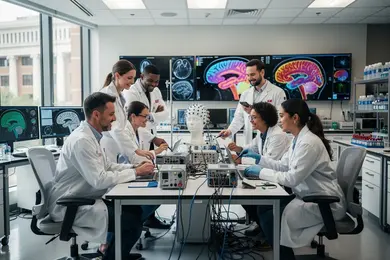
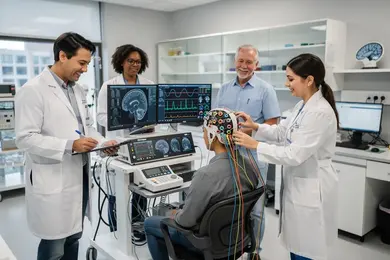
Employment for medical scientists is expected to grow 9% from 2024 to 2034, underscoring a practical demand for these skill sets. An accredited brain and behavior concentration in online neuroscience studies requires a realistic assessment of the tradeoffs involved. Programs often limit hands-on lab experience, necessitating local internships or in-person components to develop practical competencies.
Proficiency with statistical software and interdisciplinary collaboration is paramount, as employers expect candidates to evaluate complex neurological data within healthcare technology or biomedical research contexts. Working professionals must verify that curricula emphasize applied research methodologies and offer sufficient flexibility without sacrificing critical training.
Those focusing on neuroscience-related careers should consider the availability of computational tools and networking opportunities to align academic outcomes with labor market demands. Prospective students might also review cost-effective comparative options such as the cheapest online data science masters programs to enhance complementary quantitative skills.
How do online neuroscience degrees compare to campus programs for brain and behavior?
Online neuroscience degrees with brain and behavior concentrations approximate traditional campus programs in core content but often lack comparable hands-on laboratory training essential for clinical roles. For example, someone pursuing applied neuropsychology requires direct patient interaction and clinical hours rarely replicable online. Campus programs provide structured access to in-person labs and clinical practicums, which remain decisive for employment in neuropsychology, behavioral neurology, or diagnostic specialties.
Conversely, online degrees suit cognitive neuroscience research, pharmaceutical analysis, or data-heavy roles that emphasize computational modeling and literature synthesis. Employers in hospital systems and biotech increasingly accept online degrees when complemented by robust portfolios or internships, though hiring managers still tend to favor campus-trained candidates for lab-intensive positions.
Comparing brain and behavior concentrations in online and on-campus neuroscience degrees highlights tradeoffs between theoretical mastery and tactile skill-building. Online study offers flexibility but necessitates proactive networking to overcome limited mentoring and clinical supervision access.
Successfully obtaining licensure may be more challenging without exposure to supervised clinical environments. Prospective students should also consider linked pathways such as an exercise science degree online for complementary expertise in neurobiological movement science, expanding interdisciplinary career options within neuroscience fields.

Which accreditations and quality standards should online neuroscience programs meet?
Accreditation standards for online neuroscience programs significantly impact graduate employability and program value. Without regional accreditation from bodies recognized by the U.S. Department of Education-such as the Higher Learning Commission or Middle States Commission-credits may not transfer easily and access to federal financial aid can be restricted.
Employers increasingly expect graduates to have completed programs with recognized quality assurances for online neuroscience degrees, including program-level validations by specialized organizations like the Society for Neuroscience or ABET in interdisciplinary tracks. Graduates from nonaccredited programs often face barriers in securing entry-level roles that require demonstrated skills in lab work and contemporary research methodologies.
For example, candidates without verified experimental experience may struggle to compete for positions in research institutions or healthcare sectors where rigor is nonnegotiable. Critical quality factors include up-to-date curricula integrating neuroscience research and data science applications, which align with workforce demand in neural data analytics and cognitive computing. Students should also prioritize programs offering accessible research opportunities, robust case studies, and faculty mentorship tailored to specialized fields.
Transparency in outcomes matters too; U.S. Department of Education data shows neuroscience bachelor's graduates earn median salaries approximately 20-25% higher than the overall median three years post-graduation, emphasizing the tangible ROI of accredited and quality-assured degrees.
Prospective students weighing options should investigate not only accreditation but practical training components that affect career readiness. Considering alternatives like the cheapest online computer science degree may be relevant for those seeking computational skills complementary to neuroscience, given the growing importance of interdisciplinary proficiency.
What courses and specializations are typical in brain and behavior-focused neuroscience curricula?
Brain and behavior neuroscience degree curricula integrate biological, psychological, and computational frameworks to equip students with skills demanded in expanding interdisciplinary fields. Typical courses in brain and behavior concentrations include neuroanatomy, cognitive neuroscience, behavioral pharmacology, and neurophysiology, forming the foundation for grasping neural mechanisms underlying behavior. Specializations in neuropsychology or neuroinformatics align with workforce needs-mental health clinical roles value expertise in cognitive data interpretation, while biotech sectors seek proficiency in neural data modeling and machine learning.
Employers prioritize candidates with applied experience in data science tools such as R and Python alongside rigorous training in experimental design and statistics, responding to a 30% increase in neuroscience-related U.S. job postings from 2020 to 2024. This emphasis creates a practical challenge: navigating breadth across domains while mastering technical competencies without diluting focus on brain-behavior mechanisms.
Those neglecting skill-building in statistical software or real-world clinical components risk becoming less competitive as employers increasingly demand hands-on expertise linked to evolving tech-driven roles. For individuals balancing work and study, exploring accelerated psychology masters programs can provide targeted options catering to such constraints without sacrificing necessary depth.
What are the admission requirements for online neuroscience degrees in the United States?
Admission to online neuroscience degree programs in the U.S. demands more than baseline credentials; it requires strategic alignment with STEM proficiency and practical research exposure. Bachelor's applicants need a high school diploma or GED with strong coursework in biology, chemistry, physics, and mathematics, maintaining a competitive GPA of at least 3.0. Graduate programs expect a related bachelor's degree-often in neuroscience, psychology, or biology-plus prerequisite courses in neurobiology, statistics, and research methods. The GRE remains a factor in some admissions, though many programs now waive it in favor of holistic evaluations.
Letters of recommendation should come from academic or research supervisors familiar with the candidate's analytical and research skills. A statement of purpose must clarify specific research interests or clinical objectives, emphasizing preparedness for hands-on neuroscience work, which is challenging to replicate remotely. Evidence of previous lab experience or clinical exposure is increasingly essential to offset the limited in-person opportunities, as many programs require occasional synchronous sessions or lab attendance tied to geographic constraints.
Professionals transitioning into neuroscience must weigh prerequisites in math and science against program flexibility and timeline demands. Since median wages for neuroscientists and medical scientists hover around $110,670 annually (U.S. Bureau of Labor Statistics), meeting these admission standards is a gateway to a specialized but demanding workforce segment with premium earning potential.
How long do online neuroscience degrees take and what do they typically cost?
Choosing an online neuroscience degree requires balancing time, cost, and career objectives against workforce realities. Associate degrees typically demand about 2 years full-time, bachelor's degrees 3 to 4 years, master's 1.5 to 2 years, and doctoral programs often extend beyond 4 years due to extensive research components. Part-time enrollment can significantly prolong completion, making this a key consideration for working professionals.
Cost distinctions reflect program levels and institution types:
- Public universities charge $10,000-$25,000 for in-state online bachelor's programs, with out-of-state tuition exceeding $30,000.
- Private institutions frequently cost $35,000 to over $60,000.
- Graduate programs range from $15,000 to over $40,000 annually, with doctoral research adding further expenses.
For instance, a healthcare professional shifting toward cognitive neuroscience research must weigh extended program timelines and tuition against missed income and experience. Employer expectations in tech and pharma sectors increasingly emphasize hands-on data skills and project portfolios, often valuing these over purely academic credentials.
Students targeting clinical or research careers should also factor in post-degree certification and supervised practice requirements, which affect the total timeline and cost. Meanwhile, rising demand shown by a 70% global increase in neuroscience course enrollment intensifies competition for applied roles.
Online neuroscience programs offer flexibility but require careful assessment of rigor, recognition, practical training, and personal circumstance to ensure meaningful workforce integration without underestimating hidden tradeoffs.
What careers can you pursue with an online neuroscience degree in brain and behavior?
Choosing an online neuroscience degree with a brain and behavior focus involves weighing significant financial and professional tradeoffs. Tuition costs-around $525 per credit for a 120-credit program totaling roughly $63,000-must be considered against realistic salary expectations. Entry-level positions such as clinical research coordinators or neuropsychology assistants generally start between $50,000 and $70,000 annually. Advanced roles requiring graduate study or specialized certifications can exceed $90,000 but are more competitive and demand additional qualifications.
Practical skills in data analysis, programming, or clinical methods significantly differentiate candidates in a crowded job market. For example, clinical research coordinators often combine neuroscience fundamentals with regulatory knowledge and patient recruitment strategies to manage drug trials, while tech companies developing neural prosthetics rely on graduates who can integrate biological insight with engineering principles.
Networking through organizations like the Society for Neuroscience and securing targeted internships are crucial strategies to bridge academic training and workforce demands. Prospective students should align their education with realistic career outcomes and recognize that success often depends on additional training beyond the bachelor's level.
What salary ranges and earning potential exist for neuroscience and brain-behavior careers?
Salary prospects for professionals focusing on brain and behavior within neuroscience vary widely, roughly ranging from $60,000 for entry-level positions to over $120,000 in specialized roles. Choosing whether to enter the workforce immediately after a bachelor's degree or to invest in graduate education significantly impacts compensation and job scope. For instance, entry-level research assistants or clinical coordinators often earn near the $60,000 mark, while advanced pharmaceutical development or neuropsychology roles require graduate degrees and can surpass $100,000.
Sector choice influences earnings and growth potential. Federal and private research institutions tend to offer higher salaries but demand expertise in advanced methodologies and graduate credentials. Healthcare roles, such as neurodiagnostic technicians, provide steadier incomes but often with slower wage growth. Employers prioritize candidates with quantifiable skills, hands-on lab experience, and interdisciplinary knowledge-particularly at the intersection of neuroscience with data science or AI-which can lead to premium compensation.
This landscape creates a practical tradeoff between immediate employment and longer-term investment in education. Geographic location, salary ceilings within sectors, and career trajectory expectations further complicate decision-making. Arizona State University's online BS in neuroscience aligns with observed job growth around 7.3% and median salaries near $84,620, reflecting a moderately competitive market for graduates prepared with foundational and technical competencies.
What is the job outlook for neuroscience roles related to brain and behavior studies?
The demand for neuroscience expertise in brain and behavior studies increasingly requires advanced degrees, reflecting a shift in employer expectations. Employers in research, pharmaceuticals, and healthcare now prioritize candidates with master's or doctoral credentials capable of managing complex experimental designs and data analytics. Bachelor's degree holders often find their roles limited to technician-level jobs with minimal progression unless they pursue graduate education.
For instance, a neuroscience graduate aiming for behavioral research roles in biotech must anticipate further specialization to access leadership or analytic positions. Professionals pivoting to neuroscience through online degrees must factor in the additional time and expense of graduate-level training to remain competitive. Career advancement stalls without these credentials.
Employers also emphasize hands-on experience with behavior assays, computational modeling, and human-subject protocols-skills that go beyond theoretical knowledge. The interdisciplinary nature of neuroscience, intersecting with psychology, computer science, and data analytics, demands continuous skill development. A structured approach combining online coursework with targeted internships or certifications increases employability.
Leveraging programs that connect students to research collaborations or graduate school pathways offers tangible benefits in this competitive environment. Ultimately, neuroscience careers focused on brain and behavior demand strategic investment in specialized postgraduate training to maintain relevance in the evolving job market.
How can you choose a reputable online neuroscience program with strong brain and behavior training?
Choosing an effective online neuroscience program hinges on practical outcomes rather than just institutional prestige. Accreditation by recognized bodies ensures foundational rigor, but evaluating faculty with active research or industry collaboration reveals how deeply programs engage with current brain-behavior science. For instance, working professionals aiming to shift into neurotechnology should prioritize programs offering virtual labs and remote computational neuroscience tools over purely theoretical coursework.
The curriculum's focus on cognitive neuroscience, neurophysiology, and behavioral neurobiology is essential, yet the true differentiator lies in integration of experimental design, statistical analysis, and hands-on data processing via technologies like fMRI and EEG. This aligns well with the brain-computer interface sector's rapid expansion-projected at a 13%+ CAGR through 2032-making skills in neural signal processing directly relevant for employability.
Practical considerations such as internship access, partnerships with medical or tech organizations, and graduate employment metrics provide concrete evidence of a program's ability to transition students into relevant roles. Flexible, asynchronous formats accommodate professionals balancing education with work, whereas synchronous-only schedules may inhibit progress.
Finally, tuition must be weighed against access to employer networks and career placement services; higher costs may be justified if programs demonstrably boost placement in brain research or behavioral health sectors, contrasting programs with less direct industry connectivity.
Other Things You Should Know About Neuroscience
In 2027, employers generally recognize online neuroscience degrees, valuing the skills and knowledge obtained. Accreditation and the reputation of the institution play crucial roles. Graduates must demonstrate practical experience and proficiency in brain and behavior topics to enhance employability.
Online neuroscience programs usually match the academic rigour of in-person degrees but require greater self-discipline and time management. Without physical class schedules, students must independently navigate complex subjects like neurophysiology and cognitive science, which can be challenging without peer or instructor proximity. Prospective students should assess their readiness for sustained self-directed study, as inadequate engagement often results in lower mastery and reduced job market competitiveness.
Yes, prioritizing programs offering active research involvement improves career flexibility and skill depth. Brain and behavior fields are heavily research-driven, and hands-on experience with experimental design, neuroimaging, or behavioral analysis enhances employability in both clinical and academic settings. Programs that integrate these opportunities within online platforms or local affiliations provide practical advantages over purely theoretical curricula.
Specialized brain and behavior degrees offer focused expertise valuable for roles in mental health, cognitive therapy, or behavioral research but may narrow long-term career options outside these areas. Broad neuroscience degrees provide a wider technical foundation, facilitating transitions into emerging fields like neuroengineering or pharmacology. Candidates must weigh immediate career goals against adaptability, often choosing specialization when certain roles require it while considering broader programs to keep diverse options open.
References
- Learn neuroscience | edX https://www.edx.org/learn/neuroscience
- Quality Standards and Accreditation of Distance Education Programs in a Pandemic - OJDLA https://ojdla.com/articles/quality-standards-and-accreditation-of-distance-education-programs-in-a-pandemic
- Neuroscience Degree Requirements https://www.collegehelpguide.com/degrees/neuroscience/requirements/
- Are Online Degrees Accredited? How to Identify Quality Distance Learning Programs https://www.umassglobal.edu/blog-news/online-degrees-accredited-identify-quality-distance-learning-programs
- Best Neuroscience Courses Online in 2026 | Neurosity https://neurosity.co/guides/best-neuroscience-courses-online-2026
- Accreditation https://www.bna.org.uk/education-training/education/university-courses/accreditation.html
- How important is it that a Neuroscience degree is accredited? https://www.thestudentroom.co.uk/showthread.php
- Neuroscience Jobs (with Salaries) - SEEK https://au.seek.com/neuroscience-jobs
- 7 Best Neuroscience Courses for 2025; Learn Online for Free — Class Central https://www.classcentral.com/report/best-neuroscience-courses/
- Master of Science in Clinical Neuroscience - Parker University https://www.parker.edu/academics/neuroscience-and-clinical-neuroscience/