2027 Online Neuroscience Degrees With Translational Neuroscience Concentrations

Co-Founder and Chief Data Scientist
Professionals attempting to pivot into translational neuroscience often confront the limited availability of flexible programs that balance rigorous clinical research training with the practical constraints of ongoing careers or geographic immobility. With the National Center for Education Statistics reporting a 45% increase in enrollment among adult students in online graduate STEM programs since 2022, this shift signals growing demand for adaptable learning models that maintain academic depth without sacrificing accessibility. However, many existing options lack integration of translational components critical for bridging bench research to human therapies, raising urgent questions about program design and career impact. This article evaluates current online neuroscience degrees emphasizing translational neuroscience concentrations, guiding prospective students through practical comparisons to identify pathways aligning with their professional timelines and advancement goals.
Key Things You Should Know
- Online neuroscience degrees with translational neuroscience concentrations typically extend program duration by 20-30% due to required lab residencies, increasing total costs by up to 15%, challenging budget planning for working professionals, per NCES data.
- Employers in biotech and pharmaceutical sectors prioritize candidates with hands-on translational neuroscience experience, but 47% report skepticism toward fully remote training's ability to deliver practical skills, creating a credentialing gap.
- The rapid growth of neurotechnology jobs-projected at 14% annual increase by BLS through 2030-pressures candidates to balance accelerated credentialing against deep specialization, often forcing early career trade-offs between breadth and applied expertise.
What is a translational neuroscience concentration?
Translational neuroscience degree programs online position graduates at the critical interface between laboratory research and clinical application, emphasizing competencies that enable faster therapeutic development and technology commercialization. Professionals with this specialization often engage in drug development pipelines targeting neurodegenerative diseases or in medical device firms optimizing neural interfaces, directly impacting product viability and market timelines.
Such programs demand rigorous interdisciplinary training including experimental design, regulatory understanding, and data analytics. However, the practical challenge lies in securing hands-on mentorship and lab access, particularly for remote learners seeking online neuroscience degrees with translational focus. Partnerships with research hospitals or biotech companies are often essential but not uniformly available, affecting program effectiveness for skill acquisition.
Employer preference favors candidates who demonstrably bridge discovery and delivery phases, as this reduces risks and improves commercialization success. This reality influences workforce dynamics and hiring decisions in a neuroscience market projected to grow significantly-from $45.4 billion in 2024 to $80.9 billion by 2030 at a 10.1% CAGR-driving demand for translationally adept professionals.
For those balancing career change or advancement, comparing these programs with related fields such as data science is prudent, especially when evaluating costs and flexibility. Resources like online data science masters offer a strategic alternative with overlapping analytic skills applicable in translational domains.
Which online neuroscience degrees offer translational neuroscience?
Programs offering online neuroscience degrees with translational neuroscience concentrations remain limited, reflecting a gap between educational offerings and market needs. Those that exist-such as at the University of Arizona and Drexel University-focus on bridging laboratory research with clinical application through coursework and research tracks. These programs emphasize practical proficiency in areas like experimental design, biomarker validation, and neurotherapeutics development, skills increasingly demanded by biotech and clinical employers.
Graduates moving from foundational neurobiology toward drug development or clinical translation find value in education that integrates clinical trial methodology and regulatory navigation. However, accredited online programs for translational neuroscience often rely on hybrid or low-residency formats due to the intensive technical training required, including neuroimaging and biomarker analysis, which are difficult to deliver fully remotely.
Employment projections from the U.S. Bureau of Labor Statistics estimate a 9% growth in neuroscientist and medical scientist roles from 2024 to 2034, largely driven by demand for translational research expertise. Prospective students should assess the availability of practicum or mentored research opportunities within online platforms, as direct lab or clinical exposure significantly impacts employability and workforce readiness.
Choosing a program aligned with intended employer sectors-academic research, pharmaceutical innovation, or healthcare delivery-helps ensure relevant skill development. For professionals evaluating interdisciplinary or applied pathways like translational neuroscience, exploring resources such as the best online exercise science degree listings may offer comparative frameworks for program structure and delivery models.
How do online and campus neuroscience programs compare?
Choosing between an online neuroscience degree vs campus program hinges on practical experience and market expectations. Campus programs remain superior for students targeting translational neuroscience roles that demand direct access to specialized laboratories, equipment, and in-person collaboration. These elements cultivate skills essential for drug development and clinical research careers, where employers expect proven hands-on expertise.
Differences between online and traditional neuroscience programs extend beyond content delivery. Online formats offer foundational knowledge and flexibility, appealing to working professionals or geographically constrained learners. However, the burden falls on these students to secure external lab opportunities and manage diminished spontaneous peer and faculty interaction.
For example, a student aiming for pharmaceutical neuroscience must supplement online study with internships or partnerships to meet industry hiring standards. The median wage for pharmaceutical and medicine manufacturing neuroscientists is about $131,350, roughly 80% above the U.S. median, reflecting demand for applied skills typically honed in campus-based environments.
Employers favor candidates experienced in complex experimental setups and multidisciplinary collaboration-traits nurtured in traditional programs. Strategic hybrid models or industry-affiliated practicum placements could bridge some gaps, though availability varies widely. Prospective students must weigh convenience against the tangible advantages of campus immersion to align education with career aspirations.
For those considering alternatives, reviewing options like a masters of library science online provides insight into similarly flexible but differently structured graduate paths.
Are online neuroscience programs properly accredited?
Accreditation in online neuroscience programs with translational neuroscience concentrations decisively shapes graduate employability and academic mobility. The rapid 40% growth in fully online or hybrid neuroscience master's offerings between the 2021-22 and 2023-24 academic years, according to IPEDS data, introduces a critical risk: many newer programs may lack proper regional accreditation, undermining degree value in research and clinical environments.
Employers in biomedicine and pharmaceutical sectors insist on accredited credentials as proof of rigorous scientific training and ethical research standards. For example, a biomedical researcher switching careers will find limited federal aid access and diminished hiring potential if their degree is unaccredited. Unlike supplemental certifications or networking, accreditation remains the gatekeeper for workforce credibility and PhD admissions.
Students evaluating online neuroscience degree accreditation should verify status through institutional and government resources to avoid credential invalidation. This consideration affects long-term feasibility across translational neuroscience specialties including neuroimaging and neuropharmacology. Balancing program flexibility against employer expectations and credential integrity is essential.
For informed selection, peers frequently consult NASP accredited programs as a benchmark for quality assurance and career-aligned educational investment in the evolving landscape of accredited online neuroscience programs.
What courses are in a translational neuroscience curriculum?
Programs centered on translational neuroscience position graduates at the intersection of research and practical application, yet navigating the breadth of interdisciplinary content demands clear career objectives. Students must weigh the complexity of combining cellular neuroscience, neuroimaging, clinical neurodegenerative disease studies, and neuroinformatics against their intended roles in research labs, industry, or healthcare innovation.
For example, proficiency in experimental design and biostatistics is indispensable for those entering biotech firms or pharmaceutical research, where rigorous data interpretation informs actionable insights. Laboratory rotations or clinical internships provide essential hands-on experience, but balancing these with coursework can be challenging-often necessitating flexible program structures, especially for working professionals.
- Core courses include Cellular and Molecular Neuroscience, Neuroimaging Techniques, and Neurogenetics.
- Clinical training targets neurodegenerative, oncological, and psychiatric disorders for translational application.
- Neuroinformatics coursework develops skills in computational modeling critical for personalized medicine.
Tuition averaging $12,410 annually at U.S. public graduate health science programs reflects a significant investment relative to median earnings premiums near $28,000 annually over bachelor's holders, according to NCES. Prospective students should critically assess whether the translational neuroscience focus aligns with jobs emphasizing technological fluency and clinical relevance rather than purely basic science roles.
What are the admission requirements for online neuroscience programs?
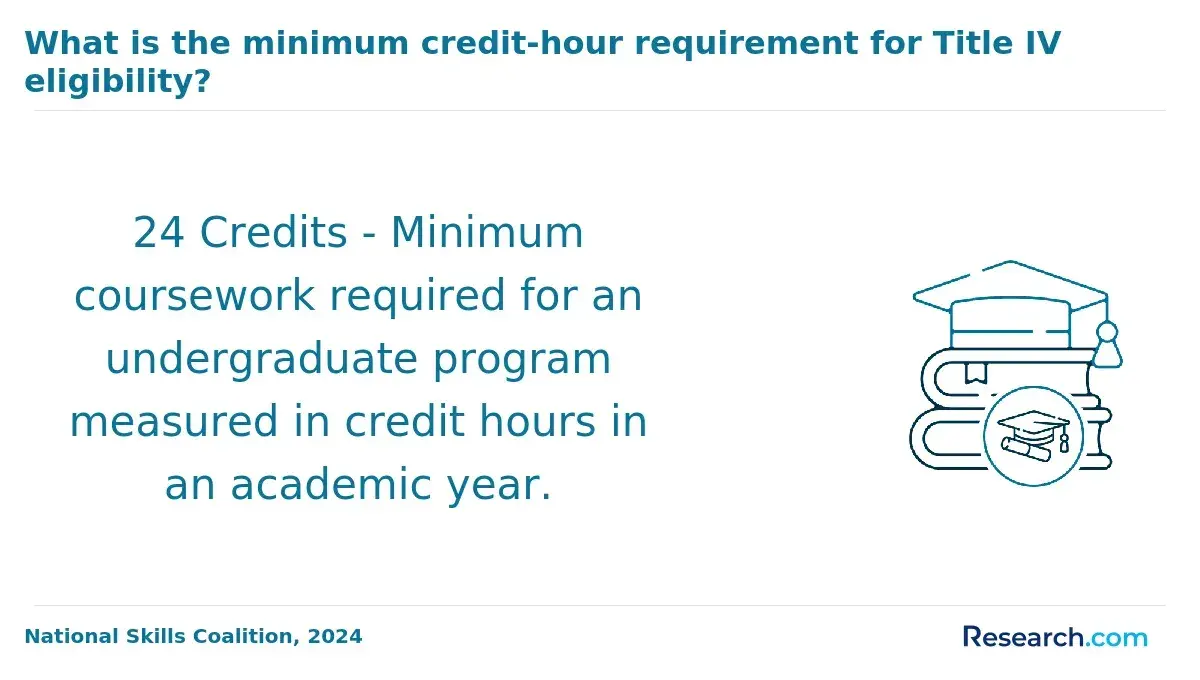
A bachelor's degree with a minimum 3.0 GPA in biology, psychology, chemistry, or related STEM fields remains a baseline for competitive admission to online neuroscience programs in 2026. This foundation aligns with workforce demands emphasizing quantitative rigor; for example, IQVIA data shows 45% of phase II and III neurology clinical trials incorporate biomarker or neuroimaging endpoints by 2025.
Applicants with less technical backgrounds must budget extra time and resources to complete prerequisite courses like neurobiology, statistics, and organic chemistry, which can delay graduation and increase costs.
GRE requirements are declining as programs question their predictive value in interdisciplinary neuroscience careers. Letters of recommendation must demonstrate an applicant's research or quantitative skill proficiency rather than general academic strengths. Working professionals seeking career pivots face the challenge of balancing flexible coursework schedules with employment obligations, underscoring the value of part-time and self-paced formats.
Applicants must submit a statement of purpose connecting their training to translational neuroscience's role in drug development, healthcare, or technology. This application element reflects the field's integration with real-world demands and improves alignment with employers prioritizing expertise in biomarker-driven clinical trials and neuroimaging analytics.
How long do online neuroscience degrees take and what do they cost?
Translational neuroscience degrees online demand a significant time investment, typically two to four years for bachelor's or master's programs, with doctorate-level study extending four to six years due to intense research obligations. Part-time enrollment for working professionals often adds one to two years, reflecting the challenge of balancing coursework, practicum, and thesis expectations.
Tuition costs vary substantially: undergraduate programs generally cost between $15,000 and $40,000, while master's degrees range from $20,000 to $60,000. PhD programs often waive tuition via assistantships, though students must budget approximately $10,000 annually for resources and research fees.
These financial factors interact with workforce realities, as employers increasingly prioritize candidates with practical, translational skills that connect laboratory findings to clinical applications.
A critical consideration is the requirement for hands-on internships or practicum experiences within translational settings. For example, a mid-career professional transitioning into neuroscience research may face logistical hurdles acquiring remote lab access or fulfilling hybrid residency components, which can extend total program duration and increase out-of-pocket expenses.
The U.S. National Institute of Neurological Disorders and Stroke (NINDS) allocated $2.7 billion in FY 2024, with over 60% directed toward translational research, underscoring where funding and demand converge.
Prospective students must weigh this funding environment against the extended commitment and complexity of online programs emphasizing clinical integration, ensuring alignment with tangible career objectives and employer expectations.
What careers can translational neuroscience graduates pursue?
Translational neuroscience graduates must navigate a complex job market where scientific rigor intersects with regulatory and operational demands. Most roles emphasize advanced experimental design competence paired with a working knowledge of FDA or EMA regulatory frameworks, required for developing therapies from bench to bedside.
Common employment settings include academic medical centers and biotech companies, where candidates often secure positions as research scientists or clinical research managers specializing in neurological and neuropsychiatric conditions.
Practical experience-such as internships or participation in translational projects-is frequently a deciding factor in hiring, as employers prioritize candidates who can demonstrate real-world outputs like peer-reviewed publications or regulatory submissions.
- Medical science liaison roles demand precise communication skills to bridge research findings and clinical practice.
- Regulatory affairs specialists must obtain additional certification beyond the degree to accelerate treatment approvals.
- Data analysts use computational approaches to refine drug targets within neuroscience-focused pharmaceutical firms.
Graduates seeking clinical practice must plan on further training, such as MD degrees or clinical fellowships, since translational neuroscience programs do not directly confer independent clinical credentials. The growing diversity in neuroscience PhD and MD-PhD enrollment expands pipelines for specialized research roles but also intensifies competition.
Networking within professional neuroscience communities and hands-on experience remain critical for effective career pivots or advancement, especially when transitioning from unrelated fields or roles lacking direct research exposure.
What salaries do translational neuroscience graduates earn?
Compensation for translational neuroscience graduates varies sharply by sector, location, and credential level, reflecting distinct tradeoffs between innovation-driven private fields and more stable public institutions. Entry-level academic research positions, such as postdoctoral roles, typically start near $70,000 annually, while industry jobs in pharmaceuticals, biotechnology, or medical device companies offer ranges closer to $90,000 to $110,000 for candidates holding master's or doctoral degrees.
Roles in clinical trial management or regulatory affairs linked to translational neuroscience begin around $80,000 but tend to increase with experience and relevant certifications. Government lab positions prioritize job security and benefits over higher pay, often resulting in narrower salary bands. For example, a graduate joining a biotech startup in San Francisco should expect significantly higher starting salaries than a peer in academia based in a lower-cost region.
Employers look for candidates blending solid scientific foundations with advanced skills in experimental design, data analysis, and computational tools. Graduates from rigorously structured online STEM programs-validated by the U.S. Department of Education's 2024 meta-analysis to yield superior learning outcomes-are increasingly competitive, potentially closing pay gaps between traditional and online formats.
The practical reality is that a strategic alignment of skills with employer demands, including project management or regulatory expertise, is essential to accessing top wage brackets. Translational neuroscience students pursuing higher compensation must carefully weigh the variable earnings prospects of private sector work against the steadier but often lower government or academic pay ceilings.
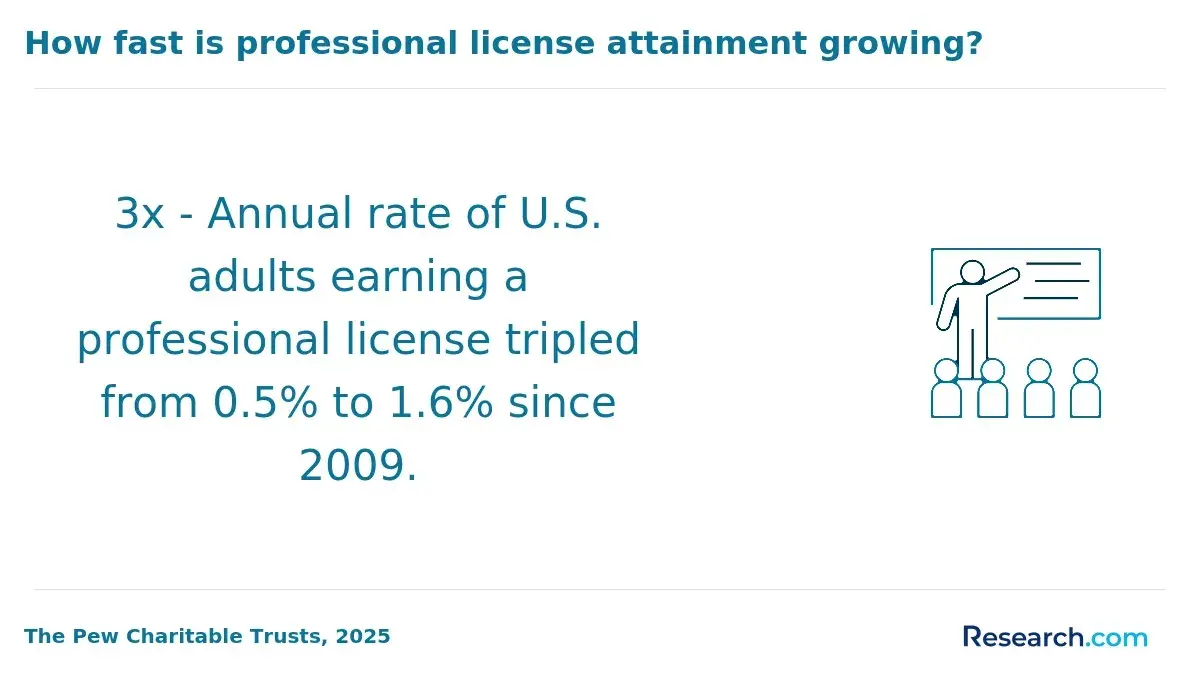
What certifications or licensing apply after graduation?
Licensing is rarely a baseline requirement for graduates of online neuroscience degrees with translational neuroscience concentrations because the field centers on research rather than regulated clinical practice. However, professional certifications significantly influence employability and career progression. For clinical or neuropsychological roles, state-specific psychologist licenses or credentials from entities like the American Board of Professional Neuropsychology are mandatory.
Translational neuroscience roles in biomedical research or healthcare technology prioritize certifications in clinical research (e.g., Certified Clinical Research Professional) and specialized skills in AI and health data analytics. This focus reflects the substantial influx of over $1.2 billion in AI-related neurology funding, signaling employer demand for expertise at the intersection of neuroscience and technology.
Key certifications commonly expected across employers include:
- Digital biomarker analysis and imaging software proficiency
- Regulatory compliance such as Good Clinical Practice training
- Human subjects protection and FDA regulatory affairs
Consider a recent graduate entering a biotech firm working on AI-enabled neuroimaging. Without dual credentials-technical proficiency in neuroinformatics and detailed understanding of FDA regulations-career advancement is limited. Prospective students must weigh the considerable time and financial investment required for these certifications against the advantage gained in increasingly specialized segments of the neuroscience labor market.
Other Things You Should Know About Neuroscience
Employers increasingly accept online neuroscience degrees if the program is accredited and rigorous, but skepticism remains for candidates lacking in-person research or clinical experiences. Programs that integrate capstone projects or internships improve employability by demonstrating applied competencies. Prospective students should choose programs that clearly communicate experiential learning opportunities and align with industry expectations to mitigate potential bias.
Part-time study offers flexibility and income continuity but extends total degree duration and can limit immersion in fast-evolving topics, potentially delaying career advancement. Full-time enrollment accelerates skill acquisition and networking but requires financial support and intensive time commitment. Students should weigh current job demands, financial resources, and urgency of career goals to select the model that balances sustained learning with timely entry into the field.
Translational neuroscience programs emphasize bridging research and clinical applications, which can narrow focus away from basic neuroscience theory or purely computational skills sought in data science roles. Candidates aiming for industry positions in biotech, regulatory affairs, or policy may find more versatile programs beneficial. Prioritize concentrations that match specific career targets to avoid skill mismatches and to enhance relevance in chosen work environments.
References
- Molecular and Translational Neuroscience | StudYoda https://studyoda.com/courses/details/molecular-and-translational-neuroscience-da6de34cff
- M.Sc by Research in Translational Neuroscience at Manipal Institute of Regenerative Medicine, Bengaluru: Fees, Eligibility, Admission, Seats, Accepted Exams https://www.careers360.com/colleges/manipal-institute-of-regenerative-medicine-bengaluru/msc-research-in-translational-neuroscience-course
- Best Neuroscience Courses Online in 2026 | Neurosity https://neurosity.co/guides/best-neuroscience-courses-online-2026
- Careers in Neuroscience - Thiel College https://www.thiel.edu/academics/departments/neuroscience/neuroscience-alumni-careers
- Home - Translational Neuroscience https://translationalneuroscience.nl/
- Neuroscience Jobs - Find worldwide career opportunities | | page 2 https://www.nature.com/naturecareers/landingpage/12822085/neuroscience/2/
- Certificates, Certifications and Licenses https://trainingindustry.com/wiki/professional-development/certificates-certifications-and-licenses/
- Most prominent challenges in translational neuroscience and strategic solutions to bridge the gaps: Perspectives from an editorial board interrogation https://www.explorationpub.com/Journals/en/Article/1006106
- Certificates, Certifications, Licenses, & SCI Badges — An Explanation - SCI https://scitexas.edu/career-services/certificate-vs-certification-vs-license/
- Neuroscience https://www.ualberta.ca/en/undergraduate-programs/bachelor-of-science-with-honors-neuroscience.html