2027 Hospital and Health System Roles You Can Target With a Neuroscience Degree

Co-Founder and Chief Data Scientist
Facing a rapidly aging population and rising neurological disorders, hospitals seek professionals who can bridge clinical insight with neuroscience expertise-but entry points remain opaque for many candidates. As healthcare systems increasingly prioritize interdisciplinary roles, 40% growth in demand for clinical neuro specialists signals shifting workforce needs, yet rigid hiring often favors advanced credentials or clinical experience over pure academic backgrounds.
Concurrently, expanded online access and adult learner enrollment growth reported by the National Center for Education Statistics reveal opportunities for timely upskilling amid busy careers. This article identifies precise hospital and health system roles suited to neuroscience graduates, enabling targeted career advancement aligned with evolving institutional priorities.
Key Things You Should Know
- Demand for clinical neuroscience roles increased 18% from 2022 to 2025 per Bureau of Labor Statistics data, but 70% require doctoral-level credentials, creating a steep entry barrier and extending education timelines past six years.
- Healthcare systems prioritize candidates with interdisciplinary skills combining neuroscience and data analytics, reflecting a 42% rise in job listings seeking hybrid expertise, pressuring programs to evolve curricula rapidly.
- Average neuroscience graduates face a 14-month median job search and must weigh unpaid internships against rising opportunity costs, as reported by the National Association of Colleges and Employers in 2024, impacting career timing and financial sustainability.
What hospital and health system jobs can you pursue with a neuroscience degree?
The varied hospital and health system careers for neuroscience graduates present distinct tradeoffs between academic preparation and immediate employability. Medical scientist roles, commanding a median wage of $100,590 with projected growth of 11% from 2023 to 2033, prioritize advanced experimental design skills and regulatory expertise, typically requiring graduate-level training.
In contrast, clinical research coordinators serve as operational linchpins managing trial logistics and patient recruitment, demanding familiarity with institutional review board procedures and certifications beyond a bachelor's degree. These positions exemplify the practical intersections of research and healthcare delivery, highlighting workforce realities in healthcare job opportunities with a neuroscience degree.
Frontline clinical roles like neurodiagnostic technologists involve hands-on use of EEG and EMG machines, requiring accredited technical certification but less academic investment than research-focused paths. Meanwhile, neuropsychology assistants provide critical support in cognitive testing and patient record management, a viable option for those seeking clinical involvement without licensure hurdles.
Employers emphasize a candidate's technical skills paired with clinical exposure. Internship or clinical rotations markedly improve odds of securing positions, though specialized certifications can delay entry while enhancing long-term prospects. For professionals weighing further qualifications, exploring a masters degree in data science online may offer a complementary skill set valuable in managing complex neuroscience data and advancing interdisciplinary healthcare roles.
How does a neuroscience degree prepare you for direct patient-care roles in hospitals?
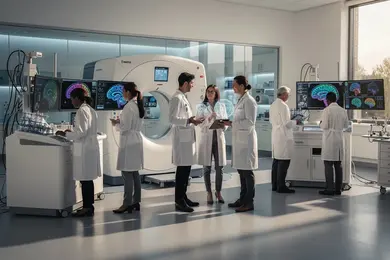
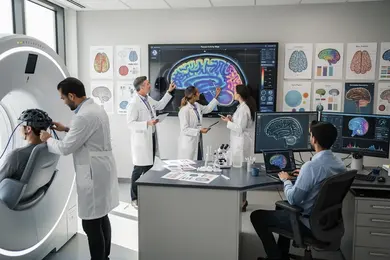
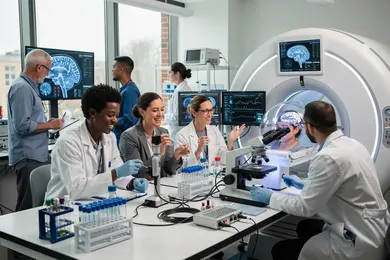
A neuroscience degree alone does not guarantee direct patient-care roles in hospitals; practical clinical certifications and hands-on training remain indispensable. Graduates with a neuroscience degree patient care roles in hospitals often find initial employability tied to neuroimaging technician positions, where proficiency in MRI operation and neurodiagnostic equipment is essential.
These technical roles require both detailed anatomical knowledge and the ability to interpret neurological conditions accurately. According to BLS data summarized by ASU Online, neuroimaging technician roles had a median salary of $78,980 in May 2024 with a 6% projected job growth from 2023 to 2033, indicating a reasonably strong market outlook.
Beyond imaging, direct patient-care careers with a neuroscience background demand competencies that extend into bedside assessments such as EEG setup, real-time neurological data acquisition, and patient safety protocols. Hospitals prioritize candidates who supplement academic credentials with accredited clinical hours or registry certifications, reflecting a critical tradeoff: pure academic training must be balanced with practical application to meet workforce expectations.
For students evaluating this pathway, building applied skills in neurodiagnostic labs or acute neurology units is essential. This includes mastering electrophysiological signal analysis and developing communication skills tailored to neurological patients. Those interested in branching into allied health fields may consider exploring the best online registered dietitian programs, which represent a complementary healthcare pathway with direct patient engagement but different credential requirements.
What non-patient-facing roles in hospitals can neuroscience majors qualify for?
Non patient facing hospital roles for neuroscience majors demand analytical expertise over clinical interaction, representing a strategic departure from traditional healthcare tracks. Positions like data scientists, who analyze hospital outcomes and population-health trends to inform decisions, exemplify this shift. The median salary for data scientists reached $112,590 in 2024, supported by a robust 36% projected growth from 2023 to 2033.
Such demand arises as hospitals increasingly rely on professionals able to interpret complex neurological datasets to optimize care pathways and resource allocation. Health system jobs suitable for neuroscience graduates often include clinical research coordinators who manage neuroscience trials by ensuring protocol compliance and data integrity without direct patient engagement.
Regulatory affairs roles, which navigate evolving federal and state compliance requirements, focus on policy implementation and audit preparation rather than hands-on clinical duties. Health informatics specialists improve electronic health record systems to handle neurological data, supporting more accurate diagnosis and personalized treatment plans. Success in these roles typically requires proficiency in statistics, programming languages such as Python or R, and a solid grasp of healthcare regulations.
Candidates must demonstrate the ability to translate neuroscience data into actionable institutional strategies that improve process efficiency and patient outcomes. Prioritizing these skills can differentiate graduates aiming for practical career pivots within hospital systems. For those evaluating pathways with measurable impact and competitive compensation, exploring some of the highest paying biology jobs can provide additional perspective on how neuroscience skills integrate into the broader life sciences labor market.
Which neuroscience degree levels are needed for top hospital and health system careers?
Entry-level positions in hospital settings tied to a neuroscience degree often require only a bachelor's, yet these roles typically involve limited autonomy and extensive on-the-job training. Advancing into clinical neuropsychology or complex patient coordination demands a master's degree to meet licensing and credentialing criteria. A practical example lies in behavioral and mental health counselor roles centered on neurological conditions, which require graduate qualifications and offer median salaries of $59,190 with expected growth of 19% through 2033.
Doctoral degrees (PhD or MD) remain essential for leading neuroscience research, neurology specialist roles, and senior health system leadership, reflecting the high domain expertise and multi-year clinical training required. Professionals without clinical doctorates often face stalled career trajectories and constrained earning potential.
Choosing between rapid workforce entry with a bachelor's and investing in advanced neuroscience education for health system roles involves weighing immediate employment against broader clinical responsibility and salary gains. Graduate-level training especially benefits those targeting strategic roles in hospitals managing complex neurological disorders, where certification requirements and supervised clinical hours are standard.
Mindful preparation includes understanding certification prerequisites and specialty demands, which frequently require graduate degrees plus practical clinical experience. For those evaluating alternative routes in psychology careers, reviewing NASP school psychology programs can provide insight into credentialing pathways that complement neuroscience degree requirements for hospital careers.
How do online and campus-based neuroscience programs compare for healthcare careers?
The choice between online and campus neuroscience programs fundamentally hinges on the balance between flexibility and immersive clinical experience. Working professionals aiming for roles involving advanced hands-on research or patient care benefit from on-campus access to laboratories and immediate faculty interaction. These elements enhance confidence and competence during clinical rotations-an edge valued by hospital employers.
Online programs increasingly incorporate virtual simulations, narrowing skill gaps but often lack tactile lab components. Online learners must often secure local practicum sites or supplement with volunteering to match the practical expertise of their campus counterparts. This additional effort can delay workforce entry or promotion.
Health education specialist roles, with a median wage near $63,000 and a projected 7% growth rate through 2033 per data distilled from ASU Online summarizing BLS statistics, exemplify paths where online neuroscience degrees focusing on communication and community education deliver comparable outcomes to campus programs.
Key considerations:
- Those targeting research or clinical practice should weigh the tangible benefits of campus immersion.
- Flexible schedules and targeted health education careers align well with accredited online formats.
- Both pathways require proactive engagement in supplemental experiences to meet employer demands for applied competencies and interdisciplinary collaboration.
Decision-makers must balance time, finances, and career targets to navigate tradeoffs inherent in each format, recognizing that employer preference often hinges on demonstrated applied skills rather than credential alone.
What core neuroscience courses best align with hospital and health system roles?
Hospital and health system roles demand neuroscience education that centers on applied neuroanatomy, neurophysiology, and clinical neurobiology, as these areas directly inform diagnostic precision and patient management. For instance, clinical laboratory technologists routinely analyze neurochemical and electrophysiological data; proficiency in neurochemistry and neuropharmacology is therefore non-negotiable.
Employers increasingly prioritize hands-on expertise with brain imaging technologies such as MRI and PET scans, addressed comprehensively in neuroimaging coursework. Specialized training in cognitive and behavioral neuroscience complements roles supporting neurorehabilitation or developing neurological therapeutics. Mastery of neural signaling and synaptic transmission informs clinical decision-making in neurological disorder treatments.
Electrophysiology labs offering EEG and EMG practicals enhance employability by meeting tangible hospital needs for specialists capable of managing these diagnostics. From a workforce perspective, clinical laboratory technologists report a median wage of $61,890 with a projected job growth rate of 5% from 2023-2033, underscoring the value of targeted neuroscience education combined with mandatory certification pathways.
However, the risk of insufficient practical training remains a key friction point for students entering hospital systems; partnerships with health facilities are critical to mitigate this gap. Selecting programs that balance theoretical frameworks with clinical applications ensures relevance in competitive job markets and optimizes return on educational investment.
What are typical salary ranges for hospital careers related to neuroscience training?
Hospital careers leveraging neuroscience training often require balancing clinical expertise with administrative proficiency, resulting in wide salary ranges that generally exceed six figures for advanced roles. For instance, nurse practitioners working alongside neuroscience and behavioral health service managers earn a median salary near $120,000 annually, with the sector expecting a robust employment growth rate of 25.7%.
This growth reflects escalating demand for professionals capable of integrating neuroscience knowledge with patient care and healthcare operations. Salaries for roles such as clinical neuropsychologists, neuroscience nurses, and neuroscience service managers typically start around $80,000 but can surpass $140,000 depending on experience and geographic location. Administrative neuroscience positions demand both leadership and specialized knowledge, often pushing compensation above $100,000.
Candidates must weigh the tradeoffs between acquiring clinical certifications like nurse practitioner credentials, which offer faster entry and growth, versus advanced neuroscience degrees that, while slower to yield employment, may lead to higher specialist pay. Employers prioritize candidates demonstrating practical clinical skills, interdisciplinary coordination, and budget management over purely theoretical neuroscience knowledge.
For example, a neuroscience degree-holder aiming for behavioral health service-line management must develop competencies in team leadership and clinical outcome evaluation. Understanding these operational requirements helps prospective candidates decide whether to pursue licensure paths for direct patient interaction or advanced degrees targeting administrative neuroscience leadership.
What is the job outlook for neuroscience-related roles in hospitals and health systems?
Neuroscience graduates targeting hospital and health system roles face a job market marked by steady but modest growth, predominantly in specialized functions such as scientific communication and translational research. For instance, scientific writers with neuroscience expertise earn a median salary of $91,670 and experience a projected 4% job growth from 2023 to 2033, roughly matching the average for all occupations.
This growth pattern indicates incremental opportunities rather than rapid expansion, emphasizing competition and the need for niche skills. Healthcare employers increasingly seek neuroscience professionals capable of translating research into clinical protocols, patient education, and health policy. A real-world example: hospitals improving neurological care pathways may hire graduates to standardize treatments based on emerging evidence.
However, success in these roles often demands interdisciplinary skills beyond pure neuroscience, including healthcare administration or science communication. For graduates aiming at clinical positions, credentialing requirements like advanced degrees or certifications limit immediate access to patient-facing roles within health systems. Research support roles offer easier entry but generally come with lower compensation and slower advancement.
Key practical implications for prospective candidates include:
- Prioritizing specialization in scientific writing or research translation to align with demand.
- Developing interdisciplinary expertise to meet employer expectations.
- Weighing credentialing timeframes against employment goals.
What certifications or licenses might you need beyond a neuroscience degree?
Licenses and certifications beyond a neuroscience degree directly shape access to hospital roles and specialized clinical research positions, often serving as gatekeepers for responsibilities beyond entry-level tasks. For example, Clinical Research Professionals aiming to manage trials in hospital environments typically require certification such as the Certified Clinical Research Professional (CCRP) or through the Association of Clinical Research Professionals (ACRP).
This additional credential signals competence that a bachelor's neuroscience degree alone-whose holders earn an average of $49,152 annually according to Emory University's Center for Professional Development-does not guarantee. Clinical neuroscience roles integrated with patient care demand nursing licensure such as Registered Nurse (RN) or Licensed Practical Nurse (LPN), and for advanced positions, the Certified Neuroscience Registered Nurse (CNRN) credential.
These qualifications require prior nursing licenses and substantial clinical experience, restricting immediate transitions for neuroscience graduates without nursing backgrounds. Technical roles in neurodiagnostics hinge on certifications like those from the American Board of Registration of Electroencephalographic and Evoked Potential Technologists (ABRET), which authorize specialists to interpret electrophysiological data-a skill set distinct from typical neuroscience curricula.
Laboratory and research careers have their own hurdles, including federal-mandated Good Clinical Practice (GCP) certification to comply with FDA and NIH regulations, reinforcing that clinical degrees alone are insufficient for supervisory or regulatory roles within hospital settings.
Neuroscience graduates must strategically weigh the time and financial investment in these certifications against realistic job market returns and career trajectory goals within hospital systems. Without such targeted credentials, advancement into roles with greater autonomy and responsibility remains severely constrained.
How can you evaluate and choose an accredited neuroscience program for healthcare work?
Healthcare employers prioritize neuroscience programs that integrate applied skills with clinical experience rather than solely theoretical learning. Candidates with hands-on training in hospital or rehabilitation settings are more competitive, emphasizing the necessity of internships or practicum placements that align with neuro-specific roles.
Programs connected to medical centers accelerate practical exposure and network building, which directly impacts employability. Beyond credentials, recent graduate outcomes and placement rates in hospital environments are crucial indicators of program effectiveness. Neural engineers, for instance, commonly earn around $97,410 annually in roles focused on neurotechnology and rehabilitation-a reflection of the market's demand for expertise in device integration and brain-machine interfaces.
This highlights the importance of curricula including neurotechnology, patient assessment, and rehabilitation sciences to meet evolving workforce needs. Evaluate faculty qualifications, lab access, and department collaborations carefully, particularly for professionals seeking part-time or flexible study options that still preserve essential clinical practice.
Be cautious of programs with outdated content, as neuroscience innovations post-2023 critically affect relevance. Cost must be balanced against salary prospects and recognition within hospital systems, considering that extended program duration or insufficient practical training can delay career entry or impede specialization.
Other Things You Should Know About Neuroscience
Program structure varies widely in terms of lab work intensity, clinical engagement, and interdisciplinary opportunities, directly impacting preparedness for hospital roles. Programs emphasizing hands-on clinical neuroscience techniques and internships within medical facilities position graduates better for hospital environments, which demand practical skills alongside theoretical knowledge. Conversely, programs focused heavily on theoretical neuroscience without clinical components may limit immediate job readiness. Prioritize programs with integrated clinical rotations or collaborative hospital partnerships if the goal is to enter hospital systems efficiently.
Neuroscience curricula typically lack training in healthcare administration, policy analysis, and system-level operations commonly required in administrative roles within hospitals. Transitioning to these areas often requires supplementary education such as health administration degrees or substantial on-the-job learning. Candidates should understand this gap and consider dual-degree programs or targeted certifications in health management if administration is the career goal. Without such additional credentials, neuroscience graduates may face limited advancement and must rely on niche roles linked closely to clinical or research functions.
Part-time or nontraditional neuroscience programs offer flexibility but often reduce opportunities for immersive lab work, clinical exposure, and networking critical to hospital employment. Employers in hospital settings typically value comprehensive, full-time training due to its intensity and sequence, which better prepares students for complex clinical or research demands. Nontraditional pathways may suit working professionals seeking incremental skill development but may necessitate more proactive experience-building to offset less structured learning. Candidates should assess their capacity to supplement part-time study with relevant internships or clinical experiences to remain competitive.
References
- Psychology with Neuroscience | Academy Online Learning https://academyonlinelearning.com/psychology-neuroscience
- Neuroscience & Public Health https://neuroxcareers.org/fields/neuroscience-public-health/
- Neuroscience Jobs (with Salaries) - SEEK https://au.seek.com/neuroscience-jobs
- Neuroscience- a Worthwhile Major for Aspiring NPs and PAs? | ThriveAP https://provider.thriveap.com/blog/neuroscience-worthwhile-major-aspiring-nps-and-pas
- Careers in Neuroscience - Thiel College https://www.thiel.edu/academics/departments/neuroscience/neuroscience-alumni-careers
- Clinical vs. Non-Clinical Healthcare Careers | University of Phoenix https://www.phoenix.edu/articles/healthcare/clinical-vs-non-clinical-healthcare-careers.html
- What Can You Do with a Neuroscience Degree? | Tiffin University https://www.tiffin.edu/news/what-can-you-do-with-a-neuroscience-degree/
- Potential Careers https://neuroscience.uoguelph.ca/potential-careers/
- Neuroscience - Tracks - Ph.D. Program in Biomedical Science - Mayo Clinic College of Medicine & Science https://college.mayo.edu/academics/biomedical-research-training/phd-program/tracks/neuroscience/
- Graduate Certificate in Mental Health and Neuroscience https://www.unisc.edu.au/study/courses-and-programs/postgraduate-degrees/graduate-certificate-in-mental-health-and-neuroscience