2027 Best Online Neuroscience Degrees for Pharmaceutical Company Careers

Co-Founder and Chief Data Scientist
Pharmaceutical professionals aiming to specialize in neuroscience face a critical bottleneck: balancing the rigorous demands of emerging neuropharmacology roles with limited access to flexible, advanced education. Workforce data from the U. S. Bureau of Labor Statistics underscores a 15% projected growth in neuroscience-related positions by 2030, driving urgent demand for specialized credentials without the luxury of full-time study. Meanwhile, the National Center for Education Statistics reports a 25% surge in adult enrollment in online graduate programs since 2022, signaling a shift toward adaptive learning models crucial for working professionals. This article evaluates the best online neuroscience degrees tailored for pharmaceutical careers, helping readers identify programs that align with both career advancement goals and practical scheduling constraints.
Key Things You Should Know
- Online neuroscience degrees often limit hands-on lab experience crucial for pharmaceutical roles; 64% of industry hiring managers reported prioritizing practical wet-lab skills over purely theoretical credentials in 2024.
- Employers increasingly require interdisciplinary knowledge integrating data analytics; 58% of pharmaceutical neuroscience divisions seek candidates with formal training in computational modeling as of recent BLS workforce surveys.
- Median tuition for top online neuroscience programs has risen 12% since 2022, extending return-on-investment timelines by 18-24 months amid stagnant starting salaries reported by the NSF's 2024 Science and Engineering indicators.
What is an online neuroscience degree and how can it prepare you for pharmaceutical careers?
An online neuroscience degree benefits pharmaceutical careers primarily through its practical alignment with employer priorities in pharma research. Candidates with strong training in molecular and cellular neuroscience, biostatistics, and clinical trial methodologies are in demand, especially as pharmaceutical employers emphasize applied knowledge for drug development and regulatory submissions. For instance, a student engaged in clinical lab work can apply advanced understanding of synaptic mechanisms directly to pharmacodynamic modeling and FDA documentation without delay.
This pathway integrates real-time application of coursework, which is often missing from traditional programs, making it strategically valuable for professionals targeting pharma roles. However, bridging gaps in hands-on lab experience and mastering digital lab tools requires significant self-discipline. This tradeoff is critical when weighing online options versus conventional degrees. Programs must explicitly match curricula with pharmaceutical competencies to ensure graduates are workforce-ready.
The 11% projected growth for medical scientists over the next decade, combined with a May 2024 median wage nearing $100,590, underscores sustained industry demand. Graduates equipped through online study are well-placed to support advanced pharma initiatives such as biomarker discovery and personalized neurotherapeutics. Yet geographic and scheduling flexibility may come at the cost of limited peer collaboration and comprehensive lab immersion, factors applicants should consider carefully when planning a career pivot or advancement.
For those evaluating complementary STEM fields, programs like the online geoscience degree exemplify how diverse technical disciplines adapt to remote formats while courting specialized industries.
Which online neuroscience degrees are best for students targeting pharmaceutical industry roles?
Online neuroscience degrees for pharmaceutical industry careers demand integration of molecular neuroscience, neuropharmacology, and computational modeling tailored to drug development. Candidates emerging from programs with applied lab simulations and data analytics tools are measurably more competitive for pharmaceutical R&D positions that require both cellular-level expertise and biostatistical fluency.
Employers increasingly expect graduates to possess tangible research experience aligned with translational neuroscience and clinical trial methodologies. Programs emphasizing project-based learning and industry collaboration better prepare students for a pharmaceutical job market expanding by over 28% through 2030, with an estimated 300,000 new specialized roles. This growth intensifies competition, making access to faculty active in the industry and pharmaceutical-focused curricula essential.
Evaluating accreditation, curriculum relevance, and faculty experience is critical. Flexibility through asynchronous coursework allows working professionals to upskill without interrupting their careers. Graduates lacking dual training in neuroscience fundamentals and pharmaceutical technology often face limited opportunities compared to those from programs with integrated neuropharmacology and regulatory science courses, which also tend to offer higher starting salaries.
Programs without a pharmaceutical emphasis risk restricting graduates to academia or unrelated fields. For candidates weighing their options, reviewing the rigor and applied focus of various degrees alongside viable alternatives, such as master of library science online programs, can clarify the optimal strategic pathway in this competitive landscape.
How do online neuroscience degrees compare with campus programs for pharma-focused students?
Online neuroscience degrees offer theoretical knowledge comparable to campus programs but consistently fall short in delivering the essential hands-on lab experience valued in pharmaceutical research roles. Employers in pharma prioritize candidates with direct laboratory proficiency and clinical skills, typically acquired through structured, campus-based practicums. For example, mastering neuroimaging or drug assay protocols demands supervised in-person training, which online formats often supplement only minimally through virtual simulations. This shortfall influences the kind of positions accessible to graduates, as practical immersion remains a decisive factor in hiring.
Those pursuing online neuroscience degrees for pharmaceutical careers must proactively secure internships or cooperative placements to build competitive practical experience. Unlike campus programs, online formats rarely provide seamless pathways into pharma internships due to weaker alumni networks and limited institutional partnerships offering on-site lab rotations. Online students, therefore, must leverage regional pharma employers or hybrid educational models to gain the required experiential learning.
- Campus programs provide structured lab access critical for mastering drug development tools and techniques.
- Online programs demand self-directed pursuit of in-person experiences to meet pharma hiring standards.
- Campus alumni networks frequently ease entry into pharma internships and research roles.
- Online students must leverage regional pharma employers or hybrid models for practical skill acquisition.
Salary data reinforce the premium on research competence: medical scientists in U.S. pharmaceutical manufacturing earned a median of $141,910 annually, nearly 40% above the median for scientists across all sectors, indicating pharma's demand for specialized neuroscience research skills often validated by rigorous, campus-oriented training.
When weighing campus vs online neuroscience education for pharma industry careers, candidates should critically assess their access to practical training and industry connections alongside theoretical coursework. For professionals navigating this choice, exploring alternative fields including a masters in library science might suit those prioritizing flexibility but disengaged from lab-intensive roles.
What accreditation should online neuroscience programs have for pharmaceutical company employment?
Programs offering online neuroscience degrees aimed at pharmaceutical careers must prioritize regional accreditation from recognized U.S. agencies such as the Middle States Commission on Higher Education (MSCHE) or the Southern Association of Colleges and Schools (SACS). This accreditation is a decisive factor for employers in pharmaceutical research and regulatory positions as it validates the academic rigor and institutional oversight essential for credibility. Degrees lacking this certification are often disregarded or undervalued in competitive hiring processes.
Recognized online neuroscience programs for pharmaceutical careers rarely hold specialized accreditations akin to those in pharmacy but may benefit from endorsements by relevant industry consortia. Candidates should weigh institutional recognition heavily when aligning their education with market demands, especially given the sharp increase-over 60% since 2019-in online programs worldwide. This growth introduces significant variability in quality and employer acceptance, raising the risk of investing in credentials that fail to meet industry standards.
Consider a professional targeting neuropharmacology research roles at multinational pharmaceutical companies. Without a regionally accredited degree, filtering systems in human resources can preclude their candidacy before assessing qualifications. Conversely, some roles in biotech startups or clinical trial coordination may tolerate less stringent accreditation but still prefer officially recognized programs.
Decision-makers must verify accreditation status through the U.S. Department of Education or the Council for Higher Education Accreditation databases and evaluate curricula that include hands-on research aligned with pharmaceutical needs and regulatory contexts.
For those exploring related avenues, an accelerated online bachelor's degree in psychology can serve as a strategic alternative or complement to neuroscience preparation.
What courses and concentrations in online neuroscience programs are most relevant to pharma jobs?
Successful integration into pharmaceutical roles via online neuroscience programs demands targeted coursework most relevant to drug development and safety assessment. Essential subjects include neuropharmacology, molecular neuroscience, and neuroanatomy, with additional value from concentrations in neuroimmunology and neurotoxicology. Employers expect proficiency not only in core neurobiology but also in computational techniques such as bioinformatics and statistical modeling to analyze drug interactions and forecast neurological outcomes, which can be critical in clinical trial optimization.
Practical experience remains a notable gap in purely remote programs. Programs that incorporate lab simulations, case studies, or partnerships facilitating internships with pharmaceutical companies notably enhance job readiness by bridging theoretical knowledge and applied pharmacokinetics or pharmacodynamics. Candidates who secure these experiences better position themselves for roles across preclinical research and regulatory affairs.
Cost considerations are significant. Online master's degrees in STEM, including neuroscience with pharma-focused curricula, typically cost about 24% less than their on-campus peers without sacrificing early-career salary potential. This makes online study strategically advantageous for working professionals maintaining income streams while advancing qualifications.
To transition theory into practical competency, seek programs supporting virtual externships or industry collaboration. This approach mitigates clinical exposure shortfalls and aligns graduate skills with employer demands in pharmaceutical contexts.
What are the admission requirements and prerequisites for online neuroscience bachelor's and master's programs?
Admission standards for online neuroscience degrees reflect the field's interdisciplinary demands and evolving workforce expectations. Bachelor's programs typically require a high school diploma with a minimum GPA of 2.5 to 3.0, alongside foundational courses in biology, chemistry, physics, and math. Standardized tests like the SAT/ACT remain a factor but are increasingly optional as schools adopt flexible criteria. Prospective students lacking these prerequisites often face remediation before accessing core neuroscience topics.
Master's applicants generally need a bachelor's degree in neuroscience or a related science with a 3.0 GPA minimum. GRE requirements are fading, yet strong practical research experience, such as lab internships or pharmaceutical work, is often expected. Detailed letters of recommendation that confirm analytical and laboratory proficiency are critical for distinguishing candidates in competitive cohorts.
Employers seeking neuroscience and neuropharmacology expertise have grown their demand for specialized skills by over 30% since 2022. Without robust scientific preparation and verifiable research credentials, graduates risk constrained job prospects in pharma R&D and CNS drug development. For career-switchers, completing prerequisites and gaining lab experience are non-negotiable steps to qualify for advanced roles in this sector.
How long do online neuroscience degrees take and what do they typically cost?
Program duration and cost directly influence the trajectory of those pursuing online neuroscience degrees, particularly when targeting roles in pharmaceutical clinical operations or regulatory affairs. Traditional bachelor's degrees span about four years (120 credit hours), but working professionals can reduce this to two or three years via part-time or accelerated formats. Master's degrees typically require 18 to 24 months. Choosing a shorter, intensive program may expedite entry into the workforce, yet can increase financial and time pressures during study.
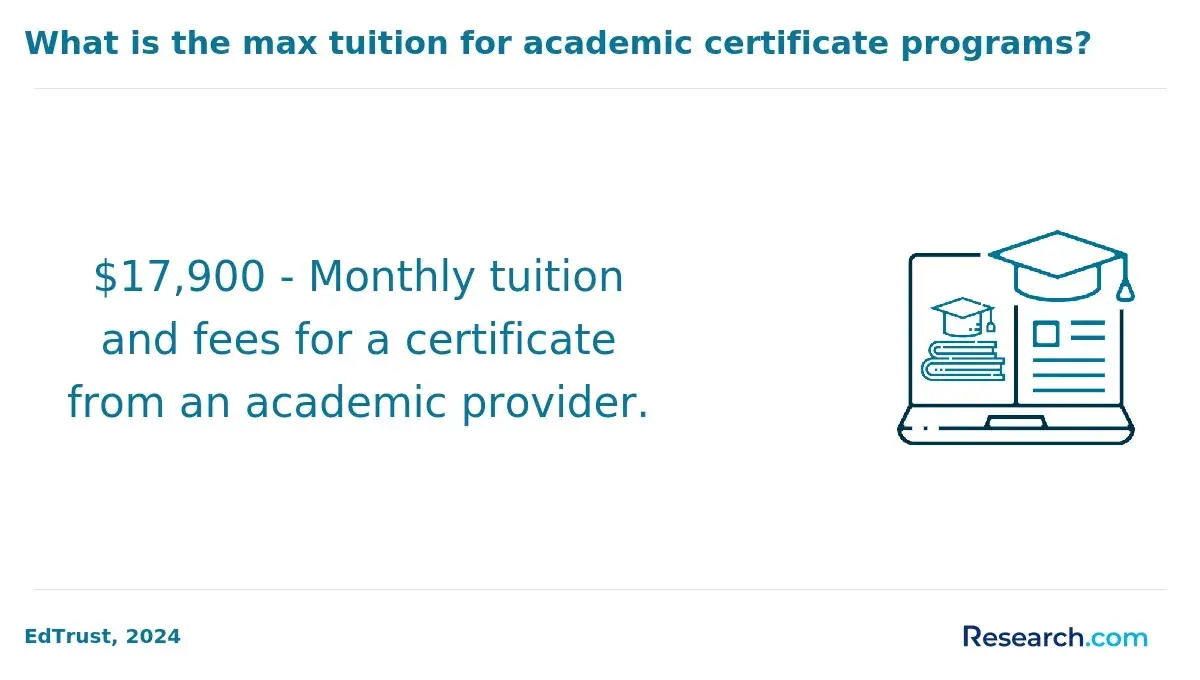
Tuition varies widely, from roughly $15,000 to $40,000 for bachelor's degrees and $20,000 to $50,000 for master's, excluding additional fees that may add 10-20%. Certificates and graduate diplomas offer more affordable pivot points at $5,000 to $15,000, but usually limit depth. Candidates must weigh these costs against expected time-to-hire advantages in CNS-related sectors, where central nervous system therapies constitute 18% of industry-sponsored clinical trials, significantly up from 13% four years prior.
Employers increasingly look for curricula that embed regulatory updates and clinical trial expertise, rewarding graduates who minimize onboarding delays. Prospective students should assess accelerated combined programs carefully, balancing shorter duration and costs against the risk of academic overload. Financial planning must factor in living expenses, as underestimating the true investment extends the time to income delivery. Such pragmatic evaluation determines whether advanced neuroscience credentials function primarily as career enablers or costly detours.
What entry-level and advanced pharmaceutical careers can an online neuroscience degree lead to?
Graduates with an online neuroscience degree typically enter roles demanding both foundational scientific knowledge and practical laboratory skills. Common entry points include research assistants who manage patient data and support preclinical studies at neuropharma startups, often collaborating closely with senior scientists. Success in these positions requires hands-on experience, usually gained through internships or virtual labs embedded in the curriculum.
Advancement frequently hinges on obtaining master's or doctoral degrees paired with expertise in pharmacology, bioinformatics, or drug development. Mid-level roles such as clinical research associates or regulatory affairs specialists carry significant responsibility for overseeing complex trials and preparing documentation for FDA submissions. These positions demand fluency in interpreting neuroscience data alongside regulatory standards.
The neuroscience biotech sector's rapid growth, fueled by a $6.3 billion surge in venture capital, elevates hiring expectations. Candidates must demonstrate proficiency in experimental design, biostatistics, and emerging tools like neuroimaging and AI analytics. This growth also emphasizes the need for continuous certifications, such as Good Clinical Practice (GCP), and a willingness to engage in multidisciplinary teams or relocate to biotech hubs.
Prospective students should weigh the practical tradeoffs: while online degrees improve accessibility, they often necessitate supplementary real-world training to meet employer requirements and bridge theory with applied workflows.
What salary ranges and job outlook can neuroscience graduates expect in the pharmaceutical industry?
Salary trajectories for neuroscience graduates entering the pharmaceutical industry reveal distinct professional stratification influenced by experience and applied skills. Entry-level roles such as research associates or clinical trial coordinators typically command between $70,000 and $95,000, but within five to seven years, salaries for senior scientists or project managers rise to the $110,000 to $140,000 range. This progression reflects both the complexity of responsibilities and the requisite regulatory expertise.
The sector's 6% projected growth rate in life science-related positions through 2030 aligns with intensified drug development and neurological research. However, candidates with online neuroscience degrees face particular challenges, primarily the need to supplement theoretical knowledge with demonstrable lab experience or internships to secure competitive placements. Industry certifications in areas like drug safety and clinical data management can mitigate perceived deficits from remote learning modalities.
Employer acceptance is shifting: 71% of STEM employers surveyed by the Society for Human Resource Management view reputable online master's degrees in neuroscience as comparable to traditional programs, and 59% have hired primarily online STEM graduates in recent years. Nevertheless, companies emphasize practical competence and collaborative aptitude within the compliance-heavy pharmaceutical R&D environment, often making hands-on experience a decisive hiring factor.
How can you evaluate and choose a reputable online neuroscience program for pharma careers?
Pharmaceutical employers increasingly demand neuroscience professionals with strong competencies in AI, machine learning, and data science applied to CNS drug discovery-a shift reflected in a 122% rise in job postings referencing these skills between 2021 and 2024. Graduates from programs lacking substantial integration of computational methods risk facing limited employability and extended job searches, especially within competitive biotech and pharmaceutical sectors.
Pragmatic evaluation should begin with program accreditation verified by recognized U.S. agencies to ensure eligibility for federal aid and industry credibility. Faculty actively engaged in pharma-related research or partnerships signal programs aligned with current industry challenges rather than purely theoretical instruction.
Employment outcomes offer a critical benchmark. Programs transparently reporting strong hiring rates into pharmaceutical CNS roles demonstrate effective alignment with employer expectations. Flexible learning formats matter only if paired with virtual labs or hands-on projects simulating real-world drug development workflows, since didactic formats alone do not develop the applied skills pharma firms require.
Technology platforms underpinning course delivery need robust simulation tools enabling computational neuroscience practice. Without this, candidates may lack the technical fluency demanded by data-driven research environments in pharma.
Cost considerations must be balanced against specialized training in AI and machine learning, as these advanced skills correlate with higher long-term salary potential. Choosing cheaper programs that omit these focuses can prolong career entry or force compromises on role relevance.
Other Things You Should Know About Neuroscience
Employers in pharmaceutical companies generally evaluate candidates based on the quality of the institution, research experience, and relevant skills rather than the delivery format alone. However, online programs with limited lab or hands-on research components may be viewed as less competitive for roles demanding extensive practical expertise. Prioritize online degrees that integrate virtual labs, internships, or collaborative research projects to match employer expectations and improve job readiness.
While many online neuroscience programs cover foundational knowledge broadly, specialized roles like neuropharmacology or clinical neuroimaging may require supplemental certifications or graduate studies beyond the online bachelor's level. Graduates targeting niche pharmaceutical careers should prioritize programs offering tailored electives, access to industry collaborations, or pathways into advanced degrees. Without such focused options, online degrees risk relegating students to entry-level or general research positions.
Full-time online enrollment allows faster completion and quicker market entry, which benefits those aiming to pivot careers rapidly. However, part-time study provides room to maintain professional roles and apply learning on the job, an advantage when employer sponsorship or transfer of skills during study is possible. Professionals must weigh urgency against workload tolerance; part-time is advisable for those needing income continuity, while full-time suits those prioritizing swift qualification.
References
- Accreditation - The Academy of Pharmaceutical Sciences https://apsgb.co.uk/accreditation/
- Master of Science in Clinical Neuroscience - Parker University https://www.parker.edu/academics/neuroscience-and-clinical-neuroscience/
- Potential Careers https://neuroscience.uoguelph.ca/potential-careers/
- School of Life Science/Neuroscience - INTERNATIONAL EUROPEAN UNIVERSITY, POLAND | EUROPE | STUDY IN POLAND | STUDY IN EUROPE | MBBS | GENERAL MEDICINE | BUSINESS | ENGINEERING | IT | EUROPE https://ieu.com.pl/european-school-of-life-sciences/school-of-life-science-neuroscience/
- Neuroscience major = what jobs? https://talk.collegeconfidential.com/t/neuroscience-major-what-jobs/2035219
- Neuroscience Degree Salary https://www.collegehelpguide.com/degrees/neuroscience/salary/
- 7 Best Neuroscience Courses for 2025; Learn Online for Free — Class Central https://www.classcentral.com/report/best-neuroscience-courses/
- What Can You Do with a Neuroscience Degree? | Tiffin University https://www.tiffin.edu/news/what-can-you-do-with-a-neuroscience-degree/