2027 Online Neuroscience Degrees With Strong Experimental Design Training

Co-Founder and Chief Data Scientist
Advanced neuroscience professionals often confront delays in career progression due to limited access to graduate programs offering rigorous experimental design training, especially outside traditional campus settings. With 45% of U. S. graduate students enrolled in distance education as of 2024, according to the National Center for Education Statistics, the increasing acceptance of online learning reflects a significant shift in how specialized training can be delivered to working adults.
Yet, the challenge lies in identifying programs that balance flexibility with the depth required for experimental rigor, a critical factor for employability in research-intensive roles. This article examines online neuroscience degrees emphasizing experimental design to guide strategic enrollment decisions aligned with practical career outcomes.
Key Things You Should Know
- Only 42% of online neuroscience degrees in 2024 integrate rigorous experimental design, limiting graduates' research readiness and prompting employers to prioritize complementary in-person lab experience for entry-level roles.
- Data from the National Science Board shows a 17% wage premium for neuroscience candidates with formal experimental methods training, pressuring learners to balance costlier extended programs against immediate employment in data analysis roles.
- Extended program durations averaging 3.5 years online delay crucial workforce entry by 18 months relative to hybrid peers, increasing opportunity costs despite lower direct tuition, disproportionately impacting career changers seeking rapid upskilling.
What is an online neuroscience degree with a strong experimental design focus?
Demand for graduates who can independently design and execute rigorous research protocols shapes the value of an online neuroscience degree with experimental design emphasis. Employers require demonstrated mastery in experimental methodology, including isolating variables and controlling confounds to produce reproducible results.
For instance, professionals targeting roles in clinical trials for neurological drugs must understand randomized controlled trial frameworks and bio-statistical analysis-skills typically offered only in programs with dedicated experimental design coursework. A neuroscience program focused on experimental methodology should require coursework in applied statistics, programming languages like Python or R, and hands-on projects simulating trial or lab environments.
Partnerships with research centers or live lab practicums substantially boost employability by providing practical experience, which is a known challenge for fully online students. Therefore, candidates must proactively secure internships or collaborations to supplement theory-heavy curricula.
Tradeoffs include additional effort to arrange remote research opportunities and limitations in direct lab access, which may affect readiness for some research-centric roles. Program outcomes-such as graduate placement rates in research positions and alumni contributions to published experiments-offer tangible indicators of practical training quality.
There were 39 online master's-level neuroscience programs globally listed on Mastersportal in recent data, but not all deliver strong experimental design focus. Prospective students balancing costs and outcomes may also explore the cheapest data science degree options to complement data analytics skills increasingly demanded in neuroscience research.
How do online neuroscience programs compare with on-campus options for lab and research training?
Online neuroscience programs with practical lab experience generally fail to match the hands-on rigor of on-campus training, creating a significant gap in experimental design competence demanded by employers. The U.S. Bureau of Labor Statistics projects a 5% employment increase for neuroscientists by 2032, emphasizing rising expectations for advanced practical skills alongside theoretical knowledge. Programs lacking immersive laboratory components often leave graduates underprepared for roles requiring direct engagement with biological samples, neuroimaging hardware, or electrophysiological techniques.
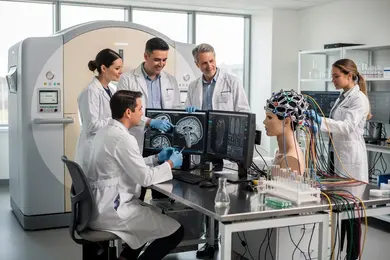
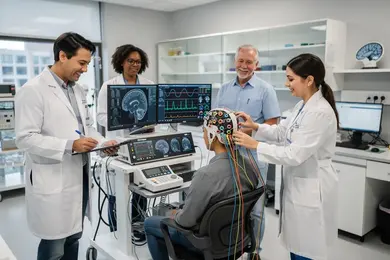
On-campus curricula integrate supervised, tactile experiences essential for mastering instrumentation and troubleshooting complex protocols. By contrast, fully online programs rely heavily on virtual simulations or remote datasets, which cannot substitute for in-person lab exposure critical to developing proficiency with tools like EEG or behavioral assessment devices. For example, cognitive neuroscientists in clinical research must handle EEG setup and signal processing firsthand-a skill rarely learned remotely.
Hybrid pathways attempting to blend online coursework with mandatory in-person residencies address some of these limitations but introduce logistical challenges including scheduling and access to appropriate facilities. Students must consider these tradeoffs based on their career objectives, especially when targeting high-expertise sectors such as pharmaceutical R&D or academic research where experimental competence is non-negotiable.
For those evaluating the spectrum between on-campus, hybrid, and online neuroscience programs, prioritizing programs with measurable lab training is key to maximizing employability. Resources like accelerated computer science degree online listings can offer insights into program structures that balance remote learning with practical components, although neuroscience-specific options remain more limited.
Which accredited U.S. schools offer online neuroscience degrees emphasizing experimental design?
Successful entry into experimental neuroscience research increasingly depends on selecting online programs that provide hands-on, mentor-guided training in experimental design-a facet often underrepresented in purely asynchronous offerings. Accredited online neuroscience programs in the United States with experimental design focus, such as those at the University of Florida and Johns Hopkins University, combine rigorous coursework in research methodology, biostatistics, and virtual lab simulations to develop practical skills that align with employer expectations in academic and industry settings.
Working professionals pivoting careers benefit most from programs integrating asynchronous learning with mandatory synchronous sessions, fostering collaboration and strengthening protocol development. The University of North Carolina's online Master of Science in Neuroscience exemplifies this balance by blending experimental design, neuroimaging, and statistical software training. Lack of mentored practicums often results in weaker preparation for grant writing and preclinical study design, limiting employability in competitive roles.
Given that medical scientists with advanced research training earn a median annual wage of $104,380, with the top 10% exceeding $170,000, the depth of experimental design expertise compounds salary potential. Students evaluating programs should weigh flexible scheduling against the necessity for live interaction and real-world research projects. For a broader academic context and to evaluate if is library science a good degree intersects with their interests, prospective students can explore related options.
- Accredited online neuroscience programs in the United States with experimental design focus emphasize hybrid delivery to meet industry needs.
- U.S. universities offering online neuroscience degrees specializing in experimental research methods tend to produce stronger research portfolios with mentorship integration.
What courses and lab experiences build strong experimental design skills in online neuroscience?
Online neuroscience programs with an experimental design focus must overcome challenges inherent to remote learning by embedding rigorous coursework in experimental psychology, biostatistics, and research methods. These programs foster applied competencies through simulated labs and virtual experiments, which are essential since access to hands-on lab experiences in online neuroscience programs is often limited compared to in-person options.
Employers demand graduates who can navigate statistical software such as R or SPSS and who demonstrate the ability to formulate testable hypotheses, control confounding variables, and ethically design studies. Programs incorporating multi-step remote data collection exercises enable students to engage practically, for example, analyzing reaction time variations under controlled stimuli, replicating tasks typical in cognitive neuroscience labs.
From a financial perspective, Arizona Online's Neuroscience and Cognitive Science BS charges $525 per credit, totaling approximately $63,000 for 120 credits, which stands below many on-campus counterparts nationally. This cost-benefit makes it attractive for career pivots but requires substantiated value through comprehensive lab integration and supervised practicums to align with workforce expectations.
Prospective students should critically assess whether online labs match on-campus rigor, especially for research-intense career trajectories. Prioritizing programs that combine formal experimental design courses with embedded statistical training and guaranteed supervised research opportunities supports meaningful skill acquisition.
Those exploring accelerated masters psychology programs may consider this pathway for expanding practical research skills within neuroscience, balancing time efficiency with the necessity of hands-on experience. For detailed options on accelerated degree pathways, prospects can review accelerated masters psychology programs that complement foundational neuroscience expertise.
What admission requirements and prior preparation do online neuroscience programs typically expect?
Effective admission into online neuroscience programs in 2026 hinges on proven expertise in quantitative methods and experimental design, often demonstrated through prior academic or professional experience. Programs like the University of Glasgow's MSc Integrative Neuroscience require coursework in data skills and research design, signaling a discipline-wide priority on rigorous methodological competence before advancing.
For many applicants, especially those shifting from clinical roles, the ability to independently analyze complex data sets and validate hypotheses is non-negotiable given industry demands in pharmaceuticals and biotech. Standardized metrics like a 3.0 GPA in quantitative courses or GRE subject tests exist but are secondary to documented practical research skills, which prospective students must often showcase via detailed research proposals or portfolios.
Those lacking this foundation risk extended study duration and elevated tuition costs due to required remedial classes, negatively affecting career pivot timing. Key considerations for candidates include:
- Demonstrable experience with research methodologies and data analysis aligned with neuroscience applications
- The capacity to design experiments and interpret outcomes without heavy supervision
- Awareness that insufficient preparation can delay degree completion and complicate workforce entry
This practical framing aligns program expectations with employer standards prioritizing data literacy and experimental rigor, essential for meaningful contributions in neuroscience research and industry roles.

How long do online neuroscience degrees take, and what do they cost?
Degrees in online neuroscience that emphasize experimental design tend to span one to two years, with the duration influenced heavily by the intensity of lab work and research involvement. For working professionals targeting a strategic shift or level-up, the condensed one-year programs centered on a substantial research thesis-such as the model used by Imperial College London's 2026 MRes Experimental Neuroscience-offer the most direct route to acquiring applied experimental skills critical in sectors like biomedical research and clinical neuropsychology.
However, these programs require full-time dedication and significant financial resources (£20,000 for UK students, £33,210 for international). Extending the program beyond a single year can accommodate students balancing jobs but may dilute the hands-on research immersion that is essential for immediate employability in translational neuroscience roles demanding agility and technical rigor.
Cost considerations vary widely, especially for U.S. students where tuition typically ranges from $15,000 to over $40,000. Such investments must be evaluated in context: the likelihood of gaining access to competitive postdoctoral fellowships or research-intensive industry positions hinges on the program's depth of experimental training and recognition within the field.
Students should realistically assess their ability to commit time and finances since intensive, lab-based online neuroscience training demands both. Partial funding or employer tuition assistance often becomes a necessary factor in avoiding financial strain while ensuring meaningful engagement with advanced experimental methods.
How can students verify accreditation and program quality for online neuroscience degrees?
Program accreditation cannot be the sole criterion when assessing online neuroscience degrees; its value stems from alignment with employer expectations and research rigor. Regional accreditation signals adherence to academic standards, but prospective students must drill deeper into program-specific metrics, particularly the integration of experimental design training and the qualifications of faculty involved.
Boston University's neuroscience PhD program data offers a practical reference point: graduates sustain a 10-year placement rate exceeding 90% in research-heavy roles across academia, industry, and government, confirming the program's success in equipping students for technically demanding positions. This contrasts with programs lacking transparent placement statistics or hands-on research components, which pose a risk to students targeting similar career trajectories.
Key evaluative actions include requesting detailed syllabi and project opportunities that reinforce experimental methods, engaging directly with current students or alumni to verify skill applicability in workplace scenarios, and verifying the program's involvement in NIH or NSF funded projects. These steps address the gap left by accreditation alone and highlight the real-world transferability of training.
Additionally, endorsements from established neuroscience professional organizations indicate alignment with industry standards, improving the program's credibility in competitive job markets. Students aiming for roles in government or industry labs should prioritize measurable employability outcomes and evidence of relevant research experience over nominal credentials.
What careers can an online neuroscience degree with experimental design training lead to?
Neuroscience-related roles increasingly require proficiency in experimental design, especially rigorous justification of sample sizes and statistical power. This skill gap is critical: over half of preclinical neuroscience studies falter on reproducibility due to inadequate statistical rigor, directly affecting eligibility for research-intensive positions.
Graduates with training in experimental design can find opportunities in specialized roles such as:
- Research Scientists: tasked with designing experiments that yield statistically meaningful and replicable results.
- Clinical Research Coordinators: managing trials that demand regulatory compliance and rigorous methodology adherence.
- Data Analysts or Biostatisticians: who interpret complex neuroscience data through power analysis and sound statistical practices.
- Regulatory Affairs Specialists: who critically evaluate study designs to ensure submission validity.
- Neurotechnology Developers: in startups relying on iterative testing under reliable experimental frameworks.
Mastery of power analysis software and awareness of reproducibility crises are often prerequisites; lacking these places candidates at a disadvantage, especially when competing against peers with research-centered backgrounds. For those pivoting from other sectors, the learning curve is steep but essential to meet industry expectations.
This focused experimental design expertise not only strengthens candidacy for academic and biotech positions but also affects practical aspects such as securing funding and publishing rigorously. Such competencies are indispensable for navigating neuroscience careers where data validity is non-negotiable.
What salary ranges and job outlook can neuroscience graduates expect in research-related roles?
Graduates in neuroscience with proven experimental design capabilities typically start with salaries between $60,000 and $85,000 in research roles, moving toward $100,000+ after 5 to 7 years of demonstrated skill growth. Positions in pharmaceutical R&D and biotech firms offer premium pay due to high demand for rigorous protocol development and statistical expertise. In contrast, federal and academic jobs may start lower but offer salary gains linked to successful grant funding and publication records.
Employers emphasize statistical analysis and experimental design as essential for research-focused neuroscience roles. Over 70% of hiring managers prioritize these skills, often relegating candidates without them to less competitive or entry-level roles with limited upward mobility. This creates a clear tradeoff: clinical research coordination jobs are more accessible and offer $50,000 to $65,000 with fewer technical demands, but investing in quantitative skills leads to better long-term earnings and employability.
Job growth in neuroscience research tracks is projected at about 11% through 2034, exceeding national averages. However, opportunities concentrate in biotech hubs like Boston and San Francisco, where competition is intense and advanced degrees or postdoctoral experience are increasingly prerequisites. Programs focused on practical, hands-on experimental design training better equip graduates for sustained career advancement by meeting employer expectations for continuous skill refinement.
How can working adults choose the best-fit online neuroscience program for their goals?
Effective neuroscience postgraduate education for working adults demands a clear alignment between program offerings and career objectives, particularly the ability to independently design experiments and translate data into actionable insights. Tuition disparities, such as those at the University of Glasgow, where UK students pay £11,943 versus £33,210 for international students, illustrate financial barriers that must be factored into return-on-investment analyses.
Employers in biomedical and cognitive neuroscience sectors prioritize graduates proficient in rigorous statistical methods and hands-on experimental design. Programs lacking updated methodological components or real-world research collaborations risk leaving students unprepared for these demands. Working professionals often require asynchronous learning combined with mentorship and cohort engagement to sustain progress while balancing job responsibilities.
Consider professionals transitioning into pharmaceutical research: they need targeted training in clinical trial design and neuropharmacology experimentation, which differs markedly from academic neuroscience roles emphasizing hypothesis-driven, validated experimental frameworks. Accreditation status, faculty expertise in experimental methodologies, and alumni employment data provide critical benchmarks for program quality.
Hidden costs, such as extra fees for laboratory access or software licenses, frequently escalate total expenses beyond advertised tuition, underscoring the need for detailed financial planning. Decision-makers should weigh program rigor, affordability, and practical relevance alongside labor market data to select neuroscience pathways most aligned with their specific professional trajectories.
Other Things You Should Know About Neuroscience
Employers in research and clinical fields prioritize practical skills and demonstrated lab competence over degree delivery format. Strong experimental design training combined with hands-on research projects can offset concerns about online study. However, programs that integrate live data collection methods, synchronous collaboration, or verified lab partnerships tend to be viewed more favorably than purely asynchronous course models lacking direct lab engagement.
Online neuroscience degrees with rigorous experimental design training often require equal or greater time commitment than on-campus programs because students must independently manage lab simulations, data analysis, and project deadlines without in-person support. The self-directed nature demands strong time management and technical skills. Prospective students should prioritize programs that offer structured guidance through research projects and clear expectations to avoid being overwhelmed by the dual challenge of technical content and autonomous learning.
Yes, prioritizing programs that incorporate internships or practicums provides crucial experiential learning that employers expect. Such opportunities create essential networking and resume-building experiences unattainable through coursework alone. Students without prior lab experience or professional contacts should favor programs with verified external placements, as this component significantly affects job readiness and competitive positioning in research-focused neuroscience careers.
Graduates of online neuroscience programs with robust experimental design training can pursue diverse career paths. These may include roles in research, academia, healthcare, pharmaceutical development, or data analysis. They are equipped to work on interdisciplinary projects, influencing sectors such as cognitive technology, clinical trials, and public health initiatives.
References
- 7 Best Neuroscience Courses for 2025; Learn Online for Free — Class Central https://www.classcentral.com/report/best-neuroscience-courses/
- Research training in the MIND Lab https://themindlab.uk/training/
- 15 Neuroscience Research Programs for High School Students https://www.immerse.education/knowledge-base/15-neuroscience-research-programs-for-high-school-students/
- Advanced skill training in Neuroscience courses: a case study of Drugs & Brain - Federation of European Neuroscience Societies https://www.fens.org/careers/networks/nens/nens-clusters/advanced-skill-training-in-neuroscience-courses-a-case-study-of-drugs-brain
- Neuroscience Jobs (with Salaries) - SEEK https://au.seek.com/neuroscience-jobs
- Parents: How to Verify College Accreditation Online for Your Child's Future https://matchtocollege.com/blog/verify-college-accreditation-online-parents-guide
- Neuroscience Degree Salary https://www.collegehelpguide.com/degrees/neuroscience/salary/
- How to Run Behavioural Experiments Online: Best Practice Suggestions for Cognitive Psychology and Neuroscience | Swiss Psychology Open: the official journal of the Swiss Psychological Society https://swisspsychologyopen.com/articles/10.5334/spo.34
- Are Online Degrees Accredited? How to Identify Quality Distance Learning Programs https://www.umassglobal.edu/blog-news/online-degrees-accredited-identify-quality-distance-learning-programs
- How Digital Accreditation Protects Students in Online Learning https://iacde.org/iacde-insights/how-digital-accreditation-protects-students-in-online-learning/