2027 Research Assistant vs Clinical Research Coordinator vs EEG Technician: Pay, Growth, and Promotion Potential

Co-Founder and Chief Data Scientist
A current neuroscience graduate faces a critical crossroads when deciding between roles as a research assistant, clinical research coordinator, or EEG technician. Each position demands distinct training and offers divergent pathways for advancement amid shifting workforce needs. The U. S. Department of Education reports a 35% increase in adult learners enrolling in flexible, hybrid education models since 2023, signaling stronger demand for accessible credentials that balance work and study. This trend influences career mobility and timing for neuroscience professionals weighing immediate job entry against longer-term growth. This article compares pay, growth prospects, and promotion potential to clarify the best career decision based on practical outcomes.
Key Things You Should Know
- Research Assistants average $48K annually with 9% job growth projected, but limited clinical exposure suppresses promotion beyond entry-level technician roles in neuroscience labs, affecting mid-career advancement potential.
- Clinical Research Coordinators command $70K median pay bolstered by regulatory expertise; employers prioritize GCP certification and multi-trial management skills, influencing hiring to favor breadth over specialization.
- EEG Technicians, earning $62K on average, face regional credentialing bottlenecks delaying workforce entry by 6-12 months despite strong demand in neurodiagnostic centers, impacting timely career pivots.
What does a research assistant, clinical research coordinator, and EEG technician each do day to day?
Research assistants, clinical research coordinators (CRCs), and EEG technicians each navigate distinct operational demands that shape their career trajectories and required competencies. Understanding the day-to-day responsibilities of a research assistant clinical research coordinator and EEG technician reveals key differences in scope and accountability. Assistants primarily focus on data collection, sample preparation, routine lab maintenance, and support across multiple projects, demanding strong organizational skills for efficient multitasking. In Neuroscience research, this includes preparing neural tissue samples or managing participant scheduling.
Clinical research coordinators carry a more complex role with heavy regulatory oversight, managing study protocols, participant recruitment, informed consent, and compliance with FDA and IRB standards. Their daily tasks involve coordinating patient visits, documenting adverse events, and upholding data integrity. For instance, a CRC working in a hospital setting must synchronize communication among neurologists, patients, and sponsors to maintain trial timelines and compliance.
EEG technicians specialize in patient preparation and operation of electroencephalogram equipment to record brain activity, troubleshoot devices, and ensure signal quality. Their workflow requires technical proficiency and patient interaction, often including irregular hours due to neurological emergencies or overnight studies in epilepsy monitoring units.
Typical daily tasks and duties of clinical research coordinators and research assistants require balancing scientific rigor with administrative precision. The 2024 Association of Clinical Research Professionals survey noted that 38% of U.S. life sciences research support staff hold at least one additional paid role internally, reflecting compensation challenges and shift variability.
Prospective students evaluating these roles must weigh practical considerations including workload intensity, regulatory burdens, and scheduling demands. Those exploring educational pathways might also seek guidance on what is the cheapest data science course in the US? to complement their skill set in data handling and analysis, which can enhance employability in these research roles.
How do salaries compare for research assistants, clinical research coordinators, and EEG technicians in neuroscience?
Salary distinctions in neuroscience research and clinical coordination roles reveal the tradeoffs between technical support and managerial responsibility. Research assistants typically start between $45,000 and $55,000, reflecting entry-level duties focused on data collection and lab assistance. In contrast, clinical research coordinators (CRCs) earn $65,000 to $85,000, driven by their oversight of clinical trials, regulatory compliance, and patient coordination. EEG technicians fall in the middle with $55,000 to $70,000, where compensation aligns with specialized technical skills rather than trial management. These differences highlight how breadth and complexity of responsibility influence pay.
The practical implications for career planning become critical when considering growth trajectories. Most salary gains for research assistants require either moving into CRC roles or acquiring certifications like Certified Clinical Research Coordinator (CCRC), which reflect evolving employer expectations and regulatory demands. About 58% of clinical research professionals with bachelor's degrees took employer-funded upskilling in 2024, pointing to a clear trend of formal credentialing over tenure. EEG technicians, while niche, face limited advancement outside neurodiagnostic settings.
Prospective neuroscience workers should weigh these factors alongside educational pathways such as an exercise science online degree, which can support foundational knowledge but may require specialty credentials to meet workforce demands. Employers emphasize certifications and clinical experience more than years worked, shaping hiring and salary decisions across research assistant, clinical research coordinator, and EEG technician salary comparison.
Which role offers the strongest job growth and long-term career stability in neuroscience?
Positions as clinical research coordinators (CRCs) demonstrate the strongest job growth in neuroscience careers due to their mix of project oversight, regulatory expertise, and patient-facing skills-key assets as trials expand in complexity. In major U.S. metro areas, CRC salaries typically range from $55,000 to $75,000, outpacing entry-level research assistants earning $48,000 to $60,000. This wage difference mirrors employer preference for versatile roles supporting both operational and compliance demands.
While EEG technicians maintain specialized skills for neurodiagnostic testing, career stability in this niche is more limited and subject to lab availability, reflecting slower sector growth. These positions often lack the upward mobility and interdisciplinary flexibility found in CRC roles, which align more closely with the broader long-term career stability for neuroscience research roles within hospitals and institutional settings.
Practical pathways to CRC work frequently involve moving beyond research assistant positions within three to five years, ideally supplemented by certifications and clinical trial experience. This transition opens access to roles such as clinical project manager or regulatory affairs specialist, offering more sustainable career progression.
Prospective students should weigh the tradeoffs of initial roles carefully. For example, beginning in research assistance provides a useful entry point, but rapidly pursuing CRC credentials and experience tends to yield stronger employment outcomes and resilience against market fluctuations. Those interested in foundational educational options can explore degrees such as a library degree to support research-related skill development in neuroscience settings.
What education and degree levels are required for each of these neuroscience career paths?
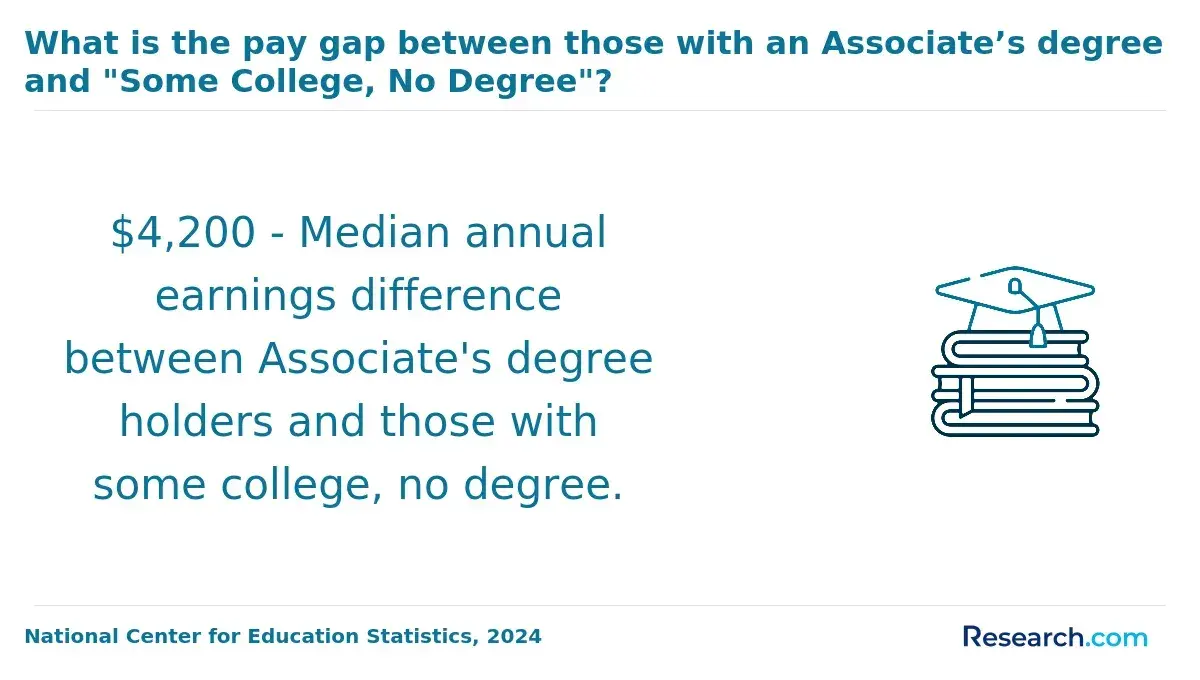
Education requirements for research assistant clinical research coordinator and EEG technician roles vary significantly, shaping career trajectories and employability in neuroscience-related fields. Research assistants generally need a bachelor's degree in neuroscience, biology, psychology, or a related STEM area, often coupled with laboratory experience or coursework in experimental methods. Without a full bachelor's, candidates with only an associate degree or certifications may secure entry-level roles but face limited advancement opportunities.
Clinical research coordinators demand higher qualifications, typically a bachelor's in life sciences, nursing, or healthcare administration. Employers frequently expect certifications such as CCRC, given the role's regulatory complexity and direct patient interactions. The UC Davis Clinical and Translational Science Center 2024 projects an 8-10% growth in clinical research employment, emphasizing the importance of solid educational foundations.
EEG technicians require at least an associate degree in EEG technology or neurodiagnostic technology, often through ABRET-accredited certificate programs. While a bachelor's degree can improve prospects, it is not universally mandatory, making EEG tech roles viable for faster, cost-effective entry. Those comparing degree levels needed for neuroscience research assistant and eeg technician careers should weigh time, cost, and advancement potential carefully.
In practical terms, prospective neuroscience professionals targeting rapid workforce entry might opt for EEG technician pathways at the associate level with certification. Those aiming for coordination roles should prepare for bachelor's studies plus relevant credentials. Meanwhile, research assistant roles provide a middle ground but may require ongoing credential accumulation for upward mobility.
For students seeking accelerated options in biological sciences, exploring accelerated biology degree online programs can offer strategic advantages in aligning educational investment with workforce demands.
Are there specific certifications or licenses needed for clinical research coordinators and EEG technicians?
Certification expectations diverge sharply between clinical research coordinators and EEG technicians, reflecting distinct workforce entry barriers and advancement dynamics. Clinical research coordinators commonly obtain the Certified Clinical Research Coordinator (CCRC) credential from the Association of Clinical Research Professionals (ACRP), which serves less as an entry requirement and more as a lever for promotions and salary increases. For example, credentialed coordinators typically see two to three internal promotions within 7-10 years, each associated with a 20-30% pay rise, provided they maintain ongoing professional development aligned with evolving regulatory standards.
In contrast, EEG technicians face mandatory state licensure or certifications like the Registered EEG Technologist (R.EEG T.) through ABRET in most U.S. jurisdictions. This certification is often a non-negotiable gatekeeper for employment in hospitals and specialized neuroscience clinics, where precision in EEG testing and artifact recognition directly affects patient care quality. Lack of certification restricts job prospects severely, underscoring the legal and clinical necessity of licensure.
The choice between these pathways involves weighing immediate employability against long-term career acceleration. Clinical research roles offer wider setting flexibility-from pharmaceutical firms to academic trials-yet require strategic credentialing within 3-5 years to maximize growth. EEG tech roles demand upfront compliance with regulatory licensure, limiting entry but ensuring a more rigid professional standard.
Key considerations include:
- Certification's impact on salary growth versus mandatory licensure's effect on job eligibility
- The variability of employer expectations depending on institutional setting and state laws
- The importance of continuous education to sustain credentials and marketability

What academic pathways best prepare students for these roles, from associate to graduate study?
Educational pathways in neuroscience-linked roles reflect sharply defined employer expectations shaped by job complexity and responsibility. Research assistants commonly enter with associate's or bachelor's degrees in biology or psychology, adequate for entry-level lab work but limiting upward mobility without further specialization. For example, a research assistant planning to engage in larger clinical trials will confront a ceiling without graduate credentials or focused certifications.
Clinical research coordinators (CRCs) face more demanding prerequisites: a bachelor's in nursing, life sciences, or public health combined with regulatory and trial management knowledge is typically required. Certifications (e.g., CCRC, CRCP) enhance prospects, especially in biotech hubs where salaries surpass national averages by up to 30%. Among CRCs at leading institutions, salaries can exceed $80,000 annually, contrasting with the broader $55,000-$75,000 range.
EEG technicians generally start with associate degrees emphasizing practical training in neurodiagnostic technology. Credentials such as ABRET accreditation boost employability in hospital settings; however, pursuing advanced degrees seldom translates into immediate pay increases. Instead, graduate study better facilitates transitions to complex research or clinical neurophysiology roles.
- Associate degrees enable faster workforce entry but restrict earning potential and career growth.
- Bachelor programs with internships accelerate access to CRC roles in competitive biotech locales.
- Graduate degrees open leadership and interdisciplinary research opportunities, with accompanying salary benefits.
Decisions should balance education costs and timelines against employer demands and realistic job outcomes, recognizing the variable ROI across roles and regions.
How do online neuroscience and clinical research programs compare to campus options for these careers?
Workforce demands in neuroscience research and clinical roles highlight a critical divide between online and campus-based training. Employers prioritize hands-on skills such as protocol adherence, patient interaction, and compliance-components that online programs struggle to replicate fully. For instance, Clinical Research Coordinators must demonstrate practical competence that goes beyond theoretical knowledge, which campus programs deliver through direct lab experience and on-site practicums.
Online programs serve individuals seeking flexible, theoretical foundations without relocation, yet these often require local internships or employer-led training supplements to meet employer expectations. Conversely, campus programs offer immediate access to research centers and healthcare facilities, streamlining entry into technical roles like EEG Technicians and supporting quicker career advancement. Those aiming for specialized positions or managerial roles benefit from the networking and mentorship available on campus.
Practical tradeoffs include:
- Campus training provides standardized experiential learning critical for compliance-heavy neuroscience roles.
- Online options suit working professionals but risk gaps in applied skills that can hinder employability and salary growth.
- The median Clinical Research Coordinator wage was about $30/hour, reflecting the premium placed on practical capability across 1,129 recent U.S. job postings.
Evaluating these options requires balancing the immediate flexibility of online study against the long-term value of immersive, hands-on experience-factors that significantly affect career trajectories and earnings potential in neuroscience research fields.
What core courses and clinical experiences will you complete to qualify for each role?
Deciding between Research Assistant, Clinical Research Coordinator (CRC), or EEG Technician roles requires recognizing critical differences in training and workplace expectations. Research Assistants focus on foundational biology, psychology, statistics, and research methods, emphasizing lab-based experimentation without direct patient contact. This pathway suits those targeting data-driven research environments but lacks exposure to clinical trial complexities or patient-facing responsibilities.
In contrast, CRCs demand advanced knowledge of clinical trial regulations, bioethics, and data management, coupled with practical experience in patient recruitment and monitoring. Notably, workforce data shows site-based CRC turnover rates exceed 20%, primarily due to workload pressure and compensation dissatisfaction. Educational programs now prioritize regulatory compliance and workload management to address these retention challenges. Internships at active trial sites are often mandatory, exposing candidates to FDA and IRB processes essential for operational readiness.
EEG Technicians diverge further by specializing in neurophysiology and instrumentation, requiring hands-on patient care during diagnostic recording. Certification hinges on accredited clinical practicums under neurologist supervision, with a focus on electrode placement and signal interpretation. This role demands steady patient interaction, contrasting with research-centric positions.
Choosing among these roles means weighing clinical exposure, technical skills, and job stability against career goals. Real-world hiring favors CRCs and EEG Technicians with direct patient and regulatory experience, while Research Assistants must compensate with quantitative expertise.
How can you advance from entry-level assistant or technician roles into higher-paying neuroscience positions?
Progression from entry-level assistant or technician roles into better-compensated neuroscience positions hinges heavily on acquiring targeted credentials alongside relevant experience. Clinical research assistants who attain recognized certifications can expect a 30-50% salary increase-rising to $60,000-$78,000 by years three to five-compared with initial salaries around $42,000-$50,000, according to recent industry data.
For entry-level EEG technicians targeting research coordinator roles, additional education in neurophysiology, clinical trial design, or data management is often essential. Employers emphasize practical knowledge in regulatory compliance, protocol development, and data reporting, making incremental certification or specialized neurodiagnostics training essential for upward mobility.
Job seekers must weigh the tradeoff between maintaining full-time employment and investing time and funds into certification. Employer-supported or part-time programs reduce disruption but demand disciplined scheduling. Prioritizing credentials endorsed by institutional employers, such as those from the Association of Clinical Research Professionals, optimizes labor market value.
Advancement frequently depends on demonstrable project leadership and compliance expertise. For example, a research assistant overseeing monitoring for a complex NIH-funded neurodegenerative study with relevant certifications gains a substantial promotion advantage. Engaging with research networks and internal training further boosts prospects for supervisory neuroscience roles.
What should students look for in an accredited, reputable program leading to these careers?
Accreditation by recognized bodies such as CCNE or AARC is a non-negotiable criterion for programs targeting employment in clinical research or EEG technology fields, because many employers and clinical sites mandate verified compliance with federal and state standards before hiring. Candidates emerging from unaccredited programs often face significant hurdles in securing roles like research assistants or clinical research coordinators, where educational verification impacts eligibility.
Hands-on clinical and research training embedded within the curriculum is essential. UC Davis CTSC data shows that early experience as a clinical research assistant or coordinator can lead to six-figure Clinical Research Associate roles within 5-7 years. This trajectory requires familiarity with regulatory compliance, patient interaction, and interdisciplinary communication gained through immersive internships or practicums.
Preparation for credentialing exams such as the CCRC or EEG technologist certifications is a practical necessity rather than optional. Programs that ignore certification readiness limit graduates' marketability. Mastery of data management, regulatory affairs, and study design fundamentals also distinguishes applicants targeting competitive roles in neuroscience and clinical research.
Finally, proven program ties to respected research institutions enhance networking and job placement. For example, partnerships with neuroscience-focused centers enable access to professional pipelines unavailable to more generic healthcare programs. Balancing program rigor, scheduling flexibility, and cost remains critical, especially for students juggling employment and personal commitments.
Other Things You Should Know About Neuroscience
In 2027, salary differences show that Clinical Research Coordinators tend to earn the highest, averaging $68,000 per year. EEG Technicians typically earn about $52,000 annually, while Research Assistants often make around $46,000 per year, reflecting their varying responsibilities and expertise levels.
Promotion pathways differ markedly. Clinical research coordinators have clearer advancement routes into lead coordinator or project manager roles, supported by clinical trial experience and certification. Research assistants face limited upward mobility without additional education, often needing a bachelor's or graduate degree to move into senior research roles. EEG technicians can advance by specializing in pediatric or neurodiagnostic areas but generally need certification and continuing education to access higher-paying positions. Prioritize clinical research coordination if structured promotion is a key factor in your decision.
Employers demand proficiency in data management software, understanding of regulatory standards like IRB compliance, and strong communication skills for coordination roles. For EEG technicians, hands-on experience with EEG machines and patient interaction is critical, sometimes outweighing formal degrees. Research assistants must demonstrate laboratory techniques and familiarity with experimental protocols. Candidates who acquire internship or on-the-job training experience before job searching have a significant advantage in securing positions with competitive salaries and responsibilities.
Geographic location heavily influences salary, cost of living, and available advancement in neuroscience roles. Urban centers often offer higher pay and more research facilities but come with higher living costs and increased competition. Rural areas may have fewer positions and promotion opportunities but better work-life balance. When aiming for long-term career growth, prioritize locations with dense healthcare or research clusters to access networking and advancement, even if initial pay is moderate.
References
- Explore 7 Groups of High-Demand Careers for Today's Students https://www.standrewsgreenvalley.com/future-careers-for-students/
- How Associate Degree Programs Prepare Students for Workforce Success https://mariacollege.edu/blog/how-associate-degree-programs-prepare-students-for-workforce-success
- Career Pathways: A Strategy to Boost College Completion and Economic Mobility | MDRC https://www.mdrc.org/work/publications/career-pathways-strategy-boost-college-completion-and-economic-mobility
- How Graduate Programmes Bridge the Gap Between Education and Real-World Skills - ICDL Global https://icdl.org/how-graduate-programmes-bridge-the-gap-between-education-and-real-world-skills/
- Why Clinical Experience Matters and How to Get It https://studymedic.com/blog/why-clinical-experience-matters-and-how-to-get-it/
- How to Choose the Best Career to Study: A Practical Guide for Future Students https://urbeuniversity.edu/blog/how-to-choose-the-best-career-to-study-a-practical-guide-for-future-students
- Neuroscience Degree Salary https://www.collegehelpguide.com/degrees/neuroscience/salary/
- How to Become a Clinical Research Coordinator or Trial Manager https://www.mhaonline.com/faq/how-do-i-become-a-clinical-research-coordinator
- Careers in Neuroscience - Thiel College https://www.thiel.edu/academics/departments/neuroscience/neuroscience-alumni-careers
- Clinical Research Coordinator Salary Overview | CCRPS https://ccrps.org/clinical-research-blog/clinical-research-coordinator-salary-how-much-do-they-make