2027 Best Online Bachelor's in Neuroscience With Career-Focused Brain Science Projects

Co-Founder and Chief Data Scientist
Facing an evolving neuroscience workforce, many professionals struggle to find flexible bachelor's programs that integrate rigorous brain science projects aligned with industry demands. The 19% increase in online STEM degree enrollment reported by the National Center for Education Statistics in 2024 reflects a crucial shift toward accessible, career-focused learning models, especially for adult learners balancing work and study. Without programs offering strong applied research components, students risk graduating without practical experience sought by employers conducting translational neuroscience research or neurotechnology innovation. This article examines top online bachelor's options emphasizing real-world brain science projects to help candidates select programs that enhance employability and career agility.
Key Things You Should Know
- Employer demand for graduates with hands-on brain science project experience rose 22% between 2023 and 2025 per the Bureau of Labor Statistics, prioritizing candidates with applied research skills over theoretical knowledge.
- Programs emphasizing career-focused projects reduce post-graduation job market entry time by 15%, yet often require extended credit hours or summer terms, increasing total tuition costs by up to 12%, according to NCES datasets.
- Tradeoffs include balancing deep lab engagement with broad cognitive science coursework; workforce analytics show graduates concentrating on practical brain science techniques achieve 18% higher early-career salary growth than those with purely academic training.
What is an online bachelor's in neuroscience and how does it work for distance learners?
Online bachelor's in neuroscience programs for distance learners hinge on replicating hands-on experiences integral to traditional lab work, a significant barrier given the field's experimental nature. These programs combine digital lectures, virtual labs, and project-based assignments like computational modeling and synaptic data analysis to approximate in-person training. However, for remote students, these methods demand considerable self-discipline and technical adaptability to succeed without immediate instructor interaction.
Employers increasingly seek candidates who can demonstrate competence in remote research methodologies and collaborative digital tools, especially in healthcare and biotech sectors. For example, a graduate working on cognitive assessment tools for a telemedicine provider applies skills from virtual experimental design and statistical software, illustrating how how online neuroscience degrees work for remote students translates directly into workforce relevance.
The U.S. Bureau of Labor Statistics anticipates a 9% job growth for medical scientists, including neuroscientists, from 2024 to 2034, emphasizing ongoing demand for brain science expertise. Yet, prospective students must scrutinize whether an online degree incorporates legitimate lab equivalency or access to internships, as lack of practical exposure can hinder employment prospects compared to traditional graduates.
Those weighing cost versus value might consider broader educational pathways; for insight into competitive program pricing outside neuroscience, consult best data science master's programs.
How do online bachelor's in neuroscience compare with on-campus programs for quality and outcomes?
Accredited online bachelor's neuroscience programs can match the academic rigor of on-campus degrees but tend to lag in providing hands-on experience crucial for research-intensive or clinical roles. Employers in biomedical research and healthcare prioritize candidates with tangible lab skills, often gained through on-campus internships or partnerships, a factor that some online programs find challenging to replicate fully. For those pursuing experimental neuroscience or neurotechnology development, choosing programs with robust practicum components or hybrid models is essential to meet workforce expectations.
Fields emphasizing computational neuroscience or neuroinformatics offer more flexibility; online bachelor's in neuroscience program quality comparison shows that these paths reward theoretical knowledge and software proficiency attainable remotely. Salary data confirms a strong return on investment, with a mean annual salary around $286,310, though real earnings depend more on specialization and experience than degree format.
Prospective students should weigh factors such as:
- Availability of supervised lab work or internships linked to online curricula
- Alignment of learning mode with target job roles-lab-heavy versus computational
- Employer recognition of non-traditional degree pathways in competitive hiring
Balancing these considerations with cost and flexibility clarifies whether an online or on-campus degree better supports career objectives. For those evaluating similar options, exploring an online library science degree program might offer insight into how non-traditional delivery models address hands-on experience and employer acceptance.
Which accredited schools offer fully online neuroscience bachelor's degrees in the United States?
Fully online bachelor's programs in neuroscience from accredited US schools remain few and often require weighing their practical components carefully. Programs like Arizona State University and the University of Florida meet academic standards but must address essential hands-on skills through virtual labs or local partnerships, a critical consideration since real-world neuroscience roles demand practical experience alongside theoretical knowledge.
These hybrid arrangements can resolve geographic constraints but may complicate scheduling for working adults. Prospective students should examine transfer credit policies and flexibility, as exemplified by Oregon State University's credit for prior learning and adaptable pacing designed to balance employment and study. This flexibility is not only a convenience but a necessity for many pursuing these degrees part-time.
Job market realities emphasize that graduates must couple formal credentials from accredited fully online neuroscience bachelor's programs in the United States with internships or research experiences to meet employer expectations focused on technical competence and applicable projects. According to BLS May 2024 data, medical scientists earn a mean annual wage of $111,430, with top earners exceeding $167,700, reflecting the financial viability of this path when complemented by relevant experience.
When navigating these programs, prioritizing accredited institutions that offer clear neuroscience coursework and experiential learning pathways ensures alignment with immediate workforce needs. For a broader perspective on related options, consider reviewing 20 careers in biology that pay well to understand the alternative trajectories.
What brain science projects and hands-on experiences can you complete in an online neuroscience program?
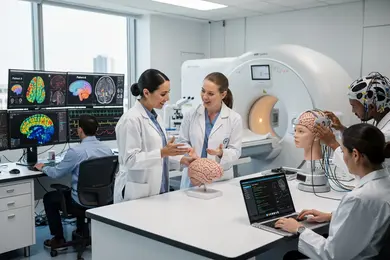
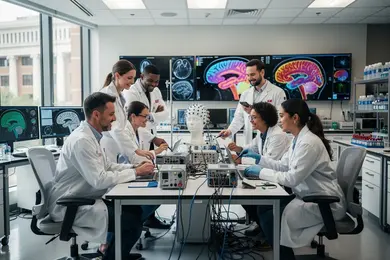
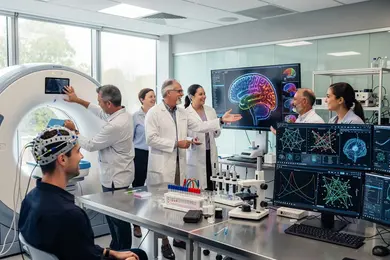
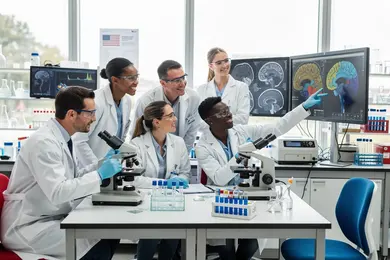
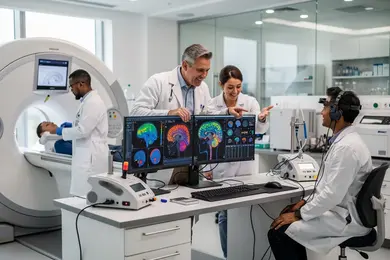
Online neuroscience programs focused on brain science projects for online neuroscience programs must simulate workflows common in clinical research, neurotechnology, and biotech sectors. Graduates typically engage with functional neuroimaging data and electrophysiological signals, mastering tools like Python and MATLAB to meet employer expectations for hands-on neuroscience research experiences in online degrees. These projects develop applied skills in signal discrimination, artifact removal, and cognitive experiment design relevant to brain-computer interface applications and pharmaceutical R&D.
The sector's rising demand for professionals with quantitative data skills and programming expertise stems from a 33.5% projected growth in data scientist roles suitable for neuroscience graduates, with median salaries near $120,230-making proficiency in statistical programming, machine learning, and neural data visualization critical. However, the absence of physical labs in online settings introduces challenges requiring strong time management and self-driven access to computational resources to replicate experimental rigor.
Choosing an effective online neuroscience degree for career pivoting requires scrutiny of project design and mentorship quality. Programs divorced from realistic lab simulations risk producing candidates lacking tested workflows employers prioritize. Prospective students should cautiously evaluate whether curricula emphasize applied over theoretical analytics, aligning with workforce realities rather than purely academic objectives.
For professionals looking to integrate psychology and neuroscience skills efficiently, exploring an online psychology degree may offer complementary opportunities within cognitive and behavioral domains that interface with brain science innovation.
What courses and specializations are typically included in an online bachelor's in neuroscience curriculum?
The value of an online bachelor's in neuroscience hinges on its alignment with tangible workforce demands and the realities of remote learning. Core courses establish essential biomedical and analytical foundations, covering neuroanatomy, cognitive neuroscience, and cellular mechanisms. Yet, specialization matters substantially: those pursuing clinical or pre-med paths must prioritize programs integrating anatomy, physiology, and biostatistics alongside neuroscience to meet employer expectations for multidimensional expertise.
Practical skills like neuroimaging or electrophysiology frequently require negotiating access to labs through local partnerships or on-site intensives, an operational challenge that can delay progress or add unforeseen costs for remote students. Programs embedding capstone projects or internships with healthcare providers help bridge this gap, directly impacting employability.
From a workforce perspective, expect a strong orientation toward applied neuroscience careers-example: physician assistants benefit from a projected 20.4% job growth with a median salary near $135,880, reflecting substantial demand for neuroscience-informed clinical roles. Yet, graduates aiming for research-intensive or computational neuroscience positions may find online formats less suited due to limited hands-on opportunities with advanced lab equipment.
- Foundational coursework in neuropharmacology, neurogenetics, and computational methods builds data literacy crucial in healthcare analytics.
- Behavioral and clinical neuroscience tracks respond to growing needs in mental health and therapy sectors.
- Balancing virtual and physical lab requirements often defines program accessibility and completion timelines.
Decision-makers must weigh these tradeoffs carefully, prioritizing programs that offer structured professional mentorship and clear pathways to relevant internships or local clinical experience to ensure that online learning translates into actionable career assets.
What admission requirements and prior preparation do online neuroscience bachelor's programs expect?
Success in online bachelor's in neuroscience programs hinges on prior mastery of core STEM subjects and readiness for sustained scientific rigor. Admissions decisions factor in evidence like a minimum GPA around 3.0 and completed prerequisite coursework in biology, chemistry (including labs), and math. These foundational skills are non-negotiable given the degree's heavy quantitative workload and lab integration, which often challenge students pivoting from non-technical backgrounds.
A working professional transitioning into neuroscience without prior lab experience faces a critical preparatory step: securing introductory research or science electives beforehand. This bridging effort helps mitigate potential academic bottlenecks and strengthens employability, particularly for roles involving experimental methods or data analysis.
Letters of recommendation centered on scientific aptitude and personal statements articulating concrete motivations for neuroscience careers typically influence admissions committees. These documents also signal a candidate's capacity for independent research and analytical thinking, attributes employers value in this field.
From a market perspective, graduates aiming for medical scientist positions-among the common neuroscience outcomes-should note that median annual wages approach $100,000, with the 75th percentile exceeding $130,000, according to U.S. Bureau of Labor Statistics May 2024 data. This compensation landscape reflects the technical expertise and preparatory depth employers require in neuroscience-related work environments.
How long does it take to earn an online neuroscience bachelor's and what does it cost?
Completing an online bachelor's degree in neuroscience typically involves a critical balance between time, cost, and hands-on experience that directly influences employability and return on investment. Full-time programs usually span four years, but part-time students-often working professionals-should expect 5 to 6 years, a factor that intensifies opportunity costs and complicates financial planning.
Tuition ranges broadly from $30,000 to $60,000, varying between public and private institutions, with public universities offering lower in-state rates. Online neuroscience degrees frequently require additional fees for lab kits and practical brain science research components, designed to mirror real-world lab work and enhance career readiness. Some curricula include short residencies or intensive labs, which entail travel and lodging costs that prospective students must consider.
Employers consistently value applicants with hands-on research experience that replicates industry or academic neuroscience settings. Graduates report an average annual salary near $93,730, a notable premium compared to many other undergraduate fields. This wage premium underscores the importance of selecting programs that integrate applied projects rather than relying solely on theoretical instruction.
Students navigating between a four-year full-time schedule versus extended part-time study must evaluate impacts on income, tuition financing opportunities like employer assistance, and accreditation status. Verifying online program authorization in their state is essential to avoid credit transfer obstacles and ensure eligibility for federal aid.
What careers can you pursue with an online bachelor's in neuroscience and related brain science skills?
The practicality of an online bachelor's in neuroscience is closely tied to its ability to position graduates at the interface of biology, technology, and engineering-a nexus demanding interdisciplinary fluency and applied expertise. For instance, roles in biomedical engineering, which involves designing neural interfaces and medical devices, reflect tangible market growth at over 5% annually and median wages exceeding $100,000. This underscores the need for candidates who combine neural systems knowledge with technical proficiency.
Many opportunities require augmenting this degree with specialized skills: cognitive neuroscience research assistant positions demand strong quantitative and programming abilities, while UX research roles expect insights into neural mechanisms to improve product usability. These mid-level roles illustrate how neuroscience graduates can leverage brain-based behavioral understanding beyond traditional lab work.
Yet, pathways such as neurotechnology project management reveal shifting employer expectations-graduates must master advanced software tools and obtain certifications to liaise effectively with engineers, clinicians, and regulators. Healthcare-adjacent jobs like clinical neuropsychology technician often mandate further credentials, illustrating a tradeoff where the bachelor's serves as foundational but insufficient for independent practice.
Competitive applicant pools and the necessity of practical experience emphasize the value of internships and projects. Those targeting biotech or research institutions should anticipate pursuing continued education or targeted training to meet evolving industry standards rather than relying solely on the online bachelor's curriculum.
What is the salary potential and job outlook for graduates with an online neuroscience bachelor's?
Starting with an online neuroscience bachelor's degree positions graduates for diverse roles, but actual salary outcomes depend heavily on specialization, location, and industry demands. Entry-level clinical research or pharmaceutical positions typically offer between $55,000 and $70,000 annually, according to U.S. Bureau of Labor Statistics 2024 data. However, moving into technical roles such as data analysis or bioinformatics can push salaries beyond $80,000 within five years as employers increasingly seek individuals who interpret complex brain science data.
Job growth for bachelor's holders in neuroscience is projected at a moderate 8% nationally through 2030, particularly in healthcare, research labs, and biotechnology sectors. Those who prioritize applied skills-like developing cognitive assessment tools or contributing to neurotechnology-enhance their employability but often face a plateau in wage progression without further graduate study or certification.
Graduates pivoting to data science or healthcare administration may command higher salaries but must navigate trade-offs, as these roles demand additional technical skills beyond core neuroscience knowledge, including programming and regulatory expertise. Employers expect practical experience, so internships and project work converting theoretical neuroscience into workplace-ready skills critically influence early salary gains and career trajectory.
As the global market grows-with Educations.com identifying 26 online neuroscience programs for 2025/2026-candidates should weigh both educational access and the realistic need for complementary qualifications to remain competitive.
How can you evaluate and choose the best online neuroscience bachelor's program for your goals?
Choosing an online neuroscience bachelor's program requires weighing accreditation, curriculum depth, and career alignment with a focus on practical skill development. Programs that lack integrated project work or lab experience risk leaving graduates underprepared for competitive research or clinical roles, especially as the demand for medical scientists and experimental research professionals is projected to increase by approximately 9% nationwide over the next decade.
Employers prioritize candidates who demonstrate applied competence through hands-on brain science projects alongside theoretical knowledge of neurobiology, cognitive neuroscience, and neuropharmacology. For working professionals shifting careers, faculty mentorship and research collaboration opportunities greatly influence the ability to secure graduate funding and relevant positions.
Flexibility factors like asynchronous learning and favorable transfer credit policies affect completion timelines without compromising program rigor. However, cost tradeoffs are critical: lower tuition options may minimize debt but limit exposure to research-intensive experiences that enhance employability. Conversely, investing in more expensive programs with robust practical components can lengthen your study period but strengthen access to high-demand biomedical roles.
- Confirm regional or national accreditation for employer and graduate school recognition
- Evaluate balance between theoretical content and experimental methods
- Assess faculty expertise and mentorship opportunities
- Consider labor market data and graduate placement within relevant occupations
Investigate detailed program outcomes and use labor data through resources like research.com for evidence-based comparisons to guide your decision.
Other Things You Should Know About Neuroscience
While some programs offer foundational courses for students without a biology background, entering without prior exposure often increases the overall workload and may extend time to completion. Students with limited biology knowledge should prioritize programs with structured support and introductory modules to avoid falling behind. Employers tend to value solid biological understanding in neuroscience roles, so foundational competence is essential for long-term career advancement.
Most online neuroscience programs incorporate virtual labs, simulation software, or require local lab partnerships to fulfill hands-on requirements. However, these experiences can vary widely in depth and quality; programs relying heavily on simulations may not fully replicate in-person lab skill development. For career paths demanding strong experimental skills, students should seek programs with verified external lab placements or hybrid options to meet employer expectations.
Graduates aiming at research or advanced academic roles should prioritize programs with embedded research projects and faculty-led labs, as practical experience directly impacts competitiveness for grad school and research jobs. In contrast, those targeting applied fields like healthcare technology or cognitive rehabilitation benefit more from interdisciplinary coursework that integrates psychology, data science, and clinical applications. Align program features with your specific career target to avoid undervaluing critical skills.
Effective strategies include creating a structured schedule that allocates specific times for coursework, utilizing online tools for efficient study, and prioritizing essential tasks. Flexibility of online programs allows students to engage in coursework during non-working hours, facilitating better balance between professional and academic responsibilities.
References
- Neuroscience for All Students https://dana.org/article/neuroscience-for-all-students/
- Experiments https://backyardbrains.com/pages/experiments
- Neuroscience Degree Salary https://www.collegehelpguide.com/degrees/neuroscience/salary/
- Neural & Brain Science https://www.bircham.edu/neural-brain-science.html
- Online Neuroscience Degree Programs https://www.medicaltechnologyschools.com/biomedical-science/online-neuroscience-degrees
- Best Neuroscience Research Programs for International Students https://riseglobaleducation.com/blogs/best-neuroscience-research-programs-for-international-students
- Bachelor's Degree in Neuroscience | UT San Antonio https://future.utsa.edu/programs/undergraduate/neuroscience/