2027 Neuroscience Specializations for Biotechnology Careers

Co-Founder and Chief Data Scientist
Mid-career professionals in neuroscience face a mounting challenge: identifying specializations that align with evolving biotech demands while balancing flexibility and accelerated entry into the workforce. As reported by the U. S. Department of Education, enrollments in online graduate STEM programs surged by 18% in 2024, indicating a critical shift toward accessible education that accommodates working adults. This trend reflects widening recognition of diverse student obligations and employer preferences for skill-specific expertise over generalized credentials.
For those navigating this landscape, selecting a neuroscience specialization that optimizes practical skill application, industry relevance, and advancement potential is essential. This article examines leading neuroscience specializations tailored to biotechnology careers, offering actionable guidance to resolve these strategic educational decisions.
Key Things You Should Know
- Neuroscience molecular specialization offers 15% higher entry salaries but requires 2 additional years of lab experience, delaying workforce entry and impacting long-term earning trajectories per NSF workforce surveys, 2024.
- Employers prioritize computational neuroscience skills with 67% of biotech firms seeking expertise in neural data analytics, indicating a market shift that devalues purely experimental track backgrounds according to BioIndustry Association reports, 2024.
- Access to interdisciplinary programs integrating neuroengineering remains geographically constrained, limiting 40% of U.S. candidates and necessitating relocation or remote learning tradeoffs that affect practical skill acquisition, per NCES enrollment data, 2024.
What are the main neuroscience specializations that align with biotechnology careers?
Neuroscience specializations with the highest alignment to biotechnology career paths show distinct hiring demands and skill expectations. Neuropharmacology dominates pharmaceutical R&D recruitment, driven by CNS drug pipelines comprising 16.6% of global research and development efforts, with over 2,900 agents in neurology and psychiatry advancing toward approval. This specialization requires expertise in drug mechanism analysis and biomarker identification.
Neurogenetics, increasingly critical in precision medicine, supports biotech ventures developing targeted gene therapies. However, it demands advanced laboratory experience in CRISPR, epigenetics, and genome-wide association studies, positioning candidates for specialized roles rather than volume hiring. This reflects a tradeoff between breakthrough potential and practical accessibility.
Neuroinformatics addresses biotech needs for processing complex neural data and predictive modeling. Mastery of machine learning and computational neuroscience is essential for candidates aiming at data-driven biotech roles. Meanwhile, neuroengineering serves professionals developing neural implants and biosensors, blending bioelectronics and materials science to advance medical device innovation.
Successfully choosing among these neuroscience specializations for biotechnology career paths entails matching skill sets to market realities:
- Neuropharmacology offers broad hiring but hinges on pharmaceutical expertise.
- Neurogenetics suits research-intensive roles with steep technical prerequisites.
- Neuroinformatics rewards computational proficiency and pipeline optimization.
- Neuroengineering fits those interested in device-centric development.
Prospective students should weigh these factors carefully, considering practical outcomes and alignment with workforce demand rather than generic educational appeal. For those exploring related options outside neuroscience, a geology online degree represents a distinct pathway with different industry dynamics and skill requirements.
How does a neuroscience degree support career paths in the biotech industry?
A neuroscience degree offers technical advantages for biotech roles by providing specialized skills in brain function analysis and neuroimaging modalities like MRI and PET. These techniques are pivotal in a neurotechnology sector expected to grow to $25.2 billion by 2030. However, career opportunities with a neuroscience background in biotechnology depend heavily on acquiring supplementary skills such as coding (Python, MATLAB), machine learning fundamentals, and regulatory familiarity, especially with FDA procedures.
For example, a professional adept in neuroscience can accelerate the incorporation of neuroimaging data into clinical trials, improving device sensitivity beyond baseline engineering efforts. Yet, without these interdisciplinary capabilities, candidates often remain confined to entry-level research positions rather than advancing into product development or leadership roles.
Graduates face challenges translating academic findings into scalable applications, demanding effective cross-disciplinary collaboration with engineers, data scientists, and clinicians. Strong communication skills enabling clear articulation of complex neural mechanisms within teams are crucial for sustainable career progress.
This nuanced pathway highlights a tradeoff: rigorous neuroscience training must be deliberately combined with practical biotech competencies to meet employer expectations and remain competitive. Students assessing this route should consider how to integrate these skills, as narrowly focused neuroscience profiles will see limited growth prospects.
Additionally, for those exploring alternatives or complementary fields, programs such as the best online exercise science degree may offer valuable interdisciplinary entry points into health sciences sectors adjacent to neuroscience.

Which neuroscience specialization offers the strongest salary potential in biotechnology roles?
Computational and theoretical neuroscience roles integrating AI and machine learning rank among the neuroscience specializations with highest salary in biotechnology due to their direct impact on biotech innovation. This specialization demands advanced skills in programming languages like Python or R, statistical analysis, and familiarity with AI frameworks-competencies not typically emphasized in traditional wet-lab neuroscience paths.
Employers in the biotechnology sector prioritize candidates capable of translating complex neural signals into practical applications such as neural prosthetics, drug discovery algorithms, and diagnostic tools. Specialists in these areas can earn 20% to 35% more than lab-focused peers, particularly within neuropharmaceutical companies where designing predictive algorithms is crucial.
However, pursuing this path requires substantial investment in computational training and applied mathematics, posing challenges for those without strong coding or quantitative backgrounds. Workforce realities underscore the need for targeted education combining neural engineering with hands-on AI projects, a combination lacking in many graduate programs but essential for securing roles in top paying neuroscience careers in biotechnology sector.
Students considering this pivot must evaluate programs with robust industry connections and practical data science training. Candidates aiming to build these skills may also explore computer science degrees as complementary qualifications to strengthen their market readiness.
What undergraduate and graduate degree pathways prepare you for neuroscience-biotech careers?
Choosing an undergraduate degree in neuroscience, biomedical engineering, or molecular biology shapes workforce readiness but also imposes significant tradeoffs. Graduates who combine biology, chemistry, and engineering acquire technical skills suited for roles in neurotech product development, research, or clinical application, especially as the brain-computer interface (BCI) market grows rapidly from $3.1 billion in 2024 to an expected $9.3 billion by 2032.
However, targeting research-intensive roles with only an undergraduate credential often results in limited lab experience, constraining employability. This tension highlights why selecting programs with interdisciplinary coursework and real-world project components is crucial for career durability within the best academic pathways for neuroscience careers in biotechnology.
Graduate programs-master's or PhDs in neuroscience, neural engineering, or computational neuroscience-offer an evident edge for hands-on experience with neurotech devices or AI modeling, often prerequisites for experimental design or advanced neuroimaging positions.
Mid-career professionals may balance time and skill development by pursuing engineering master's degrees with neurotechnology focuses that provide practical upskilling without a full doctoral commitment. Students should critically evaluate the extent to which programs integrate translational projects and startups or clinical trials collaborations to avoid excessive specialization leading to narrow skillsets.
Prospective students also face logistic and timeline concerns; those seeking accelerated options might explore a fast track psychology degree as one alternative within neuroscience-related disciplines to mitigate opportunity costs. Assessing programs through the lens of real workforce demands and interdisciplinary skill applications better informs decisions than credential prestige alone.
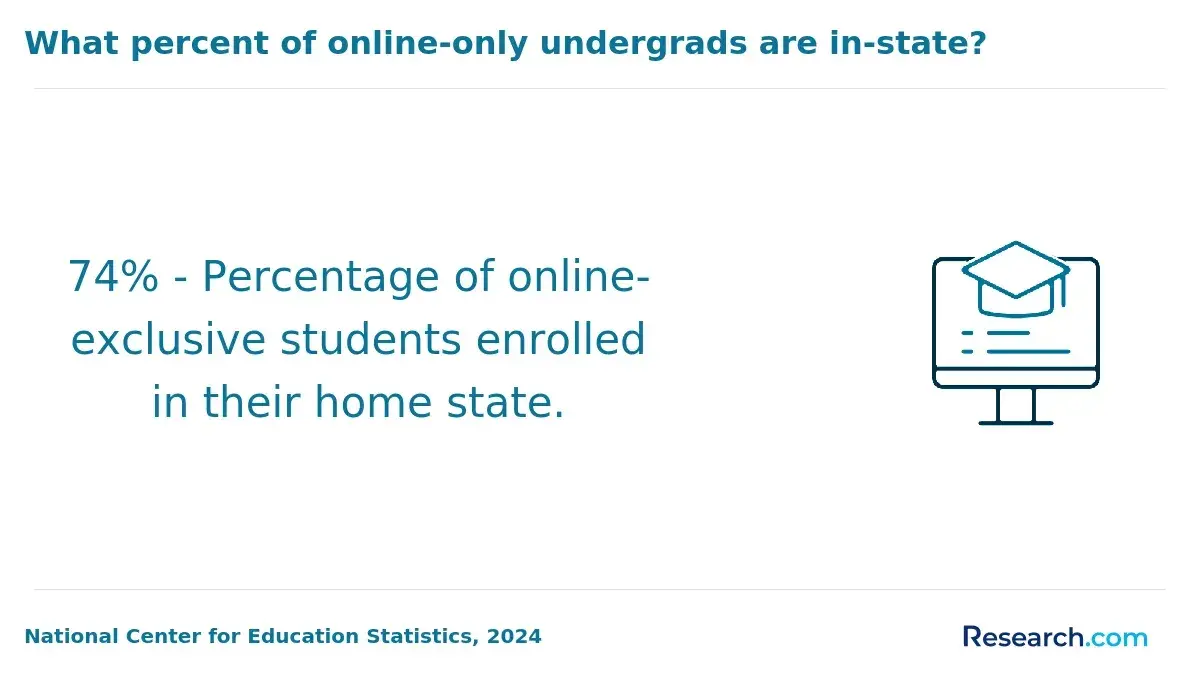
How do online neuroscience programs for biotech compare to campus-based options?
Choosing between online and campus-based neuroscience programs for biotech hinges on the balance between practical skill acquisition and flexibility. Employers in gene and cell therapy increasingly demand candidates with hands-on expertise in complex experimental protocols, which online programs struggle to offer due to limited lab access. With over 150 active neurodegenerative disease programs globally by late 2024, this gap can significantly affect employability in research-driven roles.
Campus programs offer direct mentorship, advanced instrumentation, and immersive collaboration critical for mastering biologics and regenerative neuroscience techniques. In contrast, online students often face difficulty obtaining equivalent lab experiences, especially internships tied to Alzheimer's or Parkinson's drug development. However, asynchronous online formats suit professionals needing to maintain employment while upskilling, sometimes supplemented by hybrid models with regional lab access.
Practical decision-making involves weighing short-term constraints against workforce entry demands. For instance, a biotech analyst upgrading theoretical knowledge online will typically require post-graduate apprenticeships to qualify for neurodegenerative R&D jobs. Meanwhile, full-time campus students benefit from structured networking, hands-on projects, and proximity to industry employers.
Key considerations include:
- Campus programs for roles demanding rigorous experimental proficiency, such as cellular assay development.
- Online tracks for computational neuroscience, data analysis, or regulatory affairs paired with targeted lab training.
- The necessity of combining online theory with practical, post-program experience to bridge employability gaps.
What core courses and lab experiences are essential in neuroscience-biotech specializations?
Focusing on neuroscience-biotech education without understanding employer expectations in neuroimmunology can hinder job prospects, especially in drug development roles influenced by a projected increase in the multiple sclerosis therapeutics market from $26.1 billion in 2024 to $35.5 billion by 2031 at a 4.5% CAGR. Core courses like cellular and molecular neuroscience, neuroanatomy, neurophysiology, and neuropharmacology are foundational, but programs that ignore the immune-CNS interaction risk leaving students unprepared for industry demands.
Practical lab work must extend beyond standard protocols to include immunohistochemistry, patch-clamp electrophysiology, flow cytometry, and high-throughput sequencing techniques. Incorporating CRISPR gene editing and computational neuroscience tools is increasingly essential for precision medicine development. Candidates unable to merge wet-lab skills with bioinformatics frequently struggle to contribute effectively in translational biotech environments.
Real-world biotech settings require familiarity with the pharmaceutical pipeline-target validation through preclinical testing-and regulatory standards affecting reproducibility. Students missing co-op or industry internship experiences often face steeper learning curves post-graduation. Prioritizing such immersive opportunities aligns education with the evolving neurotherapeutics market, enhancing workforce readiness for roles demanding both technical depth and interdisciplinary agility.
What admission requirements and prerequisites do U.S. neuroscience-biotech programs typically expect?
Admission into U.S. neuroscience-biotech programs hinges on a blend of academic rigor and industry-relevant experience, often creating barriers for candidates pivoting from less quantitative or lab-intensive backgrounds. Programs mandate foundational coursework in molecular biology, organic chemistry, calculus, and statistics, with GPA expectations typically above 3.0, rising to 3.5 or more for top-tier institutions.
The diminished emphasis on GRE scores shifts focus toward demonstrable laboratory skills and prior biotech or biomedical research roles, which significantly impact employability-especially given the growing $14.9 billion autism spectrum disorder therapeutics market projected through 2032 at an 8.9% CAGR according to Precedence Research.
Applicants lacking direct prerequisites, such as those moving from psychology, often face extended timelines due to mandatory bridge courses in chemistry and programming. This tradeoff delays labor market entry and raises overall cost, forcing candidates to weigh accelerated entry against comprehensive preparation. Conditional admissions exist but similarly prolong completion.
Beyond coursework, programs frequently require alignment of career goals emphasizing the convergence of neuroscience and precision medicine, reflecting employer demands for integrated expertise in neurodevelopmental disorder diagnostics and therapeutics.
Practitioners evaluating this path should prioritize internships and applied research experience to complement academic credentials. Verifying institution-specific prerequisites is essential, as overlooked gaps can necessitate additional preparatory coursework, thereby affecting total investment and time to degree completion.
How can students verify accreditation and program quality for neuroscience-biotech degrees?
Accreditation is non-negotiable when assessing neuroscience-biotech programs; regional recognition from the U.S. Department of Education or the Council for Higher Education Accreditation is baseline, but specialized credentials-such as ABET accreditation or programmatic review by the Society for Neuroscience-signal curriculum alignment with industry standards. Employers in biotechnology prioritize graduates from programs demonstrating rigorous academic and applied training validated by these bodies.
The real-world impact of program quality becomes apparent through outcomes like graduate placement, research engagement, and industry collaborations. For instance, a neuroscience program partnered with neuroinformatics-focused medical research institutions connects students to sectors where healthcare AI is expanding at a CAGR near 30%, a growth trend supported by Polaris Market Research data projecting the market jump from $19.3 billion to $148.4 billion by 2032. This linkage translates into meaningful biotech employment opportunities involving brain data analytics.
Faculty expertise tied to active grants and research outputs in neuroinformatics and bioinformatics reflects a program's capacity to embed hands-on experience essential for navigating AI-driven healthcare roles. Prospective students should leverage resources like the College Scorecard to verify specific employment and salary outcomes, as these provide evidence beyond promotional claims.
Curricula must integrate strong computational training with biological sciences to prepare graduates for evolving market demands. Comparing employer feedback and placement data helps identify whether a program cultivates skills suited for innovation-driven biotech roles versus more traditional academic or clinical tracks.
Finally, logistical factors such as transfer credit acceptance and online program legitimacy should not be overlooked. Direct consultation with accrediting agencies to confirm transparent accreditation status avoids credential recognition issues that could hinder long-term career mobility.
What are the key job roles, employers, and work settings for neuroscience-biotech graduates?
Graduates in neuroscience-biotech often encounter a professional landscape defined by specialized roles that merge engineering, biology, and regulatory knowledge. Positions such as neural engineer, clinical trial coordinator, and neuroinformatics specialist require not only technical proficiency in device design and data analytics but also strict adherence to FDA regulations.
For example, a neural engineer in a medical device firm may spend extensive hours prototyping devices that modulate brain activity, while a clinical trial coordinator works within pharmaceutical companies ensuring protocol compliance and patient safety. Employment opportunities skew heavily toward medical device manufacturers, pharma companies, and biotech startups developing neuromodulation technologies.
Market data project growth from $7.9 billion to $18.9 billion over the coming decade, demonstrating sector expansion tied to areas like deep brain stimulation and vagus nerve stimulation devices. This growth demands that candidates maintain hands-on experience with Good Laboratory Practice (GLP), Good Manufacturing Practice (GMP), neurodiagnostic equipment, and computational modeling techniques.
The work environment spans research labs, clinical settings, regulatory agencies, and incubators, requiring flexibility and interdisciplinary collaboration. Graduates must balance ongoing skill development with evolving regulatory landscapes, a factor that significantly shapes employability and career trajectory in this niche field.
What is the job outlook and long-term career growth for neuroscience-biotech professionals?
The shift of nearly half of neuroscience PhD graduates into biotech and pharmaceutical R&D within five years signals a critical realignment for professionals considering this pathway. Biotech roles dominate the employment landscape, emphasizing the value of interdisciplinary expertise beyond core neuroscience. For instance, an individual entering mid-level research must rapidly acquire skills in AI-driven analytics or clinical trial design to move into project leadership roles.
This landscape demands more than scientific acumen; fluency in data analytics, computational modeling, and regulatory knowledge increasingly affects both employability and career velocity. Candidates without these complementary skills often face slower progression or costly retraining intervals. Workforce implications include mastering industry certifications and intellectual property frameworks, which are prerequisites for navigating the faster-paced, deliverable-driven environment distinct from academia.
Professionals must weigh trade-offs such as geographic mobility, notably relocating to biotech hubs, against market saturation in entry-level positions. Emerging sectors like neuroprosthetics and personalized medicine promise higher salaries but require targeted niche competencies, which may delay initial earnings growth.
Industry roles demand collaborative agility across cross-functional teams, impacting work-life balance differently than academic tracks. Strategic skill acquisition, aligned with market benchmarks, directly enhances long-term stability and advancement potential. Ultimately, neuroscience graduates and career changers should evaluate whether investing early in interdisciplinary skills outweighs accepting slower initial growth for potential later specialization.
Other Things You Should Know About Neuroscience
Interdisciplinary collaboration is critical, as biotechnology applications of neuroscience typically involve teams with backgrounds in biology, engineering, and data science. Individuals who focus solely on neuroscience content without developing cross-field communication or project management skills may face limitations in career advancement. Prioritize programs or work experiences that offer collaborative projects or co-mentorship across disciplines to align with employer expectations.
Many neuroscience specializations in biotech demand intensive coursework combined with lab rotations, often extending degree timelines if research is involved. Students must weigh program duration against the opportunity cost of delayed workforce entry or advancement. Those targeting rapid career pivots should evaluate programs offering integrated internships, part-time options, or accelerated tracks focused on applicable skills rather than purely academic research.
A PhD is required for many high-level research roles but not all neuroscience-biotech positions demand it. Master's degrees combined with strong practical experience often suffice for roles in product development, regulatory affairs, or data analysis. Prioritize a PhD only if your target role involves independent research leadership or cutting-edge innovation, as the additional years of training may delay entry into business-centric positions.
References
- Degrees Accreditation https://bioloxia.uvigo.es/en/quality/degrees-accreditation
- Biotechnology, Neuroscience | Jobs https://www.academics.com/jobsearch/field-subject-biotechnology+field-subject-neuroscience/BSw=
- Neuroscience PhD Career Paths Beyond Academia https://www.industrycareerguide.com/blog/neuroscience-phd-career-paths
- Neuroscience major = what jobs? https://talk.collegeconfidential.com/t/neuroscience-major-what-jobs/2035219
- Explore the Highest Paying Jobs in Biotechnology for 2025 https://internshala.com/blog/highest-paying-jobs-in-biotechnology/
- Biotechnology Degree Programs: Campus & Online Degrees https://www.medicaltechnologyschools.com/biotechnology
- Neuroscience Degree Requirements https://www.collegehelpguide.com/degrees/neuroscience/requirements/
- Potential Careers https://neuroscience.uoguelph.ca/potential-careers/
- Careers - Legend Biotech https://legendbiotech.com/careers/
- Learn neuroscience | edX https://www.edx.org/learn/neuroscience