2027 Mental Health Research Roles You Can Target With a Neuroscience Degree

Co-Founder and Chief Data Scientist
The pressure to navigate mental health research roles with a neuroscience degree intensifies as the demand for interdisciplinary expertise grows amid tightening funding landscapes. Professionals often encounter role ambiguity between clinical, experimental, and data-centric positions, complicating targeted career moves. The National Center for Education Statistics reports a 22% rise in neuroscience-related graduate enrollment since 2022, driven partly by increased online program availability, which extends accessibility to working adults but also raises questions on program rigor and network quality. This shift challenges candidates to balance flexible learning models against employer expectations for hands-on experience and specialized skills. This article identifies specific mental health research roles suited for neuroscience graduates and clarifies how to strategically position oneself for each option.
Key Things You Should Know
- The median time to PhD completion in neuroscience-mental health research roles is 6.8 years, delaying workforce entry and increasing opportunity costs compared to clinical psychology or psychiatry pathways, per NIH 2024 training data.
- Employers prioritize neuroscience candidates with advanced data analytics skills due to rising integration of AI in mental health diagnostics; 58% of surveyed institutions list computational expertise as a hiring prerequisite, according to a 2024 APA workforce report.
- Federal funding for translational neuroscience mental health research grew only 3% annually since 2022, tightening grant availability; this slow growth forces professionals to consider hybrid roles blending research and clinical practice for stability.
What mental health research careers can you pursue with a neuroscience degree?
Demand for mental health research careers with a neuroscience degree is rising sharply as global investment in central nervous system clinical trials hit $61 billion in 2024, up 36% since 2019. This growth prioritizes specialized roles in neurodegeneration and psychiatric illness, requiring candidates to navigate tradeoffs between bench science, data analysis, and clinical management depending on their strengths and career objectives.
Employers seek individuals with rigorous training, typically at the graduate level, who can meet complex regulatory or analytical requirements.
Common roles include clinical research coordinators who oversee protocol compliance and trial data integrity, often a prerequisite for principal investigator positions. Neuropsychological assessors leverage neuroscience to evaluate cognition in mental health populations, demanding expertise in psychometric methods and statistical software.
Biomedical data analysts work extensively with neuroimaging and genetic datasets, requiring advanced coding skills and familiarity with big data platforms, often within biotech or government research labs focused on CNS disorders. Translational neuroscientists link lab findings to clinical treatments, needing in-depth neurobiology knowledge and grant-writing competence.
Those exploring neuroscience degree mental health research job opportunities must understand that higher education beyond a bachelor's significantly enhances prospects and leadership potential. Practical decisions also involve evaluating if a background in related fields, such as a geology online degree, better aligns with certain niche interdisciplinary research or career pivots.
How does a neuroscience degree prepare you for mental health research roles?
Employers seeking candidates for mental health research increasingly prioritize candidates who fuse neurobiological expertise with robust data science skills. A neuroscience degree career pathway in mental health research offers this hybrid foundation, equipping graduates with an understanding of brain function and the analytical tools vital for interpreting complex psychiatric data sets.
Job postings from 2016 to 2022 show a 150% increase in roles demanding combined mental health and data science skills, with median salaries surpassing $95,000.
Skills gained from a neuroscience degree for mental health roles extend beyond core biological knowledge, requiring proficiency in experimental design, neuroimaging techniques, and statistical programming languages like R, Python, or MATLAB.
This integrative skill set enables practical contributions such as identifying depression biomarkers in pharmaceutical R&D or applying functional MRI data to innovative cognitive disorder research. However, graduates often face employability gaps if their training lacks hands-on software experience or interdisciplinary communication skills needed to translate findings into actionable clinical insights.
Addressing these gaps usually calls for augmenting traditional neuroscience curricula with targeted data science training.
For students considering alternative pathways in allied sciences, comparing neuroscience with other programs can clarify trade-offs between specialization and versatility; for example, exploring an animal science degree online offers different applied research perspectives but less direct overlap with mental health analytics.
What entry-level mental health research jobs are open to neuroscience graduates?
Entry-level mental health research positions for neuroscience graduates demand more than theoretical knowledge; practical exposure to neuroimaging protocols and clinical trial infrastructure often defines early employability. Roles such as neuroimaging research assistant or clinical research coordinator require hands-on skills in fMRI data acquisition, participant management, protocol compliance, and regulatory documentation.
Candidates adept at navigating electronic data capture systems and skilled in neuroimaging software like SPM or FSL gain a measurable advantage. Hiring trends demonstrate a tripling in functional MRI studies on psychiatric disorders since 2010, creating pressure on applicants to demonstrate applied competencies rather than solely academic credentials.
Mental health research career opportunities with a neuroscience degree remain competitive and geographically clustered near research hubs, requiring candidates to weigh relocation or commuting challenges. Salary starting points typically range from $45,000 to $65,000, reflecting variability based on project funding and institutional priorities.
Graduates lacking direct fMRI experience may delay entry into neuroimaging roles but can leverage data science certifications to pivot into analytical positions. Employability improves with portfolios showing concrete research contributions and compliance with clinical protocols-traits that differentiate applicants amid high application volumes.
For those considering further specialization, comparing educational costs and returns is essential; programs including an MLIS degree sometimes supplement neuroscience-based career pathways by enhancing data management expertise.
Which degrees and training pathways lead from neuroscience to mental health research?
Transitioning from a neuroscience degree to mental health research demands focused advanced training that aligns with employer expectations in an increasingly data-driven field. By 2024, large-scale genomic studies pinpointed over 300 loci linked to major psychiatric disorders, making proficiency in bioinformatics and statistical genetics indispensable. Professionals pursuing neuroscience degree pathways to mental health research must weigh program length, research autonomy, and practical skills acquisition carefully.
Typical educational routes include:
- PhD programs concentrating on experimental psychiatry or behavioral neuroscience, emphasizing independent biological research but requiring 5-7 years of intensive study.
- Clinical psychology doctorates (PsyD or PhD) with neuroscience specializations, offering patient-centered approaches but involving clinical internships and licensing hurdles.
- Master's degrees in mental health research or psychiatric genomics, which provide quicker entry into applied roles such as data analysis but often limit leadership opportunities without further doctoral work.
Employers-especially in academic and pharmaceutical sectors-prioritize candidates adept in handling multi-omics datasets, designing reproducible neuropsychiatric studies, and skilled in programming languages like R or Python alongside neuroimaging tools such as MRI and EEG.
Balancing these factors against the time and financial investment is critical. Shorter specialized master's programs, including accelerated options like masters in psychology, can expedite workforce entry but typically prepare graduates for contributory rather than pioneering roles.
This nuanced evaluation of advanced training programs for neuroscience in mental health studies guides realistic decision-making tailored to both immediate employment and long-term scientific impact.
What neuroscience courses and skills are most valuable in mental health research?
Specialized training in cognitive-affective neuroscience demands a distinct skill set centered on quantitative and technical expertise, which narrows immediate career flexibility but opens doors to competitive roles in mental health research institutions.
Employers prioritize candidates who can accurately interpret structural and functional MRI data using software such as SPM or FSL, reflecting that over 70% of major depressive disorder studies identify fronto-limbic circuit abnormalities. Practical lab experience in neuroanatomy and electrophysiology remains foundational for linking biological mechanisms to emotional regulation.
Proficiency in programming languages like Python or R is increasingly essential given the size and complexity of neuroimaging datasets. In addition, strong command of experimental design and advanced statistical modeling helps mitigate reproducibility issues that often plague clinical neuroscience research. These technical demands carry workforce implications, where candidates lacking computational rigor frequently struggle to secure roles beyond entry-level research support.
Grant writing and scientific communication skills also differentiate applicants in academic and clinical settings, where securing funding and publishing remain core responsibilities.
For professionals aiming at academic cognitive-affective neuroscience labs, integrating bench work with in-depth data analytics is critical for navigating evolving research priorities. This skill combination requires deliberate alignment of coursework and training to employer expectations and funding realities.
How do online neuroscience programs compare with campus options for research careers?
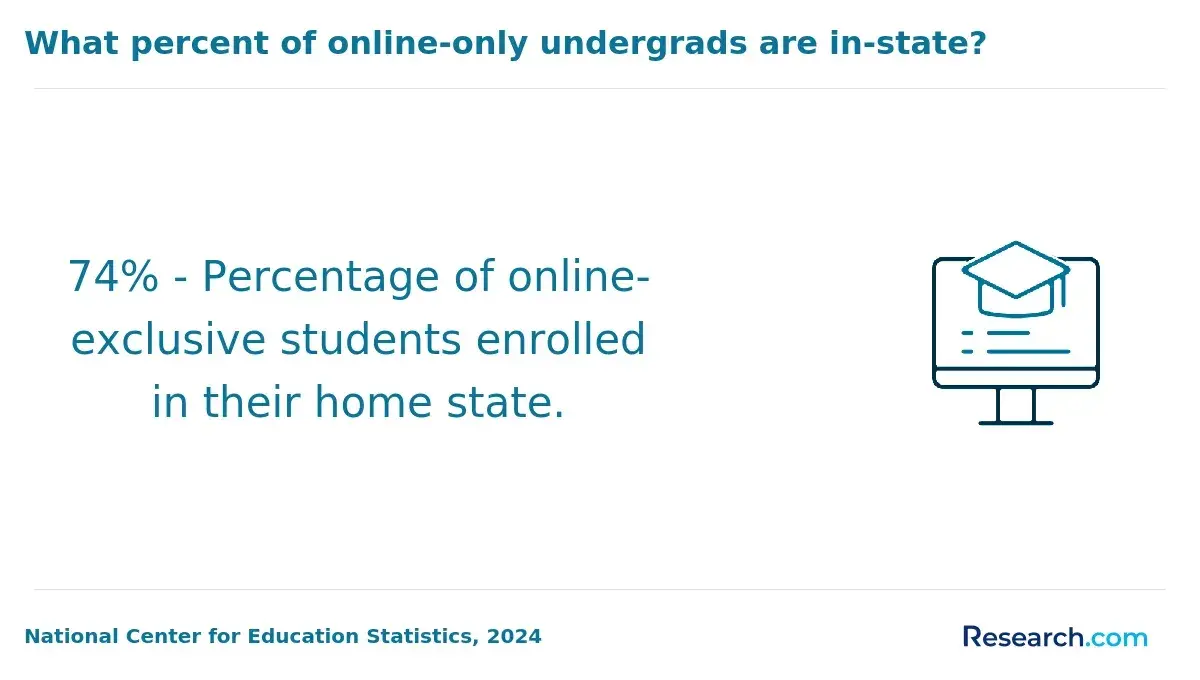
Advanced neuro research roles increasingly demand verifiable, hands-on experience that fully online neuroscience programs rarely provide. Unlike online formats, campus-based programs embed students within active labs and clinical partnerships, facilitating direct mentor collaboration and exposure to research techniques critical for employment in government or public health-focused institutions.
More than 70% of individuals with common mental disorders worldwide lack evidence-based treatment, according to the 2024 World Health Organization analysis, prompting funders to favor candidates who combine neuroscience with implementation science and public health systems experience.
Campus learners gain rigorous training in experimental design, data collection, and interdisciplinary teamwork-skills employers expect and find difficult to verify from online credentials.
Online students must often pursue costly internships or local research opportunities to bridge these gaps, which can delay access to complex neuroimaging methods essential for translational mental health research careers. Institutions providing grant writing workshops and research dissemination training give campus students a further advantage for roles targeting government-funded implementation research.
For mid-career professionals, hybrid models combining online coursework with supervised local lab work present a pragmatic path that balances flexibility with credential value. Absent direct mentorship and network immersion, online-only graduates risk underqualification in a crowded job market despite theoretical knowledge. Prospective students should weigh these tradeoffs carefully when evaluating neuroscience programs.
What accreditation and program quality factors matter for neuroscience and mental health research?
Accreditation and tangible program quality directly shape employability in neuroscience and mental health research roles. Employers consistently favor candidates from regionally accredited institutions recognized by the U.S. Department of Education, as these credentials confirm adherence to rigorous academic standards and ensure eligibility for critical federal funding.
Beyond institutional accreditation, specialized endorsements - such as those from the National Institutes of Health (NIH) or the Society for Neuroscience - indicate proficiency in research methods and discipline-specific training.
However, hands-on research experience and faculty engagement with advanced laboratories and high-impact studies are decisive in job readiness. For example, coordinating complex, multi-site neurodevelopmental research requires skills in longitudinal data management and compliance with Institutional Review Board protocols.
The CDC's recent autism prevalence data points to growing opportunities but demands technical competencies including neuroimaging, clinical assessment, and statistical software proficiency.
Graduates from programs lacking these practical exposures often struggle with the realities of managing large-scale mental health research projects. Employers also weigh program reputation heavily, as grant eligibility and leadership roles frequently depend on recognized credentials and demonstrable research infrastructure.
Students must therefore assess program outcomes, focusing on placements in federally funded studies or clinical trials tied to evolving neurodevelopmental challenges.
What are typical salaries and advancement opportunities in mental health research roles?
Salary ranges in mental health research for those with a neuroscience degree reflect clear tradeoffs between sector, experience, and specialization. Entry-level positions in academic or government labs typically start between $65,000 and $80,000, serving as initial skill-building roles rather than high-earning jobs. Mid-career scientists with PhDs focused on addiction neuroscience can see salaries rise to $90,000-$110,000, which aligns with the increasing public health demand driven by substance use disorders causing significant global disability.
Advancement depends more on tangible outputs than titles: successful publication records, competitive grant funding, and expertise in high-impact niches like addiction neuroscience or translational clinical trials directly influence earning potential and mobility.
Working in government agencies offers more predictable promotions but often slower salary growth compared to the biotech and pharmaceutical sectors, where applied skills like bioinformatics and neuroimaging command premium wages.
For neuroscience graduates switching into mental health research, expect an initial salary compromise alongside strategic opportunities for skill accrual. Targeting addiction neuroscience positions can accelerate income growth due to sustained investment tied to the epidemiological burden. Engaging in multi-institutional consortia and securing funded projects remain essential in overcoming mid-career salary plateaus common in academia.
Practical insights from research.com data confirm that aligning specialization with market trends, especially within addiction neuroscience, materially influences long-term career trajectory and income stability.
What is the job outlook and demand for mental health researchers with neuroscience training?
The 2026 labor market for mental health researchers with neuroscience expertise hinges on their ability to integrate neurobiological data into policy and health system decision-making. Employers value candidates who can convert complex findings into quantifiable impacts, especially in cost-effective mental health interventions.
The World Health Organization's 2024 investment case reveals a $4 economic return per $1 invested in scalable treatments for depression and anxiety, emphasizing the importance of data-driven health policy roles. Professionals combining neuroscience with skills in health economics or biostatistics better position themselves for these roles.
Job seekers face competition from clinically trained psychologists and epidemiologists whose experience in mental health service delivery or population health is more direct. Neuroscience graduates must supplement their mechanistic expertise by acquiring applied knowledge in healthcare regulation and policy.
Success often depends on communicating interdisciplinary research clearly to stakeholders unfamiliar with technical neuroscience concepts.
Typical employment settings include government bodies, nonprofits, and private firms focused on digital therapeutics and health economics. Candidates should anticipate a premium on quantitative methods and health services evaluation capabilities, with strong emphasis on forecasting treatment outcomes and guiding resource allocation.
- Advanced quantitative skills and policy literacy are critical to employability.
- Dual certifications in biostatistics or health policy enhance competitive advantage.
- Cross-disciplinary communication abilities address gaps between research and practical mental health service frameworks.
Overall, neuroscience-trained mental health researchers need to strategically manage skill gaps to capitalize on evolving demands in public health and policy domains.
How can you choose the best U.S. neuroscience program for mental health research goals?
Prioritizing U.S. neuroscience programs that directly integrate translational research with clinical practice is essential for those targeting mental health careers focused on biomarker development and neuroimaging. By 2024, more than 200 neuroimaging and fluid biomarkers for psychiatric disorders are advancing through clinical pipelines, driving demand for research staff proficient in experimental design, data analysis, and clinical collaboration.
Effective programs provide significant hands-on experience with biomarker projects and neuroimaging technologies such as fMRI or PET, often supported by affiliations with psychiatric hospitals or NIH-funded research. Graduates who secure roles within translational research labs or clinical trial coordination demonstrate stronger alignment with employer expectations.
Location matters: candidates aiming for pharmaceutical neuropsychiatric research positions benefit from programs situated near biotech hubs and urban centers rich in federal research funding. Conversely, purely theoretical neuroscience programs may limit access to industry networks and practical roles.
- Hands-on biomarker and neuroimaging training
- Connections to psychiatric research hospitals and NIH projects
- Proximity to biotech and federal research centers
- Focus on multidisciplinary skill development including data and regulatory competencies
Balancing coursework with research assistantships or coordinator positions is a critical factor enhancing employability in the competitive mental health biomarker sector. Programs that emphasize computational skills, data management, and regulatory expertise better prepare students for evolving interdisciplinary demands.
Other Things You Should Know About Neuroscience
Neuroscience programs vary in emphasis between laboratory research (e.g., molecular assays, imaging) and clinical rotations or patient-based studies. Students aiming for basic science research can prioritize lab-intense curricula, while those targeting translational or clinical research roles must seek programs with formal clinical placements. Selecting a program misaligned with your intended role risks skill gaps and less competitive job applications.
Transitioning into policy or advocacy from neuroscience research requires supplementing technical expertise with skills in data communication, regulatory frameworks, or public health. Neuroscience training does not automatically prepare graduates for these roles, so acquiring interdisciplinary experience or formal education in policy is necessary. Consider prioritizing graduate programs or certificates that integrate policy studies if these outcomes are key.
Employers value neuroscience graduates for their analytical and technical skills but expect candidates to demonstrate relevant mental health research experience through internships, projects, or collaborations. Without this domain-specific exposure, applicants may face challenges securing specialized roles. Prioritizing programs offering targeted mental health research opportunities increases practical competence and employer confidence in your candidacy.
References
- Graduate Diploma in Mental Health and Neuroscience https://www.unisc.edu.au/study/courses-and-programs/postgraduate-degrees/graduate-diploma-in-mental-health-and-neuroscience
- What are Psychologist Salaries? - Expathy.org https://www.expathy.org/what-are-psychologist-salaries
- Neuroscience - Tracks - Ph.D. Program in Biomedical Science - Mayo Clinic College of Medicine & Science https://college.mayo.edu/academics/biomedical-research-training/phd-program/tracks/neuroscience/
- Mental Health - 20 Most Demand Jobs and Ways to Success https://ibeautymakeup.co.uk/20-most-demand-mental-health-jobs-and-ways-to-success-with-salaries-and-primary-duties/
- What Do Psychologists Earn? Highest Paying Psychology Jobs | Walbrook https://www.walbrook.ac.uk/subjects/psychology/psychologist-salaries-highest-paying-jobs/
- Discover the Best Neuroscience Summer Program for Aspiring Students https://pioneeracademics.com/news/research-opportunties-for-high-school-students-research-programs/
- Koa Health | The role of neuroscience in enhancing mental health care delivery https://www.koahealth.com/en-gb/blog-post/neuroscience-and-mental-health/
- Job Market - Federation of European Neuroscience Societies https://www.fens.org/careers/job-market
- From Student to Mental Health Researcher: Your Step-by-Step Career Path - Mental Health Degree https://mentalhealthdegree.org/careers/mental-health-researcher/
- Psychology with Cognitive Neuroscience | Academy Online Learning https://academyonlinelearning.com/psychology-cognitive-neuroscience