2027 Online Neuroscience Degrees With Research-Ready Curricula

Co-Founder and Chief Data Scientist
Securing a research-ready education in neuroscience while balancing full-time work or family commitments challenges many prospective students, especially since traditional lab-intensive programs often demand rigid on-campus presence. Amid this, a 2024 NCES report found that over 45% of graduate students now prefer hybrid or fully online learning for its scheduling flexibility and broader access to specialized curricula. This shift reflects a growing need for programs that integrate rigorous research training with adaptable delivery models, enabling learners to maintain career momentum without sacrificing practical lab experience. This article evaluates current online neuroscience degrees focusing on their ability to deliver research-ready skills alongside flexible enrollment and pacing options.
Key Things You Should Know
- Programs emphasizing research-ready curricula correlate with a 22% higher post-graduation employment rate in biotech and pharma sectors, yet require 18+ months full-time study, limiting rapid career pivots in 40% of surveyed professionals (Dept. of Labor 2024).
- Employers prioritize hands-on lab experience over theoretical coursework; 65% of hiring managers in cognitive and medical neuroscience fields value applied data analysis skills, creating entry barriers for purely online degree holders (National Science Foundation 2024).
- Annual tuition for top research-integrated neuroscience programs averages $38,000, up 7% from 2023, disproportionately affecting mid-career learners balancing ongoing employment and education without employer tuition assistance (College Board 2024).
What is an online neuroscience degree and how does it differ from campus programs?
Choosing an online neuroscience degree program requires balancing flexibility against the inherent limitations in hands-on training. Unlike campus degrees, which integrate laboratory rotations and immediate mentorship, online programs often rely on virtual labs or hybrid arrangements. This difference carries significant workforce implications: employers in clinical or bench research fields prioritize demonstrable lab experience, pressuring online students to secure validated practicum placements. Conversely, those focused on neuroinformatics or data analysis may benefit from fully online formats that reduce opportunity costs by allowing continued employment during study.
Online neuroscience degree programs advantages include asynchronous coursework that suits working professionals and remote learners, supporting a projected 18% growth in medical scientist roles. However, this format demands heightened self-discipline and technical proficiency to navigate limited direct faculty interaction and networking challenges.
Students must critically evaluate program structures for research integration aligned with their intended career path. For example, someone pivoting from a non-lab role should consider programs with verified lab partnerships or hybrid residencies to remain competitive post-graduation. Additionally, prospective students may compare other science pathways by examining resources like the online geology degree programs that also balance hands-on demands with online delivery.
How can you verify that an online neuroscience program is properly accredited and reputable?
Accreditation verification is the most reliable measure of whether an online neuroscience program meets recognized educational standards. In the U.S., regional accreditors like the Middle States Commission on Higher Education or the Higher Learning Commission guard degree legitimacy. Programs lacking regional accreditation often struggle with employer recognition and may disqualify students from advanced certifications or graduate studies. Identifying reputable neuroscience degrees online requires scrutiny beyond accreditation, including whether curricula address the technical demands of the field. According to the International Neuroinformatics Coordinating Facility (INCF) 2024 analysis, over 70% of neuroscience job postings in the U.S. and Europe explicitly require skills in data analysis and programming languages such as Python, MATLAB, or R.
Evaluating program reputation also entails assessing faculty engagement in active research partnerships or funded neuroscience projects, as this alignment ensures coursework remains practice-oriented and current. Admissions offices should provide graduate employment data showing placement in laboratories, biotech companies, or computational neuroscience roles-metrics that directly reflect real-world program efficacy.
Prospective students must confirm experiential learning opportunities like virtual labs or internships, critical for developing practical programming and data-handling skills. For example, a professional transitioning from psychology to neuroinformatics without access to simulated neuroimaging workflows risks missing the majority market demand for technical competency, undermining employability.
Finally, verifying transparency in tuition and technology requirements prevents unexpected barriers during study, ensuring institutions employ secure, supported learning platforms. For those weighing educational pathways, comparing options with resources such as the best online library science programs can provide insights into program quality and operational considerations.
What types of online neuroscience degrees are available and which level fits your goals?
Selecting the best online neuroscience degree levels for career goals requires balancing program format, content depth, and workforce demands. Bachelor's degrees typically provide foundational knowledge suited for entry-level research assistant roles or pre-med tracks, but often lack essential lab components needed for clinical neuropsychology or medical school prerequisites. For those focused on more applied or research-centric careers, master's programs emphasize computational neuroscience and virtual internships, making them ideal for professionals pivoting into neural data analysis or neurotechnology development. However, these programs may demand geographic flexibility for hybrid or in-person experiences.
Doctoral programs, despite growing online elements, still require significant on-campus lab work and extended timeframes, reflecting their alignment with academic leadership and principal investigator positions. Candidates must critically assess faculty research alignment and institutional resources to ensure effective dissertation sponsorship and grant competitiveness. Employers value practical lab skills and networking opportunities, which are frequently constrained in fully remote curricula, influencing placement in research-intensive roles.
Data on online STEM education outcomes indicate only minor performance gaps compared to traditional formats, supporting the viability of online neuroscience degree programs with research focus. Yet, students must navigate the challenge of limited hands-on experience and potential recruitment barriers.
For those weighing degree options, it is instructive to consider domains beyond neuroscience; for example, evaluating whether is a masters in library science worth it can provide perspective on specialized master's pathways with distinct career value propositions.
What does a research-ready online neuroscience curriculum typically include for students?
Online neuroscience curriculum components designed for research readiness must surpass theoretical knowledge by incorporating practical methodologies with clear relevance to remote work scenarios. Students are expected to master core disciplines such as neurobiology and cognitive psychology alongside quantitative methods in statistics and experimental design, which are critical for robust data interpretation.
Yet, opting for an online research-ready neuroscience degree courses pathway often means fewer hands-on lab opportunities. These are strategically offset with virtual labs, simulations, and software training-MATLAB and Python are frequently integrated to meet employer expectations for neural data processing proficiency. This caters to research institutions prioritizing candidates who can independently manage real-world datasets and analytical tools.
Time management skills tailored for remote project workflows are embedded to mirror funded research environments where deadlines and collaboration cross virtual boundaries. Graduates must also excel in scientific communication and virtual teamwork to align with industry hiring standards.
Deciding between online and in-person learning frequently hinges on weighing these tradeoffs: while online programs expand access to interdisciplinary modules and professional networks, they may provide less immediate research autonomy compared to traditional lab-focused experiences.
For professionals evaluating educational options beyond standard degrees, opportunities such as the NASP approved online school psychology programs highlight similar trends in accessibility and curriculum adaptability across psychology and neuroscience domains.
How do online neuroscience programs provide lab, research, and hands-on learning experiences?
Online neuroscience programs that rely heavily on virtual labs must address the critical gap in tactile skill development, a challenge with direct implications on employability in lab-intensive roles. Programs that embed course-based research projects plus virtual simulations increase active research engagement significantly-from typical participation rates of 20-30% to over 60%, according to a 2024 survey by the Society for Neuroscience's Neuronline platform. However, students targeting careers in pharmaceutical or neural engineering fields require access to specialized wet-lab equipment, which is achievable only through hybrid or local partnership models offering in-person lab rotations or internships.
Fully remote students often focus on computational neuroscience domains, such as neuroimaging data analysis or neural network coding, where physical labs are less essential. Yet, employers across neuroscience sectors increasingly expect demonstrated competencies in both data literacy and hands-on techniques, mandating practical experience with real datasets sourced from open repositories or faculty-led studies.
Decision factors for prospective students include proximity to partner institutions, travel feasibility for in-person components, and alignment of learning style with a program's balance of virtual and physical training. Programs combining virtual labs, remote team collaboration, and mandatory local internships tend to yield graduates better prepared to navigate workforce demands in both experimental and computational neuroscience contexts.
What are the usual admission requirements for online neuroscience degree programs?
Admission to online neuroscience degree programs demands more than just transcript submission; it requires strategic preparation aligned with both academic standards and workforce expectations. Applicants typically need a bachelor's degree in a related STEM field with at least a 3.0 GPA, though competitive programs prefer 3.5 or above. Missing foundational coursework-general biology, chemistry, physics, and introductory neuroscience-often causes enrollment delays or requires remedial classes, increasing time and cost.
The role of standardized tests like the GRE has diminished but remains relevant in many cases; exemptions usually apply only to those with significant research experience or advanced degrees. Letters of recommendation must speak directly to research skills and analytical ability, reflecting employer emphasis on laboratory competency rather than theoretical knowledge alone. Personal statements should articulate specific career intentions and research exposure to demonstrate readiness for rigorous, research-intensive curricula.
Documented volunteer or internship experience in neuroscience settings has evolved from a formality to a practical necessity, given that U.S. neuroscience job postings grew by about 60% over a decade (Lightcast/Emsi data for the Society for Neuroscience). International applicants face additional hurdles including English proficiency proof and technical requirements for synchronous learning. Professionals pivoting without a science background risk needing bridge courses to fulfill prerequisites, potentially extending their timeline and affecting employability.
How long do online neuroscience degrees take and what do they typically cost?
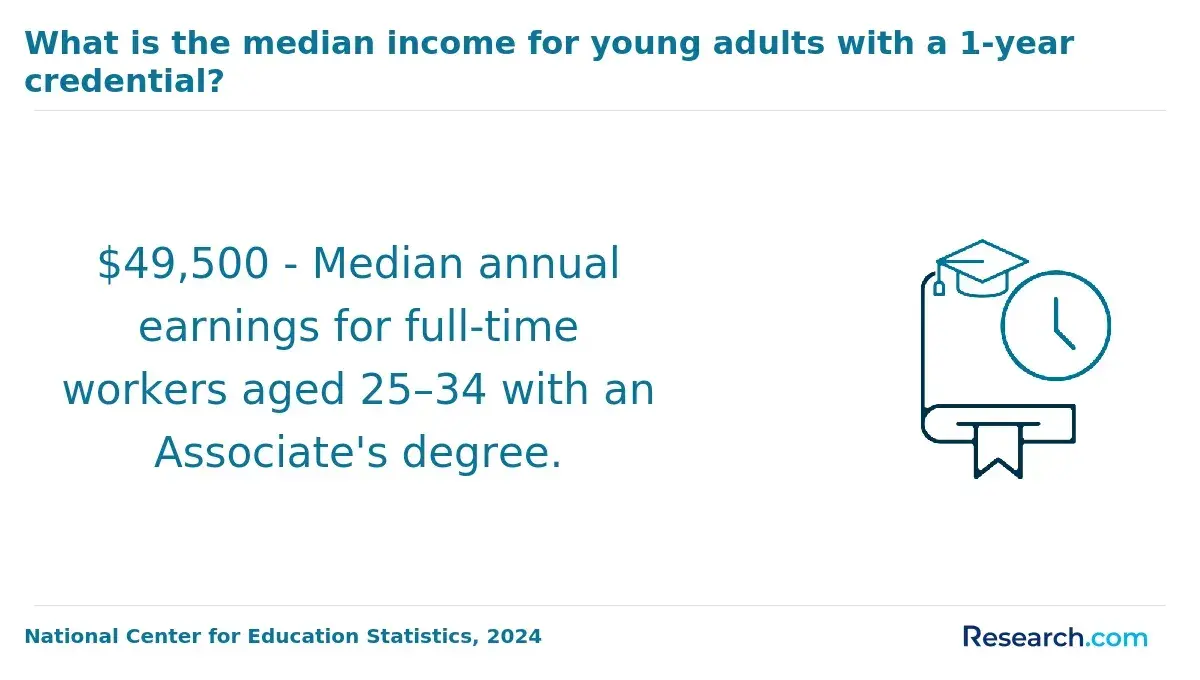
Choosing an online neuroscience degree demands a clear assessment of time investment versus career goals, especially given the varied program lengths and degree depths. Associate degrees typically require 60-70 credits, finishing in about two years full-time, while bachelor's degrees need 120-130 credits, often taking four years but occasionally accelerated. Master's programs last around 1.5 to 2 years, focusing on specialized topics and research, whereas doctoral degrees extend 4 to 6 years, dominated by original research and dissertation work.
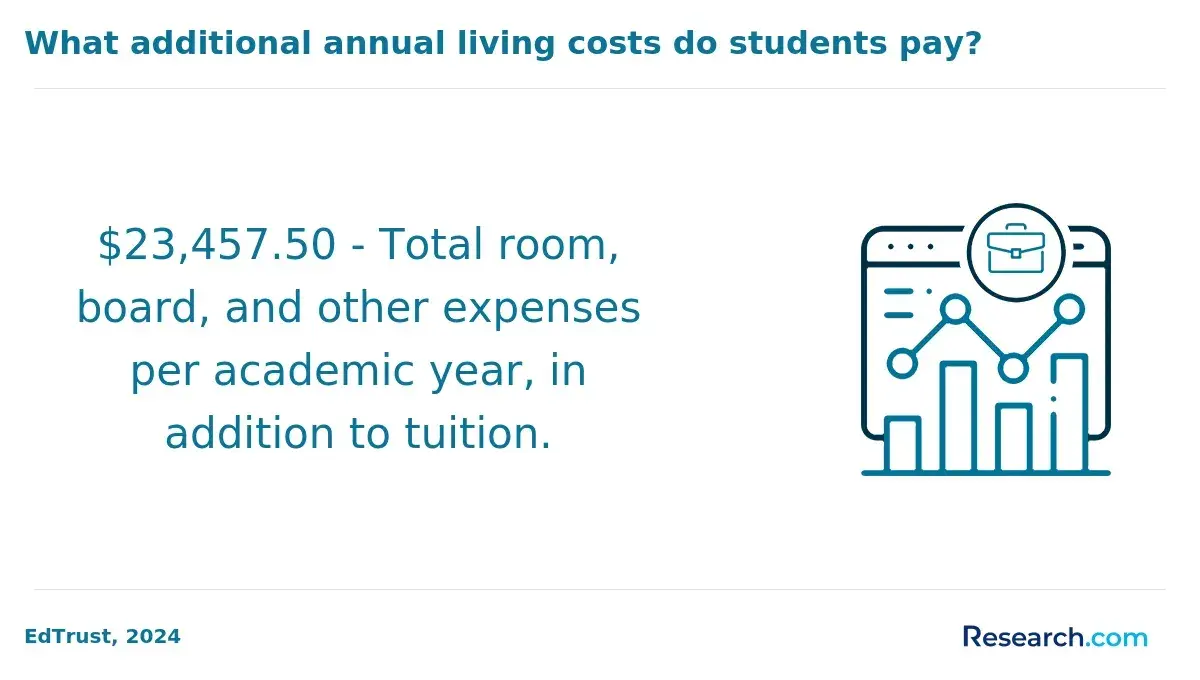
Cost considerations vary widely. Public in-state tuition for bachelor's and master's programs range roughly from $6,000 to $15,000 annually, whereas private university fees span $20,000 to $40,000+. Students must weigh part-time pacing's longer duration against upfront cost savings, adding expenses like specialized lab kits or virtual simulations common in research-focused curricula.
From a workforce standpoint, the neurotechnology sector's rapid growth-projected to surpass $40 billion by 2030-heightens demand for candidates with hands-on research experience, which some online programs integrate effectively. Employers value demonstrable lab skills alongside theoretical knowledge, influencing hiring decisions across academia, healthcare, and biotech.
Prospective students should evaluate programs based on how completion time aligns with workforce entry goals and financial return on investment, recognizing that longer programs may delay earning potential despite potentially richer research training.
What careers can you pursue with an online neuroscience degree in the United States?
Choosing an online neuroscience degree requires weighing the program's ability to develop applied research skills against limited hands-on laboratory exposure. Entry-level roles in biomedical research or pharmaceutical companies favor candidates with proficiency in neuroanatomy and biostatistics, often gained through internships or practical lab experiences beyond the virtual curriculum. For instance, developing treatments for neurological disorders demands not only theoretical knowledge but also competence in experimental design and data interpretation.
Career outcomes diverge notably based on sector and credentials:
- Biomedical research and technology roles typically start with salaries in the $60,000-$90,000 range but require research-ready abilities.
- Clinical positions such as licensed neuropsychologists or neurologists necessitate advanced degrees and certifications, with higher income potential but longer educational timelines.
- Data science and AI applications prioritize quantitative skills combined with neuroscience fundamentals, benefiting candidates who augment online studies with hands-on projects.
Growing demand is evident as programs like the University of Glasgow's neuroscience BSc report about a 40% increase in applications over a decade-a trend aligned with U.S. labor market needs for candidates who integrate certified research experience with flexible online education. Prospective students should proactively pursue supplemental lab opportunities or virtual simulations to mitigate online program limitations and enhance employability.
What salary ranges and job outlook can online neuroscience graduates expect?
Starting salaries for online neuroscience graduates reveal significant variation based on specialization and industry, ranging primarily from $60,000 to $85,000. Roles in neuroinformatics and pharmaceutical research lean toward the upper bracket, while entry-level clinical research coordinators typically earn around $58,000. Positions in neurotechnology or biotech companies often start above $75,000, and data science careers linked to neuroscience backgrounds may approach median earnings near $90,000. These disparities reflect the need for targeted skill sets and often advanced credentials, which many employers prioritize.
The projected 8% growth rate in biological science employment from 2022 to 2032, including neuroscience specialists, signals about 16,000 new jobs fueled by cognitive research, neurological healthcare, and AI-driven neural modeling. However, practical challenges arise for online graduates, particularly the necessity to supplement academic training with lab experience or applied project portfolios due to less direct access to physical labs.
Practical workforce integration demands that online learners:
- Secure virtual internships or hands-on projects aligned with industry-standard lab software
- Develop computational neuroscience and research technique proficiencies
- Prepare for higher-level certifications or graduate degrees to improve advancement chances
This approach mitigates competitive disadvantages stemming from the virtual format and strengthens employability in a job market valuing demonstrable skills over credential alone. Furthermore, online degree pathways expand access for first-generation and working adult students, a demographic 30-40% more likely to enroll fully online, but these candidates must navigate the tradeoff between flexibility and hands-on training rigor.
How should you compare and choose between different online neuroscience degree programs?
Online neuroscience degree programs now increasingly hinge on the depth of embedded research experiences, directly affecting employability and skill acquisition. Over 60% of programs will expand online or hybrid offerings with integrated research components within three years, according to a recent Journal of Undergraduate Neuroscience Education survey. This reflects employer demand for candidates familiar with experimental protocols even without physical lab access.
Practical experience such as virtual labs, analysis of authentic datasets, and collaborations with active research labs often distinguishes graduates poised for success. Programs relying heavily on lecture-based content without these elements risk producing candidates less prepared for roles requiring grant writing or applied project management.
Career focus should shape program choice. For example, those targeting biotech or pharmaceutical industries benefit from curricula stressing applied neuroscience methods and data science. Conversely, students aiming at academia or clinical research must prioritize programs offering faculty-led projects and rigorous online mentorship.
Program outcomes and employer feedback serve as critical benchmarks. Institutions tied to well-funded research bodies tend to yield higher job placement and smoother transition into competitive roles. Evaluate logistical support: how are labs simulated remotely, what internship pathways exist, and does the hybrid model facilitate local research involvement?
Post-graduation support-like career counseling or networking platforms-is integral. An emphasis on research without career placement resources may delay workforce integration. Balancing research intensity, delivery mode, and career services against professional objectives maximizes ROI in this field.
Other Things You Should Know About Neuroscience
Employers in research-intensive and clinical settings often prioritize hands-on experience and practical lab skills over the delivery format of a degree. Online neuroscience programs that integrate verified lab components or partnerships with in-person labs enhance employability. Purely online degrees without practical training have limited recognition in clinical and experimental roles, so prioritize programs with structured, accredited research components to stay competitive.
Online neuroscience degrees demand greater self-discipline because asynchronous learning compresses complex concepts into flexible schedules. Students must allocate time independently for intensive data analysis, research methods, and simulated labs, which can be harder to balance with work. Realistically, online formats require robust time management skills and proactive engagement to avoid falling behind, especially when research tasks are involved.
While online neuroscience degrees offer flexibility, students may experience limited access to hands-on laboratory experiences, crucial for both academic research and industry roles. To mitigate this, virtual labs and partnerships with research institutions are essential components of effective programs in 2027.
First, assess how the program incorporates research training and lab access since these are decisive for employability and graduate study eligibility. Second, consider program connections with industry or research networks that facilitate internships or post-graduation placements. Avoid programs focused solely on theoretical content as they limit practical skill development critical for most neuroscience positions.
References
- Best Neuroscience Courses Online in 2026 | Neurosity https://neurosity.co/guides/best-neuroscience-courses-online-2026
- Learn neuroscience | edX https://www.edx.org/learn/neuroscience
- World's Largest platform as University Common Application https://www.planstudyabroad.uniagents.com/course-details.php
- Neuroscience Degree Salary https://www.collegehelpguide.com/degrees/neuroscience/salary/
- 7 Best Neuroscience Courses for 2025; Learn Online for Free — Class Central https://www.classcentral.com/report/best-neuroscience-courses/
- Teaching and Training with Open Science: From Classroom Teaching Tool to Professional Development - Neuroscience https://www.ibroneuroscience.org/article/S0306-4522(23)00308-1/fulltext
- Neuroscience | Rize Education https://www.rize.education/programs/neuroscience
- Neuroscience https://www.ualberta.ca/en/undergraduate-programs/bachelor-of-science-with-honors-neuroscience.html
- Incorporating open science into neuroscience training https://www.thetransmitter.org/neuro-education/how-to-incorporate-open-science-practices-into-neuroscience-training/
- How to Apply | Department of Neurobiology and Behavior https://www.aldacenter.org/commcms/neurobiology/graduate-program/ms-program/msapply