2027 Best Online Neuroscience Degrees for Brain and Behavior Careers

Co-Founder and Chief Data Scientist
Balancing a demanding job while pursuing advanced training in brain and behavior sciences often forces candidates to choose between career momentum and educational advancement. The challenge intensifies given the limited availability of flexible programs meeting rigorous research and clinical standards. According to the National Center for Education Statistics, over 45% of graduate enrollments in STEM fields now represent adult learners seeking accessible formats, signaling a shift toward hybrid and online delivery that accommodates professional schedules without sacrificing depth. This trend reflects broader workforce demands for timely, applicable credentials alongside ongoing employment. This article evaluates the best online neuroscience degrees calibrated for realistic career paths and enrollment flexibility.
Key Things You Should Know
- Online neuroscience degrees often omit hands-on lab components critical for PhD-track roles, shifting emphasis to cognitive neuroscience or data analytics; graduates face tradeoffs in direct research experience impacting selective academic career access.
- Employers in biotech and clinical neuropsychology increasingly prioritize candidates with hybrid or in-person practicum experience, per a 2024 National Science Foundation workforce report, influencing hiring biases against purely online credentials.
- Cost savings averaging 25% compared to on-campus programs accelerate career pivots but require balancing accelerated timelines against limited networking opportunities crucial for long-term research funding success.
What is an online neuroscience degree and how does it prepare you for brain and behavior careers?
Online neuroscience degree programs for brain and behavior careers deliver foundational knowledge balanced with technical skills essential for distinct professional paths. While remote curricula cover neuroanatomy, cognitive science, and statistical methods, a critical tradeoff remains: limited hands-on experience. Programs attempt to bridge this gap through virtual labs and local internships, recognizing employer expectations that favor candidates demonstrating practical proficiency alongside theoretical understanding.
Employers hiring for brain and behavior professions increasingly scrutinize accreditation, access to research, and networking opportunities when evaluating online graduates. For example, pharmaceutical research roles require mastery of neuropharmacology modules, whereas clinical positions depend on behavioral neuroscience competencies and diagnostic tool familiarity.
Students targeting advanced research or clinical positions should anticipate in-person lab rotations or residencies following online study, unlike careers in cognitive product development or data analysis, which align more directly with online-only education.
Given these dynamics, strategizing program choice includes weighing specialization tracks and partnerships with healthcare providers to reduce skill gaps and enhance employability. Current workforce data show that supplementing education with certifications or research collaborations improves hiring outcomes.
For comparative context on related fields, prospective students might also explore options like the online master data science programs, which share some methodological overlap.
Which accredited schools offer the best online neuroscience degrees for U.S. students?
Choosing accredited online neuroscience schools for US students requires balancing academic rigor with employment realities in specialized research roles. Programs from institutions like the University of Florida and Arizona State University combine comprehensive neurobiology and cognitive neuroscience coursework with virtual labs, supporting working professionals who need flexible yet demanding experiences.
Graduates face better prospects in sectors such as clinical trials and biotechnology, where familiarity with experimental design and real-time assessments is not optional but essential.
Purely asynchronous curricula lacking synchronous interaction or practical components risk leaving students underprepared for hands-on neurotech roles. Employers prioritize candidates who demonstrate proficiency in data analysis and experimental protocols shaped by programs that include real-time proctored assessments or lab mentorship.
Considering employment projections for medical scientists to grow 9% between 2024 and 2034, pursuing the best online neuroscience degree programs in the US with strong institutional research ties is strategic. Students should scrutinize faculty expertise and local internship availability, as these directly influence the transition into applied neuroscience careers.
For those comparing pathways, examining cross-disciplinary programs such as the best online registered dietitian programs reveals differences in practical requirements and career outcomes. This perspective sharpens decision-making by highlighting the distinctive demands and employability factors within each scientific field.

How do online neuroscience programs compare with on-campus degrees in quality and outcomes?
Online neuroscience degree quality comparison must account for employer priorities, particularly the practical skills essential for research-intensive or clinical roles. Employers prioritize candidates with hands-on lab experience and direct faculty mentorship, advantages more reliably found in on-campus settings. Programs combining in-person practicums and advanced laboratory work deliver clearer pathways toward post-graduate research positions or medical school admission.
Conversely, outcomes of online versus on-campus neuroscience programs diverge sharply when considering practical preparation. Fully online degrees typically deliver strong foundational coursework suited for career shifts into computational neuroscience, cognitive science, or tech-driven roles related to brain behavior.
However, students often must secure local internships or lab placements independently to build competitive experience, a challenge that can slow career entry and limit professional networking opportunities.
The labor market highlights real-world implications. The Bureau of Labor Statistics projects a 2025 mean annual wage above $286,000 for neuroscientists classified as medical scientists, tied closely to advanced research proficiency and professional experience affiliated with hybrid or on-campus training.
Graduates from purely online tracks frequently require additional credentials or graduate studies to reach comparable salary levels.
Key considerations include:
- On-campus or hybrid programs better support hands-on training and mentorship, critical for pharmaceutical and clinical research pathways.
- Online programs are more accessible for working professionals but carry tradeoffs in experiential learning and network formation.
- Computational and behavioral data science careers may align more feasibly with well-structured online degrees supported by strong skill portfolios.
Prospective neuroscientists aiming for roles in pharma development or neurotechnology must emphasize programs with embedded or affiliated experiential components to improve employability. Those pursuing computational neuroscience should also explore curated portfolios and supplemental training. For an informed look at related fields' earning potential, see biology careers.
What types of neuroscience degrees can you earn online, from bachelor's to master's?
Online bachelor's degrees in neuroscience and behavior primarily build foundational knowledge with limited practical exposure, necessitating additional effort to gain hands-on experience through local internships or lab simulations. This tradeoff affects working adults seeking fully remote options, as such programs rarely eliminate site-based components completely.
For those targeting roles in healthcare administration or technical support, a bachelor's offers broad groundwork but often lacks the specialized research involvement valued in clinical or pharmaceutical settings.
Affordable master's programs in neuroscience online tend to emphasize applied research and often require synchronous participation or local practicums, reducing scheduling flexibility. Tuition for these programs hovers narrowly between $27,187 and $27,900 annually, allowing candidates to focus cost comparisons on curriculum depth and alignment with career objectives.
Prospective students pursuing clinically oriented or R&D careers should prioritize programs with robust industry partnerships and residency options despite the inconvenience, as employers expect practical proficiency beyond theory.
- Online bachelor's degrees provide broad neuroscience fundamentals with limited practical training, requiring additional effort for hands-on opportunities.
- Online master's programs demand research engagement and sometimes local practicums, making full remote flexibility less common.
- Tuition for master's programs stays in a narrow range, enabling cost comparisons focused on curriculum strength and career alignment.
Public and governmental roles in neuroscience policy or education may accept either degree, but demonstrate a consistent preference for candidates with verifiable project or research experience.
Professionals considering pathways into these areas should weigh the convenience of fully online study against the tangible benefits of in-person or hybrid elements. For additional guidance on related fields, one might explore school psychology programs online accredited by NASP.
What courses and specializations are typically included in an online neuroscience curriculum?
Online neuroscience master's curricula build foundational expertise but face inherent constraints in replicating essential hands-on experiences that employers expect. Core subjects like neuroanatomy, cognitive neuroscience, and neurophysiology provide biological and functional frameworks. Yet, substantive practical exposure-neuroimaging, electrophysiology, molecular techniques-often depends on external partnerships or local arrangements beyond virtual coursework.
This gap becomes critical for roles requiring research-intensive skills, such as pharmaceutical development, where neuropharmacology is paired with advanced statistics to design and interpret drug efficacy studies. Ethics training is indispensable for compliance in clinical trials involving human subjects, reinforcing the practical demand for rigorous methodological understanding.
Key considerations include:
- Whether the program offers specialized tracks such as clinical, computational, or behavioral neuroscience that align with career goals
- Accessibility of laboratory and data analysis training to bridge the virtual-practical divide
- The importance of independently pursuing hands-on experience to remain competitive for research-intensive employment
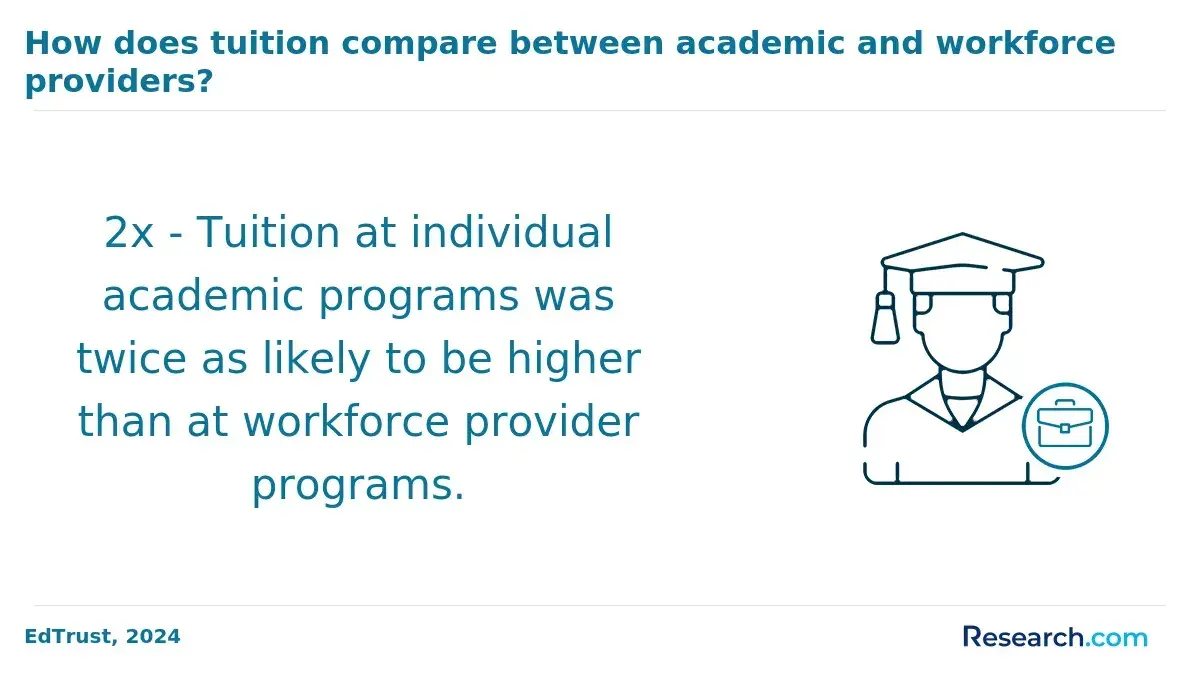
Prospective students must weigh online program tuition-ranging approximately from $16,500 to $27,900-against the likelihood of securing positions aligned with research aspirations.
The U.S. Bureau of Labor Statistics reports medical scientists earn a mean annual salary of $111,430, suggesting a favorable earnings-to-cost ratio if practical competencies are adequately developed.
What admission requirements and prerequisites do online neuroscience programs usually have?
A high school diploma alone often falls short for competitive admission into online neuroscience bachelor's programs, especially where math and science readiness is critical. While some colleges have adopted test-optional policies, foundational knowledge in biology, chemistry, and algebra remains a gatekeeper to success and progression.
Students without formal exposure to these subjects frequently face the practical tradeoff of additional prerequisite courses, which delay full integration into advanced neuroscience studies and augment overall time and cost.
At the graduate level, admission increasingly hinges on prior STEM degrees coupled with explicit coursework in biology, chemistry, physics, and calculus. Research or laboratory experience is highly valued by employers and academic programs alike, reflecting the field's emphasis on applied skills rather than theoretical aptitude alone.
GRE scores may still appear, but their influence is waning as practical competencies grow in prominence.
- Applicants pivoting careers should evaluate gaps in prerequisite science coursework early to avoid sequencing delays.
- Fields like clinical research and pharmacology prioritize candidates who demonstrate verified laboratory and technical skills through their academic record.
Financially, the per-credit cost for an online bachelor's degree in neuroscience-such as Arizona Online's $525 rate totaling about $63,000 for 120 credits-signals significant investment. For working professionals weighing full- versus part-time study, these costs and timelines are a crucial lens to assess opportunity costs versus anticipated labor market returns.
How long do online neuroscience degrees take and what do they cost to complete?
Online neuroscience degrees present a strategic tradeoff between program duration, cost, and selectivity, directly influencing employability and career trajectory. Master's programs usually range from 1.5 to 3 years full-time, with part-time options extending beyond four years to accommodate working professionals. These timelines matter: employers in brain and behavior fields often favor candidates from programs balancing efficient completion and rigorous training.
Cost variability is significant. Public universities typically charge $10,000 to $20,000 total for in-state students, whereas private institutions may exceed $60,000, often correlated with program competitiveness and networking benefits. Additional expenses-such as lab fees, technology access, internships, and exam costs-can raise total investment by 10-15%, which candidates should anticipate.
Acceptance rates fluctuate widely, from approximately 31% at selective universities to fully open admissions elsewhere, signaling differences in academic rigor and employer perceptions.
For example, a research technician aiming to pivot toward cognitive neuroscience roles should prioritize programs under three years with practical lab work to align with workplace standards, even at higher costs. Conversely, industry professionals seeking foundational knowledge may opt for longer, more affordable, flexible programs to limit disruption and debt.
Students must weigh duration, cost, and selectivity against career goals carefully. Hidden fees and program design deeply affect the return on investment, underscoring the need for practical evaluation beyond promotional materials.
What careers can you pursue with an online neuroscience degree and what do they involve?
Entry into research or clinical roles after earning an online neuroscience degree demands clear-eyed consideration of additional requirements beyond the degree itself. For instance, pursuing a research career often involves graduate studies and mastery of data analysis tools, as well as specialized knowledge in areas like psychopharmacology-elements integrated in programs such as the University of Pennsylvania's LPS Online curriculum.
Clinical positions such as neuropsychologists require licensure and supervised experience, anchoring success less in general coursework and more in applied patient diagnosis and intervention.
The pharmaceuticals sector prioritizes expertise in neurochemical pathways and drug safety profiling, where the understanding gained from both foundational and niche courses-including the neuroscience of music-can support roles in drug development targeting neural mechanisms.
Biotechnology careers emphasize technical competencies, particularly in neural interfaces and brain-computer interaction, necessitating synthesis of theory with hands-on technological skills.
Key points for consideration include:
- Research demands often exceed online degree scope, requiring graduate education and data proficiency.
- Clinical neuroscience needs licensed practice and patient care experience not typically covered online.
- Pharmaceutical roles rely on detailed understanding of neuropharmacology embedded in targeted curricula.
- Biotechnology careers hinge on integrating neuroscience with emerging interface technologies.
- Faster growth in healthcare neuroscience roles contrasts with stability but specialization needs in research and biotech.
Prospective students face tradeoffs between broad theoretical training and deeply specialized course sequences. Employers in healthcare-related neuroscience demonstrate faster-than-average growth but expect practical licenses or certifications beyond online degrees.
Conversely, research and biotech roles may emphasize advanced degrees or continuous skill upgrading. Realistic planning involves assessing if an online curriculum can offer credentials aligned with professional standards and evaluating labor market demand as indicated by U.S. Bureau of Labor Statistics data.
What salary ranges and job outlook can neuroscience graduates expect in brain-related fields?
Salaries in neuroscience careers vary sharply based on role specificity, education, and industry sector. Entry-level research assistants in academic or clinical settings typically earn between $45,000 and $60,000 annually, reflecting positions usually held by those without graduate degrees. Advancement into pharmaceutical or biotech roles often requires applied expertise in cognitive neuroscience or neuroinformatics and can push salaries from $70,000 up to $110,000 within five years.
Clinicians and senior data scientists in neuroscience, who hold advanced degrees, see compensation ranging from $90,000 to over $150,000. These figures align with U.S. Bureau of Labor Statistics data and reflect the premium placed on graduate education for specialized fields.
Job growth projected at 13% for biological scientists through 2034, including neuroscientists, signals demand driven by neurotechnology and personalized medicine. However, competition intensifies for tenure-track and clinical positions, where a PhD or medical credential is often mandatory.
For prospective students, the practical tradeoff between affordable MOOCs and accredited degree programs is critical. MOOCs offer wide accessibility but lack the rigorous validation employers expect in clinical and industrial research settings. Without accredited credentials, salary growth and job opportunities remain constrained.
Professionals switching to neuroscience should anticipate the necessity of graduate education or specialized certifications and emphasize gaining hands-on experience and industry connections to maximize employability and career trajectory.
How can you verify accreditation and choose a reputable online neuroscience program?
Accreditation verification is fundamental when selecting an online neuroscience program, as employers and credentialing bodies prioritize graduates from regionally or nationally accredited institutions recognized by the U.S. Department of Education or the Council for Higher Education Accreditation (CHEA).
Programs lacking legitimate accreditation risk limiting graduate employment and barring access to advanced certification or further study. Checking official accrediting agency databases is essential, as institutional websites may overstate their status.
Program reputation impacts opportunities post-graduation, particularly in applied neuroscience fields. For instance, a program integrated with a significant medical center typically offers access to clinical research, enhancing readiness for roles in neuropsychology or cognitive neuroscience.
In contrast, programs focusing mainly on theory without lab or clinical components may leave graduates underprepared for industry roles such as pharmaceutical development or neurotechnology.
Curriculum alignment with evolving job market demands is a critical differentiator. Employers increasingly seek expertise in neuroinformatics, neuroimaging, and behavioral analytics, which require rigorous technical training beyond general psychology foundations.
Among the 39 online master's neuroscience programs listed in the 2025/2026 Mastersportal catalog, only a select few incorporate these specialized skills, underscoring the importance of discerning course content when pivoting towards data-intense neuroscience careers.
Operational aspects also materially affect student outcomes. Small cohort sizes and synchronous coursework can foster peer interaction but reduce scheduling flexibility. Effective career services that facilitate lab placements and industry networking are key to overcoming the competitive global market for neuroscience professionals.
Other Things You Should Know About Neuroscience
Research experience is essential for most neuroscience careers because employers and graduate programs expect hands-on familiarity with experimental methods and data interpretation. Online programs that offer limited or no lab components can put students at a disadvantage unless supplemented by internships or collaborations with local labs. If your goal is a research-heavy or clinical role, prioritize programs with structured research opportunities integrated into the curriculum or accessible through partnerships.
Many online neuroscience programs address lab requirements through virtual simulations or hybrid models requiring in-person sessions. This creates a tradeoff: fully online flexibility versus the depth of hands-on technical skills acquisition. Graduates aiming for lab technician roles or doctoral programs should verify how the program delivers practical training, as insufficient lab experience can limit job eligibility and graduate admissions.
Transitioning from a non-science background is possible but demands extra effort to meet prerequisite knowledge, especially in biology, chemistry, and statistics. Online neuroscience programs may or may not offer foundational courses, so students should prioritize programs with clear pathways for beginners and academic support resources. Without a science foundation, students face a steeper learning curve that can lengthen degree completion time and impact performance.
References
- Neuroscience Degree Requirements https://www.collegehelpguide.com/degrees/neuroscience/requirements/
- Careers in Neuroscience - Thiel College https://www.thiel.edu/academics/departments/neuroscience/neuroscience-alumni-careers
- How to Verify a US Partner School's Accreditation Before Committing https://www.amerigoeducation.com/news/how-to-verify-a-us-partner-schools-accreditation-before-committing
- Accredited Online Courses: How to Pick Programs That Actually Count https://www.upskillist.com/blog/accredited-online-courses-how-to-pick-programs-that-actually-count/
- 7 Best Neuroscience Courses for 2025; Learn Online for Free — Class Central https://www.classcentral.com/report/best-neuroscience-courses/
- Naturalistico https://naturalistico.com/en/learn/blog/master-the-brain-with-our-online-neuroscience-certification
- CHEA - Find Accredited Higher Education Institutions & Programs https://www.chea.org/directories
- Courses - Neuromatch https://neuromatch.io/courses/
- Neuroscience https://www.ualberta.ca/en/undergraduate-programs/bachelor-of-science-with-honors-neuroscience.html
- How to Check If an Online School Is Accredited: Full Guide https://pkg-12.com/is-your-online-school-really-accredited-what-parents-must-check/