2027 Best Online Neuroscience Programs for Professionals Seeking Translational Science Careers

Co-Founder and Chief Data Scientist
Professionals aiming to transition into translational science within neuroscience frequently confront limited program flexibility amid demanding careers. Nearly 65% of learners pursuing advanced STEM degrees prefer online formats for this reason, according to the National Center for Education Statistics 2024 data, revealing a decisive shift toward accessible, asynchronous learning models. This trend underscores how rigid, campus-centric programs often discourage mid-career enrollment and extension of job roles into research-oriented pathways. Simultaneously, employers in biomedical and pharmaceutical sectors increasingly expect proficiency in applied neuroscience techniques married to clinical insights, raising the stakes for selecting programs with practical integration. This article identifies the best online neuroscience programs designed for professionals who need adaptable structures while advancing translational science careers efficiently and strategically.
Key Things You Should Know
- Graduate outcomes show median salaries for translational science roles lag pure research PhDs by 15%, imposing a tradeoff between applied impact and earning potential, per 2024 NSF employment data.
- Top employers prioritize candidates with in-person lab rotations over fully remote graduates, creating a workforce access gap that online-only programs must address with hybrid or residency models, reveals 2024 industry recruitment surveys.
- Program costs average 20-35% higher for translational neuroscience due to required cross-disciplinary credits and internships, extending completion timelines by 6-12 months compared to traditional degrees, according to 2024 NCES tuition studies.
What is an online neuroscience program focused on translational science, and who are these programs for?
Candidates pursuing online neuroscience programs for translational science careers must navigate the tension between theoretical knowledge and the applied skills increasingly demanded by employers. These programs primarily serve professionals aiming to translate molecular research into clinical solutions, such as those working in pharmaceuticals or biotechnology. For example, a pharmaceutical researcher targeting neurotherapeutics development benefits from curricula that cover neuropharmacology, biomarker validation, and clinical trial design, delivered remotely with flexible, asynchronous options to accommodate ongoing employment.
Programs designed for translational neuroscience careers emphasize experimental design, regulatory compliance, data analysis, and interdisciplinary teamwork-competencies essential for bridging bench science with clinical application. Yet, fully online formats can pose challenges for students lacking prior lab experience; hybrid models with practicum components may better address these limitations. Given the global neuroscience market's projected growth to $52.7 billion by 2029, with a CAGR of 10.4%, employers favor candidates who combine practical, applied expertise over purely academic credentials.
Decision factors for prospective students include program accreditation, faculty expertise, integration of research opportunities, and networking scope. Professionals considering the best online neuroscience degrees focused on translational research should also examine curriculum relevance to specific vocational roles such as clinical research associates or translational project managers. For further comparison on related educational pathways, resources like data science degrees rankings may offer useful benchmarks in cost and flexibility.
How do online neuroscience degrees compare with on-campus options for translational careers?
Choosing between online neuroscience degree benefits for translational science careers and traditional on-campus programs requires assessing the real-world implications of hands-on experience versus theoretical knowledge. On-campus programs provide direct access to supervised lab rotations, advanced experimental techniques, and embedded faculty mentorship, all of which are often indispensable for biomedical research roles that demand practical bench skills and immediate collaboration.
By contrast, online neuroscience degree options typically rely on virtual simulations or partnerships with local institutions, which may not fully substitute for the immersive laboratory environment. This gap means professionals pursuing a strategic career pivot in translational neuroscience must seek supplemental internships to develop the sophisticated experimental competencies expected by employers.
For example, a professional transitioning into a biotech translational neuroscience role requires familiarity with in-lab protocols that online programs rarely replicate, whereas computational neuroscience positions may align more closely with theoretical and remote coursework. This highlights a key distinction when comparing on-campus and online neuroscience programs for professionals: the balance between flexibility and direct research involvement.
The U.S. Bureau of Labor Statistics projects 11% growth for medical scientists, emphasizing demand for those with integrated experiential skills. Candidates should critically evaluate whether their chosen program offers structured laboratory opportunities or partnerships that mitigate the typical online limitations.
Professionals exploring education pathways may also reference options like the best online computer science degree programs, which illustrate how accelerated online study can complement research-oriented careers when combined thoughtfully with practical experiences.
What types of online neuroscience degrees best support translational science career paths?
Online coursework in neuroscience for translational science careers demands integrated curricula that balance molecular neuroscience, pharmacology, and clinical trial design with practical skills. For example, pharmaceutical R&D roles expect candidates to demonstrate hands-on laboratory competence alongside familiarity with drug development and regulatory protocols. This alignment ensures graduates can bridge experimental research and clinical applications in real-world settings.
Advanced neuroscience degree programs supporting translational research often address the challenge professionals face in managing full-time employment while pursuing rigorous doctoral training. Programs with robust online components must provide access to virtual mentorship, collaborative projects, and supervised research opportunities to justify the significant time investment. Without these experiential elements, students risk obtaining credentials that do not translate into leadership roles in biotech or research institutes.
Workforce data reinforces the financial rationale: medical scientists earn a median annual wage of $100,590, increasing to $131,100 in pharmaceutical and medicine manufacturing sectors. Candidates considering this pathway should critically evaluate programs for accreditation, career placement services, and alignment with industry-specific skill demands rather than purely theoretical instruction.
Prior to enrollment, it is prudent to investigate practical program components because aspiring professionals encounter barriers pivoting careers without strong translational skill sets and employer-recognized research experience. Additionally, understanding whether do you need a masters to be a librarian highlights the specificity needed in educational planning beyond generic degree requirements.
How can you verify accreditation and program quality for online neuroscience programs?
Regional accreditation verified through bodies recognized by the U.S. Department of Education, such as the Middle States Commission or WASC, remains the primary assurance of academic rigor and federal aid eligibility within accreditation standards for online neuroscience degree programs. However, institutional accreditation alone does not guarantee practical relevance or employer acceptance in highly specialized fields like neuroscience. Programs with program-level accreditation or reviews from organizations like the Accreditation Council for Graduate Medical Education (ACGME) better reflect quality assurance criteria for neuroscience programs in North America.
Employers in translational science sectors increasingly favor graduates demonstrating measurable outcomes: faculty with active research portfolios, significant funding, and high placement rates in biotech and clinical research firms. Online neuroscience programs that transparently share access to virtual labs and mentorship opportunities provide critical skill development otherwise difficult to replicate remotely.
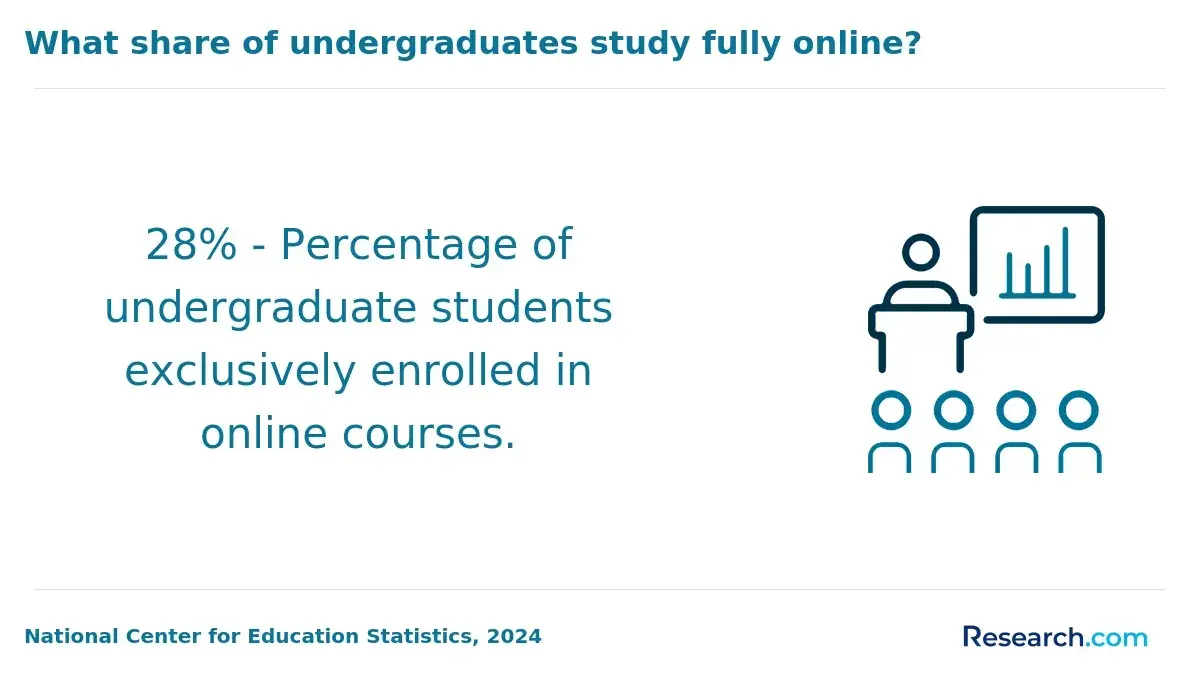
The rise from 11% to 26% in exclusively distance-educated graduate students highlights the uneven quality across online offerings. Not all curricula align equally with industry certifications valued by employers, making program reputation and employer surveys essential factors in evaluating real-world value.
Students weighing an accelerated bachelor's degree in psychology or neuroscience should weigh these practical outcomes alongside formal accreditation to avoid costly credential gaps in their career pivot or advancement.
What core courses and specializations are included in translational-focused online neuroscience curricula?
Neuroscience curricula focused on translational applications demand cross-disciplinary fluency that extends beyond foundational knowledge. Graduates face an expectation to bridge molecular insights with clinical realities, requiring mastery of biomarker discovery, regulatory protocols, and clinical trial frameworks aligned with pharma pipelines. This layered expertise supports roles in neuro-oncology and neuroimmunology, sectors that dominate biopharmaceutical R&D investments totaling over $250 billion globally. The pressure to stay current is compounded by the rapid evolution of areas like neuroinformatics and gene editing technologies such as CRISPR, which increasingly define market-relevant competencies.
This pathway imposes tradeoffs for working professionals, who must integrate demanding bioinformatics practicums and real-world case studies into unpredictable schedules. Programs that combine asynchronous content with synchronous simulation labs offer practical solutions, yet the balance remains a challenge impacting completion rates and skill acquisition. Hiring managers in biotech and contract research value candidates with proven abilities in pharmacodynamics and biomolecular pathway analysis, but also emphasize regulatory affairs expertise and intellectual property fluency for MedTech applications.
Key considerations for prospective students include:
- Choosing curricula vetted by industry advisory boards to ensure alignment with shifting pharma R&D priorities
- Gaining hands-on experience through drug repurposing projects that translate effectively into biotech employment
- Accepting the friction between intense coursework and existing professional roles as a significant factor in program feasibility
IQVIA Institute for Human Data Science projects continued growth above $300 billion in biopharma R&D by 2028, amplifying demand for translational neuroscience expertise but also intensifying competitive pressures on learners navigating this complex educational terrain.
What are typical admission requirements for competitive online neuroscience programs for professionals?
Competitive online neuroscience programs for professionals demand more than academic credentials; they require targeted professional experience and proven research skills to bridge lab work with clinical or policy applications. Holding a relevant bachelor's or master's degree with at least a 3.0 GPA in neuroscience, biology, psychology, or related STEM areas is a baseline, but applicants must also show competence in prerequisite courses like neurobiology, statistics, and molecular biology to handle translational neuroscience methods effectively.
Employers in pharma, clinical trials, or health policy increasingly seek candidates with 2-5 years of experience in clinical research, healthcare, or biomedical industries, as these roles cultivate key abilities in interdisciplinary communication and data interpretation critical to translational science. Admissions committees emphasize recommendations that validate an applicant's ability to convert foundational science into real-world interventions.
Standardized tests have become optional, yet submitting GRE scores above the 75th percentile can offer a competitive edge where program slots are scarce. Applicants must clearly outline how their career trajectory addresses pressing workforce gaps caused by neurological disorders, which constitute over 11% of global disability-adjusted life years according to the 2024 Global Burden of Disease report published in The Lancet Neurology.
Logistical readiness matters: candidates must prove reliable technology access and asynchronous schedule management. Interviews or virtual research presentations are common to assess communication skills vital for translational roles. Failure in these areas risks delayed admission or reduced employability in the high-impact neuroscience workforce.
How long do online neuroscience programs take, and what do they cost overall?
Choosing an online neuroscience program demands weighing the tension between duration, cost, and professional disruption. Master's programs, typically lasting 18 to 24 months, offer a practical timeline for professionals seeking a career pivot without a lengthy workforce hiatus. Doctoral programs extend beyond three years, reflecting intensive research and lab commitments critical for translational science roles.
Costs vary widely, with master's degrees generally ranging from $20,000 to $60,000 and doctorates between $40,000 and $120,000. These differences often hinge on tuition structures and added fees for research or lab access. Importantly, the mode of instruction-synchronous versus self-paced-affects indirect expenses; synchronous programs may impose weekend labs or live sessions that conflict with full-time employment.
Given the 36% projected growth in data science roles over the next decade, employers prioritize expertise in AI, data science, and computational neuroscience. Professionals must therefore balance curriculum relevance against logistical constraints. For example, a working professional considering a $35,000, 2-year master's program with required weekend labs must negotiate employer flexibility or risk income loss. Self-paced options offer less disruption but can extend completion time, impacting opportunity costs.
- Master's: 18-24 months; approx. $20K-$60K
- Doctorate: 3+ years; approx. $40K-$120K
- Consider synchronous vs. self-paced formats for work-study balance
What translational neuroscience careers can these online programs lead to in healthcare and industry?
Online neuroscience programs primarily equip professionals for translational science roles that connect laboratory research with clinical and commercial applications. Graduates frequently fill positions such as clinical trial managers or regulatory affairs specialists within pharmaceutical companies and contract research organizations, where skills in data integration, protocol design, and regulatory compliance are critical.
Over half of U.S. neuroscience PhD graduates transition into non-academic sectors-including industry, government, and data science-within a decade, responding to the demand for interdisciplinary expertise. For example, translational neuroscientists in medical technology firms may adapt neuroimaging for diagnostic tools, requiring integration of engineering and clinical knowledge.
Students face challenges securing hands-on experience remotely and demonstrating industry-relevant capabilities beyond theoretical training. Employers value candidates with internships or projects involving regulatory frameworks, statistical programming, and intellectual property. Programs embedding synchronous industry collaboration and mentorship can therefore enhance employability.
Industry roles demand familiarity with genetics, patient outcome analytics, and computational modeling to develop precision medicine approaches targeting neurological disorders. Prospective students should evaluate program curricula in light of these evolving skill requirements and plan for ongoing professional development to align with sector-specific expectations.
What salary ranges and job outlook can professionals expect in translational neuroscience roles?
Starting salaries for early-career translational neuroscience professionals in the U.S. typically range from $75,000 to $110,000, varying by industry versus academic research settings. Mid-career roles can command between $110,000 and $160,000, influenced by factors including geographic location, employer type, and responsibility level. Senior positions, particularly within biotech or pharmaceutical companies, often approach $160,000 to $220,000 or more. This spread reflects the diverse translational landscape, where interdisciplinary expertise and demonstrated project outcomes weigh heavily in hiring decisions.
While demand is projected to grow near 12% through 2030 due to advances in neurological treatment development and precision medicine, competition remains stiff. Employers value regulatory knowledge and clinical trial management skills alongside disciplinary knowledge, making upskilling essential for candidates transitioning from academia to industry.
Gender disparities persist, with women earning 58% of neuroscience bachelor's degrees but holding just 30% of full professorships in neuroscience departments. This imbalance affects mentorship access, funding opportunities, and negotiation leverage, all critical factors for long-term career trajectory in translational roles.
Choosing between academia and industry involves tradeoffs: academia offers intellectual autonomy but slower financial growth and limited translational impact without industry collaboration; industry roles provide clearer career ladders and compensation-but require additional regulatory and project management competencies. Programs integrating hands-on translational experience and industry networking significantly improve employment and salary prospects.
How should working professionals choose the best online neuroscience program for their goals?
Choosing an online neuroscience program requires prioritizing direct applicability to translational science careers, especially those intersecting clinical practice and digital health technologies. Programs that integrate hands-on training with brain-computer interfaces, tele-neurology tools, or cognitive software better prepare students for fields projected by McKinsey to expand from $180 billion in 2024 to over $550 billion by 2030 at a roughly 20% CAGR. For instance, professionals shifting from pharmaceuticals to neurotechnology development gain more from curricula emphasizing regulatory science and device validation than from purely theoretical study.
Evaluate programs based on faculty expertise, collaborations with healthcare and tech sectors, and access to real-world translational research or internships. Flexible pacing and asynchronous options address the practical challenge of balancing intensive full-time work with graduate-level demands.
Key assessment criteria include graduate employment rates in applied neuroscience roles, salary improvements, and participation in interdisciplinary teams. Accreditation signals academic rigor and employer recognition, but beware programs lacking transparent job placement data or those weighted heavily toward traditional research rather than technology-driven applications, which limits their relevance in fast-evolving digital health markets.
Also consider the technology infrastructure and student support facilitating remote collaboration-critical for experiential learning and networking essential to career pivots within this competitive sector.
Other Things You Should Know About Neuroscience
Online neuroscience degrees can facilitate career transitions, but the value depends on prior experience and career goals. Professionals without a strong STEM background should expect a significant time investment to gain foundational knowledge alongside specialized translational skills. Those aiming for roles involving experimental design or clinical trials should prioritize programs with hands-on research components or hybrid models to meet employer expectations. Purely theoretical or coursework-only programs may limit opportunities in applied neuroscience roles.
Employers increasingly accept online degrees if accredited and from reputable institutions, but skepticism remains around the depth of practical training. Translational science roles often require demonstration of applied skills, so programs with integrated lab work or internships have an advantage. Candidates should supplement online degrees with relevant project experience or certifications to better compete with traditional degree holders. Graduates from purely online programs without experiential learning may face hurdles entering research-intensive positions.
Many online neuroscience programs, especially those focusing on translational science, offer financial aid options, including scholarships, grants, and student loans. It's important to check program-specific financial aid offerings and deadlines to understand available options and requirements.
Prioritizing translational science-focused programs matters if your goal is application-driven careers in healthcare innovation or industry R&D. These programs emphasize connecting basic neuroscience findings with clinical and commercial applications, which better aligns with employer demands in translational fields. General neuroscience degrees may offer broader theory but often lack targeted training in regulatory, ethical, and interdisciplinary collaboration aspects critical to translational roles. Choose programs with proven track records placing graduates in translational science positions rather than purely academic research.
References
- Neuroscience research: exploring models and methodologies for translational neuroscience https://knowledge-hub.ecnp.eu/all-courses/neuroscience-research-exploring-models-and-methodologies-translational-neuroscience
- Accredited Online Courses: How to Pick Programs That Actually Count https://www.upskillist.com/blog/accredited-online-courses-how-to-pick-programs-that-actually-count/
- Explore Parexel Careers in Neuroscience https://jobs.parexel.com/en/neuroscience
- Browse Databases and Directories | Council for Higher Education Accreditation https://www.chea.org/search-institutions
- How to Verify a US Partner School's Accreditation Before Committing https://www.amerigoeducation.com/news/how-to-verify-a-us-partner-schools-accreditation-before-committing
- Master of Mental Health and Neuroscience https://www.unisc.edu.au/study/courses-and-programs/postgraduate-degrees/master-of-mental-health-and-neuroscience
- Finding the best Neuroscience online course - https://itsnlp.com/finding-the-best-neuroscience-online-course/
- The Neuroscience Academy - Dr Sarah McKay https://drsarahmckay.com/theneuroscienceacademy/
- World's Largest platform as University Common Application https://www.planstudyabroad.uniagents.com/course-details.php
- Translational Neuroscience MSc https://www.imperial.ac.uk/study/courses/postgraduate-taught/2026/translational-neuroscience/