2027 Best Online Mechanical Engineering Degrees for Adults Returning to College

Co-Founder and Chief Data Scientist
Returning to college for mechanical engineering is a high-stakes decision because the degree is technical, time-intensive, and closely tied to accreditation. It can also be valuable: the U. S. Bureau of Labor Statistics reported a May 2024 median pay of $102,320 for mechanical engineers. This guide is for adults comparing online bachelor's and master's options while balancing work, family, transfer credits, and cost. You'll learn how online programs work, which credentials matter, what schools to compare, and how to choose a program that fits your career goal.
Key Things You Should Know
- For bachelor's degrees, ABET Engineering Accreditation Commission accreditation is one of the most important quality signals because it can affect eligibility for the Fundamentals of Engineering exam, Professional Engineer licensure pathways, and employer screening.
- Online mechanical engineering is usually not "self-paced"; adults should expect scheduled exams, team design projects, proctored assessments, and in some programs short in-person labs or campus visits.
- The salary upside can be meaningful but not automatic: BLS data shows the May 2024 median pay for mechanical engineers was $102,320, while outcomes vary by industry, region, prior experience, degree level, and technical specialization.
What is an online mechanical engineering degree and how does it work for adults?
An online mechanical engineering degree is a bachelor's or graduate program that teaches students how to analyze, design, test, and improve mechanical systems. That can include engines, robotics, HVAC systems, manufacturing equipment, energy systems, medical devices, aerospace components, and automated production systems. For adults returning to college, the key question is not whether the subject can be studied online; it is whether the program delivers the same engineering fundamentals, lab experience, faculty support, and accreditation value needed for your target career.
At the bachelor's level, a mechanical engineering online degree typically combines recorded or live lectures, discussion boards, digital homework systems, remote simulations, proctored exams, group projects, and design assignments. Some programs require students to complete lab kits at home, attend short campus-based lab sessions, use approved local testing facilities, or travel for senior design presentations. Adults should verify these expectations before enrolling because travel, lab equipment, and synchronous class times can affect work and family schedules.
At the master's level, online mechanical engineering programs are often designed for working engineers who already have an engineering, physics, mathematics, or closely related technical background. These programs usually emphasize advanced analysis, computational tools, controls, thermal-fluid systems, materials, robotics, mechanics, manufacturing, or aerospace-related electives. Many are coursework-based rather than thesis-based, although some schools offer project or research options.
The table below summarizes the main degree types adults usually compare. It can help you decide whether you need an entry credential, an advancement credential, or a shorter technical pathway.
| Program type | Best fit | Typical outcome | Important caution |
| Online Bachelor of Science in Mechanical Engineering | Adults seeking entry into mechanical engineering roles or a future PE licensure path | Preparation for engineering design, analysis, testing, and entry-level engineering roles | ABET accreditation matters most at this level; confirm lab and campus requirements |
| Online mechanical engineering completion program | Adults with transfer credits from community college, military training, or previous university study | Finishes upper-division engineering coursework after prerequisites are met | Transfer policies can change total time and cost significantly |
| Online master's in mechanical engineering | Working engineers or technical professionals seeking specialization or advancement | Advanced roles in design, simulation, R&D, manufacturing, controls, or technical leadership | Applicants often need prior engineering or advanced math preparation |
| Mechanical engineering technology degree | Adults who prefer applied manufacturing, testing, CAD, maintenance, or technical operations | Engineering technologist, manufacturing, quality, or field-support roles | It is not the same as a mechanical engineering degree and may affect licensure options |
For many adults, the best choice depends on the job they want. If you want to become a licensed engineer, design products, or qualify for engineering roles that require an engineering degree, prioritize an ABET-accredited mechanical engineering bachelor's program. If you already work in industry and want a promotion, a master's degree may offer a faster route than starting over at the bachelor's level.
How do online mechanical engineering programs compare to on-campus options for flexibility and rigor?
Online mechanical engineering programs can be more flexible than campus programs, but they are not necessarily easier. The strongest online programs use the same math, science, engineering science, and design sequence as on-campus programs. Adults should expect calculus, differential equations, physics, statics, dynamics, thermodynamics, fluid mechanics, heat transfer, materials, controls, and a capstone design experience.
The main difference is delivery. On-campus programs concentrate learning in physical classrooms and labs, while online programs distribute learning through digital platforms, remote collaboration tools, simulations, and structured lab alternatives. This can help working adults avoid relocation, but it also requires stronger time management and comfort with independent problem-solving.
The comparison below highlights the practical trade-offs adults should evaluate before choosing online or campus study.
| Factor | Online mechanical engineering | On-campus mechanical engineering | What it means for adults |
| Schedule | Often asynchronous with some live sessions, deadlines, or proctored exams | Set class and lab schedule | Online is usually better for adults with full-time jobs, but deadlines are still firm |
| Labs | Remote labs, simulations, shipped lab kits, approved local labs, or short residencies | Regular access to campus labs and equipment | Ask exactly how hands-on requirements are completed |
| Rigor | Can match campus rigor when taught by qualified faculty and aligned with ABET outcomes | Traditional engineering sequence with in-person support | Do not choose online expecting a lighter workload |
| Networking | Virtual teams, online office hours, employer projects, and optional campus visits | More spontaneous access to peers, labs, clubs, and faculty | Online students may need to be more intentional about building professional relationships |
| Cost structure | May reduce relocation and commuting costs but can include technology, lab, and distance fees | May include housing, transportation, and campus fees | Total cost matters more than tuition alone |
Online study makes the most sense if you are disciplined, already have a stable weekly schedule, and can handle technical coursework without daily in-person reminders. Campus study may be better if you need frequent face-to-face tutoring, want deep lab immersion, or are transitioning directly from a nontechnical background and benefit from a structured academic environment.
Current engineering education trends also favor adults who can learn digitally. Employers increasingly use simulation, CAD, data acquisition, digital twins, additive manufacturing tools, and distributed engineering teams. A well-designed online program can mirror these workplace realities, but only if it includes meaningful projects, collaboration, and instructor feedback rather than passive video lectures alone.
Which accredited schools offer reputable online mechanical engineering degrees in the U.S.?
The best online mechanical engineering program is the one that matches your degree level, accreditation needs, schedule, and career target. For bachelor's programs, adults should give special attention to ABET Engineering Accreditation Commission accreditation. For master's programs, institutional accreditation, faculty expertise, course availability, and employer recognition usually matter more because ABET accreditation is primarily associated with undergraduate engineering programs.
The table below lists examples of U.S. institutions known for offering online or distance mechanical engineering-related degrees. Always verify current program format, accreditation status, state authorization, tuition, and residency requirements directly with the school before applying.
| School | Online mechanical engineering option | Degree level | Why adults may consider it |
| University of Alabama | BS in Mechanical Engineering delivered through distance learning | Bachelor's | Designed for distance learners and associated with an ABET-accredited mechanical engineering program |
| University of North Dakota | BS in Mechanical Engineering online | Bachelor's | Long-running online engineering format with required labs and design work |
| Arizona State University | Online mechanical engineering bachelor's pathway | Bachelor's | Large public research university with broad online infrastructure and engineering support services |
| Purdue University | Online graduate mechanical engineering options | Master's | Recognized engineering school with graduate courses suited to working engineers |
| North Carolina State University | Online MS in Mechanical Engineering | Master's | Flexible graduate coursework for engineers seeking advanced technical depth |
| Johns Hopkins University | Engineering for Professionals mechanical engineering graduate study | Master's | Part-time graduate format designed for working technical professionals |
| University of Southern California | Online graduate mechanical engineering-related programs | Master's | Engineering graduate options with access to a large professional network |
A "reputable" program should be judged by evidence, not just brand recognition. Look for qualified faculty, transparent graduation requirements, clear lab plans, accessible tutoring, career services for online students, and a curriculum that aligns with your intended field, such as robotics, thermal systems, aerospace, manufacturing, energy, or product design.
Adults should also distinguish between mechanical engineering, mechanical engineering technology, manufacturing engineering, systems engineering, and engineering management. These programs can all be useful, but they do not lead to the same roles. If a job posting says "mechanical engineering degree required," a technology or management degree may not satisfy that requirement.
What admission requirements do online mechanical engineering bachelor's and master's programs typically have?
Admission requirements depend heavily on degree level. Bachelor's programs focus on college readiness, math placement, transfer credit, and prerequisites. Master's programs focus on prior technical education, undergraduate GPA, engineering preparation, professional experience, and sometimes prerequisite coursework in math, mechanics, or thermodynamics.
For adults returning to college, the biggest admissions issue is often not acceptance; it is placement. If your calculus, physics, or chemistry credits are old, missing, or not transferable, you may need bridge coursework before starting upper-division engineering classes.
Most bachelor's programs ask applicants to provide several academic records and readiness indicators. Review these requirements early so you can avoid delayed enrollment or unexpected prerequisite semesters.
- High school transcript, GED record, or prior college transcripts showing graduation and previous coursework
- College-level algebra, trigonometry, pre-calculus, or calculus readiness, depending on the program
- Transfer-credit evaluation for community college, military, AP, CLEP, or previous university coursework
- Introductory science preparation, usually including calculus-based physics and chemistry for engineering pathways
- Minimum GPA requirements that may apply separately to overall college work and technical prerequisites
- Technology readiness, including a reliable computer, high-speed internet, webcam, calculator, and required engineering software access
Master's programs usually expect stronger technical preparation. These requirements help schools determine whether applicants can handle graduate-level analysis rather than simply complete online coursework.
- Bachelor's degree in mechanical engineering or a closely related engineering, physics, mathematics, or applied science field
- Undergraduate coursework in calculus, differential equations, mechanics, thermodynamics, materials, and related engineering sciences
- Minimum GPA set by the graduate school or engineering department
- Resume showing engineering, technical, research, military, manufacturing, or design experience when required or recommended
- Statement of purpose explaining the applicant's specialization interests and career goals
- Letters of recommendation from faculty, supervisors, or technical managers
- GRE scores only if the program still requires them; many engineering schools have made them optional or waived them for qualified applicants
Adults with non-engineering bachelor's degrees should ask whether the school offers conditional admission, bridge courses, or post-baccalaureate prerequisites. A master's degree may still be possible, but it can require substantial math and engineering foundation work. If you are changing careers from a nontechnical field, a second bachelor's or structured prerequisite plan may be more realistic than jumping directly into a master's program.
How long do online mechanical engineering degrees take and can adults study part-time?
Yes, adults can often study part-time, but mechanical engineering is sequential. Courses build on each other, so missing one prerequisite can delay the next semester's schedule. A student who has not completed calculus cannot move efficiently into physics, statics, dynamics, fluids, or controls. This makes planning more important than in many less sequential majors.
A traditional bachelor's degree is commonly structured around about 120 to 130 credits, but adults rarely start from zero. Transfer credits, associate degrees, military training, prior engineering technology coursework, and completed general education classes can shorten the timeline. However, upper-division engineering courses may still need to be taken in a fixed order.
The table below gives realistic timeframes for common adult learner scenarios. These are planning ranges, not guarantees, because school calendars, transfer policies, course availability, and personal workload can change completion time.
| Student situation | Likely study pace | Typical planning range | Main scheduling risk |
| No prior college credit | Full-time or heavy part-time | About 4 to 6 years | Calculus and science prerequisites must be completed early |
| Associate degree with strong math and science transfer credits | Part-time or full-time | About 2.5 to 4 years | Not all technical courses may transfer into an engineering major |
| Prior bachelor's in a non-engineering field | Part-time with prerequisites | Varies widely | General education may transfer, but engineering sequence may still be extensive |
| Working engineer pursuing an online master's | Part-time | About 2 to 4 years | Course rotations may limit how quickly specialization courses can be completed |
| Full-time graduate student | Full-time | About 1.5 to 2 years | Workload may be difficult to combine with full-time employment |
Part-time study works best when students protect consistent weekly study blocks. Engineering courses often require problem sets, software practice, lab reports, and project work beyond recorded lectures. For a working adult, taking one demanding technical course at a time may be smarter than overloading and having to repeat a course.
Before enrolling, ask the department how often upper-division courses are offered. If a required course appears only once per year, failing it, withdrawing, or missing the registration window can add a full year to your plan. This is one of the most common timeline surprises for adults in engineering programs.
What core courses and technical skills are covered in online mechanical engineering curricula?
Mechanical engineering curricula are built around applying math and physics to real systems. A strong online program should not only teach formulas; it should train students to define problems, model systems, evaluate constraints, run calculations, test assumptions, and communicate design decisions clearly.
Bachelor's programs usually begin with math and science foundations, then move into engineering science, labs, design, and electives. Adults who have been away from school should be ready to refresh algebra, trigonometry, and calculus before the most demanding courses begin.
The curriculum areas below are common in reputable mechanical engineering programs and show why the degree is broader than CAD or machine design alone.
- Mathematics and science foundations, including calculus, differential equations, chemistry, and calculus-based physics
- Engineering mechanics, including statics, dynamics, mechanics of materials, vibrations, and machine elements
- Thermal and fluid systems, including thermodynamics, heat transfer, fluid mechanics, HVAC concepts, and energy conversion
- Materials and manufacturing, including material behavior, manufacturing processes, quality methods, machining, additive manufacturing, and product lifecycle thinking
- Systems and controls, including instrumentation, feedback control, mechatronics, sensors, and dynamic system modeling
- Computer-aided engineering, including CAD, simulation, finite element analysis, computational tools, programming, and data analysis
- Design communication, including technical writing, engineering drawings, design reviews, cost constraints, safety, ethics, and team-based capstone projects
Graduate programs usually go deeper into specialized areas. Depending on the school, adults may focus on robotics, controls, computational mechanics, thermal sciences, materials, aerospace systems, biomechanics, acoustics, manufacturing, product design, or energy systems.
Current industry trends make software fluency increasingly important. AI-assisted design, generative design, digital twins, sensor-driven maintenance, and simulation-led product development are changing how engineers work. Students do not need to become software engineers, but they should graduate comfortable with modeling tools, programming basics, data interpretation, and validating computer-generated results against engineering judgment.
How much do online mechanical engineering degrees cost and what financial aid can adults access?
Online mechanical engineering costs vary widely because tuition depends on residency, school type, transfer credits, program level, lab requirements, and fees. The sticker price can be misleading. A program with higher tuition but generous transfer acceptance may cost less overall than a cheaper program that requires you to retake technical prerequisites.
College Board's 2024 Trends in College Pricing reported average published tuition and fees of $11,610 for in-state students at public four-year institutions for 2024-25. That figure is a useful benchmark, but online engineering students should still calculate total program cost because distance fees, software, lab travel, and longer completion time can change affordability.
The table below shows cost categories adults should include when comparing programs. This is especially important for returning students who may be paying while supporting a household.
| Cost category | What to check | Why it matters |
| Tuition | Per-credit rate, resident versus nonresident pricing, online surcharge, and graduate versus undergraduate rate | Tuition is the largest visible cost but not the only cost |
| Fees | Technology, engineering, distance education, student services, graduation, and proctoring fees | Fees can make two programs with similar tuition very different in total cost |
| Transfer credits | Maximum accepted credits, age limits on math and science courses, and engineering-course equivalencies | Accepted credits can reduce both cost and time |
| Labs and residencies | Travel, lodging, lab kits, equipment, and time away from work | Short campus visits can add expenses that are easy to overlook |
| Software and hardware | CAD, simulation tools, computing requirements, calculator, webcam, and testing setup | Engineering software may require a more capable computer than general online courses |
| Opportunity cost | Reduced work hours, childcare, commuting to labs, or delayed graduation | Adults should compare affordability with schedule sustainability |
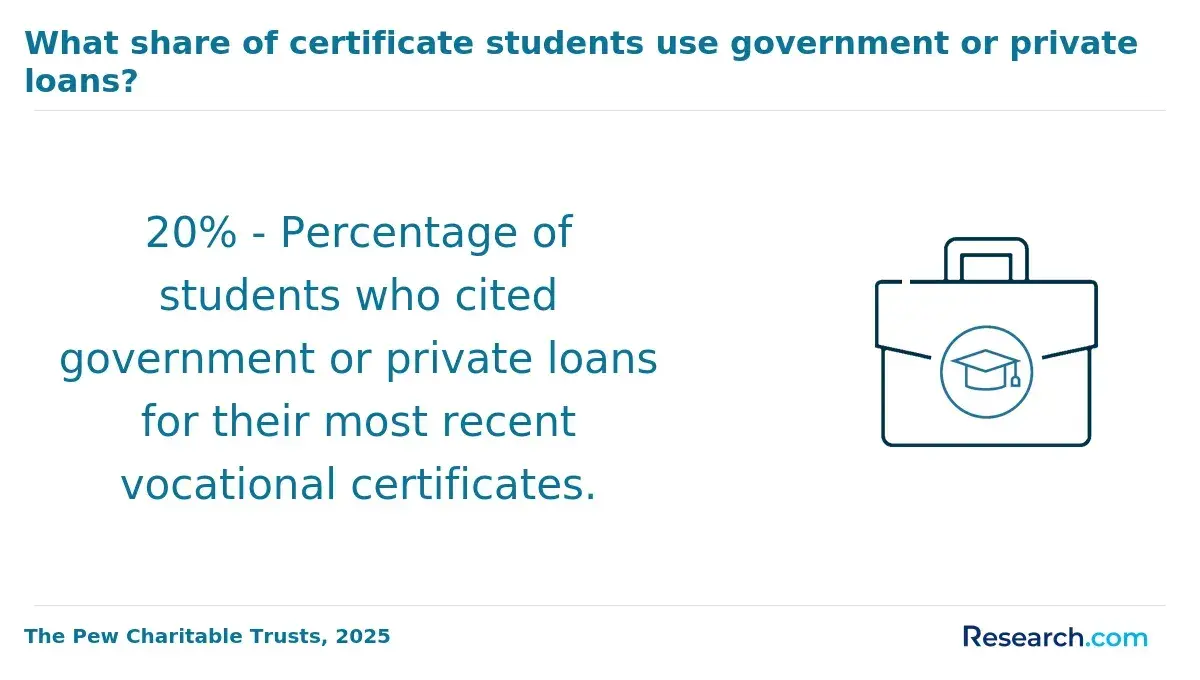
Adults can usually access the same major financial aid categories as campus students if the school is eligible for federal student aid and the student meets enrollment rules. Compare aid options before borrowing, and ask whether scholarships are available to online engineering students specifically.
- Federal Pell Grants for eligible undergraduate students who demonstrate financial need
- Federal Direct Subsidized and Unsubsidized Loans for eligible students enrolled at least half time
- Federal PLUS Loans for graduate students or parents, when applicable
- Employer tuition assistance or reimbursement, especially for adults already working in manufacturing, aerospace, utilities, defense, automotive, or energy companies
- Military and veteran education benefits, including GI Bill benefits and tuition assistance where eligible
- State grants, institutional scholarships, engineering scholarships, and transfer-student awards
- Payment plans that spread tuition across the term without requiring a larger loan balance
If cost is your main concern, compare at least three scenarios: your local public university, an online public university that accepts transfer credits generously, and an employer-supported option if you are already working. Adults comparing fields may also want to review adjacent online pathways, such as an online dietitian degree, to understand how clinical, licensure, lab, and internship requirements can affect total education cost differently from engineering.
What mechanical engineering careers can online graduates pursue and in which industries?
Online graduates from accredited and reputable programs can pursue many of the same mechanical engineering career paths as campus graduates, especially when they can show strong projects, internships, prior technical experience, or professional engineering work history. Employers usually care about the degree, accreditation, skills, portfolio, and experience more than whether lectures were delivered online.
Mechanical engineers work across product design, analysis, testing, manufacturing, energy, transportation, aerospace, robotics, building systems, medical devices, and defense. Adults with prior work experience can often connect their background to a specialization. For example, a machinist may move toward manufacturing engineering, a technician may move into test engineering, and a military maintainer may move into systems, reliability, or aerospace support.
The table below outlines common career directions and how they differ in day-to-day work. Use it to match your program electives and projects to the roles you want.
| Career path | Typical responsibilities | Industries that hire | Useful preparation |
| Mechanical design engineer | Create, analyze, and improve components, assemblies, and mechanical systems | Manufacturing, consumer products, aerospace, automotive, industrial equipment | CAD, mechanics, materials, tolerancing, prototyping, design for manufacturability |
| Manufacturing engineer | Improve production processes, tooling, quality, automation, and efficiency | Automotive, electronics, medical devices, industrial manufacturing, semiconductors | Manufacturing processes, lean methods, quality tools, robotics, data analysis |
| Thermal or fluids engineer | Analyze heat transfer, fluid flow, energy systems, cooling, HVAC, or propulsion-related systems | Energy, aerospace, HVAC, electronics cooling, utilities, defense | Thermodynamics, heat transfer, fluid mechanics, simulation |
| Test or validation engineer | Plan tests, collect data, verify performance, troubleshoot failures, and document results | Automotive, aerospace, robotics, medical devices, consumer products | Instrumentation, statistics, lab methods, technical writing, failure analysis |
| Robotics or mechatronics engineer | Work with mechanical systems, sensors, actuators, controls, and automation | Warehousing, manufacturing, defense, agriculture, medical technology | Controls, programming, dynamics, electronics basics, system integration |
| Reliability or maintenance engineer | Improve equipment uptime, safety, lifecycle performance, and root-cause analysis | Energy, chemicals, manufacturing, transportation, facilities | Failure modes, maintenance strategy, materials, vibration, data monitoring |
| Project or systems engineer | Coordinate technical requirements, schedules, budgets, vendors, and cross-functional engineering work | Aerospace, defense, infrastructure, manufacturing, energy | Technical breadth, communication, requirements management, leadership |
Mechanical engineering is also a strong foundation for interdisciplinary work. Sustainability-focused adults may combine mechanical engineering with energy systems, building efficiency, water infrastructure, or emissions-reduction technologies. Readers comparing environmental career options can explore jobs for environmental science majors to see how engineering and environmental science roles differ in technical scope, licensing, and fieldwork.
Adults should not assume the degree alone will secure a specific role. A strong portfolio can matter. Save design reports, CAD models, simulations, capstone documentation, test plans, and presentations that can be discussed in interviews without violating employer or school confidentiality rules.
What is the salary outlook and long-term demand for mechanical engineers in the United States?
The salary outlook for mechanical engineers is strong relative to many occupations, but it varies by industry, geography, degree level, experience, and technical niche. According to the U.S. Bureau of Labor Statistics, the median annual wage for mechanical engineers was $102,320 in May 2024. For adults, that figure should be used as a labor-market benchmark, not a promise of first-year earnings.
The long-term demand picture is also favorable. BLS projects employment for mechanical engineers to grow 9% from 2024 to 2034, which is faster than the average for all occupations. This reflects demand for engineers who can support manufacturing modernization, automation, renewable and conventional energy systems, transportation technology, robotics, aerospace systems, and product development.
The table below shows how career stage can affect salary expectations and decision-making. It does not guarantee pay, but it can help adults think about return on investment more realistically.
| Career stage | Common position types | What influences pay most | Decision point for adults |
| Entry level | Design engineer, test engineer, manufacturing engineer, associate mechanical engineer | Internships, capstone quality, location, industry, software skills, accreditation | Prioritize programs with projects, career support, and employer connections |
| Early to mid-career | Mechanical engineer, project engineer, product engineer, reliability engineer | Specialization, measurable project results, communication, PE track if relevant | Consider electives or certificates that align with your target industry |
| Advanced technical | Senior engineer, analysis engineer, R&D engineer, systems engineer | Graduate study, niche expertise, patents, publications, complex project experience | A master's degree may be more valuable than a second bachelor's if you already have engineering preparation |
| Leadership | Engineering manager, program manager, technical lead | Technical credibility, team leadership, budgeting, cross-functional execution | Combine engineering depth with project management and communication skills |
Several trends may shape mechanical engineering demand. Automation is not eliminating the need for mechanical engineers; it is changing the skills employers value. Engineers who can combine mechanical fundamentals with controls, data analysis, simulation, robotics, manufacturing systems, and sustainability constraints may be better positioned than those who rely on narrow drafting skills alone.
Adults should evaluate ROI by comparing total cost, time to completion, likely career change, current income, employer support, and local job markets. If you already work in a technical role, the degree may help you move into engineering classifications. If you are entering from a nontechnical field, the transition may require internships, co-ops, technician roles, or project experience before reaching full engineering responsibilities.
How can adults evaluate and choose a high-quality, ABET-accredited online mechanical engineering program?
Choosing an online mechanical engineering program should be treated like an engineering decision: define requirements, compare constraints, verify evidence, and avoid assumptions. For adults, the best program is not always the fastest or cheapest; it is the one that can be completed sustainably and supports the career outcome you actually want.
Start with accreditation. Institutional accreditation matters for federal financial aid, credit transfer, and general legitimacy. Programmatic ABET accreditation is especially important for bachelor's mechanical engineering programs because it can affect licensure pathways and employer recognition. If you plan to pursue Professional Engineer licensure, check both ABET status and your state licensing board's education rules before enrolling.
Use the steps below to compare programs in a practical order. This sequence helps adults eliminate poor-fit options before spending time on applications.
- Confirm the exact degree name and make sure it says mechanical engineering if your target jobs require an engineering degree rather than engineering technology or engineering management.
- Verify ABET Engineering Accreditation Commission status for bachelor's programs through the school and ABET's official program listing.
- Request a written transfer-credit evaluation before assuming previous credits will apply to engineering requirements.
- Ask how labs, proctored exams, design projects, and any campus visits work for online students.
- Compare total cost, including tuition, fees, software, equipment, travel, books, and expected time to completion.
- Review course rotation plans to make sure required classes are available often enough for part-time study.
- Ask whether online students have access to tutoring, faculty office hours, career services, internships, research projects, and student engineering organizations.
- Check graduate outcomes carefully, but avoid programs that imply salary or job-placement guarantees.
- Speak with an admissions advisor and, if possible, a faculty member in mechanical engineering before enrolling.
- Choose the program that fits your schedule and career target, not just the one with the most recognizable name.
Common red flags include vague accreditation language, unclear lab requirements, pressure to enroll before transfer credits are evaluated, limited access to engineering faculty, few upper-division courses offered online, and no clear explanation of how online students complete capstone design. Another red flag is a program that markets "engineering" broadly but does not lead to the specific mechanical engineering credential employers or licensing boards expect.
Adults considering a broader career change should also compare mechanical engineering with other online professional degrees before committing. For example, a library science masters leads to a very different work environment, credential structure, and labor market than engineering. Comparing unrelated fields may feel unusual, but it can clarify whether you want technical design work, public service, research, management, or a more people-centered career path.
A final test is simple: can you explain why the program fits your target role, how you will pay for it, how you will complete labs, how long it will take, and what you will do if one course is not offered when expected? If you cannot answer those questions, keep researching before enrolling.
Other Things You Should Know About Mechanical Engineering
Often, yes. Programs may require CAD, simulation, programming, or data-analysis tools, though many schools provide student licenses. Before enrolling, ask for the current hardware and software requirements because engineering applications may require a stronger computer than standard online classes.
Yes. Mechanical engineering is a common pathway into aerospace, robotics, automation, and mechatronics roles. Students should choose electives, projects, internships, or graduate coursework in controls, dynamics, fluids, materials, embedded systems, or robotics to strengthen their fit for those areas.
Successful adult learners usually have persistence, comfort with math, attention to detail, curiosity about how systems work, and the ability to study consistently. Communication also matters because engineers must explain trade-offs, document decisions, and work with teams across design, manufacturing, testing, and business functions.
References
- What can you do with a mechanical engineering degree? https://www.hull.ac.uk/study/undergraduate/courses/mechanical-engineering-beng-meng-hons/what-can-you-do-with-a-mechanical-engineering-degree
- Find Programs - ABET https://www.abet.org/accreditation/find-programs/
- Core courses https://studiegids.tue.nl/opleidingen/bachelor-college/majors/bachelor-mechanical-engineering/curriculum/major-courses
- Types of Financial Aid for Online Colleges https://www.umassglobal.edu/blog-news/types-financial-aid-online-colleges
- 2025 Best Online Mechanical Engineering Degrees https://www.onlineu.com/degrees/mechanical-engineering
- ABET-Accredited Bachelor’s in Electronics Engineering Technology https://www.uagrantham.edu/blog/abet-accredited-electronics-engineering-technology-degree/
- Paying for a Computer Science Degree | Scholarships, Grants, Loans https://www.computerscience.org/resources/how-to-pay-for-a-degree/
- Online Programs Search https://amspub.abet.org/aps/online-search
- Cost of Engineering Degree: Tuition, Fees & Is it Worth it? | SoFi https://www.sofi.com/cost-of-engineering-degree/
- Online Mechanical Engineering Degrees 2025 https://www.affordablecollegesonline.org/degrees/engineering-programs/mechanical-engineering/