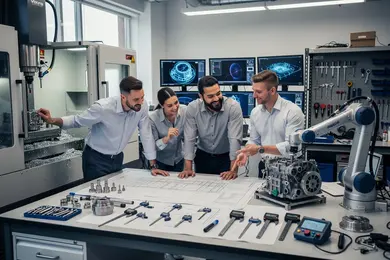
2027 Mechanical Engineering Roles Growing Fast in Energy, Robotics, and Product Development

Co-Founder and Chief Data Scientist
Mechanical engineering is no longer limited to engines, HVAC systems, or factory equipment. Employers now need engineers who can design cleaner energy systems, automate machines, and turn product ideas into manufacturable hardware. The U.S. Bureau of Labor Statistics projects mechanical engineer employment to grow 11% from 2023 to 2033, faster than the average for all occupations.
This guide is for students, career changers, and working technicians comparing education options, career tracks, salary potential, and practical next steps before investing time and money in a mechanical engineering path.
Key Things You Should Know
- Mechanical engineering roles are expanding beyond traditional manufacturing, with BLS projecting 11% employment growth for mechanical engineers from 2023 to 2033.
- A bachelor's degree in mechanical engineering is the standard entry credential, while master's degrees, certificates, and PE licensure matter more for specialized design, leadership, energy, and regulated engineering work.
- The BLS reported a May 2024 median annual wage of $102,320 for mechanical engineers, but compensation varies by industry, location, security clearance, software skills, and responsibility level.
What do mechanical engineers do in modern energy, robotics, and product development roles?
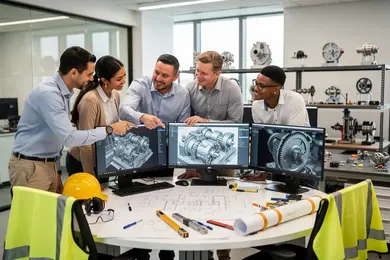
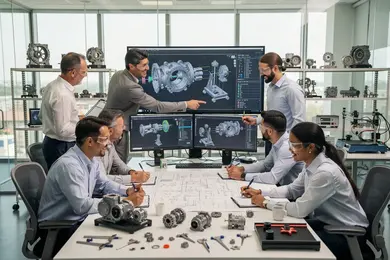
Modern mechanical engineers design, test, improve, and maintain physical systems. In energy, robotics, and product development, that work often blends classical engineering with software, sensors, data, materials science, and sustainability requirements. The core job is still solving mechanical problems, but the context has changed: machines are connected, products are simulated before they are built, and energy systems are increasingly measured against cost, reliability, and emissions targets.
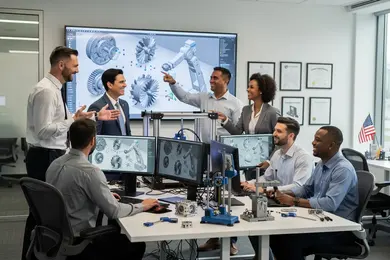
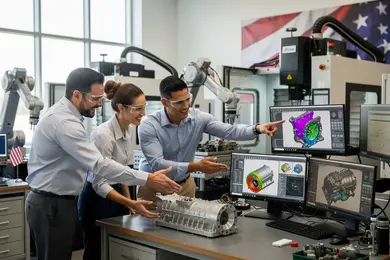
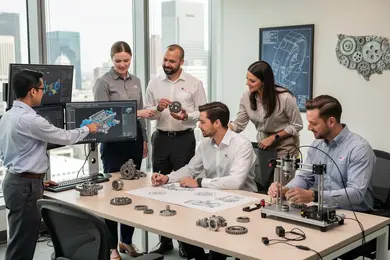
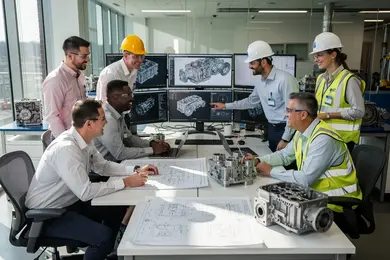
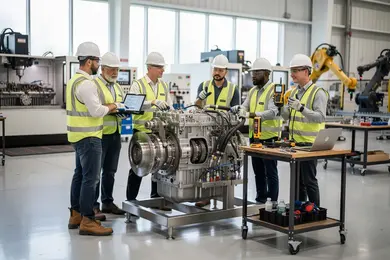
In energy roles, mechanical engineers may work on wind turbine components, thermal systems, batteries, heat pumps, hydrogen systems, nuclear equipment, building energy systems, or manufacturing processes that reduce energy waste. In robotics, they often design actuators, mechanisms, grippers, frames, mobile platforms, and thermal management systems while collaborating with controls, electrical, and software engineers. In product development, they convert market needs into prototypes, test plans, design-for-manufacturing decisions, and production-ready specifications.
The table below shows how the same mechanical engineering foundation applies differently across these three high-demand sectors. Use it to identify which work environment fits your interests before choosing electives, internships, or graduate study.
| Sector | Typical engineering focus | Common deliverables | Best fit for students who enjoy |
| Energy systems | Thermodynamics, fluids, heat transfer, rotating machinery, reliability, energy efficiency | System models, equipment specifications, performance tests, failure analyses, compliance documentation | Large-scale infrastructure, sustainability, power systems, field testing, and long product lifecycles |
| Robotics and automation | Mechanisms, dynamics, mechatronics, controls, sensors, actuators, embedded systems integration | Robot assemblies, motion studies, prototypes, test rigs, design revisions, integration plans | Hands-on prototyping, coding-adjacent work, automation, machine behavior, and cross-functional teams |
| Product development | CAD, materials, manufacturing methods, tolerance analysis, human-centered design, testing | 3D models, drawings, prototypes, test reports, manufacturing documentation, cost-reduction plans | Design iteration, consumer or industrial products, creativity, testing, and production problem-solving |
A common mistake is assuming these roles are completely separate. In practice, an engineer working on an electric vehicle battery enclosure, a warehouse robot, or a medical device may use energy analysis, robotics concepts, and product development methods in the same project.
Which mechanical engineering careers are growing fastest in energy, robotics, and product design?
The fastest-growing opportunities are not always labeled simply "mechanical engineer." Many job postings use specialized titles tied to energy transition, automation, advanced manufacturing, electrification, and product lifecycle management. That means students should search by function, not just by degree name.
The 2024 U.S. Energy and Employment Report found that clean energy added 142,000 U.S. jobs in 2023, a sign that energy-related hiring is broadening across manufacturing, construction, utilities, and professional services. For mechanical engineering students, this matters because growth in clean energy infrastructure can create demand for design, testing, reliability, and manufacturing engineers even when the job title does not include the words "clean energy."
The table below summarizes career paths that are seeing strong demand signals in U.S. markets. The "growth driver" column explains why the role is expanding so readers can match a career path to long-term industry needs rather than chasing a trendy title.
| Career path | Where mechanical engineers work | Growth driver | Preparation that helps |
| Renewable energy mechanical engineer | Wind, solar thermal, geothermal, grid-support systems, energy storage suppliers | Expansion of clean energy generation, storage, and equipment manufacturing | Fluids, heat transfer, power systems electives, reliability testing, field experience |
| Battery thermal systems engineer | Electric vehicles, stationary storage, aerospace, electronics cooling | Electrification and the need to manage heat, safety, weight, and durability | Thermodynamics, heat transfer, CFD, materials, test instrumentation |
| Robotics mechanical design engineer | Warehousing, medical robotics, agriculture, defense, manufacturing automation | Automation adoption and demand for machines that can operate safely and repeatedly | Mechanisms, dynamics, CAD, mechatronics, controls, prototyping |
| Automation and manufacturing engineer | Factories, semiconductor plants, automotive suppliers, consumer products | Reshoring, advanced manufacturing, quality improvement, and labor-saving automation | Manufacturing processes, PLC awareness, Lean Six Sigma, tooling, statistics |
| Product development engineer | Consumer hardware, industrial products, medical devices, transportation equipment | Shorter design cycles, simulation-based development, and demand for manufacturable innovation | CAD, FEA, GD&T, materials, user testing, design for manufacturing |
Readers should be careful with "fast-growing" labels. A niche role may grow quickly but have fewer openings, while a broad role such as product development engineer may offer more total jobs across industries. A smart search strategy includes both specialized keywords and broader mechanical engineering titles.
What degree in mechanical engineering is needed for these specialized career paths?
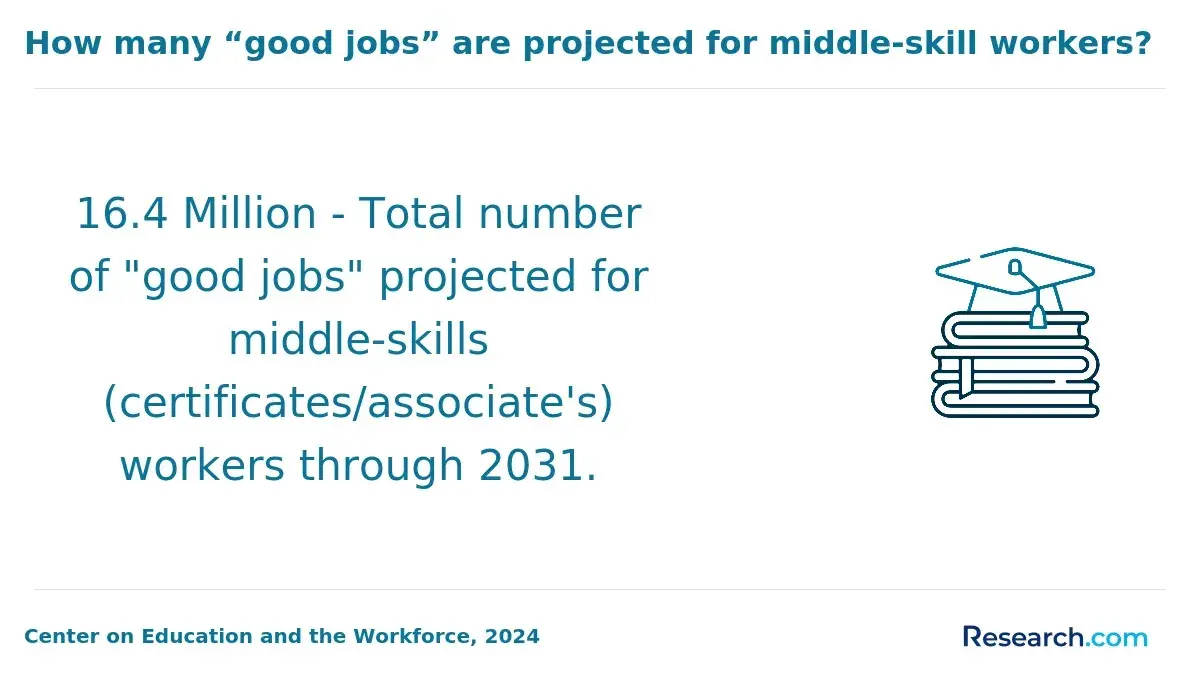
A bachelor's degree in mechanical engineering is the most common entry point for professional engineering roles in energy, robotics, and product development. Employers usually expect graduates to understand statics, dynamics, thermodynamics, fluid mechanics, materials, manufacturing, CAD, and engineering analysis. For roles involving advanced simulation, controls, robotics research, battery systems, or technical leadership, a master's degree can make a candidate more competitive.
Degree choice should follow the role you want, not just the fastest path to a diploma. For example, someone targeting robotics should look for mechatronics, controls, and embedded systems coursework, while someone interested in clean energy should prioritize thermal systems, fluids, power, and energy conversion. Students drawn to human movement, prosthetics, rehabilitation devices, or sports technology may also compare an online degree in exercise science with mechanical engineering pathways before deciding whether they want to focus on biology-centered applications or engineering design.
The table below compares common education levels and when each one makes sense. It can help readers avoid overpaying for credentials they do not need or underpreparing for specialized roles.
| Education option | Best for | Typical limitation | Career decision guidance |
| Associate degree or engineering technology program | Technician, CAD, manufacturing support, testing, maintenance, or transfer pathway | May not qualify for many engineer-titled roles or PE-track positions | Useful for lower-cost entry or hands-on work, but confirm transferability before enrolling |
| Bachelor's in mechanical engineering | Entry-level engineering roles in design, energy, robotics, manufacturing, and testing | Specialized roles may require internships, projects, or graduate coursework | Best default option for students seeking broad engineering career flexibility |
| Master's in mechanical engineering | Advanced analysis, robotics, thermal systems, aerospace, R&D, technical leadership | Costs more and may not raise pay immediately in every employer setting | Worth considering when the target role requires advanced modeling, research, or specialization |
| Graduate certificate | Working engineers adding skills in robotics, energy systems, additive manufacturing, or simulation | Narrower than a full degree and may not satisfy degree requirements for some roles | Good for targeted upskilling when a full master's is unnecessary |
| PhD in mechanical engineering | University research, national labs, advanced R&D, specialized technical leadership | Long time commitment and not required for most industry engineering jobs | Best for research-intensive careers, not general product or manufacturing roles |
One red flag is choosing a mechanical engineering technology degree while assuming it will be treated identically to a mechanical engineering degree. Some employers value both, but licensure boards, graduate schools, and technical job postings may distinguish between them.
How do online mechanical engineering programs compare to campus-based options for these fields?
Online mechanical engineering programs can be a strong fit for working adults, military students, transfer students, and learners who cannot relocate. However, mechanical engineering is lab-heavy, so online programs often use hybrid labs, mailed lab kits, intensive campus residencies, local proctoring, or transfer agreements for hands-on requirements. Fully online bachelor's options are less common than online graduate engineering options.
Students comparing an engineering degree online with a campus program should focus on accreditation, lab access, internship opportunities, and whether the program supports the student's target specialty. Format matters, but it should not outweigh evidence that the program can prepare students for engineering work.
The table below compares online, hybrid, and campus-based mechanical engineering study. Use it to decide which format fits your schedule, learning style, and career goals.
| Program format | Strengths | Trade-offs | Best fit |
| Online | Flexible scheduling, lower relocation costs, easier for working adults | May have limited hands-on access, fewer campus recruiting events, and fewer ABET-accredited bachelor's options | Self-directed learners, transfer students, and working adults with access to local labs or employer projects |
| Hybrid | Combines online theory with in-person labs, design projects, or short residencies | Requires travel or scheduled attendance for key components | Students who need flexibility but still want structured lab and team experiences |
| Campus-based | Strong lab access, student design teams, faculty interaction, recruiting, and peer collaboration | Less flexible and may require relocation or full-time attendance | Traditional undergraduates, students seeking robotics labs, Formula SAE, energy labs, or intensive project teams |
Online study is usually not the best choice for students who need close supervision in math and physics, want daily access to machine shops, or are targeting research-heavy robotics labs as undergraduates. It can be excellent for disciplined students who already have technical experience, especially if the program offers strong advising and verified lab pathways.
What core courses and technical skills prepare mechanical engineers for energy, robotics, and products?
Mechanical engineering students should build a technical foundation before specializing. Energy, robotics, and product development all depend on math, physics, design judgment, and the ability to test assumptions. The difference is which electives, projects, and software tools students stack on top of the core curriculum.
AI and data skills are becoming more valuable because engineers increasingly use simulation data, sensor data, predictive maintenance models, and design optimization tools. Students who want deeper analytics roles may compare mechanical engineering electives with an online data science masters, especially if their goal is to work at the intersection of hardware, automation, and machine learning.
The list below highlights core courses and skills that prepare students for the three sectors. These are not just transcript items; they are the tools employers expect candidates to apply in projects, internships, and interviews.
- Math and physics foundation: calculus, differential equations, linear algebra, calculus-based physics, probability, and statistics.
- Mechanical engineering core: statics, dynamics, mechanics of materials, thermodynamics, fluid mechanics, heat transfer, machine design, and materials science.
- Design and manufacturing: CAD, geometric dimensioning and tolerancing, design for manufacturing, additive manufacturing, machining, prototyping, and quality control.
- Energy specialization: energy conversion, HVAC, combustion, renewable energy systems, turbomachinery, battery thermal management, and computational fluid dynamics.
- Robotics specialization: mechatronics, controls, kinematics, sensors, actuators, embedded systems basics, motion planning concepts, and rapid prototyping.
- Product development specialization: user needs translation, concept selection, FEA, reliability testing, human factors awareness, cost analysis, and lifecycle management.
- Software and data tools: MATLAB, Python, CAD platforms, FEA tools, CFD tools, data visualization, version control basics, and engineering test automation.
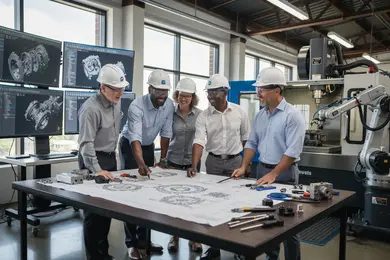
A practical way to build employable skills is to complete one substantial project in your target area before graduation. Examples include a thermal model for a battery pack, a robotic gripper with test data, or a product prototype with CAD drawings, tolerance analysis, and a manufacturing plan.
What admission requirements, program length, and typical costs should applicants expect?
Admissions requirements vary by school and degree level, but mechanical engineering programs are usually math-intensive. Undergraduate applicants should expect schools to review high school or transfer coursework in algebra, trigonometry, calculus readiness, physics, chemistry, and overall academic performance. Graduate applicants commonly need an engineering or closely related STEM bachelor's degree, transcripts, recommendations, a statement of purpose, and sometimes prerequisite coursework if their background is not mechanical engineering.
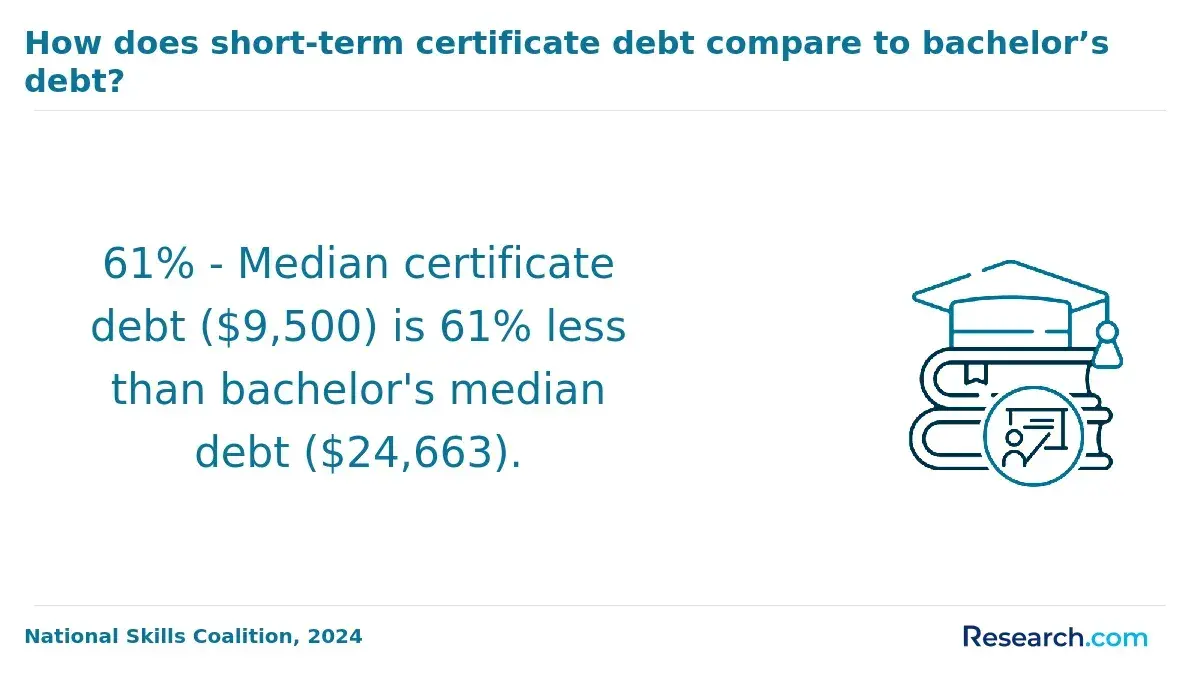
Cost is one of the biggest decision points. College Board's 2024 pricing data lists average published tuition and fees of $11,610 for in-state students at public four-year institutions and $43,350 at private nonprofit four-year institutions for the 2024-25 academic year. Those figures are not full cost-of-attendance numbers, but they show why residency, institution type, scholarships, transfer credits, and time to completion can change the return on investment substantially.
Students comparing professional programs across fields sometimes look at benchmarks such as the average cost of MLIS degree U.S., but engineering applicants should be especially careful to compare lab fees, software fees, equipment requirements, and extra time for prerequisites. Engineering can involve costs that are not obvious from tuition alone.
The table below summarizes typical expectations. Exact requirements vary, so applicants should verify each school's catalog and admissions page before applying.
| Program level | Common admission requirements | Typical length | Cost factors to check |
| Associate or pre-engineering transfer pathway | High school diploma or equivalent, placement testing, math readiness | About 2 years full time | Transfer agreements, repeated prerequisites, lab fees, commute costs |
| Bachelor's in mechanical engineering | High school diploma or transfer credits, calculus readiness, science preparation, competitive GPA for selective programs | About 4 years full time; longer for part-time or transfer students | Residency status, tuition, fees, summer courses, software, housing, co-op timing |
| Master's in mechanical engineering | STEM bachelor's degree, transcripts, recommendations, statement of purpose, prerequisite engineering coursework | About 1 to 2 years full time; longer part time | Graduate tuition, employer tuition assistance, research assistantships, online fees |
| Graduate certificate | Bachelor's degree and relevant prerequisites | Often less than 1 year to 18 months | Course transferability into a master's, employer reimbursement, certificate fees |
Before enrolling, applicants should complete a simple cost-risk check. This helps avoid the common mistake of choosing the cheapest listed tuition while missing factors that raise the final price.
- Confirm whether the program is accredited and whether that accreditation fits licensure or graduate school goals.
- Ask how many credits will transfer before committing to a transfer or completion program.
- Calculate total cost of attendance, not just tuition, including fees, books, software, equipment, travel, and lost work time.
- Ask whether labs, capstones, internships, or co-ops are required and how online students complete them.
- Compare expected debt with realistic entry-level salary ranges in the region and industry you plan to enter.
How can students find and evaluate accredited mechanical engineering programs in the United States?
Accreditation is one of the most important checks for mechanical engineering students in the United States. For bachelor's programs, ABET accreditation is widely recognized by employers, graduate schools, and state licensure boards. It does not guarantee a job, but it signals that the program has been reviewed against engineering education standards.
Students should evaluate programs with a career outcome lens. A strong program for robotics might have mechatronics labs, senior design teams, controls electives, and employer connections in automation. A strong energy program might offer thermal systems labs, renewable energy electives, utility partnerships, and faculty working on energy conversion or building systems.
The following steps can help applicants compare programs without relying only on rankings or marketing language.
- Verify ABET accreditation for the exact degree name and campus or delivery format, not just the university as a whole.
- Review required courses and electives to see whether the curriculum supports energy, robotics, or product development goals.
- Ask how students complete labs, machine shop work, design projects, and capstones.
- Look for internship, co-op, and employer recruiting evidence in the industries you want to enter.
- Compare graduation rates, transfer policies, advising access, student design teams, and career services.
- Ask whether graduates have pursued PE licensure, graduate study, or specialized roles in your target sector.
Several red flags deserve attention. A program may be risky if it avoids clear answers about accreditation, offers few upper-level engineering labs, has no transparent transfer policy, or advertises unrealistic salary outcomes. Students should also be cautious when a program claims to be "engineering" but awards a degree in a related technology or applied science field that may not meet the same employer or licensure expectations.
What entry-level, mid-level, and advanced job titles exist in these mechanical engineering sectors?
Mechanical engineering careers usually progress from supervised technical work to independent design responsibility, project ownership, and eventually technical leadership or management. The exact timeline varies by employer, industry, and whether the engineer earns a master's degree, PE license, or specialized certification.
The table below organizes common titles by career stage and sector. Job titles vary widely, so readers should compare responsibilities and required skills rather than title alone.
| Career stage | Energy roles | Robotics and automation roles | Product development roles |
| Entry level | Mechanical design engineer, energy analyst, test engineer, field engineer, HVAC design engineer | Junior mechanical design engineer, automation engineer, robotics test engineer, mechatronics engineer | Product design engineer, CAD engineer, manufacturing engineer, test engineer, quality engineer |
| Mid level | Thermal systems engineer, reliability engineer, project engineer, battery systems engineer | Robotics mechanical engineer, controls-adjacent mechanical engineer, tooling automation engineer | Senior product development engineer, design quality engineer, supplier development engineer |
| Advanced | Lead mechanical engineer, energy systems architect, principal thermal engineer, engineering manager | Lead robotics engineer, principal mechanical systems engineer, automation systems lead | Principal product engineer, platform engineer, design engineering manager, director of hardware engineering |
Entry-level engineers should expect close review of their calculations, drawings, and test plans. Mid-level engineers are often judged on whether they can solve ambiguous problems, coordinate suppliers, and make design trade-offs. Advanced engineers are expected to set technical direction, mentor others, manage risk, and communicate with business leaders, customers, or regulators.
Students can improve early job prospects by building a portfolio of engineering evidence. That may include CAD models, test reports, code used for data analysis, simulation summaries, capstone documentation, manufacturing drawings, or competition team contributions. Employers rarely expect new graduates to know everything, but they do expect proof that candidates can learn, document work, and solve real problems.
What salary ranges and total compensation can mechanical engineers expect in these specialties?
Mechanical engineering compensation depends on industry, location, clearance requirements, overtime eligibility, bonuses, equity, travel demands, and whether the role is closer to design, manufacturing, field service, or technical leadership. Salary data should be used as a planning benchmark, not a promise.
The BLS reported a May 2024 median annual wage of $102,320 for mechanical engineers. That median is useful because it reflects the broad occupation across U.S. employers, but students should remember that entry-level offers may fall below the median while specialized or senior roles in high-cost regions may exceed it.
The table below explains how compensation often differs by specialty. It avoids promising specific earnings for each niche because employers classify roles differently, but it gives readers a practical way to think about pay drivers.
| Specialty area | Common pay drivers | Total compensation factors | What to compare before accepting an offer |
| Energy systems | Field responsibility, regulated equipment, power or utility experience, thermal expertise | Base pay, overtime eligibility, travel pay, per diem, bonuses, relocation support | Travel expectations, safety requirements, licensure support, long-term project pipeline |
| Robotics and automation | Mechatronics skills, controls knowledge, rapid prototyping, integration experience | Base pay, bonuses, startup equity, overtime during commissioning, training budget | Hardware-software collaboration, lab access, product maturity, on-call or factory support duties |
| Product development | CAD depth, manufacturing knowledge, consumer or regulated product experience, supplier coordination | Base pay, annual bonus, equity at some firms, patent incentives, professional development support | Ownership of design decisions, prototype budget, promotion criteria, manufacturing exposure |
| Advanced analysis and simulation | FEA, CFD, thermal modeling, fatigue analysis, validation experience | Base pay, technical ladder promotions, research funding, conference support | Model validation expectations, software access, mentoring, and whether the role is analysis-only or design-integrated |
To evaluate return on investment, compare expected debt with realistic first roles, not only long-term senior salaries. A lower-cost accredited program with strong co-op access may produce a better financial outcome than a more expensive program with weak industry connections. On the other hand, a costly program may be worth considering if it provides unusually strong access to a target industry, research lab, or employer network.
What certifications, professional memberships, or licenses support advancement in these roles?
Certifications and licenses are not all equal. Some are legally significant, some signal technical specialization, and others help with project management or manufacturing quality. The right credential depends on whether the engineer wants to sign off on public-facing engineering work, move into leadership, specialize in energy systems, or improve design and manufacturing credibility.
The table below summarizes credentials that may support advancement in energy, robotics, and product development. Requirements, eligibility, and employer preferences can change, so engineers should confirm current rules with the issuing organization or state board.
| Credential or membership | Best fit | Career value | Important limitation |
| FE exam and Engineer in Training status | Students or early-career engineers on a PE pathway | Shows progress toward professional licensure | Does not by itself authorize independent licensed practice |
| Professional Engineer license | Engineers working in consulting, public infrastructure, building systems, utilities, or regulated work | Can support signing and sealing engineering documents where required | Requirements vary by state and usually include education, exams, and supervised experience |
| Certified Energy Manager or similar energy credential | Energy efficiency, building systems, facility optimization, sustainability roles | Signals energy auditing and performance improvement knowledge | More relevant to energy management than pure mechanical design |
| Certified Manufacturing Engineer or manufacturing credentials | Product development, manufacturing engineering, automation, quality improvement | Supports credibility in production processes and manufacturing systems | May be less important than direct manufacturing experience for some employers |
| Six Sigma Green Belt or Black Belt | Quality, process improvement, manufacturing, reliability, operations | Useful for reducing defects, analyzing variation, and leading improvement projects | Credential quality varies by provider; project experience matters |
| CAD, FEA, CFD, or software-specific certifications | Design, simulation, product development, and analysis roles | Can validate tool proficiency for early-career candidates | Tool skill is helpful, but employers still expect engineering judgment |
| ASME, SAE, IEEE Robotics and Automation Society, or SME membership | Students and professionals seeking networking, standards awareness, competitions, and technical communities | Provides access to events, publications, student teams, and professional networks | Membership alone is not a substitute for projects, experience, or credentials |
A practical credential strategy is to avoid collecting certificates randomly. Students should first complete a degree-aligned project, then add credentials that match a target role. For example, a future building energy engineer may prioritize FE preparation and energy management exposure, while a robotics design candidate may benefit more from mechatronics projects, CAD evidence, and controls coursework.
Other Things You Should Know About Mechanical Engineering
AI is reshaping mechanical engineering by automating routine tasks and enhancing design and analysis in energy, robotics, and product development sectors. Engineers are now focusing more on innovative problem-solving and integrating AI-driven technologies to improve efficiency and sustainability in these fields.
Yes. Mechanical engineers often move into simulation, robotics, test automation, predictive maintenance, controls-adjacent roles, and technical data analysis. The transition is easier for students who build Python, MATLAB, statistics, and sensor-data experience through projects or internships.
Some do, especially in field engineering, energy projects, manufacturing launches, supplier support, and automation commissioning. Design and simulation roles may involve less travel, but occasional site visits, prototype testing, or factory support can still be part of the job.
The best minor depends on the target career. Computer science or robotics can help automation-focused students, materials science can support product and manufacturing roles, and energy or environmental studies can help students interested in sustainable systems. A strong project portfolio often matters more than the minor name alone.
References
- Admission Requirements to Study in Poland — 2026 - StudyinEurope.eu https://www.studyineurope.eu/study-in-poland/admission-requirements/
- 7 in-demand certifications in 2025 | edX https://www.edx.org/resources/in-demand-professional-certifications
- How to Evaluate If an Engineering Program Is a Good Fit - Your College-Bound Kid https://yourcollegeboundkid.com/2023/03/10/how-to-evaluate-if-an-engineering-program-is-a-good-fit/
- 3 easy ways to support professional growth for your association’s members https://www.yourmembership.com/blog/associations-professional-growth/
- Admissions Criteria https://ed.wum.edu.pl/pl/admissions-criteria
- The 9 Most In-Demand Professional Certifications You Can Get Right Now https://www.entrepreneur.com/starting-a-business/the-9-most-in-demand-professional-certifications-you-can/453592
- Top 10 Benefits of Professional Certification - Identity Management Institute® https://identitymanagementinstitute.org/top-10-benefits-of-professional-certification/
- What is a Mechanical Engineer? - Career Insights | Teal https://www.tealhq.com/career-paths/mechanical-engineer
- Mechanical Engineering Career Paths - Complete Guide | Vista Projects https://www.vistaprojects.com/mechanical-engineering-career-paths-guide/
- Career Progression Paths in Engineering: From Entry-Level to Leadership Roles https://talent-media.co.uk/career-progression-paths-in-engineering-from-entry-level-to-leadership-roles/