2027 Purdue Global Online BS in Finance - FinTech: Cost, Curriculum, Admissions, and Career Outcomes

Co-Founder and Chief Data Scientist
Determining whether the online BS in Finance - FinTech program at Purdue Global fits a student's goals requires examining its structure against practical demands. With flexible enrollment becoming a priority for 69% of adult learners according to the National Center for Education Statistics in 2024, accessibility and pacing significantly influence educational choices.
Students must assess if the program's curriculum offers current fintech competencies aligned with evolving financial technologies while accommodating work and life commitments.
Understanding admissions criteria and career outcomes also plays a crucial role in evaluating potential ROI and job market alignment. This article explores cost, curriculum, admissions, and career prospects to clarify these aspects for prospective students.
Key Points About Purdue Global's BS in Finance - FinTech Program
- The total tuition of $19,560 offers accessible entry but reflects a compromise between cost and depth that may affect long-term credential value in competitive FinTech job markets.
- Students experience a curriculum influenced by faculty with practical FinTech exposure, which can enhance readiness but requires self-driven application to convert theory into workforce skills.
- Employers increasingly recognize Purdue Global credentials, though alumni outcomes vary widely; this inconsistency calls for careful evaluation of industry alignment before enrollment.
What can students expect from Purdue Global's online BS in Finance - FinTech curriculum?
The BS in Finance - FinTech online curriculum at Purdue Global reflects broader US educational standards in finance programs but differentiates itself by embedding technology-driven content vital for today's financial sector.
A practical example is a student analyzing how blockchain can optimize cross-border payments, requiring both financial analytical skills and understanding of emerging tech trends.
This career-focused fintech coursework in Purdue Global's finance degree program prepares students for hybrid roles increasingly demanded by employers in fintech startups and traditional banks alike.
Below are key course components illustrating the program's structure and demands:
- Financial Management: Students engage with fundamental financial principles including capital budgeting, risk assessment, and portfolio theory. Mastery here grounds students in concepts essential for evaluating investment opportunities and managing organizational finances effectively.
- Blockchain and Digital Currencies: Coursework explores the mechanics of distributed ledgers and cryptocurrency markets. Learners develop technical fluency combined with regulatory context, an important skill set for navigating innovation-driven financial services.
- Data Analytics in Finance: This course emphasizes the application of data analysis tools to interpret financial datasets and identify trends. Proficiency in data-driven decision-making is increasingly non-negotiable in finance roles focused on risk management and product development.
The curriculum integrates general education and business-related subjects to produce graduates who not only understand core financial theory but also demonstrate critical thinking, communication ability, and ethical reasoning-a combination employers seek in complex, tech-oriented finance roles.
Such a comprehensive course structure addresses the practical realities of evolving financial landscapes but requires students to balance technical and analytical demands rigorously. For those weighing alternative paths, options like 1 year PhD programs online no dissertation may offer different time commitments and specialization focuses.
What are Purdue Global's admission requirements for online BS in Finance - FinTech program?
Students considering Purdue Global's online BS in Finance - FinTech should recognize that the admission process prioritizes access and foundational preparation over strict academic gatekeeping. This approach can benefit applicants who may lack traditional test scores or a pristine GPA but have demonstrated the completion of high school or equivalent education.
For example, a working adult with relevant experience but without recent standardized test results can still gain entry based on verified academic credentials. The key admission requirements below illustrate the balance between flexibility and academic adequacy necessary for success in this program.
The main admission requirements for Purdue Global's BS in Finance - FinTech include the following:
- High School Transcript: Submission of an official high school transcript or an equivalent certificate is necessary to verify completion of secondary education. This confirms the student has attained the minimum academic foundation expected for undergraduate study.
- No Standardized Tests: Purdue Global does not require SAT, ACT, or GMAT scores. This reflects an emphasis on educational accessibility rather than reliance on standardized metrics that may disadvantage nontraditional students.
- Transfer Credits: Transfer applicants must provide official transcripts from previously attended accredited institutions. This enables the evaluation and potential acceptance of prior college-level coursework, which can reduce time-to-degree and tuition costs.
- GPA Considerations: There is no stated minimum GPA requirement, underscoring the program's open admission philosophy. Nonetheless, academic performance in prior studies may be reviewed to assess readiness for the rigor of finance and fintech coursework.
Is it difficult to get admitted to Purdue Global's online BS in Finance - FinTech program?
Admission to most BS in Finance - FinTech programs typically involves a competitive process where applicants must demonstrate academic readiness through standardized test scores or prior credentials.
Employers often scrutinize candidate backgrounds when hiring, favoring graduates from programs with selective entry, which can signal a certain level of rigor. This dynamic places pressure on prospective students to clear several admission hurdles before even beginning their studies.
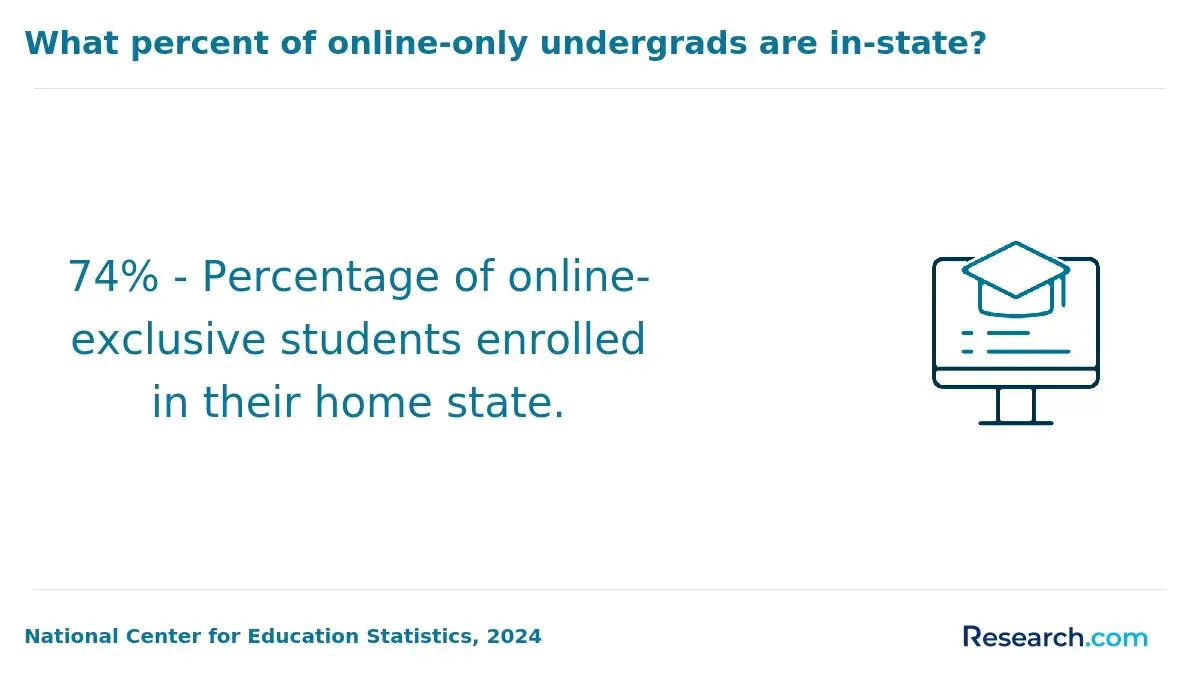
By contrast, Purdue Global's online BS in Finance - FinTech program uses an open admission policy without minimum SAT or ACT requirements. The university does not publish specific admission rates but clearly prioritizes accessibility, making entry achievable for a broad population including working adults and those returning to education.
This approach removes traditional gatekeeping but shifts responsibility onto students to self-assess readiness for success in a field demanding strong analytical and technological skills.
This effect is illustrated by a recent graduate who shared, "I hesitated to apply because I wasn't sure if my background was strong enough, but the open admission was a relief. Still, once enrolled, I quickly realized the real challenge wasn't getting in-it was keeping pace with coursework tied closely to real FinTech trends. The program's flexibility meant I had to be disciplined, especially balancing work and study."
What is the cost of attending an online BS in Finance - FinTech program at Purdue Global?
Tuition for the online BS in Finance - FinTech program at Purdue Global is priced at $10,110 annually for base tuition and fees, with total estimated yearly expenses reaching $19,560 when factoring in books, room, and board.
This pricing structure is notable because Purdue Global applies a flat-rate tuition model for online learners nationwide, eliminating cost disparities between in-state and out-of-state students. This can simplify financial planning for remote students but requires assessing whether included expenses like supplies meaningfully impact individual budgets.
Relative to traditional campus-based finance programs, Purdue Global's total cost estimate is competitive. For example, in-state students living on campus face costs around $17,994 according to federal reporting, which doesn't encompass the flat online fees that might otherwise elevate expenses elsewhere.
Students weighing enrollment should consider the broader economic tradeoffs, including the opportunity cost of time and potential variations in financial aid availability versus other online associate degrees or finance bachelor's options.
Choosing Purdue Global's BS in Finance - FinTech online degree involves a practical value proposition: predictable tuition without hidden fees versus potentially higher tuition or additional charges found in other institutions.
This straightforward pricing can benefit those balancing work, family, or geographic constraints when planning long-term education costs tied to finance and fintech career paths.
Ultimately, the tuition fees for Purdue Global BS in Finance - FinTech online degree reflect a model aimed at transparency and cost containment, but prospective students should carefully evaluate how the full cost of attendance aligns with employer expectations, career goals, and the financial realities of their personal situation.
Are there financial aid options for online BS in Finance - FinTech students at Purdue Global?
Financial aid for students enrolled in the online BS in Finance - FinTech at Purdue Global is layered, addressing diverse funding challenges that learners face. Securing such aid often shapes whether students can realistically commit to the program without incurring burdensome debt.
For working professionals, military personnel, or those meeting merit criteria, varying forms of assistance create distinct pathways to reduce out-of-pocket tuition costs.
The following outlines key financial aid opportunities pertinent to prospective and current students:
- Institutional Scholarships: Merit- and need-based awards offered by Purdue Global that can significantly offset tuition. Eligibility typically requires admission to the program and maintaining satisfactory academic progress. Award amounts vary but can reduce the total cost considerably.
- Federal Aid: Students who complete the FAFSA become eligible for federal grants, work-study, and loans like Direct Subsidized and Unsubsidized Loans. These funds help bridge gaps when scholarships fall short, but loans require careful consideration due to long-term repayment obligations.
- Corporate Tuition Reimbursement: Working students may qualify if their employers offer educational benefits. This can reimburse part or all tuition expenses, contingent upon employment status and company policies, effectively minimizing personal expenses.
- Veteran Benefits: Using federal programs such as the GI Bill, veterans and active military personnel can access substantial education funding. Eligibility depends on service history and benefits usage, making this a critical option for military-affiliated students.
- Grants and Aid Packages: Purdue Global also provides institutional grants based on financial need. These awards help lower total tuition costs but usually require documentation of income and other qualifications during the application process.
What learning resources are available to online BS in Finance - FinTech students at Purdue Global?
Access to specialized learning resources significantly shapes student success within an online BS in Finance - FinTech program, particularly given the program's technical demands and evolving industry requirements.
For students balancing work or other commitments, reliable and timely academic and technical support can be pivotal in completing coursework effectively and developing market-ready skills.
Purdue Global's approach combines technological infrastructure and personalized academic services, reflecting a recognition that support extends beyond content delivery to real-world preparedness.
The following learning resources illustrate how the program addresses these practical challenges and opportunities:
- Technical Support: Around-the-clock help desk assistance and troubleshooting guides ensure students can consistently access virtual classrooms and digital materials, mitigating disruptions that could delay progress or skill acquisition.
- Personalized Tutoring: Targeted support in writing and math helps students build core competencies needed to understand complex FinTech concepts, which is essential given the quantitative rigor of the field.
- Academic Advising: Guidance tailored to individual progress and goals aids students in navigating course sequences and aligning their studies with emerging industry trends or certifications they may pursue.
- Career Services: These include job placement assistance, resume-building workshops, and interview preparation focused on finance roles, addressing the documented difficulty graduates often face translating academic credentials into relevant employment.
- Professional Networking: Engagement with alumni and industry professionals provides channels to access internships and job opportunities, which can be critical given the competitive nature of the FinTech job market.
Does Purdue Global's online BS in Finance - FinTech program have in-person clinicals or practicums?
In the finance and FinTech sector, traditional in-person clinicals or practicums are generally not an industry mandate, unlike in healthcare or certain technical fields where hands-on experience is critical for certification and employment.
This reflects employer preferences for demonstrated project experience and technical competencies over supervised clinical hours. Purdue Global's online BS in Finance - FinTech acknowledges this industry reality by not requiring in-person practicums or clinicals as part of its core curriculum, aligning with broader finance education standards that prioritize virtual simulations and case studies.
Specifically, Purdue Global's BS in Finance - FinTech program substitutes real-world exposure with applied assignments involving financial software tools and simulations centered on digital payments, blockchain, and financial data analytics.
These virtual experiences provide practical skill-building while catering to fully online students who face geographic and scheduling constraints. While the program does not formally mandate on-site practicum participation, students are encouraged to pursue internships or cooperative education independently to enhance employability and workplace readiness.
This curricular design reflects a pragmatic approach to the online bs in finance fintech clinical requirements and fits the flexibility demands of many learners. Individuals seeking more traditional hands-on experience may need to supplement their education with external internships.
For prospective students interested in accelerated, flexible pathways into financial technology without requiring physical practicums, Purdue Global's offering is consistent with industry norms. Those exploring alternative credentials might also consider 12 month certificate programs that pay well for potentially faster entry into roles emphasizing practical FinTech skills.
What careers can graduates of online BS in Finance - FinTech at Purdue Global secure?
The marketability of Purdue Global's online BS in Finance - FinTech hinges on its graduates' ability to secure specialized roles that blend finance and technology, a crucial factor when assessing the long-term value of any program.
Graduates face competitive realities where practical tech skills in areas like blockchain and digital payments are increasingly necessary but must be complemented by solid finance knowledge. This combination positions alumni for various roles but also requires ongoing adaptation to evolving financial technology trends and regulatory changes.
For students prioritizing tangible employment outcomes, understanding these tradeoffs clarifies the program's practical application. Below are common career paths stemming from this degree:
- Financial Analyst: Professionals analyze investment opportunities and financial data to support business decisions, typically earning median salaries in the $60,000 to $85,000 range depending on firm and location.
- Risk Analyst: These analysts specialize in identifying financial risks using advanced fintech tools, helping firms avoid costly missteps while navigating complex market environments.
- FinTech Consultant: Consultants advise organizations on integrating innovative technology with finance operations, requiring both technical fluency and business acumen to drive digital transformation.
- Compliance Analyst: They ensure adherence to financial regulations, a role gaining prominence as regulatory environments around fintech products tighten.
- Business Analyst in FinTech: This position focuses on managing fintech projects or products, bridging technical teams and financial stakeholders to implement effective solutions.
The online finance careers for Purdue Global graduates reflect this dual skill set, with positions demanding adaptability amid ongoing tech advancements. Many employers emphasize demonstrable experience alongside the degree, which influences hiring prospects and salary outcomes.
For students evaluating degree options, particularly those interested in careers in fintech finance after Purdue Global degree completion, this program offers a foundation but requires a proactive approach to skill application and market trends.
Those weighing accelerated education paths may find value in exploring related fast track career programs to complement their expertise and improve workforce readiness.
What is the salary outlook for online BS in Finance - FinTech graduates?
The salary outlook for Purdue Global online BS in Finance - FinTech graduates reflects a modest starting point compared to many other fields, which may influence decisions when weighing short-term financial returns against program relevance.
The median alumni salary of $36,596 is closely aligned with related health and legal studies but notably below broader business disciplines and significantly undercuts higher-paying careers such as registered nursing or fire protection.
This discrepancy signals that while entry-level earnings are moderate, the degree's immediate financial payoff may not compete with more established or technical health and business roles.
Considering the average earnings for BS in Finance - FinTech graduates in the US, the value emerges primarily from growth potential rather than initial salary. The integration of finance with technology skills positions graduates for expanding areas like digital payments and blockchain, which employers increasingly value.
However, converting this specialized knowledge into higher wages depends on navigating a competitive labor market and continuously developing practical capabilities beyond the basic curriculum.
Graduates evaluating Purdue Global online BS in Finance - FinTech programs should also factor in the flexibility and availability of enrollment opportunities.
Options such as online schools with multiple start dates facilitate entry at varied times, supporting students who need adaptable schedules. Yet, the moderate median salary suggests that prospective students must assess how this program fits their long-term income goals versus alternative education paths offering higher starting pay.
How do you know if Purdue Global's online BS in Finance - FinTech program is the right choice for you?
Selecting an online BS in Finance - FinTech program requires a clear understanding of how the curriculum, delivery format, and community aspects intersect with your personal and professional priorities. Careful evaluation helps avoid overcommitting to a program that may not support your work-life balance or target skills.
Consider these key factors when assessing program fit:
- Curriculum Relevance: Analyze how well the program integrates core finance concepts with current technology trends like blockchain or data analytics. This ensures the degree equips you with practical skills that align with evolving employer demands in fintech sectors.
- Learning Flexibility: Evaluate the balance between asynchronous coursework and optional live sessions. This determines if the program accommodates your schedule and preferred study style, helping maintain consistent progress alongside other responsibilities.
- Peer and Professional Network: Consider the composition and engagement of the student community. A diverse cohort with experienced adult learners can offer valuable perspectives and networking opportunities relevant to your career path.
- Industry Application: Look for evidence that the program employs case studies or current fintech tools in teaching. Practical exposure is critical for transitioning theory into job-ready capabilities.
Reflecting on my own experience, I hesitated before committing to an online program due to concerns about balancing my job and studies. Choosing a program with flexible course structures and a cohort of professionals who understood those challenges made a tangible difference.
Conversations with fellow students about applying blockchain concepts to real workflows were particularly clarifying. This helped me confirm that the program wasn't just an academic credential but a practical pathway matching both my schedule and career ambitions.
What Graduates Say About Purdue Global's BS in Finance - FinTech Program
- Imani: "Studying at Purdue Global gave me a clear, structured approach to the complexities of finance blended with fintech innovations. The hands-on projects, especially involving blockchain applications, really helped me build a relevant portfolio that employers noticed more than just traditional certifications. While I initially faced a competitive job market, the flexibility of the program allowed me to intern remotely and pivot careers faster, landing a role where I could immediately apply what I'd learned."
- Nadia: "One of the more challenging aspects of my journey through the BS in Finance - FinTech program at Purdue Global was balancing rigorous coursework with real-world job hunting. I realized that many employers value practical experience and certifications over just a degree, so I used the program's resources to secure internships and earn fintech-specific certificates. It wasn't an easy path-there were some trade-offs, especially regarding licensure-related advancement-but ultimately, Purdue Global prepared me to navigate the nuanced realities of fintech hiring."
- Kavya: "Looking back, Purdue Global's BS in Finance - FinTech program was pivotal for understanding how the finance world is evolving with technology. The curriculum gave me not only the theory but also the strategic mindset to analyze market trends and fintech products. After graduation, although salary growth had its limits without additional licenses, I appreciated the increased remote work opportunities and was able to leverage my education into a solid, stable career with room for lateral moves and growth."
Other Things You Should Know About Degrees
The BS in Finance - FinTech at Purdue Global is designed with flexibility in mind, offering fully online courses and multiple start dates throughout the year. However, the accelerated pacing of some courses can be challenging for those working full-time, requiring disciplined time management. Prospective students who prioritize flexibility should plan their schedules carefully to avoid course overload during high-workload periods, as the program does not accommodate significant deadline extensions.
The curriculum emphasizes practical skills with industry-standard FinTech platforms, but all learning is virtual and self-paced without mandatory in-person labs or internships. This setup benefits students who prefer independent study but may limit opportunities for direct mentorship or live demonstrations. Those seeking extensive hands-on experience should complement the program with external internships or certifications focused on real-time technology use.
Purdue Global's online BS in Finance - FinTech program in 2027 offers networking through virtual events, online forums, and access to a diverse alumni network. These include webinars, industry-specific panels, and mentorship opportunities that connect students with professionals in finance and technology sectors.
The BS in Finance - FinTech program strongly gears students toward roles in financial services and technology companies integrating finance with digital innovation. While the skills are somewhat transferable, those targeting careers in unrelated sectors, like pure tech startups or government finance roles, might find the program less aligned with their goals. Students with non-traditional career plans should evaluate how well the curriculum matches the specific skillsets demanded outside core fintech-focused environments before committing.
References
- What is a Finance and Technology Degree | University of Phoenix https://www.phoenix.edu/articles/finance/what-is-a-finance-and-technology-degree.html
- Bachelor’s Degree in Finance Online | BA, BS, BBA in Finance, Economics and Business | What is a Financial Planner? | What does a Financial Planner do? https://www.financialplannerworld.com/bachelors-in-finance/
- How Purdue Global is expanding Purdue U's access to adult learners https://www.highereddive.com/news/how-purdue-global-is-expanding-purdue-us-access-to-adult-learners/545554/
- Online Bachelor of Business Administration and Digital Innovation with Finance & FinTech https://www.global-business-school.org/programs/bachelor-europe-bachelor-of-business-administration-online/online-bachelor-of-business-administration-and-digital-innovation-with-finance-fintech/
- Purdue University Global - Top Ten Online Colleges https://www.top10onlinecolleges.org/school-profiles/purdue-university-global/
- How to choose a bachelor's in finance | edX https://www.edx.org/resources/how-to-choose-a-bachelors-in-finance