2027 Is Arizona State University's Online BS in Design - Architectural Studies Worth It? What Students Should Know

Co-Founder and Chief Data Scientist
Balancing the need for flexible learning with strong career prospects challenges prospective students evaluating an online BS in Design - Architectural Studies program. With the National Center for Education Statistics reporting a 7% rise in online enrollments in design-related fields, demand grows for programs that combine accessibility with industry relevance.
However, architectural design careers require hands-on skills and portfolios that can be hard to develop remotely, complicating the decision to commit to online study at Arizona State University. This article examines how well the program aligns with professional standards, student preferences, and employment realities to help clarify if it meets individual academic and career goals.
Key Points About Arizona State University's Online BS in Design - Architectural Studies Program
- Arizona State University's online BS in Design - Architectural Studies has a 90% acceptance rate, balancing accessibility with the $34,845 tuition as a considered investment in architectural education.
- Graduates earn a median salary of $62,668, reflecting employer demand and a strong earnings to debt ratio of 3.21x, highlighting favorable financial outcomes for alumni.
- The program's strong academic reputation and experienced faculty support provide depth, though the mid-range total cost requires weighing long-term return on investment for career planning.
What makes Arizona State University's online BS in Design - Architectural Studies program stand out?
Arizona State University's online BS in Design - Architectural Studies is structured to meet the needs of students juggling work and personal commitments, providing asynchronous coursework alongside scheduled live sessions. This flexibility allows full-time professionals or caregivers to engage deeply without sacrificing interaction, a critical feature given the collaborative nature of design work.
For example, a part-time working student can participate in virtual studios and group projects that simulate real-world architectural environments while maintaining their job, which is a practical balance many competing programs lack.
The program's distinct advantage lies in its integration of comprehensive design principles with tailored architectural studies within a well-resourced digital ecosystem.
Unlike generic design degrees, ASU offers access to cutting-edge software and expert faculty mentorship, which enhances employability by aligning academic training with industry expectations. The 68% graduation rate suggests that students generally receive solid academic support, which is important considering the self-discipline required for remote learning.
While the size of the university provides extensive resources, students should weigh if the scale and structure fit their preferred learning style and career goals, especially since architectural firms often value hands-on experience alongside formal education.
Is it difficult to get admitted to Arizona State University's online BS in Design - Architectural Studies program?
Design programs with an architectural studies focus generally present moderate to high competitiveness due to the specialized skills required, such as technical proficiency and creative problem-solving.
Applicants often face scrutiny for portfolios or prior experience, making admissions selective compared to broader undergraduate degrees. This selectivity reflects employer expectations for graduates to enter with a foundation suitable for design studios and real-world architectural challenges.
Arizona State University's online BS in Design - Architectural Studies program, however, is comparatively accessible, with an acceptance rate near 90%. Out of roughly 68,840 annual applicants, about 62,084 are admitted, indicating a less restrictive entry point than typical design programs.
ASU's deliberate omission of SAT or ACT requirements lowers standardized testing barriers, which can diversify the applicant pool but may place more emphasis on other elements like academic history and personal statements.
This approach potentially benefits candidates seeking flexibility or those whose strengths lie outside test scores, yet it may introduce ambiguity about how portfolios or resumes are weighted in admissions decisions. While the program admits many, those aiming to stand out should ensure clarity in their design capabilities and commitment reflected elsewhere in the application.
One graduate shared that the application window's timing was challenging, compounded by uncertainties around the impact of missing standardized tests.
"I hesitated to apply initially because I wasn't sure how my portfolio alone would be evaluated without SAT scores. Waiting until I refined my projects for submission made me nervous about deadlines, but the process ended up being less rigid than I feared, which was a relief," they recounted.
This experience highlights how the flexible criteria may ease access but also require strategic preparation to leverage alternative strengths effectively.
How does the curriculum of Arizona State University's online BS in Design - Architectural Studies program stay aligned with current industry trends?
The curriculum of Arizona State University's online BS in Design - Architectural Studies maintains relevance with industry standards by tightly integrating skill sets crucial for contemporary architectural roles.
This alignment impacts employability, as graduates adept in digital modeling and sustainability are often prioritized in competitive job markets where proficiency in advanced technologies matters.
Below are key aspects of how this program mirrors evolving professional demands:
- Technology Integration: The program emphasizes tools like computer-aided design (CAD) and building information modeling (BIM), which are fundamental in architectural firms for efficiency and precision. Mastery of such software is often a prerequisite, making this an essential component of industry-driven coursework in Arizona State University architectural studies.
- Sustainability Focus: Reflecting growing regulatory and market pressures, the curriculum prioritizes environmental considerations and green building principles. This prepares students to engage with sustainable design challenges, a sought-after capability as clients and municipalities increasingly demand energy-efficient and eco-friendly solutions.
- Practical Application: Through project-based learning and exposure to adaptive reuse and innovative materials, students develop hands-on problem-solving skills relevant to diverse sectors, including urban planning and historic preservation. The experiential format closely simulates real-world scenarios employers expect from architects entering the field.
Despite these strengths, prospective students should consider how well this curriculum balances foundational knowledge with emerging trends, weighing if the online format sufficiently supports collaboration skills needed in multidisciplinary teams.
For those exploring pathways with tangible returns, comparisons to other options, such as quick degrees that pay well, might also inform decision-making. Ultimately, this program's alignment with industry-relevant competencies positions graduates to navigate architectural design's evolving landscape with practical expertise.
The tuition for Arizona State University's online BS in Design - Architectural Studies totals $12,051 annually for in-state students, with additional costs for books and supplies estimated at $1,320 per year. Unlike some online degrees, ASU does not impose extra technology fees on remote learners, which stabilizes the overall financial commitment.
This can be a decisive factor for students balancing education with work or family obligations, as unpredictable fees tend to disrupt budgeting. Eligible students may offset these expenses, since about 93% of undergraduates receive financial aid averaging $12,396, substantially decreasing the net cost of attendance.
Compared to other programs in architectural studies, ASU's flat-rate online tuition regardless of the student's geographic location introduces a relative affordability that out-of-state applicants often lack at traditional institutions.
The cost of Arizona State University online BS in Design tuition fees thus provides an accessible pathway, especially when paired with institutional grants and corporate tuition reimbursement partnerships aimed at working professionals.
This framework influences a student's decision as it balances educational rigor with cost efficiency, a consideration not universally available elsewhere.
While the total annual cost of attendance-including room and board-can reach upwards of $34,845 for on-campus students, the online model mitigates these expenses substantially. This creates a distinct financial profile that aligns with many students' realities who prioritize flexibility without sacrificing accreditation.
For those weighing tradeoffs in program cost against long-term employability, this element makes ASU's offering competitive among other architectural studies programs where fees and additional costs vary widely.
Students exploring the broader landscape of remote learning might also compare this option alongside other flexible credentials such as an online associate degree.
Although associate degrees require less investment upfront, their market value contrasts with the comprehensive skill set and recognition delivered by a BS in Design - Architectural Studies. Understanding these cost structures is crucial when projecting return on investment and career trajectory within the design and architectural job market.
Arizona State University's online BS in Design - Architectural Studies program enforces a selective admission process that requires careful preparation. Prospective students should weigh the tradeoff between submitting optional materials that can strengthen an application and the potential delays or extra effort involved.
This process reflects employer expectations that value demonstrated competencies alongside traditional academic credentials. Below is a concise overview of key admission criteria to help applicants navigate these operational realities effectively:
- Educational Background: Applicants must have completed high school or earned a GED, ensuring foundational academic readiness for upper-division coursework.
- Technology Access: A personal computer is mandatory for participation. The university's lease or purchase plan aims to alleviate financial barriers but requires early planning.
- Academic Records: Submission of secondary school transcripts is required to verify completion and assess preparedness, though no portfolio or practical exam is needed.
- English Proficiency: Non-native English speakers must provide TOEFL scores, a gatekeeper step to confirm language skills aligned with academic demands.
- Transfer Credits: The university accepts various evaluated credits including ACE, CLEP, and DSST exams, facilitating credit portability and possibly reducing time to degree completion.
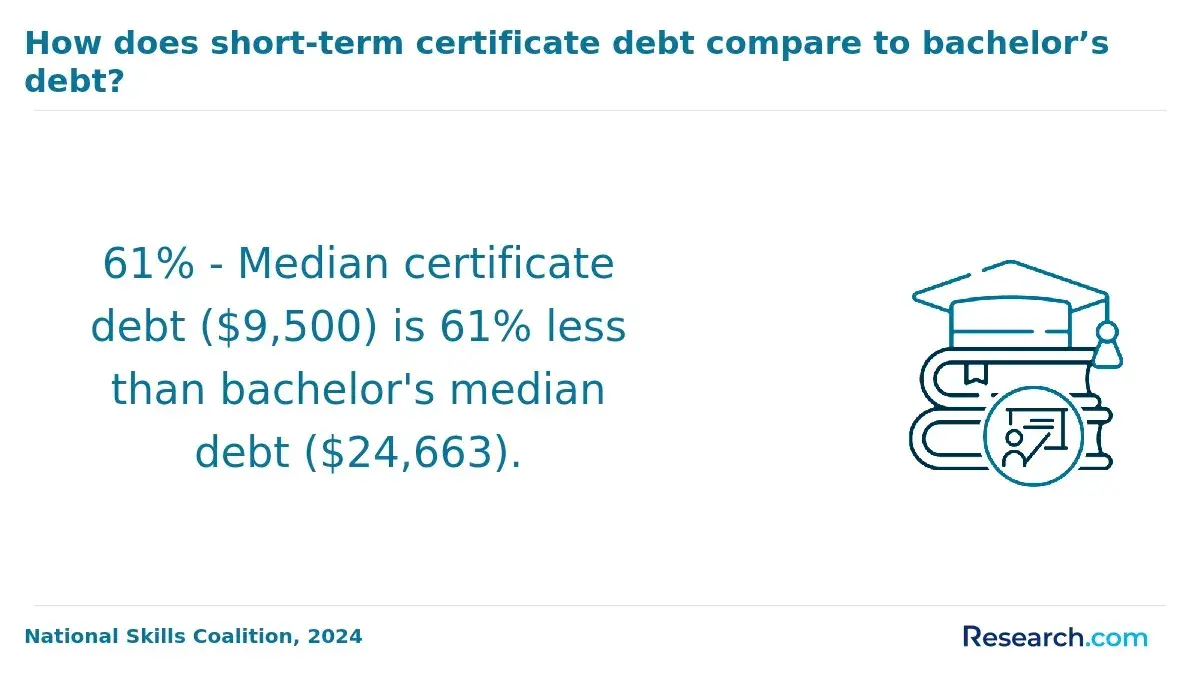
Choosing to pursue an online BS in Design - Architectural Studies at Arizona State University requires weighing significant upfront costs against realistic income prospects. With annual expenses nearing $34,845 and a median student debt of $19,500, candidates must consider if stable starting salaries around $62,668 justify this investment.
The median salary remaining steady a decade post-graduation suggests limited rapid wage growth compared to some other design or engineering fields, which can affect long-term financial flexibility when managing debt repayment.
In practical terms, students who secure scholarships or grants can meaningfully reduce debt burdens, thereby improving their earnings-to-debt ratio, which is approximately 3.21x for graduates.
Such financial aid increases the likelihood that alumni can comfortably service their loans without forgoing early career opportunities or geographic flexibility.
However, job placement in top-tier architectural firms or government roles, which often command higher salaries, remains competitive and heavily influenced by portfolio quality and internships rather than degree brand alone.
Given typical industry trajectory patterns showing salary increases in five to ten years, the program's ROI depends heavily on graduates' ability to leverage early work experience into advanced roles.
Those unable to break into higher-paying architectures or urban planning jobs may experience slower ROI realization, amplifying the importance of evaluating individual career goals against the program's cost and labor market dynamics.
Student satisfaction in Arizona State University's online BS in Design - Architectural Studies program hinges on balancing structured support with the inherent limitations of remote learning.
While the program's resources-such as a large faculty and staff body and dedicated online mentoring-create a foundation for academic persistence, the experience varies widely among students depending on their need for in-person interaction and collaborative settings.
For careers requiring strong networking skills and teamwork, the online format may require additional effort to compensate for fewer organic connections.
The culture among online design students is shaped by initiatives aimed at fostering community despite physical distance, including student organizations and mentorship programs. These elements address some common issues like isolation and motivation, which are critical for success in rigorous design curricula.
Still, some students report that asynchronous coursework helps with scheduling flexibility but cannot fully replicate face-to-face engagement, which impacts satisfaction and professional preparation.
Work-life balance emerges as another significant factor influencing perceptions of the program. Many learners appreciate the ability to juggle studies alongside employment or family commitments, yet some struggle with the demands of self-discipline and time management without traditional campus structures that encourage peer collaboration and immediate feedback.
One graduate recounted initially feeling uncertain about tackling a design-intensive program online but found the consistent mentoring invaluable during complex projects.
"There were moments I doubted if online would be enough for what this field demands," they shared, "but having access to real-time support made a big difference, especially when coordinating group assignments remotely. I won't say it replaced being on campus, but it helped me stay engaged and finish without burning out."
Arizona State University's role in employment outcomes for online BS in Design - Architectural Studies graduates reflects a strategic blend of virtual engagement and network leverage, which recognizably impacts post-graduation hiring potential.
Evidence indicates graduates who take advantage of university career services and alumni networking are 42% more likely to secure field-relevant positions, underscoring the practical value of sustained institutional support.
For students balancing remote learning with market entry, this integrated approach mitigates geographic barriers and enhances employer access. The implications extend to workforce integration where early professional connections often translate into timely job placements.
Below are key mechanisms through which the university facilitates this transition:
- Virtual Career Fairs: These events connect students directly with industry recruiters specializing in architecture and design, enabling early exposure to job markets typically limited for remote learners and increasing the likelihood of interviews before graduation.
- Online Career Resources: Comprehensive tools such as resume workshops and interview preparation tailored to architectural fields help refine candidates' profiles to meet employer expectations, which is crucial in competitive hiring landscapes.
- Alumni Network Mentorship: With over 570,000 members worldwide, ASU's alumni association offers mentorship programs that link students with professionals, providing industry insights and networking that can accelerate employment prospects post-degree.
These employment support for ASU online architecture graduates reflect career services for Arizona State University design students that go beyond typical remote program offerings, embedding students within a broader professional ecosystem.
For those evaluating cost-effectiveness and return on investment, examining such structured post-graduate pathways alongside program costs may prove instructive, especially when compared with other options available; some prospective students also consult resources like what is the cheapest online master's degree program to weigh financial aspects in career decision-making.
Graduating from Arizona State University's online BS in Design - Architectural Studies opens pathways primarily to entry-level roles that focus on drafting and design support rather than immediate licensure.
The distinction matters because employers in architecture firms or construction companies often expect licensed architects for leading roles, so graduates typically enter as architectural drafters or assistants, developing foundational expertise while collaborating with seasoned professionals.
This program's graduates face a tradeoff: while gaining valuable design knowledge, progressing into fully certified architect positions requires further licensure and experience. For those evaluating the Arizona State University architectural studies graduate employment rates, understanding these employment patterns is crucial for setting realistic expectations.
Below are typical career outcomes aligned with this program's scope:
- Architectural Drafter Roles: Graduates often start as drafters, translating architects' concepts into technical drawings. Average annual earnings hover around $41,663, reflecting a mid-level entry salary within the design sector.
- Design Assistant Positions: Many serve as design assistants, supporting project development and collaborating on design details. This role demands strong technical skills and offers versatile experience applicable in various firms.
- Urban Planning Transition: Some alumni pivot to city and urban planning fields, where the median salary is slightly higher at $42,323. This path diversifies career options but may require additional specialization.
- Applied Arts and Design Careers: Graduates may enter creative sectors with an average income near $38,105, utilizing their design skills beyond traditional architectural roles.
Considering the career paths for online BS in design architectural studies alumni in Arizona, candidates should weigh that immediate licensure is not guaranteed, and salary growth largely depends on additional certification or experience.
For prospective students looking to compare flexible and affordable programs, the cheapest self-paced online college options merit attention alongside this kind of degree.
Determining if Arizona State University's online BS in Design - Architectural Studies program aligns with your academic and career objectives depends on weighing several practical factors.
For instance, a student aiming for licensure and firm placement must consider how well the curriculum and professional partnerships support these goals, unlike someone focused on general design skills or a portfolio for freelance work.
Factors making a program worth your investment can vary widely based on your specific ambitions and job market demands.
Here are key criteria to help evaluate whether this particular program fits your needs:
- Curriculum Relevance: Assess if the coursework covers both foundational architectural principles and current digital design tools critical for employability. Programs emphasizing practical application align better with employer expectations in architectural offices.
- Program Flexibility: Since the program is online, gauge whether its pacing, interaction modes, and technology platforms suit your learning style and personal schedule. This affects your ability to sustain engagement and complete the degree efficiently.
- Career Support and Outcomes: Investigate if the program offers pathways to internships, licensure prep, or collaborations with architectural firms. These connections influence job prospects and industry readiness upon graduation.
- Faculty Expertise and Accessibility: Experienced instructors with professional architectural backgrounds and accessible academic advising contribute substantially to mentoring quality and skill development.
Choosing to pursue a program like ASU's online BS in Design requires balancing these factors against your long-term professional goals and immediate learning needs.
Given the variety of architectural studies paths and industry expectations, this evaluation process is essential for making an informed decision aligned with your desired career trajectory.
For those also considering shorter educational options to enhance job readiness, resources on short certificate programs that pay well provide useful comparisons.
What Graduates Say About Arizona State University's Online BS in Design - Architectural Studies Program
- Jose: "Studying at Arizona State University through the online BS in Design - Architectural Studies program really sharpened my technical skills, especially in CAD and model-building, which helped me stand out when applying for positions. I quickly realized in the industry that while having the degree was essential, employers valued my well-rounded portfolio and internship experience even more. This gave me a faster entry into a mid-size architectural firm focused on sustainable design, though I'm still planning to pursue licensure to open more senior roles."
- Cedric: "The flexibility of Arizona State University's BS in Design - Architectural Studies program allowed me to work part-time in an architectural office while completing my studies, which was crucial given how competitive hiring can be. I found that many firms prioritize certifications and hands-on experience over just the degree, so I made sure to leverage the internships connected through the program. That said, I've noticed a ceiling on salary growth without becoming licensed, so my next step is deciding whether to invest time in the necessary exams or explore project management paths."
- Yusuf: "Reflecting on my journey, Arizona State University's BS in Design - Architectural Studies degree provided a solid foundation but also highlighted how much the industry values real-world problem-solving and adaptive skills. I had to pivot from my initial goal of working strictly in architectural design after graduation, as many firms emphasized portfolios and software proficiency rather than just academic credentials. The program helped me secure remote work opportunities, which aligned well with my lifestyle, though progression often felt tied to gaining further certification and onsite experience."
Other Things You Should Know About Degrees
The BS in Design - Architectural Studies program at Arizona State University demands a consistent weekly time investment, often averaging 15-20 hours, including project work and class discussions. For students working full-time, this can lead to significant scheduling challenges, particularly when deadlines coincide with intensive phases of group critiques or studio assignments. Prospective students should prioritize strong time-management skills and consider front-loading coursework when possible or communicating proactively with instructors to avoid burnout.
While the program incorporates digital design studios and collaborative tools, the lack of in-person interaction can restrict tactile experience with materials and spontaneous peer exchange common in traditional settings. This limitation may affect students who learn best through physical model-making or direct critique. Therefore, applicants should weigh their learning preferences carefully; individuals comfortable with virtual collaboration and self-directed exploration will adapt more easily and potentially benefit more from this format.
While prior design experience can be helpful, it is not necessary for enrollment in Arizona State University's Online BS in Design - Architectural Studies. The program provides foundational knowledge and skills that cater to both beginners and those with some experience, ensuring comprehensive learning opportunities.
ASU evaluates transfer coursework after admission, and only grades of C or higher usually apply toward the 120-credit bachelor’s degree. Lower-division general education, math, and design-related courses from regionally accredited schools are the most common transfers, but final approval comes from ASU admissions and the academic college.
- Architecture BS/BA/BArch for B+ student interested in traditional architecture? https://talk.collegeconfidential.com/t/architecture-bs-ba-barch-for-b-student-interested-in-traditional-architecture/3691422
- Architecture program targets accessibility in its redesign - The Arizona State Press https://www.statepress.com/article/2021/06/spcommunity-asu-architecture-program-degrees-access-diversity
- Arizona State University (ASU) https://www.princetonreview.com/college/arizona-state-university-1023376
- What's an architecture degree worth? | 30X40 Design Workshop https://thirtybyforty.com/whats-an-architecture-degree-worth
- Architectural Studies https://www.wits.ac.za/course-finder/undergraduate/ebe/architectural-studies/
- Arizona State University Campus Immersion Architecture | 90% Acceptance Rate, ROI 70/100 https://www.gradgpt.com/arizona-state-university-campus-immersion/masters/architecture
- Top 10 Rankings of Arizona State University - Smart Edu Link https://www.smartedulink.com/blog-details/top-10-rankings-of-arizona-state-university/r/recS9FgQ3Hp1zDOWC