2027 Educational Policy Degree Coursework Explained: What Classes Can You Expect to Take?
Audited and Verified:
Our Editorial and Data Verification Process
Research.com uses government datasets, official education statistics and primary institutional information to support its career and degree guides. Our review process checks factual accuracy, occupational definitions, source dates and the requirements associated with the credentials discussed.
How This Article Was Fact-Checked
Our editorial team verifies salary estimates, employment projections, education requirements and program information against original data providers and official organizations. Salary figures are checked against the relevant occupational definitions and reporting periods. Information about licensure, accreditation and required in-person training is reviewed separately.
Fact-checked and verified on:

Co-Founder and Chief Data Scientist
Picking an educational policy degree can seem daunting without a solid sense of what the coursework involves. Almost 65% of graduates say that learning policy analysis and research methods during their studies directly boosted their job readiness for education administration positions.
The degree centers on building key abilities like data interpretation, policy evaluation, and educational equity analysis. This article describes common classes in an educational policy curriculum and explains how each one prepares students for challenges within education systems.
Readers will get a useful overview, helping them confidently choose programs that match their career goals in education reform and leadership.
Key Benefits of Educational Policy Degree Coursework
- Educational policy coursework sharpens critical analysis and research skills, essential for assessing and designing effective school programs and reforms.
- Students develop policy advocacy and leadership abilities, boosting prospects for roles in administration and governmental agencies.
- Graduates often experience enhanced salary potential, with U.S. Bureau of Labor Statistics noting a 6% growth in education administration jobs through 2032.
What Types of Class Do You Take in a Educational Policy Degree?
Educational policy degree curricula use a structured design that balances theory with practical skills needed to influence education systems.
Roughly 70% of programs stress this balance, preparing students for academic research as well as leadership roles. The coursework requirements for an educational policy degree typically feature varied classes that build the critical expertise required to create and analyze policy.
Students can expect these categories of classes:
- Core Foundational Classes: These offer broad knowledge of education systems, policy analysis frameworks, and the historical evolution of educational reforms. They help students gain a wide perspective on how policies are made and carried out.
- Specialization or Elective Courses: These let students tailor their studies toward areas such as equity, finance, administration, or technology in education, matching their skills with specific professional goals.
- Research and Methods Coursework: Centering on qualitative and quantitative research methods, these classes teach data analysis and evaluation techniques essential for judging policy impact and building evidence-based recommendations.
- Practicum, Internship, or Capstone Experiences: These hands-on opportunities let students apply theoretical knowledge in real settings, work with stakeholders, and build professional competencies vital for leadership roles.
For students considering options beyond educational policy, exploring msw online programs can provide flexible pathways in related fields. The kinds of classes in educational policy programs show a careful mix of theory, practical skills, and specialization preparing graduates for varied career paths.
What Are the Core Courses in a Educational Policy Degree Program?
Core coursework in educational policy degree programs lays the groundwork for understanding and influencing education systems through key knowledge and practical skills.
These core classes build critical thinking, research proficiency, and policy analysis abilities that prepare students for leadership roles in education reform and improvement.
Emphasizing both theoretical frameworks and applied skills, the core classes in an educational policy degree program offer a comprehensive academic foundation.
Students gain expertise in designing studies, evaluating programs, and navigating the complexities of educational settings. This essential coursework supports career readiness for those interested in shaping effective education policies.
Below is a detailed overview of common core courses found in educational policy degree programs:
- Foundations of Educational Policy: Presents central historical, philosophical, and social contexts that shape education policy, helping students understand the core principles influencing today's systems.
- Research Design and Quantitative Methods: Centers on designing rigorous studies and using statistical tools to analyze data vital for evidence-based policy decisions.
- Qualitative Research in Education: Builds skills in qualitative data collection and analysis, stressing the interpretation of complex educational phenomena via interviews, observations, and case studies.
- Policy Analysis and Evaluation: Provides students with methods for critically assessing education policies, measuring their effectiveness, and recommending improvements.
- Education Law and Ethics: Examines legal frameworks and ethical considerations relevant to education policy, preparing students to handle challenges in governance and practice.
- Leadership and Organizational Theory: Offers insights into leadership strategies and organizational dynamics for effectively implementing and managing education initiatives.
Students who take these core courses gain applied knowledge vital for real-world success, often strengthened by experiential learning opportunities like case studies and internships.
Prospective students looking into related programs might consider researching online business degree programs accredited as a complementary path or alternative area of study.
What Elective Classes Can You Take in a Educational Policy Degree?
Elective courses in an educational policy degree let students shape their learning around their own interests and intended career paths.
Roughly 60% of students in these programs choose electives that match focused areas such as leadership or data-driven decision-making, underscoring the rising value of specialized expertise.
Here are some common electives offered to deepen knowledge and skills in key policy domains.
- Education Law and Ethics: Focuses on legal principles and ethical dilemmas in education, preparing students for roles in compliance, advocacy, or policy development where knowing regulations is essential.
- School Finance and Budgeting: Covers the management of fiscal resources and budgeting strategies, important for careers in educational administration, financial planning, or district-level policy implementation.
- Data Analysis for Education: Centers on interpreting quantitative and qualitative data to guide policy decisions, a vital skill for researchers, evaluators, and policy analysts.
- Equity and Social Justice in Education: Examines systemic barriers and strategies for inclusive policy reform, suited for professionals seeking to address diversity, access, and fairness issues in education.
- Educational Leadership and Administration: Builds leadership capabilities and organizational management techniques, ideal for those hoping to lead schools, districts, or educational programs.
When I asked a professional who earned an educational policy degree about his elective choices, he stressed the difficulty of balancing courses that were both personally meaningful and strategically useful for his career.
He observed, "Choosing electives wasn't just about interest; it was about determining which skills would open doors in the education sector."
He described feeling both excited and uncertain at first, but in the end found that his choices gave him the confidence and expertise required for his role at a nonprofit focused on education reform.
Hands-on experiences in educational policy programs let students apply theoretical knowledge in practical settings, deepening their understanding of policy processes.
These internships or practicums usually involve real-world work in organizations that shape education reform, offering essential professional exposure.
Around 70% of accredited educational policy programs in the U.S. require these practical experiences as part of their curriculum. The following key aspects explain what students can expect during these placements:
- Program Requirements: Many programs require participation in internships or practicums, ensuring students gain direct experience in the field before graduating.
- Duration and Hours: Students typically commit between 100 and 300 hours, often spread over a semester or summer session to balance with academic workloads.
- Types of Experiences: Placements often take place in school districts, government agencies, or nonprofits where students engage in policy research, help draft documents, and attend relevant meetings.
- Skill Development: These opportunities focus on strengthening policy analysis, program evaluation, communication with stakeholders, and leadership abilities through guided mentorship and practical tasks.
- Supervision and Mentorship: Experienced professionals supervise students' work, offering feedback and networking opportunities to support professional growth.
Culminating projects such as capstones and theses help validate students' mastery of key concepts and practical applications in educational policy programs.
About 70% of master's degree programs in this field include a final project to show synthesis of learning and readiness for professional or scholarly pursuits. These projects differ in focus and scope, offering varied experiences tailored to career goals.
Consider the following distinctions between capstone and thesis options:
- Thesis: Involves extensive research and aims to add original insights to the field. It usually requires a longer commitment, often several months up to a year, and sharpens skills in academic writing, critical analysis, and independent study.
- Capstone: Centers on applying theory to real-world challenges through practical projects like policy evaluations or intervention designs. Generally less time-consuming than a thesis, it encourages collaboration, problem-solving, and effective professional communication.
- Skill Development: Both projects strengthen essential competencies including analytical thinking, synthesis of information, and effective presentation tailored to either academic or professional audiences.
- Career Alignment: Theses are favored by students aiming for further academic work or doctoral studies, while capstones better fit those seeking immediate advancement in policy-making or administrative roles.
A professional who earned an educational policy degree shared her perspective on choosing between a capstone and thesis. She recalled feeling uneasy about committing to a lengthy thesis but valued the depth of inquiry it required.
"The process was intense; balancing original research with course deadlines tested my time management and critical thinking," she explained. Still, that rigor strengthened her confidence in navigating complex policy debates after graduation.
In hindsight, she appreciated how the thesis sharpened her ability to build well-founded arguments, a skill that continues to benefit her career.
Her experience shows how, despite challenges, the culminating project becomes a defining educational milestone that prepares students for varied futures.
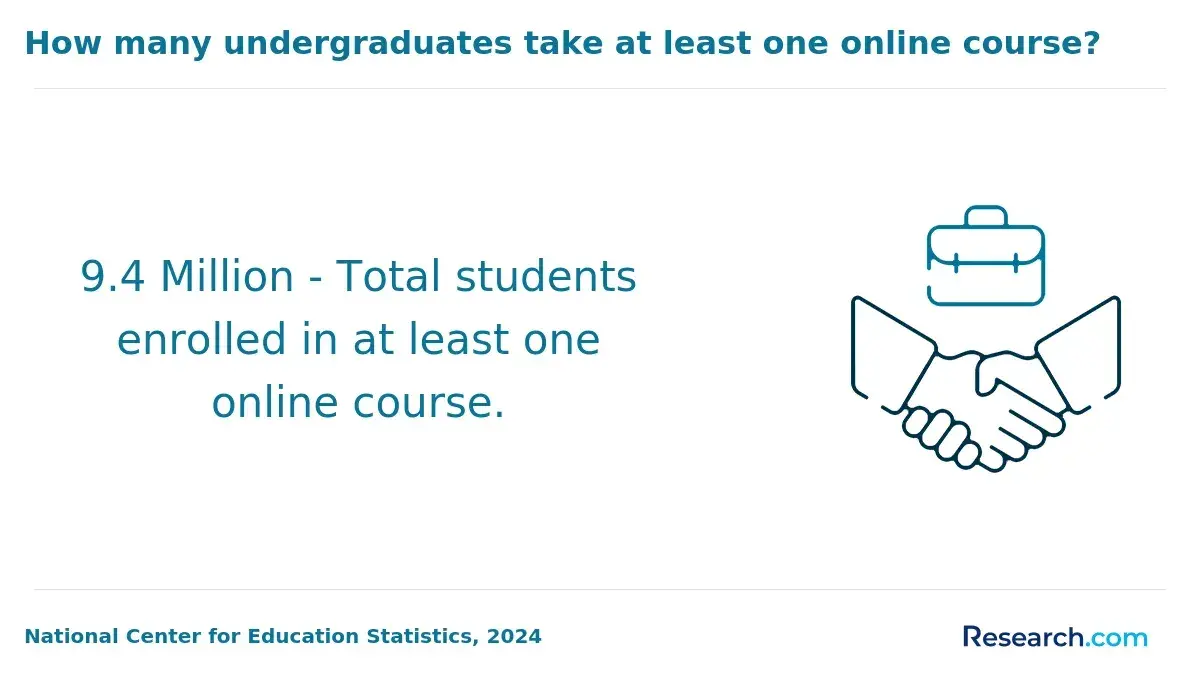
Educational policy coursework stays largely the same whether taken online or on campus, with similar curricula, learning goals, and academic expectations.
Both formats aim to deliver equivalent core knowledge and skillsets, ensuring students are equally prepared for professional or further academic pursuits.
The integrity of the degree is preserved by aligning standards across delivery modes. Differences seldom affect the substantive content or the competencies students are expected to develop.
Key differences mainly relate to course delivery and student experience. Online courses often use video lectures, forums, and digital assignments, giving students more flexibility to manage their schedules.
In-person classes feature live discussions and spontaneous interactions with faculty and peers. Access to physical campus resources can be limited online, though many institutions offer virtual alternatives.
Online assessments may include exams and papers adapted for remote settings, while practical elements are adjusted through simulations or project-based work to suit distance learning.
Most students enrolled in educational policy classes can expect to devote between 12 and 18 hours per week to coursework. This time usually divides into about 3 to 5 hours attending lectures or taking part in live discussions, 4 to 6 hours spent on readings, and 3 to 6 hours working on assignments, projects, or group activities.
Additionally, applied learning elements such as case studies, policy analysis, or practicums may raise weekly hours depending on the course design.
The weekly time commitment for educational policy classes varies based on several key factors. Below is a breakdown of the main influences on how many hours per week a student might need to invest:
- Enrollment status: Full-time students carrying a heavier course load generally spend more hours weekly than part-time students enrolled in fewer credits.
- Course level: Graduate-level coursework tends to require deeper independent research and critical engagement, often increasing study hours beyond undergraduate requirements.
- Delivery format: Online courses offer flexible scheduling but demand disciplined time management, especially for live sessions and group collaborations. On-campus courses have fixed schedules that help students plan study time more predictably.
- Credits per term: Each credit hour usually corresponds to two to three hours of outside work per week, directly affecting the overall time commitment.
- Practicum and projects: Hands-on components like capstone projects or practicums significantly increase time demands due to applied work and coordination with external partners.
Students who want to expand their expertise in related fields might also explore a library science degree, which shares some interdisciplinary connections with educational policy studies.
Weighing these factors helps prospective students realistically assess the hours per week required for an educational policy degree, supporting better academic planning and success.
Credit hour requirements directly affect the length of an educational policy program, the student's academic workload, and timely graduation.
These requirements differ depending on whether students pursue undergraduate or graduate studies, as well as by individual program design. Prospective students should understand these differences to align their course planning with educational goals and career timelines.
Typical credit-hour components in educational policy degree programs generally include:
- Core coursework: Usually making up the largest portion of required credit hours, core courses cover essential subjects such as policy analysis, education law, and research methods. Undergraduate programs often assign around 40-60 credits to foundational coursework, while graduate studies emphasize advanced theory.
- Electives: Elective credits let students tailor their studies to specific interests like equity in education or program evaluation. Undergraduate degrees might offer 20-30 elective credits, while graduate programs typically include 6-12 credits of specialized electives.
- Experiential requirements: Many programs include internships, practicums, capstone projects, or theses to provide practical, hands-on experience bridging theory and practice. These experiential learning components can range from 3 to 12 credits, often more intensive in graduate-level coursework.
The required credit hours for completing an educational policy degree generally range from about 120 to 130 credits at the undergraduate level, reflecting roughly four years of full-time study.
Graduate programs usually require 30 to 36 credits, completed in one to two years. This structure reflects differences in course intensity and depth between bachelor's and master's programs, with graduate studies focusing on concentrated, advanced content.
For students considering further options in educational policy studies, including some of the cheapest online edd programs, understanding specific credit hour requirements can help improve program selection and academic planning.
Knowing the credit requirements for an educational policy degree ensures a clearer path toward graduation and career preparation.
Educational policy coursework gives students essential skills and practical knowledge that directly boost career readiness. Through a mix of theoretical understanding and applied learning experiences, students build the competencies needed to influence and lead within education systems.
Employment opportunities in education policy and administration are expected to grow by 6% from 2022 to 2032, indicating steady demand for qualified professionals in this field.
- Critical Thinking and Analysis: Coursework builds the ability to critically assess education systems and reform initiatives. Students learn to evaluate policies based on data and evidence, a skill vital for informed decision-making in professional roles.
- Applied Research Projects: Taking part in projects involving data analysis and policy evaluation lets students gain hands-on experience. These projects mirror workplace tasks, helping students turn academic knowledge into practical strategies.
- Communication and Stakeholder Engagement: Programs stress communicating complex policy issues effectively to varied audiences, including educators, policymakers, and community members. This ensures students can advocate for and carry out change successfully.
- Designing Evidence-Based Strategies: Students gain the ability to create actionable, research-driven solutions to improve educational outcomes, a key competency highly valued by employers seeking impact-driven professionals.
- Professional Network Development: Coursework often involves collaboration and connections with industry experts and peers, giving students valuable contacts and resources to support their career growth in educational policy.
For those considering academic options, researching affordable opportunities such as a cheapest online college that accepts FAFSA can be a practical first step. This approach can help manage costs while gaining the skills needed for a successful career.
Bringing together these competencies from educational policy degree career readiness ensures graduates are well-prepared for the challenges and opportunities within the education sector.
Completing coursework in educational policy can increase earning potential by offering specialized skills and knowledge valued by employers in education administration. Graduates with this training often reach higher-paying roles, reflecting their preparation for leadership and strategic responsibilities.
The U.S. Bureau of Labor Statistics reports that education administrators, many holding degrees related to policy, earned a median annual wage of about $98,000 in 2022, surpassing average occupational wages.
Key ways educational policy coursework affects salary potential include:
- Development of In-Demand Skills: Coursework covers policy analysis, finance, and research methods, giving students abilities essential for tackling complex educational challenges, making them attractive candidates for advanced positions.
- Completion of Specialized Courses: Advanced studies in organizational theory and education law prepare students to navigate critical legal and structural aspects of education systems, positioning them for roles with greater responsibility and pay.
- Leadership and Management Training: Programs stress leadership skills that qualify graduates for managerial roles, which typically offer salaries higher than entry-level teaching or support positions.
- Applied Experiences Like Practicums and Capstones: Hands-on projects demonstrate practical problem-solving and strategic decision-making abilities, signaling readiness to employers for leadership tasks and contributing to career advancement.
- Preparation for Certifications: Coursework often aligns with requirements for credentials in educational leadership, such as superintendent certifications, which open access to senior-level roles with increased financial benefits.
What Graduates Say About Their Educational Policy Degree Coursework
- Vance: "Finishing the educational policy degree online was a game-changer for me, especially given the affordable tuition compared to many other programs. The flexibility let me balance work and study effectively, and the coursework greatly deepened my understanding of education systems. This has opened doors to leadership roles in educational administration."
- Marvin: "The cost of attending the educational policy program on-campus was a major investment, but the immersive experience was well worth it. Engaging directly with professors and peers enriched my learning beyond textbooks. Looking back on my career growth, the coursework has been instrumental in shaping my analytical skills for policy development."
- Parker: "As a professional seeking advancement, the educational policy coursework offered online matched my budget and schedule perfectly without compromising quality. The practical insights gained have empowered me to influence policy decisions in my organization confidently. I appreciate how the program balances affordability with rigorous content."
Other Things You Should Know About Educational Policy Degrees
In 2027, Educational Policy degree coursework usually includes classes such as Foundations of Education Policy, Comparative Education Systems, Education Law and Ethics, Quantitative and Qualitative Research Methods, and Policy Analysis in Education. These courses seek to prepare students for roles in education leadership and policy-making.
Most educational policy master's programs finish with a capstone paper, policy brief, or practicum, usually worth 3 to 6 credit hours. Students often analyze a real policy problem, use data, and present recommendations to faculty or external partners.
- Educational Policy and Leadership Courses https://www.albany.edu/graduate-bulletin/educational-policy-leadership-courses.php
- MPP Education Policy https://www.york.ac.uk/study/postgraduate-taught/courses/mpp-education-policy/
- Education Policy, M.S.Ed. https://www.gse.upenn.edu/academics/education-policy-msed
- Charting your Course: Earnings boost after University and College - Social Mobility Commission https://socialmobility.independent-commission.uk/reports/charting-your-course-earnings-boost-after-university-and-college/
- Master’s Thesis or Capstone Project? Which One Is the Right Choice for https://research-rebels.com/blogs/how-to-write-thesis/master-s-thesis-or-capstone-project-which-one-is-the-right-choice-for-you
- The impact of undergraduate degrees on lifetime earnings | Institute for Fiscal Studies https://ifs.org.uk/publications/impact-undergraduate-degrees-lifetime-earnings
- The Importance of Career Readiness in Education https://achievementcharter.com/blog/the-importance-of-career-readiness-in-education
- Careers In Education Policy With Your Degree - Noodle.com https://resources.noodle.com/articles/education-policy-jobs/
- Capstone Project vs Thesis in University: Key Differences Explained https://www.quetext.com/blog/capstone-project-vs-thesis
- How Schools Can Support College and Career Readiness https://www.onegoal.org/about/blog/how-schools-can-support-college-and-career-readiness/