2027 Return on Investment (ROI) of an Educational Policy Degree Program
Audited and Verified:
Our Editorial and Data Verification Process
Research.com uses government datasets, official education statistics and primary institutional information to support its career and degree guides. Our review process checks factual accuracy, occupational definitions, source dates and the requirements associated with the credentials discussed.
How This Article Was Fact-Checked
Our editorial team verifies salary estimates, employment projections, education requirements and program information against original data providers and official organizations. Salary figures are checked against the relevant occupational definitions and reporting periods. Information about licensure, accreditation and required in-person training is reviewed separately.
Fact-checked and verified on:

Co-Founder and Chief Data Scientist
A mid-career professional is thinking about earning an educational policy degree to move into leadership positions, yet is concerned about the cost and time required without definite job assurances. New data indicates that jobs in education policy analysis and similar areas are expected to increase 7% through 2032, a pace comparable to average occupations, pointing to consistent demand.
Knowing the return on investment for an educational policy degree is essential for making an informed choice. This article reviews expenses, career paths, and income potential, helping readers assess whether the degree matches their professional aims and financial outlook.
Key Things to Know About Educational Policy Degree ROI
- Graduates with an educational policy degree can expect a 15% higher median salary over time compared to those with general education credentials.
- Career advancement often leads to leadership roles in government or nonprofits, increasing job stability and influence within the sector.
- The degree offers flexibility across public, private, and international education sectors, supporting long-term employment opportunities amid evolving educational demands.
How Is ROI Calculated for a Educational Policy Degree Program?
Return on investment (ROI) in higher education gauges the financial gains obtained from finishing a degree against the costs and time required. For students weighing an educational policy degree, ROI helps determine whether the expense and effort lead to meaningful career advancement and higher earnings. This assessment is especially helpful when comparing various programs.
Main factors used to calculate educational policy degree ROI include:
- Tuition and Fees: This includes all direct program costs, such as tuition, textbooks, and other fees. Grasping these expenses is vital for assessing the initial financial outlay.
- Opportunity Cost: Time devoted to the degree means income given up from full-time work. This forgone salary potential while studying strongly influences overall ROI calculations.
- Time to Completion: The length of the program affects both direct costs and opportunity costs. Longer durations to complete a degree raise expenses and postpone income gains.
- Post-Graduation Salary Outcomes: Anticipated salary increases or job prospects after graduation help recover costs sooner and boost ROI. This factor is key when learning how to calculate return on investment for educational policy programs.
- Career Advancement and Long-Term Earnings: Beyond short-term salary gains, the degree's effect on promotions, job security, and consistent salary growth further improves ROI over time.
For those also looking into flexible study options, consider reviewing an online SLP program as an example of how program format influences costs and outcomes.
How Much Does a Educational Policy Degree Program Cost?
Precisely measuring the return on investment for an educational policy degree demands a complete grasp of all related costs. Graduate tuition has risen considerably in recent years, with many students encountering debt levels that can affect their financial stability after graduation. About six in ten graduate students hold debt when they finish their programs.
Primary expenses that affect the overall ROI of an educational policy degree generally include:
- Tuition and fees: These cover the main instructional costs plus technology access and administrative support. Pricing differs widely based on program length, delivery format, and whether the school is public or private.
- Books and materials: Required textbooks, course software, and other supplies often add several hundred to a few thousand dollars each year.
- Living or relocation expenses: Students in campus-based programs may face housing, food, and commuting costs, which can rise substantially if relocation is needed.
- Opportunity cost: Time committed to coursework can lower earnings, particularly for full-time students who may pause employment while studying.
- Hidden or indirect costs: Extra fees like applications, testing, and specialized technology requirements can build up quietly throughout the program.
I talked with a graduate of an educational policy degree about these financial matters. He said that beyond tuition, he was not ready for the cumulative effect of small recurring costs such as exam fees and specialized software licenses. "It felt like there was always something extra I hadn't budgeted for," he said.
He also pointed out the difficulty of balancing part-time work with coursework, which made the opportunity cost clearer. His experience underscored how important it is to account for all costs, not just the sticker price, to truly grasp the financial commitment involved.
What Financial Aid Is Available for Educational Policy Degree Programs?
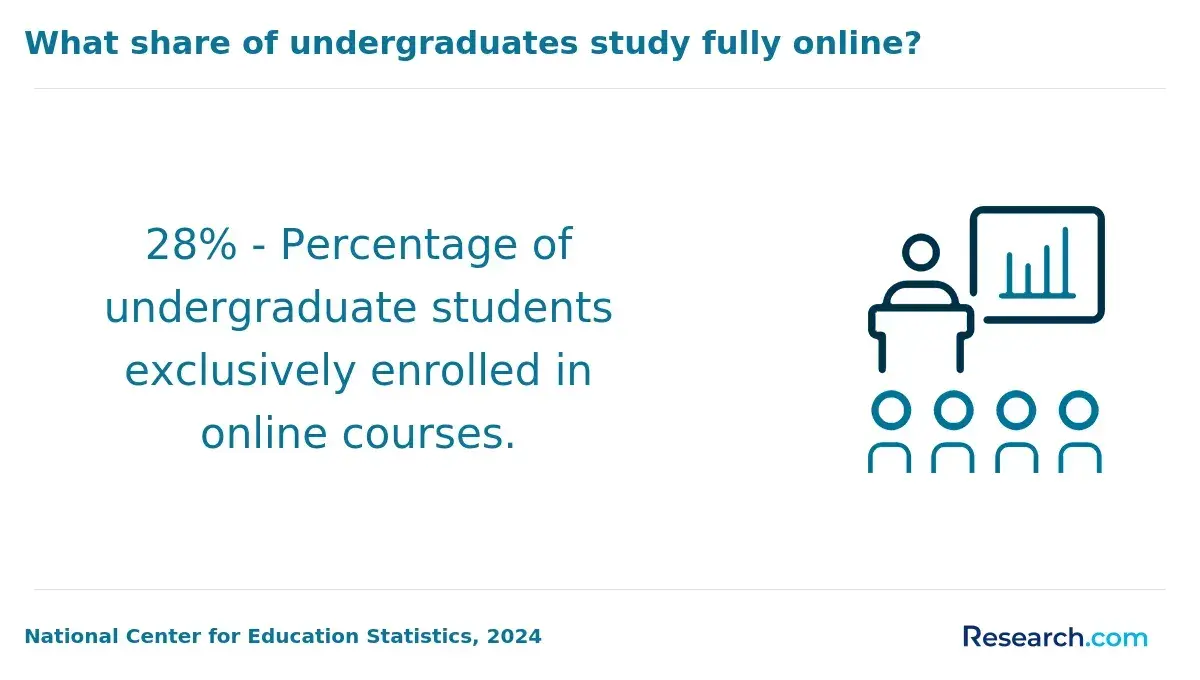
Financial aid lowers upfront costs and alleviates long-term debt, greatly improving the return on investment for educational policy degree programs. Nearly 60% of U.S. graduate students receive some type of financial support, highlighting its role in handling the cost of advanced education.
Typical financial aid options available include:
- Scholarships: Given based on merit or need, scholarships directly lower tuition costs without repayment, boosting affordability and future financial results.
- Grants: Often funded by government sources, grants do not require repayment and reduce the total amount students must borrow, helping protect ROI by decreasing debt.
- Fellowships: Competitive awards usually linked to research or academic performance, fellowships provide stipends or tuition coverage, reducing both program costs and living expenses.
- Employer Tuition Assistance: Some employers offer partial or full financial support for advanced degrees, which lowers out-of-pocket spending and can accelerate career growth.
- Federal Loans: Although they require repayment, federal loans generally offer lower interest rates and flexible terms, making debt easier to handle and safeguarding overall financial benefits.
The time required to complete an educational policy degree plays a major role in shaping its return on investment by affecting opportunity costs, possible earlier earnings, and total expenses. Completing the program faster lets graduates return to the workforce and begin earning sooner, while prolonged study can result in higher tuition fees and living costs.
Several main factors influence how long it takes to complete this degree and therefore affect its financial impact:
- Enrollment status: Choosing full-time study usually shortens the program but may mean a temporary break from work, lowering immediate income. Part-time students, in contrast, balance study with employment, lengthening the completion period but reducing lost wages.
- Program format: Online and accelerated degree options can provide more flexible pacing and quicker graduation routes, making it easier to finish fast without giving up work obligations.
- Transfer credits: Acceptance of prior coursework can greatly shorten the time needed by skipping foundational classes and reducing tuition costs.
- Practical requirements: Requirements such as internships or thesis projects often add months to a program, but these experiences can improve employability and career advancement.
- Scheduling flexibility: Programs that permit customized course timelines help balance personal and professional demands, although this flexibility can extend the overall study period.
When I talked with a recent educational policy graduate about her timeline, she described balancing her coursework with a demanding job and family life. "It wasn't easy balancing everything," she said, noting that taking courses part-time stretched her program to nearly three years.
However, she also stressed how the flexible online format let her study in the evenings and on weekends, which was vital to her success. Her experience showed that while longer completion times can feel frustrating, the ability to keep income and manage personal responsibilities often outweighs the wish to finish quickly.
"In the end, the extended timeline brought balance and less stress, and the hands-on project I completed really prepared me for my new role." Her reflections show how time to degree completion can vary widely but still produce strong professional rewards when matched to individual circumstances.
Delivery format plays a key role in shaping the return on investment (ROI) for educational policy degree programs, affecting factors such as cost, flexibility, and career outcomes. In recent years, more than 40% of graduate students enrolled in fully online programs, reflecting rising demand for flexible learning and often lower tuition prices than on-campus options.
Several main differences influence the ROI of online versus on-campus educational policy programs:
- Tuition and fees: Online programs usually have lower tuition and fees because of reduced campus facility and service costs, helping to minimize upfront expenses and student debt.
- Opportunity cost: Students earning online degrees can often keep full-time jobs, lowering lost wages and improving the overall return on investment for educational policy programs.
- Time to completion: Flexible online formats may provide accelerated or part-time schedules, allowing faster degree completion without giving up work commitments.
- Networking and career services: On-campus programs generally offer stronger in-person networking, internships, and career support, which can be valuable for career advancement.
- Employer perception and long-term earnings: Although skepticism about online degrees is decreasing, some employers still favor on-campus credentials, which can affect salary trajectories over time.
Students seeking flexible and faster routes to earn advanced degrees might also consider accelerated social work programs, which share similarities in delivery models and ROI considerations with many educational policy options.
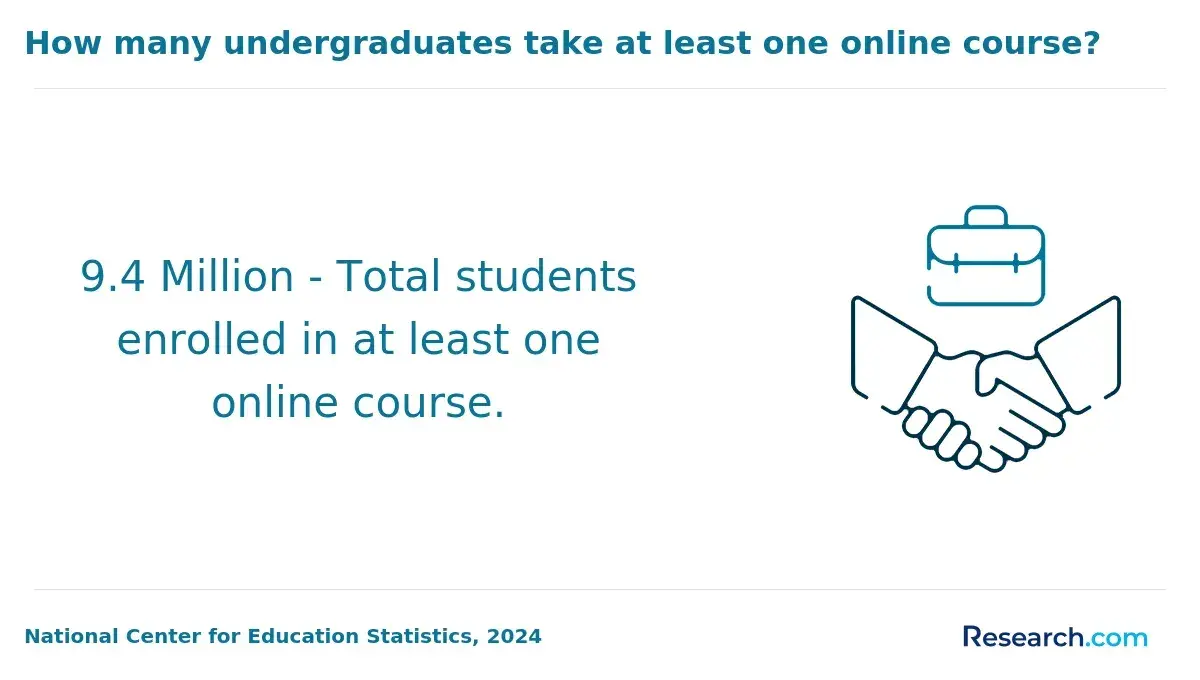
Salary after graduation is a key factor in determining the ROI for an educational policy degree, since it helps offset tuition and income lost while studying. Graduates generally earn average salaries ranging from $50,000 to $90,000 annually, which greatly affects the financial benefits of completing this degree.
Several factors affect educational policy degree salary outcomes and therefore impact ROI, including:
- Industry: Salaries differ based on whether graduates work in government, higher education, non-profits, or private consulting. Each sector offers distinct compensation levels, affecting overall earnings and ROI.
- Geographic location: Earnings can vary widely by state or metropolitan area, reflecting local economic conditions and demand for specialized expertise in educational policy.
- Prior experience: Graduates with earlier roles in education or policy fields often earn higher salaries because of faster career advancement, improving their ROI.
- Specialization: Focusing on areas like K-12 policy, higher education policy, or data analysis can influence compensation, since niche demand varies within the educational policy landscape.
- Career level: Entry-level positions usually offer lower pay, while those in leadership or senior roles gain from greater salary potential, enhancing the investment return.
Prospective students who want to understand financial prospects should weigh these variables carefully. For those interested in comparing costs and salaries across related fields, exploring cheap psychology masters programs can offer additional context for evaluating educational investments.
Promotions greatly improve the return on investment of an educational policy degree by leading to higher salaries, added responsibilities, and greater career mobility. These benefits help offset the cost and time needed to earn the degree over time.
A notable workforce trend highlights credential-based promotion, with many organizations requiring advanced degrees for leadership roles, making an educational policy degree more important for career advancement.
Main ways an educational policy degree may affect promotion opportunities and ROI include:
- Credential requirements: Many higher-level and administrative positions require specific degrees. Holding an educational policy degree can meet these requirements, positioning candidates as qualified for advancement.
- Leadership development: The degree provides tailored leadership skills relevant to educational settings, preparing graduates to manage complex organizational challenges and lead effectively.
- Tuition support alignment: Employer tuition assistance programs often cover degrees in educational policy, lowering overall education costs and improving ROI.
- Promotion policies: Internal advancement policies at many institutions favor candidates with relevant degrees, increasing chances for upward mobility among degree holders.
- Experience synergy: When paired with practical experience, an educational policy degree strengthens candidacy by showing both knowledge and applied competence.
For professionals assessing degree options, considering doctorate organizational leadership online programs can also support career advancement strategies. Individuals who strategically pursue an educational policy degree often gain meaningful promotions that improve both financial outcomes and job responsibilities. Such promotions with educational policy degree credentials tend to create greater long-term benefits than first apparent.
Return on investment for graduates with a degree in educational policy varies greatly based on the industry they enter. This variation is shaped by differences in salary levels, opportunities for career progression, demand for specialized skills, and long-term job stability. Understanding educational policy career ROI by industry helps prospective graduates identify sectors that maximize their financial and professional returns.
Industries offering the strongest ROI for educational policy graduates often combine competitive pay with growth potential and skill use. The following sectors are among the highest paying industries for educational policy graduates:
- Government and Public Administration: These roles provide stable employment with competitive salaries, particularly at federal and state levels. Promotion paths to senior policy advisory roles add to long-term career growth and financial benefits.
- Consulting Firms: Educational policy expertise is highly valued for education reform and compliance projects. This leads to high compensation, quick career advancement, and varied work experiences.
- Research Institutions and Think Tanks: These organizations focus on analytical skills and rigorous policy study, offering meaningful opportunities for salary growth and professional recognition.
- Technology and EdTech Companies: Growing demand for data-driven education solutions drives strong use of educational policy knowledge. Competitive compensation and innovation-focused career paths create attractive ROI.
Graduates often assess their options carefully, and for those considering accelerated academic paths, online degrees can be a strategic choice to enter these lucrative fields more quickly.
Accreditation in educational policy degree programs is a formal review conducted by recognized agencies to ensure a program meets specific quality standards. This process helps ensure that the education offered aligns with industry and academic expectations, which can greatly affect the degree's value in the job market.
A significant trend is that many employers and licensing authorities increasingly require degrees from accredited programs for employment or certification eligibility. As a result, attending an accredited program can improve a graduate's career prospects and potential earnings over time.
Accreditation affects the return on investment of an educational policy degree through several mechanisms. Employers tend to trust credentials from accredited institutions more, which can lead to better job offers and salary prospects.
Additionally, accreditation often makes students eligible for federal financial aid, reducing initial education expenses. It also eases credit transfer for further education and is essential for obtaining professional licenses, thus supporting career advancement and flexibility over the long run.
The financial and career benefits of earning an educational policy degree depend on several factors, including the total program cost and the time needed to complete it, which often ranges from one to three years. Tuition, fees, and possible lost wages during full-time study all add to the investment.
Graduates' salaries vary widely, with median earnings usually between $60,000 and $85,000 annually, influenced by region and sector. This degree can improve opportunities for career advancement and leadership positions within education systems and government agencies, potentially enhancing job stability over time.
The value of an educational policy degree is shaped by demand for skilled professionals in government, nonprofits, and academia, as well as the program's delivery format, which affects flexibility and opportunity costs. Financial aid or employer-sponsored tuition reimbursement can lower upfront expenses, making the degree more accessible.
Aligning the degree with clear career objectives is vital, especially for those seeking roles that emphasize policy expertise. For individuals aiming for careers outside education or public policy, the financial returns may be less immediate, so balancing personal goals against industry demand is crucial when weighing this investment.
What Graduates Say About The ROI of Their Educational Policy Degree
- Vance: "Deciding to pursue an educational policy degree full-time was a major commitment, but I saw the long-term ROI clearly outweighing the initial cost of roughly $30,000 per year. Even though the expense felt steep, the knowledge and network I gained have sped up my career considerably, helping me land a role that offers both stability and growth. In hindsight, it was definitely worth every dollar invested."
- Serena: "Choosing an online educational policy program was a strategic decision to balance affordability and career advancement. The total cost being much lower than traditional routes made the investment less intimidating, and earning the degree remotely let me keep working while studying. My career has experienced a meaningful shift, opening doors to policy analysis roles I hadn't imagined before."
- Eugene: "Pursuing a part-time educational policy degree demanded careful financial planning because the cumulative cost approached that of full-time programs, around $50,000 total. Still, the flexibility let me keep my job and apply new concepts right away, strengthening my professional capabilities. Completing the degree has positioned me for leadership opportunities I consider game-changing."
Other Things You Should Know About Educational Policy Degrees
In 2027, tuition costs greatly affect the ROI of an educational policy degree. Lower tuition fees and access to scholarships and grants can improve the ROI by reducing upfront expenses. Grasping these financial dynamics is essential for students planning their education investment efficiently.
Experience greatly influences ROI by improving job prospects and salary potential after graduation. Individuals with prior experience in education or policy may obtain higher-level positions more quickly, boosting earnings and speeding up payback of educational costs. Conversely, those new to the field might take longer to see financial returns but can still gain from skill acquisition.
Graduates in educational policy commonly begin between $55,000 and $75,000 in government, nonprofit, or university roles in 2027. Starting pay is usually higher for candidates with a master's, policy internship experience, or quantitative skills in data analysis, budgeting, and program evaluation.
- How to Become an Educational Policy Analyst - Graduate Programs for Educators https://www.graduateprogram.org/blog/how-to-become-an-educational-policy-analyst/
- The Economics of Accreditation: Costs, Benefits, ROI - Course Accreditation https://course-accreditation.com/blog/the-economics-of-accreditation-costs-benefits-roi/
- The ROI of Your Business Degree: Why Your Education Matters https://www.sbs.edu/blog/roi-of-your-business-degree-education-matters/
- Education Policy and Leadership Scholarships and Funding https://education.uoregon.edu/epol/scholarships-funding
- Tuition and Financial Support https://www.rand.edu/programs/mphil-policy-analysis/funding-your-mphil.html
- Is College Worth it? | Return on Investment Analysis of College Degree https://educationdata.org/college-degree-roi
- Measuring the Return on Investment of Higher Education: Breaking Down the Complexity https://bipartisanpolicy.org/explainer/measuring-the-return-on-investment-of-higher-education-breaking-down-the-complexity/
- How to measure the ROI of your education as an international student | Interstride https://www.interstride.com/blog/how-to-measure-the-roi-of-your-education-as-an-international-student/
- Tuition and Fees https://www.gse.upenn.edu/admissions-and-aid/tuition-and-fees