2027 Does an Educational Policy Degree Require Internships or Clinical Hours?
Audited and Verified:
Our Editorial and Data Verification Process
Research.com uses government datasets, official education statistics and primary institutional information to support its career and degree guides. Our review process checks factual accuracy, occupational definitions, source dates and the requirements associated with the credentials discussed.
How This Article Was Fact-Checked
Our editorial team verifies salary estimates, employment projections, education requirements and program information against original data providers and official organizations. Salary figures are checked against the relevant occupational definitions and reporting periods. Information about licensure, accreditation and required in-person training is reviewed separately.
Fact-checked and verified on:

Co-Founder and Chief Data Scientist
Aspiring students frequently find it hard to tell whether an educational policy degree requires internships or clinical hours, which creates doubt about program obligations and career preparation. As reported by the National Center for Education Statistics, almost 40% of educational policy programs across the U. S. have added experiential learning components to improve workforce readiness. Still, requirements differ greatly, affecting time management and skill growth. This article explains whether internships or clinical hours are usually required in educational policy degrees and describes how these elements shape program design and professional results, helping students make well-informed choices about their academic and career paths.
Key Things to Know About Educational Policy Degree Internships or Clinical Hours
- Most educational policy degrees require internships or clinical hours to ensure practical application of theory, though the exact hours vary by program and state licensure requirements.
- Online programs typically arrange local placements with flexible schedules, while campus-based programs often integrate on-site supervised experiences as part of the curriculum.
- Completing these hands-on hours increases time commitment but significantly enhances career readiness, with graduates reporting higher employment rates within six months of degree completion.
Does a Educational Policy Degree Require Internships or Clinical Hours?
Internship requirements for educational policy degrees differ from program to program, and many do not universally require internships or clinical hours. Such experiences are frequently encouraged or built in based on the institution's focus, since educational policy stresses research, analysis, and governance rather than direct clinical practice. When required or provided, internships and clinical hours offer a way to apply theoretical knowledge in practice, deepening understanding of real-world educational systems and policies.
Usually, internships or practicum experiences in educational policy programs take place in the final stages, once foundational coursework is finished, enabling students to build key skills such as policy analysis, program evaluation, and stakeholder communication. These field experiences not only strengthen professional competencies but also enhance career readiness and networking chances in competitive job markets.
Aspiring students should examine each program's specific mandates closely, because time commitments differ greatly. For further guidance on program options, look into EdD online programs, which is designed for efficient completion and career advancement.
Are Internships Paid or Unpaid in Educational Policy Programs?
Internships in educational policy programs range from paid to unpaid, depending mostly on the institution and the kind of placement. This difference matters for students planning their budget and career path, since paid internships can ease financial pressure, while unpaid internships often deliver valuable experience and academic credit.
Recent trends indicate that roughly 40% of educational policy internships provide some type of stipend or hourly wage. This move toward paid internships is meaningful, yet many opportunities remain unpaid, shaping how students approach their practical training.
Important points to keep in mind about paid internships in educational policy degrees include:
- Different Payment Structures: Some internships offer hourly wages or stipends, whereas others are unpaid. Pay often hinges on the host organization's budget and the internship's focus, and research-focused roles are sometimes more likely to be compensated.
- Factors That Influence Pay: The supply of paid internships is affected by funding, regional labor laws, and the internship's nature. For instance, administrative internships may follow different compensation policies than research-oriented ones.
- Worth of Unpaid Opportunities: Unpaid educational policy internships can still provide crucial academic credit, hands-on experience, and networking benefits that aid career advancement even without direct pay.
- Financial Factors: Paid internships in educational policy degrees help students handle program costs and living expenses, a key factor when deciding where to apply or enroll.
For more details on affordable ways to continue one's education, aspiring students may consider online business degree programs accredited for flexible, cost-effective options.
What Is the Difference Between Internships or Clinical Hours in Educational Policy Degree Levels?
Telling apart internship requirements for educational policy degrees by level is crucial for students shaping their academic and career pathways. Each degree stage brings different time commitments, complexity, and skill development, which affects professional preparation.
The following is an overview of common expectations at each degree level.
- Bachelor's: Internships generally offer practical exposure for a few months via supervised placements in schools, government agencies, or nonprofits. These experiences acquaint students with policy analysis and implementation at moderate complexity.
- Master's: Clinical hours in master's versus doctoral educational policy programs grow more intensive, requiring longer durations and deeper engagement in policy development, data analysis, and collaboration with stakeholders. Supervision is specialized, often by faculty or experienced professionals, to sharpen advanced skills.
- Doctoral: Clinical hours center on research-driven policy evaluation and advanced fieldwork. Candidates take part in complex projects that contribute original insights, preparing them for leadership, academic, or research careers under close academic oversight.
Students looking for affordable graduate options may consider programs such as the cheapest MLIS degree online to complement their educational policy expertise.
Accelerated educational policy programs build internships or clinical hours into greatly shortened timeframes, requiring students to handle intense schedules and demanding coursework at the same time. Such programs often provide flexible placement choices, such as evening or weekend shifts, to fit fast-paced coursework. Through coordination with partner organizations, they create concise yet meaningful field experiences that align closely with licensure or professional standards. Certain programs also permit internship hours to partly overlap with class time, boosting efficiency without lengthening the program duration.
Juggling practical requirements with accelerated studies calls for strong time-management skills and careful site selection from students. Many accelerated tracks offer specialized advising to help address these challenges, making sure hands-on experience does not undermine academic progress. Recent data shows that around 60% of accelerated educational policy students gain from institutional partnerships that simplify internship placements, highlighting the focus on practical readiness despite compressed timelines.
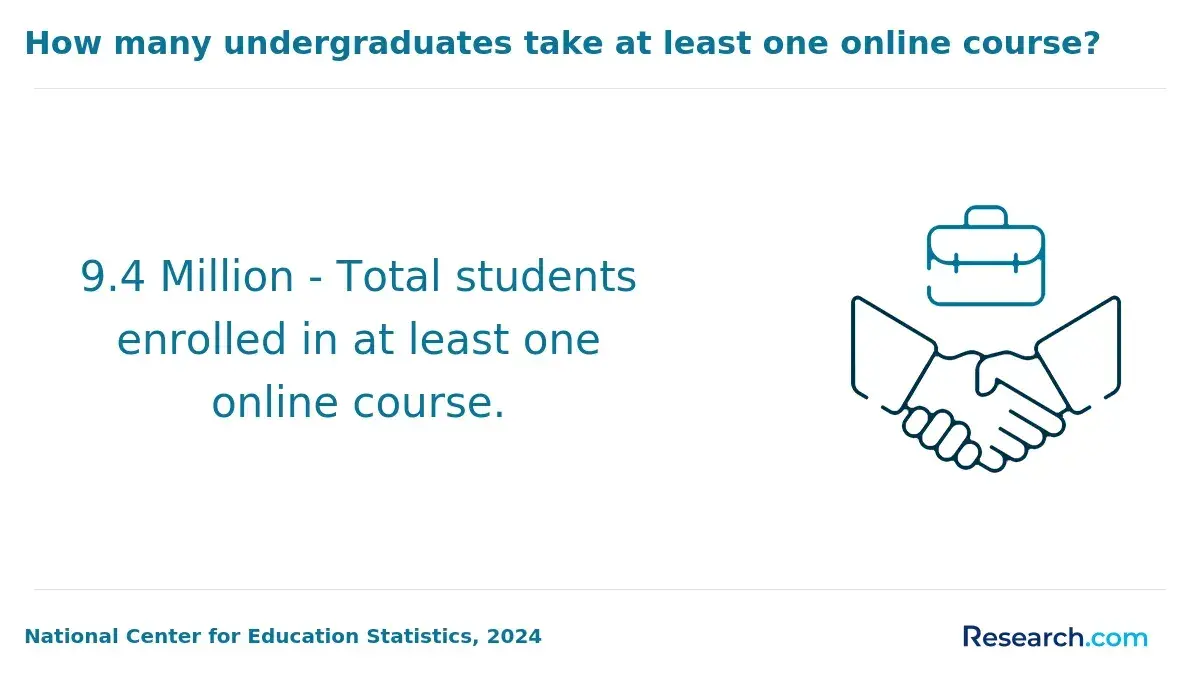
Internship or clinical requirements for educational policy degrees usually do not differ much between online and on-campus programs. Both formats generally require practical experience to strengthen theoretical knowledge, with most requiring between 100 and 300 hours of supervised work. These internships center on key skills such as policy development, analysis, and implementation, upholding consistent learning outcomes and professional standards across delivery modes. Notably, enrollment in online education programs has increased by over 90% in the past decade, reflecting rising acceptance of flexible experiential learning options.
Differences emerge in how students arrange and complete these internship hours. Online learners often have more flexibility in choosing placements, since they are not constrained by geography and can finish internships locally or remotely. Scheduling tends to be more adaptable to fit work or family duties, while supervision combines on-site mentors with virtual guidance from faculty or coordinators. This hybrid oversight supports varied student circumstances without sacrificing the depth or rigor of the internship experience.
Specialization choices in educational policy degree programs strongly affect internship or clinical hour requirements, because each track prepares students for different career paths that call for distinct practical experiences. For example, around 65% of students take part in internships specifically tailored to their specialization, reflecting rising workforce demand for role-specific hands-on skills. Education administration or leadership specializations usually require extensive internships in school districts or government offices that center on policy implementation and management.
By contrast, research or evaluation concentrations often entail shorter, intensive clinical experiences in research institutions, with an emphasis on data analysis and policy impact assessment; these variations show how internship types differ across educational policy degree concentration roles.
These varied internship requirements affect students' scheduling and workload in distinctive ways. Leadership-focused tracks often involve longer, steady weekly hours, giving continuous exposure to organizational operations throughout the semester. Meanwhile, students in research specializations might encounter project-based placements that require intense, flexible time commitments. Such differences shape career preparation by providing specialized real-world insights, professional networking opportunities, and job readiness matched to each specialization's demands.
Aspiring students considering educational policy should weigh these factors along with their time availability and career goals, particularly when exploring options like accelerated online bachelor degree programs to align experiential learning with their educational focus.
Work experience can occasionally substitute for internship requirements in educational policy degree programs, though this differs greatly based on the school and program structure. This issue is especially relevant for students balancing full-time jobs, since traditional internships often demand significant time commitments. Programs may accept prior professional experience to fulfill practical learning goals when it aligns closely with educational policy work.
Acceptance usually hinges on factors such as how relevant the experience is to the field, the duration and depth of the work, employer verification of responsibilities held, and compliance with the program's accreditation standards. Mid-career students or those pursuing applied specializations often have stronger prospects for substitution.
By contrast, newcomers or full-time students generally must complete formal internships to build foundational skills. Because policies vary significantly by institution and degree level, students should consult their program advisors to explore substitution possibilities before enrolling.
The duration of internships or clinical rotations in educational policy programs strongly affects students' hands-on learning and professional development, with many requiring between 100 and 300 hours of practical experience. More and more, programs provide flexible schedules, including part-time and virtual options, to better serve diverse student needs.
The following are common timelines for these experiential components.
- Short-term internships: Usually lasting 8-10 weeks, these focused placements let students concentrate on particular projects or limited scopes of work, offering intense but brief exposure to the field. They fit those seeking quick, targeted experience alongside other academic commitments.
- Semester-long rotations: Covering one academic term, usually 12 to 16 weeks, these provide steady, supervised work integrated with coursework. This model balances academic and practical duties, often following institutional calendars and accreditation standards.
- Extended or year-long internships: These longer commitments encourage deeper immersion, leadership skill growth, and broad networking opportunities. They are common in programs that emphasize extensive fieldwork or administrative roles within k-12 or higher education policy sectors.
Differences in internship length are often shaped by the program's format and accreditation criteria, along with the student's chosen specialization. For instance, some tracks focusing on educational research might permit remote practicum experiences, while others requiring hands-on policy analysis prioritize longer, in-person engagements.
This flexibility helps match practical experiences with evolving professional goals and scheduling constraints.
Job placement outcomes are a key concern for prospective students pursuing an educational policy degree, since many prioritize clear pathways to employment after graduation. A 2022 survey by the National Association of Colleges and Employers found that almost 65% of employers prefer candidates with relevant internship experience, underscoring the value of practical learning.
The following are key factors that explain how internships affect job prospects in this field.
- Employer Preferences: Many employers prefer candidates with internship experience because it indicates readiness to perform job-specific tasks. The effect of educational policy internships on job placement is notable, as they show candidates can apply classroom theory to real-world challenges.
- Professional Networking: Internships provide vital connections within educational institutions, government agencies, and policy research organizations. These networks often lead to job referrals or employment offers that may not be available through traditional application processes.
- Skill Development: Students gain hands-on skills through internships that cannot be fully acquired in academic settings alone. This practical exposure gives graduates a competitive edge when entering the job market.
- Conversion to Full-Time Roles: Many organizations use internships as a hiring pipeline, raising the chances that interns secure permanent positions after graduation. This benefit highlights the internship advantage for educational policy degree graduates seeking stable employment.
Those considering educational policy programs with limited time to commit may look into 1 year master's programs online, which sometimes include internship components designed to improve job placement outcomes.
Graduates with practical experience from internships or clinical hours often receive higher starting salaries, since employers value their readiness and lower training needs. A study showed that those completing internships can earn between 7% and 15% more initially than peers without such experience.
The points below explain why hands-on experience may result in higher pay.
- Employer Valuation of Experience: Practical experience signals relevant skills and adaptability to employers, making candidates more appealing. This direct exposure often cuts onboarding time and training expenses.
- Negotiation Leverage: Graduates with internships typically have stronger bargaining power in salary discussions because of demonstrated real-world competence and confidence in their abilities.
- Industry Standards: Many organizations regard experiential learning as a baseline expectation, particularly in roles tied to policy implementation or applied research. This standard creates a wage premium for those with hands-on backgrounds.
- Program-Specific Variations: The effect of experience on pay can vary by specialization within educational policy; fields such as policy analysis or program evaluation often prioritize practical backgrounds more than theoretical tracks. Also, part-time or online formats may provide fewer clinical opportunities, potentially affecting initial salary prospects.
Including internships or clinical hours during educational policy programs strengthens career readiness, which employers often reward with better compensation. Prospective students should weigh these factors, considering how experiential learning requirements affect both program structure and potential earnings after graduation.
What Graduates Say About Their Educational Policy Degree Internships or Clinical Hours
- Truett: "The internship requirement for my online educational policy degree was both demanding and rewarding. Even with the average cost of around $1,200, I found it a worthwhile investment that gave me practical skills and real-world insight. The experience opened many doors in my career, letting me confidently move into a policy analyst role."
- Salem: "Finishing the internship as part of my educational policy program was an eye-opening experience that helped me link theory with practice. The cost was reasonable compared with traditional programs, making it accessible for working professionals like me. Looking back, this hands-on experience was essential in shaping my understanding and advancing my position in the education sector."
- Vance: "The educational policy internship requirement in my online degree was a pivotal step in my professional growth. Though the cost was a major consideration, I recognized that this investment enhanced my resume and network dramatically. This opportunity directly affected my promotion within the administration field by giving me the confidence to implement effective policy changes."
Other Things You Should Know About Educational Policy Degrees
In 2027, not every educational policy degree program requires internships. Still, many programs do include internships because they provide practical experience and deepen understanding of policy development and implementation. Students are encouraged to check specific program requirements at their chosen institution.
In 2027, although specific certifications for completing internships in educational policy degrees are uncommon, some programs may offer certificates of completion or recognition. Usually, the focus is on gaining practical experience and building professional connections in the education policy field.
Internship requirements and experiences can vary significantly among research universities, public institutions, and private colleges. Research-focused universities may emphasize policy analysis and data-driven projects, whereas public institutions might focus on local school district partnerships and community engagement. Private colleges could offer internships with nonprofit organizations or governmental agencies. Students should review each program's approach to internships to find one that matches their career goals.
Yes. Many educational policy programs allow students to complete a thesis, capstone, or applied research project instead of fieldwork. At some universities, this option is worth 3 to 6 credits and must be approved by the program director or graduate studies office before enrollment.
- Student internship | SGH | Szkoła Główna Handlowa w Warszawie https://www.sgh.waw.pl/en/student-internship
- Can OnlineCollege Students Also Complete Internships Online? https://www.greatvaluecolleges.net/faq/can-onlinecollege-students-also-complete-internships-online/
- Experience or Academics: What Holds More Value in the New Skills Economy https://partners.pennfoster.edu/blog/2020/july/experience-and-education
- Education vs. Experience: Which One Gets the Job? https://www.investopedia.com/financial-edge/0511/work-experience-vs.-education-which-lands-you-the-best-job.aspx
- OCE-Intern - College of Education https://education.ecu.edu/oep/clinical-experiences/oce-intern/
- Evaluating Onsite and Online Internship Mode Using Consumptive Metrics https://www.igi-global.com/article/evaluating-onsite-and-online-internship-mode-using-consumptive-metrics/332244
- Understanding Paid v. Unpaid Internship Rules https://www.aseonline.org/News/Articles/understanding-paid-v-unpaid-internship-rules
- Education Internship & Student Teaching Opportunities at ACE https://ace.edu/student-success/education-internship-and-student-teaching/
- 90% of Employers Prefer to Hire Graduates Based on Real Work Experience Rather Than Education Background | Macau Business https://macaubusiness.com/90-of-employers-prefer-to-hire-graduates-based-on-real-work-experience-rather-than-education-background/
- Do Internships Count as Work Experience? In the U.S., Yes! [How to Work Here] - Intrax Global Internships https://www.globalinternships.com/post/does-internships-count-as-work-experience