2027 Credit Requirements for an Educational Policy Degree Explained
Audited and Verified:
Our Editorial and Data Verification Process
Research.com uses government datasets, official education statistics and primary institutional information to support its career and degree guides. Our review process checks factual accuracy, occupational definitions, source dates and the requirements associated with the credentials discussed.
How This Article Was Fact-Checked
Our editorial team verifies salary estimates, employment projections, education requirements and program information against original data providers and official organizations. Salary figures are checked against the relevant occupational definitions and reporting periods. Information about licensure, accreditation and required in-person training is reviewed separately.
Fact-checked and verified on:

Co-Founder and Chief Data Scientist
A lot of students earning an educational policy degree find it difficult to grasp the exact credit requirements necessary for graduating on schedule. This uncertainty can postpone entry into a workforce where employment in education policy analysis and administration is projected to rise by 8% through 2031, based on data from the U. S. Bureau of Labor Statistics. Without straightforward guidance about credit transfers and program structures, students face longer study timelines and higher costs.
This article explains the usual credit requirements, standard transfer policies, and useful academic planning strategies to help students move through their educational policy degree efficiently and connect their studies with workforce needs.
Key Things to Know About Credit Requirements for Educational Policy Degrees
- Educational policy degrees generally require a substantial total credit load, influencing program length and demanding consistent academic commitment throughout the course of study.
- Transfer credits or recognition of prior learning can significantly reduce required coursework, expediting completion and lowering overall educational expenses for students.
- The structure of credits affects academic progression pace, impacting both financial cost and graduation timelines, crucial for planning career entry in the education sector.
How Many Credits Are Required for a Educational Policy Degree?
Understanding the total credits required to finish educational policy programs is vital for effective academic planning and handling course loads. This knowledge lets students estimate their time-to-degree and make well-informed choices about balancing general education with specialized coursework. The following describes common credit hour requirements for educational policy degree levels.
- Undergraduate: Roughly 120-130 credits are needed, including a blend of general education courses, core major coursework centered on education systems and policy analysis, and electives for specialization. This design provides a broad foundation in educational policy.
- Graduate: Master's degrees usually require between 30 and 45 credits, focusing on advanced study in policy development, research methods, leadership, and evaluation techniques. These credits aim to deepen expertise for professional roles in education policy analysis, advocacy, or administration.
Credit hour requirements for educational policy degree programs mirror the curricular focus at each level and help students plan their path efficiently. Prospective students who are interested in related fields might consider options such as ai degrees, which also provide structured credit systems suited to their disciplines.
How Many Core and Elective Credits Are Required for a Educational Policy Degree?
Matching core course credits with electives is a central part of academic planning and career readiness for students earning an educational policy degree. This balance encourages both solid foundational knowledge and the freedom to specialize in emerging areas, mirroring recent trends in course offerings that stress analytical skills.
A closer review of the usual credit distribution can show how students satisfy program requirements while preparing for varied career paths. Below is an overview that highlights the common division:
- Core Courses: Core course credit requirements in educational policy degrees typically range from 18 to 30 credits, making up about 60% to 75% of the total credits. These courses address essential subjects such as policy analysis, education law, research methods, and leadership in education, supplying the foundational expertise and skills required to succeed in the field.
- Electives: Elective versus core credits in education policy programs usually account for 6 to 15 credits, representing roughly 25% to 40% of the curriculum. Electives let students tailor their studies toward interests like equity in education, international education policy, or technology integration, permitting specialization and adaptability in their careers. Recent elective offerings focus more and more on data analytics and policy evaluation to satisfy workforce demands.
This credit structure aids strategic academic planning and motivates students to create a personalized, career-aligned curriculum. For students weighing related fields, programs like an accelerated psychology bachelors degree online provide alternative pathways with complementary skill sets.
Do Online Educational Policy Programs Require the Same Number of Credits?
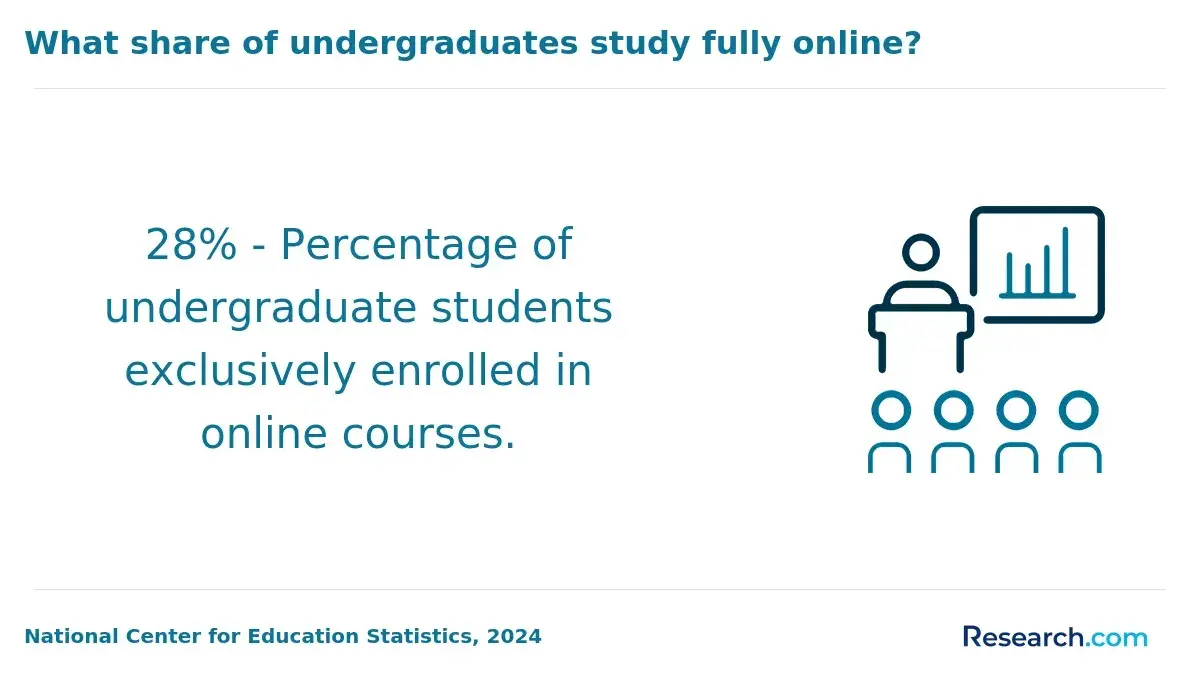
Understanding how credit requirements compare between online and on-campus educational policy programs is vital for effective academic planning and smart program choices. Clear awareness of these demands helps students balance their studies with work and personal commitments. At present, over 30% of graduate students in education-related fields earn their degrees online, reflecting a notable shift toward remote learning.
The following points emphasize key factors to consider:
- Credit load consistency: Most online educational policy master's programs require between 30 and 45 credit hours, matching traditional campus-based degrees closely to ensure comparable academic standards.
- Course delivery and pacing: Online formats frequently include asynchronous elements, letting students move at a personalized pace, which differs from the more fixed schedules of on-campus courses.
- Transfer policies and flexibility: Acceptable transfer credits vary among institutions, affecting the total credits needed to graduate and influencing time-to-degree.
- Graduation timelines and career preparation: Credit requirements are organized to guide students toward timely completion while giving them skills essential for advancing in the educational policy field.
When I asked a graduate of an online educational policy program about their experience with credit requirements, they said, "The number of credits matched what I expected from traditional programs, which gave me confidence I was earning a respected degree. The online format made it easier to juggle coursework around my job, but keeping up with deadlines still required discipline." They valued how the flexible pacing let them meet credit demands without sacrificing professional responsibilities, highlighting the practical benefits of studying online.
Understanding the credit requirements in accelerated programs is crucial for students who want to complete their degrees sooner without compromising academic standards. This clarity supports planning an effective course load and managing time well. Below is a detailed overview of credit expectations in these programs.
- Typical Credit Ranges: Accelerated undergraduate degrees usually require about 120 credits, comparable to traditional formats but finished in less time. Graduate programs range from 30 to 45 credits, with some professional tracks reaching up to 60 credits depending on the focus and prior qualifications.
- Core Courses and Electives: Most credits are divided between mandatory core classes that build essential knowledge and electives for specialization. Usually, core classes account for around 70% to 80% of the total credits, while the remainder lets students tailor their studies within educational policy.
- Impact of Accelerated Pacing: Compressed schedules create a heavier credit load each term, demanding excellent time management skills. These programs often rely on shorter semesters or intersessions to help students spread coursework without overloading any single part of the academic calendar.
- Transfer and Credit Policies: Many accelerated programs accept transfer credits from prior college work or relevant professional experience, which can lower the total credits needed. Early familiarity with these policies can greatly reduce time to graduation.
Understanding how transfer credits are assessed can save students time and money while earning an educational policy degree. Research indicates that roughly 60% of transfer students report getting credit recognition when enrolling in master's or doctoral programs in this field. Here is a breakdown of typical transfer credit acceptance by degree level.
- Associate Degrees: Often accept up to 75% of credits from earlier coursework, letting students move quickly toward completion without repeating foundational classes.
- Bachelor's Degrees: Generally allow between 60% and 90% of transfer credits, depending chiefly on how closely prior courses match the program's content and learning outcomes.
- Master's and Professional Degrees: Tend to set stricter transfer limits, typically accepting 6 to 12 credits. These credits usually need to align with core, elective, or specialization requirements within the curriculum.
- Doctoral Programs: Rarely allow transferred credits, since they prioritize completing most coursework on campus to ensure academic rigor and research engagement.
- Accelerated Programs: Often accept fewer transfer credits overall but may award credit for prior graduate-level work, helping reduce total time spent in the program.
- Application of Transferred Credits: Credits are often applied toward electives or general requirements but seldom replace core educational policy courses essential for accreditation and graduation.
When I talked with a graduate of an educational policy degree about her experience with transfer credits, she described how navigating credit evaluations felt overwhelming at first. "I underestimated how detailed the review process was," she admitted, explaining that matching previous coursework with program-specific requirements took several months and multiple conversations with advisors. Although some credits weren't accepted, she found the effort worthwhile because it helped clarify which courses were foundational and which would advance her focus area. "It was reassuring to know that the credits I transferred wouldn't compromise the quality of my education," she reflected. Her journey emphasized the importance of early planning and staying in close contact with academic counselors to maximize credit acceptance and streamline progression through the degree.
Prior learning assessment (PLA), or credit for experience, lets students earn degree credits from professional work experience relevant to their educational policy studies. Usually, eligible work includes roles tied to education, administration, or policy analysis, reflecting skills obtained outside the traditional classroom. Below are common kinds of work experience that universities often consider for credit within educational policy degree programs.
- Curriculum Development: Universities require detailed documentation such as resumes, portfolios, and reflective essays to show the candidate's expertise in creating or revising educational curricula. This evidence helps institutions match work experience with academic standards.
- Educational Program Management: Experience managing educational programs must be backed by supervisor evaluations or project summaries. Schools may also conduct interviews or require exams to verify the competencies claimed through this experience.
- Policy Research: Work involving policy research is evaluated by reviewing detailed reports and publications to confirm analytical skills and applied knowledge. However, universities typically limit credits awarded through this route, often capping at 30 to 60 credit hours to ensure sufficient coursework completion.
- Leadership in Educational Settings: Leadership roles such as school administration require strong documentation of impact and responsibilities. Using PLA credits in these areas can greatly reduce time-to-degree and lower tuition costs, helping students move faster through their program.
Careful planning is vital because not all work experience qualifies, and acceptance criteria differ. Students should consult academic advisors early to avoid delays if credits are denied. Applying prior learning assessment for educational policy credits is especially useful for nontraditional students balancing careers and education.
For those interested in flexible options, some programs like emba online provide alternative paths to advance professionally while pursuing degrees.
Licensure requirements can greatly affect the number of credit hours required for an educational policy degree. Many states and licensing boards require specific coursework or practical experiences to ensure graduates are ready for professional roles, which may push the credit load beyond general degree standards. For instance, students might need to finish courses in educational law, policy analysis, or equity, along with supervised clinical or internship hours. These elements often act as prerequisites for obtaining licensure but also raise time-to-degree and tuition expenses. When assessing credit hour requirements for licensure in educational policy, prospective students must weigh how these added obligations influence their academic planning and degree completion.
Accreditation agencies help align academic credit requirements with licensure demands by including necessary content and experiences within the program's credit structure. However, differences between states and licensing boards can require students to take extra credits or seek supplementary certification to meet local standards. Both online and campus-based programs handle these factors differently; online students may value flexible scheduling for licensure-related fieldwork but must confirm that their state accepts remote clinical experiences. Campus programs often simplify access to in-person practicum placements but offer less flexible scheduling. To make the most of educational investments, students should review licensure credit impacts carefully and explore options such as accelerated online bachelor degree programs that might streamline requirements.
- educational policy degree licensure credit impact
- credit hour requirements for licensure in educational policy
A credit hour means one hour of classroom or direct faculty instruction plus two to three hours of outside work each week for a typical 15-week semester. Grasping credit hour calculations is essential for students planning an educational policy degree so they can manage course loads and estimate time to graduation effectively.
Educational policy degree credit calculation differs by course type and program level. Below is an overview of how credits are generally assigned:
- Lecture courses: Usually, one credit hour equals one hour spent in weekly class sessions. For example, one 3-credit lecture course meets about three hours per week for 15 weeks, adding significantly to the total program credits.
- Labs and practicums: These involve hands-on or supervised field experience and often assign 1 credit hour for every 3-4 hours of practical work weekly. Practicums may require extra preparation outside contact hours, which reflects in the credit value.
- Clinicals and fieldwork: Calculated differently because of their intensive nature, these courses account for supervised practice over fewer formal hours but still meet credit requirements to ensure degree progress.
- Capstone or project-based courses: Capstones usually carry 4-6 credit hours because of the extensive research, writing, or presentations involved, acting as a culmination of knowledge in the program.
Credit policies can vary between undergraduate and graduate educational policy programs. Graduate courses might require more outside study or include more research credits. Also, online and on-campus course formats may have adjusted credit assignments based on engagement levels, but both must uphold accreditation standards for transferability.
Accreditation bodies play a vital role by standardizing credit definitions, helping with transfer policies, and maintaining degree quality. Prospective students seeking an easiest associate degree pathway can gain from understanding these credit mechanisms. Knowing how universities determine education degree credits supports effective academic planning and timely degree completion.
Total credit requirements set the foundation for how long students take to complete an educational policy degree, usually ranging between 30 and 60 credits depending on the degree level. These requirements directly shape course planning and ultimately influence graduation timelines. Several key factors determine how fast students can finish their programs:
- Core credits: These mandatory courses build essential knowledge and often need to be completed in a specific order or by set deadlines. Delays in finishing core credits can lengthen the time to graduation.
- Elective requirements: Students have some flexibility in choosing electives, which permits customization of their study path. However, selecting too few electives may slow progress, while taking on too many could overload schedules or extend completion.
- Transfer credits: Getting credit for coursework from other accredited institutions can lower the total credits required. This option can greatly shorten the time it takes to finish an educational policy program.
- Accelerated formats: Some programs offer intensive or fast-track courses intended to help students graduate faster. These options often require full-time commitment and might be more common in online settings than on traditional campuses.
- Prior learning assessment: Recognizing professional experience, certifications, or training as credit can reduce the coursework needed. Both online and in-person programs may accept these assessments, providing another avenue to speed up graduation.
Online educational policy degrees often offer greater scheduling flexibility, such as year-round enrollment, which can accelerate completion times. In contrast, on-campus programs typically follow fixed semester calendars, which may affect pacing. Navigating credit requirements strategically helps students advance efficiently while preserving academic rigor.
Earning additional academic credits can improve career progression, leadership opportunities, and eligibility for specialized or higher-paying positions within certain fields. However, the value of extra credits varies based on how closely they match employer needs and industry standards.
- Advanced concentrations: Gaining credits in specialized areas like policy analysis or research methods can deepen expertise, making graduates more competitive for leadership roles or niche positions.
- Licensure preparation: Credits aimed at licensure requirements open access to credentialed roles that often offer higher salaries, especially in sectors requiring official certifications.
- Technical skill development: Coursework centered on emerging technologies or data-driven policy evaluation gives graduates practical skills valued in evolving job markets.
- Unrelated coursework: Additional credits that do not relate to the intended career path may have little effect on salary or advancement prospects.
- Experience prioritized: Many employers stress practical work experience, leadership capability, and professional networking over academic load when considering promotions or pay increases.
- Generic academic increase: Simply collecting more credits without strategic focus seldom leads to better financial outcomes or career breakthroughs.
Labor market data show that success in educational policy careers depends more on a balanced mix of focused academic preparation, relevant skills development, and hands-on experience than on the number of credits alone. In particular, the distinction between academic and professional degree pathways matters: professional settings favor targeted credentials and demonstrable competencies over broader academic quantity.
What Graduates Say About The Credit Requirements for Their Educational Policy Degree
- Vanessa: "The flexibility of the online educational policy degree let me finish my credits at my own pace while handling my full-time job. Since the average cost per credit is quite reasonable compared to traditional programs, it felt like a wise financial investment. Earning those extra credits genuinely opened doors for me, advancing my leadership role in education administration."
- Marianne: "Looking back on my journey, the cost-effectiveness of the educational policy program really stood out. With online options, I could spread out my credits without the pressure of attending campus daily, which made balancing life and study feasible. Gaining additional credits deepened my understanding and gave me a competitive edge in policy analysis roles."
- Parker: "As a professional already in the field, the ability to earn extra credits online was a game-changer, letting me deepen my expertise without interrupting my career. The cost per credit was well within my budget, making the educational policy degree accessible. This expanded knowledge has directly affected my capacity to influence policy-making in my district"
Other Things You Should Know About Educational Policy Degrees
In 2027, educational policy degree programs usually require students to earn around 18 to 24 core course credits. These core courses are vital for grasping foundational educational policy concepts, theories, and methodologies essential to students' academic and professional success.
Most programs accept up to 12 transfer credits at the graduate level, and some restrict transfers to courses completed with a B or higher within the past five years. The final degree still requires at least 24 to 36 credits completed through the granting institution.
For an educational policy degree in 2027, students must finish approximately 120 credits. These usually include 40-50 credits in core courses, 20-30 credits in electives, and remaining credits in specialized tracks or practical experiences. Interdisciplinary and experiential learning credits are often included among the electives or additional requirements.
- Educational Policy Online Graduate Certificate https://www.umassd.edu/programs/educational-policy-graduate-cert-online/
- Four Key Insights into Competency-based Graduation Requirements https://knowledgeworks.org/resources/4-insights-trends-competency-based-learning-graduation-requirements/
- How Many Credits Do You Need to Graduate College? https://www.edvisorly.com/student-guides/how-many-credits-do-you-need-to-graduate-college
- What Are University Credits and How Do They Transfer? - Cyprus West University https://www.cwu.edu.tr/what-are-university-credits-and-how-do-they-transfer/
- July 2025 SARA Policy Changes: What Colleges Must Do Now to Stay Compliant with Licensure Disclosure Rules — Higher Education Licensure Pros https://www.higheredlicensurepros.com/blog/are-you-ready-for-the-sara-policy-changes
- Education Policy, MSEd https://catalog.upenn.edu/graduate/programs/education-policy-msed/
- Top Graduate Schools That Accept Transfer Credits 2025 https://www.gradschools.com/get-informed/student-guide/transferring-graduate-schools
- MA Education Policy and Leadership by Research https://www.buckingham.ac.uk/courses/research/ma-education-policy-and-leadership-by-research/
- Education Policy and Leadership (MEd) https://catalog.american.edu/preview_program.php
- College Credit Requirements for Graduation | UoPeople https://www.uopeople.edu/blog/how-many-college-credits-do-you-need-to-graduate/