2027 Best Educational Policy Degrees for Working Adults
Audited and Verified:
Our Editorial and Data Verification Process
Research.com uses government datasets, official education statistics and primary institutional information to support its career and degree guides. Our review process checks factual accuracy, occupational definitions, source dates and the requirements associated with the credentials discussed.
How This Article Was Fact-Checked
Our editorial team verifies salary estimates, employment projections, education requirements and program information against original data providers and official organizations. Salary figures are checked against the relevant occupational definitions and reporting periods. Information about licensure, accreditation and required in-person training is reviewed separately.
Fact-checked and verified on:

Co-Founder and Chief Data Scientist
Working adults who want to shape school reform frequently find it hard to locate educational policy programs suited to full-time employment. Almost 40% of today's educational policy professionals say they enroll in part-time or online programs to juggle work and study. This need points to notable shortages in accessible, adaptable degree options built for adult learners.
Without workable schedules, many delay their progress or change careers. This article examines the top educational policy degrees for working adults, emphasizing programs that provide accredited, flexible curricula meant to foster career development while handling professional and personal duties.
Key Things to Know About Educational Policy Degrees for Working Adults
- Many programs offer flexible scheduling with evening, weekend, and asynchronous online classes, enabling working adults to balance study with professional responsibilities.
- Hybrid and fully online formats are increasingly common, providing accessibility without compromising networking or practical application opportunities.
- Accelerated degree tracks and dedicated support services enhance completion rates, aligning coursework with employer needs and current educational policy challenges.
What Are the Best Educational Policy Degrees for Working Adults?
The top educational policy degrees for working adults hinge largely on factors like schedule flexibility, fit with career goals, and return on investment. A major trend aiding adult learners is the growth of online education and part-time enrollment options, which let students balance work, family, and study more effectively. These factors matter greatly when weighing the best educational policy degrees for working adults.
Listed below are several educational policy degree options designed for professionals handling full-time employment:
- Educational Leadership and Policy: Provides flexible online formats centered on running educational institutions and carrying out policy, perfect for professionals seeking administrative roles with practical curriculum and pacing choices.
- Higher Education Policy: Focuses on policies that affect colleges and universities, often offered part-time and online, made for those already working in tertiary education.
- Education Reform and Policy Analysis: Gives students skills to evaluate and champion policy changes, usually featuring asynchronous coursework that fits employed learners.
- Curriculum and Instruction Policy: Merges curriculum development with policy studies via flexible delivery that supports educators wanting to link classroom practice to systemic policy.
These programs attract working students due to their focus on practical applications and relevance to employer needs. Many permit self-paced learning or part-time enrollment, which lets adult learners earn degrees without interrupting their careers. For professionals looking for accredited, best online educational policy programs for professionals, flexibility and real-world relevance are key.
Those who want technology-focused studies tied to education policy might also consider options such as an online AI degree to enhance their policy expertise.
What Are the Admission Requirements for Working Adults in Educational Policy Degree Programs?
Admission criteria for working adults in educational policy degree programs frequently differ greatly from those for traditional full-time students because of the distinct challenges many encounter, such as juggling full-time work and family life. Notably, more than 70% of graduate students in the U.S. take courses part-time, which highlights the value of admissions policies that consider professional experience along with academic credentials. This method is particularly pertinent to eligibility requirements for part-time educational policy degrees.
Typical factors admissions committees weigh for working adults include:
- Professional Experience: Many programs regard relevant work experience as proof of professional maturity and commitment to further education. This practical background can occasionally make up for less conventional academic qualifications.
- GPA Flexibility: Although satisfactory GPA levels remain important, some programs provide flexibility by weighing the context of applicants' past academic performance or the rigor of their earlier coursework.
- Test Waivers: Waivers for standardized tests like the GRE are often offered to candidates with substantial professional achievements, lowering obstacles for experienced applicants.
- Professional Recommendations: Recommendations from supervisors or colleagues who can speak to an applicant's leadership abilities and educational potential are often required to bolster the application.
- Flexible Enrollment: Policies that support part-time or online enrollment let students keep working full time while earning their degree, making education more accessible. For those looking for flexible options, an online counseling degree may also be worth exploring.
What Coursework Is Required in Educational Policy Degree Programs for Working Adults?
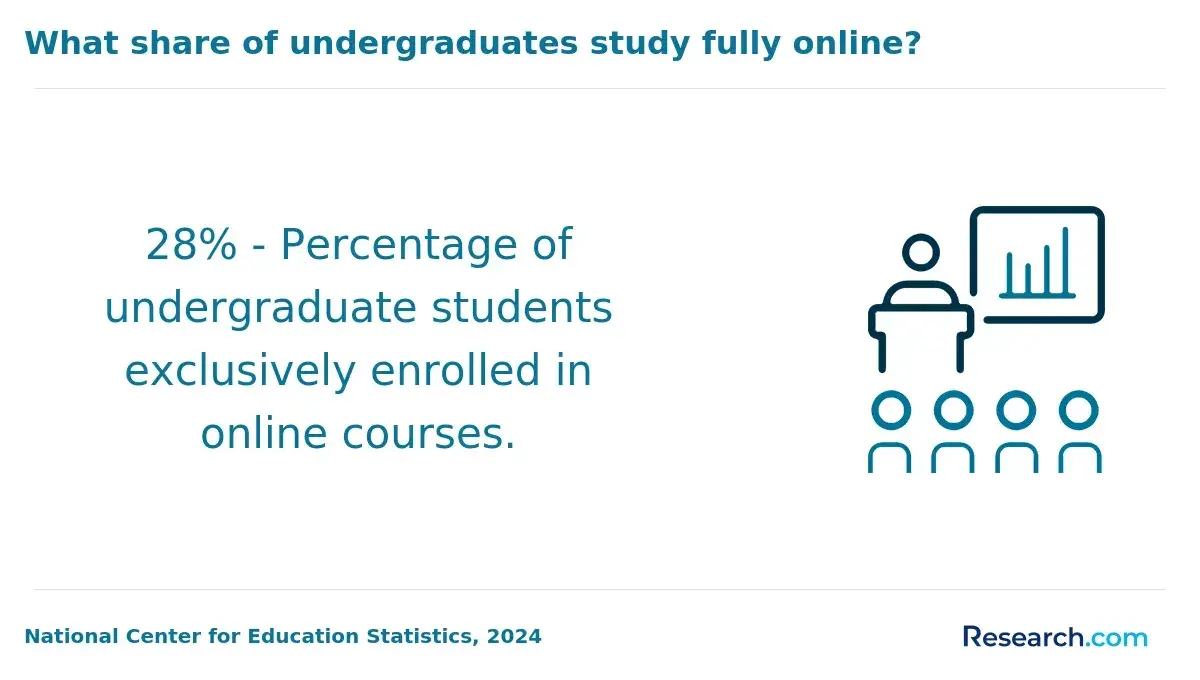
Coursework in educational policy degree programs for working adults is deliberately structured to balance career relevance, practical skills, and flexible learning options, meeting the needs of students handling full-time jobs. Almost 60% of adult learners in higher education balance work with their studies, making flexible online or hybrid courses vital. This method helps students apply ideas to their current roles while advancing their careers.
Typical core classes in educational policy degree programs cover the following areas:
- Education Law and Ethics: This course examines legal frameworks and ethical issues that affect educational institutions, preparing professionals to navigate complex regulatory settings and make informed choices.
- Policy Analysis and Development: Centered on evaluating and crafting educational policies, this coursework equips working adults to gauge policy impacts and lead meaningful reforms.
- Leadership in Education: Highlighting strategic management and leadership theories, this class aids advancement into administrative and decision-making roles within educational settings.
- Data-Driven Decision Making: This area teaches the use of data and research methods to inform policy choices, improving educational outcomes through evidence-based strategies.
- Equity and Social Justice in Education: Covering access and inclusion, this course encourages the development of equitable policies and practices in diverse educational environments.
Each class is designed for working adults to incorporate practical applications immediately usable in their careers, supporting ongoing professional growth. Adult learners seeking flexible options might also explore related fields such as a library master's degree, which similarly balances work commitments with graduate education.
Completion times for educational policy degrees among working adults differ because of balancing professional duties and academic requirements. Data indicates that most part-time students need between three to five years to finish, while full-time students often complete their programs in about two years.
Several key factors affect how long working professionals take to earn their degree:
- Program Flexibility: Online and hybrid formats let students study on their own schedule, which can extend or shorten the time depending on individual pacing.
- Course Load: Taking fewer courses each term makes managing work and study more feasible but generally lengthens the overall timeline.
- Transfer Credits: Previous graduate work or relevant credits can lower the number of required classes, thereby speeding up completion.
- Work Commitments: Intensive or irregular job hours may restrict available study time, prolonging the degree process.
- Accelerated Programs: Some degrees provide intensive summer sessions or short-term courses that help students graduate faster if they can handle the pace.
When asked about completing an educational policy degree online while working full-time, a professional said that flexibility was essential but came with challenges. "Balancing late-night assignments after work was exhausting," he noted, stressing the importance of time management.
He discovered that self-discipline was crucial, especially during terms with heavier workloads. Despite occasional stress and juggling family responsibilities, he valued the option to pause or speed up coursework when needed, which made it possible to finish in four years without sacrificing job performance.
For working adults earning an educational policy degree, handling tuition alongside job and family duties is vital. Recent studies indicate that part-time enrollment in graduate education programs has increased by more than 25%, reflecting demand for flexible financial commitments and scheduling.
Several key factors influence the overall cost of earning an educational policy degree for employed students:
- Tuition per Credit: Costs differ widely depending on whether the program is public or private, and whether classes are online or in-person. Credit rates generally range between $300 and $1,200 each, greatly affecting total expenses.
- Program Duration: Full-time tracks usually last two years, whereas part-time pathways can stretch longer. Longer programs may lower per-term costs but raise the total financial outlay over time.
- Additional Fees: Beyond tuition, fees for registration, technology, and campus activities can add several hundred or even thousands of dollars to the overall price tag.
- Materials and Textbooks: Purchased digital or physical materials can raise costs, though some programs offset this by offering free or open educational resources.
- Financial Support Options: Many working adults use employer tuition reimbursement, scholarships, or federal aid to reduce their education expenses and balance work-study commitments.
Weighing these elements helps working professionals plan and finance a degree that advances their career paths without undue hardship.
Financial aid is crucial for working adults balancing a career, studies, and family commitments by reducing financial pressures and making advanced education more attainable. Access to varied support options lets adult learners maintain stability while pursuing their educational goals.
Below are several common financial aid opportunities designed for working students pursuing an educational policy degree:
- Federal Financial Aid: This covers federal student loans, Pell Grants, and work-study programs, all available through the FAFSA application. Awards depend on demonstrated financial need and other eligibility factors, supplying important funding without immediate repayment obligations.
- Employer Tuition Assistance: Many companies provide programs that reimburse tuition costs for employees whose studies relate to their job roles. Qualification criteria differ by employer and often require ongoing employment during the course of study.
- Scholarships for Adult Learners: Various foundations and nonprofits sponsor scholarships specifically for adult students returning to education, often highlighting professional growth within fields like educational policy. These awards help cover costs without adding debt.
- Grants: State and federal grants offer non-repayable funds based on need, residency, and program relevance. These are especially valuable for adult students who meet specific criteria and lessen reliance on loans.
- Payment Plans: Many institutions let students divide tuition into manageable installments. This flexibility is meant to accommodate the financial realities of working adults balancing multiple obligations.
When speaking with a professional who earned an educational policy degree while employed full-time, she reflected on the challenge of coordinating her studies with work demands and family life. "It often felt overwhelming," she shared, "especially managing upfront costs without a stable income at all times."
She carefully researched available aid, applied early for employer tuition assistance, and combined scholarships with a flexible payment plan to spread expenses across semesters. "Knowing I had a financial roadmap helped me stay focused and confident," she noted. Her experience shows how thoughtfully leveraging multiple funding sources can make earning a degree attainable despite a busy schedule and financial constraints.
Working adults in Educational Policy programs frequently balance coursework with full-time jobs and personal duties, making it vital for institutions to offer targeted support. These services help students manage their responsibilities while keeping steady progress toward their degrees.
- Academic Advising: Provides tailored guidance for choosing courses and planning degree paths, preventing overload and ensuring efficient progress without sacrificing work or family time.
- Flexible Scheduling: Offers options such as evening, weekend, or online classes to suit diverse work schedules and personal commitments, helping students stay engaged without compromising their jobs.
- Online Learning Support: Supplies technical assistance and resources for navigating virtual learning environments, enabling students to reach classes and materials seamlessly from any location.
- Mental Health Resources: Delivers counseling and stress management services to fight burnout and support emotional well-being throughout the program.
- Cohort-Based Learning: Creates peer networks that build accountability and motivation, promoting a sense of community that boosts academic achievement.
Accreditation means that educational policy programs satisfy established quality standards set by recognized agencies, ensuring the curriculum, faculty, and resources meet rigorous academic requirements. For working adults, this validation is essential because it confirms that the degree earned will be respected by employers and other educational institutions. Accreditation also affects eligibility for federal financial aid, which is a key consideration for many adult learners financing their education.
Notably, the National Center for Education Statistics reports that more than 40% of graduate students are aged 25 and older, underscoring the rising demand for accredited, flexible programs designed for adults balancing work and study. Programs with accreditation provide lasting benefits for working professionals pursuing educational policy degrees. Credits earned are more easily transferable to different schools, supporting students who may switch institutions or seek further education.
Accreditation also often governs eligibility for professional certification or licensure tied to educational leadership and policy careers. In addition, holding a degree from an accredited program strengthens credibility with employers, which can improve opportunities for career growth and advancement over time.
Salary growth is a major motivator for working professionals considering an educational policy degree, with annual salaries typically ranging from $50,000 to over $90,000 depending on role and experience. This potential increase can justify the investment of time and effort, particularly for those balancing full-time work and study.
- Industry Demand: Sectors involved in education reform, administration, or research tend to value advanced degrees more highly, often resulting in better compensation for degree holders. Demand in these areas directly links to salary increases for working adults.
- Role Advancement: Educational policy graduates who move into leadership or policy advisory positions usually see notable pay raises compared to entry-level or non-degreed roles. This kind of career growth shows how an educational policy degree boosts career earnings by opening doors to higher-level opportunities.
- Employer Policies: Some employers provide salary increases or promotions for employees who earn relevant advanced degrees. These policies can greatly affect salary trajectories for adults pursuing further education.
- Experience and Specialization: Years of professional experience combined with a specialization in areas like equity, assessment, or technology integration often increase earning potential. Specializing can help working adults stand out in niche roles with competitive salaries.
Working professionals seeking flexible, accredited educational policy degree programs that fit full-time employment may find resources listing the cheapest EdD programs helpful when evaluating options that support both career advancement and salary growth.
An educational policy degree allows working adults to qualify for higher-level, specialized, and leadership roles beyond entry-level positions. This degree deepens expertise in education systems, policy analysis, and organizational leadership, enabling professionals to influence decision-making and lead reforms effectively.
Below are several advanced career paths often pursued by experienced professionals holding an educational policy degree:
- Education Policy Analyst: Analysts evaluate and improve educational programs and policies, moving from implementation to strategic influence. The role demands critical evaluation skills and policy knowledge, enabling professionals to shape effective education legislation and reforms.
- Director of Educational Programs: Directors oversee curriculum and program development, using leadership abilities and policy insights to design evidence-based initiatives that improve learning outcomes and operational efficiency.
- Education Consultant: Consultants advise schools and districts on compliance, curriculum updates, and strategic planning. These roles combine practical experience with policy expertise to recommend improvements and support organizational goals.
- School District Administrator: Administrators oversee multiple schools or departments, aligning policies with regulatory requirements and district objectives. An educational policy degree strengthens their capacity to manage complex regulations and advocate for resources.
- Government Education Advisor: Advisors work with local or state agencies to develop and review educational legislation. Their advanced policy knowledge and experience drive large-scale reforms that affect education systems broadly.
Working adults interested in these opportunities should consider online degrees that offer flexible, accredited programs designed for full-time employment. Exploring the best educational policy careers for working adults reveals a variety of job opportunities with an educational policy degree that promote career advancement and specialization.
What Graduates Say About Their Educational Policy Degrees for Working Adults
- Vance: "Enrolling in an online educational policy program let me keep working full-time without giving up my professional responsibilities. The program's cost was reasonable compared to traditional on-campus options, making it a wise financial decision for someone balancing work and study. Since graduating, I've seen clear advancement in my career, gaining opportunities to lead policy initiatives at my organization."
- Marvin: "When I chose to pursue a part-time educational policy degree, I worried about both time management and tuition expenses. However, the program's affordability for working adults relieved those concerns, and the flexibility let me apply what I learned directly to my job every week. This degree has been a key factor in positioning me for promotions and influencing educational reform."
- Trisha: "Enrolling in an online educational policy program while working full-time was a challenging yet rewarding experience. The cost was a considerable investment, but it matched the industry standard for quality programs designed for professionals. Completing the degree has broadened my strategic perspective, enabling me to contribute more effectively to policy development and implementation within my district."
Other Things You Should Know About Educational Policy Degrees
Online educational policy degree programs built for working adults usually range from one to three years, depending on the degree level. Bachelor's programs may take about three to four years part-time, while master's programs often last one to two years, allowing flexibility in balancing work commitments.
Many programs recognize prior professional experience and may provide accelerated paths, credit for relevant work, or flexible course loads. This recognition helps working adults enroll in courses that build on their practical knowledge and adjust the study pace to match their career and personal commitments.
Many programs require either a capstone project or a thesis, typically in the final 3 to 6 credits. Capstones center on policy analysis or program evaluation, while theses often involve original research approved by a faculty committee. Working adults should verify whether the option is required or elective.
- Putting Evidence into Action to Support Student Success https://www.partnershipstudentsuccess.org/
- University of Glasgow - Postgraduate study - Taught degree programmes A‑Z https://www.gla.ac.uk/postgraduate/taught/educationpublicpolicyequity/
- Educational Policy Studies https://www.ualberta.ca/en/graduate-programs/educational-policy-studies.html
- EdD in Education Policy and Leadership | School of Education | American University, Washington, DC https://www.american.edu/soe/graduate/edd/
- Five Critical Elements to Developing Effective Educational Programs for Working Adults https://evolllution.com/programming/program_planning/five-critical-elements-to-developing-effective-educational-programs-for-working-adults
- Financial Aid for Adult Learners: Your Step-by-Step Guide | National University https://www.nu.edu/blog/financial-aid-for-adult-learners/
- Master of Education in Adult Learning and Education (MEd) https://www.grad.ubc.ca/prospective-students/graduate-degree-programs/master-of-education-adult-learning-education
- Master of Education in Educational Leadership & Policy - Lynch School of Education and Human Development https://www.bc.edu/bc-web/schools/lynch-school/academics/departments/elhe/educational-leadership-med.html
- COE and TRIO Programs - Council for Opportunity in Education https://coenet.org/coe-and-trio-programs/
- An Overlooked Financial Aid Tool Can Help More Adults Reach College - Center for American Progress https://www.americanprogress.org/article/an-overlooked-financial-aid-tool-can-help-more-adults-reach-college/