2027 Is a 2-Year Educational Policy Degree Worth It: Accelerated Bachelor's ROI & Time Trade-Offs
Audited and Verified:
Our Editorial and Data Verification Process
Research.com uses government datasets, official education statistics and primary institutional information to support its career and degree guides. Our review process checks factual accuracy, occupational definitions, source dates and the requirements associated with the credentials discussed.
How This Article Was Fact-Checked
Our editorial team verifies salary estimates, employment projections, education requirements and program information against original data providers and official organizations. Salary figures are checked against the relevant occupational definitions and reporting periods. Information about licensure, accreditation and required in-person training is reviewed separately.
Fact-checked and verified on:

Co-Founder and Chief Data Scientist
Deciding if a 2-year accelerated educational policy degree delivers genuine value is difficult for many prospective students. Based on data from the National Center for Education Statistics, accelerated degree programs have expanded by 12% over the past five years, which reflects growing demand for faster entry into the workforce. Still, worries about adequate preparation and long-term salary gains remain. This article reviews the return on investment and time trade-offs of accelerated bachelor's degrees in educational policy. It looks at income potential, job market patterns, and credential credibility, helping readers reach an informed decision that matches their career goals and financial expectations.
Key Benefits of a 2-Year Educational Policy Degree
- Accelerated 2-year educational policy degrees reduce time-to-degree, enabling faster entry into the workforce and potential salary gains approximately 15% higher within five years post-graduation.
- Lower tuition costs compared to traditional programs offer improved ROI by minimizing student debt while maintaining comparable career advancement opportunities in education policy roles.
- Concentrated coursework enhances focus on key policy areas, equipping graduates with specialized skills demanded by employers in education administration and policy analysis sectors.
How Do 2-Year Educational Policy Programs Work?
Accelerated two-year educational policy degree programs offer a compressed route for students who want to earn a bachelor's degree in education policy in half the usual time. Grasping the structure and workload of 2-year education policy degrees is vital for prospective students to judge whether this intense commitment fits their goals. The following is a breakdown of how such programs generally operate.
- Accelerated Pacing: These programs accelerate learning by squeezing courses into shorter terms, enabling students to finish required credits quickly while preserving content depth.
- Year-Round Enrollment: Classes are delivered continuously, with summer and winter sessions included, so there are no long breaks and students can keep steady progress.
- Condensed Course Terms: Courses frequently run 7 to 8 weeks rather than a standard 15-week semester, demanding concentrated study during these intense periods.
- Credit Load Expectations: To finish on schedule, students typically take about 12 to 15 credits per term, which calls for disciplined time management and consistent effort.
- Instructional Format: Programs provide flexible delivery choices like online, in-person, or hybrid models, serving working adults or students who balance other duties.
- Assessment Methods: Regular exams, research projects, and policy analysis papers are typical for measuring student mastery within shorter timeframes.
- Curriculum Progression: Students move in sequence through foundational courses toward specialized subjects such as education governance, policy analysis, and implementation strategies.
Students who are considering this fast track can also look into related programs like the shortest DNP program online to compare accelerated degree formats. Completing a 2-year accelerated educational policy degree program can save time and tuition while readying graduates for rising demands in education administration and policy roles.
What Are the Admission Requirements for a 2-Year Educational Policy Degree?
Understanding the admissions requirements for a 2-year educational policy degree helps prospective students determine whether an accelerated bachelor's path suits their academic background and career plans. This knowledge is particularly important for working adults or graduates who seek an efficient way to advance in education policy fields. The following is a detailed breakdown of typical criteria that show what applicants should prepare.
- Prior Education: Most programs expect applicants to have finished some college coursework or to hold an associate's degree. This basis ensures students have the college-level skills needed for accelerated study tracks in educational policy.
- GPA Expectations: A minimum GPA, usually between 2.5 and 3.0 on a 4.0 scale, is often required to show academic readiness and improve admission chances.
- Standardized Tests: SAT or ACT scores are generally not required, especially for transfer or accelerated programs. Still, some schools may review test results if applicants have limited prior college credit.
- Prerequisite Courses: Coursework in social sciences, education fundamentals, or statistics may be necessary to ensure students have the essential background knowledge to thrive in accelerated educational policy programs.
- Work Experience: Many programs value prior work in education, policy, or related sectors, particularly for adult learners or career changers. Such experience can strengthen commitment and offer practical context for advanced study.
These requirements reflect simplified admission paths that support quicker degree completion, consistent with research showing that accelerated programs can save 1 to 2 years compared with traditional degrees. For students focused on educational policy careers, this efficiency provides meaningful cost and time benefits. For individuals interested in similarly fast educational pathways, medical assistant programs offer one such example.
What Does a Typical Week Look Like in a 2-Year Educational Policy Program?
Understanding the weekly demands of an accelerated two-year educational policy program helps students judge whether the pace matches their lifestyle and career goals. The schedule blends rigorous academic work with practical experiences, requiring strong organization and commitment. Here is a closer look at the typical components that shape a student's week.
- Class sessions and lectures: Students attend several weekly classes that combine lectures and interactive seminars covering policy frameworks, legal aspects, and equity issues. These sessions promote critical thinking and dialogue about current educational challenges.
- Assignments and assessments: Coursework includes frequent tasks such as research papers, policy analyses, presentations, and case studies. These demand considerable outside preparation to build strong arguments and apply theoretical knowledge.
- Collaborative group work: Team projects are common, developing communication and problem-solving skills. Working with peers lets students approach policy problems from multiple angles and build professional networks.
- Independent study: Outside class, students spend considerable time reviewing academic articles, government reports, and study materials to reinforce learning. This self-directed study supports mastery of complex concepts and exam readiness.
- Instructor interaction: With a faster pace, frequent access to instructors is essential. Students often seek feedback through office hours or online meetings, which helps clarify concepts and improve assignments.
- Time management: Balancing personal commitments with intense coursework requires excellent planning and prioritization skills. Success in the program depends on maintaining this disciplined approach.
When asked about his experience in a two-year accelerated educational policy bachelor's, a recent graduate reflected on the intensity involved. "It wasn't only about absorbing information quickly but learning to juggle multiple deadlines without sacrificing quality," he said. He described evenings spent revising drafts and weekends coordinating group discussions, noting that the pressure was real but "every challenge taught me to be more efficient and focused." By his account, this fast-tracked schedule prepared him well for the demanding world of education reform, where timely decisions and thorough analysis are essential.
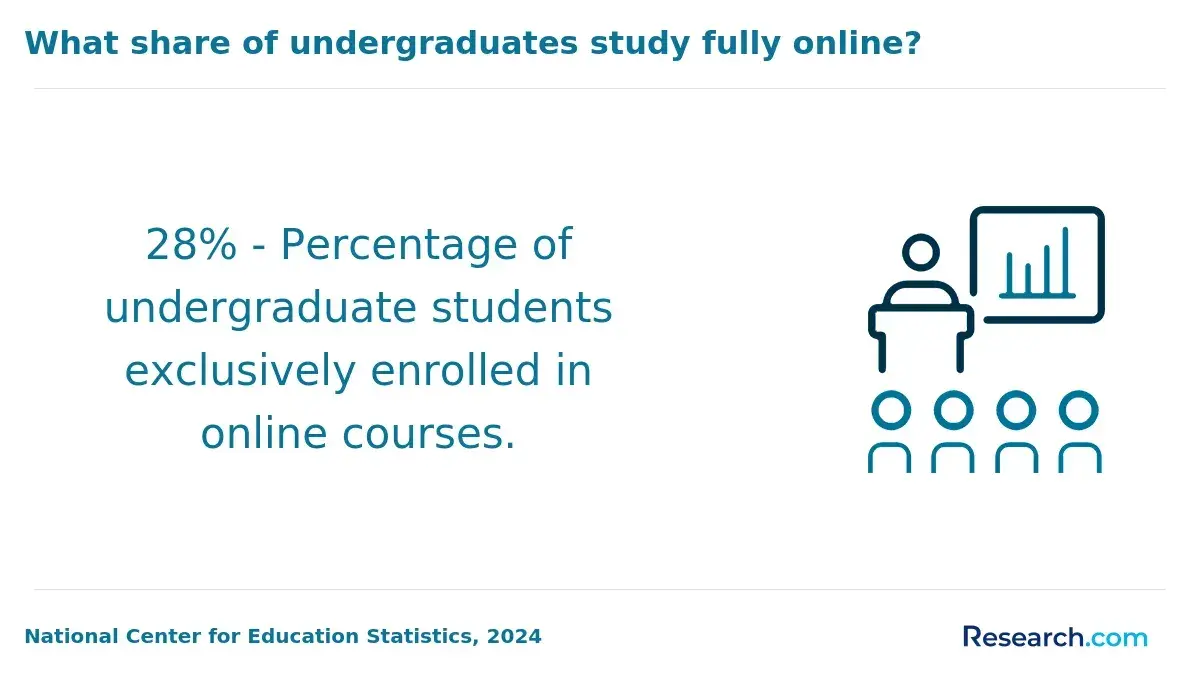
Delivery mode plays a key role for students pursuing an accelerated educational policy degree, affecting flexibility, access, and efficient time use. Selecting between online or hybrid formats can greatly influence how learners balance studies with other responsibilities. The following outlines key considerations for two-year programs offered through online methods.
- Fully online versus hybrid formats: Many programs offer fully online options, letting students complete coursework remotely, while others mix online learning with occasional in-person sessions to boost interaction.
- Asynchronous and synchronous learning: Asynchronous courses let students access lectures and assignments at convenient times, which suits working adults, while synchronous sessions provide live discussions that build engagement and peer connection.
- Technology requirements: Reliable internet access, a capable computer, and familiarity with learning management platforms are necessary to participate smoothly in these programs.
- Student support services: Online tutoring, academic advising, and career counseling are often included to help remote learners stay on track and overcome obstacles.
- Impact on pacing and engagement: Online programs can support accelerated timelines through continuous enrollment in sequential courses, requiring strong self-discipline but allowing steady progress without traditional semester breaks.
Assessing the total cost of a 2-year accelerated educational policy degree is vital for understanding its return on investment. Because these programs compress a traditional four-year timeline, they let students enter the workforce sooner and potentially lower living expenses. Yet the faster pace may also cause higher costs per term and greater immediate financial commitments, making a detailed cost breakdown important for informed decision-making.
- Tuition structure: Accelerated educational policy programs usually charge tuition by credit hour, often at a higher rate because of the intensive format. Students typically take more credits per semester, which raises per-term expenses compared with traditional timelines.
- Fees: Additional fees often cover registration, technology access, and course-specific materials. These can add substantially to the overall cost, especially if the program uses specialized software for policy analysis.
- Textbooks and learning materials: Due to the compressed schedule, students may need to buy textbooks and materials more quickly and in larger quantities, adding to upfront costs within a shorter timeframe.
- Technology or lab costs: Programs that rely on online resources or specialized educational policy tools may have higher technology-related expenses to support coursework and virtual labs.
- Accelerated pacing impact: Although total tuition might be somewhat lower than a traditional four-year degree, the accelerated format often leads to higher immediate financial outlays per term because of the increased credit load.
Weighing 2-year educational policy degree tuition costs alongside other expenses helps prospective students gauge affordability. Those exploring financial aid options for accelerated educational policy programs should carefully assess these cost factors. For comparison purposes in other fields, you might also consider the cheapest medical billing and coding program, which exemplifies cost-efficiency in accelerated online learning.
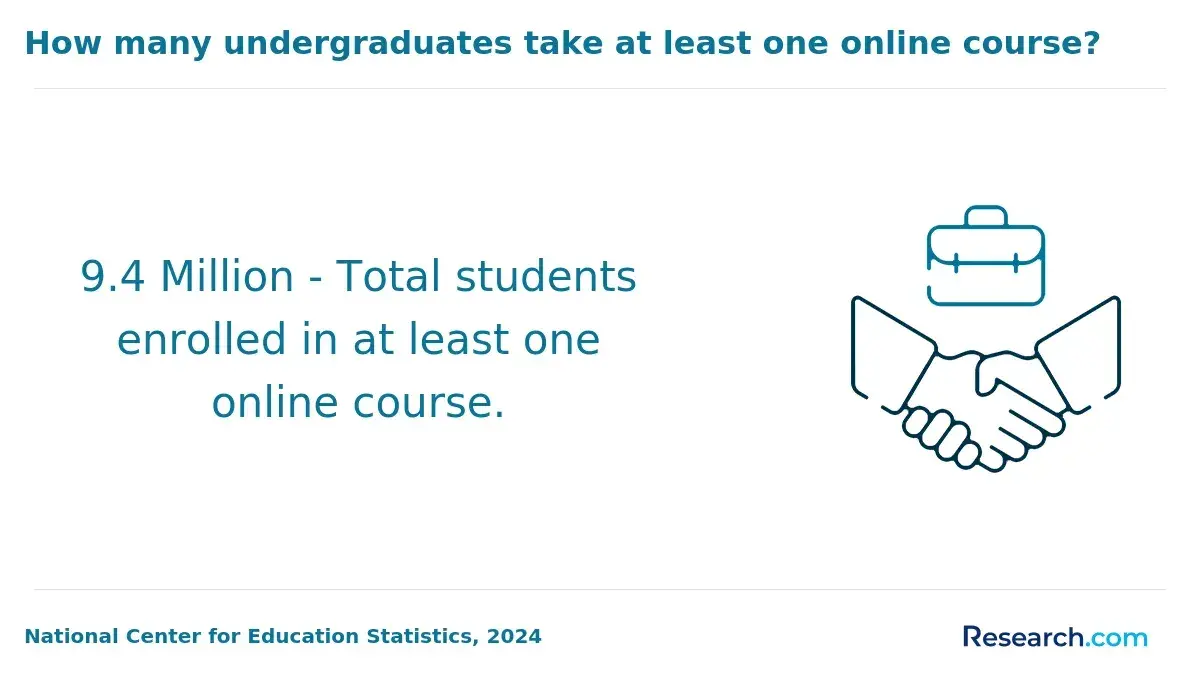
Financial aid availability is a key factor for students considering an accelerated 2-year educational policy degree, since it can greatly influence affordability and program completion. Securing funding helps manage tuition costs and related expenses within the program's condensed timeline. The following is a breakdown of common financial aid options and how the accelerated format may affect them.
- Federal student aid eligibility: Students enrolled in accredited accelerated programs typically qualify for federal aid such as Pell Grants and Direct Loans, as long as they meet standard requirements. However, the quicker pace may change loan disbursement schedules or require adjustments in repayment planning.
- Scholarships and grants: Specialized scholarships aimed at educational policy students or accelerated degree seekers are often offered by professional bodies, nonprofits, and academic institutions. In addition, state and private grants can lower expenses for those with demonstrated financial need or from underserved groups.
- Employer tuition assistance: Many working adults benefit from employer-sponsored tuition support, which can cover part or all of the program cost. This option often requires coordination with HR and may include conditions on repayment or employment commitment.
- Flexible payment plans: Some schools offer installment plans designed for accelerated degrees, letting students spread tuition payments over the shorter program length and better match their financial situation.
- Impact of accelerated pacing: The condensed schedule may require earlier or multiple aid disbursements within a shorter period, so understanding these timing differences is essential for budgeting and loan management.
When I talked with a professional who earned an accelerated bachelor's in educational policy, she shared how vital financial aid was to her success. She described navigating the FAFSA process while balancing a full-time job and noted that adjusting to the rapid loan disbursement schedule felt challenging at first. "It required careful planning to stay on top of payments and avoid surprises," she explained. Scholarships she received from nonprofit organizations specifically supporting educational policy students eased her financial burden, allowing her to focus on coursework without overwhelming debt. She emphasized that employer tuition assistance played a pivotal role in covering tuition fees, but managing paperwork and maintaining communication with HR demanded persistent effort. Reflecting on her experience, she said, "The accelerated program was intense, but the financial aid resources made it feasible. It was empowering to know support was available, which kept me motivated throughout those two years." This insight speaks to the importance of thoroughly exploring all financial aid avenues when pursuing a fast-tracked educational policy degree.
Assessing career options with a 2-year educational policy degree is vital for students considering this accelerated pathway, since it helps clarify how the time invested translates into real-world opportunities. Understanding job prospects for accelerated educational policy graduates supports informed decisions that align education with career goals and financial expectations. The following overview highlights common roles and paths available after earning such a degree.
- Policy Assistant: Entry-level roles often involve supporting senior staff in analyzing education policies and drafting reports. Graduates use foundational research methods and data analysis skills to assist in decision-making processes.
- Program Coordinator: Coordinating education initiatives within school districts or nonprofit organizations lets graduates manage logistics, monitor program effectiveness, and ensure compliance with regulations, putting their training in policy evaluation to practical use.
- Data Analyst for Education Initiatives: Graduates often contribute by collecting and interpreting educational data to inform policy development and program improvements. This role benefits from the accelerated format, which helps students quickly acquire quantitative and analytical skills.
- Community Outreach Specialist: Working with diverse populations to promote education accessibility and equity, graduates engage stakeholders and support initiatives aimed at strengthening community involvement in education policy.
- Sector Flexibility: These positions commonly exist within government agencies, educational consulting firms, nonprofit organizations, and school districts, offering multiple avenues to build experience or pursue further graduate studies.
The accelerated bachelor's format, cutting completion time by roughly 25% to 50% compared with traditional four-year degrees, lets students enter the workforce sooner, often within two to three years. This time efficiency is crucial for those eager to seize early employment opportunities and advance in their careers. Although advanced roles might require graduate education, the 2-year degree provides a practical foundation in policy analysis and education program evaluation.
Job prospects for accelerated educational policy graduates remain steady, backed by projections from the U.S. Bureau of Labor Statistics indicating average growth in education administration and policy roles. For prospective students weighing their options, comparing this degree with affordable accredited healthcare administration degrees may offer additional insight into educational investments and career trajectories.
Salary outcomes are a key factor when evaluating the return on investment (ROI) of accelerated versus traditional degree paths in educational policy. Graduates and prospective students often weigh early earnings against long-term career potential. Examining the salary comparison between 2-year educational policy degree salary comparison and traditional four-year bachelor's degrees provides insight into how these educational choices affect financial trajectories.
- Early-career earnings: Graduates with traditional bachelor's degrees in educational policy typically start with median salaries around $60,000 to $70,000, while those holding accelerated degrees often begin near $50,000 to $60,000. This initial gap reflects a 10-20% difference in early earnings but is partly offset by time saved in education.
- Long-term earning potential: Although early salaries for accelerated bachelor's degree earnings vs traditional degree holders may be somewhat lower, faster entry into the workforce can contribute to cumulative lifetime earnings growth. The additional one or two years of work experience might lead to earlier promotions and salary increases.
- Employer perception: Some employers value traditional bachelor's degrees more for their comprehensive curriculum, especially in roles that require deeper academic preparation in educational policy. This preference can influence promotion opportunities and salary ceilings over time, despite the practical advantages of accelerated programs.
- Career progression timelines: Accelerated programs save around 1-2 years of study, lowering educational costs and accelerating career timelines. This means graduates can enter the workforce sooner, gaining valuable experience that can enhance their long-term career advancement compared with their traditional counterparts.
- Lifelong earnings and ROI: The combination of tuition savings, reduced living expenses, and earlier workforce participation can improve overall return on investment for accelerated programs. For those curious about affordable advanced degrees to complement educational policy studies, options like the cheapest DNP program online may offer additional pathways to boost earning potential.
Assessing the return on investment (ROI) is vital for students considering accelerated educational policy degrees, since these programs demand significant time and financial commitment. Understanding how various factors affect ROI helps prospective students make informed decisions that align with their career ambitions and economic goals. The following is an overview of the main elements that shape the ROI of accelerated educational policy degrees.
- Time-to-completion: Accelerated programs often shorten the traditional four-year timeline, enabling students to graduate one to two years sooner. This reduction in study duration lets graduates enter the workforce earlier, potentially increasing lifetime earnings.
- Tuition and total cost: Although fewer semesters may lower the overall expense, some accelerated programs charge higher per-credit fees or require year-round enrollment. It's important to compare these costs against traditional options, considering additional savings like reduced living expenses.
- Opportunity cost savings: Finishing the degree faster limits the years spent out of full-time work, letting graduates begin accumulating salary and advancing in their careers sooner. This benefit plays a major role in boosting ROI over time.
- Employment outcomes and salary growth: The field shows moderate growth projections, with demand for educational policy professionals expected to rise steadily. Graduates with relevant skills often experience faster promotions and incremental pay raises, enhancing their ROI.
- Transferability of skills: Accelerated programs emphasize critical thinking, data analysis, and policy evaluation, equipping students with versatile abilities. These skills improve employability across different education sectors and related areas, creating long-term career flexibility.
Deciding whether a two-year educational policy degree fits you involves assessing your learning preferences and capacity for an intense study schedule. These programs compress four years of material into a shorter timeframe, requiring discipline and strong organizational skills.
Consider your current obligations and whether you can dedicate enough time to avoid overwhelm. Reflect also on your career timeline; if entering the workforce quickly is a priority, this accelerated path might be beneficial. Understanding how you handle fast-paced, demanding coursework is essential before committing.
From a practical standpoint, shorter programs often lower overall tuition costs because of fewer semesters, but the faster pace can limit opportunities to work while studying. Many students save significant time, potentially increasing lifetime earnings by starting their careers earlier. However, employment growth in educational policy fields is moderate, and salaries average around $60,000 with variation depending on location and experience.
Employer preferences differ: some prefer traditional degrees or advanced qualifications, while others welcome faster credentialing. Weighing upfront costs, career prospects, and the flexibility of your degree choice helps clarify whether an accelerated program aligns with your long-term goals.
What Graduates Say About Their 2-Year Educational Policy Degree
- Vance: "The 2-year accelerated bachelor's degree in educational policy was an ideal fit for me because I wanted to finish my education quickly without losing depth. Balancing work and study was challenging, but the program's structured schedule and online options made it manageable. Since graduation, the degree has moved me into leadership roles where I shape school reform initiatives."
- Mari: "I selected the 2-year educational policy program mainly because the average cost of attendance was more affordable than traditional four-year programs, making it a sensible investment. Although the fast pace required intense focus, I learned to prioritize effectively and stay organized. This degree deepened my understanding of policy development and now guides my strategic decisions in educational institutions."
- Payne: "Completing a 2-year accelerated degree in educational policy was a calculated choice driven by my desire to move quickly into advocacy work. The rigorous course load demanded discipline, but faculty support helped me maintain my momentum. Professionally, this credential has opened doors to policy analysis positions where I can make a tangible impact on educational access."
Other Things You Should Know About Educational Policy Degrees
Yes. Many accelerated programs accept up to 60 transfer credits from regionally accredited colleges, which can shorten the bachelor's path from four years to about two. Schools usually require official transcripts and a minimum GPA, often 2.0 to 3.0, before granting credit evaluation.
In 2027, how respectable an accelerated 2-year educational policy degree is among employers largely depends on the institution's reputation and the skills acquired. Quality of education and demonstrated competency often outweigh the time spent earning the degree in the eyes of employers.
The accelerated format requires intense dedication, often asking students to handle heavier course loads and limited breaks. This can lead to greater stress and less time for extracurricular activities or professional networking. Students must keep strong time-management skills and seek support to succeed in such a compressed program.
- Policy master's: Cost and funding (Part 4) - Emerging Technology Policy Careers https://emergingtechpolicy.org/pathways/graduate-school/policy-masters/4-cost-and-funding/
- Return on Investment - your degree choice and potential future earnings https://www.thecompleteuniversityguide.co.uk/student-advice/what-to-study/degree-choice-and-future-earnings
- Robert F. Bruner - The ROI on One’s Own Higher Education https://blogs.darden.virginia.edu/brunerblog/2012/10/the-roi-on-ones-own-higher-education/
- A Guide to Accelerated Bachelor's Degrees https://www.coursera.org/articles/accelerated-bachelors-degree
- University of Glasgow - Postgraduate study - Taught degree programmes A‑Z https://www.gla.ac.uk/postgraduate/taught/educationpublicpolicyequity/
- MA Education Policy and Leadership by Research https://www.buckingham.ac.uk/courses/research/ma-education-policy-and-leadership-by-research/
- Accelerated Online Master’s Degree in Education (MEd) | Warner Pacific https://www.warnerpacific.edu/programs/master-of-education/
- Financial Aid Options 2025 | Your College Funding Guide https://www.educationconnection.com/financial-aid/
- Accelerated Degree Programs: Are They Worth It? https://nl.edu/blog/archives/2025/accelerated-degree-programs-are-they-worth-it/
- Online College Degree Programs for Students & Business https://www.pearsonaccelerated.com/