2027 How to Compare Educational Policy Degree Programs Effectively
Audited and Verified:
Our Editorial and Data Verification Process
Research.com uses government datasets, official education statistics and primary institutional information to support its career and degree guides. Our review process checks factual accuracy, occupational definitions, source dates and the requirements associated with the credentials discussed.
How This Article Was Fact-Checked
Our editorial team verifies salary estimates, employment projections, education requirements and program information against original data providers and official organizations. Salary figures are checked against the relevant occupational definitions and reporting periods. Information about licensure, accreditation and required in-person training is reviewed separately.
Fact-checked and verified on:

Co-Founder and Chief Data Scientist
Selecting the right educational policy degree program can feel daunting because of the varied curriculum emphases and program formats at U.S. universities. Many students find it hard to determine which program will best prepare them for careers in education reform, administration, or policymaking.
Based on data from the National Center for Education Statistics, employment for education administrators is expected to grow 8% through 2030, reflecting rising demand for policy expertise. This article examines key factors including specialization areas, faculty expertise, financial considerations, and scheduling flexibility to help prospective students compare programs effectively and choose one that matches their professional goals.
Key Benefits of Comparing Educational Policy Degree Programs Effectively
- Verify program accreditation to ensure credibility; accredited degrees generally lead to better job prospects and eligibility for certification in educational policy fields.
- Assess curriculum alignment with your career goals, prioritizing programs that offer specializations reflecting current educational policy challenges and innovations.
- Compare tuition costs against expected return on investment by researching average graduate salaries and employment rates within educational policy sectors.
What Types of Accreditation Should a Educational Policy Degree Program Have?
Accreditation is essential for comparing educational policy degree programs effectively since it verifies that a program meets established quality standards and boosts its credibility and long-term value. Research shows that graduates from regionally accredited institutions have notably higher employment rates than those from non-accredited schools.
This groundwork helps you see how different accreditations affect program quality and outcomes. Listed below are the main types of accreditation to consider when assessing educational policy program accreditation standards:
- Regional Accreditation: This is the most widely recognized form of institutional accreditation in the U.S., evaluating the whole institution including faculty qualifications, curriculum, and support services. Programs with regional accreditation typically provide transferable credits and make students eligible for federal financial aid, improving flexibility and accessibility.
- Programmatic Accreditation: Aimed at specific programs or departments, this category covers accreditations such as those from the Council for the Accreditation of Educator Preparation (CAEP). It ensures the curriculum matches professional standards and licensure requirements, reassuring employers and certification bodies of the program's rigor and relevance.
Enrolling in an accredited educational policy degree program gives career changers and working professionals confirmation that their education will be respected by employers and support the needed certification or licensure. It also affects access to financial aid and ease of credit transfer, which are crucial for balancing education with other life commitments.
For those considering advanced options, a BCBA degree can provide additional career pathways.
What Specializations Are Offered in Educational Policy Degree Programs?
Specializations inside educational policy degree programs let prospective students compare academic focus and career alignment effectively, ensuring their education supports particular workforce goals. With a projected 7% growth in fields such as education administration and policy analysis over the coming decade, demand for targeted expertise is rising.
Here are common specializations that reflect key educational policy degree tracks and focus areas.
- Education Administration: Centers on leadership, management, and organizational skills designed for roles in school districts or educational agencies. This specialization prepares students to address operational challenges and guide educational institutions effectively.
- Policy Analysis and Evaluation: Builds expertise in research methods, data analysis, and policy assessment techniques. Graduates shape education reform and legislative decisions by evaluating policy impacts.
- Higher Education Policy: Focuses on governance, finance, and issues affecting accessibility within colleges and universities. This track tackles systemic challenges and advances equity in postsecondary education.
- Urban Education Policy: Tackles educational challenges in diverse, high-need communities with an emphasis on equity and social justice. Students learn to craft policies that support underserved populations.
Prospective students weighing degree programs can also consider related options such as an accelerated social work degree online which may complement their educational policy background, expanding both academic and practical career pathways.
Educational policy program specializations and concentrations offer critical insights into these focused areas, helping students match their academic pursuits with career needs.
How Can You Compare Courses Across Educational Policy Degree Programs?
Comparing courses across educational policy degree programs is vital for prospective students to judge program rigor, skill development, and how well the curriculum matches career goals. Research shows that programs with comprehensive curricula and higher course completion rates see a 15-20% greater job placement success within six months of graduation.
This makes careful review of course content and structure essential. Think about these practical strategies when comparing courses:
- Course Descriptions: Examine the topics covered and the depth of content to assess academic rigor and relevance to educational policy debates.
- Required vs. Electives: Check the balance of mandatory and elective courses to gauge program flexibility and opportunities for specialization that fit your professional objectives.
- Credit Hours and Workload: Compare credit requirements to grasp time commitments and the intensity of coursework across programs.
- Skill Development: Seek courses emphasizing practical skills such as data analysis or policy evaluation that directly support career advancement in educational policy.
- Faculty Expertise: Weigh faculty qualifications and research areas to ensure exposure to current issues and thought leadership in the field.
- Student Support Resources: Access to advising, internships, or applied projects can greatly enhance learning and career readiness.
Also, evaluating cost and career outcomes in educational policy courses is essential for making informed decisions. For students balancing professional commitments and education, exploring options like an online executive MBA can provide insight into accessible and flexible programs related to educational leadership and policy management.
Flexible scheduling is important for students balancing education with work and personal commitments, making it essential when comparing educational policy degree programs. Different formats suit various lifestyles and learning preferences, including:
- Full-Time: Intended for students who can dedicate substantial hours to coursework, allowing faster progression through the program. This format fits those with fewer outside responsibilities who want to finish their degree more quickly.
- Part-Time: Provides a slower pace with fewer courses per term, offering greater flexibility for working professionals or those with family obligations. It lengthens the duration but lowers stress by allowing manageable workloads.
- Evening Classes: Held outside traditional daytime hours to support students who work during the day. Evening offerings make it possible to engage fully in coursework without giving up job or family responsibilities.
- Weekend Classes: Another choice for employed or busy students, weekend classes allow attendance during non-workdays, helping to keep a balance between education and other life demands.
- Online Programs: Offer maximum flexibility by enabling remote and asynchronous learning. Students can access materials and complete assignments on their own schedules, ideal for those handling complex or unpredictable commitments.
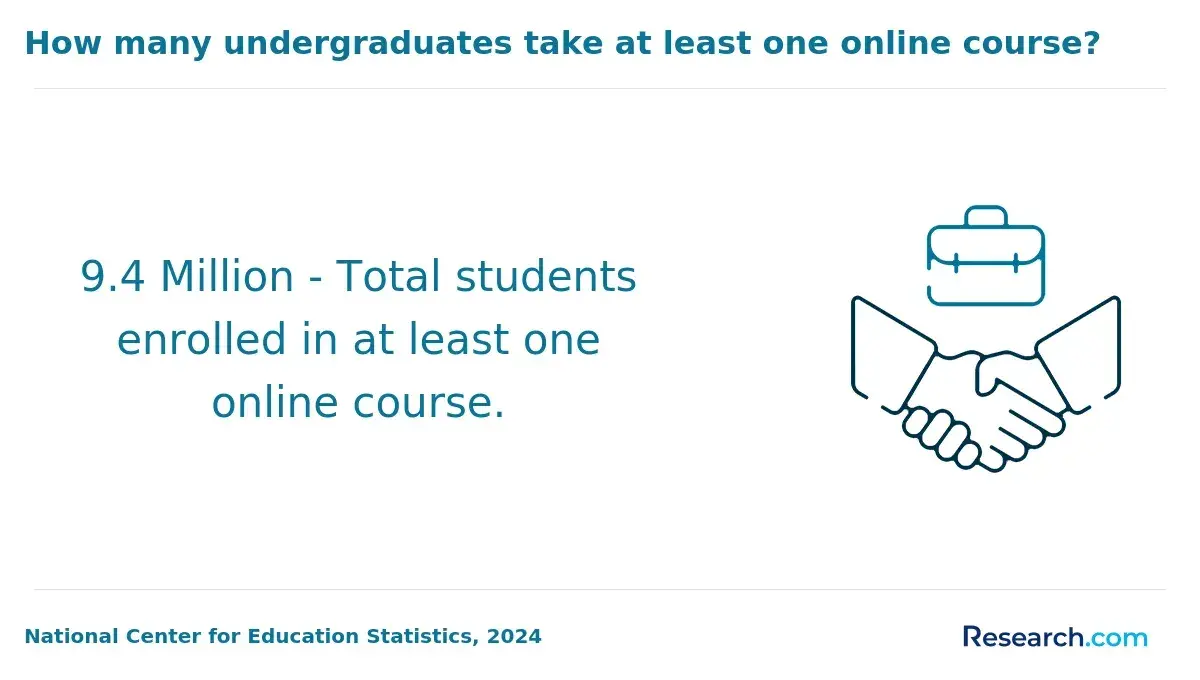
Deciding between online and campus-based delivery formats for educational policy degrees strongly affects flexibility, networking, and the overall learning experience. Recent data indicates around 40% of graduate students have taken at least one online course, reflecting the growth in remote education.
Here is an overview of the benefits and drawbacks of each approach.
Online Programs
- Flexible Scheduling: Students can study at their own pace and schedule, making it simpler to balance work and personal life.
- Accessibility: No need to relocate or commute, which is ideal for those with geographic or time limitations.
- Limited Interaction: Opportunities for spontaneous discussions and networking may be fewer, affecting collaborative learning.
- Cost-Effective: Often less expensive because of reduced travel and housing expenses.
Campus-Based Programs
- Personal Connections: Face-to-face interaction with faculty and peers strengthens networking and mentorship.
- Structured Environment: Set class times and locations offer routine that some learners find motivating.
- Resource Access: Immediate availability of campus facilities supports hands-on learning and research.
- Less Flexible: Commuting or moving closer to campus may be required, which can limit outside commitments.
I talked with a graduate who completed an online educational policy degree to gain insight into this dilemma. He explained that comparing programs meant weighing the convenience of remote learning against the desire for more direct interaction.
"I appreciated being able to work on assignments when it suited me, but I worried about missing out on informal conversations that happen naturally in person." He also mentioned feeling somewhat isolated at times, which required proactive effort to connect with classmates and instructors.
In the end, he found that the self-discipline needed for online study helped him build strong time-management skills, which benefited his career after graduation.
GPA requirements are a key factor when comparing educational policy degree programs, reflecting the academic standards applicants are expected to meet. These standards differ widely, shaping how programs evaluate potential candidates.
Keep these key aspects in mind when assessing GPA expectations:
- Variation in Thresholds: Some programs enforce strict minimum GPAs, often near 3.0 on a 4.0 scale, particularly within competitive or research-focused tracks, setting a clear baseline for admission.
- Flexible Criteria: Other programs show leniency in GPA requirements, acknowledging that academic performance alone does not capture an applicant's full potential, allowing broader evaluation factors.
- Holistic Admissions: Many programs use a comprehensive review process, weighing professional experience, letters of recommendation, and personal statements alongside academic records, which can offset lower GPAs.
- Conditional Admission Options: Some schools provide pathways such as conditional acceptance or GPA waivers, offering opportunities for candidates who show strengths beyond their grade point average.
Comparing tuition is essential for prospective students balancing immediate costs and long-term financial outcomes when choosing an educational policy degree program. With graduate tuition averaging around $12,410 annually at public institutions, grasping financial implications helps lower debt burdens.
Think about these factors to evaluate programs effectively:
- Total Program Cost: Look past tuition by including mandatory fees and additional expenses. This broad view shows the actual financial commitment needed to complete the degree.
- Cost Per Credit: Assess how much each credit hour costs since program credit requirements differ. This metric helps compare affordability relative to course load.
- Fees and Additional Charges: Identify non-tuition fees such as technology, activity, or lab fees. These can greatly affect the overall price and vary widely across institutions.
- Financial Aid Availability: Explore scholarships, grants, and assistantships specific to educational policy programs. These lower net costs and may differ based on eligibility and program policies.
- Employer Tuition Benefits: Some employers offer tuition reimbursement or education benefits. Including these can make certain programs more financially accessible, especially for working professionals.
- Long-Term Value: Consider the potential return on investment by evaluating career outcomes and salary growth after graduation, which helps justify upfront expenses.
When thinking about how to compare tuition, a graduate who completed an educational policy degree shared her experience: "I remember feeling overwhelmed by the numbers at first: tuition, fees, and hidden costs all seemed like a maze.
I spent hours gathering data from multiple programs and reached out to financial aid offices for clarity. What helped most was creating a side-by-side spreadsheet showing total costs and factoring in my employer's tuition support. It made the decision more clear and less stressful."
She emphasized, "Taking time to understand every aspect saved me money and gave me confidence in my choice."
Matching an educational policy degree with licensure requirements is crucial for students entering regulated fields or hoping to change careers that rely on formal certification. Nearly 20% of U.S. occupations require licensing or certification, highlighting the need to choose programs that support these credentials.
Important factors to assess include the following:
- Curriculum Alignment: Make sure the program covers the core skills and knowledge required by licensing boards or certification agencies, offering relevant and comprehensive coursework.
- Accreditation Standards: Confirm that the degree comes from an institution accredited by recognized agencies, since this often affects eligibility for licensure in various states.
- State-Specific Requirements: Because licensing laws vary significantly by state, programs that provide flexibility or tailored content to meet local regulations give students a practical edge.
- Supervised Experience: Many licenses require documented practicum hours or internships; therefore, it's important that the program facilitates or includes access to these supervised learning opportunities.
- Exam Eligibility: Prospective students should verify the degree prepares them to sit for necessary licensing or certification exams to avoid surprises after graduation.
Concentrating on these areas can help students choose an educational policy program well-suited to both academic growth and licensure success.
Career placement rates are a key measure when comparing educational policy degree programs, since they show how effectively a program prepares graduates for success in the competitive job market. Over 85% of graduates from top-ranked educational policy degrees found employment or enrolled in further education within six months, demonstrating the strength of these programs.
Several key factors help prospective students assess these programs' placement success.
- Employer Partnerships: Strong collaborations with employers build direct pathways to internships and full-time positions, giving students smooth transitions into the workforce. These partnerships often boost job availability and industry relevance.
- Internship Pipelines: Internship opportunities are vital, offering practical experience and valuable industry connections. Programs that emphasize internships tend to have higher career placement rates because students gain hands-on skills and professional networks.
- Alumni Outcomes: Reviewing alumni career paths reveals how well a program supports long-term growth. Analysis of job titles, sectors, and geographic reach highlights the effectiveness of top ranked educational policy degrees for employment outcomes over time.
- Support Services: Programs with access to dedicated career counselors, resume workshops, and interview preparation tend to report stronger placement results. These resources are important for preparing graduates to navigate the job search effectively.
Prospective students should ask for up-to-date placement statistics directly from admissions offices and carefully assess how figures are compiled. This level of transparency is essential for making informed decisions aligned with personal career goals.
Additionally, exploring affordable online bachelor degree programs in educational policy can help students balance quality with budget and scheduling needs.
For prospective students weighing educational policy degree programs, earnings after graduation serve as a crucial benchmark, since they show the actual returns on investment. Typically, those who graduate in educational policy make between $50,000 and $70,000 per year when starting out.
The points below break down how pay varies according to several elements that shape earning potential.
- Role Variation: Pay varies widely depending on the position held. Those in senior administrative or research posts often bring in $90,000 to $120,000 per year, whereas entry-level jobs, particularly at nonprofits or government agencies, usually begin near the bottom of the pay range.
- Industry Impact: The sector you pick has a marked effect on earnings. Private education companies and consulting positions frequently offer better starting salaries than government roles, which mirrors differences in funding sources and organizational goals.
- Geographic Differences: Metropolitan areas and places with strong education budgets, like Washington D.C. and California, typically pay more. On the other hand, rural communities or districts with tight budgets usually have lower pay scales, which shapes the average earnings of educational policy graduates depending on where they live.
- Experience Level: Those with more than five years in the field generally earn higher wages and might get bonuses or chances to lead, boosting their overall compensation even more.
Students should also look into online degree programs offering solid industry ties and job placement assistance to improve their career prospects and pay in educational policy fields.
What Graduates Say About Comparing Educational Policy Degree Programs Effectively
- Vance: "Before selecting the educational policy degree, I felt torn between several graduate programs, largely because of the high tuition fees I found, averaging around $20,000 per year. The affordability of the educational policy program made my choice simpler, and finishing it has let me confidently shape school reform initiatives at my organization. This degree genuinely changed my professional path."
- Naomi: "Thinking over my options, I first questioned whether investing in an educational policy degree was worth it given budget limits. Yet, discovering that the average cost was fairly affordable helped me commit. Since graduating, I've noticed a clear improvement in my capacity to draft and carry out effective education strategies within the public sector."
- Maja: "I entered my graduate study search with a clear focus on both quality and affordability, since the educational policy program had a competitive cost compared to other fields, which averaged much higher fees. The knowledge and credentials I earned have been key in advancing my career in education advocacy and policy analysis. I'm proud that my investment paid off professionally."
Other Things You Should Know About Educational Policy Degrees
Look at graduation rates, typical time to finish the degree, internship placement rates, and cohort retention figures from official school reports. For master's programs, additionally verify if alumni land policy analyst positions, school district leadership roles, or enter doctoral studies within 6 to 12 months of graduating.
When comparing educational policy degree programs in 2027, look at faculty research interests, publications, and experience in policymaking. Faculty expertise shapes course content and networking opportunities, affecting your academic and career growth.
Program alumni outcomes can offer insights into the career paths and success rates of graduates, helping prospective students assess the program's effectiveness. Review key statistics such as employment rates, average salaries, and notable achievements of alumni to gauge the program's impact on career advancement.
- Master of Science inEducational Policy and Leadership Online or On Campus https://www.albany.edu/education/programs/ms-educational-policy-and-leadership
- Career earnings by college major - The Hamilton Project https://www.hamiltonproject.org/data/career-earnings-by-college-major/
- Complying with Professional Licensure Requirements: A Beginner’s Checklist https://wcetsan.wiche.edu/resources/complying-professional-licensure-requirements-beginners-checklist
- Labor Market | ELA https://ela.nauka.gov.pl/en/labor-market/who_earns_more_after_studies
- Educational Leadership and Policy Studies - MED https://www.uta.edu/academics/programs/educational-leadership-and-policy-studies-med
- Online Remote Learning vs On-Campus Courses: Fremont University | Cerritos, California https://fremont.edu/online-college-vs-on-campus-pros-and-cons/
- Professional Licensure & Location https://services.css.edu/TDClient/354/Portal/KB/ArticleDet
- Education Policy and Leadership (MEd) https://catalog.american.edu/preview_program.php
- Comparative Education | Education | Research Starters | EBSCO Research https://www.ebsco.com/research-starters/education/comparative-education