2027 Retail Management Degree Completion Rates by Format: Online, Hybrid, and Campus Programs Compared

Co-Founder and Chief Data Scientist
Choosing between online, hybrid, and campus programs poses a significant challenge for prospective students pursuing a retail management degree. Each format offers different levels of flexibility, interaction, and academic structure, all of which impact a student's ability to stay engaged and complete the program. For those balancing work, family, and financial constraints, understanding these differences is crucial to making an informed decision that supports timely graduation and career readiness.
Completion rates vary notably across delivery modes, reflecting how factors like time management, access to resources, and support systems influence success. Employers often expect practical skills and reliability, which completion outcomes can help signal. This article compares completion rates for online, hybrid, and campus retail management programs, analyzes key influences on student achievement, and offers insights to help prospective students select the format best aligned with their long-term educational and professional objectives.
Key Things to Know About Retail Management Degree Completion Rates by Format
- Campus-based retail management programs typically show a 15% higher completion rate than fully online formats, reflecting stronger peer interaction and institutional support that influence student persistence.
- Hybrid retail management degrees offer moderate completion rates by balancing flexible online study with periodic campus engagement, which helps maintain accountability while accommodating working professionals.
- A 2024 study found that fully online retail management completion rates drop during the final semesters, indicating challenges in sustaining motivation and accessing career-relevant resources remotely.
- Key Things to Know About Retail Management Degree Completion Rates by Format Key Things to Know About Retail Management Degree Completion Rates by Format
- How Do Completion Rates Compare Across Online, Hybrid, and Campus Retail Management Programs? Completion Rate Comparison
- What Factors Have the Greatest Impact on Retail Management Degree Completion? Degree Completion Factors
- Which Retail Management Degree Format Is Hardest to Complete? Completion Difficulty
- How Does Each Retail Management Learning Format Affect Student Success? How Does Each Retail Management Learning Format Affect Student Success?
- How Does Enrollment Status Affect Retail Management Completion Rates? How Does Enrollment Status Affect Retail Management Completion Rates?
- Can Transfer Credits Improve Retail Management Degree Completion? Transfer Credits
- What Student Support Services Improve Retail Management Completion Rates? Student Support Services
- How Do Retail Management Completion Rates Affect Career Outcomes? Impact on Career Outcomes
- How Should Students Choose the Best Retail Management Learning Format? Choosing the Best Format
- What Are the Long-Term Pros and Cons of Each Retail Management Learning Format? Learning Format Pros & Cons
How Do Completion Rates Compare Across Online, Hybrid, and Campus Retail Management Programs?
Completion rates in retail management degree programs are often misunderstood as direct indicators of program quality, yet they usually mirror the diverse characteristics and circumstances of the students enrolled. For example, students in fully online formats frequently juggle work and family commitments that influence their persistence, unlike many campus-based peers who may be younger and more focused on full-time study. Consequently, interpreting retail management degree completion rates by format requires recognizing how student demographics and responsibilities shape outcomes beyond institutional factors.
Completion rates typically differ among online, hybrid, and campus programs due to factors like scheduling flexibility, enrollment intensity, and available student support. Online learners often benefit from flexibility but face challenges such as limited real-time interaction and the pressure of balancing education with other obligations. Meanwhile, hybrid programs offer a blend that can ease some of these challenges while demanding strong self-discipline, whereas campus-based formats provide structured environments with more immediate access to resources but less adaptability for working adults. Ultimately, success depends as much on personal motivation and time management as on the mode of instruction itself.
Prospective students evaluating retail management degree completion rates by format should consider these alongside their learning preferences, external responsibilities, and career objectives. For instance, a working parent may find hybrid or online programs accommodate their schedule better, despite statistically lower completion rates compared to campus options. Balancing these trade-offs can lead to more informed choices aligned with individual circumstances. For those interested in affordable, flexible pathways beyond undergraduate study, reviewing the cheapest PhD programs online can also provide additional context on accessible higher education options.
What Factors Have the Greatest Impact on Retail Management Degree Completion?
Degree completion in retail management programs is shaped by a complex interplay of personal circumstances, academic resources, and the structural design of the program itself. Motivation, while important, is insufficient alone to guarantee success; students must also navigate external pressures such as work demands, time constraints, and access to support services. Recognizing this multifaceted reality helps clarify why outcomes vary widely across formats and student profiles. Below are key factors that consistently influence whether students complete a retail management degree.
- Student Engagement and Interaction: Active participation in classes and collaboration with peers strongly correlates with persistence. Students who engage regularly with instructors and classmates, especially in hybrid or campus settings, tend to feel more connected and accountable, which improves completion rates.
- Time Management and Self-Discipline: Particularly critical for online students, effective time management reduces procrastination risks. Students balancing work or family must set structured schedules; without this, the flexibility of online programs can lead to course withdrawal or delays.
- Employment Status During Study: Employment hours directly affect completion, with data showing students working full-time while enrolled face up to 30% lower likelihood of graduating within six years. Those working part-time or reducing work hours increase their chances by allocating more time to coursework.
- Access to Academic Support Services: Availability and utilization of tutoring, advising, and counseling play pivotal roles. Students who proactively seek out institutional resources better navigate academic challenges, while limited support correlates with higher dropout rates regardless of format.
- Alignment Between Learning Format and Lifestyle: Selecting a program format that fits personal obligations and learning preferences significantly impacts persistence. For example, a working parent managing multiple priorities might succeed more in a hybrid format that blends flexibility with periodic in-person sessions.
- Financial Stability and Resource Availability: Economic stress can force students to pause or exit their programs. Those with adequate financial planning or aid are less vulnerable to interruptions, underscoring the role of economic factors in retail management degree completion.
- Institutional Advising Tailored to Format-Specific Challenges: Institutions that customize advising and resources to address unique barriers in online, hybrid, or campus programs foster better outcomes. Personalized guidance helps students anticipate and address format-specific hurdles effectively.
For instance, consider a part-time student enrolled online who works 30 hours weekly. Without strong time management skills and access to academic support, this student faces a steep uphill climb to graduation. However, if they leverage tutoring services, plan study sessions rigorously, and choose courses that align with their work schedule, their chance of completing the retail management degree improves despite the challenges. This practical scenario illustrates how several interdependent factors drive outcomes, supporting a nuanced view rather than attributing success to a single cause. Stakeholders and prospective students benefit from understanding these dynamics when selecting and committing to their educational path.
Research on retail management degree completion factors also intersects with broader analyses on the impact of learning formats on graduation rates. Students interested in programs recognized for quality and affordability might consult resources like CACREP schools for insight into comparable standards and outcomes in accredited online education.
Which Retail Management Degree Format Is Hardest to Complete?
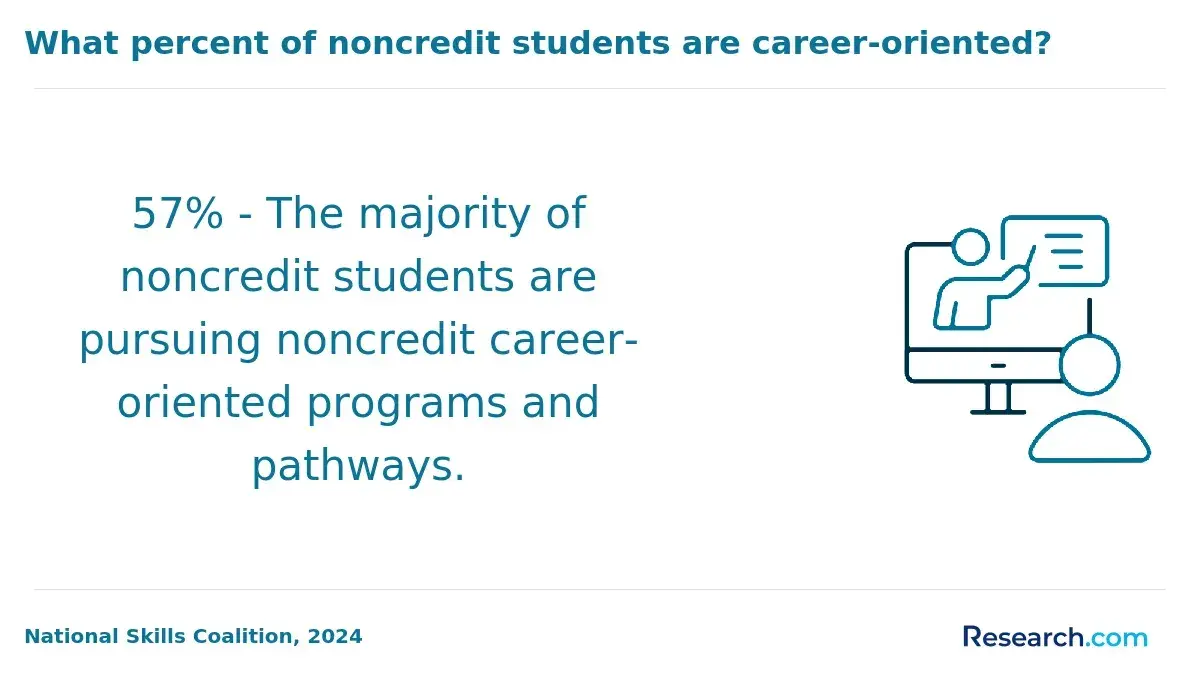
Completion rates for retail management degrees vary significantly by format, with fully online programs trailing behind hybrid and traditional campus options. According to a 2024 National Center for Education Statistics report, only 40-50% of students in fully online retail management programs finish within six years. In contrast, hybrid formats, which blend online coursework with periodic in-person sessions, see completion rates around 60-65%, while campus-based programs often exceed 70%. These disparities largely stem from the differing levels of direct support, peer interaction, and accountability each format provides, which critically affect student persistence over time.
Students pursuing online retail management degrees face unique challenges related to self-motivation and time management since they must compensate for limited faculty access and fewer networking opportunities. Hybrid models try to balance flexibility with structured engagement, but require juggling campus visits amid other commitments, which isn't always feasible. Meanwhile, traditional campus learners benefit from immersion in resources and mentorship but must handle less flexible schedules. For example, a working parent in an online program might struggle to maintain momentum without the rhythm and social reinforcement a campus environment naturally offers, illustrating how life circumstances intersect with format demands to influence completion likelihood.
One retail management graduate recalls initially choosing an online program to accommodate a full-time job and childcare needs but quickly realized the isolation made consistent progress difficult. "I underestimated how much I needed real-time feedback and study groups to stay on track," they said. Switching mid-program to a hybrid option introduced new challenges, like arranging childcare on campus days, but the refreshed engagement with instructors and peers provided steady motivation. The shift wasn't seamless, leaving moments of doubt and stress, yet it ultimately improved their persistence and confidence in completing the degree. This experience highlights how the hardest format to complete often depends on personal circumstances, not just the learning mode itself.
How Does Each Retail Management Learning Format Affect Student Success?
Success in a retail management degree hinges less on the learning format itself and more on how well that format fits a student's preferred style, schedule, and responsibilities. Students juggling jobs or family, for example, may thrive with flexibility but struggle without structured engagement. Conversely, those who benefit from direct interaction might find traditional campus programs more conducive to persistence. This dynamic suggests that one size does not fit all, making it essential to consider how each format aligns with individual needs to support degree completion. Below are key factors illustrating how learning formats differently impact student success.
- Structure and Accountability: Campus programs provide regular class times and face-to-face oversight, which helps students who need external discipline stay on track. In contrast, online formats require more self-motivation, often challenging students who struggle with time management. Hybrid courses offer a balance but still rely on students' ability to manage independent learning effectively.
- Peer and Faculty Interaction: Immediate access to instructors and classmates on campus fosters collaboration and quick problem-solving, boosting engagement. Online students may face isolation unless programs intentionally incorporate synchronous sessions or discussion platforms. Hybrid models can partially mitigate this by combining digital tools with occasional in-person meetings.
- Flexibility Versus Engagement Trade-offs: Online formats excel in flexibility, advantageous for working adults or caregivers, but lower completion rates persist, as shown in data from the National Student Clearinghouse Research Center (2024). Campus-based programs show higher persistence, yet may be impractical for non-traditional students. Hybrid models tend to produce completion rates between these two extremes, reflecting a compromise between availability and connection.
- Access to Campus Resources: Students attending in-person benefit from immediate access to libraries, tutoring, and career services, which directly support academic performance. Online learners must seek virtual alternatives that vary widely in quality. Hybrid students may access some resources but often miss the full campus experience.
- Learning Style Compatibility: Those who excel with hands-on activities and direct mentorship typically find campus environments more effective. Students preferring self-paced study environments may find online learning suits them better, provided they employ strong self-regulation skills.
- Real-World Example of Work-Life Balance: Consider a single parent working part-time who chooses a hybrid retail management program. The mix of asynchronous online modules with occasional on-campus sessions allows this student to balance family needs while maintaining enough direct engagement to stay motivated, a scenario less feasible in rigid campus-only programs.
- Impact of Institutional Support Systems: Regardless of format, programs with robust advising and academic support improve persistence. Online and hybrid students particularly benefit when institutions offer proactive outreach and tailored resources to offset the challenges of remote learning.
How Does Enrollment Status Affect Retail Management Completion Rates?
Enrollment status is a defining factor in retail management program completion rates, but its influence hinges on individual circumstances rather than just the number of courses taken per term. Full-time and part-time enrollment each come with distinct challenges and advantages that can affect persistence, motivation, and ultimate graduation outcomes. Understanding how these differences play out across online, hybrid, and campus formats is critical for students weighing their educational and personal commitments. Below are the primary ways enrollment status shapes retail management degree completion.
- Time Commitment and Focus Intensity: Full-time students tend to immerse themselves more deeply in coursework, often leading to higher completion rates-typically exceeding 60% for campus-based programs-because sustained engagement reduces the risk of falling behind. Part-time students, maintaining work or family duties alongside study, typically complete around 35-40%. Prospective students should realistically assess their availability for concentrated study to choose a pace that supports steady progress.
- Resource Accessibility and Peer Support: Full-time enrollment usually facilitates better access to campus resources, advising, and peer networks, essential for staying motivated. Part-time students on campus may face scheduling conflicts that limit these benefits. For hybrid and online students, building community requires active effort; those lacking strong self-direction might see diminished completion odds regardless of enrollment status.
- Flexibility vs. Structure Tradeoff: Online and hybrid formats offer part-time students needed flexibility but demand strong time management. Completion rates for full-time online and hybrid students hover around 50-60%, while part-time peers see rates closer to 30-40%. Students struggling with unstructured environments should consider heavier course loads combined with available support to avoid extended timelines.
- Competing Life Responsibilities: Part-time students frequently juggle employment, caregiving, or other obligations that disrupt academic continuity. This reality contributes to lower graduation rates compared to full-time peers but may be the only viable choice for some. Understanding personal limits and seeking programs with support for balancing responsibilities can mitigate dropout risks.
- Motivation and Persistence Factors: Full-time status can provide momentum, reducing gaps between terms and reinforcing commitment to degree completion. Part-time learners must sustain motivation over longer periods, which some find challenging. Identifying intrinsic drivers and external accountability mechanisms can enhance persistence regardless of enrollment level.
- Program Format Interaction: Enrollment impact varies by delivery mode-campus, online, or hybrid. For example, hybrid full-time students slightly outperform online counterparts due to occasional in-person engagement, while part-time status consistently lowers completion rates across all formats. Weighing format benefits relative to enrollment status is key to realistic completion planning.
- Implications for Career Trajectory: Completing a retail management degree on time often correlates with earlier workforce advancement opportunities. Part-time students who extend timelines risk delays in reaping career benefits. Those considering alternative pacing should evaluate long-term goals alongside current constraints and explore accelerated options, like some accelerated MBA programs online, to align education with career milestones.
Can Transfer Credits Improve Retail Management Degree Completion?
Transfer credits can substantially influence how quickly and successfully students complete a retail management degree, but the impact varies widely based on individual circumstances and institutional policies. Research from 2024 by the National Student Clearinghouse Research Center highlights that students who transfer credits tend to finish their degrees more rapidly-often reducing program length by around 30%-and graduate at higher rates than those who start from scratch. This reduction stems largely from avoiding redundant coursework that overlaps with prior learning, enabling students to focus on remaining requirements more efficiently.
However, the advantage depends heavily on whether transferred credits apply directly to core retail management requirements or count merely as elective credits. For instance, a student entering an online retail management program with a background in general business classes or military training may find many credits accepted, shortening their pathway significantly. Meanwhile, another student with vocational credits or courses from non-regionally accredited institutions might face rejections or limited transferability, diminishing the expected benefit and sometimes delaying progress.
Among delivery formats, online and hybrid programs often provide more flexible credit acceptance policies tailored to working adults balancing multiple commitments. According to 2024 IPEDS data, online retail management students using transfer credits achieve a 15% higher completion rate than those without, suggesting that transferred coursework can enhance persistence as well as speed. Campus-based programs typically have more rigid credit evaluation standards, so prospective students should scrutinize these differences carefully when selecting their enrollment option.
Before assuming transfer credits will expedite degree completion, students should obtain an official credit evaluation from their chosen institution. Comparing the number of transferable credits against total degree requirements helps clarify how many courses remain and how long the path to graduation might be at different enrollment paces. Transfer credits are a valuable tool, especially for those with prior college or professional education, but they represent only one factor among many-including financial stability, academic readiness, and personal circumstances-that influence timely graduation from retail management programs.
What Student Support Services Improve Retail Management Completion Rates?
Student support services significantly influence completion rates in retail management programs, but their effectiveness depends heavily on how well they address the unique demands of each delivery format. For example, online students often encounter isolation and technical challenges that can stall progress, while hybrid learners juggle the complexities of coordinating digital and in-person experiences. Campus students, despite daily face-to-face opportunities, still need tailored guidance to handle academic and personal pressures. Research from 2024 by the National Center for Education Statistics indicates that students accessing timely and format-appropriate supports show up to a 15% higher persistence rate. Below are the key support services most strongly linked to improving completion outcomes:
- 24/7 Virtual Advising and Tutoring: Continuous access to academic help and counseling reduces attrition by offering immediate guidance, which is crucial for online learners balancing external responsibilities and limited on-site resources.
- Integrated Career Counseling: Early and sustained career services align student objectives with industry trends, boosting motivation and clarity-this is especially impactful for campus students facing strong competition in retail job markets.
- Peer Mentoring Programs: Hybrid students benefit from scheduled peer interactions that foster accountability and community connection, reinforcing persistence through shared experience and collective problem-solving.
- Proactive Early-Alert Systems: Automated monitoring identifies students at risk of dropping out, enabling institutions to intervene before small issues escalate-a strategy supporting all formats but vital for dispersed online cohorts.
- Flexible Scheduling for Academic Support: Offering appointment options across varied times accommodates hybrid and working students, allowing them to integrate help without disrupting their complex schedules.
- Mental Health Services: Comprehensive counseling addresses stress and personal challenges, which research links closely to completion rates, particularly among campus learners facing intensive academic environments.
One online retail management graduate recalls the anxiety of juggling a full-time job and coursework in her first semester. She hesitated before reaching out, fearing academic judgment, but found that the 24/7 virtual tutoring service allowed her to get help on her own time and in a low-pressure setting. This accessible support not only clarified difficult material but also renewed her confidence, making the difference between pausing her studies and persisting to graduation.
How Do Retail Management Completion Rates Affect Career Outcomes?
Completion significantly shapes long-term outcomes for students in retail management degree programs, influencing employability, earnings, and advancement potential. Data from leading education research organizations shows graduates are more likely to secure full-time employment and earn higher wages than non-completers, underscoring persistence as a critical factor. The career outcomes for retail management graduates by program format vary, suggesting that how students complete their degree impacts more than just the credential itself.
The following points outline core career-related effects linked to program completion:
- Stronger employment prospects tied to degree completion improve job market entry and stability: Completing a retail management degree typically increases eligibility for a wider range of positions, leading to quicker transitions into full-time roles with competitive employers. Persistence through graduation ensures students overcome barriers that often hinder online or part-time enrollees, a concern especially relevant to those balancing work and study.
- Increased earning potential reflects the degree's signaling value and skill acquisition: Data reveals graduates earn substantially more over time compared to those who leave programs incomplete. This wage premium is linked to mastering both management concepts and practical retail skills, and is most pronounced for hybrid and campus program completers who benefit from both flexible learning and in-person experiences.
- Promotion and leadership opportunities accelerate for degree holders with comprehensive program completion: Employers often prioritize completed degrees when considering candidates for advancement or managerial roles. Campus program graduates benefit from immersive environments that foster networking and soft skills directly tied to leadership, while hybrid graduates combine flexibility with engagement to similar ends.
- Graduate study enrollment rates rise among completers, expanding long-term career pathways: Those who finish retail management degrees are more likely to pursue advanced education, which can further elevate career trajectories and specialization options. Students aiming for senior or specialized roles in retail management find that completion opens doors to such programs more reliably.
Consider a student juggling full-time work and family who chooses an online retail management degree but struggles with limited peer support, increasing dropout risk. Successfully completing a hybrid program with structured in-person sessions may offer the necessary balance to finish on time and access higher-paying jobs and promotions sooner. Prospective students weighing their options for what MBA programs can I get into or which retail management format best supports their goals should account for these real-world tradeoffs between convenience, support, and career outcomes.
How Should Students Choose the Best Retail Management Learning Format?
Choosing the right learning format for a retail management degree directly impacts degree completion and long-term employability. Traditional campus programs often provide structured environments with higher completion rates, but they require substantial time on-site, which may not suit students balancing work or family responsibilities. Online programs offer flexibility favored by non-traditional students, yet studies show these formats experience higher dropout rates due to challenges like limited peer interaction and self-motivation. Hybrid models blend face-to-face and remote elements, often striking a balance that can enhance persistence for those managing busy schedules. The following factors help prospective students evaluate the best retail management learning format for degree completion.
- Schedule Flexibility and Work Commitments: Students juggling jobs or family duties need formats that fit around their availability. Online and hybrid programs excel here, allowing study outside typical hours. Campus programs may hinder students with rigid attendance but suit those able to dedicate full-time effort.
- Learning Style and Engagement Preferences: Those who thrive with direct interaction and immediate feedback often perform better in campus or hybrid formats. Self-directed learners might succeed online if they actively pursue available support and maintain discipline.
- Access to Academic and Peer Support: Research from entities like the National Center for Education Statistics shows robust academic communities correlate with higher retention. Campus programs naturally foster this, while hybrid models offer periodic interaction. Online-only students should seek platforms with active forums and mentoring to mitigate isolation.
- Technology Comfort and Resources: Effective online and hybrid participation demands reliable devices and digital literacy. Students unfamiliar with virtual learning environments or lacking stable internet may struggle, increasing dropout risk.
- Long-term Career Network Building: In retail management, in-person networking can enhance employability by building relationships with faculty and peers. Campus and hybrid formats support these connections more naturally than fully online options.
- Financial Considerations and Cost Implications: While campus programs might entail additional commuting or housing expenses, online options can reduce these burdens. Students should weigh total costs alongside educational benefits.
- Personal Motivation and Accountability: Data highlights that students in online schools for military spouses often succeed due to strong self-motivation and external support. Assessing one's discipline realistically helps determine if online learning is sustainable.
What Are the Long-Term Pros and Cons of Each Retail Management Learning Format?
Long-term outcomes for retail management degree completion vary significantly by format, reflecting distinct trade-offs in flexibility, engagement, and accessibility. While campus programs maintain higher graduation rates due to immersive experiences, online and hybrid formats offer alternative advantages tailored to different student needs. Below are key considerations prospective students should weigh to align their educational pathway with personal and professional goals.
- Completion rates and academic engagement: Campus programs show around 75% completion rates driven by direct faculty access and peer interaction, supporting stronger accountability. Online formats, while more flexible, report approximately 60% completion due to challenges in sustaining motivation without in-person support. Hybrids typically yield rates near 70%, balancing interaction with convenience.
- Flexibility and accessibility: Online learning excels for working professionals and caregivers needing schedule adaptability, though it may sacrifice real-time networking. Hybrids allow some on-campus engagement while maintaining flexibility, while campus formats are less accessible for those facing geographic or time constraints.
- Practical skill development: Campus settings provide hands-on experiences and immediate feedback, vital for skill mastery valued by employers. Hybrid models integrate experiential learning opportunities better than fully online courses, enhancing skill acquisition over time.
- Social and professional networking: Sustained peer and faculty connections foster career opportunities; these are strongest on campus. Hybrids partially restore social interaction, while online students often encounter limited networking, which can affect long-term employment outcomes.
- Technology and support services: Advances in online platforms and institutional support have narrowed gaps in retention and engagement, offering improved student services and virtual collaboration that benefit many learners.
- Suitability by learner type: Self-disciplined students who thrive independently often succeed online, whereas those valuing structure and community may prefer campus or hybrid formats to sustain commitment and deepen learning.
References
- Retail Workforce Management: Complete Guide for 2026 https://www.oneadvanced.com/resources/retail-workforce-management/
- SAP SuccessFactors Mobile App - App Store https://apps.apple.com/us/app/sap-successfactors-mobile/id426562526
- SAP SuccessFactors - Complete Guide for Beginners https://wmsspl.com/sap-successfactors-complete-guide-for-beginners/
- Hybrid Programs- Which Students Want Them? https://encoura.org/resources/wake-up-call/hybrid-programs-which-students-want-them/
- Guide to Retail Degree Apprenticeships | Higherin https://higherin.com/career-guides/retail-fmcg/retail-degree-apprenticeships
- Online MBA in Retail Management https://www.professionhike.com/online-mba-in-retail-management/
- The Complete 2025 Guide To The Best Retail Management https://shra.edu.my/guide-to-retail-management/
- Introduction to Retail Management Free Course + Certificate | RDACADEMY https://www.retaildogma.com/courses/retail-management/
- eLearning Statistics for 2026: Corporate Trends and Insights to Know https://www.ispring.com/knowledge-hub/elearning-statistics
- What is student success? 6 improvement tips https://www.salesforce.com/education/student-success-software/what-is-student-success/
Other Things You Should Know About Retail Management
Online programs often demand strong self-discipline since students juggle studies with work and personal obligations without fixed class times. This flexibility can improve access but may lower completion for those lacking routine or time-management skills. In contrast, campus programs provide structured schedules that enforce consistent engagement, which can enhance completion rates for students who thrive on routine. Hybrid formats offer a middle ground but require students to navigate both in-person commitments and independent online work, creating a workload balancing act that sometimes leads to dropouts if students underestimate the effort involved.
Campus programs generally facilitate richer face-to-face networking opportunities with peers, faculty, and local employers, which can be crucial in retail management careers where relationships impact progression. Hybrid models maintain some of these benefits while allowing flexibility. Online programs, while convenient, often fall short in replicating these valuable connections, which may hinder job placement or promotions in fields valuing in-person interactions. Students prioritizing strong local employer ties should weigh the potential tradeoff in completion ease against the long-term value of network-building.
Hands-on experience is critical in retail management. Campus and hybrid formats often include more opportunities for real-time simulations, team projects, and internships embedded in the curriculum, which enhance practical skill development and engagement-key to maintaining motivation and completing the degree. Purely online programs may rely more on theoretical knowledge and asynchronous assignments, which can distance students from workplace realities and reduce perceived relevance, sometimes leading to decreased commitment and lower completion rates.
Yes, hybrid formats generally offer a balanced structure that supports working students by combining flexible online coursework with periodic in-person sessions that reinforce accountability and peer support. This mix improves completion odds compared to fully online formats, where isolation and competing demands often cause attrition. Furthermore, hybrid programs can better integrate practical experiences valued by employers, enhancing career outcomes. Professionals aiming for stable progress and networking should generally prioritize hybrid options for a more reliable path to finishing their degree and advancing.