2027 Remote Work Report for Retail Management Graduates: Flexible Roles, Pay, and Hiring Trends

Co-Founder and Chief Data Scientist
Retail Management graduates seeking remote roles face a challenging paradox: most entry-level positions still demand on-site experience or hybrid availability. This clash makes purely remote jobs scarce despite rising demand for flexibility. A recent study shows 37% of US Retail Management employers increased remote-friendly job postings, yet many roles emphasize customer interaction or in-person team coordination, limiting options. Graduates must recognize which roles truly accommodate remote work and understand how hybrid models affect pay and promotion potential. This article analyzes flexible role types, compensation trends, and hiring patterns to guide Retail Management graduates toward realistic and informed remote career decisions.
Key Points About Working Remotely for Retail Management Graduates
- The average annual salary for remote retail management roles ranges from $45,000 to $60,000, reflecting variability by company size and job function, which influences candidate positioning and salary negotiation strategies.
- Remote positions often include inventory coordinator, customer service manager, online sales manager, and merchandising planner, requiring proficiency in digital communication and e-commerce oversight for operational effectiveness.
- Graduates should develop strong digital skills and experience with remote collaboration tools to align with employer expectations, accelerating hiring timelines and improving competitiveness in remote retail roles.
- Key Points About Working Remotely for Retail Management Graduates Key Points About Working Remotely for Retail Management Graduates
- Are there remote work opportunities in the Retail Management industry? Remote Opportunities
- Which Retail Management niches offer remote roles? Which Retail Management niches offer remote roles?
- What entry-level Retail Management roles allow remote work? Entry-Level Roles
- What is the average salary of Retail Management graduates who are working remotely? Average Salary
- Do remote Retail Management jobs pay the same as on-site roles? Pay Comparison
- What benefits do remote Retail Management employees receive? What benefits do remote Retail Management employees receive?
- Where can Retail Management graduates look for remote jobs? Where to Find Jobs
- What do Retail Management employers look for in candidates? What do Retail Management employers look for in candidates?
- How can Retail Management graduates prepare for remote roles? Preparing for Remote Roles
- How can Retail Management graduates if remote roles are a good fit for them? How can Retail Management graduates if remote roles are a good fit for them?
Are there remote work opportunities in the Retail Management industry?
Remote work remains scarce for entry-level roles in Retail Management, with only 12% of job postings fully remote and around 38% hybrid, according to recent industry data. This limited availability reflects the necessity for direct oversight and in-person tasks such as inventory and customer interaction. Hiring managers often prioritize candidates willing to work on-site or under blended schedules.
Flexibility varies significantly depending on regional labor laws and company workflows. For instance, some organizations in states with stronger remote work protections have implemented hybrid models to balance supervision and employee flexibility. Conversely, firms in regions with stricter on-site mandates maintain predominantly in-person requirements, restricting remote options for new graduates.
As a result, those seeking remote Retail Management roles should consider that hybrid arrangements may provide some flexibility but rarely replace the need for substantial on-site engagement. Data from the National Remote Work Report highlights that 38% hybrid openings represent corporations' compromise between adaptability and operational control.
Which Retail Management niches offer remote roles?
Remote roles within Retail Management primarily emerge in niches that rely heavily on digital tools, data analysis, and coordination functions away from physical store presence. For example, an e-commerce manager can oversee online product listings and marketing campaigns without needing to visit a store, while supply chain coordinators can manage orders and inventory using cloud-based software from any location. These workflows require strong self-discipline and digital communication skills because they often involve asynchronous collaboration with teams. The following list outlines the key Retail Management niches offering remote work, illustrating why their core tasks fit remote setups.
- E-commerce Management: Focuses on managing online sales platforms, product listings, and digital marketing strategies. This niche suits remote work since all activities occur through web-based interfaces and digital channels.
- Inventory and Supply Chain Coordination: Involves tracking stock levels and liaising with suppliers using cloud-based systems. The widespread use of real-time inventory software makes off-site coordination both practical and efficient.
- Customer Relationship Management (CRM): Entails using digital communication tools to engage customers and resolve issues. CRM roles can be executed remotely, maintaining service quality through virtual support platforms.
- Data Analytics and Insights: Professionals analyze sales and consumer data to influence retail strategies. This analytic work generally does not require a fixed location and suits remote environments perfectly.
- Digital Merchandising: Focuses on the online presentation of products, often involving collaboration with marketing and IT teams. Virtual teamwork and content management systems facilitate remote execution.
- Training and Development Coordination: Manages virtual learning programs and staff training remotely through e-learning platforms, offering flexibility in both scheduling and location.
- Vendor and Partner Relations Management: Conducts negotiations and strategic planning through video conferencing and digital communication tools, enabling remote interaction with suppliers and partners.
Market trends reveal a 22.7% increase in remote job postings specifically in retail e-commerce management, signaling a growing emphasis on digital proficiency and flexible work arrangements in the sector. This growth aligns with the expansion of omni-channel retail models and the need for remote expertise. However, these roles require Retail Management graduates to build strong self-management and virtual collaboration skills alongside their foundational knowledge.
Graduates seeking Remote Retail Management job opportunities in the United States should consider which niches balance remote work flexibility with operational demands. For those investigating educational pathways, knowing what online college gives the most financial aid can support pursuing specialized remote-friendly skills effectively.
What entry-level Retail Management roles allow remote work?
Entry-level Retail Management remote job opportunities are concentrated in roles that involve digital systems management, data handling, and virtual customer interaction. These positions require a blend of operational knowledge and proficiency with e-commerce and CRM platforms. Below is a list of typical entry-level jobs available remotely that highlight the hybrid skillset needed and the practical reasons they suit remote work.
- Remote Customer Service Coordinator: This role demands strong communication skills and familiarity with online support tools. Entry-level applicants usually need experience in customer relations and problem resolution. It enables remote work by focusing on managing customer inquiries through chat and email platforms.
- E-commerce Assistant Manager: Candidates require knowledge of digital sales channels and order fulfillment processes. This position supports product listings and promotions on web storefronts, making it ideal for remote execution due to its reliance on digital interfaces.
- Inventory Analyst: Entry-level analysts must be comfortable with inventory software and basic data analytics. They track stock levels and report discrepancies, a task that can be performed remotely through integrated digital inventory systems.
- Digital Merchandising Associate: This job involves curating product displays and managing online catalogs. Applicants should understand online merchandising strategies and use platforms like Shopify, enabling remote contributions to brand presentation.
- Social Media Coordinator for Retail Brands: Requires skills in social media management and content scheduling tools. New graduates with digital marketing experience fit well here since the duties focus on remote campaign execution and engagement analysis.
- Sales Data Specialist: Entry-level positions ask for proficiency in Microsoft Excel and Google Analytics. They analyze sales patterns and support strategic decisions remotely, working with CRM data to optimize retail operations.
Operationally, these roles emphasize virtual teamwork, collaboration, and digital proficiency. About 12.7% of junior retail listings now highlight remote or hybrid options, reflecting cautious but growing industry acceptance. This evolving landscape suggests graduates focused on remote work options for Retail Management graduates should invest in certifications connected to e-commerce and CRM software to enhance job prospects.
Since many traditional retail roles still require physical presence, complementing core retail skills with targeted digital expertise strengthens flexibility. Attention to such growth areas aligns with practical workforce trends and supports informed career strategizing. Those considering further education can find relevant financial insights in a construction management degree cost analysis, illustrating how cost awareness parallels decisions in related management fields.
What is the average salary of Retail Management graduates who are working remotely?
Entry-level remote jobs for Retail Management graduates offer average starting salaries between $40,500 and $48,000 annually. These roles often involve basic supervisory responsibilities, inventory management, and customer service through virtual platforms. This pay range reflects typical compensation for junior talent balancing flexibility with limited operational control.
Salary differences may arise if roles demand additional technical skills or certifications. For example, remote positions requiring proficiency in specialized software or detailed data reporting can push wages above entry-level benchmarks, rewarding candidates who bring added value beyond traditional retail oversight. This variation is crucial for graduates weighing the tradeoff between flexible work and long-term earnings potential.
When compared to similar entry-level fields such as sales coordination or customer success management, remote retail management salaries remain competitive but usually on the lower side. A workforce analytics study notes that 62% of remote retail workers earn under $45,000, a reflection of compressed pay scales due to fewer leadership responsibilities.
Graduates should consider how these salary patterns align with career goals and growth expectations. Those interested in flexible remote roles might also explore related fields or advanced credentials like a masters in communications to improve prospects and salary over time. Understanding remote job pay rates for Retail Management degree holders helps clarify these practical tradeoffs.
Do remote Retail Management jobs pay the same as on-site roles?
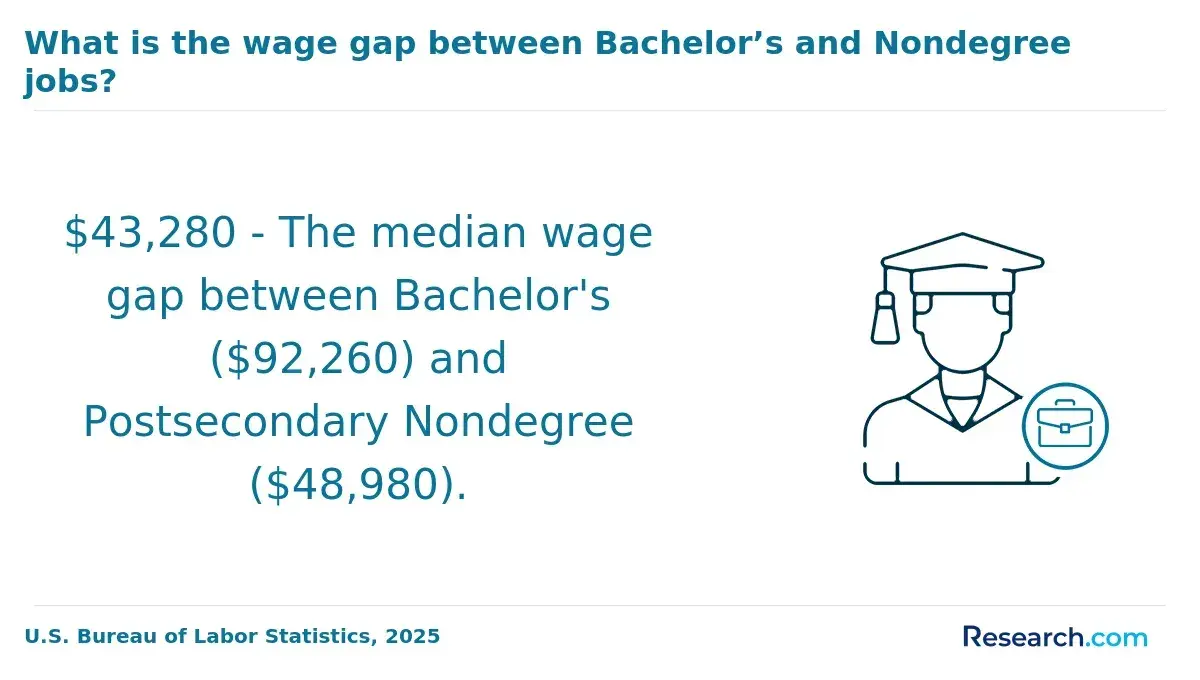
Remote Retail Management roles typically pay 5% to 12% less than comparable on-site positions. This gap reflects employer policies prioritizing geographic pay localization rather than salary parity. For example, a manager in a lower-cost region working remotely might see a consistent pay reduction compared to peers at a central office.
Pay disparities arise because many companies use regional pay bands instead of national flat rates. Wage adjustments depend heavily on local market conditions, which means remote roles based in less expensive areas receive lower salaries even if job responsibilities align with on-site positions.
Some employers offset these reductions by increasing budgets for home-office equipment or cutting travel stipends. However, these benefits rarely equate to full compensation parity, leaving remote workers to weigh flexibility against total earnings potential carefully.
A recent workforce study found 38% of retail employers lower wage scales for remote management roles, emphasizing concerns about operational oversight and local economic factors. This underscores the importance of analyzing specific employer pay structures when choosing remote Retail Management positions.
What benefits do remote Retail Management employees receive?
Remote Retail Management roles typically offer targeted benefits crafted to offset the unique challenges of working off-site while sustaining operational effectiveness. For example, a mid-level manager at a multinational retail chain may rely heavily on a home office stipend to ensure ergonomic work conditions and uninterrupted connectivity. This targeted support is crucial given that informal office resources and peer interaction are limited remotely. Recent industry data shows 67% of decentralized companies provide monthly stipends averaging $120 for home office needs, signifying a broad recognition of these indirect remote work costs and their impact on employee wellbeing. The following details key benefits shaping the remote Retail Management experience.
- Flexible Paid Time Off Policies: These allow employees to navigate blurred boundaries between home and work life, helping maintain productivity by preventing burnout. Flexibility in scheduling fosters better work-life integration critical in remote settings.
- Home Office Stipends: Monthly allowances, often averaging $120, offset expenses like ergonomic furniture and high-speed internet. This ensures a conducive workspace, which supports sustained focus and operational efficiency.
- Healthcare Coverage Across States: Companies increasingly extend healthcare benefits to remote workers, though employees may need to navigate varying state regulations. Reliable coverage reduces stress and absenteeism.
- Retirement Plan Options: Standard access to 401(k) plans with varying employer matches encourages long-term financial security, which can enhance retention despite remote distance.
- Professional Certification Support: Some employers pay for job-related certifications, enabling skill advancement without added personal cost, which helps maintain engagement and career progression.
A Retail Management professional shared, "When I transitioned to remote work, the home office stipend was a game changer for setting up my workspace properly." She appreciated that this financial support allowed her to invest in an adjustable chair and dual monitors, improving comfort and productivity. She noted the healthcare coverage continuity was reassuring, but navigating different state policies required careful attention. "The certification coverage felt like a real investment in my development, which helped me stay motivated without worrying about the extra expense." Her experience highlights how benefits tailored to remote realities effectively support both daily work and long-term career sustainability.
Where can Retail Management graduates look for remote jobs?
Remote job searching for Retail Management graduates requires targeted strategies rather than broad approaches. Large job platforms deliver volume but expose applicants to intense competition, limiting visibility for candidates lacking specialized filters or networking. For example, a recent study by the National Association of Colleges and Employers found entry-level remote job application success hovers around 14.7%, underscoring the need to pursue channels that better match skills and role flexibility. Graduates benefit most from platforms and communities that focus on retail-specific roles or facilitate access to unadvertised positions through professional networks.
Below are key platforms and channels that optimize remote Retail Management job searches by combining role relevance, active employer engagement, and peer-to-peer referrals.
- Indeed and Glassdoor: Both aggregate large numbers of remote retail jobs with filtering options for experience levels and flexible work. These sites match candidates via keyword relevance and apply-to-post mechanisms, providing broad exposure but requiring refinement and persistence to navigate high applicant volumes.
- FlexJobs and Remote.co: These specialized marketplaces curate remote and flexible roles, emphasizing quality control by screening postings. Their focus on remote work makes them effective for Retail Management roles requiring coordination and customer engagement skills, reducing time wasted on unsuitable listings.
- LinkedIn Groups: Retail leadership and supply chain management groups facilitate networking with recruiters who often share unadvertised remote openings. Engagement here leverages referrals and personalized connections, significantly improving chances compared to public listings.
- Trade Associations and Industry Forums: Membership in retail-focused organizations grants access to exclusive job forums and newsletters. These platforms often reveal remote positions aligned with sector needs, making them valuable for candidates aiming to demonstrate specialized knowledge and join professional communities.
- Online Communities (Reddit and Slack): Retail-specific subreddits and Slack workspaces provide informal job leads and peer advice. They enable early alerts about openings and real-time discussion about employer expectations, supporting strategic and informed applications.
What do Retail Management employers look for in candidates?
Retail Management employers hiring for remote roles focus on candidates who combine technical proficiency with practical skills that drive operational efficiency and customer engagement outside traditional store settings. For example, a remote shift supervisor must use digital inventory tools effectively while also interpreting sales data to manage stock levels and promote online customer satisfaction. The hiring criteria for remote Retail Management roles prioritize several specific skill areas. Key qualifications employers assess include:
- Proficiency with Inventory Management Software: Candidates should demonstrate experience or certification in platforms like Oracle NetSuite or SAP Retail. Mastery of these tools enables real-time stock tracking and supply chain coordination critical for decentralized management.
- Digital Point-of-Sale (POS) System Knowledge: Familiarity with POS technology is essential as it is the primary interface for transaction processing and customer data collection. Employers assess this through scenario-based tests or direct experience evidence.
- Data Literacy and Analytical Skills: The ability to analyze sales metrics and online shopping behavior supports informed decision-making. Remote managers must interpret these datasets to adjust strategies without physical oversight.
- Cross-Functional Communication Skills: Effective remote management relies on virtual coordination with teams and vendors. Employers often evaluate communication through role-playing exercises or digital collaboration platforms.
- Omnichannel Retail Strategy Understanding: Candidates versed in combining digital and physical retail show readiness for integrated business models. This is frequently demonstrated via portfolios or case studies.
According to a 2024 report by the Future of Work Institute, 68.3% of retail employers view advanced digital fluency as a mandatory requirement for remote management roles, underscoring the critical nature of technological competence. Remote work skills for Retail Management graduates thus extend beyond software knowledge to include leadership and adaptability in dispersed teams. Graduates should consider programs offering relevant credentials and accelerated paths, such as the cheapest AACSB online DBA, which can enhance digital and managerial mastery critical for remote roles.
How can Retail Management graduates prepare for remote roles?
Retail Management graduates preparing for remote roles must prioritize bridging traditional retail expertise with critical digital skills to meet employer expectations. For example, a graduate managing online sales campaigns from home needs fluency in virtual collaboration tools plus concrete data analysis abilities to independently drive results. The following strategies outline essential steps for effective remote work preparation.
- Master Digital Communication Platforms: Develop proficiency in tools like Slack, Microsoft Teams, and Zoom that support daily remote interactions. Actively participating in virtual meetings and collaborative workflows trains graduates to maintain clear communication and responsiveness without physical oversight.
- Acquire Targeted Certifications: Pursue credentials in data analytics, e-commerce management, or CRM software that align with remote retail job demands. Certifications signal technical competence and adaptability, making candidates more competitive for roles requiring digital dexterity.
- Build a Practical Digital Portfolio: Compile independent projects such as simulated sales reports or social media management cases to showcase applied skills. This portfolio demonstrates a candidate's readiness to deliver measurable outcomes and manage responsibilities autonomously.
- Ensure Reliable Tech Infrastructure: Secure dependable hardware and stable internet access to support multitasking across platforms. Employers expect seamless engagement across digital environments, and technical setbacks can undermine performance.
Recent data shows 68.4% of graduates completing remote-readiness training secured relevant jobs within six months, compared to 43.2% without such preparation. This gap underlines the practical value of deliberate upskilling and aligns closely with effective Remote work preparation strategies for Retail Management graduates. Pragmatic investment in digital competencies can influence hiring outcomes significantly.
Retail Management graduates should critically evaluate their digital capabilities and invest in certification and portfolio development tailored to remote retail functions like virtual team coordination and customer analytics. Such steps enhance readiness for flexible roles where autonomy and tech fluency drive hiring decisions and persistent career progression.
For those exploring flexible career paths with a focus on versatility and adaptability, information about high paying jobs in forensics may offer additional insights into similarly demanding fields that prioritize technical skillsets transferrable across industries.
How can Retail Management graduates if remote roles are a good fit for them?
Retail Management graduates suited for remote roles must assess their capacity for autonomy and digital engagement carefully. For instance, a graduate managing an online retail platform across multiple time zones must thrive without direct supervision while adapting to shifting customer demands. The decision to pursue remote work hinges on evaluating specific personal and professional criteria. Below are several essential factors graduates should examine to determine if remote Retail Management roles align with their work style and career goals.
- Self-Motivation and Independence: Remote roles require strong self-drive since there is limited in-person oversight. Graduates should honestly evaluate whether they can maintain focus and productivity without direct supervision, as lapses can affect performance and career progression.
- Proficiency with Retail Technologies: Mastery of software tools like inventory management, CRM, and data analytics is necessary. This competence enables effective virtual management and decision-making vital in a remote setting.
- Adaptability to Flexible Schedules: Remote retail often involves irregular hours to cover different time zones or sales events. Graduates must assess their willingness to adjust routines and handle asynchronous communication.
- Resilience to Social Isolation: Some Retail Management professionals thrive on team interaction. Understanding one's tolerance for limited direct contact helps prevent disengagement or burnout in remote roles.
- Time Management and Discipline: The absence of on-site structure demands excellent scheduling skills. Graduates should evaluate their ability to balance tasks efficiently and meet deadlines independently.
- Work-Life Boundary Setting: With 42.8% of remote Retail Management employees citing difficulty separating work from personal life, graduates need strategies to maintain a healthy balance to avoid higher turnover risks.
- Company Culture and Remote Support: Investigating how organizations support remote workers, including mentorship availability, affects job satisfaction and professional growth opportunities.
One graduate recalled hesitating before accepting a remote Retail Management role managing e-commerce operations. She initially worried about missing in-person mentorship and feared losing real-time collaboration. Over time, focusing on building self-discipline, leveraging online training for software proficiency, and setting strict daily routines helped her adapt. She notes, "Knowing I needed flexibility for my family was crucial, but I also had to be honest about staying connected with my team through video check-ins and virtual brainstorming. This balance made it clear remote work could fit my career and lifestyle, even if it wasn't perfect."
References
- Retail Management | Lumen Learning https://lumenlearning.com/courses/retail-management/
- Bachelor of Business in Retail Management Practice (Ordinary Degree) - Retail Ireland Skillnet https://retailirelandskillnet.com/bachelor-of-business-in-retail-management-practice-ordinary-degree
- From store to strategy: how to move up in retail with these online courses - Workers.be https://www.workers.be/en/candidates/how-to-move-up-in-retail-with-these-online-courses/
- Is Retail Management For You? | Switch Roles https://www.switchroles.com/blog/how-to-find-retail-job-at-store-manager-level
- Ecommerce Management Courses | Retail Dogma https://www.retaildogma.com/ecommerce-management-courses/
- How to boost retail operational efficiency via process management https://www.retailcustomerexperience.com/blogs/how-to-boost-retail-operational-efficiency-via-process-management/
- Masters in retail management in Ireland | Retail Management Courses in Ireland | GoIreland https://www.goireland.in/retail-management-course-ireland
- Retail Management https://digitalcampus.co.za/online-short-courses/retail-management/
- Why Choose an Online BBA in Retail Management in 2025? Key Reasons https://www.dypatilonline.com/blogs/key-reasons-choose-online-bba-retail-management
- Retail Management 101: 20 Skills You Need To Have - Sling https://getsling.com/blog/retail-management/
Other Things You Should Know About Retail Management
Remote job listings in Retail Management can vary widely in clarity and legitimacy. Graduates should prioritize postings from established companies with transparent hiring processes and avoid roles with vague responsibilities or unusually high compensation promises, which often signal unstable opportunities. Cross-checking employer reviews and verifying if the role aligns with known industry practices helps avoid wasting time on unreliable leads.
Remote Retail Management often requires managing teams without physical presence, which can weaken rapport and accountability. Graduates should be ready to adopt digital collaboration tools effectively and develop strong communication skills tailored to virtual environments. Prioritizing consistent check-ins and clear performance metrics becomes essential, so candidates should assess their own comfort with these demands before accepting remote positions.
As remote Retail Management relies heavily on digital systems, graduates must focus on mastering data analysis, inventory software, and customer relationship management platforms. These technical competencies are more critical than traditional face-to-face retail experience because employers expect remote managers to optimize operations through technology. Prioritizing tech literacy and continuous upskilling in these areas increases both employability and long-term job stability.
Prior in-person retail experience remains a valuable foundation since remote roles often build on understanding day-to-day store operations and customer dynamics. However, graduates lacking direct store experience should seek hybrid or transitional roles to develop this insight before fully remote management. This progression reduces the risk of misaligned expectations and improves chances for promotion, as employers favor candidates who combine operational knowledge with digital management skills.