2027 Retail Management Job Market Report: Open Roles, Salary Bands, and Hiring Momentum

Co-Founder and Chief Data Scientist
Employment patterns in retail management increasingly reflect shifts in technology integration, evolving consumer behaviors, and regulatory challenges impacting operational models. Open roles and salary bands mirror how employers prioritize skills such as data analytics, supply chain optimization, and omnichannel coordination.
Hiring momentum varies by geographic concentration and sector investment cycles, indicating areas where talent shortages align with strategic transformation rather than uniform workforce demand.
Compensation trends suggest rising value placed on specialized expertise amid organizational restructuring and credential expectations. This article examines these indicators as a lens on how labor dynamics shape retail management's trajectory, highlighting a workforce adapting to complexity and changing professional requirements.
Key Things to Know About Retail Management Job Market
- Open roles in retail management are concentrated in regional hubs, limiting immediate geographic flexibility; this tradeoff means students must consider relocation costs and local market saturation before committing.
- Salary bands reflect more than experience, often tying to digital skills proficiency, signaling employers' growing emphasis on hybrid retail-tech competencies for mid-career advancement.
- Hiring momentum surged 8% in 2024 per the National Workforce Report, highlighting a recovery phase but cautioning that entry-level positions are competitive, affecting timing and access to first jobs.
- Key Things to Know About Retail Management Job Market Key Things to Know About Retail Management Job Market
- How Strong Is Demand for Retail Management Graduates in Today's Job Market? Demand for Graduates
- Which Retail Management Careers Have the Most Open Job Opportunities? In-Demand Careers
- What Salary Bands Are Employers Offering Across Retail Management Careers? Offered Salary Bands
- Which Industries Are Hiring the Most Retail Management Graduates? Top-Hiring Industries
- How Does Hiring Demand Vary by State, Region, and City? Hiring Demand by Location
- What Skills Are Employers Prioritizing in Retail Management Job Postings? In-Demand Skills
- Which Certifications Increase Employability and Salary Potential? High-Value Certifications
- How Do Remote and Hybrid Opportunities Affect the Retail Management Job Market? How Do Remote and Hybrid Opportunities Affect the Retail Management Job Market?
- Which Retail Management Careers Show the Strongest Long-Term Hiring Momentum? Strongest Careers
- How Can Students Use Job Market Data to Make Better Career Decisions? How Can Students Use Job Market Data to Make Better Career Decisions?
How Strong Is Demand for Retail Management Graduates in Today's Job Market?
Data from the U.S. Bureau of Labor Statistics in 2024 indicates that employment for first-line supervisors of retail sales workers is expected to grow at a pace consistent with the average across all occupations. Hiring activity, particularly noted in recent LinkedIn Workforce Reports, shows increased momentum in sectors such as electronics, health and beauty, and specialty retail.
This trend underscores a stable yet competitive landscape for retail management graduate job demand in the US, with employer preferences evolving beyond foundational retail skills toward expertise in data-driven decision-making and customer experience optimization. Geographic factors also play a significant role, as urban and suburban markets consistently offer more abundant opportunities compared to rural areas, affecting current employment opportunities for retail management graduates.
Key factors reshaping demand include automation and omni-channel retailing, which require graduates to adapt to a digital-first environment combining technological agility with operational knowledge. Businesses increasingly prioritize multi-channel retail experience and strategic supply chain understanding, reflecting broader shifts toward efficiency and responsiveness in the marketplace.
Alongside technical skills, soft competencies such as communication and conflict resolution remain vital, especially as retailers navigate service complexities and staff turnover.
These evolving requirements highlight the necessity for retail management graduates to cultivate continuous learning as part of career development, a reality that calls for realistic evaluation of workforce dynamics when considering educational paths like an easy online master's degree tailored to these emerging skills.
Which Retail Management Careers Have the Most Open Job Opportunities?
Job opportunity distribution within retail management careers reflects ongoing industry growth, persistent skills shortages, and shifting employer requirements shaped by technological change and evolving consumer expectations. Open positions are concentrated in roles combining operational leadership with strategic insight, particularly where hybrid sales models and digital integration demand agility.
These workforce dynamics represent broader labor market shifts rather than isolated hiring surges, emphasizing the need for adaptable competencies and multi-channel proficiency.
- Store Managers and Assistant Store Managers: These roles dominate retail management openings due to their central function in overseeing day-to-day operations, staff coordination, and customer engagement across physical and online platforms. The U.S. Bureau of Labor Statistics (BLS) reports that nearly 45% of retail management job postings are for these positions, reflecting retailers' emphasis on frontline leadership to maintain competitive service standards amid omnichannel expansion.
- Category Managers and Merchandisers: Rising demand in this segment stems from retailers' intensified focus on data-driven assortment planning and inventory optimization, crucial for supply chain resilience. Hiring for these roles grew by approximately 12% in early 2024 compared to the previous year, highlighting their role in balancing consumer preferences with supplier relationships to drive profitability.
- Regional and District Managers: Larger retail chains show steady growth in demand for managers skilled at multi-store oversight, blending operational consistency with localized market adaptation. A 7% increase in vacancies underscores employers' need for leaders capable of aligning regional execution with broader corporate strategies in a competitive landscape.
- E-commerce Operations Managers: The surge of digital sales channels has created strong hiring momentum here, with postings increasing 20% year-over-year. Employers seek those who can integrate online and offline customer experiences, manage digital logistics, and implement technology-enabled workflows to capture omnichannel growth opportunities.
- Customer Experience Managers: As retailers prioritize brand differentiation through service innovation, openings for roles focused on enhancing in-store and digital customer journeys have expanded. These positions require expertise in data analytics, process design, and technology adoption to improve satisfaction and loyalty across touchpoints.
- Shift Supervisors and Team Leaders: Representing a more stable baseline of retail openings, these lower-tier supervisory roles remain essential for daily operational continuity and staff management. Demand here aligns with typical turnover rates and is less influenced by the technological and strategic shifts affecting higher-level management.
Overall, candidates considering retail management careers should be attentive to how hiring demand is increasingly concentrated in leadership positions that blend operational control with strategic and technological capabilities. Professionals capable of navigating omnichannel environments and leveraging data to enhance inventory and customer outcomes align closely with current employer priorities.
For those exploring educational pathways that support these competencies, it is worth investigating programs that offer practical skills in digital operations and strategic management, possibly through a fully online engineering degree emphasizing relevant quantitative and technical training.
What Salary Bands Are Employers Offering Across Retail Management Careers?
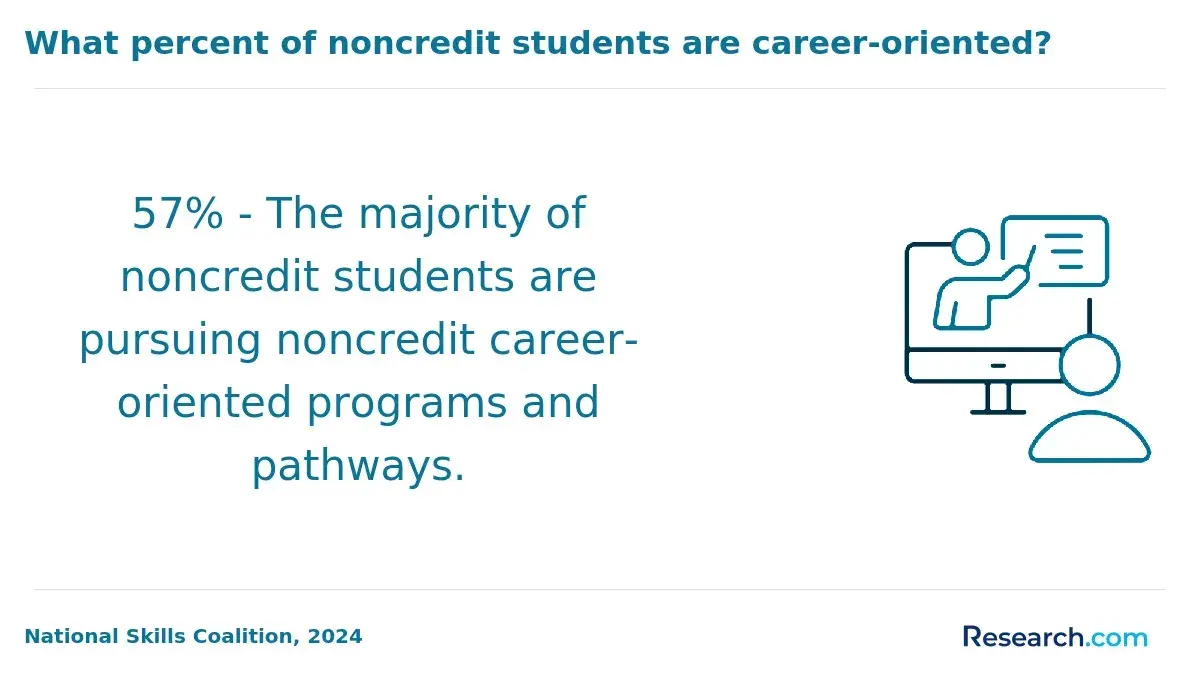
Salary bands in retail management demonstrate clear stratification linked to experience and responsibility, with entry-level positions such as assistant managers or shift supervisors earning approximately $40,000 to $55,000 annually, according to 2024 data from the U.S. Bureau of Labor Statistics and LinkedIn Salary Insights.
Mid-level managers, including store managers and regional supervisors, typically command between $55,000 and $85,000, reflecting their broader operational scope and leadership demands.
Senior roles like district managers and operations directors see compensation rising further, often ranging from $85,000 to over $130,000, driven by oversight of multiple locations and complex budgeting responsibilities. These figures illustrate not just wage progression but a scaling in managerial complexity and strategic input expected at each career stage.
Underlying this pay variation are factors such as specialization intensity, sector-specific demands, and geographic cost-of-living disparities. Specialty retailers and luxury brands, for example, often offer salaries at the higher end of mid and senior bands to attract candidates capable of managing more nuanced operations and elevated customer expectations.
Company size and regional labor markets also exert significant influence; larger firms may provide more robust incentives, while urban centers typically offer higher wages to offset living costs. Scarcity of demonstrated leadership skills and operational expertise further widens salary differences, as employers weigh both team management capacity and strategic contribution when setting compensation.
One graduate of a retail management program recalled enduring a prolonged waiting period during the rolling admissions cycle before finalizing their enrollment. They had submitted all materials early but hesitated to confirm due to uncertainty about potential financial aid offers and program start dates.
Eventually, as deadlines approached and scholarships were limited, the candidate decided to commit, recognizing that delaying further could close critical opportunities. This experience underscored the need for timely decision-making and proactive engagement in admissions to align educational preparation with expected earning trajectories in retail management roles.
Which Industries Are Hiring the Most Retail Management Graduates?
Current hiring demand for retail management graduates is heavily concentrated in industries navigating significant digital shifts, evolving consumer behaviors, and workforce scaling to meet rising market complexity. These sectors are adjusting operational models to integrate omnichannel strategies, personalized customer engagement, and advanced inventory oversight.
The surge in vacancies reflects not only expansion but also an acute need for retail managers capable of overseeing cross-functional teams and leveraging technology-enhanced sales environments.
- Consumer Electronics and Technology: Rapid innovation and the blend of in-store and online shopping experiences require managers adept at coordinating complex product assortments and maintaining real-time inventory across platforms. Employers prioritize candidates with strong analytical capabilities and proficiency in digital retail tools to optimize customer interactions and supply chain responsiveness.
- Apparel and Fashion Retail: Highly seasonal and trend-driven, this sector demands retail managers who can execute agile merchandising plans and engage customers both physically and virtually. Experience in sales forecasting, promotional strategy, and consumer trend analysis is critical as stores integrate more sophisticated e-commerce components.
- Grocery and Supermarkets: Despite its essential service status, this industry is evolving with an emphasis on fresh and specialty products, requiring managers skilled in inventory turnover and perishables management. Leadership qualities that support operational efficiency and responsive staffing align with the demands of fluctuating foot traffic and delivery logistics.
- Home Improvement and Furnishings: Growing consumer investment in housing-related goods fuels the need for retail management talent that understands product diversity and customer service nuances. The ability to train staff on technical product knowledge and coordinate large-scale promotions is frequently sought to drive sales.
- Health and Personal Care Stores: Rising health consciousness reshapes retail priorities, placing emphasis on managers who can navigate regulatory considerations and foster trust with health-focused consumers. Competency in inventory compliance and specialized product knowledge is important in this expanding segment.
According to the National Retail Federation's 2024 analysis, job openings for retail management graduates in these fields have increased by roughly 5-7% annually. Entry-level roles typically offer starting salaries between $45,000 and $55,000, though advancement hinges on cultivating skills aligned with evolving retail technologies and consumer expectations in each sector.
How Does Hiring Demand Vary by State, Region, and City?
Hiring demand for retail management roles shows considerable variation at the state and regional levels, shaped by population size, economic infrastructure, and industry concentration. According to 2024 labor market data from the U.S. Bureau of Labor Statistics and regional employment reports, states like California, Texas, and Florida with large urban centers and diverse retail sectors naturally report higher volumes of retail management job openings by state.
Regional dynamics further influence these trends, as the Southeast and West Coast often experience stronger hiring momentum due to faster population growth, retail expansion, and evolving consumer behaviors. These economic structures contribute to complex labor ecosystems where retail management graduates must navigate shifting demand patterns tied not just to volume but also to sector specialization and operational scale.
At the city level, demand intensifies in metropolitan hubs that serve as retail industry clusters, including flagship stores, corporate headquarters, and distribution centers that collectively drive hiring intensity and salary variation. Cities such as New York, Los Angeles, and Chicago host dense retail economies where employer competition and expectations for managing omnichannel strategies increase, while infrastructure and talent pipelines support workforce development.
Conversely, smaller cities and suburban areas offer fewer openings but may appeal for candidates valuing less competition and better work-life balance. These localized differences underscore how cost of living, retail ecosystem complexity, and labor supply interplay to create distinct market conditions for retail management positions.
For professionals weighing educational pathways, including options like an accelerated master's in counseling, understanding these geographic hiring trends for retail management roles is critical for informed decisions aligned with realistic employment landscapes.
What Skills Are Employers Prioritizing in Retail Management Job Postings?
Skills prioritized by employers in Retail Management job postings are influenced by ongoing technological integration, automation trends, and the sector's increasing complexity. This dynamic environment elevates the importance of interdisciplinary abilities that combine operational, analytical, and interpersonal expertise.
As the retail landscape shifts toward omni-channel strategies and data-driven decision-making, the role demands more than traditional supervision, reflecting evolving employer expectations in 2024 and beyond.
- Leadership and Team Supervision: Beyond basic people management, employers seek leaders who actively drive employee engagement and resolve conflicts to maintain productivity and customer satisfaction. With about 68% of retail management job postings emphasizing leadership, this skill signals the necessity for managers to balance operational control with motivating diverse teams in fast-changing settings.
- Analytical Skills: Mastery of data interpretation related to inventory dynamics, sales forecasting, and performance metrics is increasingly essential. Retail managers who can leverage analytics to fine-tune operations respond more effectively to market fluctuations and optimize resource allocation, making these skills a competitive advantage in hiring.
- Technological Proficiency: Familiarity with point-of-sale systems, customer relationship management tools, and e-commerce platforms is now fundamental due to retail's digital transformation. Proficiency here enables managers to oversee integrated sales channels, automate routine tasks, and support seamless customer experiences, reflecting automation's growing footprint in retail workflows.
- Customer Service Orientation: Despite automation, personalized customer interaction remains a decisive factor in retail success. Employers prioritize candidates able to uphold strong service quality, as frontline problem-solving and customer engagement directly affect brand reputation and retention in a competitive market.
- Financial Management and Budgeting: Retail managers frequently assume budgetary responsibilities, requiring skills in cost control and financial oversight. Effective budget management aligns operational decisions with profitability goals, a critical function amid margin pressures and fluctuating consumer demand.
- Adaptability and Problem-Solving: The fast-paced, often unpredictable retail environment necessitates flexible thinking and practical solutions. Employers value managers capable of navigating scheduling complexities, compliance challenges, and emergent operational issues without sacrificing team performance or customer satisfaction.
Which Certifications Increase Employability and Salary Potential?
Certifications in the retail management field act as important indicators of specialized expertise, technical capabilities, and readiness to meet industry demands. They function as strategic career assets that augment formal education, helping candidates stand out in a competitive hiring environment.
Employers increasingly view these credentials as proof of a candidate's ability to manage core responsibilities such as inventory oversight, sales optimization, and team leadership, aligning closely with skill gaps in the sector.
- Certified Retail Manager (CRM): This certification is highly regarded for validating comprehensive retail management knowledge. Employers favor CRM holders because the credential signals proficiency in operational efficiency, merchandising, and leadership, all critical as retail environments become more complex. Survey data from 2024 indicates managers with CRM certification see salary increases averaging 8-12% over non-certified peers, reflecting employer recognition of this credential's relevance.
- National Retail Federation's Retail Management Certification: Endorsed by one of the largest industry bodies, this certification addresses key skills that hiring managers prioritize, such as sales strategy and inventory control. Its close alignment with industry standards helps reduce hiring uncertainty and accelerates promotion prospects by demonstrating tested competency.
- Project Management Professional (PMP): Retail management increasingly intersects with cross-functional project coordination, especially as technology implementations and process improvements become central. PMP-certified individuals bring structured project oversight skills that fill management capability gaps, boosting their marketability and often translating into higher wages.
- Data Analytics Certifications: With retailers relying more heavily on data-driven decision-making, certifications in analytics empower managers to interpret sales metrics and customer insights effectively. This skill set addresses a growing industry shortage, contributing to reported salary uplifts of roughly 10% and faster advancement rates.
A retail management graduate recalls waiting anxiously during a rolling admissions cycle while deciding whether to pursue a certification concurrently with job applications. The lengthy processing times and uncertainty about future job market demands caused hesitation, but they ultimately committed to a data analytics credential after recognizing its rising industry value.
This dual approach-balancing formal hiring opportunities with strategic skill-building-proved advantageous, allowing them to negotiate a better salary offer once the certification was in hand.
How Do Remote and Hybrid Opportunities Affect the Retail Management Job Market?
Remote and hybrid opportunities are reshaping hiring trends in retail management by expanding the geographical reach of employers and introducing more flexible staffing models, particularly at the corporate and regional management levels. According to recent workforce analytics, these roles increasingly demand candidates skilled in digital communication and remote team coordination, which aligns with the nuanced shifts revealed in 2024 labor market reports from industry sources.
While frontline positions largely remain on-site due to their operational nature, hybrid roles enable employers to access a broader talent pool, especially in metropolitan areas where corporate retail hubs concentrate. This shift has contributed to wage competitiveness for remote-capable retail management roles, highlighting how hybrid job opportunities in retail management influence employer hiring strategies and candidate expectations.
The broader implications include greater geographic mobility and a gradual normalization of salaries across regions as employers compete in a widened market for hybrid-savvy professionals. Increased reliance on virtual collaboration tools demands that retail management candidates demonstrate technical fluency alongside traditional operational expertise, intensifying competition for remote-capable talent.
These trends suggest a long-term evolution in retail labor market structures where digital leadership skills are essential. For professionals evaluating educational pathways, integrating hybrid management training or pursuing an easiest online MBA program with a focus on remote team leadership can provide strategic advantages amid this growing demand for multifaceted retail management competencies.
Which Retail Management Careers Show the Strongest Long-Term Hiring Momentum?
Long-term hiring momentum in retail management careers is driven primarily by structural industry shifts rather than short-term job fluctuations. This momentum reflects lasting economic and technological trends that are reshaping demand for specific skill sets and roles.
Particularly in the United States, retail management roles that emphasize digital proficiency, data analytics, and supply chain coordination exhibit sustained growth due to evolving consumer behaviors and operational innovations. These factors create consistent, rather than transient, demand in the labor market.
- E-commerce Managers: The ongoing expansion of digital sales channels sustains high demand for e-commerce managers who oversee online retail platforms. This role remains fundamental as retailers integrate omnichannel strategies, requiring constant adaptation to evolving technology and customer expectations.
- Supply Chain Coordinators: Efficient supply chain management has become critical, especially given recent disruptions and increased customer demand for timely order fulfillment. Coordinators with expertise in logistics technology and inventory optimization maintain long-term demand due to these structural operational needs.
- Data-Driven Merchandising Specialists: Retailers increasingly rely on data analytics to tailor inventory and marketing, boosting demand for specialists who can interpret consumer data and adjust merchandising strategies. This role's longevity stems from the retail industry's shift toward precision targeting and performance metrics.
- Digital Platform Specialists: Roles focused on managing digital retail ecosystems, including inventory and customer analytics tools, continue to grow as these systems become central to retail operations and competitive differentiation.
- Traditional Store Managers with Tech Skills: Although traditional store manager roles grow more slowly, those who upskill incorporate technology and customer engagement approaches, enabling them to remain vital within a transforming retail landscape.
The U.S. Bureau of Labor Statistics projections updated in 2024 confirm retail management roles with technological or analytical emphasis are expected to grow approximately 8% faster than conventional store management positions over the next decade. This growth reflects increasing employer preference for workers who blend retail expertise with tech-savvy abilities, which aligns with the broad long-term hiring trends for retail management roles in the United States.
The strongest hiring growth is linked to careers that combine retail skills with analytic and digital tool proficiencies. Supply chain specialists and e-commerce roles are indispensable due to operational complexity and digital expansion. Traditional store managers face pressure to upskill in technology and customer engagement to maintain relevance in a landscape increasingly shaped by automation and data-driven decision-making.
Early-career professionals aiming to capitalize on these trends should prioritize education pathways that emphasize digital literacy, data interpretation, and integrated retail strategies. For individuals seeking advanced academic preparation relevant to these evolving demands, exploring options among the best EdS to EdD programs may provide access to high-level research and leadership training valuable in transforming retail management environments.
How Can Students Use Job Market Data to Make Better Career Decisions?
Students targeting retail management careers can extract valuable insights by critically analyzing up-to-date labor market reports, hiring platform analytics, and salary databases from 2024 onward. These sources reveal regional demand fluctuations, compensation ranges linked to experience and company scale, and sector growth potential.
By examining hiring momentum and turnover trends, students can gauge how dynamic the job landscape is and which locations or retail segments show sustained openings. This data-driven approach enables assessment beyond entry-level pay, highlighting pathways for advancement and operational skill development relevant to diverse retail environments.
Interpreting job market data requires balancing short-term hiring shifts with long-term career stability and personal fit. Students should consider geographic flexibility against local demand and weigh skill alignment-such as leadership and operational expertise-against evolving industry needs.
Overreliance on transient trends like temporary hiring spikes risks misaligned expectations, so integrating these data points with individual goals and realistic appraisal of workplace culture is essential. Strategic use of labor market indicators supports more informed educational choices and career planning within retail management's complex employment landscape.
References
- Graduate careers advice: you and your retail management degree https://gradireland.com/careers-advice/retail/graduate-careers-advice-you-and-your-retail-management-degree
- Salaries and responsibilities of a store manager https://en.antal.pl/insights/article/salaries-and-responsibilities-of-a-store-manager
- ::Welcome to Employment News ::| Govt. Jobs, Jobs in India, Vacancy in Govt. Sector, Career in Govt. Sector https://employmentnews.gov.in/Retail_Management_Career.asp
- Planit : Job Profiles https://www.planitplus.net/JobProfiles/View/171/35
- Best Entry Level Management Jobs in Retail | Careers at Wegmans https://jobs.wegmans.com/en/entry-level-retail-management-jobs
- Retail Manager Certifications: Best Credentials to Advance Your Career | Teal https://www.tealhq.com/career-paths/retail-manager-certifications
- Indicator: Hybrid Work https://www.gallup.com/401384/indicator-hybrid-work.aspx
- Why Retail Needs Business-Minded Managers Now More Than Ever https://online.tut.ac.za/latest-news/why-retail-needs-business-minded-managers-now-more-than-ever
- 5 Necessary Skills for a Successful Retail Management Career https://www.lcca.ac.uk/blog/careers/5-necessary-skills-for-a-successful-retail-management-career/
- Highest Paying Retail Jobs [Six Figure Jobs] | Retail Dogma https://www.retaildogma.com/highest-paying-retail-jobs/
Other Things You Should Know About Retail Management
Candidates with broad retail management experience often have flexibility across a range of store types and formats, but they may encounter stiff competition from specialists who bring targeted expertise, such as luxury retail or omnichannel operations.
Employers increasingly value demonstrable outcomes in niche areas tied to their business model, so prioritizing specialization can boost hiring chances and salary potential when aligned with industry trends. However, for early-career professionals or those seeking upward mobility, developing foundational skills across multiple retail segments remains strategic, as it facilitates adaptability amid shifting market demands.
Salary bands for retail management roles often reflect differences in store size, location, and employer scale, which means candidates must look beyond headline figures to understand total compensation value. Negotiating solely on salary without considering factors like performance bonuses, benefits, and career growth prospects can lead to suboptimal choices.
Candidates should prioritize offers where salary aligns with workload expectations and tangible advancement opportunities rather than accepting the highest paycheck in a role prone to burnout or limited career development.
Job seekers should target subfields showing sustained or growing hiring momentum, such as experiential retail, digital store management, or supply chain integration, rather than less dynamic specialties facing contraction. While it's tempting to pursue open roles in any segment, focusing efforts narrowly on areas with clear employer investment maximizes long-term employability and career stability.
Candidates must balance immediate job availability against sector resilience, putting more weight on roles that provide transferable skills and growth potential despite possibly lower short-term opening volumes.
Employers increasingly look for measurable examples of leadership impact combined with operational excellence in candidates, meaning interview preparation should focus on quantifiable achievements-not theoretical knowledge.
Demonstrating how candidates improved sales, reduced shrinkage, or led teams through change signals readiness for the complex challenges of modern retail management. Prioritizing stories that link strategic thinking with daily operational execution offers a stronger competitive edge than purely describing management philosophies or retail fundamentals.