2027 Online vs Campus Environmental Management Outcomes Report: Graduation Rates, Cost, and Career Trade-Offs

Co-Founder and Chief Data Scientist
Adult learners seeking to transfer credits into environmental management face complex choices that directly affect their graduation timeline and financial burden. Recent 2024 data shows that only 58% of online environmental management programs accept more than 50% of transfer credits, compared to 75% in campus programs. This disparity reveals how institutional policies shape degree completion speed and affordability for transfer students balancing work and study. Hidden costs such as extended enrollment fees or delayed workforce entry disproportionately impact online learners.
This article analyzes graduation rates, overall cost, and career outcomes to clarify how format selection influences practical trade-offs for prospective environmental management students.
Key Things to Know About Online vs Campus Environmental Management Outcomes
- Graduation rates in campus environmental management programs average 65%, surpassing online rates near 50%, signaling retention challenges tied to online learners' limited hands-on engagement and peer interaction.
- Online programs reduce indirect costs like relocation but often involve higher technology fees, leading to a nuanced affordability assessment crucial for working professionals balancing tuition and time investment.
- Employers favor campus graduates for field-intensive roles due to demonstrated practical competencies, implying online students may need added certifications or internships to offset perceived experiential gaps in hiring.
- Key Things to Know About Online vs Campus Environmental Management Outcomes Key Things to Know About Online vs Campus Environmental Management Outcomes
- What Are the Biggest Differences Between Online and Campus Environmental Management Program Outcomes? Online vs Campus Outcomes
- How Do Graduation Rates Compare Between Online and Campus Environmental Management Programs? Comparing Graduation Rates
- Why Do Online and Campus Environmental Management Students Have Different Completion Rates? Why Completion Rates Differ
- How Do Online and Campus Environmental Management Programs Compare on Total Cost? Total Cost Comparison
- What Hidden Costs Should Students Expect in Online vs Campus Environmental Management Programs? Hidden Program Costs
- How Does Financial Aid Affect the Cost of Online and Campus Environmental Management Programs? Financial Aid Impact
- Do Online and Campus Environmental Management Graduates Have Different Career Outcomes? Comparing Career Outcomes
- How Do Employers View Online vs Campus Environmental Management Degrees? How Do Employers View Online vs Campus Environmental Management Degrees?
- Which Environmental Management Degree Format Offers Better Flexibility for Working Adults? Which Environmental Management Degree Format Offers Better Flexibility for Working Adults?
- How Should Students Choose Between an Online and Campus Environmental Management Program? Choosing Your Program Format
What Are the Biggest Differences Between Online and Campus Environmental Management Program Outcomes?
This impacts not only educational momentum but also debt exposure, as extended enrollment periods for online students contribute to a 10-15% higher average student loan burden according to recent U.S. Department of Education data. A working professional pursuing an online degree may gain flexibility but should anticipate potentially longer timeframes before credential attainment and higher total costs, affecting career entry and financial planning.
Cost and career trade-offs in environmental management learning formats extend beyond tuition figures to encompass access to internships, mentorship, and employer perception. Campus students benefit from established partnerships facilitating field placements critical for hands-on skills, which streamline licensure and job market transitions.
In contrast, many online programs now mandate local practicums to bridge practical experience gaps, though employer acceptance still favors candidates with demonstrable fieldwork, underlining the importance of applied engagement. Decision-makers weighing online versus campus options must balance the convenience and geographic reach of online degrees in AI and related fields with the tangible career signals and peer networks derived from traditional campus environments.
How Do Graduation Rates Compare Between Online and Campus Environmental Management Programs?
Graduation rates for environmental management programs vary notably between online and campus settings, influenced less by academic rigor and more by student demographics and program structures. Traditional campus programs, which often enroll full-time students coming directly from high school, tend to produce six-year graduation rates near 60%, per the National Center for Education Statistics 2024 data.
Online programs, by contrast, typically serve older, part-time learners balancing significant life and work commitments, resulting in completion rates closer to 45%. This divergence reflects differences in cohort design, access to real-time advising, and institutional support, rather than inherent program quality, making raw graduation-rate comparisons an incomplete measure of program effectiveness or student success.
Additionally, for many online environmental management students, factors such as flexible pacing, transfer credit evaluation, and limited synchronous engagement can create stop-out risks, delaying or complicating timely graduation. Campus offerings benefit from structured semesters, in-person networking, and immediate academic interventions, which help retain students and reduce attrition.
However, the broader admission policies of some online programs can increase variability in preparedness, further impacting persistence. Thus, prospective students should evaluate completion data alongside their personal circumstances, including part-time status, family demands, and preferred learning environments, to realistically interpret what graduation rates signify for their likelihood of finishing on schedule and entering the workforce.
A graduate recalled researching both formats carefully before enrolling, worried that the online program's looser structure might hinder her progress. She juggled a full-time job and caregiving, making campus attendance challenging, yet she was concerned about staying accountable without regular face-to-face contact. After reaching out to current online students and advisors, she learned how periodic synchronous sessions and proactive academic support helped others maintain momentum. Although initially hesitating, she appreciated the flexibility's trade-offs and began the program with a cautious optimism shaped by a clear-eyed view of the differing completion dynamics between online and campus paths.
Why Do Online and Campus Environmental Management Students Have Different Completion Rates?
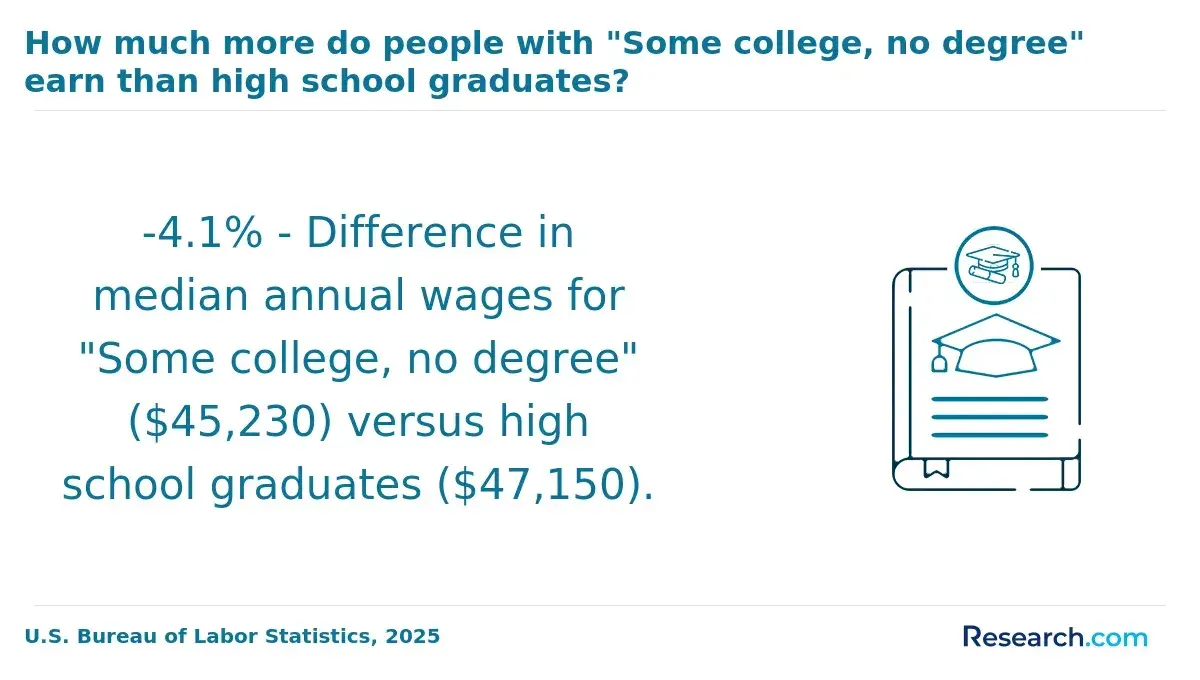
Completion disparities between online and campus environmental management students often stem from structural and demographic differences rather than purely academic quality. Campus programs typically enroll younger students able to pursue full-time study within cohort models that emphasize sequential course pacing and integrated practicum experiences. These arrangements limit stop-out risk and promote persistence through regular advising and in-person peer engagement, factors reflected in data from the National Center for Education Statistics showing campus graduation rates approximately 15-20% higher than online counterparts in 2024.
Conversely, many online learners balance full-time employment, family commitments, and sometimes part-time enrollment across multiple institutions, extending their degree timelines and increasing intermittent enrollment risks. Limited immediate access to academic advisors and fewer opportunities for cohort-based peer networks can reduce accountability and engagement, pressing institutions to invest heavily in virtual support to mitigate attrition. Additionally, inconsistent credit transfer policies and flexible pacing options common in online programs may prolong completion, especially for students relying on prior work or military experience to satisfy degree requirements.
Prospective environmental management students should weigh these trade-offs by considering personal stability, support needs, and how program design aligns with their career timelines. For example, a working adult with fluctuating hours might tolerate extended online completion but should plan for potentially minimal real-time advising and limited cohort cohesion. Understanding these operational realities can clarify the practical meaning behind graduation statistics and help students choose a pathway suited to their capacity for sustained progress and degree completion within their desired timeframe.
How Do Online and Campus Environmental Management Programs Compare on Total Cost?
Comparing total cost in campus versus online environmental management programs requires a close look at more than just tuition. While public four-year campus tuition averages about $10,000 annually for in-state students, mandatory fees and living expenses like housing and transportation can double or even triple the out-of-pocket cost.
Campus learners should anticipate paying upwards of $12,000 yearly on room and board alone, a significant addition that online students bypass, though many online programs add technology fees ranging from $200 to $800 per semester. These cost differentials often influence enrollment decisions, especially for working adults balancing job continuity against upfront debt and time commitments within their environmental management program total cost comparison.
Financial aid distribution commonly varies by delivery format, with some scholarships favoring on-campus enrollment, yet online students often benefit from employer tuition assistance and broader access to federal aid. Fieldwork expenses further complicate cost calculations; on-campus students might use localized opportunities, reducing travel costs, while online students potentially face unpredictable expenses tied to required in-person components.
According to data from the National Center for Education Statistics and College Scorecard, understanding these trade-offs helps prospective students weigh flexibility, additional fees, and timeline impacts more accurately. Those investigating an environmental management path should also review related fields for cost context, such as online masters in psychology, which reflect similar tuition and fee structures, helping to frame realistic financial planning.
What Hidden Costs Should Students Expect in Online vs Campus Environmental Management Programs?
Tuition differences between online and campus environmental management programs often obscure significant hidden expenses that shape overall affordability and completion timelines. Online learners, for instance, frequently face technology fees ranging from $150 to $300 per semester alongside mandatory proctoring costs and specialized software licenses, which can add unforeseen financial strain. Campus-based students encounter less obvious costs, including annual commuting expenses around $2,000 to $3,000, parking fees, and housing and meal plans that may exceed $12,000 yearly, compounding the price beyond flat tuition rates. Such factors influence not only budget planning but also impact how students balance employment and study, with campus schedules often leading to reduced work hours and income.
Decisions between program formats must also weigh fieldwork demands that entail travel and potential overnight stays, disproportionately affecting campus students but sometimes extending to online students during residencies or lab sessions. Childcare costs present another variable often more pronounced for campus learners due to in-person class timing, whereas online students might experience indirect financial effects from longer study hours and less structured employer support. Data from the National Center for Education Statistics underscores that while online programs can appear 15-20% cheaper in tuition, these ancillary fees and indirect costs frequently narrow the financial gap, highlighting the necessity for prospective students to assess total expenses and their career timelines realistically.
One recent environmental management graduate shared that while exploring online options, the initial tuition savings seemed compelling, but unforeseen expenses like high-cost software subscriptions and exam proctoring fees quickly diminished the advantage. Simultaneously, investigating campus alternatives revealed substantial costs in parking and commuting she hadn't initially budgeted, along with childcare challenges linked to rigid class schedules. This dual awareness prompted her to cautiously weigh not just the sticker price but the cumulative financial and time commitments, ultimately shaping a pragmatic approach to program choice that prioritized manageable hidden costs over simplistic cost comparisons.
How Does Financial Aid Affect the Cost of Online and Campus Environmental Management Programs?
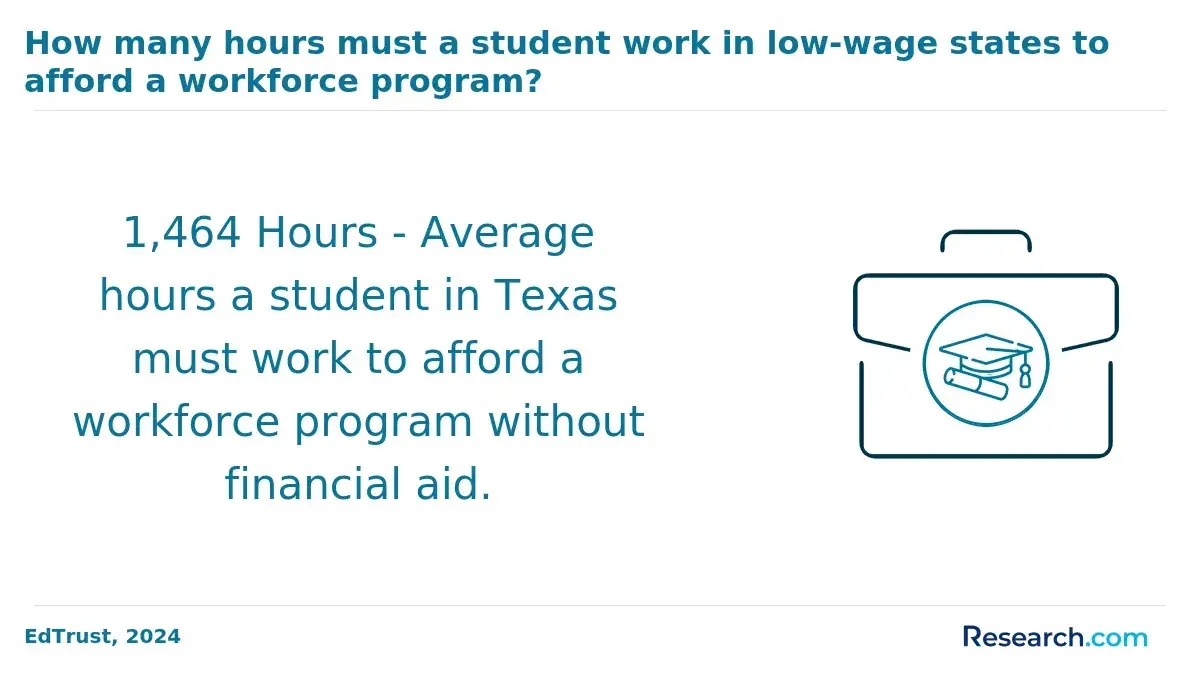
Financial aid packages critically shape the net cost differences between online and campus environmental management programs, but these differences often hinge on factors beyond sticker price, including eligibility rules and enrollment patterns. On-campus students typically have greater access to department-specific scholarships and assistantships, which significantly reduce out-of-pocket expenses.
In contrast, online learners—who are frequently part-time and balancing work—often depend more heavily on federal grants, loans, and employer tuition benefits, which may not always cover additional fees unique to online study, such as technology charges. This dynamic means that prospective students must carefully evaluate total aid offers relative to their enrollment intensity and personal circumstances rather than assuming one format offers inherently cheaper education.
Employer tuition reimbursement is a particularly prominent factor for working adults engaging with online environmental management programs. Roughly 35% of online students leverage their employer's tuition support, making this aid a vital consideration when comparing net costs and debt load. Yet, reliance on employer aid can introduce uncertainty tied to employment stability and benefits caps. Meanwhile, campus students benefit from state residency grants and more straightforward access to military benefits, which can lower costs but also require physical attendance and residency documentation.
Understanding these trade-offs is crucial when planning financing, as spreading costs over a longer timeframe with part-time online study may reduce annual debt but lengthen repayment, while on-campus students might accumulate higher yearly debt yet graduate more quickly. Prospective students assessing financial aid impact on the cost of online environmental management programs should factor these operational realities into their decision-making to align expenses with career timelines.
Those weighing program affordability might also consider the broader implications for career planning, as the financial aid and pacing differences influence not just cost but potential opportunities post-graduation. Balancing aid eligibility, enrollment format, and pacing demands can affect total debt exposure and employment flexibility during study.
For working professionals, integrating employer incentives and federal aid within the online pathway often contrasts sharply with the structured funding ecosystem available to campus students. For students focused on accelerated progression, exploring options like the shortest MBA program may offer insights into how program pacing and financial aid intersect in environmentally focused degrees.
Do Online and Campus Environmental Management Graduates Have Different Career Outcomes?
Differences in career outcomes between online and campus environmental management graduates often hinge less on the mode of delivery and more on factors like institutional accreditation, access to hands-on training, and networking opportunities. While employment rates within the first year after graduation are similar—about 78% for campus and 74% for online graduates according to the National Center for Education Statistics—employers frequently value supervised fieldwork experience and professional connections that campus programs are better positioned to provide.
For instance, a recent survey by the Environmental Career Alliance found that although roughly two-thirds of employers acknowledge online degrees similarly, concerns remain over collaborative skills and practical readiness, which affects licensure eligibility and mobility in specialized regulatory roles.
Students choosing online formats benefit from scheduling flexibility that supports working while studying, but this advantage can come at the expense of direct engagement with faculty, peers, and local industry contacts crucial for internships and job placements. Campus-based programs often facilitate in-person advising and regional job fairs, fostering relationships that enhance early-career momentum and may contribute to slightly lower debt-to-earnings ratios for their graduates.
Importantly, many environmental management programs now use identical curricula and transcript designations for online and campus students, minimizing credential stigma, yet the geographic reach and intensity of career services still influence long-term advancement potential. Prospective students must weigh these trade-offs in relation to their professional goals, especially if intended career paths demand licensure or certifications requiring structured field experience.
How Do Employers View Online vs Campus Environmental Management Degrees?
Employer evaluations of online versus campus environmental management degrees hinge less on delivery format and more on demonstrable academic rigor, accreditation, and practical experience. For hiring managers in fields like environmental consulting or government agencies, a degree from an accredited program with a robust internship or capstone requirement holds more weight than whether coursework was completed online or in person.
One practical example lies in candidates whose resumes highlight intensive fieldwork and professional certifications alongside degrees; these applicants often experience comparable hiring success regardless of study mode. According to a 2024 National Association of Colleges and Employers survey, 68% of employers consider accredited online degrees equally credible when the program exhibits clear rigor and recognized accreditation.
Still, the reputation of the institution and the visibility of experiential learning remain critical in employer trust, particularly in sectors where hands-on skills inform job performance. Less selective admissions policies or diplomas explicitly stating "online" can occasionally trigger bias, though such effects are diminishing as remote education becomes mainstream.
Students with prior work experience and strong professional networks often mitigate any initial employer skepticism tied to online credentials. Consequently, career outcomes for online environmental management graduates closely align with campus counterparts when programs integrate real-world projects and maintain transparency about academic standards, making institutional choice and program structure paramount considerations for prospective students.
Environmental management graduates interested in strengthening their leadership credentials while keeping costs manageable may also want to explore affordable MBA programs online, which can build on their existing sustainability expertise with business and management training that employers increasingly value in senior environmental roles.
Which Environmental Management Degree Format Offers Better Flexibility for Working Adults?
Online environmental management degree flexibility for working adults often hinges on the balance between asynchronous course delivery and required in-person components. While online formats excel in allowing students to complete coursework outside standard work hours, mandatory fieldwork or synchronous cohort activities can diminish that advantage. For example, a student juggling shift work and childcare may find campus programs with evening or weekend classes more predictable despite the commuting requirement, whereas online students face variable schedules but potentially less direct faculty interaction and peer support.
Comparing campus vs. online environmental management program balance for employed students reveals important trade-offs. Campus-based learners often benefit from structured residency experiences that strengthen practical skills and networking, though rigid schedules and commuting can disrupt employment continuity. Online programs tend to stretch total time to degree completion due to stop-out options and self-paced elements, sometimes lowering graduation rates compared with campus counterparts. This gap reflects challenges in motivation and resource access rather than purely program quality, impacting long-term cost exposure and workforce readiness.
Working adults evaluating these pathways should consider how program format affects persistence and career disruption, with asynchronous online courses offering convenience but potentially less cohesion. Others may explore hybrid or evening models to better align study with professional demands. Additionally, understanding evolving employer recognition of online credentials is crucial, especially when comparing to programs like an online CS degree that often sets different benchmarks of flexibility and rigor.
How Should Students Choose Between an Online and Campus Environmental Management Program?
Choosing between an online and campus environmental management program requires weighing the trade-offs between structure, flexibility, and career-relevant exposure. Graduation rates from the National Center for Education Statistics show campus programs average around 62%, notably higher than the 48% seen in fully online formats, highlighting challenges with persistence and engagement for remote learners. For working adults balancing variable schedules, an online format can provide crucial flexibility, but this often comes at the cost of limited access to hands-on labs and networking opportunities that are critical in fields involving environmental site visits or fieldwork.
Cost differences alone can be deceptive; while online programs may charge lower tuition rates ranging from $7,000 to $12,000 annually compared to over $15,000 for campus-based options, additional fees for technology and materials can narrow savings. More importantly, campus programs typically offer more direct connections to faculty and industry networks, increasing access to internships and referrals valued by employers in environmental management. Students deciding between an online versus campus environmental management program should also consider licensure requirements that often mandate in-person components, affecting long-term mobility and job prospects.
In evaluating the best fit, prospective learners can benefit from reviewing empirical program outcomes alongside their personal career goals and schedules. Those seeking practical experience and hands-on skill-building might prioritize campus options, whereas individuals balancing work and family may find online delivery essential despite potential persistence challenges. For broader context on degree offerings and formats, exploring options such as an online associate degree in criminal justice reveals similar trade-offs around flexibility and career pathways found across environmental management programs.
References
- Environmental Management - Atlantic Technological University https://www.atu.ie/courses/bachelor-of-science-environmental-management
- State of the Campus Environment - EcoLeaders | National Wildlife Federation https://www.nwf.org/EcoLeaders/Campus-Ecology-Resource-Center/Reports/State-of-the-Campus-Environment
- Online Learning Impacting the Carbon Footprint - UPCEA https://upcea.edu/online-learning-impacting-the-carbon-footprint/
- [PDF] A comparison between two distance learning universities https://repositorioaberto.uab.pt/bitstreams/331da611-5951-4422-ac13-3f15d5101690/download
- Diploma in Environmental Management – Complete Guide https://ictukl.com/blog/diploma-in-environmental-management-complete-guide/
- The Perfect Environment for Online Learning https://blog.skyelearning.com/the-perfect-environment-for-online-learning
- What Global Employers Really Think About Online Degrees https://edutech.global/global-employer-view-on-online-degrees/
- Online vs in-person study: which one is right for you? https://www.ube.ac.uk/whats-happening/articles/online-vs-in-person-learning/
- The Hidden Environmental Costs of Digital Learning (And What to Do About It) https://www.openlms.net/blog/insights/hidden-environmental-costs-digital-learning-what-to-do/
- Online MBA vs Campus MBA Program - Which one to choose https://rcu.education/online-mba-vs-campus-mba-programs/
Other Things You Should Know About Environmental Management
Without access to physical labs, online students often miss hands-on experiences crucial to mastering field techniques like soil sampling or water quality testing. This can result in weaker practical skills compared to campus peers who engage directly with equipment and environmental sites. For careers demanding technical fieldwork, campus programs typically offer a stronger foundation, making them preferable if your job goal involves routine on-site environmental assessments or regulatory compliance inspections.
Networking opportunities are generally more limited online, which can affect access to internships, mentors, and local environmental organizations. Campus students benefit from face-to-face interaction, student clubs, and regional job fairs strongly connected to local employers. Online students should actively seek out virtual meetups and professional groups but must recognize that online formats require extra effort and may yield fewer direct job pathway connections, especially for those early in their careers.
Online programs often demand greater self-discipline and time management since learning is asynchronous and paced independently. This flexibility suits working adults balancing jobs and family but can also increase the risk of falling behind without structured class times or peer accountability. Campus programs, with scheduled classes and immediate access to instructors, may better support students who thrive on routine and real-time feedback, potentially improving completion likelihood and mastery of complex environmental management topics.
Many environmental regulatory and consulting employers still prioritize graduates with campus degrees due to their access to applied fieldwork and group project experience. Campus students tend to arrive better prepared for collaborative problem-solving and real-world challenges common in these sectors. Prospective hires from online programs may need to supplement with internships or field experience independently. Therefore, if targeting these employers, campus programs typically provide a smoother transition into the workforce and stronger initial job prospects.