2027 Environmental Management Degree Completion Time Report: How Long Students Actually Take to Graduate

Co-Founder and Chief Data Scientist
Students pursuing an environmental management degree often face varied timelines shaped by more than course requirements. Work commitments, part-time enrollment, and transfer credits commonly extend graduation periods. In 2024, the National Student Clearinghouse reported that the average time-to-degree for bachelor's students nationwide now exceeds six years, reflecting broader shifts in student progression.
For environmental management, fieldwork opportunities, seasonal internships, and regulatory certification processes add complexity to scheduling. These factors create trade-offs between timely completion and gaining practical experience. Understanding how such influences converge helps clarify typical graduation patterns, guiding realistic expectations and strategic decisions for prospective and current students alike.
Key Things To Know About Environmental Management Degree Completion Time
- More accurate salary and career-entry planning: Environmental Management completion time often extends due to required fieldwork, internships with environmental agencies or consulting firms, or certifications (environmental compliance, sustainability credentials) — knowing the realistic timeline helps students project when they'll actually enter the workforce, since hands-on regulatory and field experience often correlates with stronger starting salaries in compliance, consulting, and sustainability roles.
- Smarter scheduling around fieldwork and internship cycles: Because Environmental Management programs frequently require fieldwork, site assessments, or internships tied to seasonal environmental conditions or agency application cycles, completion time data helps students and advisors plan course sequences around these fixed, often limited-availability commitments, reducing the risk of unplanned extra semesters.
- Clearer career outcome tradeoffs: Comparing completion time against job placement rates and starting salaries across paths (environmental compliance, sustainability consulting, natural resource management, corporate environmental affairs) can reveal whether students who take extra time for internships or specialized certifications land stronger job offers — helping future students weigh a faster degree against the practical, regulatory-focused experience employers in this field often prioritize.
- What Is the Average Graduation Time for Environmental Management Students? Average Graduation Timeline
- What Factors Have the Biggest Impact on Graduation Speed? Graduation Timeline Factors
- How Does Full-Time Versus Part-Time Enrollment Affect Graduation Timelines? Full-Time vs. Part-Time Graduation Timeline
- Do Online Environmental Management Students Graduate Faster Than Campus-Based Students? Online vs. On-Campus Graduation Time
- How Many Months or Years Can Transfer Credits Save? Transfer Credit Impact
- Do Accelerated Environmental Management Programs Significantly Reduce Completion Time? Accelerated Program Timeline
- Which Environmental Management Program Requirements Most Often Extend Graduation Timelines? Factors Extending Graduation Timeline
- Does Taking Longer to Graduate Increase the Cost of a Environmental Management Degree? Impact on Program Cost
- Does Graduating Faster Improve Career Prospects? Impact on Career Prospects
- Which Scheduling Mistakes Commonly Delay Graduation? Mistakes to Avoid
What Is the Average Graduation Time for Environmental Management Students?
The typical degree completion timelines for environmental management programs generally span four to six years, with full-time students most commonly finishing within four to five years. However, national data from the National Center for Education Statistics indicates that nearly half of students exceed the nominal program length, often due to variable enrollment patterns and academic pacing. This range reflects an evolving landscape where part-time enrollment is a frequent choice, especially among working adults balancing employment or family commitments alongside their studies.
Several factors contribute to this variability in graduation time. Part-time status naturally extends degree completion, while transfer students may face additional semesters to meet specific course or credit requirements. The rise of online and hybrid environmental management formats also plays a role, providing flexible pacing that can lengthen study duration compared to traditional on-campus options. Moreover, the inclusion of experiential components such as internships and fieldwork, common in these interdisciplinary programs, adds to the complexity of planning and can delay graduation while simultaneously enhancing job readiness.
These dynamics significantly affect academic planning and subsequent entry into the workforce, requiring students to balance timely completion against the value of practical skill acquisition. Delayed graduation can impact early earnings and career progression, yet may also translate into stronger professional preparation. Prospective students should consider these trade-offs carefully, particularly within the context of program design and life circumstances, to set realistic goals aligned with their long-term career strategies. For those seeking efficient pathways with a focus on return on investment, references to quick degrees that pay well can offer valuable comparative insight.
What Factors Have the Biggest Impact on Graduation Speed?
Graduation speed for environmental management degrees is shaped by a complex interplay between academic structure, enrollment choices, and personal circumstances, rather than any single determinant. Students' decisions about course load and enrollment status interact heavily with how programs are designed and administered, producing wide variations in completion timelines. Recognizing these dynamics helps prospective students and education planners set realistic expectations and navigate the opportunity costs tied to extended study periods.
- Enrollment Status and Course Load: Full-time enrollment significantly accelerates graduation by enabling students to complete required credits in a more condensed timeframe. According to the National Center for Education Statistics 2024 report, approximately 60% of full-time bachelor's students graduate within six years, compared to under 30% of part-time learners, whose progress slows due to balancing work, family, or financial obligations with lighter course loads.
- Transfer Credits and Institutional Policies: Entry into a program with accepted transfer credits can shorten degree duration by allowing students to bypass foundational coursework. However, variability in how institutions evaluate and accept these credits often results in delays, as course equivalencies must be reviewed and sometimes additional classes are mandated to meet program standards.
- Program Design and Course Availability: The structure of environmental management programs-whether cohort-based with fixed sequences or more flexible-directly influences how quickly students can satisfy requirements. Programs with limited availability of specialized or required courses may cause bottlenecks, especially for those pursuing additional certifications or tracks, extending time to degree.
- Work and External Commitments: Environmental management students frequently juggle employment alongside their studies. Working adults tend to enroll part-time or reduce course load to accommodate job responsibilities, which prolongs completion. While this slows academic progress, it can also provide relevant professional experience that employers value in environmental sectors.
- Academic Preparedness and Background: Students with stronger prior knowledge in science and environmental studies can advance more rapidly through technical or lab-based courses. Conversely, those needing foundational coursework or academic support may require extra semesters, which affects overall length of study and timely graduation.
- Personal Circumstances and Financial Factors: Family responsibilities, financial constraints, or life events can interrupt continuous enrollment, compelling students to take breaks or reduce course loads. These disruptions introduce variability in graduation speed, underscoring the importance of flexible program options that accommodate diverse student needs and realities.
Balancing these factors is especially relevant for those considering the enrollment status impact on environmental management master's degree completion time and for education planners who must evaluate program design factors affecting graduation speed in environmental management degrees. For individuals seeking programs with cost-effective options and flexible structures, researching pathways such as CACREP accredited offerings can further inform decision-making aligned with practical constraints.
How Does Full-Time Versus Part-Time Enrollment Affect Graduation Timelines?
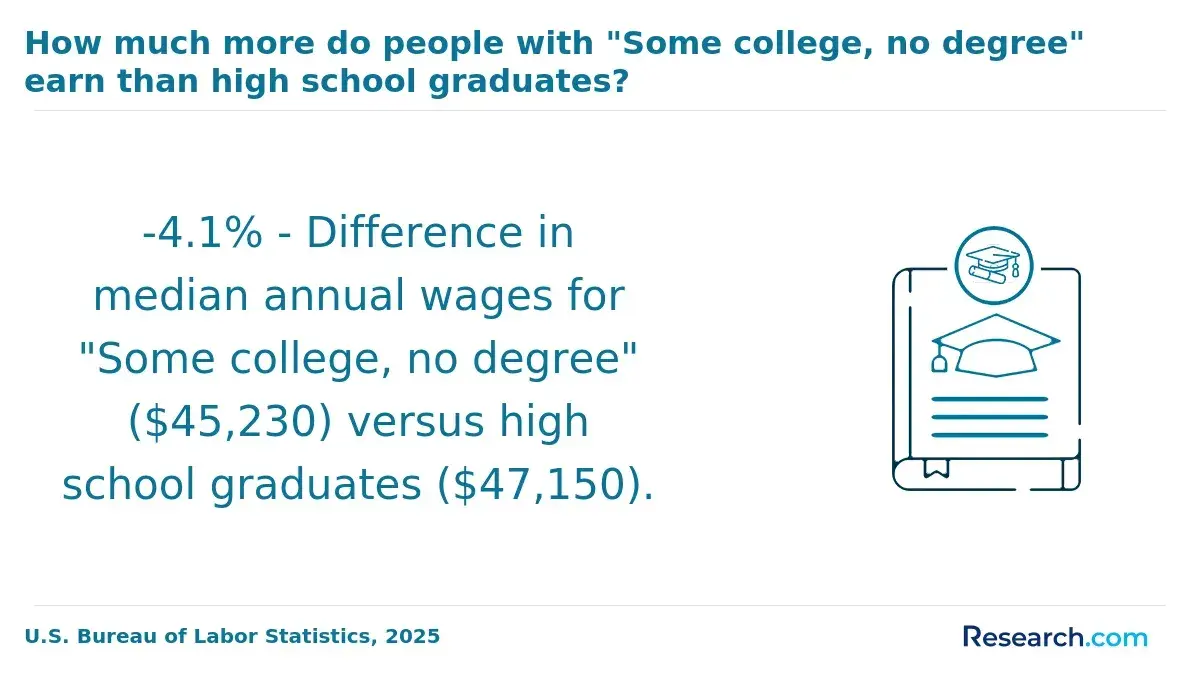
Enrollment status critically shapes the duration required to complete an environmental management degree, with full-time students generally finishing within the traditional four to five-year window reported by the National Center for Education Statistics in 2024. Part-time students, however, often extend their studies across six to eight years due to lighter course loads and varied pacing. This divergence reflects not only the credit accumulation rate but also how institutional policies and degree structures accommodate different student speeds.
Consequently, the choice between full- and part-time enrollment sets fundamentally distinct academic trajectories, impacting how quickly one can meet graduation requirements and enter the workforce. The primary drivers behind these timeline differences include credit hours taken per semester, course sequencing complexities, and program delivery formats. Full-time students typically enroll in 12 to 15 credits each term, maintaining momentum in prerequisite chains and electives, which fosters consistent progression. Conversely, part-time students often juggle fewer credits-sometimes as low as six to nine per semester-balancing study with external demands like employment and family care.
This slower pace is compounded by limited course availability or shifting curriculum requirements that disproportionately impact those without flexible scheduling options. Programmatic elements like hybrid or evening classes can mitigate some challenges for part-time learners but rarely eliminate the inherent time extension in degree completion. These enrollment decisions carry tangible long-term consequences.
Part-time pathways may ease immediate financial strain by distributing tuition over more semesters but delay full credential attainment, thus postponing access to higher-earning roles dependent on degree completion. Meanwhile, full-time enrollment maximizes academic intensity and accelerates workforce entry but demands substantial time and focus commitments upfront. Students and advisors must weigh these trade-offs, balancing personal circumstances against educational pacing to align degree progress with both economic realities and career ambitions in the evolving environmental management field.
Do Online Environmental Management Students Graduate Faster Than Campus-Based Students?
Online environmental management students are often perceived as having shorter degree completion times compared to traditional campus-based peers, yet this generalization masks significant variability. According to the 2024 National Center for Education Statistics, online learners average about 4.1 years to finish their programs, slightly faster than the 4.3 years typical for on-campus students. However, graduation speed depends heavily on personal circumstances, institutional policies, and program structure rather than delivery format alone.
Graduation timelines are influenced by how programs structure enrollment options and requirements. Online programs often allow continuous or year-round course registration and accelerated formats, which can shorten the path to graduation for self-directed students balancing work or family obligations. In contrast, campus-based programs tend to follow fixed semester calendars and may include more mandatory in-person components like internships or labs, affecting pacing. Students' ability to transfer prior credits efficiently and manage part-time versus full-time course loads also plays a critical role in speed, regardless of modality.
Choosing between online or campus-based environmental management education impacts not only how fast students graduate but also how they experience academic discipline and career readiness. Online learners typically face greater demands on self-regulation and digital engagement, while traditional students benefit from structured support and peer interaction. These differences can influence when graduates enter the workforce and how well they adapt to job expectations in environmental sectors.
How Many Months or Years Can Transfer Credits Save?
Transfer credits can reduce the total time required to complete an environmental management degree by several months to over a year, but the extent of this reduction varies significantly. Students who have accumulated a substantial number of relevant credits-often through an associate degree or prior coursework aligned with environmental studies-may shorten their degree timeline substantially. However, the actual months saved depend on how closely those credits map onto required courses and how rigorously each institution evaluates prior coursework.
Recent analyses indicate that students transferring credits may see completion times drop from four years to as little as two or three years, highlighting wide variability based on credit transfer success and program structure. Key factors determining the impact of transfer credits include institutional policies on credit acceptance, course equivalency evaluations, and residency requirements that mandate a minimum number of credits be completed at the degree-granting institution. Accreditation compatibility between sending and receiving schools also plays a pivotal role, as does how clearly aligned students' prior coursework is with essential environmental management competencies.
Many programs limit the maximum transferable credits, which can cap the potential time savings despite a student's accumulated credits. These complexities make transfer credit impact a nuanced process, reshaping degree pathways rather than merely accelerating a fixed timeline. From a planning perspective, effective use of transfer credits requires careful academic advising to optimize course sequencing and minimize gaps in specialized content, thereby avoiding unexpected extensions in degree duration. Working adults, in particular, can leverage transfer credits to balance education with employment, reducing overall costs and time away from the workforce.
However, students must also consider that accelerated timelines through transfer credits may limit opportunities for capstone projects or electives that enhance employability. Research from the National Center for Education Statistics underscores that the months saved through transfer credits in environmental management programs hinge on these institutional and curricular factors. For those exploring blended learning options, a one year online master's in communication provides an example of how flexible credit policies can support condensed degree completion schedules.
Do Accelerated Environmental Management Programs Significantly Reduce Completion Time?
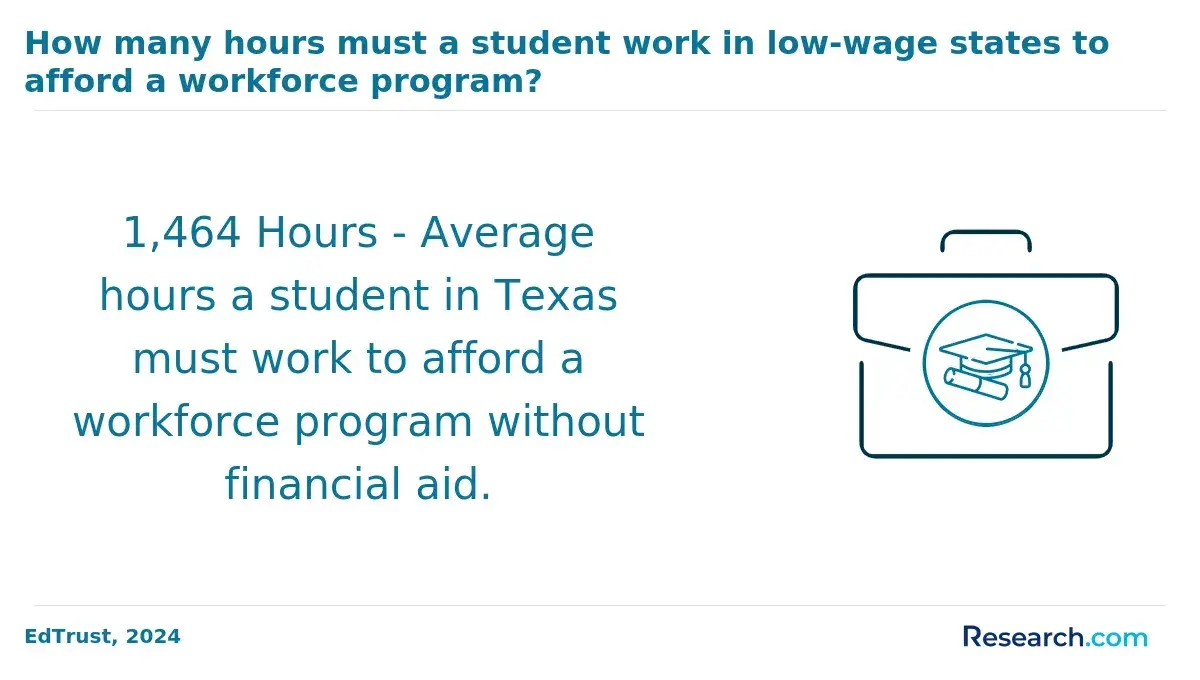
Accelerated environmental management programs aim to condense the overall timeline typically required to earn a graduate degree by either compressing coursework into fewer semesters or increasing the academic workload per term. Rather than extending study over two full years, these formats often target completion within 12 to 18 months by front-loading courses and reducing breaks. The intent is to fast-track credential attainment, theoretically enabling students to enter or advance in the workforce more quickly. However, this streamlined pacing requires a redesign of curriculum delivery that balances intensity against the need to maintain academic rigor and mastery of complex, multidisciplinary subject matter.
Whether accelerated tracks truly shorten time to degree depends heavily on several structural variables. Higher credit loads per semester and tighter sequencing of prerequisite courses can speed progression but may overwhelm students juggling external responsibilities. Importantly, many programs do not reduce requirements for internships, research projects, or capstone experiences-critical elements that often dictate practical readiness and can extend actual completion time. Additionally, institutional policies around transfer credits and part-time enrollment may limit accelerated paths for nontraditional or working students. The compressed schedule leaves little room for delays caused by course availability or personal challenges, thus making consistent pacing essential.
The trade-offs in accelerated environmental management programs frequently involve heavier workloads and reduced scheduling flexibility, which can impact the quality of student learning and engagement with fieldwork or professional networking. Students must often sacrifice depth or supplementary experiences for the sake of speed, which may not align with employer expectations emphasizing practical skills and comprehensive understanding. Consequently, accelerated formats demand careful consideration of one's capacity to sustain intense study rhythms without compromising educational outcomes or career preparation.
Which Environmental Management Program Requirements Most Often Extend Graduation Timelines?
Graduation timelines in environmental management programs are frequently extended not simply due to the total credit load but because of specific embedded curriculum elements that demand additional time and coordination. These components are designed to ensure professional readiness and depth of expertise but often introduce complex scheduling and pacing challenges for students. Navigating these requirements requires balancing institutional policies, academic sequencing, and students' personal and work obligations, which can complicate on-time progression.
- Internship or Practicum Requirements: Many programs mandate substantial fieldwork or internships that immerse students in real-world environmental challenges. These experiential requirements often take months to complete and may not align conveniently with academic calendars or students' employment schedules, producing a common source of delayed graduation. Workforce studies indicate that close to 40% of environmental management degrees require such practicums, reflecting their central role but also their impact on completion speed.
- Capstone Projects and Theses: Original research or applied projects form a critical component in many curricula, demanding extended periods of data gathering, analysis, and faculty supervision. These culminating assignments require concentrated effort that can stretch over an academic term or longer, especially when students juggle other responsibilities. Evidence from recent educational surveys suggests that dedicating more than 30% of the final year to such projects correlates strongly with postponed graduation dates.
- Technical and Foundational Coursework: Proficiency in specialized tools, statistics, and laboratory methods is often a prerequisite, especially for students without prior technical background. Gaining these skills necessitates enrolling in extra or remedial courses, which adds to the overall time needed to meet degree requirements. This layering effect is more pronounced in nontraditional or transfer students who may face gaps in foundational knowledge.
- Transfer Credit Alignments and Course Availability: Transfer students often confront delays when their incoming credits do not fully satisfy specific program needs, resulting in additional lower-division classes. Moreover, environmental management curricula may include essential or elective courses offered only once per year or biennially, creating bottlenecks that force students to extend their studies to the next offering cycle.
These structural and experiential demands intersect with the reality that many environmental management students simultaneously manage employment or caregiving duties. The layered sequencing and rigid scheduling embedded in these requirements often limit flexibility, leading to extended degree timelines despite steady academic enrollment.
Does Taking Longer to Graduate Increase the Cost of a Environmental Management Degree?
Extended completion timelines for an environmental management degree generally increase total tuition and related expenses, particularly when institutions charge fees per term or semester. Students enrolled beyond the typical four-year framework often face additional campus fees, course-specific charges, and potential loss of eligibility for certain financial aid packages that favor full-time or accelerated progression.
The impact of this can be substantial, with National Center for Education Statistics data showing that graduates taking over six years may pay roughly 30% more in direct education costs. For working adults or transfer students balancing family and job responsibilities, these incremental costs further elevate the total investment required to finish. This dynamic makes understanding the cost structure and program pacing essential for those evaluating the impact of extended graduation time on environmental management degree expenses.
The influence of extended timelines on total cost is not uniform, as some programs adopt flat-rate tuition models or price part-time enrollment differently, which can moderate additional charges. Employer tuition assistance and institutional policies promoting flexible pacing can also reduce financial penalties for longer study periods. However, adjusting course loads or enrollment status often indirectly affects cumulative costs by stretching out the timeline for completing required credits.
Students who strategically balance these factors may mitigate inflated expenses, but the opportunity costs associated with delayed full-time workforce entry remain significant. Given growing demand in sustainability-related roles reporting median salaries from $50,000 to $80,000 annually, timely graduation supports quicker skill accumulation and income progression. Prospective students should carefully consider how institutional pricing, enrollment behavior, and program design intersect to shape their overall degree cost, especially compared to options such as cheap online colleges that may offer alternative pacing or pricing advantages.
Does Graduating Faster Improve Career Prospects?
Graduating faster from an environmental management degree can enable earlier entry into the job market, potentially accelerating initial employment opportunities. However, employers rarely assess a candidate based solely on how quickly they completed their degree. Instead, the impact of degree completion time on environmental management careers is often intertwined with the broader context of practical experience and demonstrated competencies. Thus, finishing sooner may assist with timing in certain labor markets but does not inherently guarantee stronger job prospects.
Key determinants of whether a faster graduation improves career outcomes include the depth of internship experience, the strength of project portfolios, mastery of sustainable practices, and professional networking cultivated during the degree. Hiring managers prioritize these factors, which translate into tangible workforce readiness, more than simply degree completion speed. This complex interplay shapes environmental management graduate job prospects and timing more substantively than a reduced timeline alone. For students considering accelerated paths, it is crucial to evaluate if the shortened trajectory allows sufficient opportunities to build these employability assets. Programs like EdD without dissertation may similarly show how structural design influences skill attainment and industry alignment.
Ultimately, trade-offs between graduating quickly and gaining in-depth, hands-on experiences affect long-term professional competitiveness. Students who prioritize speed risk missing critical experiential learning essential for sustainability sector roles that demand problem-solving and regulatory knowledge. Balancing degree completion time with comprehensive credential and skill development better supports sustained career growth than rushing to finish alone.
Which Scheduling Mistakes Commonly Delay Graduation?
Delays in graduation from environmental management programs frequently stem not from the inherent difficulty of coursework but from common scheduling and enrollment missteps. These mistakes disrupt the logical progression of degree requirements and occur across undergraduate and graduate levels, on-campus or online. Recognizing the interaction of prerequisite chains, credit load policies, and institutional scheduling cycles is crucial for maintaining steady academic momentum.
- Poor Prerequisite Sequencing: Enrolling in advanced courses without completing required foundational classes forces students to retake courses in later semesters. Many environmental management curricula require strict course chains, and misjudging these sequences creates bottlenecks that delay progress by months or entire terms.
- Underestimating Credit Load Impact: Taking fewer than 12 credits per term, a common choice among working adults or transfer students balancing external responsibilities, typically extends degree completion by 40% or more, according to the National Student Clearinghouse Research Center 2024 data. This effect compounds when part-time attendance occurs over multiple semesters.
- Delaying Experiential Components: Postponing enrollment in required internships, capstone projects, or fieldwork-often offered only in designated terms-forces students to pause progress, creating forced gaps that extend overall timelines.
- Inconsistent Academic Advising: Lack of proactive, informed guidance leads to course selections that misalign with degree mandates and workforce expectations. Without ongoing advising, students risk accumulating irrelevant credits or missing crucial sequencing steps.
- Elective and Overload Mismanagement: Overloading on electives or unrelated courses to "catch up" can backfire by displacing core requirements, while delaying key required courses for convenience often pushes graduation dates beyond anticipated timelines.
References:
- Accelerated Environmental Programs & Courses at WCC: Pros & Cons https://www.wccnet.edu/learn/accelerated-pros-cons.php
- Online vs. Offline Environmental Management Program: 15 Key Differences [2025] - DigitalDefynd https://digitaldefynd.com/IQ/choosing-between-online-offline-management-programs/
- Financial Aid For Online Colleges https://www.affordablecollegesonline.org/financial-aid/financial-aid-for-online-colleges/
- Best of 2025: Environmental Science Online Master’s Programs https://www.onlinemastersdegrees.org/best-programs/environmental-science/
- Online BS in Geography and Environmental Science | Texas State https://online.txst.edu/degrees/undergraduate/bachelor-geography-environmental-studies/
- Online Pre-Masters in Business Management | SG Digital Learning https://digital.studygroup.com/programmes/online-accelerated-pre-masters-programme
- Master of Environmental Management — MEM https://environment.yale.edu/academics/masters/mem
- Asynchronous College Courses https://www.snhu.edu/online-degrees/classes/asynchronous
- 5 Reasons Why You Should Earn Your Bachelor’s Degree Online https://www.pointloma.edu/resources/accelerated-undergraduate/5-reasons-why-you-should-earn-your-bachelors-degree-online
- Online Environmental Graduate Programs: Are They Right for You? https://www.cjbnetwork.com/articles/online-environmental-graduate-programsare-they-right-for-you
Other Things You Should Know About Environmental Management
Internship and practicum components differ widely in environmental management programs, often adding several months to graduation timelines. Programs requiring extensive fieldwork or off-campus placements can delay completion, especially when opportunities are limited or scheduling conflicts arise with employment. Students should prioritize programs with flexible or integrated experiential components if minimizing time-to-degree is a key concern.
Choosing a specialized concentration typically demands additional or more complex coursework, which can extend the time needed to graduate. While specialization may enhance niche employability, students must weigh whether the extra time investment aligns with their career goals. For those emphasizing quicker entry into the workforce, a standard track often provides a more streamlined path without sacrificing core competencies.
In 2027, employers often look for candidates with diverse skills and hands-on experience. Students may extend their studies to include internships or additional coursework to meet these expectations, which can potentially lengthen the degree completion timeline for those pursuing environmental management.
While a faster completion may seem attractive, aggressively balancing work and study can jeopardize academic performance and limit depth of learning in environmental management curricula. Prioritizing manageable course loads and strategic scheduling often leads to better retention and more meaningful engagement with complex sustainability issues. Thus, pacing that supports quality learning generally yields stronger long-term career outcomes than simply minimizing time-to-degree.