2027 Environmental Management Transfer Credit Trends: How Schools Are Adapting for Adult Learners

Co-Founder and Chief Data Scientist
When a military veteran with an associate degree in environmental studies transferred to a bachelor's program in environmental management, she assumed most of her credits would apply toward graduation. Instead, she discovered nearly 40% of her courses didn't meet new program criteria-an outcome reflected in a 2024 national study showing that 37% of transfer students lose credits in STEM-adjacent fields due to shifting curriculum standards. This credit loss can extend enrollment by semesters and inflate costs, complicating career advancement timelines.
Such trends underline the growing challenge for adult learners balancing professional and academic goals. This article examines how environmental management programs are evolving transfer credit policies, credit acceptance practices, and degree completion pathways to help students strategically navigate credit portability and accelerate their journey to degree completion affordably and efficiently.
Key Things to Know About Environmental Management Transfer Credit Trends for Adult Learners
- Expanded acceptance of military and workforce training credits reflects institutional shifts toward valuing non-traditional learning, but variability in evaluation criteria often necessitates careful verification to avoid credit loss delaying graduation.
- Alternative credit sources, including competency-based assessments, increase pathway flexibility; however, employers in environmental sectors may scrutinize these credits differently, influencing graduate hireability and career advancement prospects.
- Technology-enabled transcript reviews reduce administrative delays, enabling faster credit articulation and cost savings, yet they require students to submit comprehensive documentation upfront, impacting accessibility for some adult learners.
- Key Things to Know About Environmental Management Transfer Credit Trends for Adult Learners Key Things to Know About Environmental Management Transfer Credit Trends for Adult Learners
- How Are Environmental Management Programs Changing Transfer Credit Policies for Adult Learners? Evolving Adult Transfer Policies
- Why Are More Environmental Management Schools Accepting Credit for Prior Learning and Work Experience? Prior Learning Credit Benefits
- How Do Environmental Management Colleges Evaluate and Award Transfer Credits Today? Transfer Credit Evaluation Process
- Which Alternative Credits Are Most Commonly Accepted by Environmental Management Programs? Accepted Alternative Credits
- How Are Environmental Management Schools Improving Transfer Pathways for Community College Students? Improved Community College Pathways
- How Can Transfer Credits Help Environmental Management Students Graduate Faster? Accelerating Degree Completion
- How Much Money Can Students Save Through Environmental Management Transfer Credit Opportunities? Cost Saving Through Transfers
- How Are Environmental Management Programs Supporting Military Students and Workforce Learners Through Transfer Credits? How Are Environmental Management Programs Supporting Military Students and Workforce Learners Through Transfer Credits?
- What Transfer Credit Innovations Are Shaping the Future of Environmental Management Education? What Transfer Credit Innovations Are Shaping the Future of Environmental Management Education?
- How Can Adult Learners Maximize Transfer Credits in a Environmental Management Program? Maximizing Your Transfer Credits
How Are Environmental Management Programs Changing Transfer Credit Policies for Adult Learners?
The evolving transfer credit policies in environmental management programs represent a strategic response to the complex educational trajectories of adult learners, working professionals, military-affiliated students, and transfer-degree completers. Institutions increasingly broaden credit acceptance to include prior learning assessments, military training, and industry certifications, which can significantly shorten time-to-degree and lower costs.
For instance, a student transferring from a sustainability-focused community college benefits from formal articulation agreements that clarify course equivalencies, yet must carefully navigate differences in upper-division credit acceptance that may require retaking specialized courses. Such tradeoffs highlight the need for comprehensive transcript evaluations and proactive advising to avoid unexpected credit loss and sequencing delays.
Flexible transfer credit options for working professionals in environmental management are growing, leveraging technology and dedicated credit advisors to expedite transcript reviews and improve alignment with workforce competencies. Expanded policies allowing credit for certifications and nontraditional learning experiences reflect employer demand for relevant skills and provide alternatives to traditional curricula, enhancing access for nontraditional students balancing multiple commitments.
According to National Center for Education Statistics data, nearly 68% of institutions now accept military credits or prior learning assessments, underscoring this shift. However, inconsistencies across programs still complicate academic planning, requiring students to compare institutional policy nuances closely when aiming to maximize transferable credits.
For those evaluating pathways or seeking to optimize prior credits, understanding these policy changes is essential. Students transitioning from varied backgrounds must weigh institutional credit flexibility against course sequencing and degree requirements, particularly in environmental management programs that integrate cross-disciplinary knowledge. Educational decisions can be supported by resources such as BCBA online programs, which exemplify how focused articulation and transfer strategies are vital for timely degree completion and maintaining affordability in specialized fields.
Why Are More Environmental Management Schools Accepting Credit for Prior Learning and Work Experience?
The increasing acceptance of credit for prior learning and work experience in environmental management programs reflects a structural response to shifting institutional priorities rather than mere policy generosity. Colleges face heightened pressure to improve degree completion rates and shorten time-to-degree, especially for adult learners balancing competing demands. This shift often involves detailed assessments of military training, professional certifications, and employer-verified competencies to align practical skills with academic standards, recognizing that traditional coursework alone may undervalue field-relevant expertise. A 2024 Council for Adult and Experiential Learning report found that 77% of public institutions now actively encourage prior learning assessments, signaling a broader recalibration in transfer credit practices designed to improve enrollment accessibility and persistence without undermining academic rigor.
However, this expanded credit recognition comes with complexities: evaluation criteria vary widely, potentially affecting the consistency and portability of credits across programs. Environmental management students must weigh how awarded credits translate into meaningful progression versus the risk of accumulating learning gaps that could hinder long-term employability. Employers may still prioritize formal academic credentials over experiential credits for advancement, underscoring the importance of strategically integrating prior learning into degree plans. From a completion perspective, effective use of these policies can reduce tuition and course loads, but navigating institutional requirements demands careful documentation and timing, especially when portfolio reviews or competency-based assessments are involved.
One adult learner transferring into an environmental management program leveraged military environmental safety training and a professional certification to claim credit, expediting their graduation timeline. They described initial frustration with inconsistent evaluation responses, as some departments questioned the equivalency of their experience. However, after submitting detailed training records and validation from a prior employer, the school awarded substantive credit, allowing them to focus on advanced coursework relevant to emerging environmental regulation. This process, while administratively taxing, ultimately reinforced that institutional expansion of credit acceptance requires persistent advocacy and thorough preparation on the student's part to ensure practical recognition of prior learning.
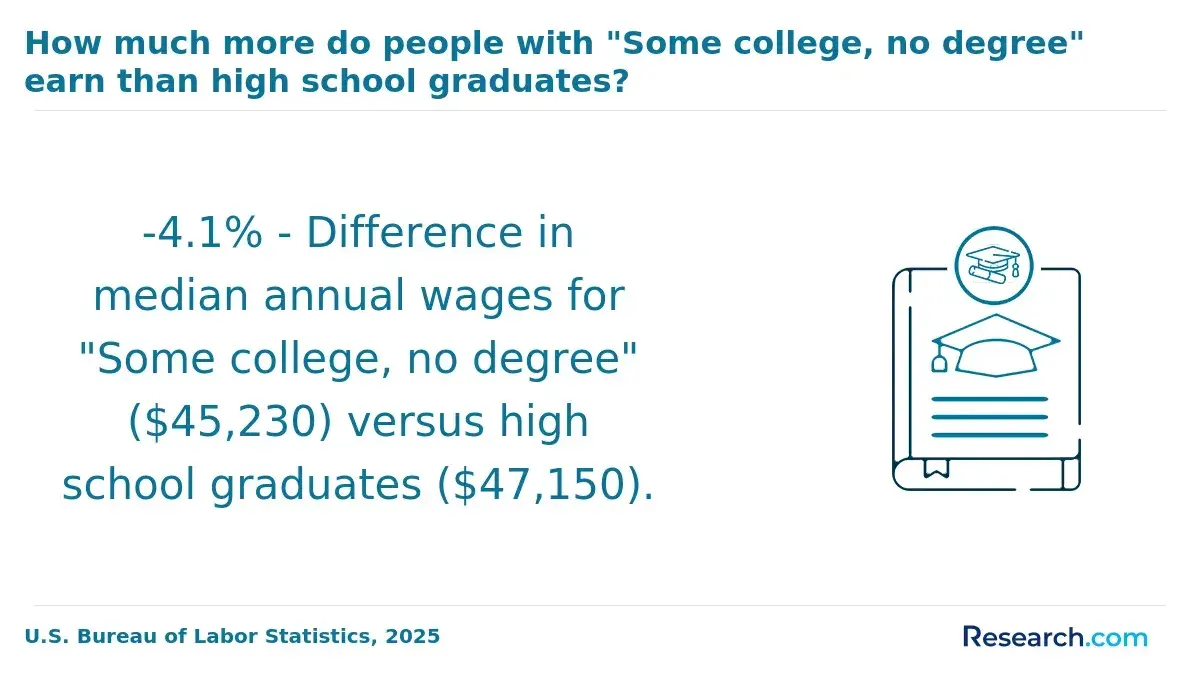
How Do Environmental Management Colleges Evaluate and Award Transfer Credits Today?
Transfer credit evaluation in environmental management colleges today functions as a strategic enrollment and student success mechanism instead of a mere administrative formality. Institutions closely scrutinize accreditation status-prioritizing regionally and nationally recognized bodies-to establish a foundational threshold for credit acceptance. For example, a student transferring from a community college with nonregional accreditation may face hurdles in credit applicability, influencing their degree timeline and financial investment.
Course equivalency is then assessed through detailed comparisons of syllabi and learning outcomes, often supported by technology tools that reduce inconsistency but cannot fully eliminate subjective judgments about content currency and relevance.
Colleges increasingly recognize alternative credits such as prior learning assessments, military training, and workforce certifications, with over 60% of programs integrating PLA credits according to the 2024 National Center for Education Statistics report. However, these credits are typically capped, especially for upper-division coursework critical to specialization areas like environmental policy or sustainable resource management, reflecting employers' expectations for in-depth knowledge and recent competencies.
As a result, students with diverse backgrounds-from military service to professional credentials-must navigate articulation agreements and residency requirements that influence credit transferability and ultimately the pace and cost of degree completion.
Which Alternative Credits Are Most Commonly Accepted by Environmental Management Programs?
Alternative credit acceptance in environmental management programs has evolved into a strategic mechanism to enhance degree accessibility and streamline completion pathways for adult learners rather than functioning as a mere transfer policy update. Programs increasingly weigh credit for prior learning (CPL) and military training credits, often endorsed by the American Council on Education, as pivotal components to reduce redundant coursework. However, tradeoffs arise given institutional constraints such as residency requirements and upper-division credit limits, which can restrict how much previously earned credit ultimately applies toward degree progression, necessitating careful transfer planning by students focused on efficiency and cost-effectiveness.
Examination-based alternatives like CLEP and DSST retain broad acceptance, with a 2024 National Student Clearinghouse report showing 65% of adult learners in science and environmental fields leveraging these for accelerated completion. Workforce certifications and competency-based assessments also factor significantly, reflecting employer priorities for validated skills that align directly with occupational demands.
Yet, acceptance of online courses or employer-sponsored learning remains inconsistent, with fewer than half of programs recognizing such credits without rigorous evaluation. Prospective learners should therefore assess how acceptance policies intersect with accreditation standards and program-specific course equivalencies to understand whether transfer credit options for environmental management programs will substantively shorten timelines or advance career goals, supported by resources such as accredited masters in counseling programs as a comparison point for credit validation models.
How Are Environmental Management Schools Improving Transfer Pathways for Community College Students?
Environmental management programs increasingly treat transfer pathway improvements as critical to maintaining student progress and reducing unnecessary academic delays. Nearly 40% of transfer students face partial credit acceptance, which lengthens degree completion and inflates costs, making streamlined articulation and credit flexibility strategic imperatives. By expanding formal articulation agreements and adopting credit evaluations based on course content equivalency rather than strict credit hours, schools aim to minimize redundant coursework, enabling community college transfers to sustain momentum without sacrificing program rigor. These approaches, combined with dual-admission partnerships and robust prior learning assessments recognizing military or vocational experience, reduce barriers yet require students to carefully verify institutional policies as transferability can still vary significantly across programs.
Advising models tailored to environmental management's evolving workforce needs play a pivotal role, guiding transfers through degree mapping aligned with employer expectations and practical skills integration. This personalized support helps balance academic requirements with real-world relevance, though students often encounter tradeoffs when programs prioritize specific competencies, resulting in some accepted credits not fulfilling core degree mandates. As a result, transfer students must engage proactively in academic planning, leveraging these enhanced pathways while remaining vigilant about potential credit loss. The net effect of these adaptations improves educational accessibility and reduces time-to-degree, but the variability in transfer policies underscores the importance of early, informed navigation of institutional complexities.
One transfer student recounted uncertainty navigating the transfer process when their community college transcript initially met with inconsistent evaluations from environmental management program staff. Conflicting information about which courses matched bachelor's degree requirements caused frustration and deferred enrollment decisions. Through comprehensive advising and a clarified articulation agreement established between the institutions, the student ultimately confirmed the acceptance of most credits and adjusted their course plan accordingly. This clarity not only expedited degree progression but also provided reassurance that their prior work would be respected, illustrating the tangible impact of improved transfer pathways on real learners' educational trajectories.
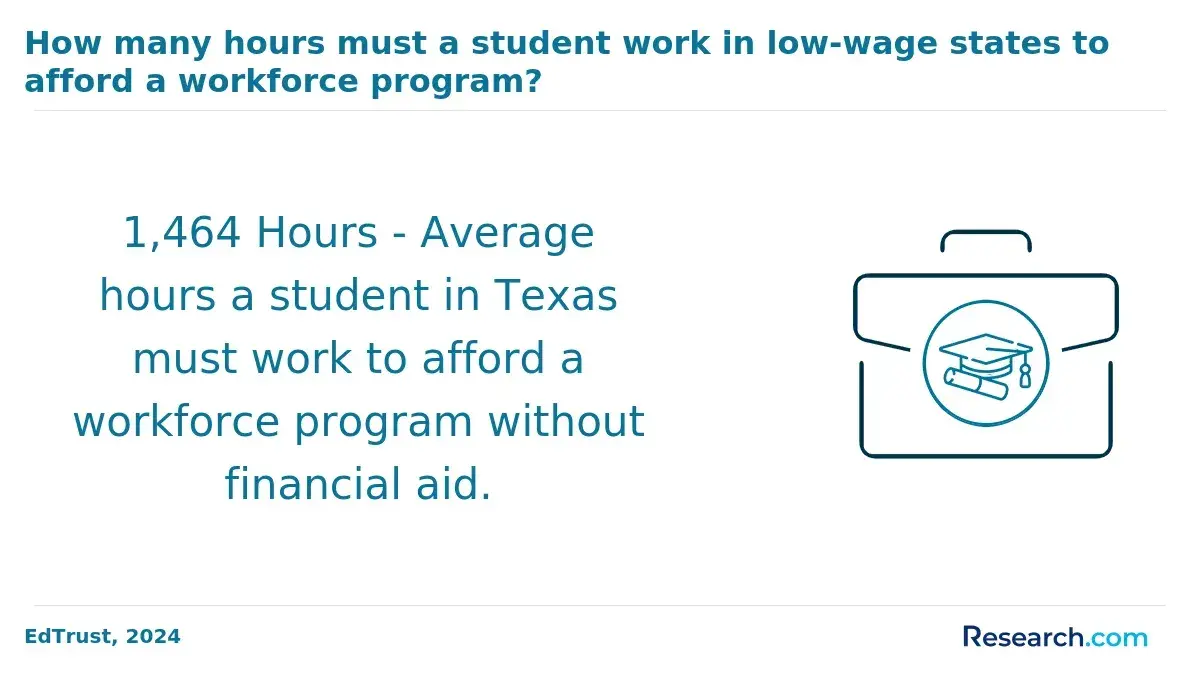
How Can Transfer Credits Help Environmental Management Students Graduate Faster?
Transfer credit benefits for environmental management degree completion hinge on institutional policies that dictate which prior credits apply toward specific degree requirements. While many students bring credits from community colleges, military training, or workforce certifications, acceptance rates vary widely, often limiting the expected time savings.
Programs frequently require residency or capstone projects that cannot be bypassed through transfer credits, and upper-division courses in environmental policy or sustainability typically have less transfer flexibility. These factors mean that despite accumulating credits, students must carefully assess how their transfer credits align with program rigor and course sequencing to effectively accelerate their academic timeline.
Accelerated graduation pathways for adult environmental management students increasingly rely on articulation agreements and prior learning assessments (PLAs), which validate professional experience and technical training for academic credit. CAEL data shows students leveraging PLAs can graduate about 1.5 semesters earlier, yet this requires upfront planning and close consultation with advisors to avoid credit loss or redundant coursework.
Working professionals, military-affiliated students, and transfer students benefit from transfer-friendly policies that broaden access and reduce costs, but must also balance these gains against maintaining academic quality and workforce-relevant competencies. For those evaluating flexible degree options, exploring resources such as 4 6 week certification programs online can complement transfer credits by shrinking course durations and supporting timely completion.
How Much Money Can Students Save Through Environmental Management Transfer Credit Opportunities?
The financial impact of transfer credits in environmental management programs varies significantly based on institutional policies and individual student circumstances. Transfer students, particularly those with military backgrounds or relevant professional experience, can reduce tuition costs by applying previously earned credits from community colleges, certifications, or workplace training. However, the actual savings depend on factors such as transfer credit limits-often capped between 60 and 70 credits-and residency rules that require a minimum number of credits to be completed at the awarding institution, which may constrain the financial benefits for many adult learners.
Despite these constraints, recognized pathways that accept associate degrees or prior learning assessments can shorten degree timelines by up to 25%, according to data from the National Student Clearinghouse Research Center, translating into notable cost reductions equivalent to thousands of dollars in tuition. Yet, the specialized nature of environmental management curricula can restrict the transferability of some courses, forcing students to repeat classes and prolong their studies. Therefore, careful academic planning and early credit evaluation remain essential for working professionals and degree completers aiming to optimize credit application while aligning with both institutional requirements and long-term career goals.
How Are Environmental Management Programs Supporting Military Students and Workforce Learners Through Transfer Credits?
Transfer credit policies in environmental management programs increasingly reflect the distinct educational and experiential profiles of military students and workforce learners, but the practical scope of credit acceptance remains uneven. Many institutions align course equivalency with American Council on Education (ACE) recommendations, allowing military training and specialized certifications to fulfill credits in sustainability, resource management, or environmental science. However, credits tied to specific military occupational specialties may lack direct academic equivalents, requiring students to strategically navigate institutional variability in credit recognition to avoid extending time to degree completion.
Prior learning assessments (PLA) have emerged as a pivotal tool, enabling credit awards for documented apprenticeships, certifications, and workforce training related to environmental compliance, hazardous materials handling, or safety protocols. For instance, a 2024 National Center for Education Statistics report identified a 15% improvement in retention and on-time graduation among programs with comprehensive PLA frameworks targeting military-affiliated learners, underscoring PLA's role in mitigating credit transfer barriers. Nonetheless, workforce credential valuation differs widely across schools, meaning adult learners must carefully assess how these policies translate to remaining coursework and graduation timelines before enrollment.
Formalized transfer articulation agreements further clarify pathways by explicitly mapping military occupational specialties to academic credit, but inconsistencies and gaps persist, particularly for credits tied to environmental operations. This influences educational accessibility by creating tradeoffs between accelerated completion and potential academic rigor or compliance with accreditation standards. Prospective students should weigh these policy nuances and institutional constraints when deciding how military and professional learning assets will concretely impact environmental management degree progress.
What Transfer Credit Innovations Are Shaping the Future of Environmental Management Education?
Transfer credit innovations are increasingly altering degree pathways for adult learners in environmental management programs by improving credit mobility and reducing redundant coursework. A key advancement is AI-assisted transcript evaluation, which cuts manual processing by up to 40% and sharpens credit matching accuracy, though its uneven adoption reflects significant technology and interoperability costs. Competency-based education models present practical opportunities for students with workplace experience, enabling faster degree completion, but institutional variability in awarding competency or prior learning credits creates uncertainty for transfer students mapping their educational trajectories.
Credit for prior learning and military-affiliated student recognition remain central yet challenging, with frameworks like the American Council on Education's Military Guide improving credit acceptance but lacking standardized evaluation across institutions. This inconsistency impacts degree completion timelines and workforce credential alignment, requiring students to navigate carefully designed transfer agreements and articulation policies that limit credit loss. Digital credentialing using blockchain technology promises enhanced security and transparency in credit records, yet its integration into advising and institutional policies is nascent. Such technology-driven transfer credit assessment in environmental management education helps, but the uneven scalability highlights the continuing tension between accessibility and academic rigor.
Institutions refining transfer pathways increasingly balance flexible degree routing with employability demands, emphasizing tailored advising and career integration alongside credit acceptance. A 2024 NCES study noted a 15% retention increase where competency-based education is adopted, signaling improved student persistence but also underscoring the need for clear, consistent credit policies. Adult learners and working professionals should weigh practical implications of transfer credit portability and emerging policy frameworks as they plan degree progressions, including exploring options like an online masters in human services for complementary credentials.
How Can Adult Learners Maximize Transfer Credits in a Environmental Management Program?
Maximizing transfer credits in an environmental management program requires adult learners to balance institutional policies and practical academic planning. For example, a working professional transferring from a community college must prioritize courses that align with core environmental competencies due to typical transfer credit caps, often limiting accepted credits to around 75% of degree requirements. Early and thorough transcript evaluation becomes critical, as it clarifies which credits truly apply, preventing costly redundant classes and ensuring efficient course sequencing that reduces overall time to degree and educational expenses.
Credit for prior learning (CPL)-including military training or professional certifications-can accelerate degree progress but varies widely by institution in evaluation and applicability. Many programs incorporate articulation agreements that facilitate smoother credit acceptance from specific vocational or community colleges; according to a 2024 National Institute report, students using these agreements are 25% more likely to transfer credits effectively. Navigating these policies can influence long-term academic flexibility, with adult learners encouraged to document all relevant coursework and explore hybrid or competency-based options to fit both career demands and transfer credit strategies. Those interested in military-affiliated education pathways may also find useful strategies by reviewing resources like the spanish degree online for veterans.
Ultimately, adult learners optimizing transfer credit strategies in environmental management programs need decision-driven approaches that factor in credit applicability, institutional limits, and prior learning recognition. Effective planning reduces time-to-degree, lowers costs, and aligns educational outcomes with workforce realities, reflecting the increased demand for flexible, accessible degree pathways tailored to working professionals and transfer students alike.
References:
- Carbon Credit Project Types 101: Understanding the Various Offset Initiatives https://www.sylvera.com/blog/carbon-credit-project-types
- How to Transfer Credits and Maximize What You’ve Already Done - ReUp Education https://reupeducation.com/blog/how-to-transfer-credits-and-maximize-what-youve-already-done/
- How Work Experience Can Help You Return to College - Athens State https://www.athens.edu/online-degree-completion-programs-working-adults/how-work-experience-can-help-you-return-to-college/
- Hard up for students, more colleges are offering college credit for life experience, or ‘prior learning’ https://hechingerreport.org/to-fill-seats-more-colleges-offer-credit-for-life-experience/
- The role of educational science in environmental management and green technology adoption in rural revitalization through interview-based insights - Scientific Reports https://www.nature.com/articles/s41598-025-95791-4
- Verifying that you are not a robot... https://www.degreesight.com/news/how-students-can-maximize-their-transfer-credits/
- Exciting Innovations and Opportunities in Environmental Science https://www.nrep.org/blog/environmental-science-innovations
- Components of Adult Education: How to Support Adult Learners? https://moderncampus.com/blog/components-of-adult-education.html
- Streamline Adult Learner Enrollment: Best Practices Guide - Collegis Education https://collegiseducation.com/insights/streamline-adult-learner-enrollment-best-practices-guide/
- College Credit for Heroes: Accelerating Degree Completion | Journal of Veterans Studies https://journal-veterans-studies.org/articles/10.21061/jvs.v8i1.264
Other Things You Should Know About Environmental Management
Accepting a large number of transfer credits can speed up degree completion, but it may also limit exposure to advanced coursework or specialized electives that employers value. Many programs require core classes taken directly through their institution to ensure students achieve a certain depth of knowledge and familiarity with current industry tools or standards. Prospective students should prioritize programs with clear policies that balance credit acceptance with maintaining rigorous, up-to-date technical training to avoid gaps in competency.
While transfer credits often cover foundational theory, they may not include hands-on labs, fieldwork, or project-based learning critical in environmental management programs. Some schools require in-person or institution-specific experiential components regardless of transfer status. Students must consider whether accepting transfer credits means sacrificing these applied learning opportunities, which are often important to employers seeking graduates with real-world problem-solving capabilities.
General education credits are typically easier to transfer and fulfill university-wide requirements, but relying too heavily on these may extend time spent completing major-specific courses required for professional skill development. Prioritizing transfer of specialized environmental management coursework can shorten the major's timeline but often involves more rigorous evaluation and possible limits on credit acceptance. For most adult learners aiming for practical impact and quicker workforce entry, transferring general education credits while carefully selecting environmental management courses for transfer is a pragmatic balance.
Employers generally assess the quality and relevance of the overall degree rather than the number of transfer credits earned, but excessive transfers may raise concerns about consistency of training and technical proficiency. Graduates who completed core courses and practical experiences at accredited, reputable institutions tend to be viewed more favorably. Adult learners should focus on programs that ensure foundational and applied coursework is completed on-site or through known partners to meet employer expectations for thorough preparation.