2027 Environmental Management Skills Gap Analysis: What Employers Want vs What Degree Programs Teach

Co-Founder and Chief Data Scientist
A prospective environmental management graduate faces a challenging job market where employers increasingly demand skills beyond academic knowledge. Despite completing a degree, many find gaps in practical expertise such as data analysis, regulatory compliance, and project management. This disconnect often leads to frustration during job searches and limits career advancement opportunities early on.
Degree programs frequently emphasize theory and broad concepts, leaving graduates underprepared for hands-on roles or emerging industry technologies. Employers seek candidates who can immediately contribute to real-world projects and navigate complex environmental regulations. This article examines the differences between employer expectations and what environmental management programs teach, providing insights to help students and graduates bridge this skills gap effectively.
Key Things to Know About Environmental Management Skills Gap
- Employers report a 40% gap between environmental management curricula and real-world regulatory compliance skills, prompting graduates to seek supplementary training for practical policy navigation.
- Beyond theory, employers value data analytics, GIS proficiency, and stakeholder communication, indicating degree programs underemphasize applied technical and interpersonal competencies.
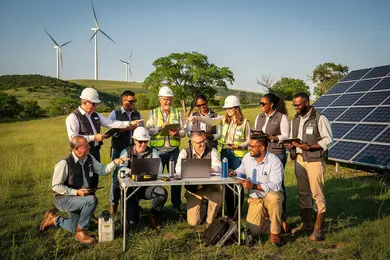
- Internships and cross-disciplinary project work boost job readiness by translating classroom knowledge into tangible outcomes, addressing employer demands for demonstrated problem-solving under field constraints.
- Key Things to Know About Environmental Management Skills Gap Key Things to Know About Environmental Management Skills Gap
- What Skills Do Employers Expect From Environmental Management Graduates? Employer Expectations
- What Do Environmental Management Degree Programs Typically Teach? Program Curriculum
- Where Is the Biggest Skills Gap Between Environmental Management Programs and Employers? Biggest Skills Gap
- Which Technical Skills Are Most Important for Environmental Management Careers? Technical Skills
- Which Workplace Skills Matter Beyond Technical Knowledge? Workplace Skills
- How Do Internships and Real-World Experience Improve Career Readiness? Career Experience
- How Can Students Close the Environmental Management Skills Gap Before Graduating? Closing Skills Gap
- How Is the Environmental Management Job Market Changing Employer Skill Requirements? How Is the Environmental Management Job Market Changing Employer Skill Requirements?
- How Do Different Environmental Management Programs Compare in Career Preparation? How Do Different Environmental Management Programs Compare in Career Preparation?
- How Should Students Choose a Environmental Management Program That Builds Career-Ready Skills? Choosing a Program
What Skills Do Employers Expect From Environmental Management Graduates?
Employers hiring environmental management graduates in 2024 expect more than just foundational knowledge; they seek a strategic blend of technical proficiency and interpersonal effectiveness. Data from Lightcast and the World Economic Forum reveals that over 70% of job openings prioritize expertise in both technical tools and professional communication, underscoring how multifaceted the role has become.
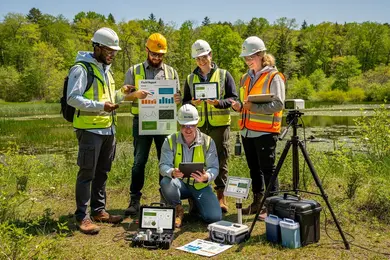
Graduates who navigate the intersection of regulatory frameworks, digital innovation, and collaborative leadership tend to advance more quickly and add more value. For example, a recent environmental consulting firm hired a graduate who combined strong GIS skills with project management experience to lead a multi-stakeholder watershed restoration, achieving both compliance and community engagement goals efficiently.
Below are key competencies consistently sought after by environmental management employers.
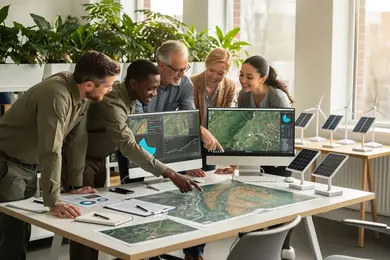
- Technical analysis expertise: Employers expect graduates to handle complex data sets using software like Geographic Information Systems (GIS) and environmental impact assessment tools. This skill enables informed decisions based on quantitative and spatial analyses, essential for regulatory compliance and sustainability reporting.
- Regulatory compliance knowledge: Understanding environmental laws and standards helps graduates advise organizations on legal requirements and avoid costly penalties. Typically honed through case studies and policy coursework, this knowledge ensures sustainable operational practices.
- Critical thinking and problem-solving: Navigating environmental challenges requires the ability to interpret ambiguous data and propose innovative solutions. Coursework combined with internships usually sharpens these skills, supporting effective decision-making in unpredictable real-world situations.
- Communication and collaboration: Clear presentation of technical findings and facilitation of cross-disciplinary teamwork are essential, especially when engaging with stakeholders from government, industry, and local communities. These skills often develop through group projects and professional writing assignments.
- Digital literacy and programming: Proficiency in languages like Python and environmental modeling software is increasingly demanded, reflecting the digitization of resource management. Such competencies enable automation and advanced simulations to optimize sustainability outcomes.
- Leadership and project management: Beyond technical execution, employers value graduates who can lead initiatives, manage timelines, and align diverse teams behind common environmental goals. Experiential learning and leadership roles in academic settings typically cultivate this capability.
- Cultural competence and ethical awareness: Navigating the social justice aspects of environmental policy is critical in globalized contexts. Graduates versed in ethical frameworks and community engagement practices enhance equitable and inclusive sustainability strategies.
Students exploring how to align with these standards may also consider 1-year online master's programs, which can efficiently build these in-demand competencies. Emphasizing these skills helps ensure that environmental management graduate skills employers expect are not only met but exceed typical entry-level benchmarks.
What Do Environmental Management Degree Programs Typically Teach?
Environmental management degree programs equip students with a range of skills that extend beyond foundational knowledge, preparing them for the complex challenges faced by today's environmental professionals. Although curricula place strong emphasis on scientific literacy and policy frameworks, they often underrepresent applied problem-solving and leadership capabilities essential for real-world impact.
For example, a graduate tasked with developing a community-driven wetlands restoration project must rely not only on ecological theory but also on stakeholder coordination and regulatory navigation, skills sometimes sparsely covered in traditional programs. The following list outlines key competencies typically emphasized in environmental management academic curriculum components.
- Core scientific knowledge: The curriculum frequently centers on ecology, conservation biology, and ecosystem dynamics, providing a foundation for understanding natural processes and human impacts. Over 85% of accredited programs integrate this core coursework, ensuring that graduates can interpret environmental data and natural phenomena accurately.
- Environmental law and policy: Students study domestic and international regulations, policy development, and compliance mechanisms. This emphasis helps graduates navigate the legal landscape governing natural resource use and sustainability efforts, which is crucial for roles in regulatory agencies or corporate compliance.
- Technical skills training: Many self-paced degrees incorporate tools such as Geographic Information Systems (GIS), environmental impact assessments, and data analysis methods. These skills support monitoring, reporting, and decision-making tasks in both public and private sectors, reflecting trends highlighted in the National Environmental Workforce Council's 2024 competency framework.
- Risk assessment and mitigation: Learning outcomes prioritize the ability to identify environmental risks and design strategies to minimize adverse effects. Mastery in this area enables professionals to develop actionable plans for pollution control, habitat protection, or disaster response.
- Soft skills development: Despite recognition of their importance, areas like project management, stakeholder engagement, and business acumen often receive limited curricular attention. These competencies are increasingly demanded by employers seeking to embed sustainability within organizational operations.
- Ethical and sustainability perspectives: Programs instill awareness of the moral dimensions of environmental decision-making, encouraging students to balance economic, social, and ecological priorities. This framework supports leadership roles aimed at fostering long-term community and ecosystem wellbeing.
- Practical application and experiential learning: Opportunities for internships or fieldwork vary widely, yet they remain critical for bridging theoretical knowledge with on-the-ground challenges. Students enhance employability by pursuing such experiences alongside academic study to augment problem-solving capabilities in complex environments.
Where Is the Biggest Skills Gap Between Environmental Management Programs and Employers?
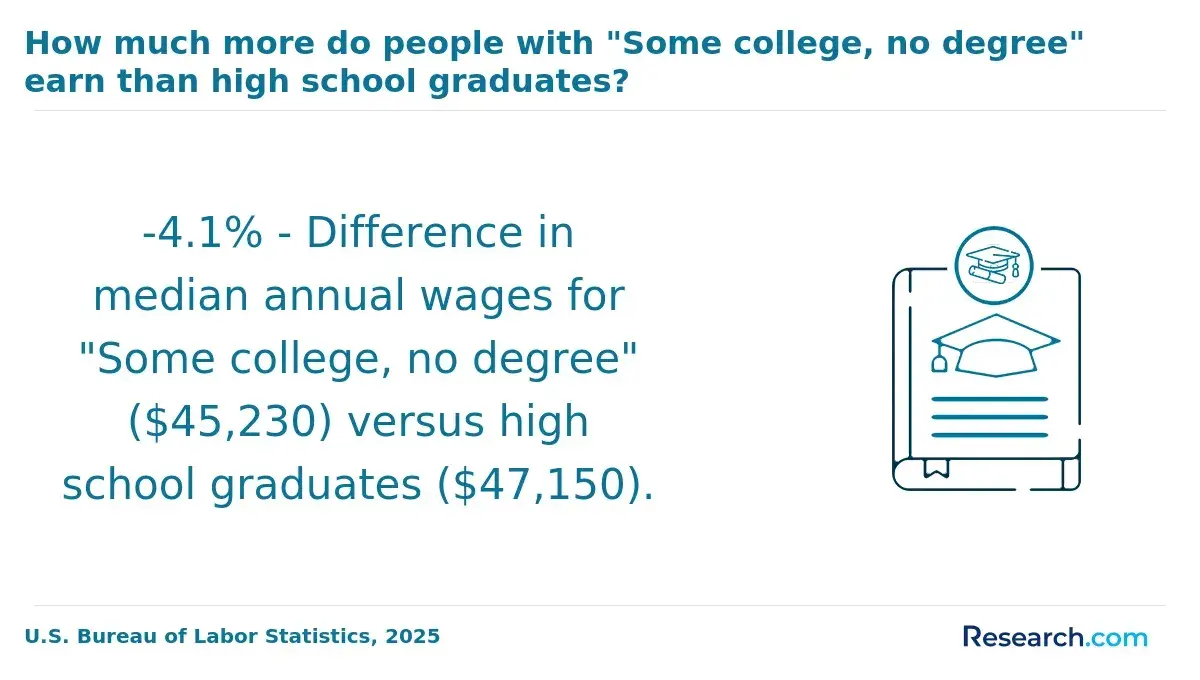
Recent data from the U.S. Bureau of Labor Statistics and the National Association of Environmental Professionals identify a clear mismatch between environmental management degree programs and employer expectations. While academic curricula prioritize foundational theory and regulations, employers consistently report deficits in practical, technical, and interpersonal capabilities needed on the job. This discrepancy suggests graduates often face a steep learning curve when entering the workforce.
Here are the primary areas where graduates tend to fall short and how students can address these gaps before graduation.
- Applied technical expertise: Graduates typically lack advanced skills in data analytics, GIS, and environmental informatics, all crucial for interpreting complex datasets that inform decision-making. This gap slows early career productivity and can be bridged through internships involving data-centric projects or industry-recognized certification programs in GIS and related tools.
- Interdisciplinary communication: Employers emphasize the need for professionals adept at navigating diverse stakeholder interests and translating technical findings into accessible language. Many programs insufficiently incorporate negotiation or adaptive leadership training, which students can supplement by engaging in interdisciplinary group work or workshops focused on stakeholder engagement.
- Practical sustainability innovation: There is a notable deficiency in graduates' ability to implement emerging technologies or circular economy concepts in operational settings. Since most curricula highlight theory over application, students should seek experiential learning opportunities that emphasize entrepreneurial thinking and real-world sustainability problem-solving.
While the skills gap varies by industry and employer, around 65% of surveyed employers in 2024 highlighted technical and communication skills as the most critical shortcomings among entry-level environmental management hires. This suggests an urgent need for degree seekers to proactively integrate applied experience alongside academic study to improve employability and accelerate career readiness.
One recent graduate shared how, despite excelling academically, they felt overwhelmed during their first role requiring GIS data mapping for a municipal sustainability project. Without prior hands-on experience, they initially struggled to translate classroom knowledge into actionable analysis for city officials. This experience prompted them to pursue additional certification and volunteer in community environmental initiatives, which ultimately built both confidence and credibility. Their story highlights how real-world application and targeted skill-building are essential supplements to traditional environmental management education.
Which Technical Skills Are Most Important for Environmental Management Careers?
Technical skills form the bridge between theoretical knowledge gained in environmental management programs and the practical demands faced by employers. As technologies evolve and environmental regulations become more complex, the competencies most valued by the workforce shift accordingly. Staying aligned with these trends helps graduates remain adaptable and effective in varied roles.
Recent data from the U.S. Bureau of Labor Statistics and the Environmental Protection Agency's 2024 survey show that over 70% of hiring managers prioritize specific technical proficiencies related to data analysis, spatial tools, and regulatory expertise. Below are core technical skills that consistently strengthen job readiness and foster career resilience.
- Environmental Data Analysis: Competence in interpreting diverse environmental datasets is crucial for informed decision-making on sustainability and risk mitigation. Coursework in statistics and hands-on experience with analytics software enables students to process complex information that supports real-world project assessments.
- Geographic Information Systems (GIS): GIS skills remain underrepresented in many curricula despite their importance for spatial mapping and resource management. Employers seek candidates adept at using GIS platforms to visualize environmental impacts, track changes, and optimize conservation efforts.
- Regulatory Compliance Knowledge: Mastery of key environmental laws such as the Clean Air Act and Clean Water Act is vital for navigating legal frameworks. This expertise allows managers to guide organizations in maintaining adherence to guidelines, thereby minimizing regulatory risks and liabilities.
- Environmental Impact Assessment (EIA): Understanding the EIA process helps professionals appraise potential consequences on ecosystems and communities before project approval, a critical skill for roles involving planning and sustainability review.
- Remote Sensing Technologies: Growing employer interest in remote sensing reflects its value in real-time monitoring of environmental conditions. Skills in utilizing satellite or drone data bolster an organization's capacity for responsive resource management.
- Sustainable Resource Management Software: Familiarity with emerging software tools that optimize the use of natural resources supports corporate sustainability objectives and long-term environmental stewardship.
- Industry-Standard Software Proficiency: Beyond specialized tools, practical experience with software widely used in environmental consulting, data reporting, and compliance management is often required. This ensures graduates can meet workplace expectations from day one.
Which Workplace Skills Matter Beyond Technical Knowledge?
Technical expertise in environmental management forms a crucial foundation, but career success increasingly hinges on a broader set of professional competencies. Employers consistently report that environmental management professional soft skills are often the deciding factor in candidate selection and job performance.
For example, a graduate adept in ecological data analysis may struggle to advance if they cannot clearly communicate findings to nontechnical stakeholders or adapt to shifting project priorities. This gap is underscored by a 2024 report from the U.S. Bureau of Labor Statistics, which highlights that over 60% of employers prioritize durable skills such as communication and critical thinking alongside disciplinary knowledge.
Below are some of the top interpersonal skills for environmental jobs that complement technical training.
- Effective Communication: Employers value the ability to distill complex environmental data into clear, concise language for diverse audiences, including policymakers and community groups. Students can build this skill through presentations and writing-intensive courses, enhancing long-term influence in multidisciplinary settings.
- Critical Thinking: Navigating ambiguous environmental challenges requires sharp analytical abilities and sound judgment. Coursework emphasizing case studies and problem-based learning can help develop this capacity, crucial for adaptive decision-making across regulatory shifts.
- Project Management: Coordinating timelines, budgets, and diverse teams demands strong organizational skills. Participating in collaborative projects or internships teaches practical management techniques essential for leadership roles.
- Strategic Adaptability: Rapid regulatory and sustainability practice changes require resilience and flexibility. Learning to adjust approaches based on evolving data and stakeholder priorities prepares graduates to remain relevant in dynamic environmental careers.
- Teamwork and Leadership: Environmental initiatives often involve cross-sector collaboration. Developing negotiation and consensus-building skills through group assignments or student organizations fosters effective leadership beyond technical expertise.
- Stakeholder Engagement: Building trust with community members, agencies, and private sector partners enhances project outcomes. Experiential learning opportunities that simulate or involve real-world interaction sharpen this skill.
To strengthen these workplace skills effectively, prospective students should consider programs that integrate experiential learning and interdisciplinary collaboration. Those seeking a flexible Education option might explore a master's urban planning online as a complementary pathway to broaden strategic and communication competencies relevant to environmental management careers.
How Do Internships and Real-World Experience Improve Career Readiness?
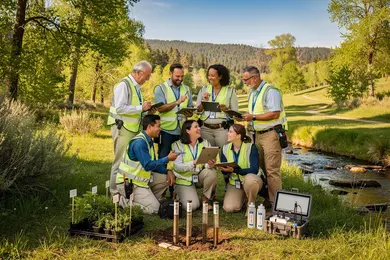
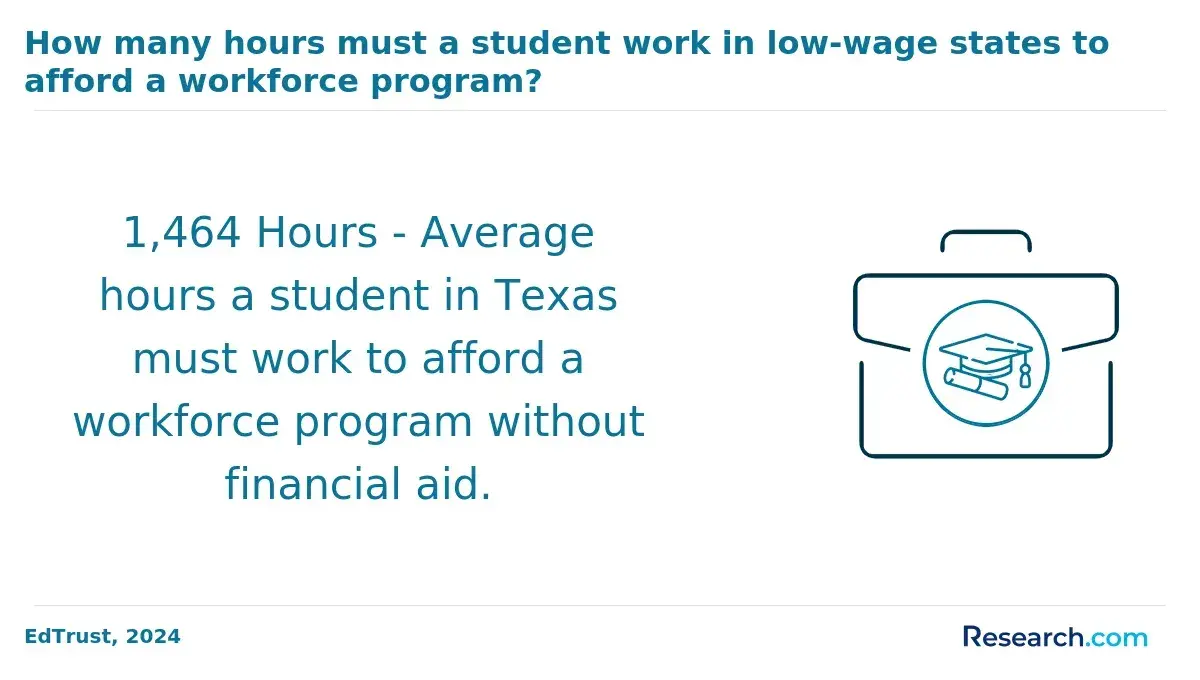
Classroom instruction in environmental management often falls short of fully preparing students for the demands of professional roles, as it tends to emphasize theory over the practical application required by employers. Real-world experience, such as internships or cooperative education, bridges this divide by allowing students to engage directly with workplace challenges, thereby building confidence and practical judgment.
This hands-on exposure also cultivates competencies in regulatory compliance, GIS data analysis, and stakeholder communication-skills that are frequently underrepresented in academic settings. According to a 2024 report by the National Association of Colleges and Employers, environmental management students who complete internships are 65% more likely to secure employment within six months of graduation, highlighting the measurable impact of experiential learning on job placement.
Beyond technical skills, internships help students grasp workplace expectations, professional communication, and networking within their industry. They offer critical opportunities to navigate the complexities of environmental policies and adapt to evolving technologies while fostering collaborative problem-solving. However, the scope and quality of experiential learning vary widely across programs and sectors, making it essential for students to be selective and strategic.
Participation in applied projects and reflection on these experiences enhance decision-making about career paths and skill development, reinforcing the link between academic knowledge and professional demands. Maximizing the benefits of internships requires early and intentional engagement, prioritizing placements aligned with specific career objectives. Building lasting professional relationships during these experiences can open doors to future opportunities and mentorship.
Students should continuously integrate insights gained from workplace settings with their academic progress and career planning efforts. While internships are a vital component of career readiness, they deliver the greatest advantage when combined with strong academic performance and ongoing skill enhancement in response to industry developments.
How Can Students Close the Environmental Management Skills Gap Before Graduating?
Students don't have to wait until after graduation to build the skills employers seek in environmental management. Integrating hands-on experience with academic study throughout the degree significantly raises the likelihood of securing a relevant job soon after finishing school. A 2024 report from the National Association of Colleges and Employers found that completing even one internship boosts job placement rates by 15% within six months of graduation, underscoring the tangible impact of experiential learning.
Students who actively pursue diverse, real-world opportunities position themselves far ahead of peers relying solely on coursework. Below are key strategies to effectively close the skills gap before earning a degree.
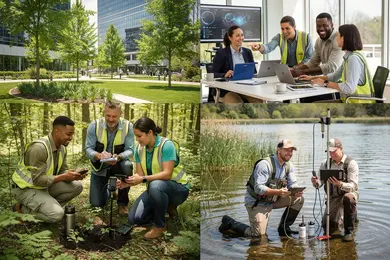
- Targeted internships: Pursuing internships directly related to environmental management provides exposure to workplace challenges and facilitates development of vital problem-solving and communication skills. These roles offer insight into industry norms and expectations that traditional classes rarely capture, improving job readiness.
- Faculty-guided research: Engaging in research projects enhances analytical thinking and technical proficiency, particularly when projects align with industry trends and receive close faculty mentorship. This involvement cultivates competencies in data interpretation and technology use highly valued by employers.
- Relevant certifications: Earning certifications in areas such as environmental compliance or GIS demonstrates specialized knowledge and commitment. Although certifications require extra investment, a 2024 workforce study found certified graduates receive job offers with starting salaries 8-12% higher on average.
- Project-based coursework: Participating in case studies and team assignments hones applied skills like adaptive thinking and collaboration. To fully meet employer needs, students should seek programs that regularly update curricula to include current regulatory and technological topics.
- Networking within the field: Building relationships with professionals and alumni can open doors to hidden opportunities and provide practical advice. Attending conferences, workshops, or industry events supplements formal education with real-world perspectives.
- Reflective skill-building: Students should actively evaluate and document their evolving competencies to identify gaps early. Setting specific, achievable goals for skill development ensures steady progress toward workforce readiness.
One graduate recounted initially feeling overwhelmed by the gap between academic theory and practical demands. Hesitant to commit time outside classes, they later secured a summer internship that exposed them to regulatory compliance work and collaborative problem-solving. This experience not only boosted confidence but illuminated areas needing improvement, prompting targeted coursework and certification pursuits. By graduation, they felt equipped to contribute effectively from day one, a stark contrast to the uncertainty they faced just a year earlier.
How Is the Environmental Management Job Market Changing Employer Skill Requirements?
The environmental management job market trends reveal a clear shift driven by technological innovation, regulatory changes, and growing global priorities in sustainability. Employers now seek candidates proficient in digital tools such as Geographic Information Systems (GIS), data analytics, and environmental modeling software. This evolution is influenced by the integration of automation and artificial intelligence in environmental problem-solving, demanding more sophisticated technical skills beyond traditional ecosystem management.
According to Lightcast data, the rising emphasis on green skills tied to net-zero initiatives and circular economy principles is transforming hiring practices, requiring environmental management graduates to adapt quickly or risk skill obsolescence. As employer skill demands in environmental careers broaden, success increasingly depends on combining technical expertise with strong interdisciplinary collaboration, project management, and communication abilities.
The World Economic Forum stresses that environmental managers must navigate complex stakeholder relationships across corporate, governmental, and community sectors, highlighting the need for leadership and negotiation skills alongside digital literacy. This shift means continuous learning and practical experience from internships or applied projects become as critical as formal education. Students enhancing their foundational courses with certifications in data analysis or sustainability reporting and engaging in professional networking are better positioned to meet evolving employer demands in this competitive labor market.
Recognizing these trends, prospective environmental management students should consider supplementing degrees with real-world experience and targeted skill development. A typical scenario might involve a graduate who, beyond core curriculum, acquires certifications and internship experience to proficiently handle both regulatory compliance and advanced environmental software tools.
These combined competencies improve adaptability and career resilience. For those interested in technical career outcomes, comparing fields such as electrical engineering can offer insights, as outlined in research on online electrical engineering career outcomes, where similar workforce shifts emphasize technology integration and lifelong learning.
How Do Different Environmental Management Programs Compare in Career Preparation?
Career preparation in environmental management degree programs extends far beyond the degree title or general curriculum descriptions. Recent evidence from the U.S. National Center for Education Statistics shows that program effectiveness in career readiness hinges on practical skill development, interdisciplinary content, and industry engagement.
For example, a graduate from two programs with identical degree titles may experience vastly different job outcomes depending on hands-on training and employer connections offered. Understanding this complexity helps prospective students choose programs aligned with their learning preferences and career goals, avoiding reliance on reputation alone.
Below are key comparators to guide evaluation of environmental management degree programs.
- Experiential Learning Integration: Programs that embed internships, cooperative education, or field-based projects provide essential real-world exposure valued by employers. Data indicate that students in such programs achieve higher job placement rates, making this a critical factor to assess beyond classroom theory.
- Technical Skills Emphasis: The presence of courses teaching applied skills like GIS mapping, environmental compliance, and sustainability project management differentiates programs. Candidates should evaluate curriculum details to ensure alignment with current employer demands rather than solely theoretical coursework.
- Industry Partnerships and Networking: Active collaboration with businesses and regulatory bodies facilitates relevant curriculum updates and job placement support. Prospective students should look for programs that cultivate these relationships to boost workforce readiness.
- Emerging Competencies Inclusion: Coverage of regulatory updates, technological advancements, data analytics, and cross-sector communication techniques better prepare graduates for evolving workplace challenges. Programs neglecting these areas risk leaving skill gaps impacting employability.
Alongside these factors, students might also compare specialized offerings relevant to their interests-for instance, understanding how an environmental management program integrates sustainability with forensic science principles can increase versatility. For those interested in hybrid or fully online options, reviewing resources like the forensic science online degree can offer insights into flexible interdisciplinary approaches applicable within environmental management fields.
How Should Students Choose a Environmental Management Program That Builds Career-Ready Skills?
Choosing between online, hybrid, and campus environmental management programs involves weighing long-term advantages related to skill development, networking, and workforce readiness. Each format aligns differently with diverse learner needs and career goals. Below are key long-term factors to consider when selecting a path that best supports applied competencies and employability.
- Career Networking Opportunities: Campus programs often provide richer face-to-face interactions with peers, faculty, and industry professionals, fostering lasting connections. Hybrid formats blend in-person and virtual engagement, while online students need to proactively seek networking, which may limit informal mentorship but offers flexibility for remote learners.
- Applied Skill Development: Programs incorporating hands-on projects and internships show higher employment rates, with campus and hybrid formats typically offering more experiential learning. Online formats can deliver strong theoretical foundations but require self-discipline to secure practical experience independently.
- Adaptability to Workforce Changes: Hybrid and online programs frequently update curricula faster due to digital delivery, equipping students with timely skills in data analysis and sustainability practices, crucial per 2024 research by the Environmental Protection Agency. Campus programs may lag but excel in comprehensive soft skills training.
- Time to Employment: Graduates from experiential-rich hybrid and campus programs typically find jobs faster, often within six months, according to National Center for Education Statistics data, reflecting enhanced real-world readiness versus predominantly theoretical online cohorts.
- Flexibility vs. Structure: Online formats offer unmatched scheduling flexibility, benefiting working adults and career changers. Campus environments suit learners who thrive on direct supervision and routine, while hybrid offers balanced structure accommodating diverse lifestyles.
- Curriculum Breadth and Depth: Campus and hybrid programs often provide interdisciplinary skill sets integrating environment law, risk assessment, and communication more thoroughly. Online offerings may focus narrowly, requiring additional certifications for specialized roles.
- Professional Resource Access: Advisory boards and alumni networks linked to campus-based programs tend to provide ongoing career support, whereas online students must leverage virtual communities and institutional outreach proactively to achieve similar benefits.
References
- Sustainable Learning: The Green Jobs Market Landscape https://www.encoura.org/resources/wake-up-call/sustainable-learning-the-green-jobs-market-landscape/
- Building Green Skills to Support Sustainable Economic Transition in the Workplace https://ejournalisse.com/index.php/isse/article/view/133
- The Value Of Soft Skills In Today's Work Environment https://kuey.net/index.php/kuey/article/download/6507/4764/13075
- 10 Most Important Soft Skills in the Workplace https://zoetalentsolutions.com/soft-skills-in-the-workplace/
- Academic Programs | Environmental Science | Ateneo de Manila University http://www.ateneo.edu/sose/es/academics
- What is the green skills gap (and why does it matter)? https://www.ube.ac.uk/whats-happening/articles/green-skills-gap/
- Top 12 Environmental Manager Skills to Put on Your Resume https://resumecat.com/career/environmental-manager/skills
- How to hire Environmental Manager: 2025 Guide https://ehscareers.com/employer-blog/how-to-hire-environmental-manager-2025-guide/
- Discover your sustainability skills gaps https://www.isepglobal.org/campaign-landing-pages/discover-your-sustainability-skills-gaps/
- MSc Environmental Management vs a Management Route: Where Each Degree Excels in 2026 https://sumas.ch/blog/msc-environmental-management-where-it-excels-and-when-to-choose-a-management-route/
Other Things You Should Know About Environmental Management
The intensity and balance of coursework in environmental management programs significantly influence how well students handle multifaceted real-world problems. Programs that emphasize extensive theoretical knowledge without integrating applied projects or case studies often leave graduates underprepared for the nuanced, interconnected nature of environmental issues employers face. Prioritizing programs that embed practical scenarios within a manageable workload can better equip students to navigate complexity without burnout or oversimplification.
Choosing between breadth and depth involves tradeoffs: broader curricula develop versatile thinkers who can collaborate across sectors, while specialized training sharpens expertise in critical technical areas. Employers increasingly value both, but resource and time constraints mean students should carefully evaluate their career goals. A recommendation is to focus on programs offering a strong interdisciplinary foundation supplemented by targeted specialization, enabling adaptability without sacrificing technical competence.
Many environmental management degrees still underemphasize critical soft skills like communication, negotiation, and stakeholder engagement, despite their importance to employers. This gap can hinder graduates when transitioning from academic settings to collaborative professional environments. Students should proactively seek experiences-through extracurriculars, workshops, or internships-that cultivate these abilities, as program curricula alone often don't fully address this practical need.
While environmental management degrees lay foundational knowledge, relying solely on them may not suffice given employer expectations for specialized competencies or updated regulatory knowledge. Pursuing relevant certifications can enhance employment prospects by signaling commitment and practical skill elevation. However, students must balance this with degree demands; prioritizing certifications closely aligned with immediate career paths is advisable to avoid overwhelming workloads and maximize return on effort.