2027 Environmental Management Affordability by State: Where Students Pay the Most and Least

Co-Founder and Chief Data Scientist
Choosing between two environmental management programs can hinge on stark tuition disparities that threaten a student's financial stability. For example, a state university's in-state tuition might be less than half that of a neighboring state's out-of-state rate, yet higher living costs could offset these savings.
Recent 2024 data shows that students in states with aggressive tuition hikes borrowed 8% more on average, signaling uneven affordability pressures linked to state policies. Such differences reshape student decisions, compelling careful scrutiny beyond sticker price to total cost of attendance and debt risk. This article examines environmental management affordability by state, guiding readers to identify where pursuing the degree is most and least financially viable.
Key Things to Know About Environmental Management Affordability by State
- States with lower published tuition often have higher living costs, negating savings; for example, a 2024 NCES report highlights that total attendance disparities impact true affordability more than sticker prices alone.
- In-state rates significantly reduce borrowing needs, yet programs in states with stronger environmental sectors may command premiums reflecting employer demand and regional workforce alignment.
- Online options vary widely; while they reduce relocation cost, some require longer study periods, increasing overall expenses and potentially delaying entry to the workforce in environmental management fields.
- Key Things to Know About Environmental Management Affordability by State Key Things to Know About Environmental Management Affordability by State
- Which States Have the Most Affordable Environmental Management Degree Programs? Most Affordable State Programs
- Which States Have the Highest Environmental Management Degree Costs? Highest State Tuition Costs
- How Much Does a Environmental Management Degree Cost by State? Degree Costs by State
- Why Does Environmental Management Affordability Vary So Much Between States? State Affordability Variations
- How Do In-State and Out-of-State Tuition Rates Affect Environmental Management Affordability? In-State vs. Out-of-State Rates
- How Does the Cost of Living Impact Overall Environmental Management Affordability by State? Living Costs and Affordability
- Which States Offer the Best Value for a Environmental Management Degree? Best Value State Degrees
- What Financial Aid and Scholarship Opportunities Can Reduce Environmental Management Costs? What Financial Aid and Scholarship Opportunities Can Reduce Environmental Management Costs?
- Are Online Environmental Management Degree Programs More Affordable Than On-Campus Options? Are Online Environmental Management Degree Programs More Affordable Than On-Campus Options?
- Is a Environmental Management Degree Worth the Cost Based on Career Outcomes and ROI? Degree ROI and Outcomes
Which States Have the Most Affordable Environmental Management Degree Programs?
States that consistently offer the most affordable environmental management degree programs do so because of a combination of sustained public higher education funding, residency benefits, and local economic conditions that reduce overall costs for students. For instance, Wyoming's investment in higher education results in average annual tuition around $4,200, well below the national average, substantially easing financial pressures for residents. This funding pattern often translates into more accessible programs with lower out-of-pocket expenses, but it also means students must consider residency status closely since in-state tuition advantages heavily influence affordability. Prospective enrollees weighing cross-state options may encounter tradeoffs where cheaper tuition in one state offsets increased living or relocation costs, emphasizing that affordability extends beyond sticker price alone.
In practice, these differences shape enrollment decisions and degree completion strategies. Oklahoma's recent boost in state grants targeted at STEM and environmental fields illustrates how financial aid can directly impact low-income students' ability to pursue environmental management degrees, shifting the calculus of where and how to study effectively. Moreover, regional cost of living plays a pivotal role; states in the Midwest and Southern U.S. typically offer lower housing and transportation costs, which combined with in-state tuition reciprocity agreements like those in New Mexico, broaden affordable access for nearby residents. Budget-conscious learners should also investigate institutional delivery models, as a growing share of programs incorporate online or hybrid formats to further reduce expenses. Cost considerations in these states influence long-term educational value and workforce readiness in environmental management careers, affecting both immediate financial burden and future employability outcomes.
For students balancing cost with quality and career goals, understanding where the top states for low-cost environmental management education intersect with strategic financial aid and infrastructural support is essential. Comparing these factors alongside tuition gives a clearer picture of real affordability rather than relying solely on headline costs. Additionally, those interested in flexible and affordable study options may find parallels with resources like the most affordable MSW programs online, which highlight how targeted program delivery can maximize cost efficiency. Ultimately, decisions about where to earn a degree in environmental management should integrate an analysis of state-level policies, funding patterns, and economic realities to align educational investment with practical career outcomes.
Which States Have the Highest Environmental Management Degree Costs?
Higher costs for environmental management degrees in certain states primarily stem from the interplay of tuition rates, state funding policies, and regional living expenses rather than simply institutional reputation. States with limited public program availability often push students toward costly private or out-of-state options, which can sharply inflate total expenses. Additionally, urban centers with high living costs amplify the financial burden, sometimes doubling tuition costs when housing and daily expenses are factored in. According to the College Board's 2024 data, living expenses in cities like San Francisco and Boston can surpass tuition itself, intensifying the tradeoff between the educational opportunities and the debt incurred.
Public funding cuts in states like Massachusetts compel universities to raise tuition, disproportionately affecting students without in-state residency, who face steep out-of-state fees-in some cases exceeding double the in-state rate. This dynamic forces many to weigh relocating or enrolling in online programs against paying premium prices. However, higher costs do not always translate to better long-term returns, especially since environmental management job markets are dispersed and often available in lower-cost regions. Prospective students must critically assess if access to renowned faculty or research centers justifies the financial commitment compared to more affordable alternatives that still offer viable career pathways.
A graduate recalled spending months comparing tuition and living costs before deciding against a prestigious Northeast program due to hefty out-of-state fees and limited financial aid, even though the program boasted strong faculty credentials. The student considered enrolling in their home state's smaller public option but hesitated over perceived reputational differences. After evaluating remote learning offerings, unexpected travel costs, and scholarship availability, they cautiously chose an in-state online environmental management degree, prioritizing manageable debt over the allure of high-cost institutions. This decision reflected a careful balance of affordability, program quality, and personal financial risk.
How Much Does a Environmental Management Degree Cost by State?
Cost disparities for environmental management degrees closely follow state-level distinctions in public versus private institution pricing, with public in-state tuition often costing just a fraction of private or out-of-state rates. For instance, according to the 2024 National Center for Education Statistics data, annual tuition at public universities can be under $6,000 in states like Wyoming, whereas private schools in California may exceed $45,000. This gap forces students to weigh the financial feasibility of attending local public programs against more expensive private options, factoring in potential debt and long-term repayment pressures. Such decisions are further complicated by limited program availability in some states, pushing students to consider relocation, higher borrowing, or online study alternatives.
Beyond tuition, regional cost-of-living variations significantly influence the total financial burden, especially in high-expense states like Massachusetts and New York where housing and daily costs can effectively double net expenses. Conversely, states with lower living costs, such as Mississippi or Arkansas, may offer more financially sustainable paths, even with moderate tuition fees. Additionally, state-sponsored financial aid and scholarship programs create uneven net price landscapes, impacting accessibility for in-state students; for example, Georgia and Texas provide sizable supports that can offset sticker prices but require navigating complex eligibility criteria. These layered factors not only shape enrollment choices but also define the affordability calculus students must use when planning their environmental management education and subsequent career investment.
Why Does Environmental Management Affordability Vary So Much Between States?
Variations in state funding for public universities largely drive environmental management degree cost differences by state, shaping tuition affordability for residents. States that sustain higher per-student appropriations tend to offer significantly lower tuition rates, allowing in-state students to pursue degrees with less financial strain. Conversely, tightening budgets push costs onto students, disproportionately impacting those enrolled in states with high living expenses like California or New York, where elevated operating costs translate into markedly higher fees.
Residency policies amplify these disparities; states with generous differential tuition rates encourage local enrollment by discounting resident costs, while out-of-state and international students face steep premiums. The Integrated Postsecondary Education Data System (IPEDS) 2024 data illustrates that states employing aggressive resident tuition subsidies often experience increased public environmental management program enrollment, influencing student decisions to remain in-state or seek online alternatives. Concurrently, uneven availability of state and institutional financial aid further complicates net affordability, often compelling budget-conscious learners to weigh transfer options or cross-border programs. Budget constraints and policy settings ultimately affect how students balance financial realities with education goals, underscoring the importance of nuanced cost assessment in planning an environmental management education path.
Cost considerations also shape broader student strategies, including exploring best online cyber security degrees as part of interdisciplinary or backup plans to mitigate financial risk. Economic and policy frameworks at the state level thus determine not only upfront tuition but also long-term accessibility and workforce pipeline dynamics in environmental management fields.
How Do In-State and Out-of-State Tuition Rates Affect Environmental Management Affordability?
Residency-based tuition differences profoundly shape the financial calculus for students pursuing an environmental management degree, often outweighing other cost factors like fees or living expenses. Public universities typically charge in-state students around $10,500 annually, whereas out-of-state students face rates averaging over $27,000, according to the National Center for Education Statistics in 2024. This more than doubling of tuition can prompt students to weigh relocation against paying a substantial premium or seek programs offering regional reciprocity discounts, such as those available through the Western Undergraduate Exchange. For many, eligibility to reclassify residency or enroll in online programs with flat tuition becomes a strategic consideration that directly influences both total out-of-pocket costs and where they can practically train for careers in environmental management.
While private institutions usually have a uniform tuition regardless of residency, their higher sticker prices often exceed in-state public tuition, demanding a thorough assessment of financial aid packages versus potential long-term debt. The interaction between tuition differentials and state funding policies means that students must anticipate both immediate and ancillary expenses like relocation, which can erode savings gained from lower tuition if not managed carefully. Those navigating these tradeoffs also find that some regional agreements partially narrow costs, but these options are uneven in availability and scope, making geographic mobility a crucial factor in educational planning for environmental management fields where local environmental knowledge and regional employer networks may matter for job placement.
One environmental management student struggled with whether to pay out-of-state tuition after moving to a neighboring state for better internship opportunities. Although eligible for residency under state rules after a year, administrative delays forced an additional semester at the higher rate. "It felt like I was caught between paying premium tuition and risking falling behind on crucial experience," they recalled, highlighting how delays in residency determination and financial planning uncertainties can complicate affordability decisions beyond just sticker prices. This experience emphasizes that residency status is not solely a financial designation but a practical factor influencing timing, workload, and overall educational strategy in environmental management programs.
How Does the Cost of Living Impact Overall Environmental Management Affordability by State?
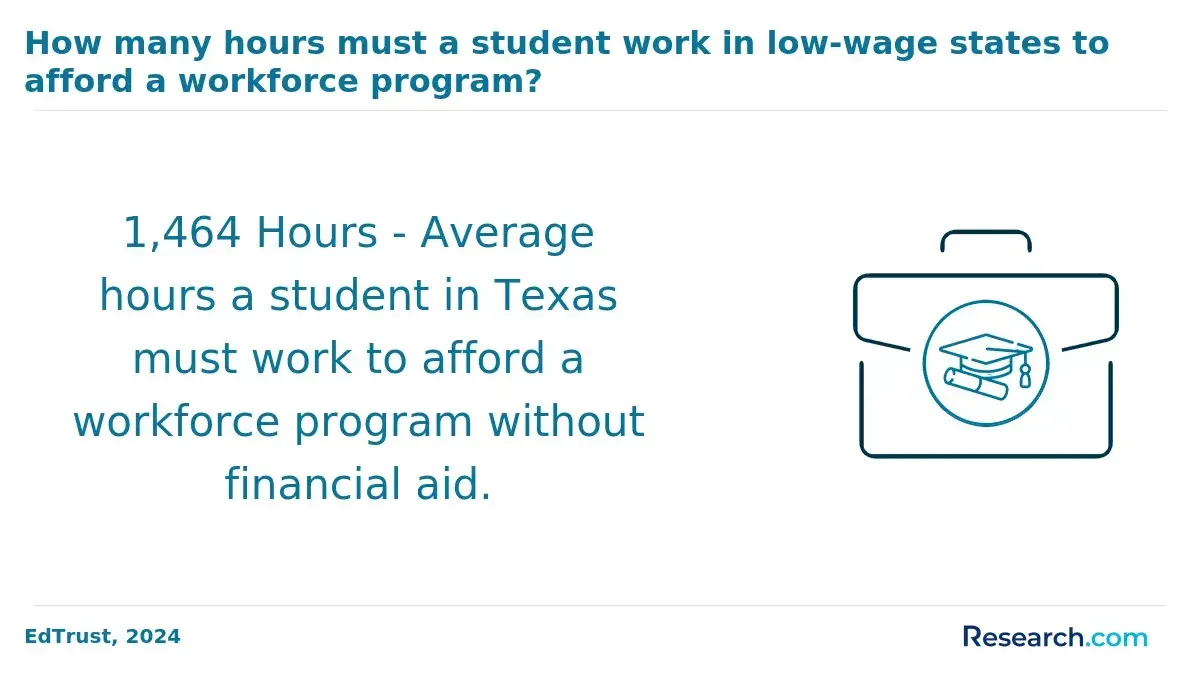
Housing and transportation expenditures often exceed tuition costs in determining where pursuing an environmental management degree becomes financially viable. For example, students in California facing average rents above $1,500 monthly must budget far more than peers paying under $800 in states like Mississippi, even if tuition is similar. These regional living expenses impact decisions on whether to attend in-state, commute, or seek online options, as cost pressures may compel students to work longer hours, risking academic progress. Understanding such cost-of-living and environmental management degree affordability by state is crucial for realistic financial planning and minimizing debt exposure.
The variation in food and healthcare costs, though less dramatic, further influences total educational expenses, particularly in states with expensive local insurance markets or higher food prices. Additionally, transportation costs fluctuate based on urban density and campus accessibility, shaping commuting feasibility and potentially increasing time and monetary burdens. Students weighing these factors alongside tuition may also explore alternatives like 6 week college courses online to reduce costs. Recognizing the regional living expenses impact on environmental management education costs helps map out an optimal balance between educational quality and financial sustainability.
Which States Offer the Best Value for a Environmental Management Degree?
Deciding which state offers the best value for a environmental management degree requires looking beyond just tuition rates to factors like residency-based tuition policies, degree completion efficiency, and local job market strength. For example, a student considering North Carolina benefits from below-average in-state tuition combined with a graduation rate surpassing 66%, which can reduce overall debt by limiting time to degree. Meanwhile, states like Florida offer broad access to merit- and need-based financial aid, helping lower the average debt burden for graduates even when sticker prices appear comparable to other regions. The difference in state public funding approaches also affects how quickly tuition rises, ultimately influencing long-term affordability more than initial cost alone.
Regional workforce conditions further complicate the calculus since environmental management graduates in states such as Arizona may face higher tuition but enjoy stronger employment opportunities due to growth in local green industries. Conversely, states like Iowa and Wisconsin provide low tuition and solid graduation outcomes but may offer fewer jobs aligned with environmental management, potentially extending post-graduation job searches or necessitating relocation. Students who qualify for in-state tuition, whether through residency or enrollment patterns like online study, must weigh these conditions carefully, as choosing a lower-cost state with weak job prospects can undermine long-term return on investment. Considering these variables alongside tuition, student debt trends, and completion rates-as noted in recent data from the National Center for Education Statistics and College Scorecard-guides a more nuanced and financially prudent decision.
What Financial Aid and Scholarship Opportunities Can Reduce Environmental Management Costs?
Financial aid availability significantly shapes the real cost of pursuing an environmental management degree, with federal, state, and institutional support varying widely in impact depending on location and student profile. Federal grants like the Pell Grant provide essential need-based funding that does not require repayment, benefiting lower-income students regardless of residency, yet these often cover only partial costs. For instance, a student in New York may combine Pell aid with robust state grants and tuition reciprocity programs to reduce their out-of-pocket expenses substantially, whereas a counterpart in a state with limited reciprocity or weaker state aid might confront much higher net tuition despite receiving the same federal assistance. These geographic and policy nuances are critical for budgeting and require careful attention to residency requirements and application deadlines to maximize aid stacking opportunities.
Institutional scholarships tend to favor students demonstrating academic merit or leadership in sustainability but often fail to offset living costs and fees, introducing hidden financial burdens. Additionally, employer tuition benefits, increasingly offered by environmental agencies or firms, can influence affordability for part-time students, though these are contingent on continued employment and sector stability, presenting a risk if job situations change. According to a 2024 report from the National Center for Education Statistics, nearly 85% of environmental science-related program enrollees receive some financial aid, underscoring broad potential access but also emphasizing that total cost reduction is uneven and tied closely to strategic planning around aid eligibility, state policies, and realistic employment prospects during and after study.
Are Online Environmental Management Degree Programs More Affordable Than On-Campus Options?
Tuition pricing for online environmental management degrees cost comparison reveals nuanced affordability dynamics that challenge assumptions about straightforward savings. While in-state online tuition at public institutions can be up to 25% lower than comparable on-campus rates, this gap narrows or even reverses in private and out-of-state programs with similar or higher fees. Students must weigh tuition against additional expenses: on-campus attendance incurs significant housing, transportation, and meal plan costs rarely faced by online learners, while online students often absorb technology-related expenses and may juggle full-time employment, affecting opportunity costs differently. These tradeoffs impact the real economic value of the degree depending on personal circumstances.
Availability and structure of financial aid also play a critical role in affordability evaluations. Online students frequently receive less institutional support but may qualify for federal aid programs tailored to non-traditional or part-time enrollment, reflecting common online enrollment patterns. Residency policies further complicate cost comparisons-many online environmental management programs offer flat tuition regardless of student location, which can benefit out-of-state learners facing higher on-campus fees but may disadvantage in-state candidates used to reduced rates. Prospective students should analyze these variables alongside program delivery models to determine how they influence total cost and access to aid.
For budget-conscious learners seeking affordable online environmental management programs in the United States, understanding these distinctions is essential. The decision to pursue an online degree versus on-campus study is context-dependent, made clearer through detailed cost assessment and awareness of how non-tuition factors shape financial burdens. Those balancing education with work commitments might benefit from online flexibility, but must account for technology expenditures and varied aid availability. For further insight into effective career transitions relevant to such decisions, reviewing pathways like moving from teacher to SLP can provide valuable perspective on managing complex educational choices.
Is a Environmental Management Degree Worth the Cost Based on Career Outcomes and ROI?
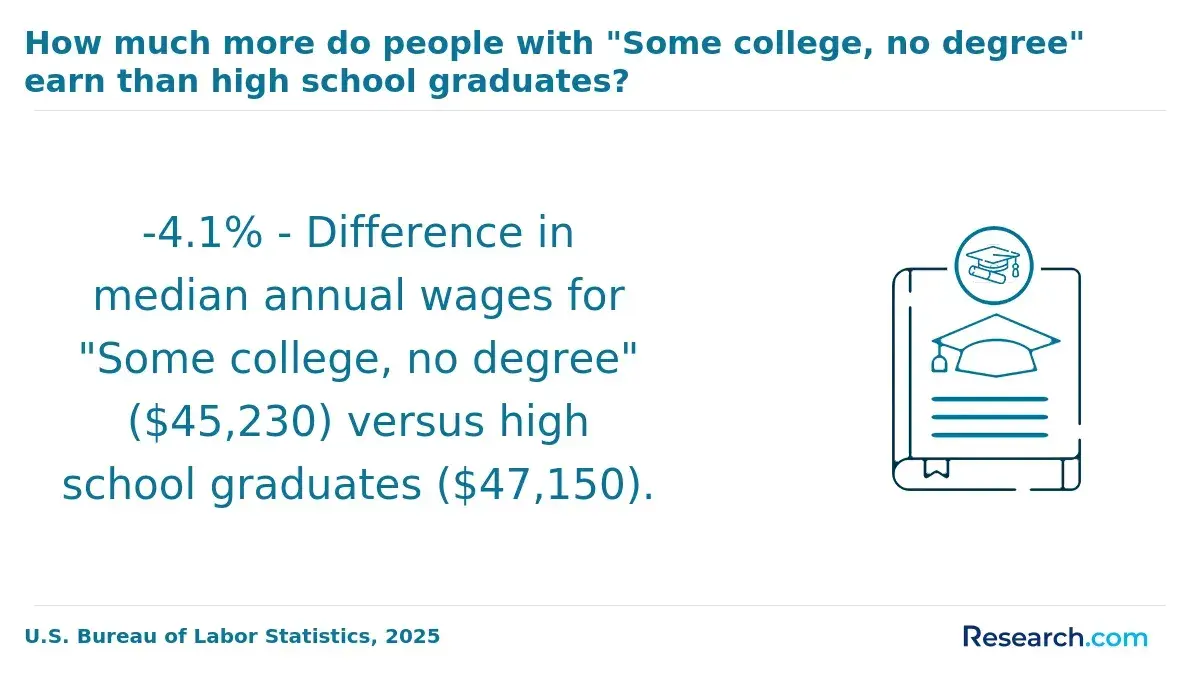
Assessing the value of an environmental management degree requires weighing tuition affordability against real-world career outcomes, particularly given the wide variation in costs and job markets across states. Students in lower-cost states like Florida or Texas often experience better returns, as their reduced debt burdens align with regional demand for expertise in energy and compliance roles. In contrast, those attending higher-cost institutions in states such as California may face heavier loan burdens-sometimes exceeding $30,000-dampening net earnings despite strong salary prospects. Such financial considerations should be evaluated alongside graduation rates; institutions with completion rates above 70% generally offer stronger ROI by limiting extra semesters and preventing further loan accumulation.
Salary prospects for environmental management graduates also differ notably by location and sector, with median starting salaries ranging from $45,000 to $60,000 according to the National Center for Education Statistics. This geographic wage variation highlights the importance of factoring in regional labor market strength and opportunity costs when evaluating degree worth. Beyond financial measures, the alignment with personal and professional objectives is crucial, as higher job satisfaction and meaningful work in fields like urban planning or environmental science can substantively influence long-term value.
Prospective students should thus critically compare the overall educational investment-not only tuition but also potential debt, degree completion likelihood, and local demand-to assess the true return of their environmental management degree. Ultimately, environmental management degree return on investment in the United States hinges on an intricate balance of cost, career outcomes, and personal goals, making the decision far from uniform across different states and institutions.
Students exploring related earth-science career paths may also want to consider an online geology degree, which offers a comparable field of study with its own regional demand and salary considerations worth weighing alongside environmental management.
References
- Masters in Environmental Management in USA | MS in Environmental Management in USA | GoUSA https://www.gousa.study/ms-in-environmental-management-in-usa
- 2025 Most Affordable Online Environmental Science Master's Degrees https://www.onlineu.com/most-affordable-colleges/environmental-science-masters-degrees
- 53 Income related Environmental Management Scholarships available in the UK https://www.hotcoursesabroad.com/study/international-scholarships/uk/qn/environmental-management/income-related/all/210/qid/l23/1170/nty/scholarship.html
- How Much Do Environmental Graduate Programs Cost? https://www.cjbnetwork.com/articles/how-much-do-environmental-graduate-programs-cost
- The 3 pillars of sustainability: environmental, social, and economic https://www.enel.com/learning-hub/sustainable-development/three-pillars-sustainability
- Careers in Environmental Management: An Overview https://www.columbiasouthern.edu/blog/blog-articles/2023/june/environmental-management-career-path/
- Study Environmental Management Abroad - Top Universities for Masters, MBA, PhD Degree Programs https://studee.com/degree/abroad/environmental-management
- Cost of Online College vs. Traditional | Champlain College Online https://online.champlain.edu/blog/cost-of-online-education-vs-traditional-education
- Is College Worth it? | Return on Investment Analysis of College Degree https://educationdata.org/college-degree-roi
- The Effects of Rising Student Costs in Higher Education - Ithaka S+R https://sr.ithaka.org/publications/the-effects-of-rising-student-costs-in-higher-education/
Other Things You Should Know About Environmental Management
Not necessarily. Some states with more affordable tuition offer programs that maintain strong employer connections and emphasize practical skills valued in the environmental management field. However, prospective students should critically assess whether lower costs align with the availability of specialized courses, internships, and industry networks that support long-term career growth. Affordability may also mean larger class sizes or fewer elective options, so balancing cost with program strengths is crucial.
States vary in how environmental management programs structure their curriculum, which impacts both the time and financial investment required. Programs emphasizing extensive fieldwork or research components could increase ancillary costs like travel and materials, potentially offsetting lower tuition fees. Students should factor in these hidden expenses and program demands, as lighter course loads with online options might cost more upfront but reduce time to degree and overall expenses.
Yes, career outcomes materially affect the return on investment in an environmental management degree. States with higher tuition but strong employer ties and job placement support can justify the cost through better access to internships and professional opportunities. Budget-conscious students should prioritize programs with demonstrated professional pathways, even if tuition is slightly higher, to improve chances of timely employment and salary gains post-graduation.
Regional environmental industries directly influence both program relevance and graduate employment rates. Students in states with active environmental sectors often find more affordable internships and job placements due to local demand. Prioritizing states where industry aligns well with program focus can enhance cost-effectiveness by minimizing relocation needs and unpaid practicum periods, thereby improving both educational and economic outcomes.