2027 Environmental Management Job Market Report: Open Roles, Salary Bands, and Hiring Momentum

Co-Founder and Chief Data Scientist
The environmental management labor market reflects complex shifts driven by regulatory changes and technological integration shaping employer priorities. Open roles and salary bands reveal more than demand; they signal evolving skill sets emphasizing data analytics, sustainability compliance, and interdisciplinary expertise. Geographic concentration of jobs often aligns with policy hubs or regions facing acute environmental challenges, while credential expectations intensify as agencies and firms seek validated competencies. Hiring momentum fluctuates with investment cycles in green infrastructure and environmental remediation, underscoring realignment in workforce composition. Observing these patterns highlights talent constraints in specialized areas and suggests the profession's gradual transformation toward tech-enabled, policy-responsive roles.
This article examines open roles, salary ranges, and hiring trends within environmental management as indicators of broader industry evolution. Understanding these metrics within contextual factors such as organizational restructuring and workforce demographics clarifies why labor market conditions here diverge from other fields.
Salary growth and vacancy rates alone do not capture the ongoing recalibration of employer expectations or the discipline's adaptive capacity. The age distribution of entrants further suggests shifts in education access and professional trajectories, signaling changing workforce needs and potential barriers impacting future environmental management practitioners.
Key Things to Know About the Environmental Management Job Market
- Job openings in environmental management increasingly require hybrid skills in data analysis and regulatory knowledge, limiting access for those without multidisciplinary training and raising the opportunity cost for purely technical graduates.
- Employers prioritize candidates with practical experience in sustainability reporting, reflecting industry moves toward transparency but creating hiring friction for entry-level applicants with academic credentials alone.
- Recent 2024 labor trends show steady growth, yet slower wage escalation signals cautious hiring budgets, compelling students to balance extended education investments against long-term salary progression.
- Key Things to Know About Environmental Management Job Market Key Things to Know About Environmental Management Job Market
- How Strong Is Demand for Environmental Management Graduates in Today's Job Market? Demand for Graduates
- Which Environmental Management Careers Have the Most Open Job Opportunities? In-Demand Careers
- What Salary Bands Are Employers Offering Across Environmental Management Careers? Offered Salary Bands
- Which Industries Are Hiring the Most Environmental Management Graduates? Top-Hiring Industries
- How Does Hiring Demand Vary by State, Region, and City? Hiring Demand by Location
- What Skills Are Employers Prioritizing in Environmental Management Job Postings? In-Demand Skills
- Which Certifications Increase Employability and Salary Potential? High-Value Certifications
- How Do Remote and Hybrid Opportunities Affect the Environmental Management Job Market? How Do Remote and Hybrid Opportunities Affect the Environmental Management Job Market?
- Which Environmental Management Careers Show the Strongest Long-Term Hiring Momentum? Strongest Careers
- How Can Students Use Job Market Data to Make Better Career Decisions? How Can Students Use Job Market Data to Make Better Career Decisions?
How Strong Is Demand for the Environmental Management Graduates in Today's Job Market?
Current labor market data, including projections from the U.S. Bureau of Labor Statistics, indicate that environmental management jobs' growth in North America is maintaining a steady upward trajectory, with an estimated 8-10% increase expected through the late 2020s. Insights from LinkedIn's 2024 Workforce Report reinforce this trend, highlighting consistent hiring momentum for entry-level roles in environmental project coordination and compliance analysis.
However, demand now favors candidates who blend environmental management education with practical experience and interdisciplinary skills such as GIS, programming, or environmental finance, reflecting evolving employer expectations for versatility and applied impact within sustainability-focused roles.
Several factors drive this heightened demand, including expanding regulations on environmental compliance and increased investment in sustainable infrastructure and pollution control initiatives. Technological advancements that improve environmental data modeling and resource management further raise the bar for candidate capabilities, creating a skills gap that prioritizes hands-on proficiency over purely academic credentials.
Regional labor markets with active environmental agendas, particularly metropolitan areas, generally offer stronger opportunities, though competition intensifies for mid- to senior-level positions requiring advanced expertise or leadership abilities.
Long-term career prospects for environmental management graduates depend on strategic skills development aligned with these market realities. Emerging roles increasingly emphasize cross-disciplinary knowledge and measurable contributions to organizational sustainability objectives.
Prospective students should critically assess how their educational choices and experiential learning opportunities position them within this landscape, balancing theoretical knowledge with tangible, industry-relevant abilities to navigate both demand fluctuations and the competitive hiring environment. For those exploring promising educational pathways, the top 10 best majors for the future often include fields that complement environmental management for enhanced employability.
Which Environmental Management Careers Have the Most Open Job Opportunities?
Job opportunity distribution within environmental management careers is influenced by expanding industry sectors, persistent skills shortages, and shifting employer expectations tied to regulatory and sustainability demands. Open roles reflect broader labor market trends rather than isolated vacancies, showing how economic and technological factors reshape workforce needs. Candidates looking for top environmental management roles with high job openings nationwide should consider how these forces impact hiring priorities and required competencies.
- Environmental Scientists and Specialists: These roles dominate job openings due to growing needs for expertise in regulatory compliance and corporate sustainability reporting. Federal agencies and private sector firms alike seek professionals skilled in data analysis, environmental impact assessments, and risk management to navigate increasingly complex environmental legislation, as highlighted by the U.S. Bureau of Labor Statistics projecting a 9% growth rate through 2032.
- Environmental Engineers: Demand is strong for engineers versed in pollution control, waste management, and climate resilience as infrastructure modernization rises in priority. Employers value candidates who combine technical engineering skills with knowledge of environmental policies to lead projects that ensure compliance and sustainability within construction, manufacturing, and energy sectors.
- Sustainability Consultants: The drive for robust corporate ESG strategies accelerates openings in sustainability consulting, where interdisciplinary skills in regulatory frameworks, stakeholder engagement, and risk assessment are crucial. These roles often serve as the bridge between technical environmental data and business decision-making, reflecting an organizational shift toward integrated sustainability management.
- Environmental Compliance Managers: Increasing global regulatory pressures and evolving environmental legislation create steady demand for compliance managers who oversee organizational adherence to legal standards. Effective communication with regulators and strong analytical capabilities are key, especially in industries with complex supply chains or high environmental impact, such as manufacturing and agriculture.
- Environmental Technicians and Field Scientists: Steady hiring in these entry-level roles supports ongoing data collection, site assessment, and environmental monitoring efforts. Although salary ranges are typically lower than in scientist or engineering roles, these positions remain vital for operational data gathering, providing a crucial foundation for environmental management programs.
- Water Quality Specialists: Coastal and industrial regions drive demand for specialists focused on water quality and pollution remediation. These positions require targeted expertise in chemical analysis, regulatory standards, and remediation technologies, responding to heightened environmental scrutiny and community health concerns tied to water resources.
- Green Infrastructure Planners: Urban centers increasingly emphasize green infrastructure to meet sustainability and climate adaptation goals. Planners skilled in designing and implementing green spaces, stormwater systems, and sustainable urban frameworks rank among sought-after professionals, reflecting emerging priorities in city planning and environmental resilience.
Given the practical demands of environmental management careers, prospective professionals should align their training with these evolving sector-specific job trends. One way to support this alignment is by exploring targeted educational pathways such as accounting programs that integrate financial and regulatory aspects crucial to sustainability reporting and compliance roles.
What Salary Bands Are Employers Offering Across Environmental Management Careers?
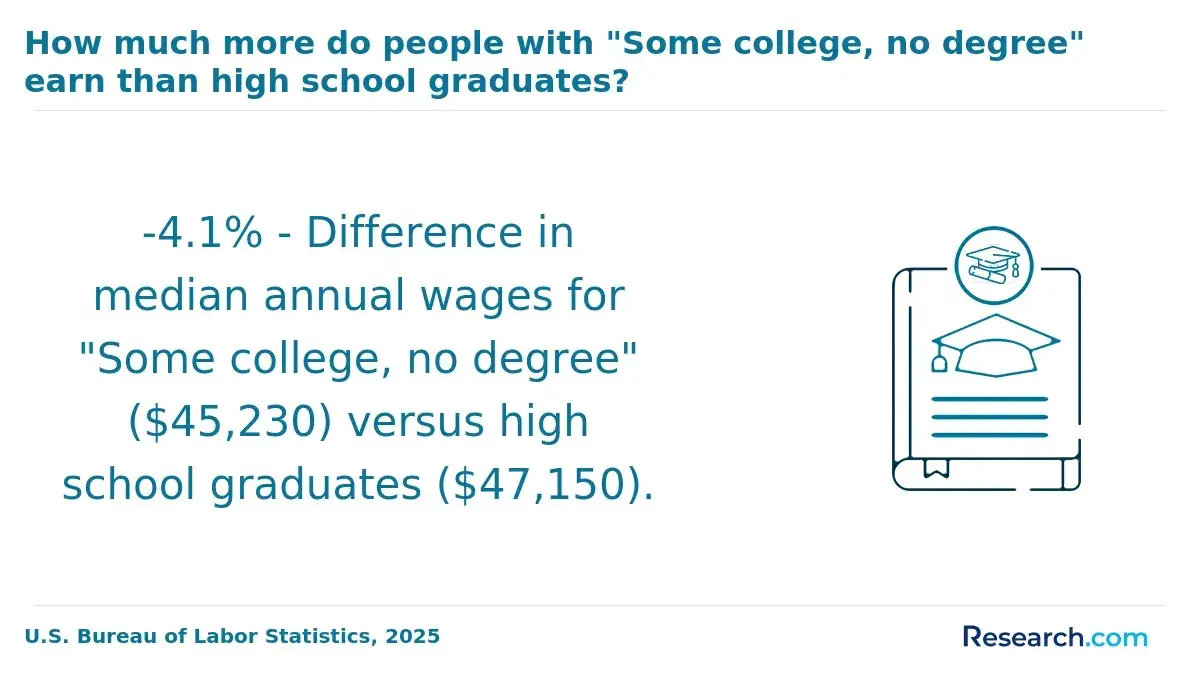
Compensation in environmental management careers shows clear stratification aligned with experience and responsibility levels, based on the most recent data from 2024 sources like the U.S. Bureau of Labor Statistics and LinkedIn Salary Insights. Entry-level roles such as environmental technicians typically earn between $45,000 and $60,000 annually, reflecting a baseline that values foundational technical skills and regulatory familiarity. Mid-tier positions, including environmental specialists and project managers, see salaries climb to a range between $65,000 and $90,000, signaling expectations for proficiency in compliance, project oversight, and team collaboration.
Senior roles—managers, directors, or consultants—command compensation from approximately $95,000 up to and beyond $140,000, underscoring the premium placed on strategic leadership, advanced expertise, and stakeholder management within larger organizations or metropolitan markets.
Variation in salary bands is driven by several intersecting factors, including the degree of specialization, sector demand, geographic cost differentials, and organizational scale. Specialists engaged in emerging or niche areas like renewable energy compliance often find their expertise commands a wage premium due to limited supply. Larger corporations and government bodies, especially in regions with stringent environmental regulations, typically offer higher compensation compared to smaller or less regulation-intensive locales.
Additionally, advanced credentials and experience widen earning potential, but they also entail upfront investment and time, framing salary outcomes as a function of both skill scarcity and market competition rather than uniformly increasing wages across the board.
One environmental management graduate recalled navigating a rolling admissions cycle where application decisions stretched longer than anticipated, complicating job search timing. The delay forced a period of uncertainty that required balancing ongoing work commitments against potential relocation and further study expenses.
They noted, "Waiting on admission results felt like a gamble—I hesitated to decline a job offer too soon but also worried about missing opportunities aligned with higher credentials." This experience highlighted the practical tension between educational advancement timing and immediate labor market entry that many prospective professionals face.
Which Industries Are Hiring the Most Environmental Management Graduates?
Demand for environmental management graduates is notably concentrated in sectors experiencing significant regulatory change, technological innovation, or workforce shortages that require specialized sustainability knowledge. The current hiring landscape reflects broader economic transitions such as decarbonization efforts, regulatory tightening, and infrastructure modernization.
These compel industries to prioritize deeper expertise in compliance, resource optimization, and environmental risk analysis, positioning environmental management skills as essential rather than ancillary.
- Renewable and Conventional Energy: The energy sector, especially renewable power generation, is expanding aggressively as companies accelerate decarbonization and adhere to evolving environmental regulations. Employers seek graduates well-versed in lifecycle environmental impact assessments, emission control strategies, and integrating sustainability into energy project development. A 2024 report by the U.S. Bureau of Labor Statistics highlights a 15% rise in environmental management hiring in this sector, driven by demand for professionals who can navigate complex regulatory frameworks and advance green energy initiatives.
- Manufacturing: Within chemical, automotive, and electronics manufacturing, environmental management expertise is critical for managing waste reduction, regulatory compliance, and sustainable process design. These industries face increasing pressure to reduce ecological footprints while maintaining production efficiency. Employers prioritize candidates capable of developing and implementing environmental metrics, conducting risk evaluations, and collaborating across technical teams to meet both operational and environmental goals.
- Government and Regulatory Agencies: Regulatory bodies and environmental protection organizations are expanding their capacity to enforce policies and monitor compliance, reflecting intensified governmental commitment to climate objectives. Job postings have surged by over 10% in early 2024, per the U.S. Environmental Protection Agency. Candidates with strong skills in policy analysis, environmental data interpretation, and climate risk assessment are in particular demand.
- Environmental Consulting Firms: Consulting services specializing in sustainability strategies and regulatory compliance are growing in response to corporate and public sector environmental challenges. These firms require graduates proficient in conducting environmental impact studies, advising on compliance, and assisting with stakeholder communication. The sector values adaptability and interdisciplinary knowledge to tailor solutions across diverse industries.
- Construction and Real Estate Development: Firms focused on green building and sustainable infrastructure are recruiting environmental management professionals to navigate evolving green certification standards and implement eco-friendly design practices. These roles often demand integration of environmental risk management, materials selection, and regulatory navigation within large-scale development projects.
How Does Hiring Demand Vary by State, Region, and City?
Hiring demand for environmental management roles fluctuates widely across states and regions due to variations in industry concentration, economic conditions, and regulatory priorities. States with significant natural resource industries or strong environmental policies, such as California and Washington, consistently demonstrate higher openings, propelled by sectors like agriculture, forestry, and renewable energy.
In contrast, Midwest and Southeast states display steadier but more moderate growth tied to manufacturing and emerging clean energy projects, where environmental compliance and water management are critical but less specialized. Data from regional workforce analyses indicates these patterns align closely with investments in sustainability initiatives and local workforce development strategies, underscoring the link between economic structure and market demand. Understanding how environmental management job opportunities vary by state and city is essential for job seekers aiming to align their skills with regional industry needs.
At the city level, labor markets for environmental management professionals tend to reflect the density of employers, infrastructure capacity, and local talent ecosystems. Urban centers like Boston, New York City, and Washington, D.C. offer not only greater hiring intensity but also elevated salary potential, shaped by the higher cost of living and demand for advanced expertise in corporate sustainability, government regulation, and research.
Meanwhile, smaller metros and rural areas, while offering fewer openings, provide accessible entry points for early-career candidates, often requiring broader skill sets that combine community engagement and regulatory knowledge. Talent pipelines from local universities and technical programs, along with sector-specific clusters in tech or healthcare, also heavily influence these micro geographies.
Candidates evaluating opportunities should consider how these regional salary trends for environmental management professionals reflect underlying economic ecosystems and the tradeoffs between competitive urban markets and more modest but stable local environments. For those seeking to enhance their qualifications in these dynamic markets, exploring options like PsyD online programs may offer complementary skills relevant to regulatory and community-focused roles.
What Skills Are Employers Prioritizing in Environmental Management Job Postings?
Employer expectations for environmental management candidates are rapidly evolving under the influence of technological advances, regulatory complexity, and shifting sustainability priorities. Automation and digital tools such as AI and IoT intensify the need for workers who combine technical proficiency with analytical insight and adaptability. Simultaneously, interdisciplinary skills that bridge compliance knowledge and strategic communication have become essential.
These create a dynamic demand profile rather than a static checklist of competencies, reflecting broader industry transformation toward integrated environmental risk management and innovation.
- Geographic Information Systems (GIS) Proficiency: GIS remains a core technical skill due to its critical role in spatial data analysis for ecosystem assessment and resource planning. Over 40% of current job postings highlight GIS, underscoring its function as a baseline capability for environmental diagnostics and decision-making that improves both accuracy and project efficiency.
- Regulatory Compliance Expertise: Employers emphasize familiarity with EPA rules and ISO 14001 standards to navigate increasing regulatory scrutiny. Mastery in these frameworks not only ensures legal adherence but also enables candidates to identify cost-saving opportunities through process improvements, signaling a shift from reactive compliance to proactive stewardship.
- Communication and Stakeholder Engagement: Translating scientific data into accessible, policy-relevant insights is critical, with about 65% of postings valuing this skill. Effective communication fosters cross-disciplinary collaboration and facilitates buy-in from non-technical stakeholders, which is crucial for projects that depend on multi-agency cooperation and public support.
- Project Management and Leadership: Environmental initiatives often involve complex timelines and diverse teams. Skills in coordinating resources, leading interdisciplinary groups, and managing evolving priorities allow professionals to drive projects from conception to execution, reflecting employers' preference for candidates capable of operational oversight alongside technical know-how.
- Adaptability to Emerging Technologies: The integration of AI, IoT, and digital monitoring tools into environmental solutions demands workers who can rapidly adopt and apply new technologies. This adaptability enhances workforce resilience and signals openness to continuous learning, a necessity as the sector embraces automation and data-driven strategies to address mounting ecological challenges.
Which Certifications Increase Employability and Salary Potential?
Certifications within the environmental management field serve as crucial indicators of specialized competencies, technical knowledge, and readiness to meet evolving industry demands. They function not simply as credentials but as strategic assets that validate practical skills and enhance a candidate's visibility in competitive hiring processes. These certifications address skill gaps that many employers face due to increased regulatory complexity and sustainability expectations, often correlating with measurable improvements in salary and job prospects.
- Certified Environmental Professional (CEP): Widely regarded for its comprehensive coverage of environmental regulations, risk management, and remediation, the CEP credential helps employers identify candidates capable of handling complex, multidisciplinary challenges. Its recognition as a benchmark for mid- to senior-level roles means certification holders typically access higher-level positions, facilitating upward career mobility and salary growth.
- Certified Hazardous Materials Manager (CHMM): By focusing on hazardous waste handling and risk mitigation, the CHMM meets direct industry needs in manufacturing, chemical processing, and environmental remediation sectors. This certification aligns with areas experiencing labor shortages, thus increasing employability and often commanding a salary premium, as demonstrated by regional employment data from the U.S. Bureau of Labor Statistics.
- LEED Accredited Professional (LEED AP): Specialized for professionals engaged in green building and sustainability initiatives, the LEED AP credential signals expertise in energy-efficient design standards. It holds particular value as corporate sustainability priorities rise, with certified individuals frequently earning above-average wages in firms targeting environmental accountability.
- Registered Environmental Manager (REM): This certification highlights leadership and supervisory capabilities within environmental contexts, resonating with employers seeking candidates who can effectively manage teams and projects under regulatory scrutiny. It often plays a decisive role in promotions and salary increments tied to managerial responsibilities.
- Project Management Professional (PMP): While not environmental-specific, PMP credentials complement technical certifications by demonstrating adeptness in coordinating complex projects and leading cross-functional teams. As many environmental roles demand project management skills, this certification broadens employability and supports advancement into higher-paying positions with increased responsibility.
According to a 2024 study by the National Association of Environmental Professionals, those holding certifications in this field receive an average compensation increase of 12% relative to peers without credentials. This premium underscores employers' preference for candidates whose certifications effectively reduce hiring risks by evidencing validated competencies aligned with operational needs.
A recent graduate in environmental management shared their experience pursuing certifications amid an unpredictable admissions timeline. Initially, they hesitated to commit to certification preparation, uncertain how delaying application decisions would affect their job entry. The rolling admissions process compounded this anxiety, as deferred acceptances disrupted their ability to plan ahead.
Ultimately, the graduate prioritized gaining the Certified Environmental Professional credential during a gap period, which later proved instrumental in securing a mid-level position. Their story illustrates how integrating certification efforts with career planning, even under admission timing uncertainties, can substantially enhance marketability in the field.
How Do Remote and Hybrid Opportunities Affect the Environmental Management Job Market?
Remote and hybrid job opportunities for environmental management professionals have significantly reshaped the hiring landscape, with employers increasingly valuing candidates who demonstrate strong digital communication and self-management abilities. According to recent workforce analytics from 2024, companies adopting flexible work models experience recruitment cycles up to 30% faster, reflecting a broader industry shift toward remote collaboration and virtual project oversight.
This trend allows environmental firms to extend talent sourcing beyond traditional geographic boundaries, addressing localized skill shortages without the delays of relocation. However, this shift also raises entry barriers for less digitally fluent candidates, amplifying the need for specialized training and strategic networking to remain competitive in the evolving job market.
These changes also bring nuanced implications for salary structures and workforce distribution. While geographic salary adjustments based on cost of living persist in some remote roles, many environmental management positions maintain consistent pay scales that emphasize expertise over location, promoting more equitable compensation across regions. Increased competition driven by expanded candidate pools encourages job seekers to enhance competencies in digital collaboration technologies and hybrid workflow management.
Over time, this dynamic is likely to consolidate a labor market where flexibility, technology fluency, and practical field experience are equally critical, reshaping employer expectations and job design. Prospective candidates may find it beneficial to complement remote capabilities with hands-on skills, especially as educational programs evolve—some even integrating offerings like ASHA accredited online SLP master's programs to address digital fluency in related fields—highlighting the convergence of technical knowledge and adaptable work modalities within environmental management careers.
Which Environmental Management Careers Show the Strongest Long-Term Hiring Momentum?
Long-term hiring momentum in environmental management careers reflects structural shifts in industries, not merely short-term employment fluctuations. This momentum is fundamentally shaped by enduring economic, regulatory, and technological forces driving sustained workforce demand. Understanding these forces helps clarify why certain roles remain pivotal amid evolving challenges linked to sustainability, compliance, and infrastructure development.
Environmental management career growth in North America increasingly favors roles that combine technical expertise with adaptive problem-solving in response to tightening environmental regulations and climate adaptation initiatives. The labor market demands professionals who can integrate interdisciplinary knowledge to address complex ecological and regulatory landscapes.
- Environmental Scientists and Specialists: Expected to grow by 10% through 2032, this category benefits from expanded environmental monitoring and compliance obligations. Sustained demand is reinforced by advances in data analytics and geographic information systems (GIS), which employers consider essential skills for interpreting environmental data and informing policy or corporate strategy.
- Environmental Engineers: With an 8% projected growth rate through 2032, environmental engineers are critical to upgrading infrastructure and controlling pollution. Their multidisciplinary expertise—melding engineering principles with environmental law—positions them well amid regulatory tightening and increasing public investment in sustainable infrastructure.
- Sustainability Managers and Directors: Although traditional employment forecasts are less defined, this category experiences rapid expansion in corporate sectors. Demand is driven by companies embedding sustainability into core operations, necessitating skills in stakeholder engagement, impact reporting, and navigating complex regulatory frameworks.
These roles illustrate how hiring momentum in environmental management aligns with ongoing industry transformation rather than cyclical job market changes. Candidates equipped with cross-functional skills that bridge science, engineering, and management are best positioned to navigate this evolving sector. For those considering a path into environmental roles, it's useful to compare occupational trends with practical educational routes, such as reviewing how to become a profiler, which exemplifies the importance of aligning education with workforce demand realities.
How Can Students Use Job Market Data to Make Better Career Decisions?
Students evaluating careers in environmental management should leverage current labor market data from sources like 2024 labor reports, hiring platforms, and salary databases to gauge real demand, typical compensation, and sector growth. These data points reveal where hiring is robust, which roles pay competitively, and which geographic regions present expanding opportunities.
For example, identifying regional hiring hotspots can inform relocation decisions or remote work viability, while salary bands across different positions help set realistic financial expectations. Incorporating employer-preferred skills and qualifications into this analysis allows students to align their education and training with practical market needs rather than relying solely on academic considerations.
When interpreting job market data, students must balance short-term trends with long-term career stability and personal fit. Overemphasizing transient growth areas risks mismatch or obsolescence, so blending this information with one's interest and aptitude is essential. Geographic flexibility and transferable skills increase resilience amid shifting employer demands.
Students should critically evaluate how well their credentials and experiences—such as compliance expertise or project management—match the evolving requirements of environmental management fields, ensuring their choices support sustainable employability rather than chasing temporary market fluctuations.
References
- Discover our global guide to sustainability recruitment https://enable.green/news/a-global-guide-to-sustainability-recruitment-top-jobs-skills-and-salaries/
- ISEP - Institute of Sustainability and Environmental Professionals https://www.isepglobal.org/learn/courses/certificate-in-sustainability-and-environmental-management/
- Top skills employers look for in Ecology job candidates - Jobs in Ecology https://www.jobsinecology.co.uk/resources/blog/2025/04/top-skills-employers-look-for-in-ecology-job-candidates/
- Career Prospects for Environmental Science Majors and Job Opportunities - Universitas Negeri Semarang https://unnes.ac.id/career-prospects-for-environmental-science-majors-and-job-opportunities/
- Future Skills Centre • Centre des Compétences futures https://fsc-ccf.ca/projects/hybrid-work-models/
- Green Jobs in High Demand and Where They Are https://vault.com/blogs/job-search/where-the-green-jobs-are-and-which-green-jobs-are-needed
- Environmental Management Careers Guide - https://blog.rrc.co.uk/2026/01/05/environmental-management-careers-guide/
- ISEP Jobs | Sustainability & Environmental Jobs https://www.isepjobs.org/
- Green Skills: Top 10 In-Demand Green Jobs in 2024 https://www.moeveglobal.com/en/planet-energy/environment/green-skills-top-green-jobs-2024
- Navigating the Green Job Market: A Guide for Newcomers - Green Career Centre https://www.greencareer.ca/whats-new/navigating-the-green-job-market-a-guide-for-newcomers/
Other Things You Should Know About Environmental Management
Choosing between a higher-paying role and one with quicker hiring momentum requires balancing immediate financial needs against job security and growth potential. Positions that command higher salaries often come with more specialized responsibilities or stricter qualification requirements, which can limit the pool of suitable candidates and slow hiring. Conversely, roles with faster hiring momentum may offer more entry-level opportunities but typically feature lower starting pay and more competition. Prioritize what aligns better with your current experience level and career timeline: if you need steady employment fast, target roles showing hiring momentum; if long-term earnings matter more and you meet qualifications, lean toward higher-paying specialized jobs.
Salary bands that overlap can create confusion regarding career progression and expectations. Overlapping pay ranges often indicate industry variance in job scope, geographic differences, or employer size rather than clear advancement steps. Don't assume a midpoint salary guarantees faster promotion or broader responsibilities; the role's specific requirements and employer expectations carry more weight. Focus on understanding the nature of the job, the workload, and performance criteria-sometimes an entry-level role with a higher salary reflects heavier responsibilities or tighter deliverables rather than seniority.
Environmental management positions in multidisciplinary settings often offer richer learning experiences and broader skill development but tend to have more involved hiring processes, slowing recruitment. These roles demand nuanced communication and project management, which pay off over time but may delay initial employment. If your priority is developing a versatile skill set and building a strong network for longer-term career mobility, accepting slower hiring momentum is justified. However, if entering the workforce promptly is critical, consider more specialized roles in less complex organizational contexts.
Many employers list experience levels that create barriers for new entrants despite an apparent volume of open roles. This misalignment signals a market challenge where demand exists, but hiring managers prefer candidates with proven track records. Early-career professionals should strategically target internships, contract work, or roles labeled as "associate" or "assistant" to build relevant experience while negotiating realistic entry points. Prioritizing employers with clearer pathways for internal advancement can also bridge this gap, avoiding frustrating cycles of rejection due to experience requirements that outpace actual hiring demand.