2027 Environmental Management Salary Trends Report: Are Wages Keeping Up With Tuition and Inflation?

Co-Founder and Chief Data Scientist
A prospective environmental management student weighs the rising tuition costs against potential graduate salaries, wondering if the investment will pay off amid persistent inflation. The decision involves more than comparing starting salaries; it requires analyzing how wages have tracked with the increasing cost of education and the erosion of purchasing power.
As higher education costs escalate and inflation fluctuates, understanding these financial dynamics becomes crucial for making an informed choice about pursuing this degree.
Salary growth, tuition inflation, and cost-of-living increases often diverge, creating a complex picture for graduates assessing long-term value. This makes it essential to look beyond headline salary figures to evaluate true earning potential over time. This article examines recent salary trends alongside tuition and inflation data, assessing return on investment, affordability, and the economic factors shaping the financial value of an environmental management degree.
Key Things to Know About Environmental Management Salary Trends
- Recent 2024 BLS data shows environmental management graduate starting salaries growing at 2.5% annually, lagging behind 4% inflation and rising tuition, reducing real income for new graduates.
- Specializing in regulatory compliance or sustainability analytics significantly boosts earning potential by 15% over generalist roles, influencing strategic skill investments during education.
- Long-term salary growth depends heavily on experience and geographic region, with urban markets offering up to 30% higher wages, necessitating relocation considerations post-graduation.
- Key Things to Know About Environmental Management Salary Trends Key Things to Know About Environmental Management Salary Trends
- What Is the Current Salary Outlook for Environmental Management Graduates? Salary Outlook
- Are Environmental Management Salaries Keeping Up With Inflation? Inflation Impact
- How Do Tuition Costs Compare With Environmental Management Salary Growth? Tuition vs Salary
- Does a Environmental Management Degree Deliver a Positive Return on Investment? Degree ROI
- Which Industries Offer the Highest Salaries for Environmental Management Graduates? Which Industries Offer the Highest Salaries for Environmental Management Graduates?
- Which States and Cities Offer the Highest Pay for Environmental Management Professionals? Which States and Cities Offer the Highest Pay for Environmental Management Professionals?
- How Do Environmental Management Salaries Grow Throughout a Career? Career Growth
- How Do Environmental Management Salaries Compare With Similar Degrees? Salary Comparison
- How Is Employer Demand Affecting Environmental Management Salary Trends? Employer Demand
- How Can Students Maximize Their Lifetime Earnings With a Environmental Management Degree? Maximizing Earnings
What Is the Current Salary Outlook for Environmental Management Graduates?
The current salary outlook for environmental management graduates in 2024 reflects moderate wage gains intertwined with economic challenges. According to the U.S. Bureau of Labor Statistics, median annual wages for roles such as environmental scientists, specialists, and engineers generally range between $65,000 and $90,000.
Entry-level salaries usually fall between $50,000 and $60,000, but seasoned professionals or those stepping into management roles can surpass $100,000. This variation underscores how individual career choices, experience, and skill sets greatly influence earning potential within the field, making it essential to view early salary data as just one part of long-term career value rather than a fixed outcome.
For instance, two environmental management graduates with the same degree might experience divergent salary trajectories: one focusing on technical GIS and data analysis skills-areas commanding premium pay-may advance faster than a peer pursuing generalist roles without specialization.
Demand for environmental management professionals remains stable, supported by sustainability efforts and regulatory compliance needs highlighted by the Environmental Career Organization, which aligns with ongoing job growth forecasts. Yet, the wage growth for these roles has been tempered by inflation and tuition increases averaging 4-6% annually, meaning real income gains for new graduates can feel compressed despite positive employment prospects.
Prospective students should contextualize environmental management wage growth analysis alongside anticipated career progression and dynamic industry demands rather than fixate solely on starting salaries. Investments in specialized skills and relevant experience often translate into higher long-term returns, even if upfront educational costs pose risks.
Those weighing degree options might also benefit from reviewing data on the most profitable college majors to better understand where environmental management fits within the broader economic landscape and potential career pathways.
Are Environmental Management Salaries Keeping Up With Inflation?
Environmental management salary growth has averaged about 3.2% annually over the past three years, according to data from the U.S. Bureau of Labor Statistics and the Federal Reserve. However, inflation as measured by the Consumer Price Index has hovered closer to 3.8% per year during that time, meaning nominal wage increases often fail to translate into real gains in purchasing power.
For example, a recent graduate accepting an entry-level role with a 3% raise might still struggle as everyday costs like rent, transportation, and healthcare rise faster than their income, effectively shrinking their financial flexibility despite higher pay.
This dynamic is further complicated by the tuition cost impact on environmental management earnings. Tuition inflation outpaces starting salaries, leaving graduates with growing student debt burdens at a time when wages barely keep pace with or lag behind the cost of living.
Those considering entry into the field must weigh the long-term earning potential against these financial pressures, especially since wage growth can vary widely by industry sector. Private sector roles in renewable energy or consulting might offer salary increases above inflation, while public and nonprofit positions often lag due to slower budget adjustments and funding constraints.
Understanding these tradeoffs highlights why prospective students should carefully evaluate how well environmental management salary growth aligns with inflation and rising educational expenses.
Decisions about pursuing an associate degrees or additional certifications, along with specialization choices, can influence whether compensation keeps pace with real-world costs. Balancing specialized skills with realistic earning expectations is essential to navigating this evolving financial landscape.
How Do Tuition Costs Compare With Environmental Management Salary Growth?
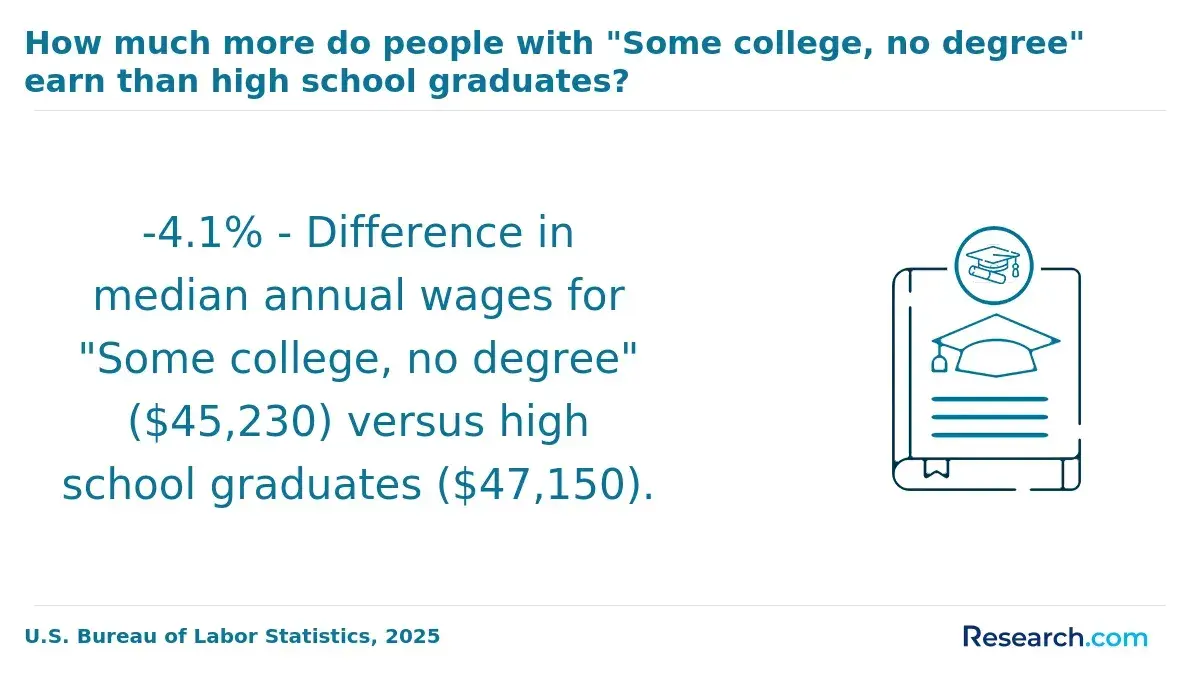
Evaluating the financial viability of an environmental management degree requires more than isolated figures on tuition or salary; the key is examining how tuition inflation relates to salary progression over time. Data from the National Center for Education Statistics and the U.S. Bureau of Labor Statistics for 2024 reveal that annual tuition for public environmental management programs ranges from $12,000 to $15,000 for in-state students, while private institutions charge over $35,000.
However, median starting salaries for graduates hover between $50,000 and $65,000, with mid-career wages typically peaking around $75,000 to $85,000. Because tuition costs have been rising at approximately 3-5% annually-outpacing the 2-3% salary growth rate-recent graduates face a widening gap between educational expenses and income gains, a disparity that intensifies financial pressure over time and extends the payoff period on educational debt.
Consider two prospective students: one attending an in-state public university with moderate tuition increases and planning to enter the workforce immediately, and another enrolling at a private institution with higher upfront costs expecting rapid salary progression. The first student's financial risk remains comparatively lower, especially if scholarships or aid offset tuition; the second may experience significant financial strain if salary growth does not keep pace with mounting debt.
This variation underscores how factors such as institution type, geographic cost differences, available financial support, and market demand for environmental managers all influence the interplay between tuition and earnings. A nuanced understanding of these dynamics helps students realistically assess their investment versus potential financial returns rather than relying on surface-level numbers.
One recent graduate shared that choosing a public environmental management program was a deliberate move to minimize student loans amid ongoing tuition hikes. While initially hesitant due to slower salary growth in her region, she found that careful budgeting and supplementary certifications improved job prospects without adding debt.
Reflecting on her experience, she noted, "The rising tuition felt daunting, but balancing education costs with realistic salary expectations forced me to prioritize practical skills and local job networks over prestige, which made a meaningful difference over time."
Does a Environmental Management Degree Deliver a Positive Return on Investment?
Return on investment in higher education extends beyond initial tuition costs, encompassing long-term earnings, career progression, and opportunities for skill advancement. For environmental management degrees, this means balancing the rising expenses of education against potential salary increases and expanding roles in sustainability and compliance.
Data from the National Center for Education Statistics and the U.S. Bureau of Labor Statistics shows that while tuition for these programs has steadily increased, median starting salaries remain competitive within the sector, with wage growth slightly surpassing inflation over a decade.
Consider a graduate who enrolls in a moderately priced program in a metropolitan area with strong demand for environmental consultants. Though their educational debt is notable, their salary growth over ten years, supported by certifications and specialization, can offset initial costs.
Yet this scenario changes in regions with fewer industry opportunities or for those entering nonprofit or government roles, where wage growth tends to be slower, thus extending the time needed to recoup educational investments. The variability in return on investment highlights how geographic location, career path, and institutional reputation critically influence economic outcomes.
Ultimately, an environmental management degree's financial value is not uniform but conditional on a combination of factors including rising tuition fees, evolving market demand, and individual career choices. Professionals who continuously update their expertise and target high-growth sectors tend to see better returns, while others may confront longer recovery periods on their education costs.
Recent studies indicate that graduates with specialized training in green industries experience an average wage increase that outpaces inflation, underscoring the importance of alignment between education and dynamic labor market needs.
Which Industries Offer the Highest Salaries for Environmental Management Graduates?
Graduates specializing in environmental management face a critical decision when aligning their career ambitions with industries that offer the most competitive salaries. Given rising tuition expenses and inflationary pressures, interpreting salary data alongside industry stability and growth is essential for weighing the return on investment of the degree.
Recent 2024 data from authoritative sources, including the U.S. Bureau of Labor Statistics and specialized salary reports, reveal that compensation varies significantly by sector. These variations underscore the importance of choosing sectors not solely for salary but also for the relevance of environmental management skills and long-term career resilience.
Prospective environmental management graduates should carefully consider the following industries that consistently rank highest in salary potential:
- Oil and Gas: This sector offers some of the highest salaries, often exceeding $90,000 annually, due to the complex regulatory and environmental challenges it faces. Roles typically involve compliance management, risk assessment, and sustainable resource extraction strategies, requiring deep technical expertise and regulatory knowledge.
- Chemical Manufacturing: With average salaries ranging from $80,000 to $95,000, this industry demands strong environmental risk management skills. Graduates often fill positions managing hazardous waste, emissions compliance, and sustainability initiatives integral to chemical process operations.
- Utilities Sector: Employing environmental management graduates in roles related to environmental permitting, pollution control, and resource efficiency, this sector offers competitive salaries because of stringent regulatory oversight and public scrutiny.
- Consulting Services: Environmental consultants focusing on sustainability and risk management can command salaries from $75,000 up to $100,000 or more. Diverse client portfolios and specialization in areas such as environmental impact assessments or remediation drive these earnings.
- Manufacturing and Technology Corporations: Large multinational firms hire environmental management experts to lead compliance and corporate sustainability programs, often bundling high salaries with bonuses. These roles favor professionals with strong cross-disciplinary communication and project management skills.
- Government and Public Agencies: Though typically offering lower base salaries between $60,000 and $80,000, these positions provide job stability and benefits that appeal to some graduates. Work often focuses on regulatory enforcement, policy implementation, and public environmental health programs.
For example, a recent graduate who prioritizes immediate salary potential may choose the oil and gas industry but must be prepared for the sector's cyclical risks and regulatory fluctuations. On the other hand, a graduate interested in stable public service roles should weigh salary against benefits and long-term security.
This nuanced perspective reflects how top industries for environmental management salaries align with specific skill sets and professional preferences. For those still exploring educational pathways, comparing these salary trends to costs of advanced degrees, such as a masters in art therapy, can help clarify financial and career priorities.
Which States and Cities Offer the Highest Pay for Environmental Management Professionals?
Geographic location remains one of the most significant determinants of earning potential for environmental management professionals. While certain states and cities command salaries well above the national average, the net financial benefit often depends on local economic conditions, living expenses, and industry presence.
Candidates must balance attractive salary figures against the realities of housing costs, job market dynamics, and career growth pathways in each region.
The following highlights key areas where environmental management roles tend to offer the highest pay, along with essential factors for consideration:
- California: Home to several tech hubs and environmental consulting firms, California offers average salaries exceeding $95,000 annually. Cities like San Francisco generate median wages surpassing $110,000 due to high demand for expertise in sustainability and regulatory compliance. However, steep housing costs significantly reduce effective income, making cost-of-living a critical factor when assessing opportunities here.
- Washington: Seattle's strong tech sector and green industries drive competitive compensation for environmental managers. Salaries often align with California's high range, fueled by corporate sustainability initiatives. Yet, rising living expenses and competitive housing markets require candidates to weigh salary boosts against potentially higher everyday costs.
- Massachusetts: Boston's concentration of biotech firms and research institutions supports top-tier environmental management pay, typically near the $95,000 range or higher. Students should consider the region's blend of academic prestige and urban cost when planning financial strategies, as the lucrative salaries can be tempered by expensive housing and commuting costs.
- Denver, Colorado: Striking a balance between compensation and affordability, Denver offers salaries in the $75,000 to $85,000 range paired with moderate living costs. The city's expanding environmental sector and growing job market provide upward career mobility without the pronounced financial strain seen in coastal metros.
- Raleigh, North Carolina: With a developing green economy and reasonable cost of living, Raleigh presents competitive wages within mid-career brackets. This region is appealing for early-career professionals seeking growth and financial sustainability outside high-cost urban centers.
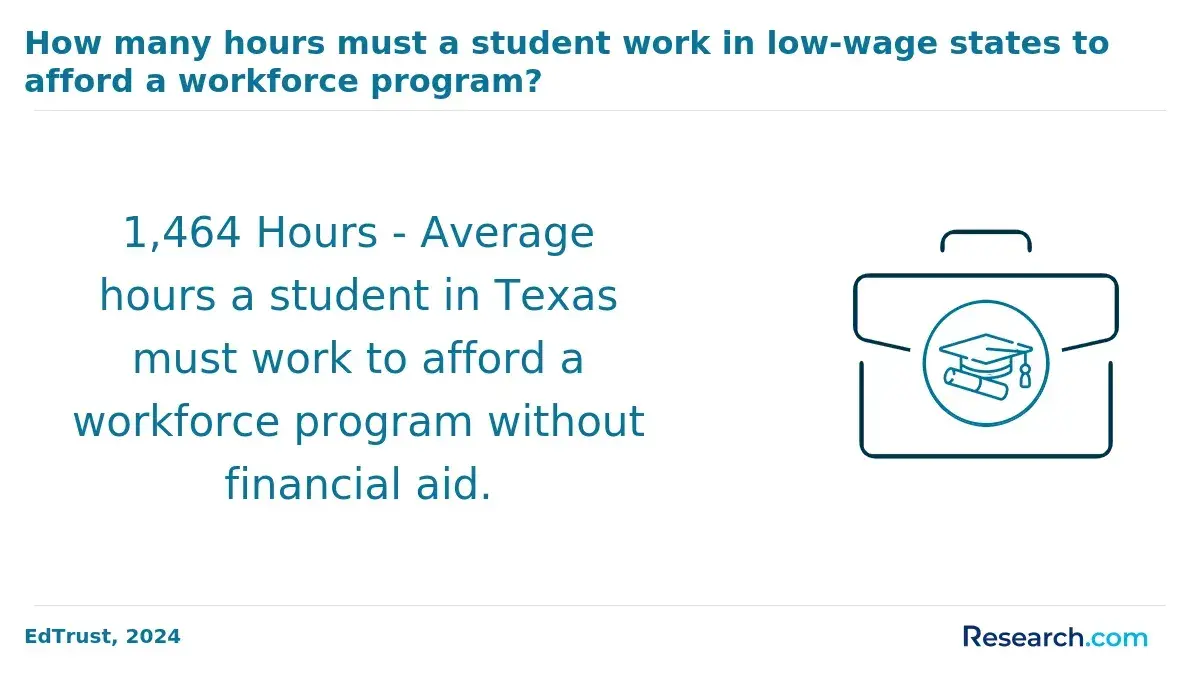
- Texas: Though typically offering lower peak salaries than coastal states, Texas cities such as Austin and Houston benefit from vibrant energy and regulatory sectors, creating solid entry-level opportunities. The relatively lower cost of living helps improve real wage value despite slower salary escalation over time.
- Florida: Florida's environmental management roles reflect regional economic attributes-entry-level pay is competitive, supported by tourism, real estate, and regulatory compliance demands. However, long-term salary growth may lag, prompting potential candidates to weigh lifestyle preferences and cost factors carefully.
How Do Environmental Management Salaries Grow Throughout a Career?
Salaries in environmental management often start modestly, with entry-level roles such as environmental analysts or compliance specialists earning between $50,000 and $65,000 annually, according to 2024 data from the U.S. Bureau of Labor Statistics and professional salary surveys.
As individuals accumulate five to ten years of experience, combined with advanced degrees or certifications, compensation tends to rise into the $70,000 to $95,000 range at mid-career levels, reflecting increased responsibilities like project leadership and regulatory management.
By the time professionals reach senior or director positions, often after 15 or more years, salaries can exceed $100,000 and approach $150,000, particularly within large corporations or governmental agencies emphasizing strategic oversight and policy development.
However, two graduates with the same Environmental Management degree may see very different earnings growth depending on career decisions and professional development. For example, one might focus on gaining specialized credentials in data analytics or environmental law, positioning themselves for high-responsibility roles and faster salary increases.
Meanwhile, another who remains in smaller organizations or public sector roles may experience slower growth that struggles to keep pace with tuition inflation and cost of living. Factors such as geographic location, sector, ongoing education, and skill diversification strongly influence long-term income trends, underscoring the importance of strategic career planning beyond initial degree attainment.
After completing an Environmental Management degree, one graduate initially accepted an entry-level compliance position at a local government agency. Although the salary was below the private sector average, the graduate hesitated to switch jobs due to job security concerns and benefits.
Over several years, they pursued certifications in environmental data analysis, which eventually led to a mid-level management role with a consulting firm offering a 30% salary increase. The gradual but deliberate steps, combined with enhanced expertise, helped offset early wage stagnation and heighten long-term earning potential despite the initially conservative career start.
How Do Environmental Management Salaries Compare With Similar Degrees?
Salary comparisons for environmental management graduates against those with related degrees reveal nuanced differences shaped by specialization and industry demand. The median annual wage for environmental management professionals is about $75,000, according to the U.S. Bureau of Labor Statistics 2024 data. This places them competitively within natural sciences but below some more technical fields.
Prospective students weighing tuition costs against future earnings should consider how different degrees align with their career goals and the practical skill sets required. Below is a comparison highlighting key outcomes between environmental management and similar degrees:
- Environmental Science: Median salaries near $73,000 are slightly below environmental management figures. Graduates often pursue research or policy roles in sustainability, where interdisciplinary knowledge is important but technical specialization is less intensive, impacting earning potential.
- Forestry: Earning around $68,000 annually, forestry is a more niche field focused on resource management and conservation. The lower average reflects both regional job markets and narrower occupational scopes compared to environmental management's broader applicability.
- Environmental Engineering: Typically exceeding $85,000 in median annual pay, this field leverages advanced technical skills in engineering solutions for environmental challenges. The higher salaries correspond to greater specialization and industry demand for STEM credentials.
- Environmental Management: Settling between science-oriented and engineering-focused roles, this degree equips graduates with cross-disciplinary tools applicable in policy, compliance, and sustainability management. While salary growth lags tuition inflation, combining this degree with certifications can improve wage prospects over time.
For students balancing financial investment and long-term rewards, adding complementary skills or considering options like child psychology master's programs in a different field might diversify career paths. Understanding these salary dynamics helps align educational choices with realistic expectations on Environmental Management salary comparison by degree and Environmental Management vs related degree earnings.
How Is Employer Demand Affecting Environmental Management Salary Trends?
The interplay between employer demand and salaries in environmental management occupations significantly impacts compensation trends. As demand rises, competition for qualified candidates intensifies, prompting employers to offer more attractive salaries and benefits to secure talent.
For example, in regions where renewable energy initiatives accelerate, companies may increase hiring activity and raise wages to attract specialists, which drives up the median salary more rapidly than in areas with slower demand growth.
According to the U.S. Bureau of Labor Statistics data from 2024, sectors such as waste management and regulatory compliance have seen salary increases outpacing the general field, reflecting heightened employer demand and specialized skill requirements related to environmental management job market salary trends.
However, employer demand alone does not determine wages. Factors like experience level, geographic location, economic conditions, and organizational budgets heavily influence how salary enhancements materialize. A prospective graduate considering a project management bachelor degree online focusing on sustainable practices might find strong employer demand in certain metropolitan areas, yet wage growth could still be modest compared to rising tuition costs and inflation.
Careful evaluation of these factors is essential, as recent National Association of Colleges and Employers research shows that while starting salaries for environmental management roles have increased, they often lag behind the combined rise in education expenses and living costs, tempering the expected financial return on investment tied to employer demand impact on environmental management salaries.
How Can Students Maximize Their Lifetime Earnings With a Environmental Management Degree?
Maximizing lifetime earnings with an environmental management degree requires strategic decisions beyond earning the credential alone. Recent 2024 data from the U.S. Bureau of Labor Statistics and the National Association of Environmental Professionals highlights key factors that significantly impact long-term income. Positioning oneself in high-growth sectors, attaining advanced education, and cultivating specialized skills are vital.
For example, an entry-level graduate interested in sustainability strategy may boost earnings more rapidly by obtaining a master's degree while gaining GIS expertise. The following strategies reflect evidence-based practices to enhance earning potential systematically:
- Target High-Growth Industries: Focus on sectors such as renewable energy, environmental consulting, and government regulatory agencies where demand and salaries are rising. These fields offer more opportunities for advancement and wage increases.
- Obtain Advanced Credentials: Pursue master's degrees or certifications like Certified Environmental Professional (CEP) to distinguish yourself. Advanced qualifications correlate strongly with accelerated salary growth over time.
- Develop Technical Skills: Gain expertise in data analytics, GIS, and environmental impact assessment. Technical competencies expand your marketability and access to higher-paying roles.
- Work in Strategic Locations: Metropolitan areas with vibrant green technology sectors often provide better pay. Relocation decisions can affect earnings significantly over a career lifetime.
- Engage in Interdisciplinary Projects: Combining environmental management with business or engineering improves versatility and leadership potential, which usually translates to higher compensation.
- Network and Seek Mentorship: Active involvement in professional organizations and mentorship programs opens pathways to leadership roles that tend to carry substantial pay premiums.
- Commit to Lifelong Learning: Continuous professional development helps maintain relevance and competitiveness, enabling steady income growth amid evolving environmental regulations and technologies.
References
- WaterJobsIntel | 500+ Water Engineering Jobs Daily https://jobs.watertechintel.com/blog/environmental-science-job-outlook
- Environment Manager Job Trends, Salaries & Skill Sets https://www.itjobswatch.co.uk/jobs/uk/environment%20manager.do
- Waste Management: Current Job Trends and Future Growth | ECO Canada https://eco.ca/new-reports/careers-waste-management/
- Wages and Inflation: Maintaining Fair Wages in a Changing Market - Edgility Consulting https://www.edgilitytalent.com/talent-trove/wages-and-inflation-maintaining-fair-wages-in-a-changing-market
- Environmental Management Careers Guide - https://blog.rrc.co.uk/2026/01/05/environmental-management-careers-guide/
- return on investment (ROI) 101 https://resilientwatershedstoolbox.org/return-investment-roi-101
- Is College Worth it? | Return on Investment Analysis of College Degree https://educationdata.org/college-degree-roi
- Agriculture and Environmental Science Degree Careers and Salary in Europe - StudyinEurope.eu https://www.studyineurope.eu/agriculture-environment/agriculture-environment-degree-careers-salary-europe/
- Do increases in public sector wages affect inflation? :: Public Sector Economics https://www.pse-journal.hr/en/archive/do-increases-in-public-sector-wages-affect-inflation_13377/
- 3 Environmental Management Job Titles: Salaries Included https://www.astutis.com/astutis-hub/blog/environmental-management-jobs
Other Things You Should Know About Environmental Management
Given the slow wage growth relative to tuition inflation in environmental management, students must prioritize programs that offer strong experiential learning and industry connections. Graduates from schools with robust internship pipelines and employer engagement tend to have better negotiating power despite stagnant salaries. This means investing in program quality and network-building is often more critical than simply minimizing upfront costs, as it influences the ability to secure roles with incremental salary growth.
While additional specializations or certifications can improve technical skillsets, the current salary trends suggest a diminishing return if they only marginally elevate credentials without expanding employability. Students should target credentials that align directly with high-demand subfields or regulatory shifts, as practitioners in narrowly tailored niches may command a premium. Otherwise, extended education without strategic focus risks deeper debt without commensurate salary gains.
Accepting below-market entry-level positions can be a calculated decision to build critical industry experience and professional networks, which can unlock mid-career salary increases. However, this approach demands careful assessment of personal financial resilience, as prolonged low pay amidst rising living costs may negate long-term gains. Candidates should prioritize employers known for internal mobility and skill-building opportunities to mitigate the risk of wage stagnation.
Geographic flexibility can significantly improve earning potential, as some regions offer more competitive wages and advancement opportunities despite overall sluggish salary trends. However, relocation entails personal and financial costs that can offset nominal wage improvements. Candidates should evaluate not only salary differences but also cost of living, family considerations, and job market stability before deciding on mobility as a strategy to counter stagnant wages.