2027 Environmental Management Student Debt Report: Borrowing, Monthly Payments, and Repayment Risk

Co-Founder and Chief Data Scientist
Extended fieldwork and internship requirements in environmental management programs often influence borrowing patterns by extending study duration and increasing associated costs. Licensing and accreditation standards demand specialized training and equipment, contributing to higher upfront educational expenses. Graduates frequently enter sectors with variable salary trajectories, such as sustainability consulting or regulatory agencies, impacting monthly repayment capacities.
According to the 2024 National Center for Education Statistics, nearly 40% of environmental management students are aged 25 or older, reflecting a growing trend of mid-career professionals seeking advanced qualifications, which reshapes borrowing dynamics and repayment risk. This report examines borrowing, payment expectations, and debt challenges specific to environmental management degrees over time.
Key Things to Know About Environmental Management Student Debt
- Environmental management student debt often involves higher borrowing due to extended fieldwork expenses, creating a tradeoff between specialized training and increased long-term financial burden.
- Employers in sustainability sectors increasingly favor candidates with practical experience over extensive credentials, suggesting debt-financed advanced degrees may not always yield proportional employment benefits.
- Monthly repayment risks intensify as volatile funding in environmental roles can lead to irregular income, impacting consistent loan servicing and increasing default likelihood among graduates.
- Key Things to Know About Environmental Management Student Debt Key Things to Know About Environmental Management Student Debt
- How Much Student Loan Debt Do Environmental Management Graduates Typically Have at Graduation? Average Studen Loan Debt
- What Factors Have the Biggest Impact on Environmental Management Student Loan Debt? Student Debt Key Factors
- What Is the Average Monthly Student Loan Payment for Environmental Management Graduates? Average Monthly Payment
- How Do Repayment Rates Compare Between Public and Private Institutions? Public vs. Private Institution Repayment Rates
- Do Online Environmental Management Graduates Have Different Repayment Outcomes Than Campus-Based Students? Online vs. On-Campus Student Loan Repayment
- Which Industries Provide the Best Financial Return Relative to Borrowing Costs? Which Industries Provide the Best Financial Return Relative to Borrowing Costs?
- Does Student Debt Affect Which Jobs Environmental Management Graduates Accept? Does Student Debt Affect Which Jobs Environmental Management Graduates Accept?
- What Factors Increase Student Loan Repayment Risk for Environmental Management Graduates? Loan Repayment Risk Factors
- How Can Environmental Management Students Reduce Student Loan Debt While Earning Their Degree? Tips to Reduce Student Debt
- How Should Prospective Students Evaluate Borrowing Risk Before Enrolling? Evaluating Student Debt Risk
How Much Student Loan Debt Do Environmental Management Graduates Typically Have at Graduation?
Environmental Management graduate student loan debt averages generally fall between $25,000 and $45,000 at the time of graduation, reflecting national borrowing trends shaped by institutional type and program specifics. Recent 2024 data from the National Center for Education Statistics highlight how this debt range correlates with whether students attend public universities, private schools, or community colleges with transfer pathways, each carrying distinct tuition structures and cost expectations.
Variations also emerge due to program intensity and additional expenses like fieldwork and internship fees, which can extend time to degree completion and cumulative borrowing. The nuanced borrowing patterns among environmental management graduates underscore the importance of aligning educational investments with realistic salary expectations in sectors such as government, nonprofits, and consulting, where initial income levels often moderate repayment capacity.
Key drivers of borrowing differences include residency status, with in-state tuition at public institutions substantially reducing loan reliance compared to out-of-state or private university attendance. Access to institutional aid, merit scholarships, and grant opportunities further differentiates total student debt, as does enrollment status, since part-time students may extend their studies, affecting the overall financial burden.
Program length variability linked to curriculum requirements in science, policy, and business components influences cost accumulation, as does the availability of employer tuition reimbursement programs or part-time work that some students leverage to offset borrowing. Understanding borrowing behavior in environmental management programs thus involves evaluating these financial aid dynamics along with tuition pricing and enrollment patterns to interpret debt distribution accurately.
Given the moderate salary prospects typical for environmental management graduates, this debt level can exert significant repayment stress, often necessitating income-driven repayment plans or extended loan terms. Graduates facing substantial loan balances without strong job placement prospects may encounter prolonged repayment periods, risking defaults and undermining financial stability.
Prospective students should weigh expected debt against post-graduate earnings realistically, considering how borrowing aligns with career paths and economic conditions. For graduate education beyond the bachelor's level, exploring options like an online PhD can offer flexible financing strategies but also requires careful cost-benefit analysis in relation to long-term career goals.
What Factors Have the Biggest Impact on Environmental Management Student Loan Debt?
Student loan debt in environmental management programs results from a complex interplay of institutional pricing structures and individual financial situations. Borrowing levels fluctuate not merely because of sticker tuition costs, but due to how program duration, enrollment status, geographic cost differences, and aid access converge to shape total debt. These elements collectively influence whether students rely heavily on loans or mitigate debt through alternative resources. Understanding these drivers reveals why environmental management student loan debt exhibits significant variation across different student profiles and institutional choices.
- Institution Type and Tuition Pricing: Private nonprofit institutions generally command higher tuition rates than public universities, leading environmental management students at private colleges to take on approximately 25% more debt on average. This difference is intensified when coupled with limited grant aid or scholarships, as borrowing becomes the primary mechanism to cover elevated fees. Such disparities underscore how institutional pricing systems directly anchor borrowing levels.
- Program Length and Degree Level: Graduate students in environmental management often incur substantially more debt compared to undergraduates, with borrowing averaging near 50% higher at the master's level according to recent U.S. Department of Education data. The necessity of advanced degrees for certain roles extends enrollment duration and tuition accrual, amplifying loan dependence. This factor interacts strongly with enrollment intensity, as part-time graduate students may face additional cumulative costs over longer completion timelines.
- Geographic Location and Living Expenses: Tuition variation by region is compounded by differing local costs of living, pushing students in urban or coastal environmental management programs toward higher debt loads. Rural or less expensive areas present more affordable total education costs. These geographic cost dynamics interplay with financial aid availability and individual spending decisions, influencing the overall borrowing footprint.
- Financial Aid Availability and Socioeconomic Status: Access to grants and scholarships reduces loan reliance, but students from lower-income backgrounds frequently borrow upwards of $10,000 more than their wealthier peers in environmental management programs, highlighting persistent socioeconomic disparities in debt accumulation. Aid distribution and loan reliance form a critical feedback loop affecting borrowing patterns.
- Student Financial Behavior and Enrollment Choices: Decisions such as part-time versus full-time enrollment, participation in work-study, and utilization of loan counseling significantly affect debt outcomes. Early engagement with income-driven repayment information and employer tuition assistance tends to alleviate longer-term repayment burdens, but inconsistent access limits these benefits. Such behaviors translate into tangible differences in cumulative borrowing relative to institutional and programmatic cost structures.
Students weighing environmental management degrees should also consider program delivery mode, as the impact of online versus campus environmental management programs on borrowing differs primarily through variations in tuition, living expenses, and scheduling flexibility. For prospective students focused on minimizing debt, researching options for a cheap online business degree within relevant fields can offer insights into cost control strategies applicable across disciplines.
What Is the Average Monthly Student Loan Payment for Environmental Management Graduates?
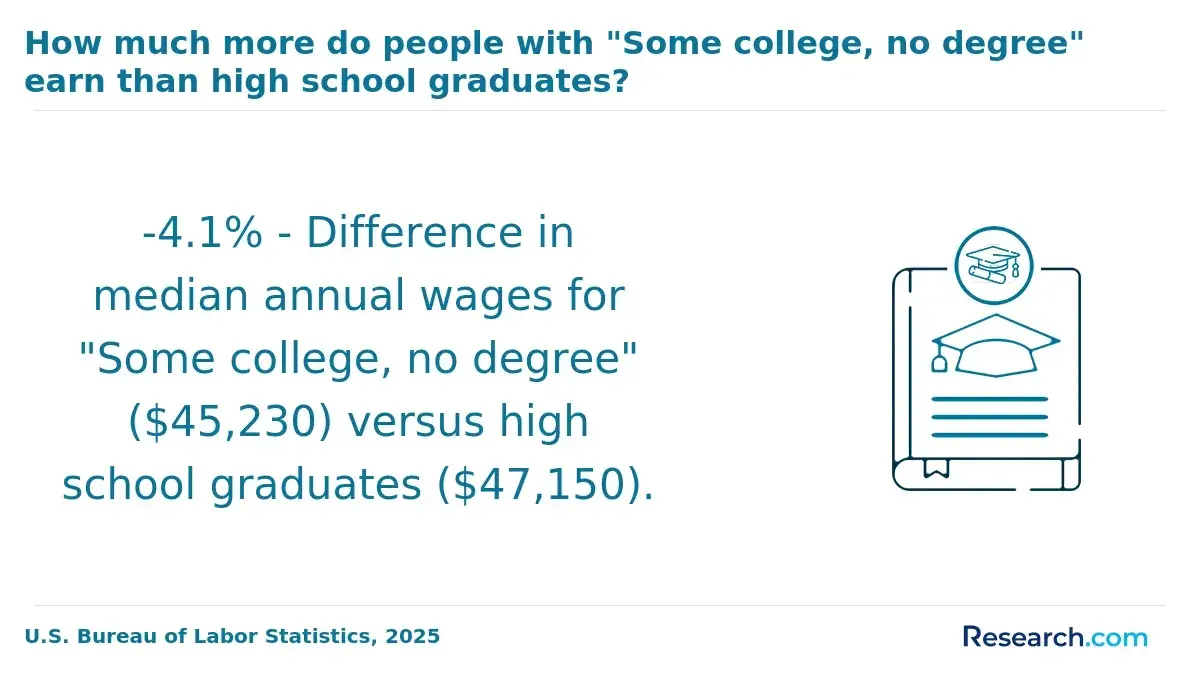
Recent analysis from the U.S. Department of Education and the Federal Reserve places the average monthly student loan payment for environmental management graduates roughly between $300 and $450. This spread accounts for diverse borrowing amounts, interest rates, and the mix of repayment plans selected after graduation. Notably, those who borrowed closer to $50,000 typically find themselves toward the higher end of this range. These figures reflect national trends but mask underlying variation driven by individual financial and educational pathways, causing monthly obligations to differ considerably across the graduate population.
Key contributors to payment disparities include the initial loan balance, repayment structure, and graduate income trajectories within environmental management fields. Standard ten-year plans usually mean higher monthly costs around or above $400 but limit long-term interest accumulation, while income-driven options often lower initial payments to below $300, at the expense of extended repayment periods and increased total interest. Since many environmental management roles start with moderate salaries and may involve employment sectors like government or nonprofits, income variability further complicates repayment stability and highlights the importance of strategic borrowing and payment planning to avoid prolonged debt burdens.
A graduate recalled the challenge of timing their application during the program's rolling admissions cycle. They hesitated to submit initial materials, uncertain about committing without clarity on how financial aid would align with their existing obligations. When the opportunity finally opened, the rush to complete requirements was intense, compounded by worries over potential loan amounts and monthly payment impacts. This experience underscored that beyond figures, navigating admission timing and preparation directly affects one's financial readiness and subsequent debt management strategy in environmental management education.
How Do Repayment Rates Compare Between Public and Private Institutions?
Student loan repayment rates vary significantly between graduates of public and private institutions, especially for those with degrees in environmental management. Recent data from the U.S. Department of Education's College Scorecard (2024) indicates about 58% of environmental management graduates from public universities make measurable loan payments or reduce their principal within four years, compared to roughly 48% from private institutions.
This gap reflects broader trends noted by Federal Reserve reports, showing higher default risks among borrowers from private schools. These figures highlight a persistent challenge in meeting repayment obligations across institutional types, with public institution graduates generally demonstrating stronger short-term repayment progress.
The underlying reasons for these disparities extend beyond simple institutional categorization. Public universities often have lower tuition fees and consequently lower average student loan debt, easing repayment burdens. Graduates from these institutions may also enter careers more closely aligned with their environmental management training, securing incomes that better support consistent loan payments.
In contrast, private institution attendees frequently incur higher debts, which elevate their monthly payment demands and financial strain. Differences in financial aid structures, along with varying economic outcomes shaped by employer networks and program reputations, further influence repayment capacity and default risk, underscoring the complex interplay between borrowing levels and post-graduate earnings in shaping repayment performance.
These repayment patterns carry important implications for graduates' long-term financial health and workforce integration. Elevated debt challenges among private institution alumni can limit financial flexibility and heighten stress, potentially undermining economic mobility in environmentally focused careers. Additionally, loan performance metrics increasingly influence institutional accountability and public perception, affecting program evaluations and funding priorities.
Understanding these repayment dynamics enables prospective and current environmental management students to better gauge the tradeoffs involved in their educational financing decisions and anticipate the financial risks tied to their chosen institutions and career pathways.
Do Online Environmental Management Graduates Have Different Repayment Outcomes Than Campus-Based Students?
Recent data from the National Center for Education Statistics reveals that graduates of public institutions in environmental management programs demonstrate notably higher student loan repayment rates compared to their private institution peers. Approximately 55% of public university graduates enter repayment successfully within three years, whereas private school graduates lag at around 42%.
These figures reflect broader trends in borrowing and repayment behavior documented in analyses of online environmental management graduate repayment outcomes, where public institutions typically present lower early repayment risks. The disparities underscore systemic differences rather than isolated program performance, revealing critical nuances for students considering campus versus online environmental management student debt repayment pathways.
Several intertwined factors drive these repayment rate differences. Public institutions generally offer lower tuition, which results in smaller average debt loads, easing the burden on graduates once they enter the workforce. Graduates from public schools also tend to experience stronger alignment between their curriculum and regional employer demand, yielding more stable early-career incomes that support consistent loan servicing.
Conversely, private institutions often have higher tuition costs and borrowing levels that amplify debt-to-income challenges post-graduation. While institutional prestige and financial aid availability matter, the practical realities of borrowing amount and employment outcomes substantially influence repayment trajectories and long-term debt sustainability.
Beyond immediate repayment metrics, these patterns carry implications for financial stress and mobility among environmental management graduates. Lower repayment rates in private institutions can signal heightened economic vulnerability and potentially extend the timeline to financial independence. Additionally, institutional accountability increasingly hinges on these repayment performance indicators, shaping perceptions of program value among prospective students and employers alike. Decisions about educational pathways-including considering emerging options such as a master in blockchain-should carefully weigh these dimensions to mitigate repayment risks tied to institutional type and delivery mode.
Which Industries Provide the Best Financial Return Relative to Borrowing Costs?
Financial outcomes for environmental management graduates vary widely across industries, with differences rooted in both earning potential and typical debt levels associated with the degree. Evaluating return on investment requires looking beyond starting salaries to consider income growth, sector stability, and how quickly graduates can manage their loan payments relative to average borrowing. Industries with faster salary progression or loan forgiveness options tend to lessen long-term debt burdens more effectively, highlighting critical tradeoffs for prospective students.
- Renewable Energy: This sector consistently reports higher entry-level wages-median salaries near $60,000 as of 2024-exceeding many other environmental fields. Strong demand and expanding investment in solar and wind power create opportunities for salary growth that help graduates offset typical loan amounts of $30,000-$50,000 within a manageable timeframe.
- Government Agencies: Although often slower to advance salary-wise, government roles provide income stability and benefits that support predictable repayment. Eligibility for public service loan forgiveness programs further improves the financial viability of these positions despite initial pay that may trail private sector alternatives.
- Environmental Consulting: Mid-range compensation, with median salaries around $45,000, positions consulting as a moderate return choice. Career progression can accelerate but varies by firm size and location, which impacts the pace at which graduates reduce debt relative to earnings.
- Non-Profit Sector and Academia: Typically the lowest compensated fields, starting salaries near $42,000 heighten repayment pressure given common borrowing levels. Limited employer-based loan assistance and slower salary growth increase financial risk, requiring cautious debt management and possibly extended repayment timelines.
Does Student Debt Affect Which Jobs Environmental Management Graduates Accept?
Student debt levels significantly shape early job acceptance decisions among environmental management graduates, with repayment obligations prompting many to prioritize salary over ideal job fit. According to a 2024 report by the National Center for Education Statistics, about 58% of graduates carrying loans weighed income more heavily than job satisfaction when choosing their first position.
This financial imperatives-driven decision often directs graduates toward roles offering immediate economic stability, such as private sector or consultancy jobs, which typically provide higher starting pay but may diverge from their environmental mission preferences. Monthly debt servicing and debt-to-income ratios impose practical constraints, reducing flexibility for lower-paid positions despite these often aligning more closely with sustainability goals.
Behavioral and structural factors further influence this pattern, differentiating graduates by debt burden and industry selection. Those with heavier debt loads are more likely to pursue sectors or geographies offering stronger compensation but less intrinsic environmental impact, while lower-debt peers commonly opt for government or nonprofit roles despite lower wages. Geographic mobility may also be restricted by financial considerations, narrowing the range of feasible opportunities.
Long-term career planning is affected as high indebtedness discourages pursuit of advanced credentials or specialized training that require foregoing immediate income, potentially limiting upward mobility within the environmental management field. Employer feedback reflects these dynamics; a recent survey found 42% of environmental sector hiring managers observed student debt concerns deterring candidates from applying to entry-level field positions, highlighting how financial realities shape workforce composition beyond initial job acceptance.
One environmental management graduate recalled hesitating to commit during rolling admissions after receiving late updates on financial aid offers. The uncertainty compounded her loan repayment concerns, prompting a delay that compressed her job search timeline upon matriculation. She described balancing urgent financial planning against program start dates as a source of stress, ultimately opting for a position offering higher pay outside her preferred nonprofit sector to ensure timely debt servicing. Her experience underscores how admission timing and loan packaging intricately affect graduates' decision pathways in ways not always visible in broader statistics.
What Factors Increase Student Loan Repayment Risk for Environmental Management Graduates?
Student loan repayment risk for environmental management graduates stems from an interconnected set of financial, academic, and labor market factors rather than a single cause. This risk hinges on both the level of debt accumulated and the stability of post-graduation earnings. Fluctuations in employment security, income variability, and institutional borrowing costs jointly influence the capacity to meet loan obligations. Analyzing these dynamics provides clarity on why some graduates face greater repayment challenges and how specific conditions amplify vulnerability.
- Modest Entry-Level Salaries: Median starting salaries for environmental management graduates are often around $48,000 annually, according to a recent National Center for Education Statistics report. This relative wage constraint limits discretionary income available for loan repayment, especially when balanced against living expenses and substantial debt loads, directly heightening financial strain.
- Regional Employment Disparities: Jobs in this field tend to cluster in sectors such as government agencies or specialized nonprofits, where funding volatility can restrict wage growth and job stability. Graduates in economically depressed or rural areas may confront underemployment or part-time roles, increasing repayment risk due to inconsistent income flows.
- High Educational Debt Burdens: Borrowing amounts are often elevated for students attending private institutions or pursuing graduate credentials, where tuition costs are steeper. Larger loan balances, when paired with modest salary prospects, push monthly payments into unsustainable ranges, raising default probability.
- Extended Academic Commitments: The complex and evolving nature of environmental management often requires additional certifications or advanced degrees. This prolongs borrowing timelines and delays entry into full-time employment, compounding repayment challenges by deferring income growth and extending interest accumulation.
The impact of program format on environmental management loan repayment risk is significant given that more intensive or longer-duration programs tend to increase debt without guaranteeing proportional income gains post-graduation. Prospective students should weigh these factors carefully alongside their borrowing strategy.
For those evaluating alternative or complementary disciplines, comparing debt and employment outlooks may be useful. For example, individuals interested in interdisciplinary approaches might explore the growing field of artificial intelligence, referencing the MS in applied artificial intelligence as a point of contrast for understanding different repayment dynamics and labor market conditions.
How Can Environmental Management Students Reduce Student Loan Debt While Earning Their Degree?
Reducing student loan debt while earning a degree in environmental management requires proactive planning and strategic decision-making throughout the academic journey. Effective debt reduction blends financial awareness, academic efficiency, and smart utilization of institutional and external resources. Given that about 60% of students in environmental-related programs graduate with debt averaging over $28,000, meaningful strategies are essential to avoid excessive borrowing.
- Leverage Part-Time Employment and Paid Internships: Engaging in relevant part-time jobs or paid internships provides an income stream that offsets living and tuition costs, reducing the need for loans. Beyond immediate financial benefits, such positions enhance practical skills and employer appeal, making tradeoffs between work hours and academic commitments a critical consideration.
- Utilize Federal Work-Study Programs: Federal work-study offers structured on-campus employment opportunities with lower debt risk, enabling students to finance education through steady wages. Eligibility may be limited, so early application and awareness of program requirements are crucial to capitalize on this aid effectively.
- Choose Cost-Effective Academic Pathways: Completing foundational coursework at community colleges before transferring to four-year institutions lowers overall tuition expenses. This academic planning requires careful credit transfer alignment to maintain degree quality while minimizing financial burdens inherent to environmental management student loan repayment strategies.
- Maximize Grants, Scholarships, and Tuition Assistance: Many environmental management students underutilize merit-based and state-specific scholarships, which can cover a substantial portion of tuition. Regularly applying for such aid and exploring employer tuition reimbursement programs materially diminishes reliance on loans.
- Consider Accelerated or Online/Hybrid Degree Formats: Accelerated programs and online options can shorten time to degree completion and reduce living expenses. However, students must weigh these efficiencies against potential impacts on the depth of learning and employer expectations within environmental management fields.
- Prioritize Financial Literacy and Early Planning: Developing strong financial literacy-a continuous, proactive effort-supports informed borrowing, budgeting for loan repayment, and avoiding default risks. Early planning facilitates balancing course loads, employment, and aid opportunities for sustainable debt levels.
- Research Progressive Doctoral Pathways: For those considering advanced study, programs like a doctorate in data analytics online illustrate how interdisciplinary skills build employability while potentially accessing funding models suited to working students.
These combined approaches enable environmental management students to strategically minimize borrowing and enhance long-term financial outcomes without compromising educational quality or workforce readiness.
How Should Prospective Students Evaluate Borrowing Risk Before Enrolling?
Evaluating borrowing risk before enrolling in an environmental management program is crucial for grasping the long-term financial impact of student debt relative to career earnings. Effective assessment requires balancing total anticipated borrowing against realistic post-graduation salary prospects. This approach moves beyond simple budgeting to systematically analyze institutional costs, repayment feasibility, and sustainable financial commitments within the environmental sector labor market.
- Total Debt Load Relative to Entry-Level Salaries: Considering that the average student debt exceeds $30,000 while median starting salaries for environmental roles are about $50,000 (National Center for Education Statistics, 2024), prospective students should evaluate whether monthly loan payments will consume an unsustainable portion of early income.
- Debt-to-Income Ratio: Maintaining monthly debt payments below 10-15% of gross income is advisable; understanding this ratio helps identify borrowing amounts aligned with manageable repayment stress in early career stages.
- Program-Specific Outcome Data: Reviewing job placement rates and actual salary outcomes for graduates from target programs provides concrete evidence of expected return on investment rather than relying solely on generalized sector averages.
- Repayment Plan Options: Access to income-driven repayment or loan forgiveness programs tailored for public or environmental sector workers can substantially mitigate repayment risk, and their availability should influence borrowing decisions.
- Institutional Cost Structures: Differentiating between tuition, fees, and ancillary costs informs realistic total borrowing needs, allowing students to distinguish between necessary debt and avoidable expenses.
- Long-Term Career Stability: Environmental employment sometimes varies with regulatory and funding changes; assessing program alignment with resilient professions within the field aids in forecasting sustainable earning potential.
These factors integrated into a deliberate evaluation framework enable prospective students to make informed enrollment decisions grounded in affordability and financial resilience rather than generalized advice or incomplete cost-benefit analyses.
References
- Online Master in Sustainability | Rome Business School https://romebusinessschool.com/master-online-in-sustainability-and-circular-bio-economy/
- Key Figures on Cost, Student Debt, & ROI at Public Universities - APLU https://www.aplu.org/our-work/4-policy-and-advocacy/publicuvalues/key-figures-on-cost-student-debt-amp-roi-of-public-universities/
- How Sustainability Ratings are Creating ROI Through Valuation and Reduced Cost of Capital https://ecovadis.com/blog/how-sustainability-ratings-are-creating-roi-through-valuation-and-reduced-cost-of-capital/
- Incorporation of Environmental Issues into Banks’ Lending Decisions https://researchcommons.waikato.ac.nz/entities/publication/c10b2a42-ffd0-4417-896b-2b251114b127
- Comparing Student Loan Outcomes | HESA https://higheredstrategy.com/comparing-student-loan-outcomes/
- All News + Stories https://www.equifax.com/newsroom/all-news/-/story/student-loan-repayment-risk-here-s-how-to-get-ready/
- 70% of college seniors with student debt say looming repayments will impact their career plans https://www.cnbc.com/2023/08/29/70percent-of-college-seniors-with-loans-say-debt-will-influence-their-career.html
- Understanding the ROI of sustainability https://plana.earth/academy/roi-sustainability
- Borrowers Discuss the Challenges of Student Loan Repayment https://www.pew.org/en/research-and-analysis/reports/2020/05/borrowers-discuss-the-challenges-of-student-loan-repayment
- Debt Management and Default Prevention - Goldey-Beacom College https://www.gbc.edu/admissions-aid/financial-aid/debt-management-and-default-prevention/
Other Things You Should Know About Environmental Management
Specialized certifications in environmental management often promise enhanced employability, but they come with extra costs and extended study time. Given that the practical difference in job placement between certification holders and standard degree holders can be modest, students should critically assess whether the expected salary bump justifies incurring higher debt. Prioritizing debt control over certifications that offer only marginal competitive advantages is often the safer financial strategy.
Longer programs naturally lead to higher cumulative borrowing and a longer time before entering the workforce, increasing repayment risk. However, accelerated programs may reduce debt burden but at the expense of a more intense workload, which can impede internship opportunities and skill development valued by employers. Students should balance shorter pathways with the potential loss of practical experience that contributes to sustainable earnings and timely loan repayment.
Environmental management programs frequently require fieldwork or unpaid internships critical for skill acquisition, but these can limit paid employment during study. This dynamic often forces increased borrowing or sacrificing income, which may heighten repayment burdens post-graduation. Students should factor these non-monetary costs into their borrowing decisions and seek programs that provide paid internship options or financial support to offset this tradeoff.
While lower monthly payments reduce immediate financial strain, extending repayment periods increases total interest and prolongs exposure to income volatility inherent in environmental management careers. Graduates with stable employment forecasts may benefit more from accelerated repayment to minimize interest and debt duration. Conversely, those entering sectors with less predictable income should prioritize flexible payments to avoid default, highlighting the need to align repayment pace with projected career stability.